
Last Updated on July 25, 2026 by Daniel Globe
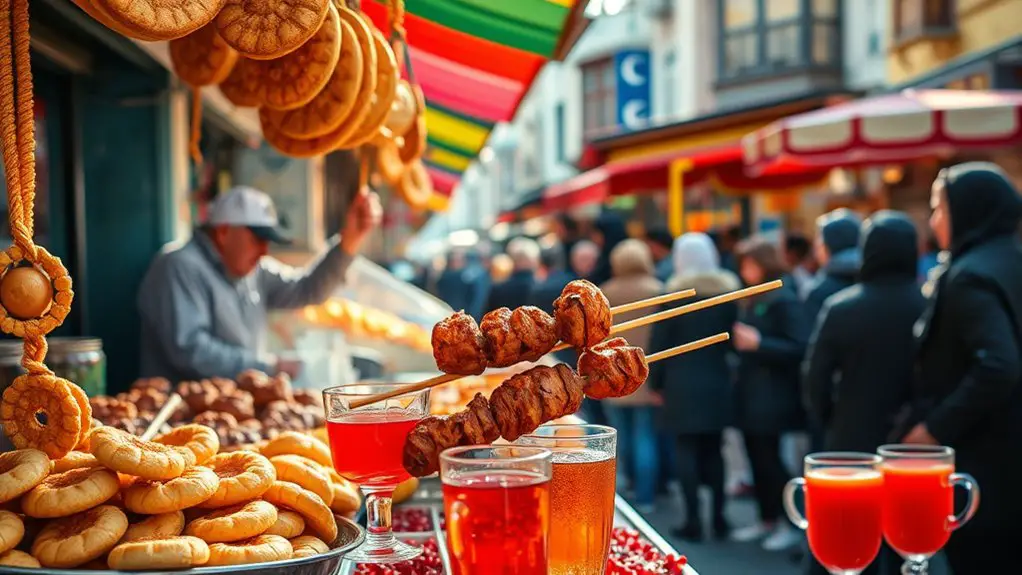
Moda is one of the most enjoyable places to eat on Istanbul’s Asian side, but its appeal is broader than any single “signature” street food. The neighborhood sits within Kadıköy, where traditional Turkish snacks, bakeries, quick-service counters, seafood, cafés, and modern fusion cooking overlap. For the most authentic experience, start with established Istanbul favorites such as simit, döner, lahmacun, midye dolma, börek, gözleme, and fish sandwiches or wraps, then head into Moda for desserts, coffee, and contemporary takes on local food.
Quick Answer
Moda’s best street-food experience is less about one signature “Moda” dish and more about Istanbul classics found across Kadıköy: simit, döner or dürüm, lahmacun, midye dolma, börek, çiğ köfte, and fish sandwiches or wraps. Save room for baklava or lokum, and expect modern cafés and fusion spots alongside traditional vendors.
Key Takeaways
- Start with Istanbul classics: simit, döner, dürüm, lahmacun, börek, midye dolma, and çiğ köfte are more representative choices than an invented “Moda Kebab.”
- Think beyond Moda proper: nearby Kadıköy Çarşı has a particularly dense mix of market food, bakeries, seafood, and quick bites, while Moda adds cafés, desserts, restaurants, and fusion cooking.
- Choose local fish formats: balık ekmek and fish wraps are more traditional Istanbul choices; fish tacos are better understood as a modern fusion option.
- Vegetarians have options: look for simit, çiğ köfte, roasted corn or chestnuts, and meat-free gözleme, but always check the actual ingredients.
- Use sensible food-safety precautions: freshly cooked food served hot is generally a safer choice, and travelers should be more cautious with shellfish and foods held at uncertain temperatures.
Disclosure: As an Amazon Associate I earn from qualifying purchases. Some links on this page are affiliate links, at no extra cost to you.
What Counts as Street Food in Moda?
In Istanbul, “street food” does not necessarily mean food sold from a cart. It also includes tiny takeaway counters, neighborhood bakeries, market stalls, casual grills, and fast-service shops where people stop for a quick meal.
That distinction matters in Moda. Official tourism information describes Moda as a popular part of Kadıköy filled with cafés, restaurants, bars, and shops. The wider Kadıköy area combines this newer food culture with traditional markets and quick Turkish meals.
Note: You do not need to limit yourself to the streets labeled “Moda” on a map. Kadıköy Çarşı and Moda are close enough to combine in the same food walk, and the wider area gives you a much better selection of traditional and modern foods.
Döner, Kebab, and Dürüm: Start With the Classics
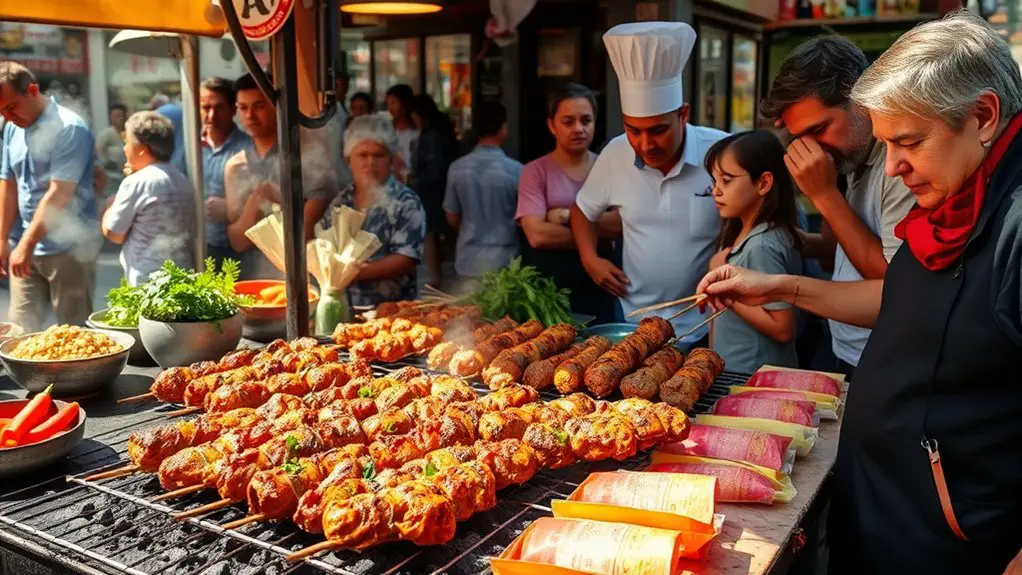
Kebab is an important part of Turkish cuisine, but there is no need to search for a supposedly unique dish called “Moda Kebab.” A better approach is to explore the established styles sold throughout Istanbul.
Döner is one of the easiest places to begin. Meat cooks on a vertical spit and is shaved to order, then served on a plate, in bread, or inside a wrap. Dürüm simply refers to a wrap format and can hold grilled meat, döner, chicken, or other fillings.
You may also see regional kebabs such as Adana or Urfa on restaurant and grill menus. These dishes come from other parts of Türkiye rather than Moda itself, but they are firmly established in the country’s food culture. GoTürkiye’s official Istanbul street-food guide includes döner, kebab, dürüm, and other quick Turkish foods among the city’s familiar choices.
For a more authentic Moda food crawl, order a recognized Turkish kebab or döner preparation instead of looking for a single neighborhood recipe called “Moda Kebab.”
Fish Street Food: Balık Ekmek, Fish Wraps, and Modern Tacos
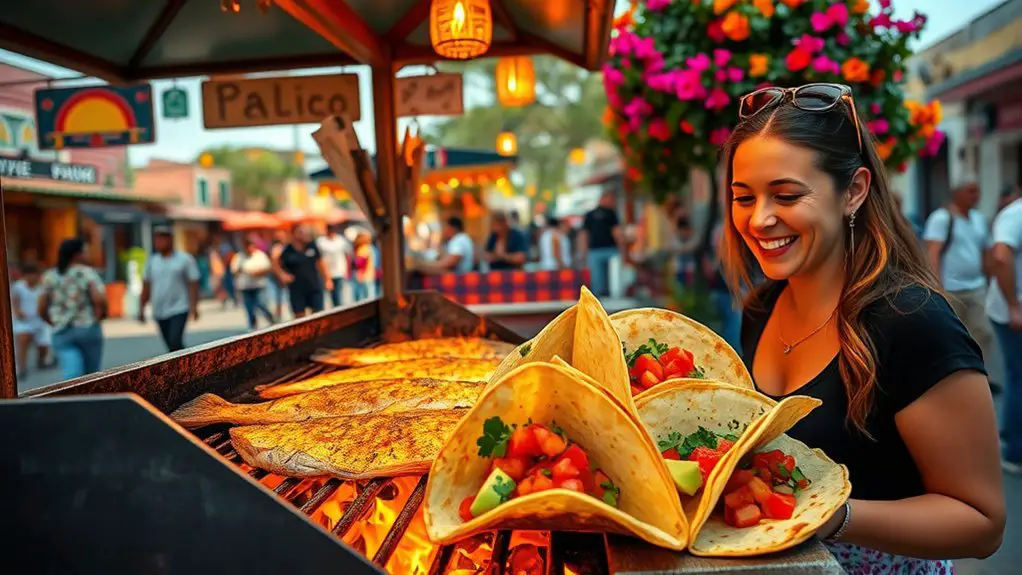
Moda’s position near the Sea of Marmara makes seafood a natural part of the local dining scene. However, fish tacos are better treated as a modern or international option than as a traditional Moda street-food specialty.
For a more recognizably Istanbul experience, look for balık ekmek, literally “fish bread,” or a fish wrap sold by a seafood counter or casual restaurant. GoTürkiye lists balık ekmek among Istanbul’s notable street foods.
You may still find tacos, creative fish sandwiches, or chef-driven seafood wraps in contemporary Kadıköy and Moda businesses. That variety fits the neighborhood’s modern food culture; it simply should not be confused with a centuries-old local tradition.
Pro Tip: Ask what fish is being served rather than assuming every shop uses the same species. Menus and seasonal availability can change, so the freshest choice may vary throughout the year.
Midye Dolma: Istanbul’s Stuffed Mussel Snack
Midye dolma is one of Istanbul’s best-known seafood snacks. Cooked mussel shells are filled with seasoned rice and typically eaten with a squeeze of lemon. They are sold at dedicated shops and counters as well as by street vendors.
The official GoTürkiye Marmara food guide includes midye dolma among Istanbul’s unmissable street foods.
Warning: Street-food safety cannot be judged by appearance alone. The CDC advises travelers that food from street vendors can increase the risk of foodborne illness and that properly cooked food served hot is generally a safer choice when hygiene or temperature control is uncertain. People at higher risk of severe food poisoning should be especially cautious with shellfish.
Lahmacun: Thin, Crisp, and Made to Roll
Lahmacun is a thin piece of dough topped with a seasoned minced-meat mixture and baked until crisp. It is commonly served with greens and lemon, then folded or rolled before eating.
Although it is sometimes nicknamed “Turkish pizza,” that comparison only gives you a rough idea of the format. Lahmacun is thinner than most pizza, has its own seasoning profile, and is normally eaten without a heavy cheese topping.
For travelers who want a filling meal that still feels like fast local food, lahmacun is one of the strongest choices around Kadıköy. It also appears on GoTürkiye’s official Istanbul street-food list.
Gözleme and Other Savory Flatbreads
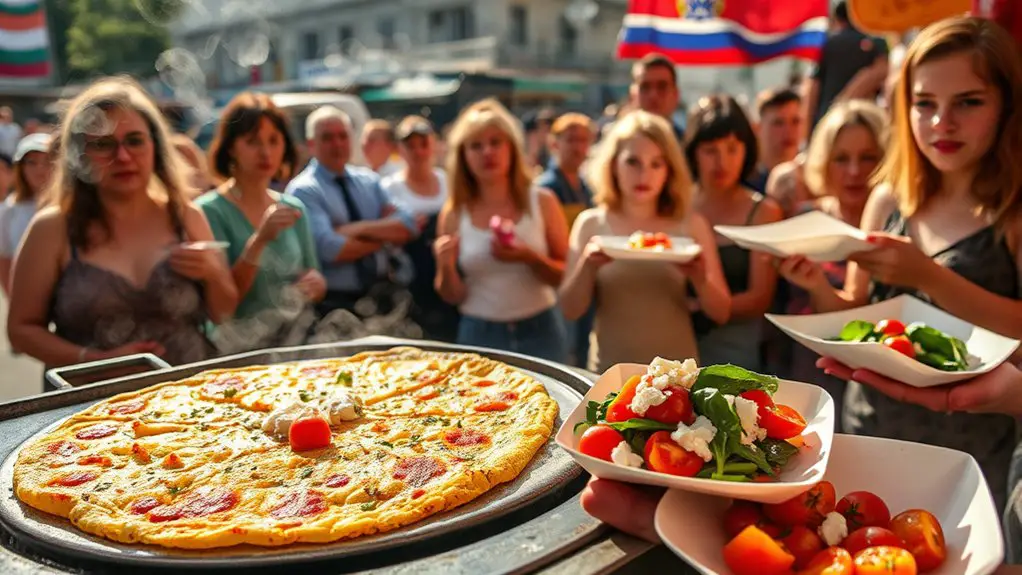
The original idea of a “savory street-style pancake” is better understood as gözleme. Gözleme is made from thin, hand-rolled dough with fillings such as cheese, spinach, potatoes, or minced meat, then cooked on a hot griddle or metal surface.
It should not be described as a thick pancake with an airy center. The appeal comes from thin dough, browned surfaces, warm fillings, and the contrast between crisp spots and softer folded layers.
GoTürkiye describes gözleme as hand-rolled dough stuffed with fillings such as cheese, spinach, or meat and cooked over a griddle.
Availability varies because Moda’s quick-food scene includes both traditional Turkish shops and international cafés. When you do see gözleme, it can be a useful meat-free option if you choose a cheese, spinach, potato, or vegetable filling.
Simit, Börek, and Other Bakery Foods
Some of the easiest foods to eat while exploring Kadıköy and Moda come from bakeries rather than carts. These are better examples of traditional Turkish grab-and-go food than croissants, éclairs, or focaccia, although Moda’s modern bakeries may sell those international items too.
Simit
Simit is a sesame-covered bread ring and one of Istanbul’s most recognizable portable snacks. It works especially well for breakfast or a light bite with Turkish tea.
GoTürkiye includes simit among the foods closely associated with Istanbul’s everyday street-food culture. A fresh simit is simple, inexpensive relative to a full restaurant meal in many situations, easy to carry, and available from bakeries and vendors throughout the city.
Börek
Börek is a broad family of savory pastries made with thin layers or sheets of dough. Fillings can include cheese, spinach, potatoes, or minced meat. Styles vary, so one bakery’s börek may look very different from another’s.
Rather than searching for an unverified “Kestane Börek” specialty, look at what a busy neighborhood bakery has fresh that day and choose the filling you prefer.
Poğaça and Açma
Poğaça is a soft savory pastry that may be plain or filled with ingredients such as cheese or olives. Açma is another soft, ring-shaped bakery item with a richer texture than simit. Both make convenient breakfast or mid-morning foods.
| Food | What to Expect | Good Time to Try It |
|---|---|---|
| Simit | Sesame-covered bread ring with a chewy interior and browned crust | Breakfast or a light snack |
| Börek | Layered savory pastry with cheese, spinach, potato, or meat fillings | Breakfast or lunch |
| Poğaça | Soft savory pastry, often plain or filled | Morning snack |
| Açma | Soft, rich ring-shaped bread or pastry | Breakfast with tea |
Satisfying Vegetarian Options
Vegetarian travelers do not have to rely on falafel to eat well around Moda. Falafel is available in Istanbul, but several foods with stronger roots in Turkish street-food culture are worth looking for first.
Çiğ köfte is one of the most useful choices. The widely sold meat-free version is made primarily from fine bulgur, spices, tomato or pepper pastes, and other seasonings, then served in lettuce or a wrap. GoTürkiye includes çiğ köfte on its vegetarian Istanbul street-food route.
You can also look for simit, roasted corn, roasted chestnuts when in season, cheese or spinach gözleme, vegetable-filled börek, and other bakery items. Stuffed grape leaves and lentil dishes are common in Turkish cuisine too, although they are often found in restaurants, delis, or meze counters rather than being specifically Moda street foods.
Note: “Vegetarian” does not automatically mean vegan. Cheese, yogurt, butter, eggs, or other animal products may appear in doughs, fillings, sauces, and toppings, so ask about ingredients when that distinction matters.
Sweet Treats: Lokum, Baklava, and More
Moda and Kadıköy also have a strong dessert and café culture. Many sweets are bought from confectioners, bakeries, cafés, or dessert shops rather than literal street carts, but they still fit naturally into a walking food tour.
Classic Turkish Delight Varieties
Turkish delight, or lokum, is a chewy confection sold in many flavors. Rose, citrus, pistachio, and other nut-filled or flavored versions are common, and texture can range from very soft to firmer depending on the recipe.
Rather than treating lokum as a honey-based sweet, focus on the flavoring and inclusions used by the confectioner. Nut-filled versions provide a noticeable contrast between the soft confection and crunchy pistachios or other nuts.
Baklava and Syrup-Based Sweets
Baklava combines many thin layers of filo-style dough with nuts and a sweet syrup. Pistachio and walnut versions are among the familiar choices in Türkiye.
Honey is sometimes associated with baklava in international descriptions, but it should not be presented as a required cornerstone of the dessert. GoTürkiye’s guide to baklava varieties describes the classic structure around layered dough, nuts, and syrup.
Fruit and Seasonal Snacks
Fresh fruit is widely available in Istanbul, particularly through markets and produce shops, but “fresh fruit kebabs” should not be treated as a defining Moda street-food tradition.
For a more recognizable portable Istanbul snack, look for roasted chestnuts or roasted corn when vendors are offering them. Seasonal availability affects what you will actually see during your visit.
A Simple Kadıköy-to-Moda Food Route
A good food crawl does not require a rigid restaurant checklist. In fact, keeping the route flexible makes it easier to follow what looks fresh and appealing that day.
- Begin around Kadıköy Çarşı. Browse the market streets and look for a small first bite such as simit, börek, or another bakery item.
- Add one savory classic. Choose lahmacun, döner, dürüm, or another freshly prepared hot dish.
- Try seafood selectively. Midye dolma, balık ekmek, or a fish wrap can provide a distinctly Istanbul seafood stop.
- Walk toward Moda. The change from market streets to Moda’s café-heavy atmosphere is part of the experience.
- Finish with something sweet. Choose lokum, baklava, ice cream, or a dessert from a bakery or café, then pair it with tea or Turkish coffee if you still have room.
Eating several small portions is usually more useful than ordering a full meal at every stop. It lets you compare more foods without turning the walk into a sequence of heavy restaurant meals.
Street-Food Safety Tips for Travelers
Street food is part of the pleasure of exploring Istanbul, but no vendor or dish can be guaranteed risk-free. The CDC Yellow Book advises travelers to pay attention to food preparation and temperature, especially when sanitation conditions are uncertain.
- Prefer food that is cooked thoroughly and served hot.
- Be cautious with food that appears to have been sitting at room temperature for long periods.
- Take extra care with shellfish and other foods that depend on reliable temperature control.
- Wash your hands before eating or use an alcohol-based hand sanitizer when soap and water are unavailable.
- If you are pregnant, immunocompromised, an older adult, or otherwise at greater risk from foodborne illness, take stricter precautions.
A clean counter, gloves, or a busy queue can be encouraging signs, but they do not prove that storage temperatures and behind-the-scenes handling are safe.
Frequently Asked Questions
Are street food prices in Moda affordable for travelers?
Many quick foods can cost less than a full sit-down meal, but there is no single reliable “street-food price” for Moda. Prices vary by dish, portion, venue, and current economic conditions. Check posted menus before ordering and compare nearby options rather than relying on an old online price list.
When is the best time to explore street food stalls?
Morning is ideal for simit, börek, poğaça, and other bakery foods. Lunch through early evening gives you a broader choice of döner, lahmacun, seafood, and quick meals. Later in the day, Moda’s cafés and dessert shops make an easy final stop.
Are street food vendors in Moda hygienic and safe?
Food safety varies by vendor, and appearance alone cannot guarantee safe handling. Travelers can reduce risk by favoring food that is thoroughly cooked and served hot, avoiding food held at questionable temperatures, practicing good hand hygiene, and using extra caution with shellfish and other higher-risk foods.
Can I find gluten-free options among Moda’s street foods?
Some foods may be made without gluten-containing ingredients, but many famous choices are not gluten-free. Simit, börek, lahmacun, gözleme, and standard bread wraps contain wheat, while çiğ köfte normally contains bulgur, which is also wheat. Even foods without obvious wheat can be exposed to cross-contact, so people with celiac disease or a serious allergy should confirm ingredients and preparation directly with the vendor.
What vegetarian street foods should I try?
Good options can include simit, meat-free çiğ köfte, roasted corn, roasted chestnuts, cheese or spinach gözleme, and vegetable-filled börek. Recipes vary, so vegans should ask about dairy, egg, butter, and other animal ingredients before ordering.
Should I eat only in Moda or also explore Kadıköy Çarşı?
Explore both. Kadıköy Çarşı gives you a dense concentration of market food, bakeries, seafood, and casual Turkish eating, while Moda is especially enjoyable for cafés, desserts, restaurants, and modern interpretations. Combining the two gives you a more complete picture of the area’s food culture.
How do local vendors prepare traditional street foods?
Preparation depends on the dish. Döner cooks on a vertical spit, kebabs are commonly grilled, lahmacun is baked on thin dough, gözleme is cooked on a hot griddle, börek is baked or cooked from layered dough, and midye dolma combines cooked mussels with seasoned rice. The variety is one reason an Istanbul street-food crawl works best when you sample several small dishes.
Conclusion
Moda is worth visiting for food precisely because it mixes old and new. The most rewarding approach is to skip the search for a mythical signature “Moda” dish and instead taste established Istanbul favorites while moving from Kadıköy’s market streets toward Moda’s cafés and waterfront atmosphere. Start with simit, döner, lahmacun, börek, gözleme, or midye dolma, add fish if it looks appealing, and finish with lokum or baklava. You will get a more authentic—and much more varied—taste of the neighborhood.
Sources
- GoTürkiye — Moda — official overview of Moda and its café, restaurant, and neighborhood character.
- GoTürkiye — Istanbul Street Food — supports döner, kebab, dürüm, lahmacun, börek, and midye dolma as established Istanbul street foods.
- GoTürkiye — Taste Marmara — supports simit, balık ekmek, midye dolma, and çiğ köfte among Istanbul street-food choices.
- GoTürkiye — Istanbul Vegetarian Street Food Route — supports vegetarian options including çiğ köfte and simit.
- GoTürkiye — Baklava Varieties — supports the description of baklava as layered dough, nuts, and syrup.
- CDC Yellow Book — Food and Water Precautions for Travelers — supports the food-safety guidance for street food, shellfish, temperature control, and higher-risk travelers.
