
Last Updated on July 25, 2026 by Daniel Globe
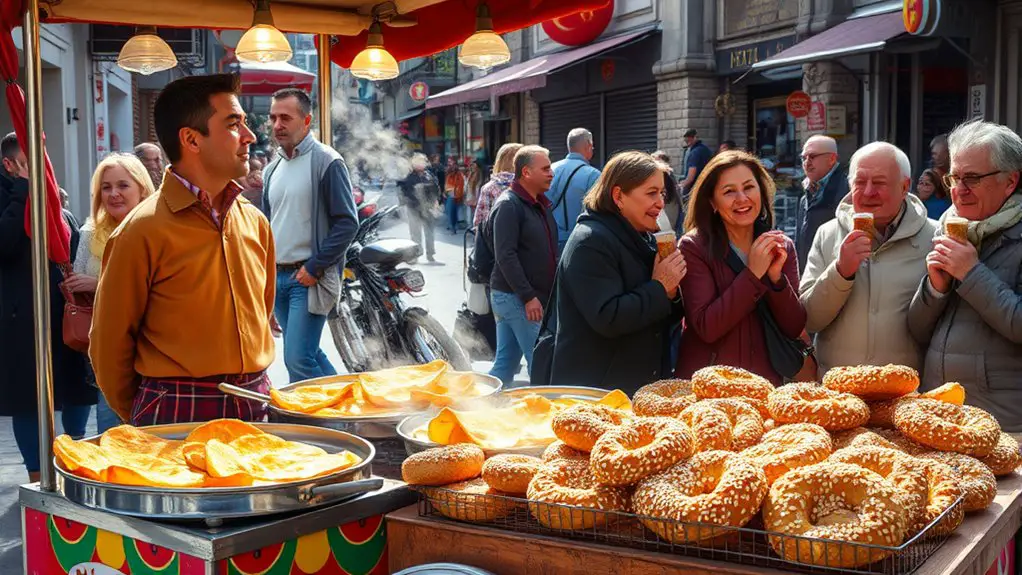
Fener, on Istanbul’s Golden Horn, is best explored as a neighborhood food stop rather than as the home of one fixed street-food menu. Around Fener and neighboring Balat, you can find everyday Istanbul favorites such as simit, börek, tea, coffee, pickles, and seasonal roasted snacks, along with cafés and restaurants serving dishes from across Türkiye. The key is knowing which foods fit the Golden Horn area and which are citywide classics.
Quick Answer
Fener’s best food experience mixes everyday Istanbul snacks with Golden Horn flavors: simit, börek, tea, coffee, pickles, roasted chestnuts or corn in season, plus bean-and-rice dishes and seafood-based meze. Lahmacun, pide, sucuk, pastırma, baklava, and kumpir are worth trying too, but they are not uniquely Fener specialties.
Key Takeaways
- Look for simit, pickles, roasted chestnuts, grilled corn, bean dishes, and traditional meze when you want foods that fit the wider Fatih–Balat–Fener Golden Horn setting.
- Sucuk, pastırma, lahmacun, pide, börek, baklava, and Turkish coffee are Turkish classics you may find around Fener, but they should not be presented as dishes that originated in the neighborhood.
- Kumpir is popular across Istanbul, but Ortaköy is the neighborhood most closely associated with rows of dedicated kumpir vendors.
- The area around Yıldırım and Vodina Streets near the Golden Horn is one of the livelier parts of Fener for cafés and restaurants.
- Prices change quickly in Istanbul, so check the displayed menu before ordering instead of relying on old online price guides.
Disclosure: As an Amazon Associate I earn from qualifying purchases. Some links on this page are affiliate links, at no extra cost to you.
What Fener Street Food Is Really Known For
Fener shares its food culture with the wider Golden Horn and neighboring Balat. The official GoTürkiye Golden Horn guide highlights lakerda, pilaki, kuru fasulye with pilav, pickles, simit, chestnuts, and grilled corn for the Fatih–Balat–Fener route.
That makes these foods a better starting point for a neighborhood-focused tasting list than treating every famous Turkish dish as a Fener specialty.
| Food | What to Expect |
|---|---|
| Simit | A sesame-coated bread ring with a crisp surface and chewy center. |
| Kestane | Roasted chestnuts sold hot, especially when the weather turns cool. |
| Grilled corn | A simple seasonal street snack cooked on portable grills. |
| Pickles | Sharp, salty vegetables that are a familiar part of Istanbul food culture. |
| Kuru fasulye and pilav | White-bean stew with rice, better viewed as a filling neighborhood meal than a handheld snack. |
| Lakerda and pilaki | Traditional preparations that reflect the Golden Horn’s broader meze and seafood culture. |
Sizzling Sucuk and Pastirma
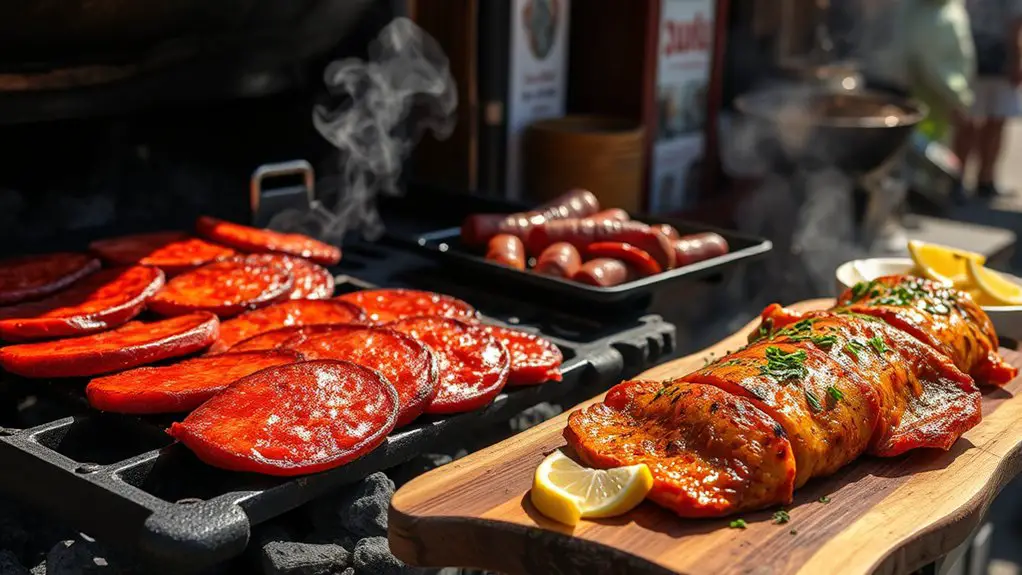
Sucuk and pastırma are well-known Turkish meat products, but they are not uniquely tied to Fener. Think of them as flavorful additions you may find in breakfast dishes, sandwiches, eggs, or pide rather than guaranteed street-cart staples.
Sucuk is a heavily seasoned sausage that is normally cooked before serving. Its garlic and spice flavors become especially strong when it is fried or grilled.
Pastırma is cured and dried beef, often coated with a seasoned çemen mixture. It is commonly sliced very thin and can be eaten as it is or added to hot dishes such as eggs and pide. Unlike sucuk, cooking it over an open flame is not a defining part of its preparation.
Pro Tip: Rather than searching specifically for a street stall grilling both meats, look at bakery, breakfast, and pide menus for sucuklu or pastırmalı versions of familiar dishes.
Freshly Baked Simit and Borek
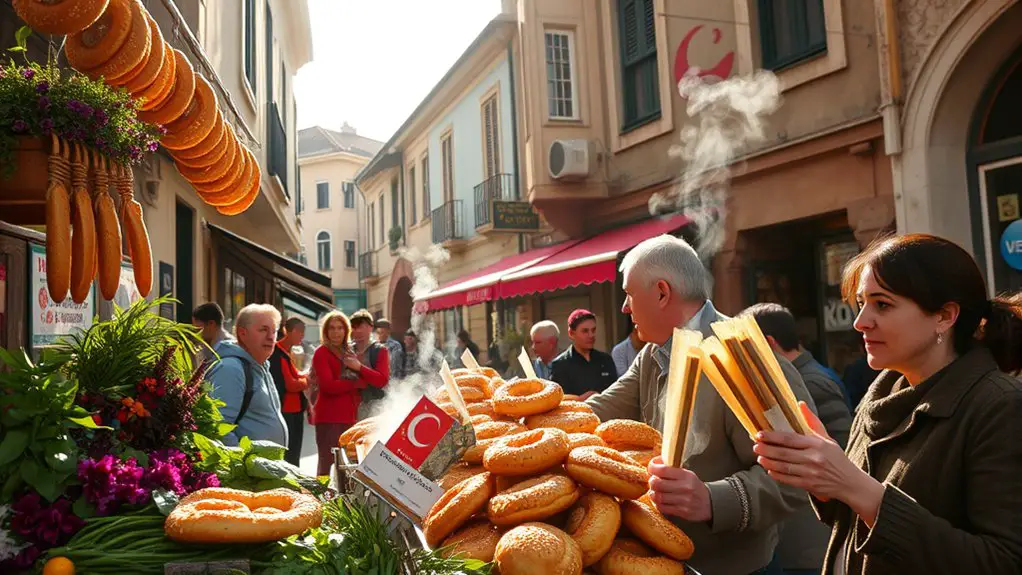
For an easy breakfast or snack, simit and börek are among the most practical choices. They are portable, widely eaten, and easy to pair with a glass of Turkish tea.
Crispy, Golden Simit
Simit is a ring-shaped bread with a sesame-coated exterior. A good one has a lightly crisp crust and a chewy center rather than being dry or rock-hard. The official Golden Horn guide specifically includes the smell of simit among the sensory experiences associated with the Fatih–Balat–Fener route.
| Feature | What to Look For |
|---|---|
| Shape | Round, braided or twisted-looking ring |
| Coating | Generous layer of toasted sesame seeds |
| Texture | Crisp outside, chewy rather than dry inside |
| Best pairing | Turkish tea, cheese, or a simple breakfast |
Flaky Borek Varieties
Börek uses thin sheets of yufka or similar pastry wrapped or layered around savory fillings. Common choices include cheese, spinach, potato, and minced meat.
The exact form changes from bakery to bakery. Some versions are rolled, some are layered in trays, and others are shaped into coils or individual portions. What matters most is freshness: the pastry should still have some crispness rather than sitting limp and greasy.
Vegetarians can often find cheese, spinach, or potato börek, but it is still worth asking what the filling contains.
Kumpir: Popular in Istanbul, but Not a Fener Specialty
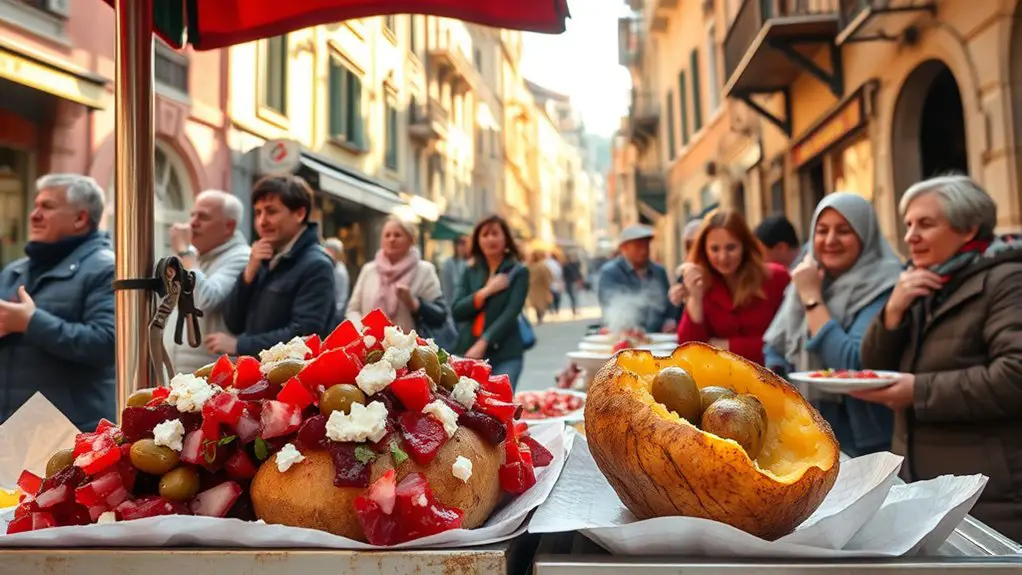
Kumpir is a large baked potato opened while hot and mixed with butter, salt, and cheese to make the inside creamy. It is then piled with toppings chosen by the customer.
You may come across kumpir around Istanbul, but it should not be treated as a defining Fener food. The official GoTürkiye Istanbul street-food guide identifies Ortaköy as the city’s best-known kumpir destination.
Classic Kumpir Base
The base is simpler than the original article suggested. The potato itself is mashed inside its skin with butter and melting cheese. Pickles, vegetables, salads, olives, corn, sausage, and sauces are optional toppings rather than required ingredients.
| Component | Typical Role | Examples |
|---|---|---|
| Base | Creamy potato mixture | Potato, butter, cheese, salt |
| Vegetables | Freshness and texture | Corn, olives, pickles, cabbage |
| Hearty toppings | Make it more filling | Sausage, salads, cheese |
| Sauces | Optional finishing flavor | Varies by vendor |
Customization Options Available
Customization is the main appeal. You can usually choose several toppings and leave out ingredients you do not want. A vegetable-focused kumpir can be vegetarian, while meat toppings make it more substantial.
For allergies or strict dietary needs, ask about individual salads and sauces rather than assuming every topping is suitable.
Where Kumpir Is Most Iconic
If eating kumpir is one of the main goals of your Istanbul trip, Ortaköy is the stronger choice. Its waterfront area is famous for rows of vendors preparing large baked potatoes with extensive topping selections.
In Fener, let the neighborhood itself guide your meal instead of hunting for previously published names such as “Kumpir House” or “Çılgın Kumpir,” which cannot be reliably verified as Fener/Fatih destinations.
Savory Lahmacun and Pide
Lahmacun and pide are excellent Turkish choices when you want something hotter and more filling than simit or börek. They are common across Istanbul, but neither should be described as a food whose heritage is specifically rooted in Fener.
Lahmacun starts with thin dough spread with a seasoned mixture that commonly includes minced meat, vegetables, herbs, and spices before baking. Lemon and fresh greens are often added when eating it.
Pide comes in several forms and is usually thicker and more substantial. Boat-shaped versions may be filled or topped with cheese, minced meat, diced meat, vegetables, sucuk, or eggs.
| Dish | Dough | Typical Style |
|---|---|---|
| Lahmacun | Very thin | Meat-and-vegetable mixture spread across the surface |
| Pide | Thicker and breadier | Often boat-shaped with cheese, meat, vegetables, or egg |
Sweet Turkish Delight and Baklava
After a savory meal, lokum and baklava are two classic Turkish sweets to look for. Like lahmacun and pide, they belong to the wider Turkish food tradition rather than to Fener alone.
Turkish delight, or lokum, has a soft, chewy texture and comes in flavors such as rose, citrus, or mastic, along with varieties containing pistachios, hazelnuts, or walnuts.
Baklava and lokum are Istanbul-wide classics, so judge them by freshness and quality rather than looking for a supposedly unique “Fener” version.
Baklava is made from many thin pastry layers with butter and nuts, most commonly pistachios or walnuts, followed by a sweet syrup. The official Istanbul tourism guide describes baklava as thin layers of dough finished with sugar syrup.
For both sweets, smaller portions make it easier to sample several foods during a walking day.
Fresh Fruit and Juice Stands
You may also encounter fruit sellers or shops preparing fresh juice. Availability changes with the street, season, and time of day, so it is better not to assume that juice stands line every part of Fener.
When fruit is in season, citrus and pomegranate juices can be refreshing between richer foods. Choose fruit that looks fresh and, where possible, watch the drink being prepared.
Juice should be treated differently from hot tea or coffee from a food-safety standpoint. Fresh, unpasteurized juice can carry more risk if ingredients, equipment, water, or ice are not handled safely.
Local Coffee and Tea Delights
Tea and Turkish coffee fit naturally into a Fener walk. Cafés are part of the neighborhood experience, and the official Fener and Balat guide even describes historic residents sitting in their projecting windows and balconies while drinking tea or Turkish coffee.
UNESCO inscribed Turkish coffee culture and tradition on its Representative List of the Intangible Cultural Heritage of Humanity in 2013. Finely ground coffee is prepared unfiltered in a small coffee pot, traditionally called a cezve, producing an intense drink served in a small cup.
| Drink | Preparation | Flavor |
|---|---|---|
| Turkish Coffee | Finely ground coffee heated in a cezve and served unfiltered | Intense and aromatic |
| Black Tea | Typically brewed strong and served in a small tulip-shaped glass | Brisk and warming |
| Herbal Infusion | Leaves, flowers, or herbs steeped in hot water | Varies by ingredient |
Where to Find Food in Fener
The official Fener and Balat neighborhood guide identifies the area between Yıldırım and Vodina Streets, close to the Golden Horn shore, as one of Fener’s liveliest sections. Cafés and restaurants cluster around this part of the neighborhood, making it a useful place to start when you want a break between sightseeing stops.
Fener also blends almost seamlessly into neighboring Balat, so a food walk does not need to stop at an invisible neighborhood boundary. Bakeries, cafés, small restaurants, and changing street vendors are more useful guides than a rigid list of supposed “must-visit” stalls.
Note: This guide refers to Fener in Istanbul’s Fatih district on the Golden Horn. Do not confuse it with businesses or places using “Fener” elsewhere in Istanbul, including the Kadıköy side.
Best Times for Street Food in Fener
Morning is a good time for fresh simit, börek, tea, and other bakery foods. Lunch through early evening gives you a wider choice of hot dishes from cafés and restaurants.
Season matters too. Roasted chestnuts are strongly associated with colder weather, while corn is easier to encounter in warmer months. Individual carts and small vendors can move or change hours, so there is no single “perfect” hour that guarantees every food will be available.
Food Safety Tips
Warning: Street food is part of the fun of traveling, but no visual cue can guarantee that food is safe. The CDC recommends favoring food that is thoroughly cooked and served hot and being cautious with raw or undercooked ingredients, unpasteurized products, and food or drinks prepared with questionable water.
The CDC Yellow Book food and water guidance provides a useful framework for travelers:
- Choose busy vendors or restaurants where food turns over quickly.
- Prefer meat and egg dishes that are fully cooked and served hot.
- Be cautious with foods that have been sitting at room temperature for long periods.
- For fresh juice, consider how the fruit, equipment, water, and ice are being handled.
- Wash or sanitize your hands before eating handheld foods.
Frequently Asked Questions
Which Street Food Is the Most Popular Among Locals?
There is no reliable Fener-only ranking that proves one food is the local favorite. Simit is an everyday Istanbul snack and fits the Golden Horn setting well. Citywide, GoTürkiye describes döner as Istanbul’s most popular street food, so it is safer to avoid claiming that simit is definitively number one among Fener residents.
Are There Vegetarian Options Available in Fener’s Street Food Stalls?
Yes. Simit, roasted corn, chestnuts, pickles, some cheese or spinach börek, vegetable toppings, and many café dishes can be vegetarian. Ingredients differ by vendor, so ask about meat stock, fillings, sauces, or toppings when you need a strictly vegetarian meal.
How Much Does a Typical Street Food Meal Cost in Fener?
Prices in Istanbul change quickly, and the old 10–20 TRY estimate should not be used as a current meal budget. A simple snack can cost far less than a full lahmacun, pide, meat dish, or café meal. Check the displayed menu or ask the price before ordering, especially in tourist-facing areas.
What Are the Best Times to Visit for Street Food Tasting?
Go in the morning for bakery foods such as simit and börek. Lunch through early evening usually gives you more choices for hot meals and café stops. Chestnuts are more closely associated with cool weather, while grilled corn is easier to find in warmer periods.
Are There Any Food Safety Tips for Enjoying Street Food in Fener?
Favor freshly cooked food that is served hot, especially meat and eggs. Be cautious with raw ingredients, foods left sitting at room temperature, unpasteurized drinks, and questionable ice or water. Busy sellers with steady turnover can be a practical choice, but appearance alone cannot guarantee safety.
Is Kumpir a Traditional Fener Specialty?
No. Kumpir is popular in Istanbul and may be available around different neighborhoods, but Ortaköy is the district most famously associated with dedicated kumpir vendors. In Fener, prioritize foods and cafés that fit naturally into your Golden Horn walk.
Where Should I Start a Food Walk in Fener?
The streets around Yıldırım and Vodina near the Golden Horn are a useful starting area because cafés and restaurants are concentrated there. From there, continue on foot toward neighboring Balat and stop wherever you see fresh bakery goods, busy local eateries, or seasonal vendors.
Conclusion
Exploring Fener’s food scene is most rewarding when you let the neighborhood guide you. Start with simple Istanbul staples such as simit, börek, tea, and coffee, then look for the pickles, bean dishes, seasonal chestnuts, corn, and other flavors associated with the Golden Horn.
Lahmacun, pide, sucuk, pastırma, baklava, and kumpir can still be enjoyable parts of the day, but they belong to Istanbul’s broader food culture rather than a uniquely Fener tradition. That distinction gives you a more accurate—and ultimately more interesting—taste of the neighborhood.
Sources
- GoTürkiye — Fener and Balat Neighbourhoods — Fener geography, Golden Horn setting, and the Yıldırım/Vodina café and restaurant area.
- GoTürkiye — Byzantium Along the Golden Horn — foods and street aromas specifically associated with the Fatih–Balat–Fener route.
- GoTürkiye — Istanbul Street Food — Istanbul street-food traditions and Ortaköy’s association with kumpir.
- GoTürkiye — The Sweet Happy Ever After — Turkish baklava and lokum descriptions.
- UNESCO — Turkish Coffee Culture and Tradition — preparation, cultural role, and 2013 inscription.
- CDC Yellow Book — Food and Water Precautions for Travelers — practical food and drink safety guidance.
