
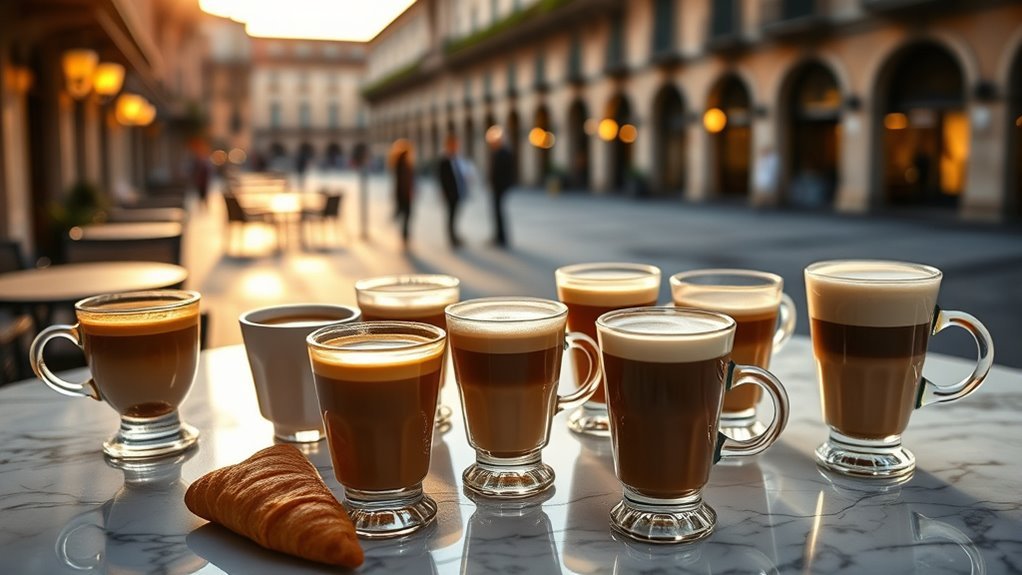
Last Updated on July 24, 2026 by Daniel Globe
Italy’s coffee culture includes far more than one style of espresso. You can drink a dark, compact shot at a traditional bar, compare light-roasted single origins at a specialty café, visit a working roastery, or spend an afternoon in a historic coffeehouse. This guide brings those experiences together, with verified picks in Rome, Milan, Turin, Florence, Bologna, Bergamo, Palermo, Cagliari, and other coffee-focused cities.
Quick Answer
For modern specialty coffee, start with Faro and Aliena in Rome, Orsonero and Cafezal in Milan, Dapper and ORSO in Turin, Ditta Artigianale in Florence, Forno Brisa in Bologna, and Bugan Coffee Lab in Bergamo. Add Trieste for historic cafés and Naples for traditional espresso culture.
Key Takeaways
- Rome, Milan, Turin, Florence, Bologna, and Bergamo have some of Italy’s strongest modern specialty-coffee scenes.
- Trieste is the better choice for historic coffeehouses and coffee-trade history, while Naples is known for its short, intense espresso ritual.
- The best café for you depends on whether you want traditional espresso, filter coffee, brunch, in-house roasting, training, or beans to take home.
- Beans, menus, locations, and opening hours can change, so check each café’s official channel before making a special trip.
Disclosure: As an Amazon Associate I earn from qualifying purchases. Some links on this page are affiliate links, at no extra cost to you.
Best Specialty Coffee in Italy by City
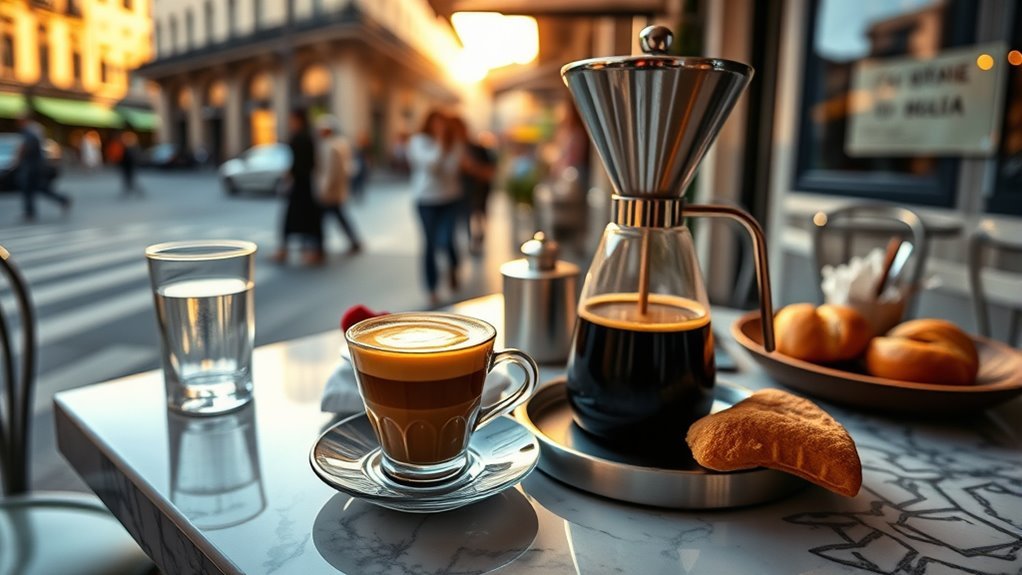
Italy’s best coffee destinations offer different experiences rather than one national style. Rome combines specialty coffee with brunch and seasonal food. Milan favors polished espresso bars, bakeries, and modern coffee hubs. Turin mixes contemporary brewing with chocolate and gelato, while Florence and Bergamo are especially strong for artisan roasting and coffee education.
| City | Notable Stops | Best For |
|---|---|---|
| Rome | Faro, Aliena, Casa Matti, Luna | Specialty espresso, filter coffee, brunch |
| Milan | Orsonero, Cafezal, Le Polveri, Onest | Modern cafés, pastries, coffee education |
| Turin | Dapper, ORSO, Mara dei Boschi | Single origins, experimental drinks, chocolate pairings |
| Florence | Ditta Artigianale | In-house roasting, espresso, pour-over |
| Bologna | Forno Brisa, Caffè Terzi | Coffee with bread and pastries, artisan blends |
| Bergamo | Bugan Coffee Lab | Cupping, workshops, advanced coffee training |
| Trieste | Antico Caffè San Marco, Caffè degli Specchi | Historic cafés and coffee-trade heritage |
| Naples | Traditional neighborhood bars and historic cafés | Short espresso and the suspended-coffee tradition |
Note: Coffee beans, guest roasters, food menus, prices, locations, and opening hours can change. Confirm current details on the café’s official website or social profile before traveling across a city to visit it.
Rome’s Best Specialty Coffee Spots
Rome has moved well beyond the idea that quality coffee must be limited to a quick, dark espresso. Its strongest modern cafés combine traceable beans with carefully prepared espresso, batch brew, pour-over, bakery items, and full meals.
- Faro: Opened by the team behind Aliena, Faro helped establish Rome’s modern specialty-coffee scene. It combines house-roasted coffee with bakery items, breakfast, brunch, and lunch.
- Aliena Coffee Roasters: Founded in Rome in September 2021, Aliena focuses on carefully selected single-origin coffees and supplies the Faro group’s cafés.
- Casa Matti: This Prati café uses a table-service format rather than a conventional standing bar. Its rotating coffee selection may include espresso, batch brew, and hand-brewed filter coffee.
- Origine San Paolo: A useful option when you want specialty coffee with a broader breakfast or food menu. Check its current coffee supplier and brewing choices before visiting.
- Luna by Faro: Opened in 2025 as an extension of Faro, Luna places specialty coffee within a larger brunch, bakery, and lunch experience near Piazza Barberini.
Choose Faro when coffee is your main reason for visiting, Casa Matti for a slower table-service experience, and Luna when your group also wants a substantial meal.
Products Worth Considering

𝘿𝙤𝙪𝙗𝙡𝙚-𝙡𝙖𝙮𝙚𝙧 𝙁𝙞𝙡𝙩𝙚𝙧 : Dual layers of 304 stainless steel allow fine oils from coffee powder to infuse themselves into your coffee, creating a richer, fuller flavor and no coffee ground deposits

CHEMEX - simple, easy to use with timeless, elegant design

Pour Over and Thermal Carafe Set: Prepare rich, flavorful coffee with this easy to use personal pour-over and thermal, stainless steel carafe set that's perfect for the home and office; Stainless Steel carafe holds 42 ounces/6 cups of coffee. Use Melitta #4 Cone Coffee Filters with this. 42 ounce capacity.
Milan’s Top Specialty Coffee Shops
Milan’s specialty scene combines precise brewing with the city’s interest in design, baking, food, and professional training. You can find small espresso-focused cafés as well as larger spaces that roast coffee, run courses, and serve meals throughout the day.
- Orsonero Coffee: A compact, minimalist café known for espresso and carefully prepared filter coffee. It is a strong choice when you want the coffee itself to remain the focus.
- Cafezal: Cafezal operates several Milan locations, including a Coffee Hub with roasting, coworking, events, and the Cafezal Academy. Different branches offer different combinations of coffee, pastry, brunch, and aperitivo.
- Le Polveri: Primarily an artisan bakery, Le Polveri is worth considering when you want well-made coffee with naturally leavened bread or pastries.
- Onest: A quiet all-day space that combines specialty coffee with food and wine. It works well for breakfast, lunch, or a longer break.
- Taglio: A restaurant, salumeria, and coffee destination with a broad food identity. Ask which beans and extraction methods are currently available, as menus can rotate.
Pro Tip: Visit a focused café such as Orsonero for your first cup, then choose Cafezal or Onest when you also want a meal, workspace, class, or longer visit.
Products Worth Considering

SUITABLE FOR MOST OF BREVILLE MACHINES - Well -designed for all Breville machine models: BES980XL, BES920XL, BES900XL, BES860XL, BES870XL and BES840XL infuser espresso machine, BKC600XL and BKC700XL gourmet single cup brewer

Enhance the Experience: Same concept as puck screen, better distribution of water flow from shower head, more espresso extraction.

Each 53mm espresso filter paper is selected from natural virgin pulp, chlorine-free. Each piece of wood is carefully selected and of high quality
Turin’s Best Coffee Shops and Roasters
Turin has deep ties to Italian coffee, chocolate, and café culture. Its contemporary shops build on that history with rotating single origins, filter coffee, experimental drinks, and pairings with gelato or chocolate.
- Dapper Coffee: An independent specialty café offering espresso, filter coffee, and creative drinks that reference Turin flavors.
- Mara dei Boschi: A multidisciplinary project centered on gelato, chocolate, and specialty coffee. It is particularly appealing when you want to compare coffee with carefully made sweets.
- ORSO Laboratorio Caffè: An experience-focused coffee lab with multiple Turin locations and a menu built around varied coffees and extraction methods.
- Caffè Cavour: A more traditional choice for visitors who want a polished Italian café atmosphere rather than a strictly modern filter-coffee bar.
Caffè Alexander should not be included in Turin recommendations. It is located in Verona and belongs in the northern Italy section below.
Products Worth Considering

8.8 oz of Ground Coffee From 100% Robusta beans from Vietnam & Brazil – bold, intense flavor with naturally high caffeine,

Authentic Italian Roasted Coffee: Handcrafted by a third-generation Puglian family roastery using time-honored Mediterranean techniques perfected over 20 years. Each small-batch roast delivers rich, full-flavored notes with the true spirit of Italian espresso.

Premium Costa Rican Coffee: Kwiso’s honey process coffee is a specialty single origin from Tarrazu, Costa Rica. Grown at 4,000 – 6,200 ft in volcanic soil, it delivers natural sweetness, premium quality, and a distinctive taste.
Bologna and Mantova Coffee Gems
Bologna’s strongest coffee stops often connect coffee with artisan food production. Mantova offers a smaller scene, but it can still provide a welcome break from conventional Italian bar coffee.
Forno Brisa began in Bologna in 2015 and now operates several locations. Its Galliera shop houses a visible roastery where coffee is roasted on site. This makes it a good stop when you want to pair espresso or filter coffee with fresh bread, pizza, pastries, or chocolate.
Ortika Coffee & Food in Mantova takes inspiration from contemporary international café culture and combines coffee with breakfast and food. Its independent-roaster selection and menu may change, so confirm current details before visiting.
Specialty Coffee Picks in Foligno, Bari, Palermo, and Cagliari
Smaller specialty scenes can be rewarding because a single café often acts as a local meeting point, bean retailer, and introduction to filter brewing.
- Drip Specialty Coffee Bistrot in Foligno: Look for rotating beans and a choice of espresso or filter extraction. Ask the barista which method suits the coffee currently on the grinder.
- Cosmico Caffetteria Indipendente in Bari: A modern independent stop associated with lighter roasting and careful brewing. Check its current menu and opening schedule before visiting.
- Vabres Caffè in Palermo: A local option for visitors who want specialty preparation within Palermo’s lively food culture.
- Caffè dell’Arte Specialty Coffee in Cagliari: This café roasts coffee, serves espresso and filter drinks, and combines them with breakfast and brunch.
Florence, Verona, and Genoa Specialty Coffee
Florence deserves a place near the top of any Italian specialty-coffee itinerary. Ditta Artigianale was founded in Florence in 2013 by Francesco Sanapo and Patrick Hoffer. It operates several locations and connects its cafés directly with its roasting business. Depending on the location and current menu, you may find espresso, single origins, filter preparations, food, and coffee products to take home.
In Verona, Caffè Alexander is a contemporary specialty café associated with espresso and hand-brewed coffee. Its correct location is Verona, not Turin. In Genoa, Tazze Pazze is another name to investigate when you want modern brewing methods beyond standard espresso. Check current bean and method availability at both cafés.
Traditional Coffee Cities Worth Adding
Trieste: Historic Cafés and Coffee Trade
Trieste is essential for understanding Italian coffee beyond the cup. Its free-port history helped make the city an important center for importing, processing, roasting, trading, and teaching coffee. The official city guide describes a local supply chain that includes importers, shipping companies, roasters, laboratories, and training institutions.
Visit historic cafés such as Antico Caffè San Marco or Caffè degli Specchi for architecture and atmosphere, then compare that experience with a modern roaster or coffee academy. Trieste also uses local ordering terms, so reading the city’s official coffee guide before your visit can make ordering easier.
Naples: Espresso as a Daily Ritual
Naples offers a different experience from a light-roast specialty café. Coffee is usually short, intense, and closely tied to the social rhythm of the neighborhood bar. A glass of water may be served with the espresso, and the city is strongly associated with the tradition of the caffè sospeso, or suspended coffee, in which a customer pays for an additional cup for someone who cannot afford one.
Do not judge a Neapolitan bar only by whether it offers pour-over coffee or detailed tasting cards. Its value may lie in speed, consistency, local custom, and the way coffee connects people throughout the day.
Italy’s Best Artisan Coffee Roasteries
Italy has a broad mix of national coffee companies, historic family businesses, and independent specialty roasters. The following roasteries stand out for traceability, distinctive roasting, education, or a strong connection between the roastery and the café.
- Ditta Artigianale, Florence: Founded in 2013, it works with traceable coffees and connects roasting with several Florence cafés.
- Ideal Caffè Stagnitta, Palermo: Founded in 1922, this historic family roastery sells traditional blends and single-origin coffee. Its shop retains furnishings dating from the 1950s.
- Caffè Terzi, Bologna: Opened its Bologna coffee shop in 2001 and offers blends and rotating origins. Its Terzi N1 is described by the company as a 100% Arabica blend suitable for espresso and alternative brewing.
- Bugan Coffee Lab, Bergamo: Combines specialty coffee with cupping, workshops, professional training, and the SCA Coffee Skills Program.
- Gardelli Specialty Coffees, Forlì: Led by Rubens Gardelli, the company offers single origins, competition-style lots, and coffees roasted for espresso or filter preparation.
Specialty Coffee Beyond Classic Espresso
A traditional Italian espresso is concentrated, fast to prepare, and usually built around a consistent house blend. Specialty cafés may also serve espresso, but they often give you more information about the farm, country, variety, processing method, roast, and expected flavors.
The Specialty Coffee Association defines specialty coffee through distinctive attributes that create additional value. That approach goes beyond the old idea that every specialty coffee can be understood through a single score.
Emerging Specialty Cafés
Independent cafés continue to change how coffee is served in Italy. Faro and Aliena connect café service with roasting in Rome. Taglio and newer Milan cafés combine coffee with food and community. Dapper has added another modern specialty option in Turin, while Bugan links café culture with structured education in Bergamo.
The most useful sign of a strong café is not fashionable furniture or complicated language. Look for clean equipment, knowledgeable staff, fresh coffee, clear bean information, and a brewing method suited to the coffee.
Brewing Beyond Espresso
Filter methods use more water and a longer extraction than espresso, which can make acidity, sweetness, aroma, and origin differences easier to notice. Common café methods include batch brew, V60, Chemex, AeroPress, and cold brew.
| City | Café or Roaster | What to Ask About |
|---|---|---|
| Florence | Ditta Artigianale | Current pour-over or filter selection |
| Bergamo | Bugan Coffee Lab | Filter coffee, cold drinks, tastings, or workshops |
| Verona | Caffè Alexander | V60, Chemex, or the day’s guest coffee |
| Genoa | Tazze Pazze | Available single origins and brewing methods |
Because specialty menus rotate, treat these methods as examples rather than permanent menu guarantees.
What Makes Great Coffee in Italy?
Great coffee cannot be identified by the word “Arabica” alone. Quality depends on the green coffee, processing, storage, roasting, freshness, water, grinder, recipe, equipment cleanliness, and the skill of the person preparing it.
- Clear origin information: Strong cafés can usually tell you the country, producer or cooperative, processing method, and roaster.
- Fresh and appropriate roasting: The roast should suit the coffee and brewing method rather than simply being as light or dark as possible.
- Clean, balanced extraction: The cup should not taste sharply sour, aggressively bitter, stale, smoky, or dirty unless those characteristics are intentionally part of the style.
- Method choice: Espresso emphasizes concentration and texture, while filter coffee often makes individual aromas and acidity easier to identify.
- Knowledgeable service: Staff should be able to explain the coffee in simple terms without pressuring you to prefer one style.
- Traceability and responsible claims: Sustainability statements are more useful when the café explains its suppliers, purchasing relationships, or certifications.
The best cup is not always the most expensive or unusual one. It is the coffee that is fresh, carefully prepared, and suited to your taste.
How to Choose Your Next Coffee Stop in Italy
Start by deciding what experience you want. A traditional standing espresso, a slow filter coffee, a bakery breakfast, a historic room, a roasting lesson, and a bag of rare beans are different goals. One café does not need to provide all of them to be excellent.
Regional Coffee Styles
- Rome: Modern specialty coffee paired with brunch, bakery food, and daytime dining.
- Milan: Design-focused cafés, specialty roasting, pastry, coworking, and coffee education.
- Turin: Specialty coffee with chocolate, gelato, and creative interpretations of local drinks.
- Florence: Strong roaster-led café culture and easy access to espresso and hand-brewed coffee.
- Bologna: Artisan coffee combined with bread, pastry, and small-scale roasting.
- Trieste: Historic coffeehouses, trade history, local terminology, and established roasters.
- Naples: Short, intense espresso served as a fast and social daily ritual.
What to Look For
- Check whether the café roasts its own beans or identifies its guest roaster.
- Look for a roast date and brewing guidance when buying beans.
- Ask which coffee is best as espresso and which is best as filter.
- Choose batch brew for a quick filter coffee and hand brewing when you want a slower, more detailed tasting.
- Check whether milk drinks, pastries, brunch, or lunch are important to your group.
- Confirm the current address and opening hours before crossing the city.
If you are unsure what to order, tell the barista whether you prefer chocolate and nut flavors or brighter fruit and floral notes. That information is more useful than simply asking for the café’s “best” coffee.
Frequently Asked Questions
What is the best coffee brand in Italy?
There is no objective best brand. Illy is known for a consistent 100% Arabica blend, while Lavazza offers a wide range of blends and roast styles. Independent roasters such as Ditta Artigianale, Gardelli, Bugan, and Aliena are better choices when you want rotating single origins and more detailed traceability.
What are the most beautiful cafés in Italy?
Beauty is subjective, but Trieste’s historic cafés, including Antico Caffè San Marco and Caffè degli Specchi, are strong choices for architecture and atmosphere. Historic cafés in Turin, Venice, Rome, Florence, and Naples offer different styles, from literary rooms to ornate nineteenth-century interiors.
What are the best cafés in Italy?
For modern specialty coffee, consider Faro in Rome, Orsonero in Milan, Dapper or ORSO in Turin, Ditta Artigianale in Florence, Forno Brisa in Bologna, and Bugan Coffee Lab in Bergamo. For historic café culture, add Trieste and Naples.
Is Illy or Lavazza the better coffee brand?
Choose Illy when you want a consistent, smooth 100% Arabica house style. Choose Lavazza when you want more options across blends, formats, roast levels, and price ranges. Freshness and preparation will often affect your cup more than the brand name alone.
Is specialty coffee better than traditional Italian espresso?
Not automatically. They serve different preferences. Traditional espresso often emphasizes body, intensity, speed, and consistency. Specialty coffee may emphasize traceability, distinctive flavors, lighter roasting, and multiple brewing methods. Try both before deciding which style you prefer.
How do you order filter coffee in Italy?
At a specialty café, ask whether it offers batch brew, V60, Chemex, AeroPress, or another “caffè filtro.” The barista may recommend a method based on the beans currently available. Filter coffee usually takes longer and costs more than a standard espresso.
Conclusion
Italy’s best coffee experiences depend on what you want from the cup. Visit Rome, Milan, Turin, Florence, Bologna, or Bergamo for modern specialty cafés, rotating single origins, artisan roasting, and alternative brewing. Choose Trieste for historic coffeehouses and trade history, or Naples for fast, intense espresso woven into daily life.
Rather than looking for one national winner, compare styles. Order a traditional espresso, try the same café’s filter coffee, ask where the beans came from, and buy a freshly roasted bag when you find a profile you enjoy. That approach will show you more of Italian coffee culture than any single “best café” ranking.
Sources
- Specialty Coffee Association: What Is Specialty Coffee? — current definition and evaluation principles.
- Aliena Coffee Roasters — Aliena’s founding, sourcing approach, and connection to Faro.
- Ditta Artigianale: Our Story — founding history, café development, roasting, and sourcing.
- Forno Brisa — Bologna locations, in-house roasting, bakery operations, and supply-chain approach.
- Bugan Coffee Lab — specialty coffee, cuppings, workshops, and training programs.
- Discover Trieste: Associazione Caffè Trieste — Trieste’s coffee trade, roasters, laboratories, and education network.
