
Last Updated on September 11, 2026 by Daniel Globe
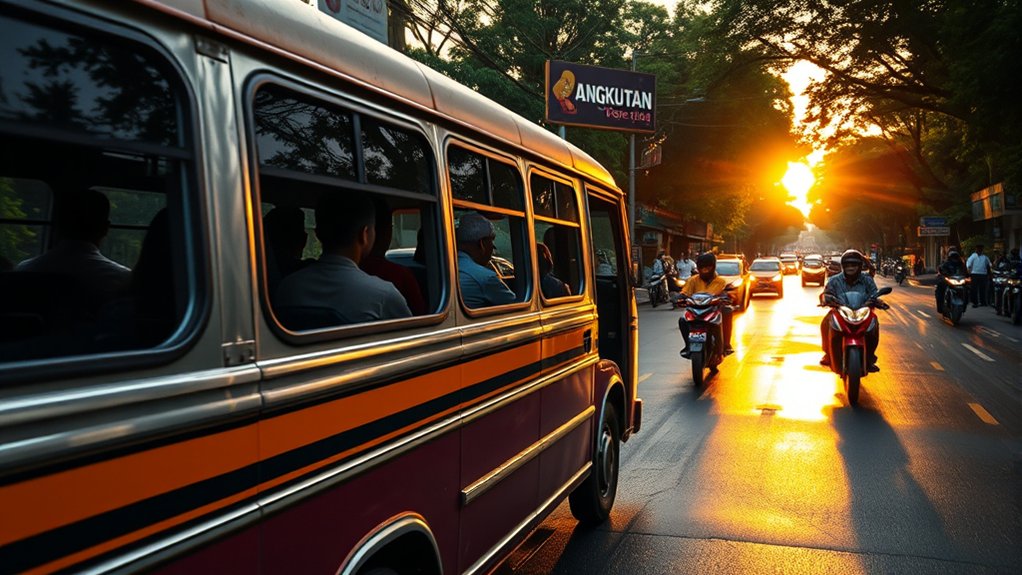
Angkot, short for angkutan kota, is a small shared minibus used for local travel in many Indonesian cities. It can be cheap and convenient, but routes, fares, payment methods, vehicle types, and operating hours vary by city. The safest approach is to check the route, confirm your destination with the driver, and ask the fare before or during the trip.
Quick Answer
To ride an angkot, identify the correct route, wait in a safe place, signal the driver, and confirm your destination before boarding. Keep small cash ready unless the service uses an electronic card. When you are close to your stop, say “kiri” or “kiri, Pak/Bu,” then exit carefully and pay as directed.
Key Takeaways
- Most angkot follow a set route or corridor, although pickup and drop-off points may be flexible.
- Fares are not the same across Indonesia. Check the current local fare instead of relying on one nationwide price.
- Traditional angkot often accept cash, while integrated services such as Jakarta’s Mikrotrans use electronic payment rules.
- Confirm the route before boarding, keep valuables secure, and wait for the vehicle to stop fully before entering or leaving.
At a Glance
| Time Required | A few minutes to confirm the route; trip time depends on traffic and distance |
| Difficulty | Easy to moderate for a first-time visitor |
| Tools Needed | Small cash, destination name or map, and an electronic money card where required |
| Cost | Varies by city, route, distance, and service type |
Disclosure: As an Amazon Associate I earn from qualifying purchases. Some links on this page are affiliate links, at no extra cost to you.
What Angkot Is and How It Works
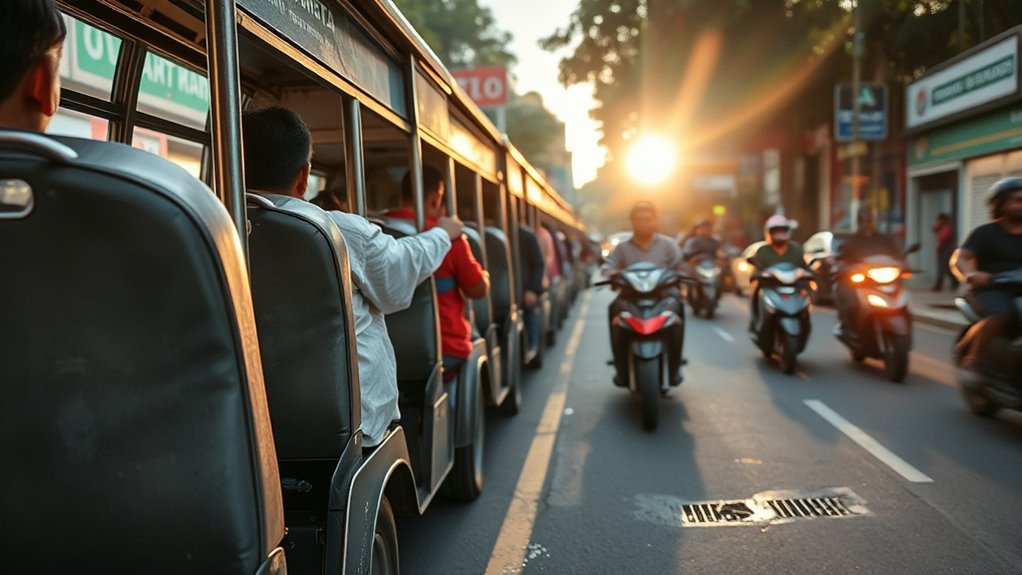
An angkot is a small public-transport vehicle that connects neighborhoods, markets, schools, terminals, and other local destinations. The name comes from angkutan kota, meaning city transportation. Vehicle size and seating layout vary, so there is no single nationwide passenger capacity.
Traditional angkot usually travel along an established route or corridor. However, unlike a city bus that serves only marked stops, a driver may pick up or drop off passengers at safe points along the route where local rules allow. This combination of a set route and flexible stopping is what often confuses first-time riders.
Traditional Angkot vs. Integrated Minibus Services
Not every small public minibus in Indonesia operates the same way. Traditional angkot may use cash and informal roadside pickup. Modern feeder services may have published route numbers, electronic payment, uniforms, operating schedules, and more formal stopping rules.
- Traditional angkot: Local route, often cash payment, and flexible pickup or drop-off practices.
- Jakarta Mikrotrans: A TransJakarta feeder service with published “JAK” routes that reaches residential areas.
- Solo feeder service: Smaller vehicles that operate as part of the Batik Solo Trans network on published corridors and schedules.
Note: “Angkot” is a broad everyday term. Always check the rules for the specific city and operator you are using.
How to Catch and Ride an Angkot
The basic process is simple: find the correct route, signal the driver, confirm your destination, board safely, ask to stop, and pay using the accepted method. The details can differ between cities, so a short question before boarding can prevent a wrong turn.
Hailing the Angkot
- Identify the route. Look for a route number, destination board, color, or terminal name. Route colors and labels are city-specific.
- Stand in a safe place. Use a marked stop when the service requires one. For traditional roadside service, choose a visible location away from intersections and fast traffic.
- Signal clearly. Raise your hand so the driver can see you. Do not step into the road.
- Confirm your destination. Ask, “Lewat [destination]?” which means, “Does this pass [destination]?” Show the place on your phone if pronunciation is difficult.
- Confirm the fare or payment method. Ask “Berapa ongkosnya?” for the fare, or check whether an electronic card is required.
Warning: Never board or exit while the vehicle is still moving. Wait for a complete stop, watch motorcycles passing beside the vehicle, and keep children close to you.
Riding and Exiting
- Board promptly and sit securely. Seating may face sideways or toward other passengers. Hold a rail or stable surface if the vehicle starts suddenly.
- Track your location. Watch road signs or follow the trip on a map. Tell the driver or another passenger where you want to get off if you are unsure.
- Keep belongings close. Place your bag on your lap or between your feet without blocking the doorway.
- Ask to stop. Say “kiri,” “kiri, Pak,” or “kiri, Bu” before your stop. “Kiri” literally means “left” and is commonly used to ask the driver to pull over.
- Pay as directed. Traditional angkot often collect cash during or at the end of the ride, but the practice varies. Integrated services may require a card tap instead.
- Exit carefully. Check for motorcycles, bicycles, and other traffic before stepping down.
Pro Tip: Save your destination in Indonesian and include a nearby landmark. Drivers may recognize a market, mall, station, campus, or intersection more easily than a full street address.
Angkot Routes, Fares, and Riding Rules
Angkot generally follow fixed or officially recognized routes, even when their stopping pattern is flexible. The route may be shown by a number, letter, destination name, colored stripe, or vehicle color. Because local systems differ, do not assume that the same color or number means the same thing in another city.
Fares also vary by city and service. Bandung, for example, has an official municipal decision covering public passenger transport fares, while Jakarta’s integrated Mikrotrans service follows TransJakarta rules. This is why a blanket claim such as “all angkot cost Rp2,000” is unreliable. Check a current local notice, official transport page, or ask the driver before traveling.
| Service Type | Route Pattern | Typical Payment | What to Check |
|---|---|---|---|
| Traditional angkot | Set local route with flexible stops | Usually cash | Direction, fare, final operating time |
| Jakarta Mikrotrans | Published TransJakarta feeder route | Electronic payment or access rules | Correct JAK route, tap procedure, service updates |
| Solo BST feeder | Published corridor and schedule | Local BST rules | Current corridor, hours, and transfer point |
Useful Indonesian Phrases
- Lewat [place]? Does this pass [place]?
- Berapa ongkosnya? How much is the fare?
- Kiri, Pak/Bu. Please stop on the left, sir/ma’am.
- Turun di mana untuk [place]? Where should I get off for [place]?
- Terima kasih. Thank you.
Why Angkot Rides Feel Crowded
Angkot can feel crowded because the vehicles are compact and seats may be arranged along the sides. Passenger capacity is not the same for every vehicle, and you should not rely on one number such as 11 or 15 for all angkot.
Tight Seating, Shared Space
Personal space may be limited, especially during commuting hours. Move farther inside so the doorway remains clear, keep bags off empty seats, and avoid blocking another passenger’s exit. If the vehicle feels overloaded or unsafe, you can wait for another one.
- Keep your phone and wallet secure.
- Place a backpack on your lap instead of wearing it.
- Offer easier seating to older passengers, pregnant passengers, or anyone with limited mobility.
- Avoid eating strong-smelling food in the vehicle.
Fill-Up Rule, Full Vans
Some traditional angkot drivers wait for more passengers at a terminal or starting point before departing. This is not a universal rule, and vehicles already operating along a route may continue without waiting to become full. Allow extra time if you board near the beginning of a route.
Safety, Comfort, and Accessibility
Most trips are routine, but the informal nature of some services means you should use basic street awareness. Choose a vehicle that appears roadworthy, avoid hanging near the doorway, and do not pressure yourself to board a crowded van.
- At night: Prefer a well-lit pickup point and confirm the route before boarding.
- With luggage: Use a compact bag that does not block the aisle or doorway.
- With children: Seat them away from the door and help them enter and exit.
- Accessibility: Steps, narrow doors, and tight seating can make traditional angkot difficult for wheelchair users or travelers with limited mobility. Check for a more accessible bus, rail, or regulated feeder option where available.
- Air conditioning: Many traditional vehicles rely on open windows, while some newer or integrated minibuses may have air conditioning.
Angkot in Indonesian City Life and Culture
Angkot remains an important part of everyday urban mobility because it can reach streets and neighborhoods that large buses may not serve directly. It connects people with markets, schools, workplaces, terminals, and other transport modes.
Vehicles may use distinctive colors, signs, or decorations that reflect local identity. The experience is also social: passengers share a small space, exchange route advice, and help newcomers find the right stop. At the same time, congestion, uncertain waiting times, aging vehicles, and competition with app-based transport have pushed many cities to modernize or integrate small-vehicle services.
The most useful way to understand angkot is as a local transport category, not one nationwide system. Route signs, fares, payment, comfort, and operating rules change from city to city.
How Solo and Jakarta Are Integrating Angkot
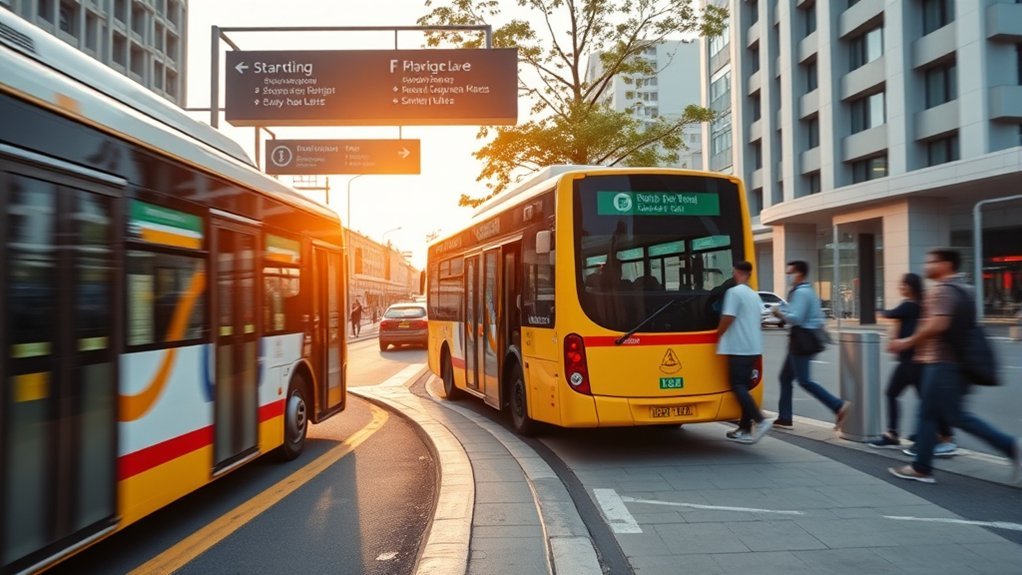
Solo and Jakarta show two ways that small public vehicles can become part of a more organized network.
Solo: Batik Solo Trans Feeders
Solo operates smaller feeder vehicles within the Batik Solo Trans network. The Surakarta city government published updated feeder routes and operating hours for 2025, including several corridors running from 5:00 a.m. to 6:00 p.m. with planned headways of about 10 to 15 minutes. Because schedules can change, check the latest city information before traveling.
Jakarta: Mikrotrans and JakLingko
Jakarta’s Mikrotrans is a TransJakarta feeder service that reaches residential areas and operates on published routes identified by JAK numbers. It is part of the wider JakLingko transport ecosystem, but the names are not interchangeable: Mikrotrans is the vehicle service, while JakLingko is the integration system for routes, fares, payment, and connections among participating modes.
Official TransJakarta information published on April 23, 2026, continued to describe Mikrotrans as a Rp0 service, although passengers still need to follow the current access or tap rules. Use the official TransJakarta route page or app for route changes and service updates.
Planning Your First Angkot Trip
- Write down your destination and one nearby landmark.
- Ask hotel staff, a shopkeeper, station staff, or a local passenger which route to use.
- Carry small rupiah notes and an electronic money card if the city uses one.
- Check the last operating time, especially for an evening return trip.
- Allow extra time for traffic, passenger loading, and transfers.
- Keep a backup option such as a city bus, rail service, or licensed ride-hailing service.
Note: Google Maps and local apps can help in some cities, but coverage is uneven. Confirm the route with an official operator page or a local person when possible.
Frequently Asked Questions
How much does it typically cost to ride an angkot?
There is no single nationwide angkot fare. Traditional fares vary by city, route, and distance. Some cities publish official route tariffs, while integrated services may use a flat fare, subsidy, or electronic payment rule. Ask before boarding or check the local transport authority’s current information.
Are angkots air-conditioned?
Many traditional angkot are not air-conditioned and use open windows for ventilation. Some newer, regulated, or integrated minibuses may have air conditioning, so comfort depends on the city and vehicle.
Do angkots have fixed routes?
Yes. Most angkot follow a set route or corridor, although they may stop at flexible points along that route. Check the route number, destination sign, color, or terminal name and confirm the direction before boarding.
Is there an app for tracking angkots?
App coverage varies. Jakarta passengers can use official TransJakarta digital tools for route and service information, while other cities may offer local maps, feeder schedules, or third-party route data. Traditional angkot may not provide live vehicle tracking.
When do you pay the fare?
Traditional angkot commonly collect cash during the trip or when you get off, but local practice varies. Ask the driver or watch other passengers. Integrated services may require you to tap an electronic card when boarding or exiting.
Can tourists ride an angkot?
Yes. Tourists can ride angkot, but the system is easier when you know the route, fare, and destination landmark. Keep small cash, show the destination on your phone, and ask “Lewat [place]?” before boarding.
Conclusion
Riding an angkot can be an affordable and memorable way to see daily life in an Indonesian city. The key is to treat each city as a different system: check the route, confirm your destination, learn the local payment method, and stay alert when boarding or exiting. Traditional angkot remain flexible and community-focused, while services such as Solo’s feeders and Jakarta’s Mikrotrans show how small vehicles are becoming part of more organized public-transport networks.
Sources
- TransJakarta: Mikrotrans service and routes — current service description and published JAK routes.
- PT JakLingko Indonesia: Transport app FAQ — distinction between JakLingko and Mikrotrans and integrated transport information.
- TransJakarta: National Transportation Day 2026 fare notice — confirms the continuing Rp0 Mikrotrans fare in April 2026.
- Surakarta City Government: Updated BST feeder routes and schedules — Solo feeder corridors, operating hours, and stated headways.
- Bandung City Legal Documentation Network: Public passenger transport fare decision — official basis for route-specific public transport fares in Bandung.
