
Last Updated on September 11, 2026 by Daniel Globe
A .40 caliber round can travel much farther than the distance where it remains useful for accurate shooting. From a handgun, its maximum travel distance can reach roughly over a mile under certain conditions, while its practical effective range is much shorter. Whether it can penetrate an exterior wall depends on factors such as ammunition type, impact angle, and wall construction.
Quick Answer
A .40 caliber round may travel around 1,500 yards or more in some handgun conditions, but its effective range is much shorter. Standard residential walls made from drywall and wood framing may not reliably stop handgun ammunition, while dense materials like reinforced concrete provide much greater resistance.
Key Takeaways
- Maximum travel distance and effective range are different measurements.
- Bullet design, velocity, and impact conditions affect penetration.
- Common residential walls may not reliably stop handgun rounds.
- Dense masonry materials generally provide more resistance than wood-frame construction.
Disclosure: As an Amazon Associate I earn from qualifying purchases. Some links on this page are affiliate links, at no extra cost to you.
How Far Can a .40 Cal Round Travel?
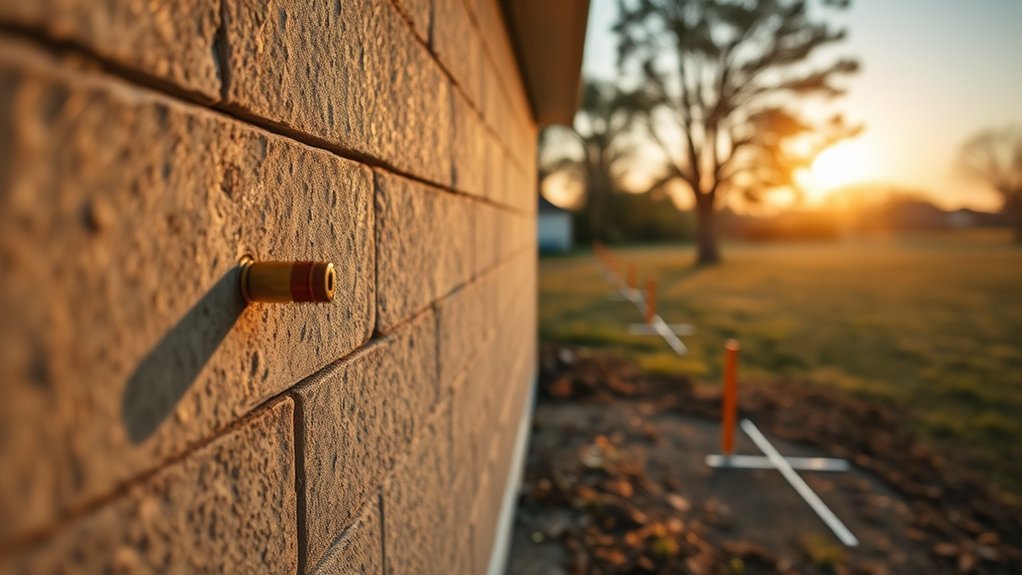
A .40 caliber round’s maximum travel distance depends on the firearm, ammunition load, barrel length, firing angle, and environmental conditions. In some handgun applications, a .40 caliber projectile may travel approximately 1,500 yards or more, although that does not represent its practical shooting range.
The effective range is much shorter because accuracy, velocity, and bullet stability decrease as distance increases. Wind, temperature, and humidity can also influence trajectory. Understanding the difference between maximum travel distance and useful range helps explain why a projectile can remain a safety concern even after traveling beyond normal shooting distances.
What Affects .40 Cal Range and Penetration?
Several factors determine how a .40 caliber round performs after leaving the firearm. Bullet weight, construction, velocity, and target material all influence the result.
- Bullet design: Full metal jacket and expanding bullets can behave differently when they strike a surface.
- Velocity: A faster projectile generally carries more energy, although performance depends on the specific ammunition.
- Impact angle: A direct impact and an angled impact can produce different results.
- Barrier material: Drywall, wood, brick, and concrete provide different levels of resistance.
Warning: A projectile does not automatically stop after hitting a wall or barrier. Always consider what may be beyond the target area.
Can a .40 Cal Round Penetrate an Exterior Wall?
Yes, a .40 caliber round can penetrate many common residential wall assemblies, especially lightweight construction made with drywall and wood framing. However, penetration depends on the ammunition, distance, angle, and exact materials used in the wall.
- Standard drywall and wood framing are not reliable barriers against many handgun rounds.
- Different bullet designs can produce different penetration results.
- Wall construction should always be evaluated as a complete assembly, not by one material alone.
- Safety decisions should account for areas beyond the immediate target.
For home safety discussions, the important point is that ordinary building materials should not automatically be assumed to stop a handgun projectile.
Which Exterior Wall Materials Stop a .40 Cal Round?
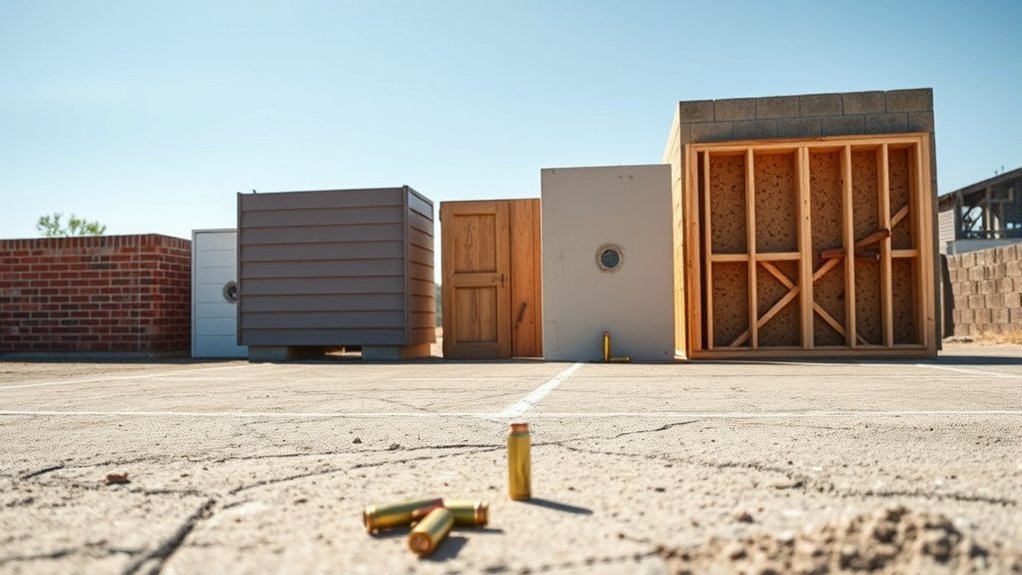
Exterior wall materials vary greatly in their ability to resist penetration. Lightweight residential construction generally provides less resistance than dense masonry.
Brick, concrete, and reinforced structures usually offer more resistance than drywall and wood framing, but performance depends on thickness, construction quality, and impact conditions. No simple material comparison can guarantee a specific outcome in every situation.
Which .40 Cal Loads Penetrate Less?
Penetration varies by ammunition design and testing conditions. Expanding bullets are designed to behave differently from full metal jacket ammunition, while lower-velocity loads generally carry less energy.
- Expanding bullets: Designed to expand on impact and may reduce deeper travel compared with some non-expanding designs.
- Lower-velocity loads: Carry less energy than faster loads of the same caliber.
- Training ammunition: Built primarily for practice rather than specific defensive performance.
Pro Tip: Ammunition performance should be evaluated using reliable testing data rather than assumptions based only on caliber size.
Frequently Asked Questions
Does a .40 cal round over-penetrate?
A .40 caliber round may penetrate through barriers depending on ammunition type, distance, and construction materials. You should not assume a wall will stop a projectile.
What is the most sold gun in the US?
There is no single universal ranking because firearm sales are measured in different ways. Popular models vary depending on the category and reporting source.
Can a .40 caliber stop a grizzly bear?
A .40 caliber handgun is generally not considered a reliable choice for large bear defense. Larger cartridges and specialized equipment are typically recommended for dangerous wildlife situations.
How far can a .40 caliber round travel?
A .40 caliber round may travel roughly 1,500 yards or more in some handgun conditions, but exact distance depends on ammunition, firearm, trajectory, and environmental factors.
Conclusion
A .40 caliber round can travel a significant distance, but maximum range is only one part of the safety picture. Penetration depends on ammunition, impact conditions, and the materials it encounters. Lightweight walls may not reliably stop a projectile, while dense construction offers greater resistance. Treat every shot as a serious safety responsibility and consider what exists beyond the intended target.
Sources
- Sporting Arms and Ammunition Manufacturers’ Institute (SAAMI) — ammunition standards and technical information.
- FBI Training Academy — firearms training resources and testing background.
- Bureau of Alcohol, Tobacco, Firearms and Explosives (ATF) — firearm safety and regulatory information.
