
Last Updated on September 11, 2026 by Daniel Globe
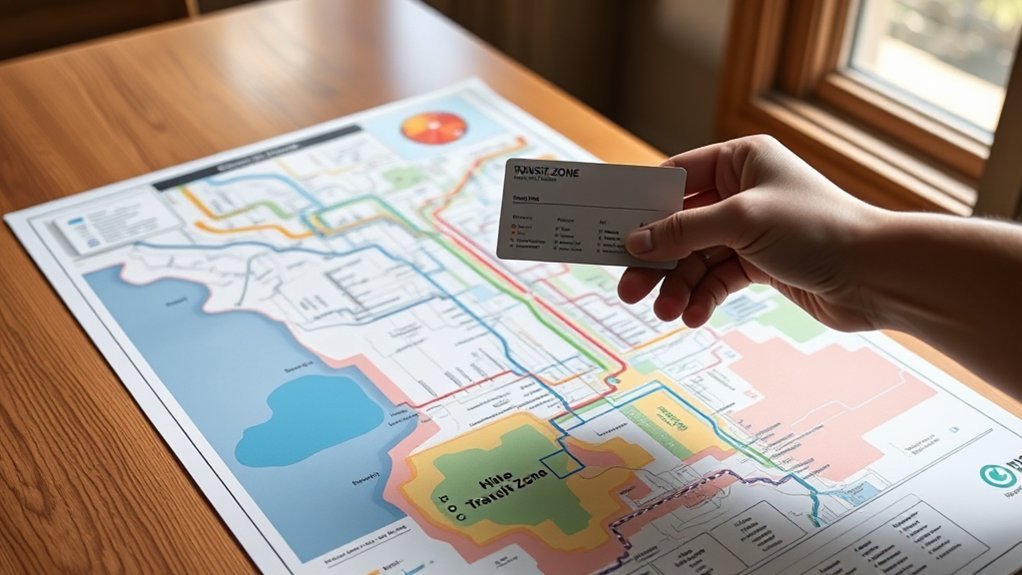
The Oyster Card zone map helps you understand London’s fare zones, plan journeys, and estimate travel costs before you ride. London is divided into nine zones, with Zone 1 covering central attractions and outer zones extending toward airports, suburbs, and major destinations. Knowing your zones helps you avoid unexpected charges and choose the cheapest way to travel.
Quick Answer
The Oyster Card zone map divides London into nine travel zones. Most visitors use Zones 1 and 2 for central attractions, while airports and outer destinations may require additional zones. Oyster automatically calculates fares when you touch in and out, helping you pay only for the journey you make.
Key Takeaways
- Zones 1 and 2 cover most central London sightseeing.
- Your fare depends on the zones crossed and travel time.
- Always touch in and out to avoid maximum fare charges.
- Daily caps and off-peak travel can reduce costs.
At a Glance
| Time Required | A few minutes to check zones and plan a route |
| Difficulty | Easy for most travellers |
| Tools Needed | Oyster card, contactless payment card, or TfL journey planner |
| Cost | Depends on zones travelled, time, and fare rules |
Disclosure: As an Amazon Associate I earn from qualifying purchases. Some links on this page are affiliate links, at no extra cost to you.
What Is the Oyster Card Zone Map?
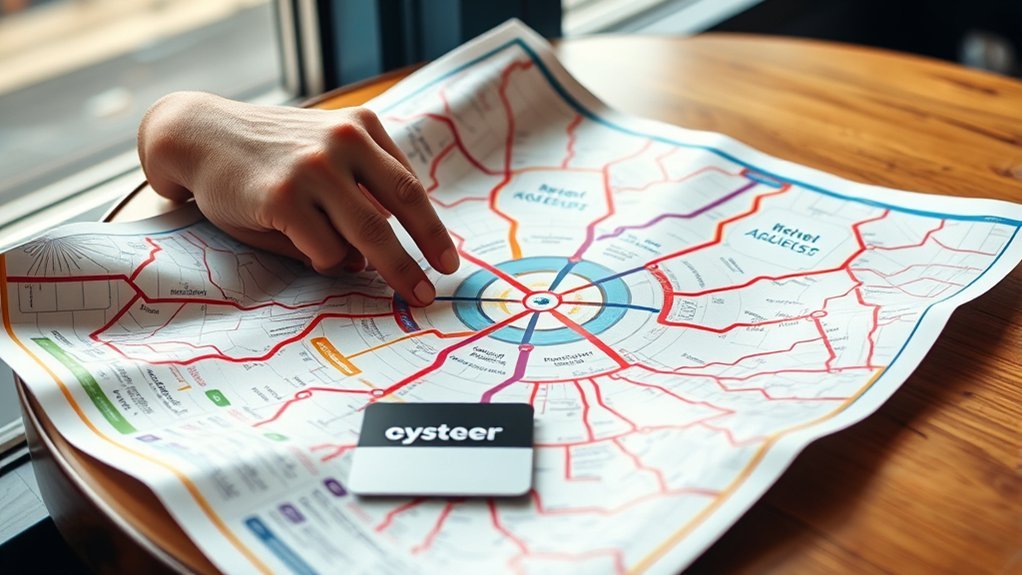
The Oyster Card Zone Map divides London into nine fare zones. Zone 1 sits in the centre and includes many famous attractions, while Zones 2 through 9 spread outward across Greater London.
The map helps you understand how far your journey travels and why fares may change. The more zones you cross, the more your journey may cost. You should always touch in and touch out when required because the system uses those taps to calculate the correct fare.
You can check routes, stations, and current fares using official Transport for London tools before travelling.
Which London Zones Do You Need?
Most first-time visitors spend much of their time in Zones 1 and 2. These areas include popular locations such as Westminster, the British Museum area, Covent Garden, and many central shopping districts.
You may need additional zones for destinations outside central London. For example, Heathrow Airport is outside the central area, and places such as Wembley, Richmond, or Hampton Court may require travel beyond Zones 1 and 2.
Pro Tip: Before travelling, check your route rather than buying a larger zone pass automatically. Many visitors can save money by paying only for the journeys they actually make.
How Are Oyster Card Fares Calculated by Zone?
Oyster fares are calculated using several factors, including the zones crossed, the time of travel, and the type of transport used. Travelling during peak periods usually costs more than travelling during off-peak times.
| Journey Factor | Effect on Fare |
|---|---|
| More zones crossed | Usually increases the fare |
| Peak travel times | Can cost more than off-peak travel |
| Daily cap reached | Further eligible journeys may not increase your daily cost |
Because fares change, check the latest prices directly with TfL before your trip.
What Happens When You Travel Outside Your Zone?

If you travel beyond the zones covered by a Travelcard or planned ticket, you may need to pay an additional fare. With Oyster pay-as-you-go, the system normally calculates the journey automatically when you complete the required taps.
Warning: Forgetting to touch in or out can result in an incorrect or maximum fare charge, so always check that your journey has been recorded properly.
Oyster Card vs Contactless Payment
Many visitors choose between an Oyster card and contactless payment. Both can provide convenient pay-as-you-go travel, but contactless payment may be simpler if you already have a compatible bank card or mobile payment method.
An Oyster card can still be useful for visitors who prefer a dedicated travel card, need certain discounts, or want better control over travel spending.
How Can You Save Money With an Oyster Card?
You can reduce London transport costs by using daily caps, travelling during off-peak times, and planning routes carefully.
| Saving Method | How It Helps |
|---|---|
| Daily caps | Limits how much you pay after reaching the cap |
| Off-peak travel | Can reduce journey costs outside busy periods |
| Route planning | Helps avoid unnecessary zone crossings |
Registering your Oyster card online can also help you manage your balance and protect your card if it is lost.
Frequently Asked Questions
Which zone can I use my Oyster Card in?
You can use Oyster across London’s fare zones, including Zones 1 through 9. Your fare depends on your route, travel time, and the zones crossed.
How do you understand London zones?
Think of London zones as rings. Zone 1 is central London, and higher-numbered zones extend farther outward.
How do you get a 30% Oyster discount?
Eligible students can apply for an 18+ Student Oyster photocard, which provides discounted travel when approved.
How do you use a London Travelcard?
A Travelcard gives unlimited travel within selected zones and can be loaded onto an Oyster card or provided separately depending on the ticket type.
Conclusion
The Oyster Card zone map makes London travel easier by showing how far you can go and how fares are calculated. Understanding zones helps you avoid unexpected charges, choose better routes, and decide whether Oyster, contactless payment, or a Travelcard suits your journey. Plan your zones before you travel, and you can explore London with fewer surprises.
Sources
- Transport for London Fares — current fare information and pricing rules.
- Transport for London Maps — official London transport maps and zone information.
- TfL Contactless and Oyster — official guidance on payment methods.
