

Last Updated on September 11, 2026 by Daniel Globe
Sharpness matters, but control matters more. A pocket knife that is maintained at the correct bevel cuts with less force and is easier to control than a neglected edge. The best sharpening system for you depends on your blade steel, the existing edge angle, how much damage you need to remove, and how comfortable you are holding an angle by hand.
This guide compares six actual knife-sharpening systems plus one useful marker accessory. It focuses on repeatable angle control, abrasive progression, portability, blade compatibility, and the tradeoffs that matter before you buy or sharpen.
Quick Answer
For most pocket-knife owners, the Work Sharp Precision Adjust Elite offers the best balance of repeatable angle control, abrasive range, portability, and price. Lansky is a lower-cost guided option, Smith’s SK2 suits freehand learners, while KME, Edge Pro, and Wicked Edge make more sense when you want tighter control or maintain premium blades.
Key Takeaways
- Guided systems are easier to repeat because they control the sharpening angle mechanically.
- Coarse abrasives repair or reprofile; medium grits sharpen; fine abrasives and strops refine and deburr.
- Match the existing bevel first instead of assuming every pocket knife needs the same angle.
- Diamond abrasives are useful for wear-resistant steels, while stones and ceramics can provide smoother refinement.
- The Sharpie product retained in this article is not a sharpener; it is useful for marking the bevel so you can see where an abrasive is contacting the edge.
Warning: Knife sharpening involves an exposed cutting edge. Secure the sharpener, follow the manufacturer’s instructions, keep fingers out of the edge path, use controlled pressure, and do not test sharpness by running a finger along the blade.
Disclosure: As an Amazon Associate I earn from qualifying purchases. Some links on this page are affiliate links, at no extra cost to you.
Top Picks
|
Category |
Product |
Why It Stands Out |
|---|---|---|
|
💰 Best Budget Starter |
Simple two-stone kit with an angle guide and honing solution. |
|
|
🎯 Best Value Guided System |
Five-grit progression with fixed guide angles. |
|
|
🏆 Best Premium Dual-Sided System |
Fast clamping, simultaneous angle adjustment, and fine angle control. |
|
|
🔧 Best for Most Users |
15°–30° adjustment, broad abrasive range, strop, and carry case. |
|
|
⭐ Best Compact Precision System |
Rotating clamp, 17°–30° adjustment, and four diamond hones. |
|
|
🚀 Best Open-Table Guided System |
Wide angle range and a deep stone progression without a blade clamp. |
How We Chose These Sharpeners
This roundup is based on manufacturer specifications, system design, abrasive progression, angle control, portability, and suitability for common pocket-knife maintenance. It does not claim hands-on testing where none is documented. That distinction matters because a repeatable spec-based comparison is more useful than pretending every product was personally tested.
We favored systems that let you match or repeat an edge angle, move from coarse to fine abrasives, and work safely without excessive guesswork. We also considered whether a kit includes the parts needed to finish the edge, whether accessories or a separate base are required, and whether the system is practical for occasional home use or frequent sharpening.
Price and live retailer ratings can change, so they are not used as fixed performance facts in this guide.
Pro Tip: Before changing an edge angle, color the bevel with a permanent marker and make a very light pass with a fine abrasive. Where the ink disappears shows where the stone is contacting the bevel, helping you match the existing geometry with less unnecessary metal removal.
Smith’s SK2

Smith’s SK2 is a compact two-stone kit for people who want a traditional manual setup without buying a full guided rig. According to Smith’s official product page, the kit includes a 5-inch mounted medium stone for setting the edge, a 4-inch fine Arkansas stone for finishing, Premium Honing Solution, and a sharpening angle guide.
The tradeoff is technique: the angle guide helps, but you still move the knife across the stone by hand. That makes the SK2 a good learning tool and a practical option for basic pocket-knife maintenance, but it is less repeatable than a clamp-and-rod system when you are reprofiling a damaged edge.
What People Say
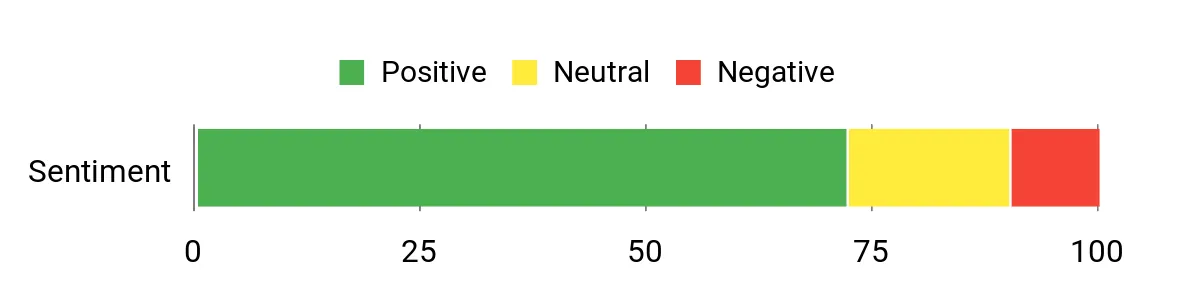
The original review snapshot in this article was broadly positive, especially around the complete starter-kit format, compact storage, and the usefulness of the angle guide. Because retailer reviews and counts change, treat the chart below as a historical snapshot rather than a live rating.
Overall Sentiment: Positive in the original snapshot; not a live retailer rating.
When It Helps
|
Situation |
How It Helps |
|---|---|
|
Basic Edge Maintenance |
The medium stone can restore a dull working edge, while the fine Arkansas stone refines it. |
|
Learning Freehand Control |
The included angle guide gives beginners a reference while they learn to keep the blade steady by hand. |
|
Compact Storage |
The molded base stores the smaller finishing stone, keeping the two-stone kit together. |
|
Low-Cost Sharpening |
It covers edge setting and finishing without the price or footprint of a precision guided system. |
Safety Features
The molded base provides a more stable platform than holding a loose stone in your hand, and the angle guide can reduce erratic motion while you learn. It does not secure the knife, so place the base on a stable surface, keep your fingertips clear of the cutting path, and use the honing solution only as directed by Smith’s instructions.
Key Benefits
- Two-stage sharpening and finishing setup
- Fine natural Arkansas finishing stone
- Angle guide helps beginners develop consistency
- Compact base stores the fine stone
Retailer rating: Live ratings and review counts change; use the current Amazon listing for the latest figure.
Sharpie Chisel Marker: A Bevel-Checking Accessory, Not a Sharpener

The Sharpie Chisel product in the original article is a permanent marker, not a knife sharpener. It should not be ranked against sharpening systems. It can still be useful during sharpening because the wide chisel tip makes it easy to color the bevel and see where your stone is making contact.
Sharpie’s official product page confirms that the marker uses a chisel tip for broad and fine marks and writes on metal. Edge Pro’s sharpening instructions also recommend a felt-tip marker to check whether the stone is contacting the full bevel.
What People Say
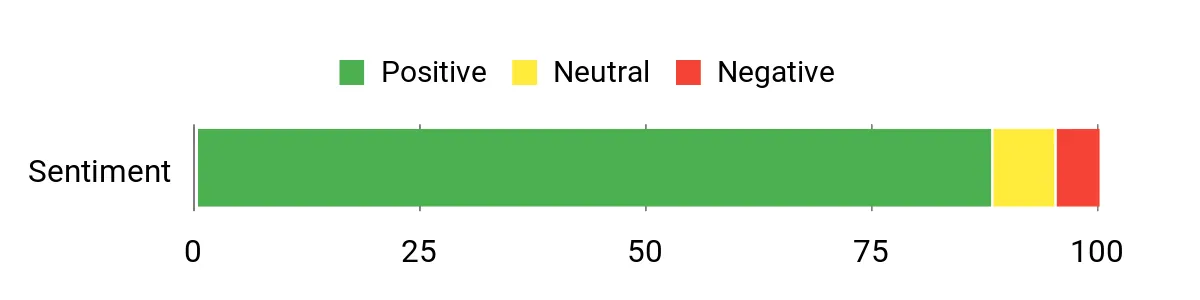
The original review snapshot was positive about the marker itself—especially its broad/fine chisel tip and quick-drying permanent ink—but those comments describe a marker, not sharpening performance. The retained chart should be read in that context.
Overall Sentiment: Positive for the marker as a marker; not evidence that it is a sharpener.
When It Helps
|
Situation |
How It Helps |
|---|---|
|
Matching an Existing Bevel |
Color the bevel, make a light sharpening pass, and inspect where the ink was removed. |
|
Checking Angle Changes |
Remaining ink shows whether your abrasive is riding too high or too low on the bevel. |
|
Tracking Contact Near the Tip |
Marking the full bevel makes it easier to see if a guided system loses full contact as blade geometry changes. |
|
Labeling Sharpening Gear |
The same permanent marker can label cases, stone holders, or angle notes between sessions. |
Safety Features
The marker itself is not a safety device. If you use it on a blade, apply ink carefully with the knife stationary and keep your fingers away from the edge. Let the ink dry before making a light test pass with the sharpening system.
Key Benefits
- Wide chisel tip quickly covers the bevel
- Ink contrast makes contact patterns easy to see
- Useful for matching an existing sharpening angle
- Also useful for labeling sharpening gear
Retailer rating: Live ratings and review counts change; use the current Amazon listing for the latest figure.
Lansky Deluxe 5-Stone System

The Lansky Deluxe is a controlled-angle sharpening system built around a blade clamp, guide rods, and five progressively finer hones. Lansky’s sharpening guide lists the Deluxe 5-Stone progression as 70-grit extra coarse, 120-grit coarse, 280-grit medium, 600-grit fine, and 1000-grit ultra-fine, with guide angles at 17°, 20°, 25°, and 30°.
That makes it more repeatable than a freehand bench stone and flexible enough for repair, routine sharpening, and fine finishing. The main drawbacks are setup time and clamp fit: small, unusually shaped, or very thick blades can take more care to position correctly.
What People Say
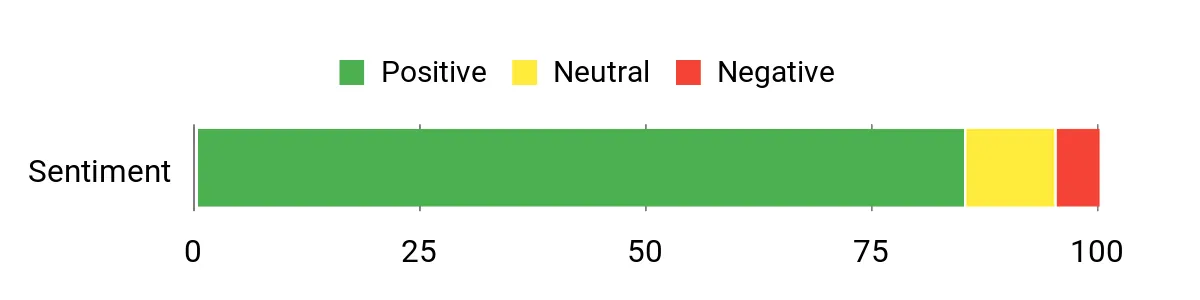
The original review snapshot emphasized sharp results and repeatable angles, while also noting that setup and small hardware pieces can feel fiddly at first. That is a fair tradeoff to consider with any multi-piece guided system, but the chart is not a live retailer rating.
Overall Sentiment: Positive in the original snapshot; not a live retailer rating.
When It Helps
|
Situation |
How It Helps |
|---|---|
|
Reprofiling a Dull Edge |
The coarse hones remove material efficiently before you move through finer grits. |
|
Repeatable Pocket-Knife Angles |
Preset guide holes make it easier to return to the same nominal angle each session. |
|
Learning Guided Sharpening |
The rod-and-clamp setup removes much of the freehand angle guesswork. |
|
Full Grit Progression |
Five hones cover repair, sharpening, refinement, and polishing in one case. |
Safety Features
The clamp holds the blade while the finger-grooved hone holders keep your hand on the abrasive handle instead of near the cutting edge. Lansky cautions that sharpening is inherently dangerous, so secure the blade correctly, keep movements controlled, and follow the supplied instructions for stroke direction and hone care.
Key Benefits
- Five-hone progression from 70 to 1000 grit
- Preset 17°, 20°, 25°, and 30° guide angles
- Blade clamp improves repeatability
- Storage case keeps rods and hones together
Retailer rating: Live ratings and review counts change; use the current Amazon listing for the latest figure.
Wicked Edge Generation 3 Pro

The Wicked Edge Generation 3 Pro is a premium benchtop system designed for repeatability and frequent use. Wicked Edge’s current product page lists a 13.5°–27.5° angle range per side, fine adjustment in 0.05° increments, six diamond stones covering 100 through 1000 grit, and a product weight of 26 pounds.
Its self-centering vise and dual-sided guided stones let you work both sides without repeatedly reclamping the knife. The tradeoff is obvious: this is a large, expensive precision system, not a lightweight field kit. It makes the most sense for enthusiasts, collectors, or anyone sharpening enough knives to justify the cost and bench space.
What People Say
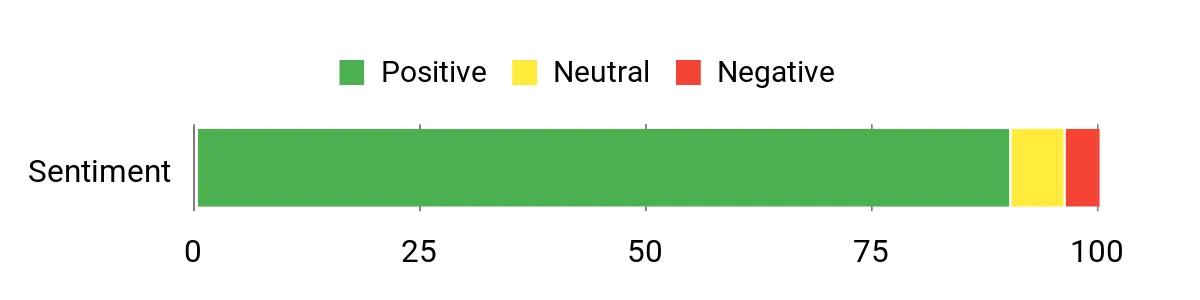
The original review snapshot praised extremely sharp, repeatable results and a shorter learning curve than freehand sharpening, while noting the high price and the need for extra care or accessories with unusual blade shapes. Treat the chart as a historical sentiment snapshot rather than a live rating.
Overall Sentiment: Positive in the original snapshot; not a live retailer rating.
When It Helps
|
Situation |
How It Helps |
|---|---|
|
Frequent Sharpening |
Fast clamping and simultaneous angle adjustment reduce setup friction across repeated sessions. |
|
Premium Folding Knives |
Fine angle control helps you repeat a known bevel with minimal guesswork. |
|
Edge Reprofiling |
Coarse 100/200-grit diamond stones establish geometry before finer stones refine the finish. |
|
Consistent Multi-Knife Work |
Alignment references and a stable benchtop format make repeat setups easier to document. |
Safety Features
The vise secures the blade while the guide rods control the stone path. That reduces hand movement near the edge, but it does not eliminate risk. Keep hands on the stone handles, use controlled strokes, and consider the manufacturer’s compatible safety shields if your sharpening routine puts fingers close to the edge.
Key Benefits
- 13.5°–27.5° per-side adjustment range
- 0.05° fine angle adjustment
- 100–1000 grit diamond progression included
- Heavy, stable platform for frequent precision work
Retailer rating: Live ratings and review counts change; use the current Amazon listing for the latest figure.
Work Sharp Precision Adjust Elite

The Work Sharp Precision Adjust Elite is a strong middle ground between entry-level guided kits and much heavier premium rigs. Work Sharp lists adjustable angles from 15° to 30° in 1° increments, a seven-abrasive system, a V-Block clamp, a leather strop, and a carry case.
The included abrasive range lets you repair, sharpen, hone, and strop without immediately buying extra stones. It is a practical fit for pocket, hunting, and kitchen knives, especially if you want guided consistency without dedicating permanent bench space to a larger system.
What People Say
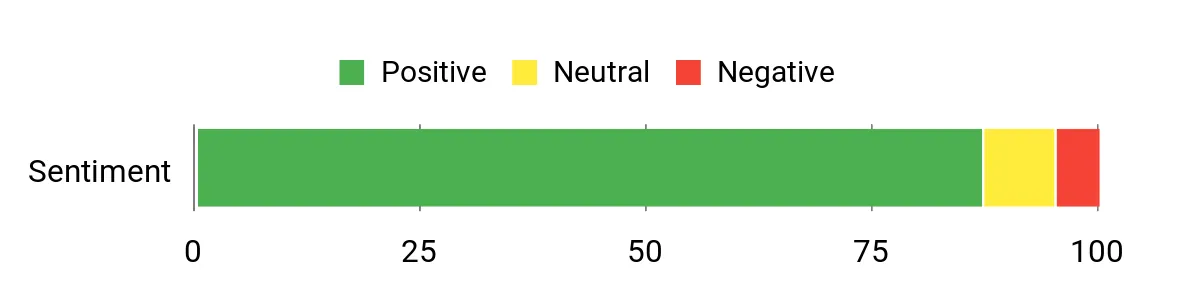
The original review snapshot praised quick setup, organized storage, and dependable working edges. Some users in that snapshot mentioned small quirks when chasing highly polished results. The retained chart is historical and should not be read as a current retailer score.
Overall Sentiment: Positive in the original snapshot; not a live retailer rating.
When It Helps
|
Situation |
How It Helps |
|---|---|
|
EDC Maintenance |
Adjustable angle control lets you match many pocket-knife bevels without freehand practice. |
|
Repair to Finish |
Multiple diamond grits, ceramic, and a strop support a complete progression in one kit. |
|
Beginner Guided Sharpening |
The clamp and angle dial simplify the two variables beginners usually struggle with most. |
|
Portable Home Setup |
The carry case keeps the system organized without requiring a permanent sharpening station. |
Safety Features
The V-Block clamp holds the knife while the guided abrasive handle keeps the sharpening path controlled. Work Sharp also warns against bumping a rigidly clamped knife because the exposed blade can cause injury, so keep the setup stable and your hands clear of the edge.
Key Benefits
- 15°–30° adjustable range in 1° increments
- Seven-abrasive progression plus leather strop
- V-Block clamp supports repeatable positioning
- Carry case keeps the system organized
Retailer rating: Live ratings and review counts change; use the current Amazon listing for the latest figure.
KME Precision Knife Sharpening System

The KME Precision system combines a rotating clamp with a spherical rod guide and four diamond hones. KME’s official listing specifies a 17°–30° adjustable range and 140-, 300-, 600-, and 1500-grit Gold Series diamond hones. It also states that the accessory base is not included with the standard kit.
The 360-degree rotating clamp lets you switch sides without removing the knife, while neoprene-lined jaws help protect blade finishes. It is compact and precise, but factor in the optional base if you want a freestanding benchtop setup rather than holding the sharpener by its pistol grip.
What People Say
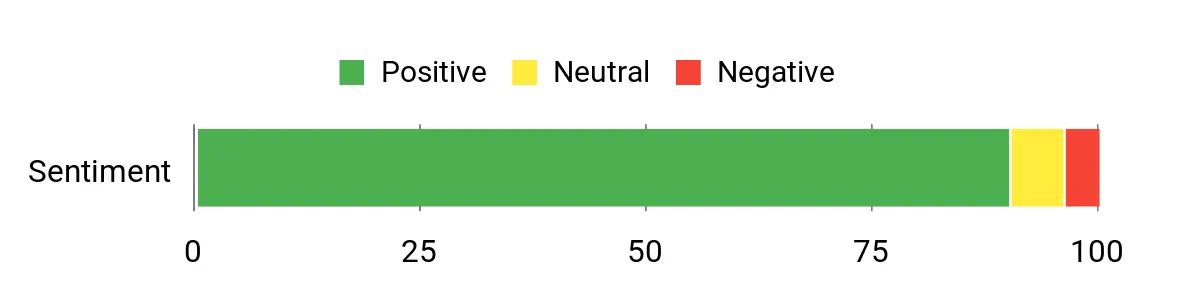
The original review snapshot highlighted repeatable angles, fast-cutting diamond stones, and easy stone changes. It also noted that perceived value and finish could be better at the price. The chart below is retained as a historical snapshot rather than a live score.
Overall Sentiment: Positive in the original snapshot; not a live retailer rating.
When It Helps
|
Situation |
How It Helps |
|---|---|
|
Wear-Resistant Steels |
The included diamond hones cut efficiently and cover coarse reprofiling through fine refinement. |
|
Repeatable Pocket-Knife Work |
The spherical guide and engraved angle scale help maintain a consistent setup. |
|
Protecting Blade Finishes |
Neoprene-lined jaws reduce direct metal-on-metal clamp contact. |
|
Compact Storage |
The hard case protects the jig and hones between sessions. |
Safety Features
The rotating clamp keeps the blade fixed while you switch sides, and the guided rod limits freehand motion. The standard kit does not include the accessory base, so make sure the pistol grip or an optional base is stable before sharpening and keep fingers away from the exposed edge.
Key Benefits
- 17°–30° continuously adjustable sharpening range
- Four diamond hones: 140, 300, 600, and 1500 grit
- 360-degree rotating clamp with neoprene-lined jaws
- Hard case included; accessory base sold separately
Retailer rating: Live ratings and review counts change; use the current Amazon listing for the latest figure.
Edge Pro Apex 4
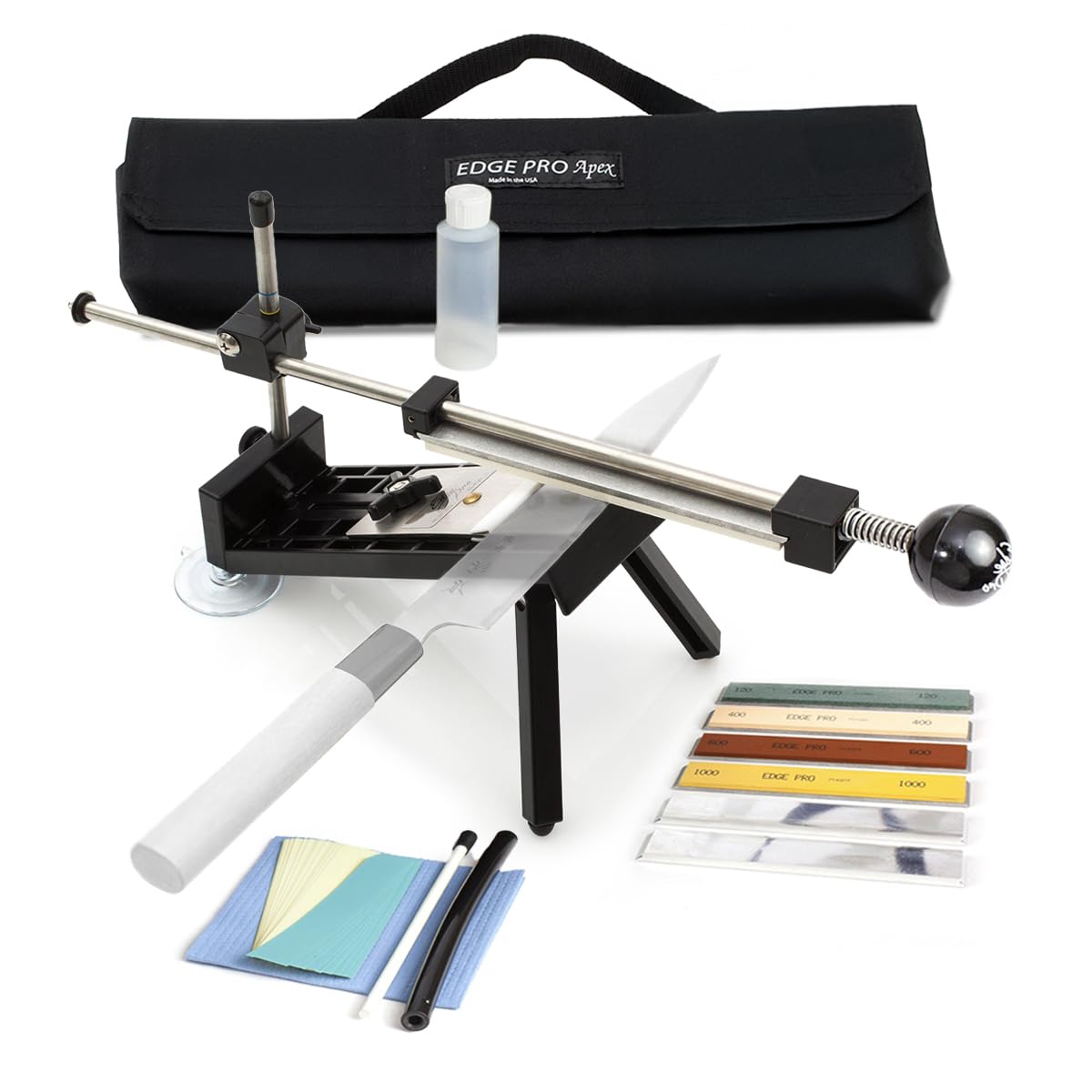
The Edge Pro Apex 4 takes a different approach from clamp-based systems. Edge Pro states that the Apex does not clamp the blade. Instead, the knife rests on the blade table while the guided stone arm controls the sharpening angle.
The Apex 4 provides marked settings at 10°, 15°, 18°, 21°, 24°, and 27°, with adjustment between those points. The kit includes 120-, 220-, 400-, 600-, and 1000-grit water stones, 2000- and 3000-grit polishing tapes, mounting blanks, and a 1200-grit ceramic hone. It offers a very broad finishing progression, but controlling the knife on the open table takes more technique than a clamped system.
What People Say
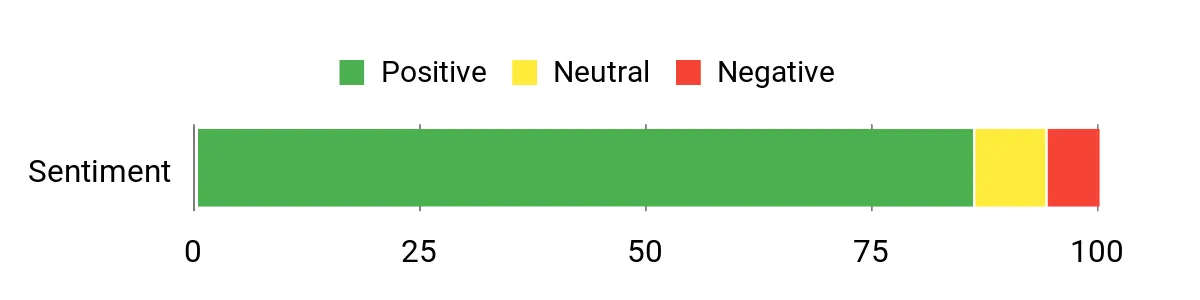
The original review snapshot emphasized sharp, consistent results and a manageable learning curve after watching the setup process. It also noted price and setup time. The chart remains useful only as a historical sentiment snapshot, not as a live retailer rating.
Overall Sentiment: Positive in the original snapshot; not a live retailer rating.
When It Helps
|
Situation |
How It Helps |
|---|---|
|
Wide Range of Blade Shapes |
The open blade table avoids clamp-fit problems and can accommodate blades up to the system’s stated width limit. |
|
Fine Edge Refinement |
Water stones, polishing tapes, and the ceramic hone provide a long progression beyond basic sharpening. |
|
Matching Existing Angles |
The guided arm and marker method make it easier to dial in the bevel without locking the blade in a clamp. |
|
Home or Travel Use |
The system packs into a case and requires no power, although it is best used on a smooth, stable surface. |
Safety Features
The guided arm controls the stone angle, but the blade itself is not clamped. Keep your support hand in the recommended safe position on the blade table, use light controlled strokes, and follow Edge Pro’s manual closely. Do not assume clamp-based safety habits apply to this system.
Key Benefits
- 10°–27° marked angle range with adjustment in between
- Five water stones plus polishing tapes and ceramic hone
- No blade clamp, which helps with unusual blade shapes
- Portable, non-powered system with a carrying case
Retailer rating: Live ratings and review counts change; use the current Amazon listing for the latest figure.
How to Choose a Pocket Knife Sharpening System
Guided System vs. Bench Stone
A guided system is usually easier for beginners because the jig controls or references the sharpening angle. A bench stone is simpler, often cheaper, and highly versatile, but it asks you to hold the angle consistently by hand. If repeatability matters more than compactness, start with a guided system. If you want to learn freehand skill and maintain a small number of straightforward blades, a stone kit can be enough.
Choose the Right Grit Progression
- Coarse: for chips, very dull edges, or changing the bevel angle.
- Medium: for normal sharpening and removing the coarse scratch pattern.
- Fine: for refining the apex and improving slicing performance.
- Strop or very fine finish: for deburring and polishing when the system supports it.
Grit numbers are not perfectly standardized across abrasive systems, so compare the manufacturer’s intended use—not just the number printed on the stone.
Match the Existing Edge Angle First
There is no single correct angle for every pocket knife. Blade thickness, steel, heat treatment, intended use, and the factory bevel all matter. If the knife already cuts well and the edge is not damaged, matching the existing bevel usually removes less metal than choosing a new angle from scratch.
Lansky’s own controlled-angle guidance illustrates the tradeoff: lower settings are intended for finer slicing, while higher settings trade some slicing ability for a more durable edge. Use the knife maker’s recommendation when available.
Check Blade Compatibility
Before buying, check the clamp capacity, blade length or width limits, and whether the system supports recurves, serrations, tanto points, single-bevel knives, or very small blades. A system that is excellent for ordinary drop-point folders may need a special rod, narrow stone, adapter, or different technique for unusual geometry.
Consider Setup, Storage, and Replacement Abrasives
Budget systems often cost less up front but may take more setup time or need replacement stones sooner. Premium systems can be faster to repeat but occupy more bench space. Also check whether the base is included, how replacement stones are priced, and whether the system uses proprietary abrasive sizes.
Basic Sharpening Workflow
- Inspect the knife. Clean the blade, identify chips or rolls, and check the manufacturer’s recommended edge angle if available.
- Mark the bevel. Use a permanent marker to see where the abrasive contacts the existing edge.
- Start only as coarse as necessary. Use a coarse abrasive for damage or reprofiling; use a medium or fine abrasive for routine maintenance.
- Work to the apex. Follow the sharpener maker’s stroke direction and pressure guidance, keeping the angle and blade position consistent.
- Progress through finer abrasives. Remove the previous scratch pattern and reduce pressure as the edge becomes refined.
- Deburr and finish. Use the system’s fine ceramic, finishing stone, or strop if provided, then clean the blade before use.
Note: A paper-slice test can show whether an edge cuts cleanly, but it does not tell you whether the bevel angle is correct. Use the marker method and visual inspection to judge contact, then use cutting tests only after the blade is cleaned and handled safely.
Frequently Asked Questions
How often should I sharpen my pocket knife?
Sharpen when cutting performance drops, the edge starts tearing instead of slicing, or normal honing and stropping no longer restore it. Avoid heavy sharpening on a fixed schedule because coarse abrasives remove steel. Light maintenance between full sharpenings usually preserves the blade longer.
What sharpening angle should I use?
Start with the knife maker’s recommendation or match the existing bevel with a marker test. Lower angles generally slice more easily but leave less steel behind the edge; higher angles are typically more durable. Guided systems in this roundup cover useful ranges from roughly the mid-teens into the upper 20s or 30° per side.
Are diamond stones better for hard knife steels?
Diamond abrasives cut wear-resistant steels efficiently and stay flat, which makes them useful for modern pocket-knife alloys. They are not automatically better for every finishing step, though. Ceramic, Arkansas, water stones, and strops can all play useful roles depending on the system and the edge finish you want.
Is a guided sharpener better than a whetstone?
A guided system is easier to repeat because it controls the angle mechanically. A whetstone gives you more freedom and can be compact and economical, but it demands more practice. Choose based on whether you value repeatability or freehand versatility more.
Can these systems sharpen serrated pocket knives?
Some can, but not always with the standard flat stones. Work Sharp includes a ceramic option intended for serrations, Edge Pro lists serrated-knife capability, and other systems may require a tapered rod or attachment. Check the manufacturer’s instructions for your exact serration pattern before sharpening.
Why use a Sharpie on the knife bevel?
A marker shows where the abrasive is touching. If a light pass removes ink across most of the bevel, your angle is close to the existing edge. If ink remains at the shoulder or near the apex, adjust the angle and test again before removing more steel.
How to Match the System to Your Priorities
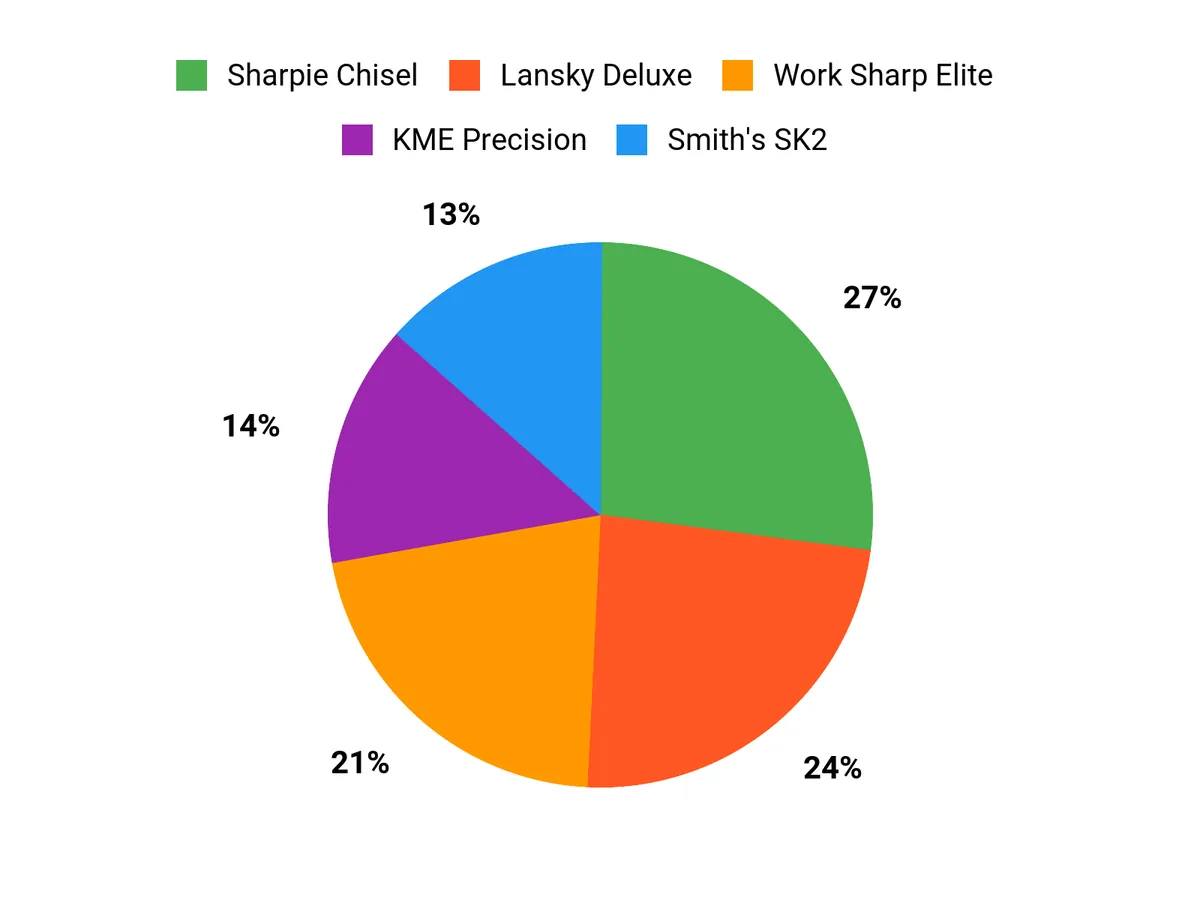
If you want the simplest low-cost setup, Smith’s SK2 keeps the tool count small but requires more hand control. Lansky is a better fit if you want preset guided angles without spending heavily. Work Sharp Precision Adjust Elite is the most balanced choice here for users who want broad angle adjustment, multiple abrasives, a strop, and portable storage in one package.
KME suits people who want a compact precision clamp and diamond progression, but remember that its standard kit does not include the base. Edge Pro is appealing if you dislike clamp limitations and are willing to learn its open-table technique. Wicked Edge Generation 3 Pro is the premium choice for frequent sharpening where speed, stability, and fine repeatability justify the price and bench space.
Conclusion
There is no universal best sharpener for every pocket knife. The right choice depends on how much angle control you want, the steels and blade shapes you own, how often you sharpen, and how much setup you are willing to accept. For a broadly capable guided kit, Work Sharp Precision Adjust Elite is the easiest recommendation in this group. Lansky offers strong value, while KME, Edge Pro, and Wicked Edge serve more specialized precision needs.
Whatever system you choose, protect the blade by matching the existing bevel when possible, starting only as coarse as necessary, progressing through finer abrasives, and using controlled pressure. A consistent technique matters more than chasing the highest grit or the most expensive sharpener.
Detailed Comparison
| Product Name | Image | Type | Angle Control | Included Abrasives | Best For | Main Tradeoff |
|---|---|---|---|---|---|---|
| Smith’s SK2 2 Stone Sharpening Kit |
|
Manual bench-stone kit | Separate angle guide; angle held by hand | 5-inch medium stone; 4-inch fine Arkansas stone | Budget users learning manual technique | Less repeatable than a clamped guided system |
| Lansky Deluxe 5-Stone Sharpening System |
|
Clamp-and-rod guided system | 17°, 20°, 25°, 30° guide holes | 70, 120, 280, 600, 1000 grit hones | Value-focused guided sharpening | More setup pieces; clamp fit varies by blade |
| Wicked Edge Generation 3 Pro |
|
Premium dual-sided guided system | 13.5°–27.5° per side; 0.05° fine adjustment | 100/200, 400/600, 800/1000 grit diamond stones | Frequent precision sharpening | High price, weight, and bench-space demand |
| Work Sharp Precision Adjust Elite |
|
Adjustable guided clamp system | 15°–30° in 1° increments | Diamond, ceramic, and leather-strop progression | Most pocket-knife owners wanting guided consistency | Not as heavy-duty as premium benchtop rigs |
| KME Precision Knife Sharpening System |
|
Rotating-clamp guided system | 17°–30° continuously adjustable | 140, 300, 600, 1500 grit diamond hones | Compact precision sharpening | Accessory base is not included in the standard kit |
| Edge Pro Apex 4 Sharpening System |
|
Open-table guided system; no blade clamp | 10°, 15°, 18°, 21°, 24°, 27° and settings between | 120–1000 grit water stones, polishing tapes, 1200 ceramic hone | Users who want broad blade-shape compatibility | Blade positioning requires more technique |
Sources
- Smith’s 2-Stone Sharpening Kit — verifies SK2 stone sizes, Arkansas finishing stone, honing solution, and angle guide.
- Lansky Sharpeners: Which Knife Sharpener Should I Use? — verifies controlled-angle operation, angle presets, and Deluxe 5-Stone grit progression.
- Wicked Edge Generation 3 Pro — verifies current angle range, fine adjustment, included diamond stones, and weight.
- Work Sharp Precision Adjust Elite — verifies 15°–30° adjustment, included abrasives, clamp, strop, and case.
- KME Precision Knife Sharpening System — verifies angle range, diamond grits, rotating clamp, hard case, and that the base is sold separately.
- Edge Pro Apex 4 — verifies no-clamp design, angle settings, and included stones and polishing accessories.
This Roundup is reader-supported. When you click through affiliate links, we may earn a referral commission on qualifying purchases at no extra cost to you.
