
Last Updated on September 11, 2026 by Daniel Globe
You use a boning knife every time you want precise, efficient meat prep, so choosing the right one matters for yield, safety, and speed. This short guide helps you cut through marketing and focus on the attributes that change results in the kitchen, from blade geometry and flexibility to handle ergonomics and maintenance.
Disclosure: As an Amazon Associate I earn from qualifying purchases. Some links on this page are affiliate links, at no extra cost to you.
Top Picks
|
Category |
Product |
Score |
|---|---|---|
|
🏆 Best for Precision |
96/100 |
|
|
💰 Best Value |
87/100 |
|
|
🎯 Best for Hunting |
84/100 |
How We Chose
We evaluated knives on the real factors that affect everyday use: blade material and edge retention, the right balance of flexibility versus stiffness for different proteins, blade length and shape for reach and control, handle ergonomics for comfort and slip resistance, and practical considerations such as ease of sharpening and maintenance. We also weighed certification and commercial durability for professional users and compared price against long‑term value to recommend options that match distinct needs.
Misono 542

This 5.7 inch molybdenum stainless steel boning knife is built for precise, controlled work when you need to separate meat from bone. The slim, slightly curved blade gives you the reach to follow joints and trim to the bone, while the wooden handle offers a traditional, secure feel in hand. It’s designed more like a petty/boning hybrid, so you can use it for poultry, fish, and light pork work as well as delicate trimming tasks at home or in a professional kitchen.
You should expect to hand wash and occasionally touch up the edge, but if you value accuracy and a comfortable, balanced blade, this one becomes a reliable daily tool.
What People Say
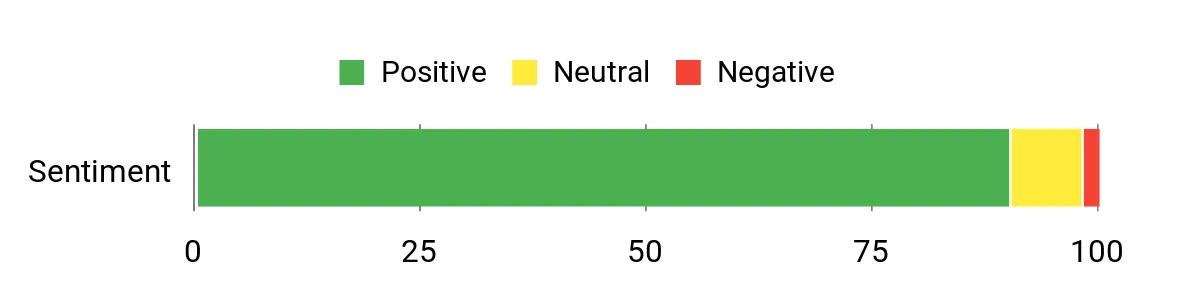
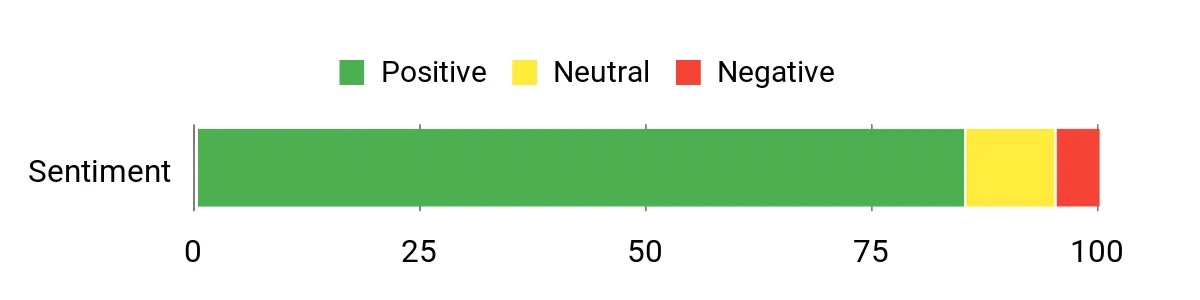
You’ll find most users highlight how razor‑sharp the blade arrives and how well it holds an edge for routine prep. People also praise the balance and the comfortable wooden handle for long sessions, while a small number note it requires hand washing and occasional sharpening to stay at peak performance.
Overall Sentiment: Positive
|
Pros |
Cons |
|---|---|
|
✅ Excellent edge and slicing control |
❌ Not dishwasher safe; needs hand washing |
|
✅ Comfortable, well‑balanced wooden handle |
❌ Requires periodic honing/sharpening |
|
✅ Compact length ideal for detailed work |
❌ Less suited for heavy beef or large carcasses |
Ease of Use
|
Feature |
Ease Level |
|---|---|
|
Grip / Handling |
Easy |
|
Sharpening |
Moderate |
|
Cleaning |
Moderate |
|
Precision Cuts |
Easy |
Versatility
This knife is versatile for poultry, fish, and light pork work and does well for trimming and detailed prep. If you regularly work large beef cuts or need a stiff, heavy blade, you should pair it with a heavier boning or breaking knife.
Key Benefits
- Sharp, narrow blade for accurate boning and trimming
- Balanced feel with a comfortable wooden handle
- Compact length gives precise control on small cuts
Rating: 4.9 (total: 37+)
Dexter Boning

You get a slim, 5‑inch flexible boning blade that makes separating meat from bone feel effortless. The curve and flexibility are ideal for fish, poultry, and small pork cuts, and the textured polypropylene handle gives a secure grip during longer prep sessions.
It’s designed for heavy use in kitchens, so you can rely on consistent performance shift after shift. If you want a dependable, commercial‑grade tool that’s easy to handle and versatile for everyday tasks, this is a practical choice.
What People Say
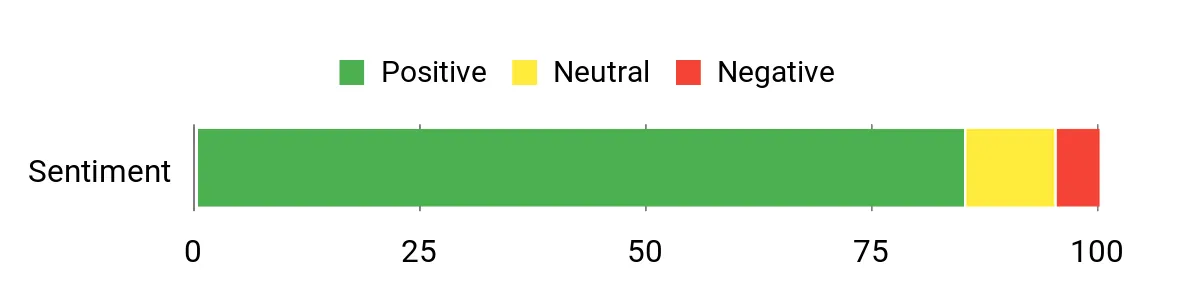
You’ll see users praising how the blade’s flexibility reduces waste and improves yield, especially on fish and poultry. Many appreciate the secure, non slip handle and the NSF certification for commercial use. A smaller group notes that being stamped and flexible means it’s lighter and may need more frequent touchups than a heavier forged blade.
Overall Sentiment: Positive
|
Pros |
Cons |
|---|---|
|
✅ Excellent flexibility for detailed boning and filleting |
❌ Stamped construction may require more frequent sharpening |
|
✅ Secure, ergonomic grip for prolonged use |
❌ Less ideal for heavy beef or very large bones |
|
✅ NSF certified and trusted in professional settings |
❌ Some users prefer a heavier forged feel |
Ease of Use
|
Feature |
Ease Level |
|---|---|
|
Grip / Handling |
Easy |
|
Flexibility Control |
Easy |
|
Sharpening |
Moderate |
|
Cleaning |
Easy |
Versatility
This knife excels with fish, poultry, and small to medium pork cuts and doubles as a trimming tool for delicate tasks. You should pair it with a stiffer boning or breaking knife for heavy beef or larger carcasses.
Key Benefits
- Flexible blade for tight cuts along bones
- NSF certified for professional kitchens
- Textured handle reduces slippage during extended prep
Rating: 4.7 (total: 986+)
Benchmade Meatcrafter
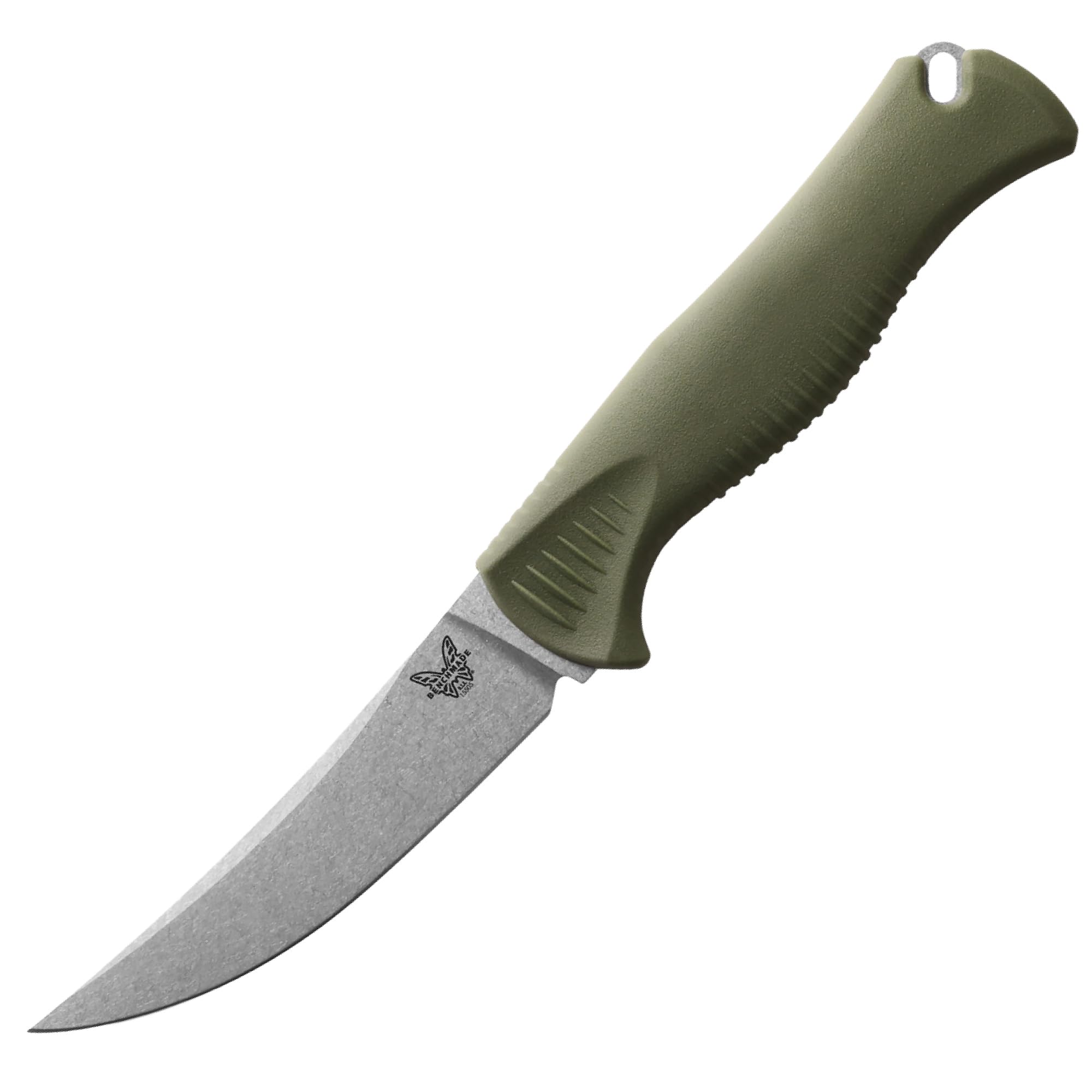
You’ll appreciate how controllable this compact fixed blade feels when you’re dressing game or doing precise outdoor cuts. The trailing‑point blade and thin profile let you follow contours and make clean separations, while the Santoprene handle gives a secure, comfortable grip even in damp conditions.
It’s small enough to carry on trips yet sturdy enough for repeated field use, and it also handles light kitchen boning tasks if you need a portable option. Keep it hand washed and honed occasionally, and it becomes a dependable tool for hunting and camping seasons.
What People Say
Customers frequently call out the knife’s solid build and how comfortable the handle feels during extended use. Many highlight the blade shape as ideal for skinning and close work, and several note the low weight and balanced feel. A few users mention the small blade limits heavy butchery tasks and that it requires hand washing and routine honing.
Overall Sentiment: Positive
|
Pros |
Cons |
|---|---|
|
✅ Excellent control for skinning and precise outdoor cuts |
❌ Blade is small for heavy beef or large carcasses |
|
✅ Secure, comfortable Santoprene grip |
❌ Hand wash only; not suited to dishwashers |
|
✅ Ambidextrous design and light weight for easy carry |
❌ Requires occasional sharpening to maintain best performance |
Ease of Use
|
Feature |
Ease Level |
|---|---|
|
Grip / Handling |
Easy |
|
Field Dressing |
Easy |
|
Sharpening |
Moderate |
|
Cleaning |
Moderate |
Versatility
Best suited for hunting, camping, and light boning or trimming; it’s a great portable tool but should be paired with a stiffer, longer blade for larger butchery jobs.
Key Benefits
- Compact trailing‑point blade for precise cuts
- Santoprene handle offers a secure, non‑slip grip
- Lightweight and ambidextrous for easy field carry
Rating: 4.7 (total: 35+)
FAQ
Which Boning Knife Should You Choose?
Pick a blade based on the proteins you work with most and how precise you need to be. For fish and poultry you’ll prefer a narrow, flexible 5″ blade that follows contours, while larger beef cuts benefit from a stiffer 6″ or longer boning knife. Consider blade material and construction: stainless or molybdenum steels make upkeep easier, high‑carbon steels hold an edge longer but need more care, and forged blades generally offer better balance and durability than stamped ones.
Also check handle ergonomics and certifications like NSF if you’re using the knife in a commercial setting. In short, match flexibility vs stiffness, length, and handle comfort to your typical tasks.
How Should You Maintain Your Boning Knife?
Care keeps performance consistent: always hand wash and dry the blade immediately and avoid the dishwasher to protect the edge and handle. Hone the edge with a ceramic rod every few uses to realign the blade, and sharpen on a whetstone or have it professionally honed when it loses bite.
Store the knife in a sheath, magnetic strip, or dedicated slot to prevent nicks, and never use a boning knife to cut through bone or frozen material to avoid chipping. Routine maintenance extends edge life and keeps the knife safer to use.
Can You Use a Boning Knife for Other Tasks?
Yes, but within limits: a flexible boning knife doubles as an excellent filleting and trimming tool, and a compact fixed blade works well for field dressing. It’s not a substitute for a chef’s knife when chopping or for a breaking knife when separating large primal cuts.
If you need one knife to cover many jobs, choose a versatile 5–6″ model and pair it with a stiffer, longer blade for heavy butchery to keep tasks efficient and protect each tool’s edge.
Customer Preferences
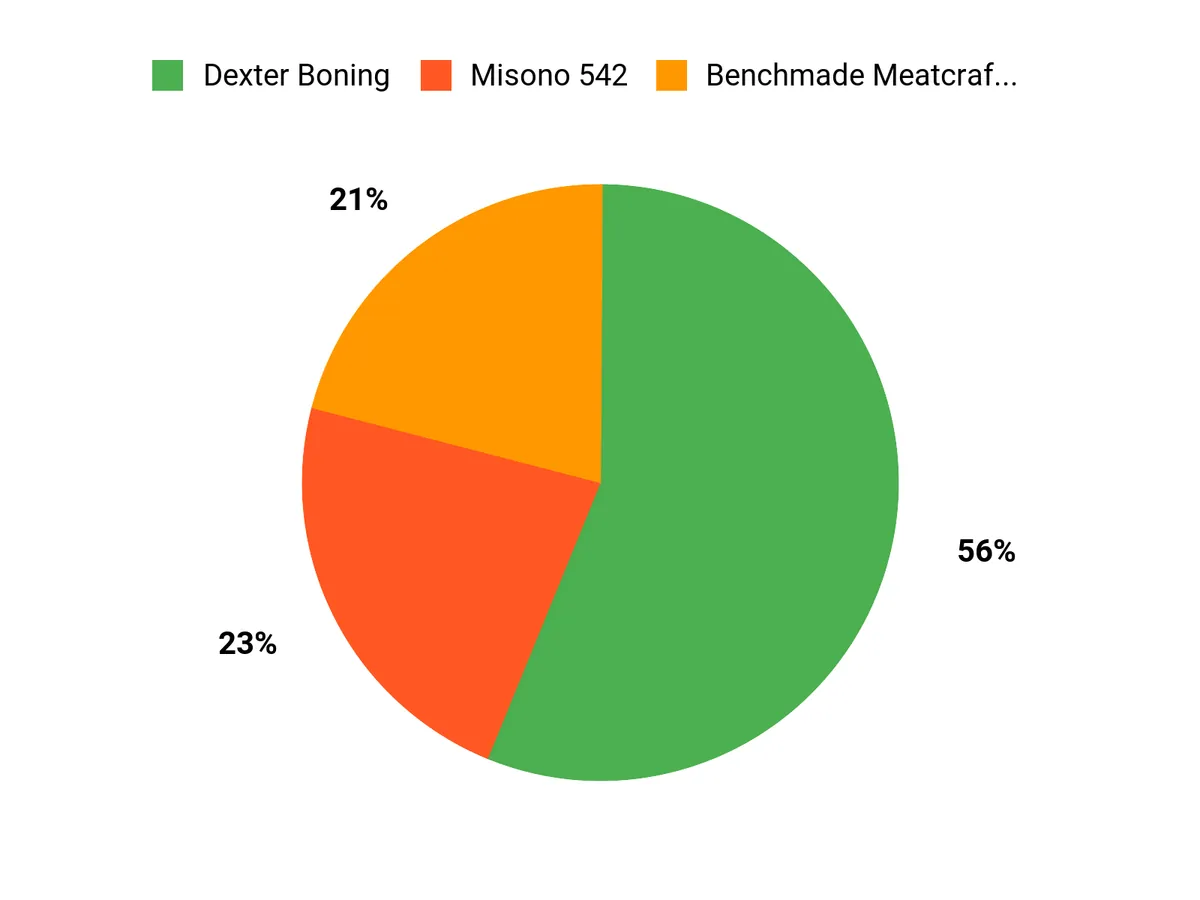
You tend to choose based on intended use: you’ll favor the Misono 542 for edge retention and pinpoint precision, the Dexter Boning for its flexible, professional‑grade versatility, and the Benchmade Meatcrafter when portability and a secure field grip are priorities. Ultimately you balance blade flexibility versus stiffness, handle comfort, and maintenance needs so the knife matches the proteins and conditions you work with most.
Wrapping Up
Choosing the right boning knife pays off in cleaner cuts, less waste, and a safer prep experience. If you want razor control and professional edge quality, the Misono 542 delivers durable steel and a profile tuned for precision at about $104.99.
If you need a dependable, NSF‑trusted workhorse on a tight budget, the Dexter boning knife gives commercial performance for around $16.90. If your priority is a rugged field tool for hunting and quick dressing, the Benchmade Meatcrafter is a purpose built option at roughly $174.99. Match the blade flexibility, length, and handle to the proteins and conditions you work with most, and you will notice faster, cleaner results.
| Misono Molybdenum Steel Boning Round No. 542 (West) 5.7 inches | Dexter Russell Cutlery P94824 Cutlery Boning Knife, 5″ | Benchmade – Meatcrafter 15500 4″ Hunting and Cutlery Knife | |
|---|---|---|---|
|
|
|
|
|
| Rating | 4.9/5 (37 reviews) | 4.7/5 (986 reviews) | 4.7/5 (35 reviews) |
| Blade Material | Molybdenum Stainless Steel | 400 Series Stainless Steel | Stainless Steel |
| Handle Material | Wood | Polypropylene | Santoprene |
| Blade Length | 5.7 inches (145 mm) | 5 inches | 4.01 inches |
| Weight | 8.8 ounces | 0.5 ounces | 2.71 ounces |
| Shop Now | Shop Now | Shop Now |
This Roundup is reader-supported. When you click through links we may earn a referral commission on qualifying purchases.
