

Last Updated on October 5, 2026 by Daniel Globe
You rely on a knife as one of the most important tools in the bush, so choosing the right blade affects safety, efficiency, and enjoyment on every trip. This guide helps you cut through marketing noise and find a knife that matches your needs, whether you want dependable carving and batoning, easy maintenance, or a lifetime warranty.
By focusing on proven designs, steel choice, and real-world performance you can pick a tool that makes camp chores faster and keeps you safer in the outdoors.
Top Picks
|
Category |
Product |
Score |
|---|---|---|
|
🎯 Best for Bushcraft |
95/100 |
|
|
🔰 Most Durable |
92/100 |
|
|
💼 Best Tactical Knife |
86/100 |
Selection Criteria
You need a knife that balances edge retention, ease of sharpening, ergonomics, and a sheath you can trust, so those were our primary filters. We prioritized blade steel and heat treatment for real-world edge behavior, full tang construction for durability, handle comfort for long tasks, and blade geometry for common bushcraft tasks like carving and batoning.
We also weighed sheath quality, warranty and manufacturer reputation, and real user feedback to surface recurring strengths and weaknesses. The result is a short list that spans value, lifetime reliability, and specialized performance so you can choose the knife that suits how you work in the field.
TOPS Fieldcraft

You get a compact, work-focused fixed blade that favors strength and control. The 3.75-inch 1095 high-carbon blade and full-tang construction mean it stands up to batoning, carving, and general camp chores, while the modified Scandi grind makes controlled cuts easy. The tan canvas micarta handle is grippy even when wet and the Kydex belt sheath keeps carry straightforward. Expect a knife that feels purpose-built for rugged field work, though the high-carbon steel does mean you should keep an eye on maintenance if you’re often in wet environments.
What People Say
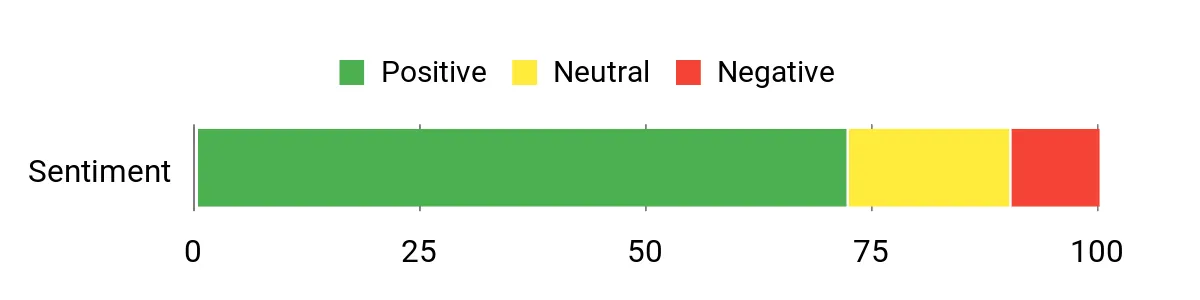
Customers commonly praise how robust and well balanced the blade feels for outdoor work, noting clean cuts and dependable edge performance. Many appreciate the handle ergonomics and full-tang construction, while a few mention packaging and express a desire for an upgraded or differently finished sheath. Overall the consensus points to a tool that performs where it counts with predictable maintenance needs for the steel.
Overall Sentiment: Positive
|
Pros |
Cons |
|---|---|
|
✅ Durable full-tang construction |
❌ High-carbon steel requires regular care to prevent corrosion |
|
✅ Easy to sharpen 1095 high-carbon steel |
❌ Traction coating can show wear over time |
|
✅ Good control from modified Scandi grind |
❌ Included packaging and sheath finish may feel basic to some users |
|
✅ Comfortable micarta handle suitable for long tasks |
|
|
✅ Kydex sheath offers secure belt carry |
Safety Features
Full tang construction, ambidextrous profile, and a lanyard hole for retention options combined with a form-fitting Kydex belt sheath reduce the chance of accidental slips and improve secure carry.
Problem Solving
You can rely on this knife to handle typical bushcraft tasks like splitting kindling, carving tools, and general camp work thanks to its stout blade geometry and handle grip. It trades a bit of low-maintenance stainless convenience for superior toughness and edge performance, so it solves durability and cutting ability at the cost of more frequent cleaning.
Key Benefits
- Solid full-tang build for reliability under heavy use
- 1095 high-carbon steel that takes and holds a keen edge
- Modified Scandi grind that simplifies controlled carving and feathering
- Comfortable canvas micarta handle for extended tasks
- Sturdy Kydex sheath for secure belt carry
Rating: 4.4 (total: 44+)
Morakniv Garberg
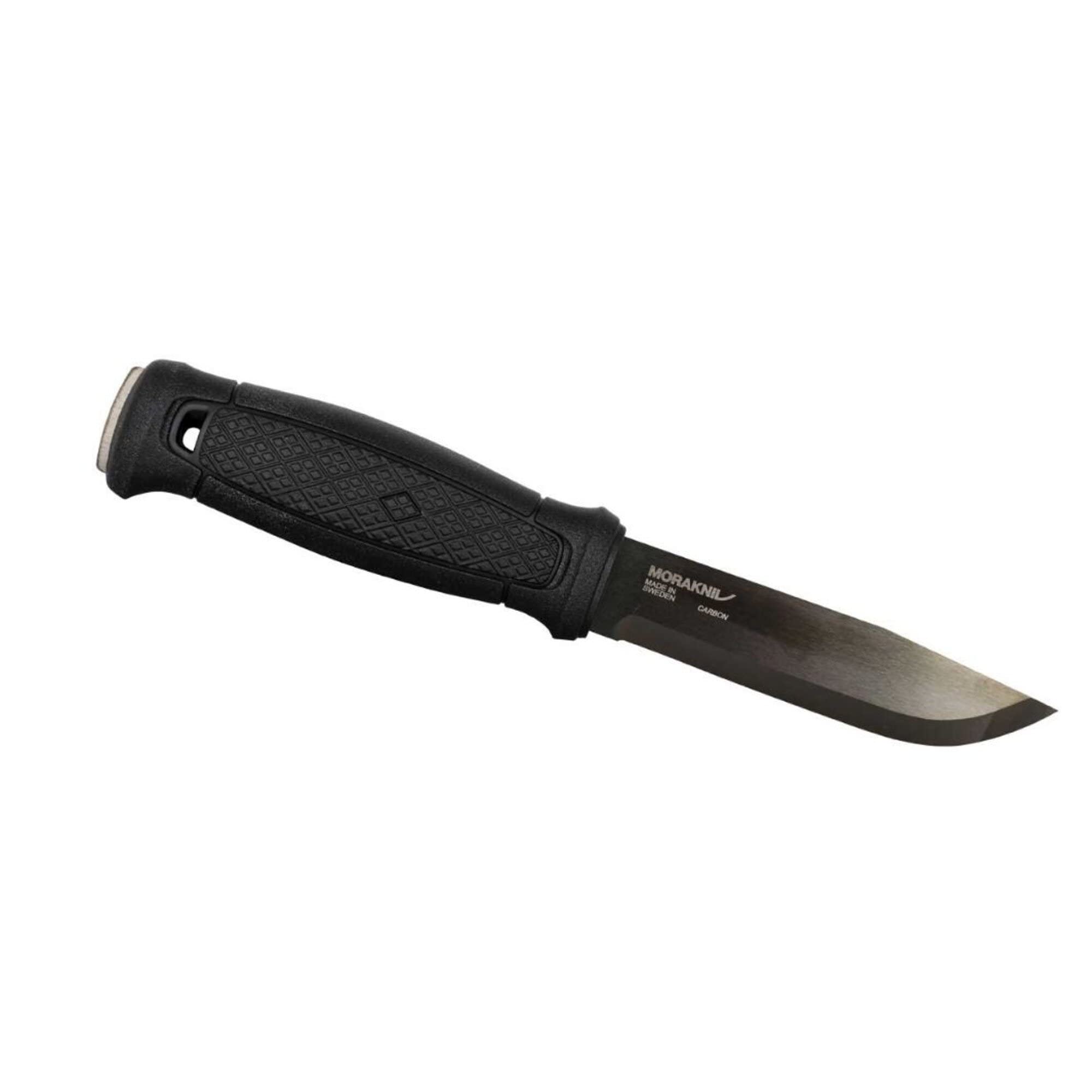
You get a simple, purpose-built bushcraft knife that does the basics exceptionally well. The 4.3-inch drop-point blade gives you a versatile cutting profile for carving, food prep, and light batoning, while the full-tang build and comfortable handle mean you can work for longer without hand fatigue.
The polymer sheath keeps carry low-profile and weather-resistant, so it’s practical for regular outdoor use. If you want a reliable, no-nonsense tool that performs day after day, this is a solid choice.
What People Say
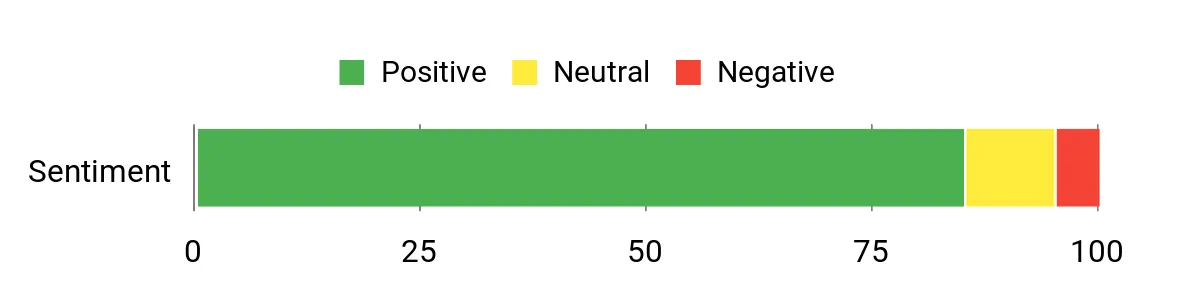
Buyers frequently highlight the Garberg’s dependable build and comfortable ergonomics, noting that the blade shape is forgiving for carving and camp chores. Many users like how easy the knife is to maintain and appreciate the solid feel in hand. A number of people also praise the warranty and overall value compared with more specialized blades.
Overall Sentiment: Positive
|
Pros |
Cons |
|---|---|
|
✅ Robust full-tang design |
❌ High-carbon variants need regular care to avoid rust |
|
✅ Very versatile blade profile for bushcraft |
❌ Polymer sheath is functional but not premium-feeling |
|
✅ Comfortable, ambidextrous handle |
❌ May be heavier than minimalist knives for ultralight users |
|
✅ Durable polymer sheath suitable for wet conditions |
|
|
✅ Strong brand support and warranty |
Safety Features
Full-tang construction, ambidextrous handle for secure grip, and a well-fitting polymer sheath that reduces accidental exposure of the blade during carry.
Problem Solving
You can rely on this knife for common camp problems like preparing tinder, carving tools, and handling basic batoning. Its blade geometry balances slicing and controlled point work, so it solves a broad set of tasks without needing multiple specialty knives.
The trade-off is that if you pick the high-carbon variant you’ll want to be diligent about drying and oiling after wet use.
Key Benefits
- Full-tang construction for long-term durability
- Versatile 4.3″ drop-point blade suited to common bushcraft tasks
- Ambidextrous handle design for comfortable use by any hand
- Sturdy polymer sheath that holds up to wet conditions
- Backed by a strong manufacturer reputation and warranty
Rating: 4.8 (total: 1049+)
ESEE RB3

You get a compact, purpose-driven survival blade that feels substantial in hand and stays reliable through repetitive tasks. The 3.5-inch drop-point profile and full-tang build make it easy to control for carving, batoning small pieces, and general camp chores, while the micarta handle offers a secure grip even when your hands are wet.
The black oxide finish helps resist corrosion in the short term and the knife’s stout geometry means it handles prying and leverage better than many lightweight blades. If you want a dependable working knife that favors durability and serviceability, this one is a strong pick; just plan to upgrade the sheath if you prefer something premium.
What People Say
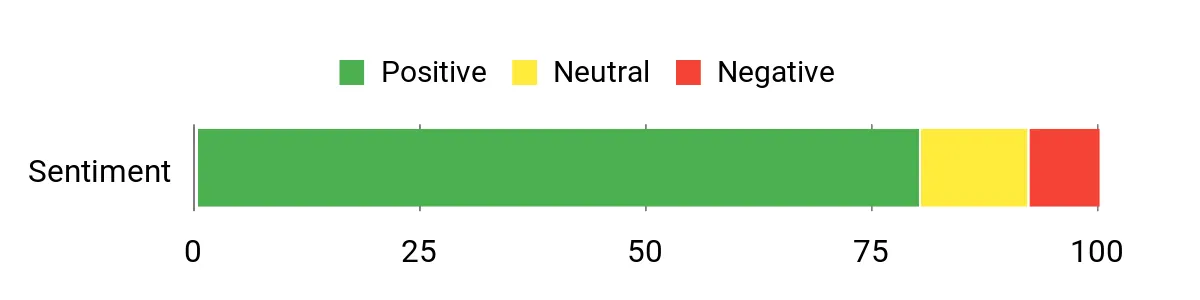
Users frequently point to the RB3’s solid feel, excellent ergonomics, and slicing performance as standout traits. Many reviewers applaud how easy the carbon steel is to sharpen and how dependable the knife is for camp tasks, while several note the included leather sheath feels underwhelming and some prefer switching to a Kydex option. Overall the feedback leans toward praise for the blade itself paired with suggestions to improve the carry solution.
Overall Sentiment: Positive
|
Pros |
Cons |
|---|---|
|
✅ Very durable full-tang design |
❌ Included leather sheath is often criticized for quality |
|
✅ Comfortable, secure micarta grip |
❌ Right-hand sheath orientation may not suit left-handed users |
|
✅ Easy-to-sharpen 1095/ carbon steel performs well in the field |
❌ Carbon steel requires regular drying and oiling after wet use |
|
✅ Compact size suitable for precise tasks and general survival use |
|
|
✅ Strong brand reputation and warranty backing |
Safety Features
Full-tang construction, pronounced handle geometry for a secure two- or three-finger grip, and a sheath with retention designed to limit accidental exposure of the edge.
Problem Solving
You can rely on this knife for common survival scenarios like shelter building, feathering tinder, and food prep; its blade geometry balances slicing and controlled point work so it handles a broad range of camp tasks. If you need a tougher sheath or left-handed carry, those are simple upgrades, but the core tool solves the most frequent bushcraft problems effectively.
Key Benefits
- Robust full-tang construction built for hard use
- Ergonomic micarta handle that stays grippy
- Carbon steel blade that sharpens easily and holds a keen edge
- Compact blade length that balances control and utility
- Made in the USA with strong manufacturer support
Rating: 4.8 (total: 168+)
FAQ
What Steel Should You Choose?
You should weigh durability, edge performance, and maintenance when choosing steel. High-carbon steels like 1095 are easy to sharpen, tough, and preferred for heavy bushcraft work but require regular drying and oiling to prevent rust. Stainless steels reduce corrosion worry and are lower maintenance, though some alloys are harder to sharpen in the field. Aim for a steel that matches how often you want to sharpen it and how much care you’re willing to give the blade, and remember that heat treatment matters as much as the steel type.
How Do You Maintain A Bushcraft Knife?
Keep the blade clean and dry after use, especially after cutting acidic foods or exposure to moisture, and apply a light coat of oil to carbon steel before storing. Sharpen on a whetstone or use a strop to maintain a keen edge rather than removing large amounts of metal, and carry a basic sharpener on longer trips.
If the knife came with a leather sheath, dry the knife before sheathing and consider a Kydex option for damp environments to reduce corrosion risk.
Which Blade Size And Shape Is Right For You?
Pick a blade that matches the tasks you do most often: roughly 3.5–4.5 inches covers most carving, food prep, and light batoning without being unwieldy. A drop-point profile is versatile for food prep and controlled point work, while a Scandi or modified Scandi grind makes feathering and carving easier.
Prioritize a full-tang design and comfortable handle ergonomics, since construction and grip have more impact on real-world performance than small differences in blade length.
Customer Preferences
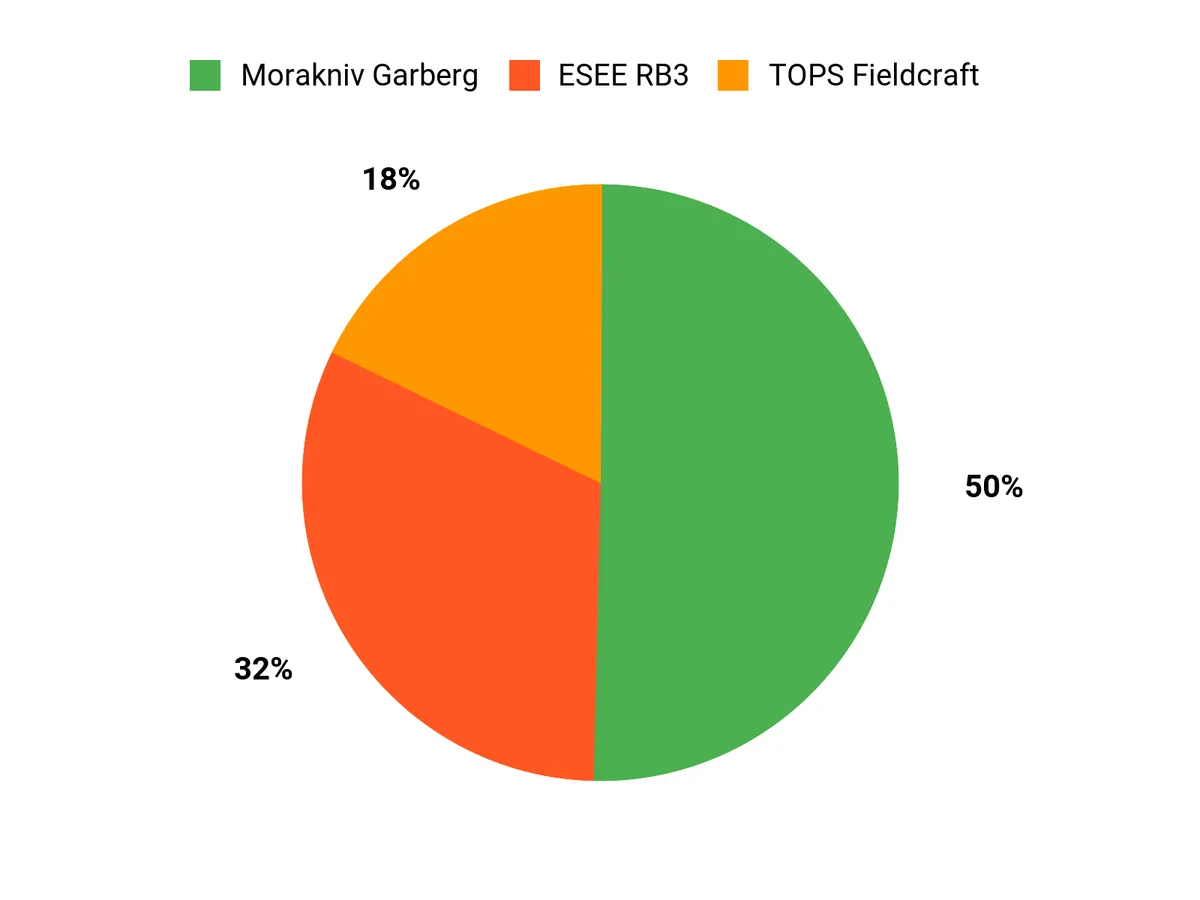
When choosing between the TOPS Fieldcraft, Morakniv Garberg, and ESEE RB3 you typically prioritize intended use: toughness and leverage for survival tasks, ergonomic blade geometry for carving and bushcraft, or a compact, controllable profile for general camp work. You also weigh steel and maintenance needs (carbon steels sharpen and hold well but require care), handle comfort and full-tang strength for heavy use, and sheath quality or upgradeability since secure carry and corrosion protection strongly affect real-world performance.
Wrapping Up
Choose the knife that matches the work you do most often. If you want a purpose-built bushcraft tool with proven ergonomics and a strong value proposition, the Morakniv Garberg is a top pick. If lifetime toughness and a blade you can rely on in extreme conditions matter most, the ESEE RB3 delivers rugged construction and a strong reputation. If your priority is a tactical design with a stout profile and classic micarta feel, the TOPS Fieldcraft is worth considering.
Maintain whichever blade you pick with proper cleaning, stropping and storage and it will serve you for years in the field.
| TOPS Knives Fieldcraft 3.5 Fixed Blade Knife | MoraKniv Garberg Full Tang Fixed Blade Knife | ESEE RB3 Reuben Bolieu Fixed Blade Survival Knife | |
|---|---|---|---|
|
|
|
|
|
| Rating | 4.4/5 (44 reviews) | 4.8/5 (1,049 reviews) | 4.8/5 (168 reviews) |
| Blade Length | 3.75 inches | 4.3 inches | 3.5 inches |
| Blade Material | High Carbon Steel | High Carbon Steel | Carbon Steel |
| Handle Material | Tan Canvas Micarta | Carbon Steel | Micarta |
| Weight | 0.49 pounds | 0.20 kilograms | N/A |
| Shop Now | Shop Now | Shop Now |
This Roundup is reader-supported. When you click through links we may earn a referral commission on qualifying purchases.

