
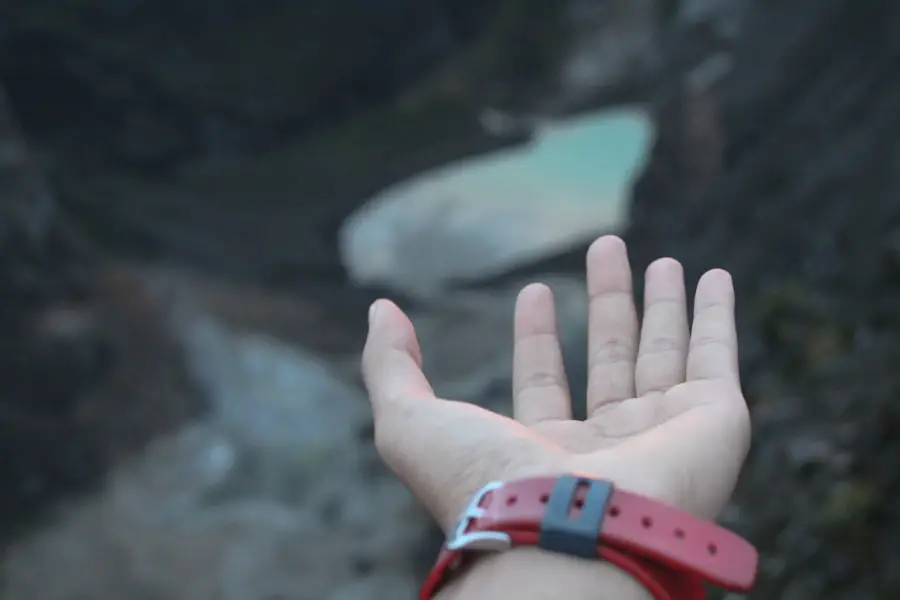
Hiking is a popular outdoor activity that offers numerous physical and mental health benefits, from cardiovascular fitness to stress relief. However, many hikers experience a common yet often overlooked issue: hand swelling. This phenomenon can occur during or after a hike and may range from mild discomfort to significant swelling that can impede movement.
Understanding the causes of hand swelling during hiking is crucial for both novice and experienced hikers, as it can affect their overall enjoyment and safety on the trail. Hand swelling, medically known as peripheral edema, can be attributed to various factors, including physical exertion, altitude, dehydration, weather conditions, and even the weight of one’s backpack. Each of these elements can contribute to changes in blood circulation and fluid retention, leading to swollen hands.
By exploring these factors in detail, hikers can better prepare for their adventures and mitigate the risk of experiencing this uncomfortable condition.
Key Takeaways
- Hand swelling during hiking is a common occurrence due to various factors such as physical exertion, altitude, dehydration, weather conditions, backpack weight, and preexisting medical conditions.
- Physical exertion during hiking can lead to increased blood flow to the hands, causing them to swell.
- Altitude can also contribute to hand swelling as the body adjusts to changes in air pressure and oxygen levels.
- Dehydration can exacerbate hand swelling, as the body retains water to compensate for fluid loss.
- Weather conditions, such as heat and humidity, can also impact hand swelling during hiking.
Physical Exertion and Blood Flow
When engaging in physical activities like hiking, the body undergoes several physiological changes to accommodate increased demands for oxygen and energy. One of the most significant changes involves blood flow. As muscles work harder, the heart pumps more blood to supply oxygen and nutrients while removing waste products.
This increased blood flow is essential for sustaining energy levels during prolonged exertion. However, this heightened circulation can also lead to fluid accumulation in the extremities, including the hands. During strenuous hikes, particularly those involving steep inclines or uneven terrain, the body may prioritize blood flow to the core muscles over the extremities.
This redistribution can cause blood vessels in the hands to dilate, leading to an increase in blood volume in that area. Consequently, the hands may swell as they become engorged with blood. Additionally, the repetitive motion of gripping trekking poles or holding onto a backpack strap can exacerbate this swelling by compressing blood vessels and restricting normal circulation.
Products Worth Considering

Exceptional Quality and Comfort - Crafted from aircraft-grade 6061 aluminum, each 10-ounce trekking pole is highly durable in all conditions.
【Upgraded Tri-fold Design】 - Covacure Hiking poles provids telescopic and foldable tri-fold design. You can freely adjust the lenght from 43" to 51" (110-130cm) to fit your height comfortably after easy installing. What's more, they can folding down less than 14"/35.5cm to store in your backpack, luggage, or duffel bags.
【Lighter Versatile Materials】 KINGGEAR collapsible trekking poles shaft is made of durable aviation grade 7075 Aluminum, lighter than typical 6061 Aluminum and stronger than carbon fiber, bearing more weight in rugged terrains.
Impact of Altitude on Hand Swelling
Altitude plays a significant role in various physiological responses during hiking, particularly when ascending to higher elevations. As hikers gain altitude, the atmospheric pressure decreases, which can lead to a condition known as altitude sickness. One of the symptoms associated with altitude sickness is edema, which can manifest as swelling in the hands and feet.
The lower oxygen levels at high altitudes can cause blood vessels to leak fluid into surrounding tissues, resulting in swelling. Moreover, the body’s adaptation to high altitudes involves changes in fluid balance and distribution. The kidneys may retain more sodium and water in response to lower oxygen levels, leading to increased fluid retention throughout the body.
This retention can contribute to hand swelling as well as swelling in other areas such as the feet and ankles. Hikers venturing into mountainous regions should be aware of these potential effects and take necessary precautions to minimize their risk of altitude-related swelling.
Dehydration and its Effects on Hand Swelling
| Dehydration Level | Hand Swelling Severity | Recommended Fluid Intake |
|---|---|---|
| Mild Dehydration | Slight swelling | 8-10 glasses of water per day |
| Moderate Dehydration | Moderate swelling | Additional 2-3 glasses of water per day |
| Severe Dehydration | Severe swelling | Immediate medical attention and intravenous fluids |
While it may seem counterintuitive, dehydration can actually contribute to hand swelling during hiking. When the body is dehydrated, it tends to retain water as a survival mechanism. This retention can lead to an imbalance in fluid distribution within the body, causing certain areas—such as the hands—to swell.
Dehydration often occurs during long hikes when hikers fail to consume adequate fluids, especially in hot or dry conditions. In addition to fluid retention, dehydration can also impair circulation and reduce blood volume. When blood volume decreases due to insufficient hydration, the body may respond by constricting blood vessels in an attempt to maintain blood pressure.
This constriction can lead to increased pressure in certain areas, resulting in localized swelling in the hands. To combat this issue, hikers should prioritize hydration before, during, and after their hikes, ensuring they drink enough water to maintain optimal fluid balance.
Products Worth Considering
Large opening for easy cleaning: CHERAINTI 2l hydration bladder has one of large opening; and the big opening makes for easy pouring of water; It is also fairly wide for a hand or bottle brush easily access to the interior water bladder for hiking backpack; The screw on cap goes on and off easily; for cold water, simply add ice cubes directly from a scoop or refrigerator ice dispenser;the smooth inner of water reservoir promotes health and is easy to clean
INSULATED SPORTS WATER BOTTLE: Goodbye sweat! The narrow mouth double wall insulation makes the Iron Flask sweat-free! It keeps your drink COLD for up to 24 hours, and HOT for up to 12 hours. *NOTE: ONLY the 12 Oz, 16 Oz, 20 Oz & 24 Oz fit in cupholders*
ANTI-SLIP TECHNOLOGY FOR ULTIMATE FIT AND FRICTION-FREE COMFORT : AiRunTech Upgraded run belt hook & loop tape's in place nicely and doesn't loosen while running, give you the ultimate freedom of movement and comfort, personalized fit for hips from 20-49 inch (51cm-124cm), Designed to be worn low down on the hips, ensure total comfort by removing friction, allows for a snug fit that stays in place without bouncing or chafing during use.
Impact of Weather Conditions on Hand Swelling
Weather conditions can significantly influence hand swelling during hiking excursions. For instance, hot and humid weather can exacerbate swelling due to increased perspiration and fluid loss. As hikers sweat more in an attempt to cool down, they may inadvertently become dehydrated if they do not replenish lost fluids adequately.
This dehydration can lead to fluid retention and subsequent swelling in the hands. Conversely, cold weather can also contribute to hand swelling through different mechanisms. Cold temperatures cause blood vessels to constrict as the body attempts to conserve heat.
However, when hikers engage in physical activity in cold conditions, their bodies may respond by dilating blood vessels once again to increase blood flow to working muscles. This fluctuation between constriction and dilation can lead to temporary swelling in the hands as blood flow increases rapidly after exertion.
Products Worth Considering
FIT PERFECTLY: pack size of 16.5 x 8 x 6.0 inch with adjustable shoulder chest waist straps, will fit chest size teenagers/kids with 27 inch up to adults (men and women) with 50 inch . The chest and waist straps make sure the pack does not bounce when you move.
[Breathable Mesh Shoulder Straps]: Equipped with the ventilated mesh shoulder straps on this water backpack for air circulation, keeping you cool and preventing discomfort due to accumulated heat. This adjustable shoulder strap is made of silica gel, which is more comfortable to wear than cotton. Minimize pressure with its ergonomic design. This running hydration vest is lightweight enough to make it comfortable when running, hiking, cycling, biking, riding or marathon training
22L / 25L Storage Capacity - Our hiking backpacks have a large capacity, available in 22-liter and 25-liter sizes. The hiking hydration backpack for men and women is made of high-density ripstop and wear resistance polyester to meet the needs of outdoor adventures. Additional gear: Integrated emergency whistle and reflective strips adds safety for outdoor adventures.
Effects of Backpack Weight on Hand Swelling
The weight of a hiker’s backpack is another critical factor that can influence hand swelling during hikes. Carrying a heavy load places additional strain on the shoulders and arms, which can affect circulation in the hands. When a backpack is excessively heavy or improperly fitted, it can compress nerves and blood vessels in the upper body, leading to reduced blood flow and potential swelling in the hands.
Moreover, prolonged pressure from backpack straps can create localized edema due to restricted circulation. Hikers should be mindful of their pack weight and ensure that their backpacks are well-fitted with padded straps that distribute weight evenly across their shoulders and back. Regularly adjusting the straps during a hike can also help alleviate pressure points that may contribute to hand swelling.
Products Worth Considering
Large Capacity & Multiple Compartments: Offers a spacious 25L capacity and features practical compartments to accommodate all your essentials, including a padded laptop sleeve, a front dry-wet separation pocket for organized storage of wet towels and laundry, bottle pockets on two sides for easy access to water, and a detachable phone pouch attaching to the waist buckle.
WATER-RESISTANT AND STURDY MATERIAL: SKYSPER 20l Hiking Backpack is made of high-density 600D polyester and 210D nylon plaid fabric, which is impermeable, water-resistant, tear resistant and wear-resistant. All of the backpack's stress points and shoulder straps are reinforced with lap-knots to ensure long lasting durability
IMPORTANT PRODUCT IMFORMATIONS: The sunhiker backpack is a small-sized backpack with dimensions of 15.8H x 9.4L x 5.9W inches/40 x 24 x 15 cm, a weight of 12.3 oz, and a capacity of approximately 20-25L. It is suitable for both men and women who prefer a smaller sized backpack and only want to carry essential items while traveling light. This size is also suitable for children above aged 3. Please make sure that it is the size what you need/want before purchasing.
Preexisting Medical Conditions and Hand Swelling
Certain preexisting medical conditions can predispose individuals to hand swelling during hiking activities. For example, individuals with cardiovascular issues may experience compromised circulation that makes them more susceptible to edema during physical exertion. Similarly, those with kidney problems may struggle with fluid regulation, leading to increased fluid retention and swelling in various parts of the body.
Arthritis is another condition that can exacerbate hand swelling during hiking. Inflammation associated with arthritis can lead to joint pain and swelling, making it difficult for individuals with this condition to grip trekking poles or manage their backpacks effectively. Hikers with preexisting medical conditions should consult with healthcare professionals before embarking on strenuous hikes and consider modifying their activities based on their health status.
Tips for Preventing and Managing Hand Swelling While Hiking
Preventing hand swelling during hiking requires a proactive approach that addresses various contributing factors. First and foremost, staying hydrated is essential; hikers should aim to drink water regularly throughout their trek rather than waiting until they feel thirsty. Carrying electrolyte-rich beverages can also help maintain fluid balance and prevent dehydration-related swelling.
In addition to hydration, hikers should pay attention to their pacing and take regular breaks during strenuous sections of their hike. These breaks allow for recovery and help prevent excessive strain on muscles and joints that could contribute to swelling. Stretching exercises for the hands and arms during breaks can also promote circulation and reduce the risk of edema.
Choosing an appropriately weighted backpack is crucial for minimizing hand swelling as well. Hikers should aim for a pack that is lightweight yet spacious enough for all necessary gear while ensuring that it fits comfortably without excessive pressure on any one area of the body. Adjusting straps frequently throughout the hike can help alleviate pressure points that may lead to swelling.
Lastly, being mindful of weather conditions is vital for managing hand swelling effectively. In hot weather, wearing breathable fabrics and taking breaks in shaded areas can help regulate body temperature and reduce sweating-related dehydration. Conversely, in cold weather, wearing gloves or mittens can help maintain warmth while promoting circulation in the hands.
By understanding the multifaceted causes of hand swelling during hiking and implementing preventive strategies, hikers can enhance their outdoor experiences while minimizing discomfort associated with this common issue.
If you’re wondering why your hands swell when hiking, it could be due to a variety of factors such as dehydration, overuse, or even the altitude. To learn more about the importance of staying hydrated while hiking, check out this article on taketravelinfo.com. Proper hydration is key to preventing swelling and discomfort while out on the trails.
Products Worth Considering
Amazing Multi-Pocket Design:Unleash your inner adventurer with our 20-liter hiking backpack.Its main compartment perfect for clothes and essential first-aid items. The built-in front pocket secures valuables, the upper pocket is designed for sunglasses, and lower pockets provide easy access to items. Helmet storage is conveniently located between the outer and middle pockets, while the bottom features a dedicated outdoor tool pocket.
Lightweight 12 L Hydration Backpack: Super lightweight 8.5 oz hydration pack backpack with 2 L water bladder. Waterproof and tear-resistant fabric, PU coated nylon hydration pack bears 25 lbs
STAY HYDRATED ON THE GO: Lightweight hydration backpack with 2L water bladder keeps you refreshed while hiking, running, cycling, or biking. Insulated bladder pocket helps keep water cold for hours. 18L/22L of organized storage.
FAQs
What causes swelling in the hands when hiking?
Swelling in the hands when hiking can be caused by a combination of factors including increased blood flow to the hands, repetitive motion, and the body’s natural response to physical exertion.
How does increased blood flow contribute to swelling in the hands during hiking?
During hiking, the body increases blood flow to the muscles to provide them with oxygen and nutrients. This increased blood flow can also cause the hands to swell as the blood vessels dilate and fluid accumulates in the tissues.
Why does repetitive motion contribute to swelling in the hands during hiking?
Repetitive motion, such as swinging trekking poles or using hiking poles, can lead to swelling in the hands due to the constant use of the muscles and the increased pressure on the blood vessels.
What is the body’s natural response to physical exertion that can cause swelling in the hands during hiking?
The body’s natural response to physical exertion includes the release of inflammatory substances and the accumulation of fluid in the tissues, which can contribute to swelling in the hands during hiking.
How can I prevent or reduce swelling in my hands while hiking?
To prevent or reduce swelling in the hands while hiking, it is important to stay hydrated, take regular breaks to rest and elevate the hands, and use proper hiking techniques to minimize repetitive motion and strain on the hands. Wearing well-fitting gloves and using trekking poles with proper technique can also help reduce swelling.