
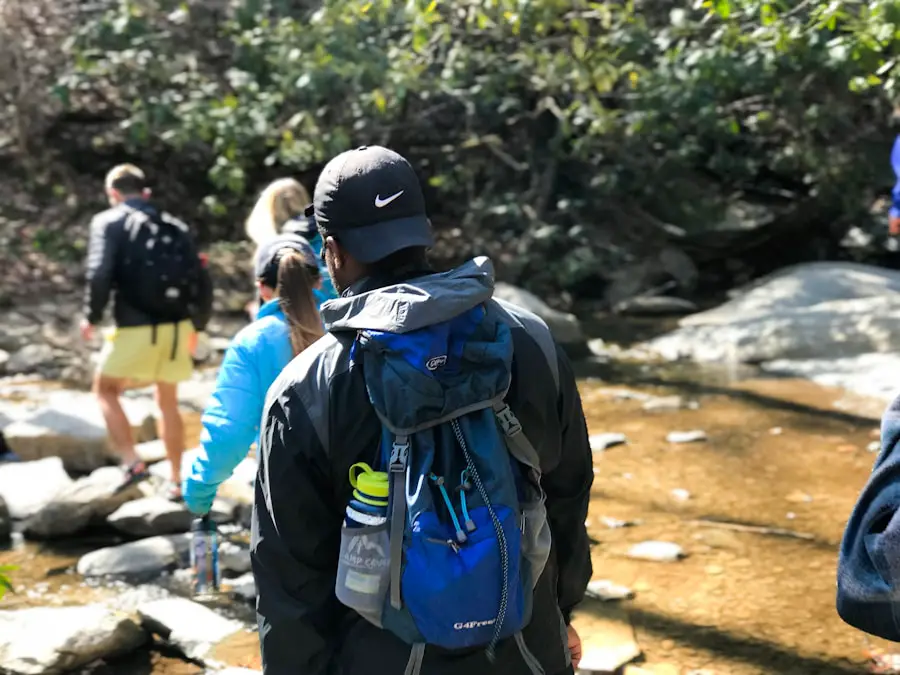
Hydration is a fundamental aspect of human health and performance, particularly for those who engage in outdoor activities such as hiking, biking, or any form of strenuous exercise. Water is essential for maintaining bodily functions, including temperature regulation, nutrient transport, and waste elimination. When the body is adequately hydrated, it operates efficiently, allowing for optimal physical performance and cognitive function.
Dehydration, on the other hand, can lead to a myriad of issues ranging from fatigue and dizziness to more severe complications like heat exhaustion or heat stroke. The importance of hydration cannot be overstated, especially in environments where physical exertion is coupled with high temperatures or low humidity. Moreover, the effects of dehydration can manifest quickly.
Even a loss of 1-2% of body weight due to fluid loss can impair physical performance and cognitive abilities. For instance, studies have shown that dehydration can lead to decreased endurance, increased perceived effort during exercise, and impaired thermoregulation. This is particularly critical for outdoor enthusiasts who may not always have immediate access to water sources.
Understanding the signs of dehydration—such as dry mouth, fatigue, and dark-colored urine—can help individuals take proactive measures to maintain their hydration levels while on the trail.
Key Takeaways
- Proper hydration is essential for overall health and performance, especially during physical activities like hiking and trail walking.
- When choosing a water bottle, consider factors like material, size, and insulation to ensure it meets your hydration needs on the trail.
- Purifying water on the trail is crucial to prevent waterborne illnesses; options include filtration systems, chemical treatments, and boiling.
- Hydration packs and reservoirs offer convenient hands-free access to water, making them ideal for long hikes and outdoor activities.
- Monitoring your water intake is important to avoid dehydration; factors like weather, activity level, and individual needs should be considered.
Choosing the Right Water Bottle
Products Worth Considering

Insulated Sports Water Bottle: Goodbye sweat! The double wall insulation makes the Iron Flask sweat-free! It keeps your drink cold for up to 24 hours, and hot for up to 12 hours.
Insulated Sports Water Bottle: Goodbye sweat! The double wall insulation makes the Iron Flask sweat-free! It keeps your drink cold for up to 24 hours, and hot for up to 12 hours.
Double-Wall Insulation: The double-wall vacuum stainless steel insulated design of our water bottle guarantees that your drinks stay at your preferred temperature. Enjoy hot beverages for up to 12 hours and cold drinks for up to 24 hours.
Durability and Insulation
Stainless steel bottles are known for their durability and ability to keep beverages cold or hot for extended periods. They are also resistant to retaining flavors, making them an excellent choice for those who enjoy a variety of drinks.
Weight and Affordability
On the other hand, plastic bottles are lightweight and often more affordable, but they may not provide the same level of insulation or longevity.
Capacity and Features
When choosing a water bottle, consider factors such as capacity, weight, and ease of use. A bottle with a larger capacity may be beneficial for longer hikes where water sources are scarce, while a smaller, lighter bottle might be more suitable for shorter excursions. Additionally, look for features like wide mouths for easy filling and cleaning, as well as leak-proof designs to prevent spills in your backpack. Some bottles even come equipped with built-in filters or infusers for those who prefer flavored water or need to purify water from natural sources.
Purifying Water on the Trail
Accessing clean drinking water while on the trail can be a challenge, especially in remote areas where natural water sources may be contaminated. Therefore, understanding how to purify water is essential for any outdoor enthusiast. There are several methods available for purifying water, each with its own advantages and limitations.
Boiling is one of the most effective methods; by bringing water to a rolling boil for at least one minute (or three minutes at higher altitudes), you can eliminate harmful pathogens such as bacteria, viruses, and protozoa. Chemical treatments are another popular option for purifying water on the go. Water purification tablets containing chlorine dioxide or iodine can effectively kill pathogens when used according to the manufacturer’s instructions.
However, these methods may require a waiting period before the water is safe to drink. Additionally, portable water filters have gained popularity due to their convenience and effectiveness. These filters can remove bacteria and protozoa from water sources while allowing you to drink directly from streams or lakes.
When selecting a purification method, consider factors such as weight, ease of use, and the specific contaminants you may encounter in your environment.
Products Worth Considering
5-Stage Efficient Filtration: With adoption of premium-quality 0.1 um ultrafiltration membrane and other raw materials, the Water Filter Straw can effectively reduce harmful substances like chlorine, particulates, sediment, stones, sand, dirt, bad taste &odor in water to ensure the water safety and deliver better drinking experience.
Removes Bacteria & Parasites: The Microfiltration Membrane Removes 99.999999% of Waterborne Bacteria (Including E. Coli and Salmonella), and 99.999% of Waterborne Parasites (Including Giardia and Cryptosporidium) - Essential for Your Survival Kit
Ideal for outdoor recreation, hiking, camping, scouting, domestic or international travel, and emergency preparedness
Hydration Packs and Reservoirs
| Brand | Capacity (liters) | Weight (ounces) | Price |
|---|---|---|---|
| CamelBak | 2.5 | 11 | 89.99 |
| Osprey | 3 | 12 | 99.95 |
| Gregory | 2 | 10 | 79.95 |
Hydration packs and reservoirs have revolutionized the way outdoor enthusiasts carry and consume water during their adventures. These systems are designed to provide hands-free hydration, allowing users to sip water through a tube without having to stop or fumble with a bottle. Hydration packs come in various sizes and styles, from small daypacks designed for short hikes to larger models that can accommodate longer excursions or multi-day trips.
One of the key advantages of hydration packs is their ability to distribute weight evenly across the back, which can enhance comfort during extended periods of activity. Many packs also feature additional compartments for storing gear such as snacks, first aid kits, or extra clothing. Reservoirs typically hold between 1.5 to 3 liters of water and are made from durable materials that are resistant to punctures and leaks.
When using a hydration pack, it’s essential to clean the reservoir and tube regularly to prevent mold and bacteria growth.
Products Worth Considering
Large opening for easy cleaning: CHERAINTI 3l hydration bladder has one of large opening, and the big opening makes for easy pouring of water; it is also fairly wide for a hand or bottle brush easily access to the interior water bladder for hiking backpack; the screw on cap goes on and off easily; for cold water, simply add ice cubes directly from a scoop or refrigerator ice dispenser; the smooth inner of water reservoir promotes health and is easy to clean
PREMIUM QUALITY: All parts of the KUREIDA hydration bladder are made of premium material . KUREIDA water reservoir is taste free, BPA free. It won’t leave a bad taste in your drink. The water bladder passed pneumatic pressure test, it is pressure-tolerant. Double sealing side technique has greatly improved durability
MINIMALIST HYDRATION DAYPACK: Designed for short hikes and excursions, this lightweight daypack features a streamlined yet capable design, an included hydration reservoir and durable ripstop main body fabric made from 100% recycled, ocean-sourced nylon
Monitoring Your Water Intake
Keeping track of your water intake is vital for maintaining proper hydration levels while on the trail. Many outdoor enthusiasts underestimate their fluid needs during physical activity, leading to dehydration and its associated risks. A general guideline suggests drinking about half a liter (17 ounces) of water per hour during moderate activity in moderate temperatures; however, individual needs can vary based on factors such as body size, intensity of activity, and environmental conditions.
To effectively monitor your water intake, consider using a hydration tracking app or simply keeping a log in your journal. Some hikers find it helpful to set reminders on their phones or watches to prompt them to drink at regular intervals. Additionally, pay attention to your body’s signals; thirst is an obvious indicator that you need more fluids, but other signs such as fatigue or decreased performance can also signal dehydration.
By being proactive about your hydration strategy and regularly assessing your fluid intake, you can ensure that you remain energized and focused throughout your outdoor adventures.
Products Worth Considering
Stay Hydrated Throughout the Day: staying hydrated is often easier said than done. With the Sahara Sailor clear water bottle and its time reminder, you can now not only track your daily water intake at ease, but also encourage you to drink enough water (Without Straw)
【Sleek Look】The beautiful frosted appearance makes the cute water bottle perfect for your workout, outdoors activities, hiking, biking, driving, work and any occasions that requires hydration. The simple design with gold lid works for both men and women, great gift for yourselves and the ones you care.
【Stay Motivated and Hydrated】32 oz water bottle with unique quote and time marker are inspirational, convenient for tracking your daily water intake and reminding you of being hydrated. Drinking bottles is suitable for any activities.
Tips for Staying Hydrated on the Trail
Staying hydrated on the trail requires planning and awareness of your surroundings. One effective strategy is to drink small amounts of water consistently rather than waiting until you feel thirsty. Thirst is often a late indicator of dehydration; by the time you feel thirsty, your body may already be experiencing fluid loss.
Carrying a lightweight water bottle or hydration pack allows you to sip frequently without interrupting your activity. Another important tip is to be mindful of environmental factors that can affect hydration needs. High temperatures and low humidity levels can increase fluid loss through sweat and respiration.
In such conditions, it’s advisable to increase your fluid intake accordingly. Additionally, consuming foods with high water content—such as fruits and vegetables—can contribute to overall hydration levels. Snacks like watermelon or cucumber slices not only provide hydration but also offer essential nutrients that support energy levels during physical exertion.
Emergency Water Sources
In situations where access to clean drinking water is limited or unavailable, knowing how to identify emergency water sources can be invaluable. Natural sources such as streams, rivers, and lakes may seem like viable options; however, it’s crucial to remember that these waters can harbor harmful pathogens and pollutants. If you find yourself in a situation where you must rely on these sources, always purify the water before consumption using methods such as boiling or filtration.
In addition to natural sources, there are other creative ways to source water in emergencies. For instance, dew collected from plants in the early morning can provide small amounts of moisture; using a cloth or sponge can help absorb this dew for later consumption. Another method involves digging shallow holes in sandy soil near rivers or lakes; groundwater may seep into these holes and can be collected for purification.
While these methods may not yield large quantities of water, they can be lifesaving in dire situations.
Properly Storing and Carrying Water
Proper storage and carrying techniques are essential for ensuring that your water supply remains safe and accessible during outdoor activities. When filling your water bottles or reservoirs, always use clean containers to minimize contamination risks. If you’re using natural sources for refilling your supply, ensure that you’re drawing from flowing water rather than stagnant pools where bacteria may thrive.
When it comes to carrying water on the trail, consider using insulated bottles or hydration packs that prevent temperature fluctuations that could affect taste or safety. Additionally, store your water containers in easily accessible pockets of your backpack so that you can hydrate without having to dig through your gear extensively. It’s also wise to carry extra containers if space allows; having backup supplies can be crucial if you encounter unexpected delays or challenges on your journey.
By understanding the importance of hydration and implementing effective strategies for managing your water supply while on the trail, you can enhance your outdoor experience significantly. Whether through careful planning or utilizing innovative gear like hydration packs and filters, staying hydrated will ensure that you remain energized and ready to tackle whatever challenges lie ahead in nature’s vast playgrounds.
When hiking, it’s important to stay hydrated, and one essential item to have is a reliable water bottle or hydration system. If you’re looking for the best way to carry water while hiking, check out this article on solar-powered camping lanterns. These lanterns are not only great for lighting up your campsite at night, but they often come with built-in water storage compartments or hydration bladders, making them a convenient and versatile option for staying hydrated on the trail.
Products Worth Considering
Large opening for easy cleaning: CHERAINTI 2l hydration bladder has one of large opening; and the big opening makes for easy pouring of water; It is also fairly wide for a hand or bottle brush easily access to the interior water bladder for hiking backpack; The screw on cap goes on and off easily; for cold water, simply add ice cubes directly from a scoop or refrigerator ice dispenser;the smooth inner of water reservoir promotes health and is easy to clean
Lightweight 12 L Hydration Backpack: Super lightweight 8.5 oz hydration pack backpack with 2 L water bladder. Waterproof and tear-resistant fabric, PU coated nylon hydration pack bears 25 lbs
❤ 【Ergonomic and comfortable design】 INOXTO Hiking Backpack Water Bladder Vest Kit aligns your back while gently protecting your muscles. The ventilated mesh cover keeps your back cool by maintaining air circulation, preventing discomfort due to accumulated heat, and providing excellent air circulation and breathability.
FAQs
What are the best ways to carry water when hiking?
There are several options for carrying water when hiking, including hydration packs, water bottles, collapsible water bottles, and hydration bladders.
What is a hydration pack and how does it work?
A hydration pack is a backpack with a built-in water reservoir and a drinking tube. The reservoir is filled with water and the tube allows the hiker to drink hands-free while on the move.
What are the advantages of using a hydration pack?
Hydration packs allow for easy access to water while hiking, as the drinking tube allows hikers to drink without stopping. They also distribute the weight of the water evenly across the back, making it more comfortable to carry.
What are the disadvantages of using a hydration pack?
Hydration packs can be more difficult to clean and may be more prone to developing mold if not properly maintained. They also have a limited capacity compared to some other water-carrying options.
What should I consider when choosing a water-carrying method for hiking?
When choosing a water-carrying method for hiking, consider factors such as the length of the hike, the availability of water sources along the trail, the weather conditions, and personal preferences for convenience and comfort.