Last Updated on July 27, 2026 by Daniel Globe
Cotton is soft, breathable, inexpensive, and comfortable, so it is easy to understand why hikers reach for a cotton T-shirt, hoodie, or pair of socks. The problem starts when that cotton gets wet. Sweat, rain, stream crossings, and changing mountain weather can turn a comfortable garment into one that stays damp, dries slowly, and provides little useful warmth.
Quick Answer
Cotton is usually a poor hiking fabric in cool, wet, windy, or changeable weather because it absorbs water, dries slowly, and loses much of its practical insulating ability when saturated. Wool and quick-drying synthetics are usually safer choices. One important exception is extreme hot, dry desert hiking, where wet cotton can provide useful evaporative cooling.
Key Takeaways
- Cotton absorbs and holds moisture, so a sweaty or rain-soaked garment can stay wet much longer than purpose-built hiking clothing.
- Wet cotton provides little useful insulation, which becomes a safety concern when temperatures fall or wind increases.
- Wet socks are associated with a higher blister risk, but moisture, friction, fit, and sock construction matter more than simply labeling one fiber as the cause.
- Polyester, nylon, and merino wool are generally better choices for variable, wet, cold, or multi-day hiking.
- Cotton is not universally bad: in very hot, dry desert environments, intentionally wet cotton can help provide evaporative cooling when reliable water and appropriate planning are available.
Disclosure: As an Amazon Associate I earn from qualifying purchases. Some links on this page are affiliate links, at no extra cost to you.
The Problem with Moisture Retention
Cotton Holds Water
Cotton fibers readily absorb moisture. During a hike, that moisture may come from sweat, rain, wet vegetation, a stream crossing, or a soaked backpack strap. Once saturated, a cotton shirt or pair of pants becomes heavier and may cling to the skin.
The more important outdoor-safety problem is that cotton tends to remain damp. The U.S. National Park Service advises hikers in cold or variable conditions to choose wool or synthetic clothing because cotton absorbs moisture and performs poorly for warmth after it becomes wet.
Damp Clothing Becomes a Bigger Problem When Conditions Change
A wet shirt may feel tolerable while you are climbing uphill and producing plenty of body heat. Trouble can begin when you stop for lunch, reach a windy ridge, enter shade, encounter rain, or hike into cooler evening temperatures. Your heat production drops while evaporation and wind continue to cool you.
This is why cotton is a much greater concern on mountain hikes, shoulder-season trips, overnight routes, and any outing where the weather can change quickly.
Comfort and Skin Irritation
Prolonged dampness can also make clothing feel clammy and increase rubbing in areas such as the underarms, waist, thighs, and feet. That does not mean cotton uniquely causes bacteria, fungus, odor, or skin problems. Fabric construction, sweat, hygiene, duration of wear, temperature, and individual skin sensitivity all matter.
Note: “Cotton kills” is a memorable outdoor saying, not a literal rule for every hike. The real concern is wet cotton combined with cold, wind, exposure, and limited opportunities to change into dry clothing.
Cotton’s Impact on Body Temperature
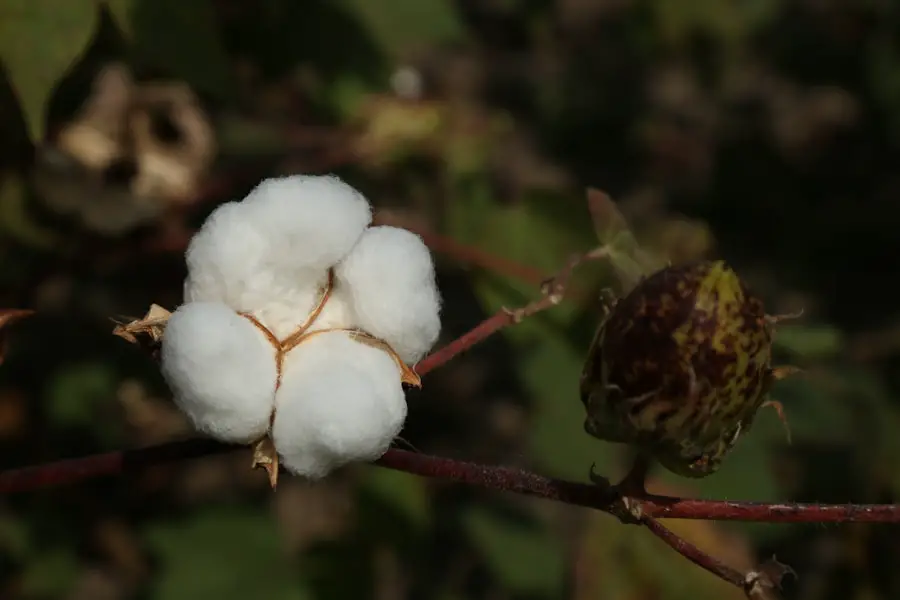
Good hiking clothing helps you manage both overheating and chilling. Cotton complicates that job because it holds sweat close to the body instead of drying as quickly as many outdoor synthetics.
In cool conditions, wet clothing can speed heat loss. The Centers for Disease Control and Prevention notes that hypothermia can occur even at temperatures above 40°F when a person becomes chilled by rain, sweat, or cold water.
Purpose-built polyester, nylon, and wool garments are commonly used for hiking because they help manage moisture and can be layered according to activity level. The National Park Service recommends wool or synthetic clothing over cotton in cold weather and advises hikers to carry dry backup clothing.
Warning: Hypothermia is a medical emergency. Warning signs can include intense or persistent shivering, confusion, poor coordination, slurred speech, exhaustion, and drowsiness. Get the person out of wet and cold conditions, replace wet clothing with dry layers when possible, and seek emergency medical help if hypothermia is suspected.
Increased Risk of Chafing and Blisters
| Factor | Impact |
|---|---|
| High humidity | Slows evaporation and can leave skin and clothing damp for longer. |
| Friction from clothing | Repeated rubbing can irritate skin and contribute to chafing. |
| Poorly fitting shoes | Foot movement inside the shoe can increase repeated rubbing and blister risk. |
| Wet socks | Prolonged moisture is associated with a higher risk of foot blisters during long-distance hiking. |
Cotton can contribute to rubbing because it can stay wet and heavy, but the relationship between fabric and blisters is more complicated than saying “cotton causes blisters.” Footwear fit, repeated shear forces, sock construction, moisture, distance, terrain, and individual skin characteristics all matter.
A 2022 study of 203 long-distance hikers found that hiking in wet socks was associated with about 1.94 times the risk of foot blisters, while the proportion of natural versus synthetic fibers in the socks was not independently associated with blister occurrence.
The practical lesson is simple: keep your feet as dry as conditions allow. The National Park Service’s Hike Smart guidance recommends thick wool or synthetic socks for longer hikes and suggests carrying an extra pair.
Pro Tip: On long or wet hikes, pack one dry pair of hiking socks in a waterproof bag. Changing socks during a break can be more useful for blister prevention than obsessing over a single fiber label.
Long Drying Time
Drying speed is one of cotton’s biggest disadvantages on the trail. A cotton garment that becomes saturated with sweat or rain can remain wet long after a lightweight synthetic layer would have dried.
That matters even on a day hike. If you climb in a soaked shirt and then stop on an exposed summit, the combination of wet fabric, lower activity, and wind can make you cool quickly. On a backpacking trip, the problem is greater because you may have no heated room, dryer, or spare wardrobe waiting at the end of the day.
Quick-drying hiking clothing does not guarantee that you will stay completely dry, but it gives moisture a better chance to leave the garment before conditions turn cold.
Cotton’s Lack of Insulation When Wet
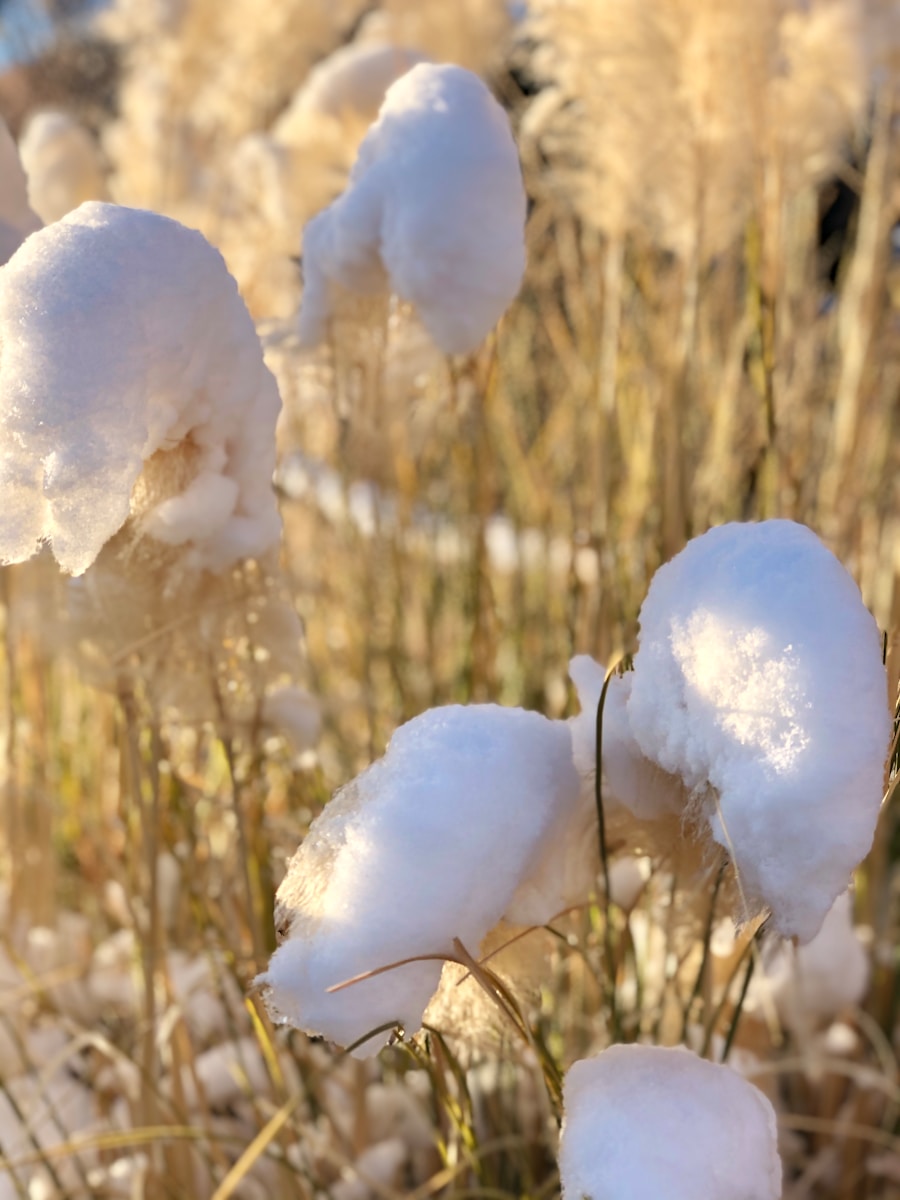
Dry cotton can feel warm because the fabric traps some air. Once cotton becomes saturated, however, its practical insulating performance drops sharply. That is why outdoor-safety agencies repeatedly discourage cotton for cold, wet, snowy, or highly changeable conditions.
Wool and purpose-built synthetic layers are generally better choices when retaining warmth matters. National Park Service guidance for locations such as Denali recommends fleece, polypropylene, synthetic, or wool under-layers and warns that cotton tends to stay wet and has little insulating value.
This difference becomes most important when a hiker is tired, exposed to wind, at higher elevation, or unable to reach shelter quickly.
Is Cotton Always Bad for Hiking?
No. The answer depends on the environment.
Hot, Dry Desert Conditions Are the Major Exception
In extreme arid heat, holding water can become an advantage rather than a disadvantage. Grand Canyon National Park’s current summer hiking guidance encourages hikers to keep themselves and their clothing wet for evaporative cooling and specifically notes that cotton can work well in the desert because it holds water.
You can read the park’s advice in its summer Hike Smart guidance.
This is a specialized strategy for hot, dry environments where evaporation is effective and water is available. It should not be generalized to cool mountains, rainy forests, winter trips, or places where nighttime temperatures can drop sharply.
Hot and Humid Weather Is Different
High humidity reduces the rate at which sweat and water evaporate. A wet cotton garment may therefore stay clammy without delivering the same cooling effect it can provide in dry desert air.
For humid hiking, lightweight, breathable, fast-drying clothing is usually easier to manage. Regardless of fabric, take heat seriously: slow down, rest in shade, drink appropriately, and follow local heat-safety guidance.
Low-Risk Short Walks
A cotton T-shirt is not automatically dangerous on every neighborhood trail or short fair-weather walk. If conditions are warm and stable, shelter is close, and getting wet would have little consequence, comfort may matter more than technical performance.
The farther you travel from shelter—and the more unpredictable the weather—the stronger the case becomes for wool or quick-drying synthetic clothing.
Alternatives to Cotton for Hiking
There is no single perfect hiking fabric. The best choice depends on temperature, rain risk, trip length, activity level, and personal comfort.
| Fabric | Main Strength | Main Limitation | Good Use |
|---|---|---|---|
| Cotton | Soft, breathable, holds water for evaporative cooling | Slow to dry and poor practical insulation when saturated | Short fair-weather walks or controlled hot, dry desert use |
| Polyester | Lightweight and fast drying | Some polyester garments can retain noticeable body odor | Base layers, shirts, fleece, and hiking pants |
| Nylon | Durable and generally quick drying | Comfort and breathability vary by weave and garment | Hiking pants, shorts, and outer garments |
| Merino wool | Comfortable across changing temperatures and useful when damp | Usually costs more and may be less abrasion-resistant than some synthetics | Base layers and hiking socks |
Polyester
Polyester is widely used in hiking shirts, base layers, and fleece because it absorbs relatively little water and can dry quickly. Performance varies by knit, weave, garment thickness, and finish, so a technical hiking shirt will usually manage moisture better than a heavy casual polyester garment.
Nylon
Nylon is common in hiking pants, shorts, wind layers, and shells because it combines durability with relatively fast drying. It is especially useful where brush, rocks, and repeated pack contact can wear down lighter fabrics.
Merino Wool
Merino wool is popular for base layers and socks because it remains comfortable across a wide temperature range and retains useful insulating performance when damp. Many hikers also prefer it for multi-day use because of its odor-management characteristics.
It is not magic, however. Merino can still become wet, heavy wool garments can take time to dry, and lightweight merino may wear faster than some synthetics.
Choosing the Right Fabric for Hiking
The best clothing system considers the entire trip rather than just the temperature at the trailhead.
Base Layer
For cool, variable, or strenuous hiking, choose a lightweight synthetic or wool layer next to the skin. Its main job is to help manage sweat so you are not left wearing a soaked shirt when you slow down.
Midlayer
Carry insulation appropriate for the forecast and elevation. Fleece and other synthetic insulation are common hiking choices, while wool can also work well.
Outer Layer
When rain or strong wind is possible, bring an appropriate weather-resistant shell. The National Park Service recommends a waterproof outer shell as part of a layered system in wet, variable environments.
Socks
For longer hikes, wool or synthetic hiking socks are generally preferable to basic cotton socks. More importantly, make sure your shoes fit properly, avoid folds or bunching inside the shoe, and change out of soaked socks when practical.
Match Your Clothing to the Trip
Before deciding whether cotton is acceptable, consider four questions:
- Could I get wet? Rain, sweat, stream crossings, snow, and wet vegetation all count.
- Could the temperature drop? Pay attention to elevation, sunset, wind, fronts, and exposed ridges.
- How far am I from shelter? A clothing mistake is more serious several hours from the trailhead than on a short local walk.
- Do I have dry backup layers? A spare shirt and socks kept in a waterproof bag provide valuable insurance.
For overnight hikes and backcountry travel, the consequences of staying wet are greater, so quick-drying clothing and dry backup layers become more important.
Pro Tip: Dress for the worst realistic conditions on your route, not just the weather at the parking lot. Mountain temperatures, wind, and precipitation can change much faster than conditions in nearby towns.
What to Do if Your Cotton Clothing Gets Wet
Getting caught in wet cotton does not automatically mean you are in danger. The correct response depends on temperature, wind, exposure, and how you feel.
- Put on rain protection before additional clothing becomes soaked.
- If you have dry clothing, change into it when conditions are cool or you are beginning to chill.
- Add a dry insulating layer and wind protection as needed.
- Keep moving at a manageable pace if doing so safely helps you stay warm, but avoid sweating heavily into your dry layers.
- Seek shelter or turn back if you cannot stay warm and dry.
- Take shivering, confusion, clumsiness, unusual fatigue, or slurred speech seriously.
For cold-weather prevention guidance, see the CDC’s hypothermia information.
For most variable-weather hikes, replacing cotton with quick-drying polyester, nylon, or merino wool gives you a larger safety margin and usually improves comfort. For other warm-weather clothing ideas, you can also see this guide to travel skirts for women.
Love travel? Join Our Facebook Community
Frequently Asked Questions
What are the drawbacks of wearing cotton for hiking?
Cotton absorbs moisture, dries relatively slowly, becomes heavier when saturated, and provides little useful insulation once wet. Those characteristics make it a poor choice for cold, rainy, windy, or unpredictable hiking conditions.
Does cotton dry quickly when wet?
No. Cotton generally dries more slowly than lightweight technical synthetics because it absorbs and holds more water. Slow drying becomes especially inconvenient on multi-day hikes or when temperatures drop before the garment dries.
Does cotton provide insulation when wet?
Wet cotton provides little useful insulation compared with appropriate wool or synthetic hiking layers. That is why the National Park Service repeatedly recommends avoiding cotton when hikers may face cold, wet, or rapidly changing weather.
Can wearing cotton lead to blisters and chafing during hiking?
Wet cotton can contribute to an uncomfortable, damp environment, but cotton alone is not proven to be the cause of hiking blisters. A 2022 study found that wet socks were associated with higher blister risk, while sock fiber composition itself was not independently associated with blister occurrence. Fit, friction, moisture, distance, and sock construction all matter.
Is cotton suitable for hiking in hot and humid conditions?
Cotton can feel breathable, but high humidity slows evaporation, so a sweaty cotton garment may remain wet and clammy. Lightweight quick-drying clothing is usually easier to manage in humid heat.
When can cotton be useful for hiking?
Cotton can be useful in extreme hot, dry desert environments when it is deliberately kept wet for evaporative cooling. Grand Canyon National Park specifically recommends water-holding clothing, including cotton, as part of its hot-weather hiking strategy. This exception does not apply to cold, wet, or highly variable conditions.
What fabrics are best instead of cotton for hiking?
Polyester and nylon are common choices because they can be lightweight and quick drying. Merino wool is another strong option for base layers and socks because it remains comfortable across changing temperatures and retains useful insulation when damp.
Sources
- U.S. National Park Service — Be Winter Ready for Your Adventure — supports guidance on wool, synthetics, cotton, wet clothing, and cold-weather layering.
- Grand Canyon National Park — Summer Hiking / Hike Smart — supports the hot, dry desert exception and use of water-holding clothing for evaporative cooling.
- Centers for Disease Control and Prevention — Preventing Hypothermia — supports hypothermia risks from cold, rain, sweat, and wet clothing.
- U.S. National Park Service — Hike Smart — supports wool or synthetic hiking sock recommendations and carrying spare socks.
- Chicharro-Luna et al., Journal of Tissue Viability, 2022 — supports the relationship between wet socks and blister risk and the finding that fiber composition was not independently associated with blister occurrence.
- Sweat and odor in sportswear — peer-reviewed review — supports the more nuanced discussion of fabric type and odor behavior.