
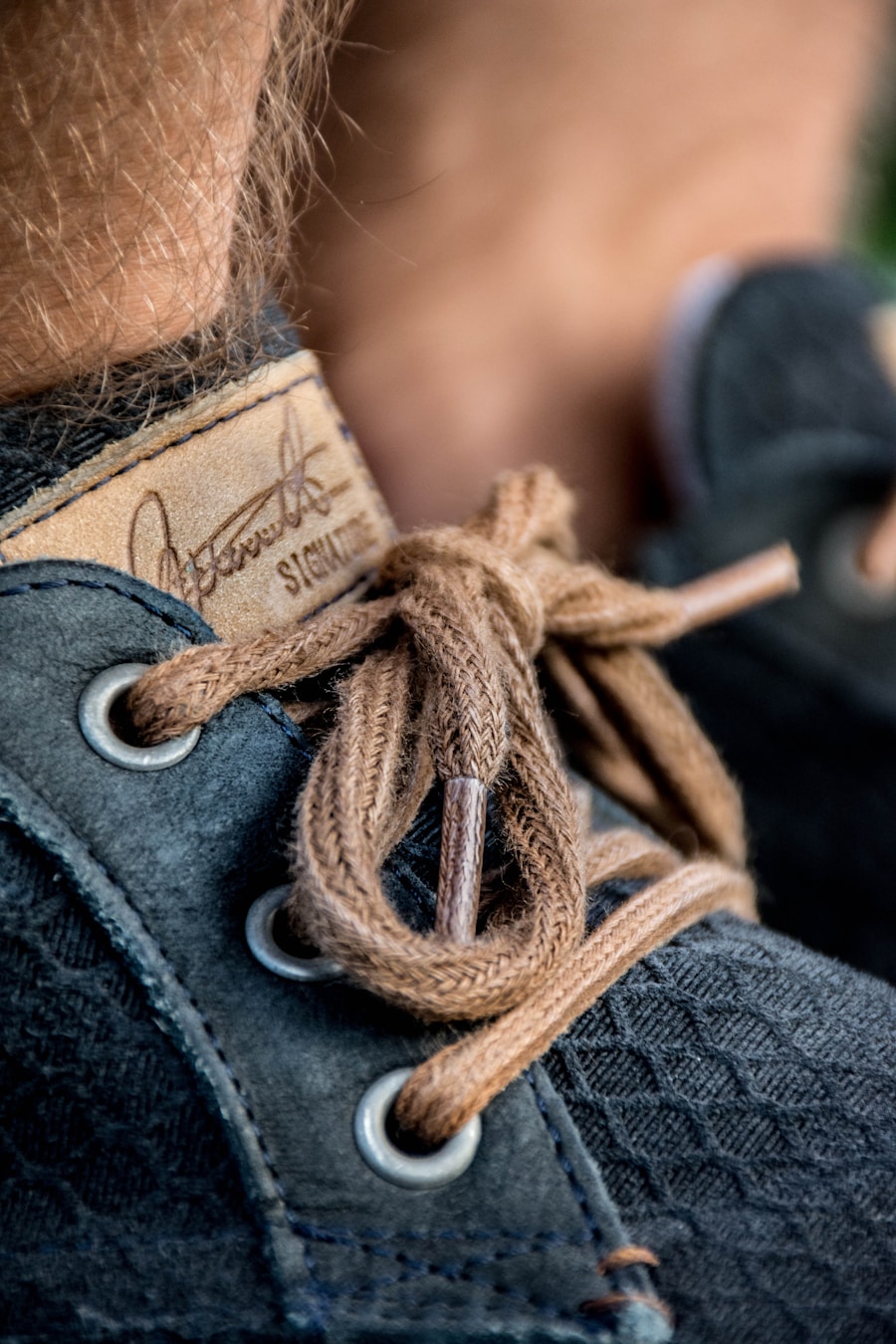
Properly lacing hiking boots is a fundamental aspect of outdoor preparation that can significantly impact both comfort and performance on the trail. When boots are laced correctly, they provide the necessary support to the foot and ankle, reducing the risk of injuries such as sprains or blisters. A well-laced boot ensures that the foot remains securely in place, allowing for better control over movements, especially on uneven terrain.
This stability is crucial when navigating rocky paths or steep inclines, where a misstep can lead to falls or accidents. Moreover, the right lacing technique can enhance the overall fit of the boot, accommodating various foot shapes and sizes. Hiking often involves long hours of walking, and discomfort can quickly turn an enjoyable trek into a painful ordeal.
By ensuring that boots are laced properly, hikers can distribute pressure evenly across the foot, minimizing fatigue and maximizing endurance. This attention to detail not only contributes to a more pleasant hiking experience but also encourages longer and more adventurous outings in nature.
Key Takeaways
- Properly laced hiking boots are essential for preventing injuries and providing support on the trail.
- Different lacing techniques can help customize the fit of your boots to your foot shape and hiking style.
- Choosing the right lacing system, such as traditional laces or speed lacing, can make a big difference in comfort and performance.
- Achieving a secure fit involves proper tension, avoiding pressure points, and ensuring the heel is locked in place.
- Prevent blisters and hot spots by using moisture-wicking socks, lacing techniques that reduce friction, and keeping your feet dry.
Understanding Different Lacing Techniques
Lacing techniques vary widely, each designed to address specific foot shapes, issues, or hiking conditions. One of the most common methods is the standard crisscross lacing, where the laces cross over each other as they ascend the boot. This technique provides a balanced fit and is suitable for most hiking scenarios.
However, for those with high arches or wider feet, variations such as the “heel lock” or “lace lock” technique can be beneficial. This method involves creating a loop with the laces at the top eyelets, which helps to secure the heel in place and prevent it from slipping during descents. Another popular technique is the “skip lacing” method, which skips one or more eyelets to relieve pressure on specific areas of the foot.
This can be particularly useful for hikers who experience discomfort in certain spots or have bunions. Additionally, there are specialized lacing techniques designed for specific conditions, such as the “double back” method for those who require extra ankle support or the “runner’s loop” for a more secure fit during fast-paced hikes. Understanding these various techniques allows hikers to customize their boot fit according to their unique needs and preferences.
Choosing the Right Lacing System for Your Boots

The choice of lacing system can greatly influence how well a boot performs in different hiking scenarios. Traditional laces are often made from nylon or polyester and provide a good balance of durability and flexibility. However, some modern hiking boots come equipped with quick-lace systems that utilize elastic cords and locking mechanisms for rapid adjustments.
These systems can be particularly advantageous for those who frequently need to tighten or loosen their boots on the go, such as during long hikes with varying terrain. When selecting a lacing system, it’s essential to consider the type of hiking you plan to undertake. For instance, if you’re venturing into rugged backcountry areas where stability is paramount, opting for boots with a more traditional lacing system may offer better control and support.
Conversely, if you’re engaging in casual day hikes or trail running, a quick-lace system might provide the convenience and ease of use that enhances your overall experience. Ultimately, the right lacing system should align with your hiking style and comfort preferences.
Products Worth Considering
【Waterproof & Breathable】—This women's waterproof hiking shoes features a waterproof membrane that seals out water and lets moisture escape, which keeps you dry and comfortable no matter the conditions. Mesh upper for increased breathability.The upper of hiking shoes are made of leather and breathable knitted mesh fabric, super soft comfortable, and durable, providing good breathability.
Easy on, Easy off - Traditional shoestrings are cumbersome to tie or untie. These bungee boot laces add quick slip-on feature to your boots: they stretch as you put your feet in or off your shoes, so you spend less time bending over to deal with shoe strings
Easy on, Easy off - Traditional shoestrings are cumbersome to tie or untie. These bungee boot laces add quick slip-on feature to your boots: they stretch as you put your feet in or off your shoes, so you spend less time bending over to deal with shoe strings
Tips for Achieving a Secure Fit
| Tip | Description |
|---|---|
| Proper Sizing | Ensure that the equipment or gear fits properly to avoid any gaps or looseness that could compromise safety. |
| Adjustment Straps | Check and adjust the straps to ensure a snug and secure fit, especially for helmets, harnesses, and protective gear. |
| Regular Inspections | Regularly inspect the fit of equipment to ensure that it remains secure and properly fitted over time. |
| Follow Manufacturer Guidelines | Adhere to the manufacturer’s guidelines for proper fitting and adjustment of equipment to ensure maximum safety. |
Achieving a secure fit in hiking boots involves more than just pulling the laces tight; it requires a thoughtful approach to how you lace your boots and how you position your feet within them. One effective strategy is to start lacing from the bottom up, ensuring that each eyelet is snugly fitted before moving to the next. This method helps create an even tension throughout the boot, which is crucial for maintaining stability during hikes.
Additionally, it’s advisable to adjust the tension based on your foot shape; for example, those with wider feet may prefer a looser fit in certain areas while keeping other sections tighter. Another important tip is to pay attention to how your foot sits within the boot. Before heading out on a hike, take a moment to stand up and walk around in your boots after lacing them up.
This allows you to assess whether your heel lifts or if there are any pressure points that need addressing. If you notice any discomfort, consider re-lacing using different techniques or adjusting the tightness in specific areas. A secure fit should feel snug but not overly constrictive; your toes should have enough room to wiggle without feeling cramped.
Products Worth Considering
Quantity: One tool with 10 PCS Boot h
20sets Boot Lace Hooks Kit: The package includes 20 sets shoes lace buckle sets and 1 set installation tools. Each set includes a shoelace hook and rings, and the press stud tools includes stick and pedestal.
Easy to Lace and Wear: These die cast boot hooks make lacing up boots significantly easier, especially for those who found traditional eyelets difficult to manage. If you stopped wearing your favorite boots because they were notoriously hard to lace up. But replacing the top 4 tiers of lacing loops with the hooks brought your favorite boots back in action — easy to lace. Hooks are as easy to install as any simple rivet. Taking the boots off and on is so much easier now.
How to Prevent Blisters and Hot Spots
Blisters and hot spots are common issues faced by hikers, often resulting from friction between the foot and boot. To prevent these painful nuisances, proper lacing plays a critical role. Ensuring that your boots fit snugly around the heel can significantly reduce movement within the boot, which is a primary cause of blisters.
Additionally, using moisture-wicking socks made from synthetic materials can help keep feet dry and reduce friction. Another effective strategy is to incorporate blister prevention products into your hiking routine. Applying blister prevention tape or specialized blister pads on areas prone to friction can provide an extra layer of protection.
Furthermore, consider breaking in new boots gradually before embarking on longer hikes; this allows your feet to adapt to the footwear while minimizing the risk of developing blisters during strenuous activities. By combining proper lacing techniques with preventive measures, hikers can enjoy their adventures without the discomfort of blisters.
Products Worth Considering
Premium Protection. KT Health Blister Prevention Tape is crafted from high-quality synthetic non-woven fabric, specifically designed to prevent blisters, chafing, and hot spots during athletic training and outdoor activities.
CUSHIONED PROTECTION: 1 roll of 1 in x 5 yds Nexcare Blister Prevention Tape with cushioned foam design to protect blisters and help prevent new ones
Premium Protection. KT Health Blister Prevention Tape is crafted from high-quality synthetic non-woven fabric, specifically designed to prevent blisters, chafing, and hot spots during athletic training and outdoor activities.
Adjusting Lacing for Different Terrains and Conditions
The terrain and weather conditions can greatly influence how you should lace your hiking boots. For instance, when traversing steep inclines or rocky paths, it’s beneficial to lace your boots tightly around the ankle to provide additional support and prevent rolling. Conversely, when hiking on flat terrain or during warmer weather, you might opt for a looser fit that allows for better ventilation and comfort.
In wet or muddy conditions, consider using waterproof laces or treating your laces with water-repellent sprays to prevent them from absorbing moisture. Additionally, adjusting your lacing technique can help accommodate thicker socks during colder months; this ensures that your feet remain warm without compromising circulation. Being adaptable with your lacing approach based on environmental factors not only enhances comfort but also improves overall performance on diverse trails.
Troubleshooting Common Lacing Issues
Despite careful attention to lacing techniques, hikers may still encounter common issues such as loosening laces during hikes or uneven pressure distribution across the foot. If you find that your laces frequently come undone, consider using a double knot at the end of your lacing process; this simple adjustment can provide extra security and prevent mid-hike adjustments. Additionally, some hikers find success with lace locks or friction knots that hold tension better than standard knots.
Uneven pressure distribution can often be addressed by re-evaluating your lacing pattern. If certain areas feel too tight while others are loose, experiment with skipping eyelets or adjusting tension in specific sections of the boot. It may also be helpful to periodically check your laces during breaks; this allows you to make necessary adjustments before discomfort sets in.
By being proactive about troubleshooting these common issues, hikers can maintain optimal comfort throughout their journeys.
Products Worth Considering
No Tie Lacing System: Never waste time lacing up your boots again. With our Lock Laces Camo Boot Laces, you can turn all of your boots into adjustable slip-ons.
No-tie Lacing System: Turn any pair of lace-up tennis shoes into slip on sneakers. Lock Laces are the original, no tie shoelaces with over 8 million pairs sold worldwide
No Tie Lacing System: Never waste time lacing up your boots again. With our Black Boot Laces Lock Laces, you can turn all of your boots into adjustable slip-ons.
Maintaining and Caring for Laces and Eyelets
Proper maintenance of laces and eyelets is essential for ensuring longevity and performance in hiking boots. Regularly inspect your laces for signs of wear such as fraying or breaking; replacing damaged laces promptly can prevent unexpected failures during hikes. When cleaning your boots after an outing, take care to remove dirt and debris from both the laces and eyelets; this helps maintain their functionality and prevents corrosion over time.
Additionally, consider using lace protectors or sleeves if you frequently hike in rugged environments where abrasions are common. These accessories can shield your laces from damage while also providing added grip on uneven surfaces. When storing your boots, avoid tightly coiling or knotting the laces; instead, loosely tie them or leave them untied to prevent creasing or weakening over time.
By investing time in maintaining both laces and eyelets, hikers can ensure their footwear remains reliable and ready for future adventures in nature.
If you’re planning a hiking trip, it’s important to make sure your boots are properly laced up to prevent blisters and ensure a comfortable fit. For more tips on how to lace up hiking boots, check out this article on the best time to visit Chicago. This article offers insights on the optimal times to visit the city based on the different seasons, which can help you plan your hiking trip accordingly.
Products Worth Considering
The Package Includes -2 pairs of Stepace round laces (4 laces)
Compatibility: These Endoto shoelaces are designed to be compatible with Merrell shoes. Please refer to the size guide in the product images to confirm the best length for your needs.
HEAVY DUTY: Reinforced with dual inner nylon cords, the same cords originally used in parachutes. Ensuring unparalleled strength and durability. 3/16in diameter
FAQs
What are the benefits of lacing up hiking boots properly?
Lacing up hiking boots properly provides better support and stability for your feet, reduces the risk of blisters and hot spots, and ensures a comfortable fit for long hikes.
How do I choose the right lacing technique for my hiking boots?
The right lacing technique for your hiking boots depends on the specific fit and support you need. Different techniques can help with heel slippage, pressure points, or overall snugness.
What are some common lacing techniques for hiking boots?
Common lacing techniques for hiking boots include the heel lock, surgeon’s knot, window lacing, and straight bar lacing. Each technique addresses different fit issues and can be used to customize the fit of your boots.
How do I lace up hiking boots to prevent heel slippage?
To prevent heel slippage, you can use the heel lock lacing technique. This involves creating a loop on each side of the boot’s top eyelets and crossing the laces through the loops before tying them off.
Are there specific lacing techniques for wide or narrow feet?
Yes, there are lacing techniques that can help accommodate wide or narrow feet. For wide feet, the window lacing technique can create more room in the midfoot area. For narrow feet, the surgeon’s knot can help create a snugger fit.
How often should I re-lace my hiking boots?
It’s a good idea to check and re-lace your hiking boots before each hike to ensure a secure and comfortable fit. Over time, laces can stretch and wear out, so it’s important to replace them as needed.