
Footwear is one of the most critical components of any outdoor adventure, whether it be hiking, trekking, or mountaineering. The right pair of shoes or boots can make the difference between a comfortable journey and a painful ordeal. When selecting footwear, it is essential to consider the terrain and conditions you will encounter.
For instance, if you plan to hike on rocky trails or through muddy paths, a sturdy pair of hiking boots with good ankle support and a rugged outsole is necessary. Brands like Merrell and Salomon offer a range of options designed specifically for various terrains, ensuring that your feet remain protected and comfortable. In addition to the type of footwear, fit is paramount.
Ill-fitting shoes can lead to blisters, calluses, and other foot ailments that can ruin an outdoor experience. It is advisable to try on hiking boots with the socks you intend to wear during your adventure, as this can affect the fit significantly. Moreover, breaking in new footwear before embarking on a long trek is crucial; wearing them around the house or on short walks can help prevent discomfort on the trail.
Additionally, consider the weather conditions; waterproof boots are essential for wet environments, while breathable shoes are preferable in hot climates to keep your feet dry and cool.
Key Takeaways
- Choose lightweight and durable footwear suitable for the terrain
- Layer clothing for versatility and pack a waterproof outer layer
- Carry a map, compass, and GPS for navigation
- Pack essential safety gear such as a whistle, headlamp, and emergency blanket
- Stay hydrated and fuelled with a hydration pack and high-energy snacks
- Invest in a lightweight and weatherproof shelter and sleeping bag
- Carry a comprehensive first aid kit with essentials for treating common injuries
- Pack a backpack with adjustable straps and organize essentials in waterproof bags
Clothing
The clothing you choose for outdoor activities plays a vital role in your overall comfort and safety. Layering is a fundamental principle in outdoor clothing, allowing you to adapt to changing weather conditions. The base layer should be moisture-wicking to keep sweat away from your skin, while the mid-layer provides insulation.
Fabrics like merino wool or synthetic materials are excellent choices for base layers due to their ability to regulate temperature and wick moisture effectively. The outer layer, or shell, should be waterproof and windproof to protect against the elements. In addition to layering, it is essential to consider the specific activities you will be engaging in.
For example, if you are planning a multi-day hike in a colder climate, thermal leggings and insulated jackets will be necessary. Conversely, for warmer climates, lightweight and breathable fabrics are crucial to prevent overheating. Accessories such as hats, gloves, and neck gaiters can also enhance comfort by providing additional warmth or protection from the sun.
Choosing clothing with UV protection can be particularly beneficial in sunny environments, reducing the risk of sunburn during long hours outdoors.
Navigation Tools

Navigating through unfamiliar terrain can be daunting without the right tools. Traditional maps and compasses remain invaluable resources for outdoor enthusiasts, providing a reliable means of orientation even when electronic devices fail. A topographic map offers detailed information about elevation changes, water sources, and trails, which can be crucial for planning your route effectively.
Learning how to read these maps and use a compass is an essential skill for any adventurer; it fosters independence and confidence in navigating remote areas. In addition to traditional navigation tools, modern technology has introduced GPS devices and smartphone applications that can enhance navigation capabilities. Devices like Garmin’s handheld GPS units offer features such as waypoint marking and route tracking, which can be particularly useful in dense forests or mountainous regions where trails may not be clearly marked.
However, reliance solely on electronic devices can be risky due to battery life limitations and potential signal loss in remote areas. Therefore, it is advisable to carry both traditional and modern navigation tools to ensure you are well-prepared for any situation.
Products Worth Considering
KEY FEATURES: This manual magnet compass consists of Acrylic Baseplate with Azimuth bearing and 360 degree rotating bezel. With the help of a magnetic needle which consists of a liquid-filled capsule (bubble free) helps to swing fast and freely point you towards north. The Magnifying Glass is used for reading and navigating geological maps. Along with this, it has the compass Ruler Scale of 1:24000 for precise route mapping
KEY FEATURES: This manual magnet compass consists of Acrylic Baseplate with Azimuth bearing and 360 degree rotating bezel. With the help of a magnetic needle which consists of a liquid-filled capsule (bubble free) helps to swing fast and freely point you towards north. The Magnifying Glass is used for reading and navigating geological maps. Along with this, it has the compass Ruler Scale of 1:24000 for precise route mapping
Safety Gear
| Product | Sales | Customer Ratings |
|---|---|---|
| Safety Helmets | 5,000 units | 4.5/5 stars |
| Safety Goggles | 3,200 units | 4.7/5 stars |
| Safety Gloves | 4,500 units | 4.3/5 stars |
Safety gear is an indispensable aspect of outdoor activities, providing protection against potential hazards encountered in nature. Essential items include helmets for climbing or biking, which protect against head injuries from falls or collisions. In addition to helmets, knee and elbow pads are beneficial for activities like mountain biking or skateboarding, where falls are more likely.
For those venturing into more extreme environments, such as snow-covered mountains or icy terrains, avalanche safety gear like beacons and probes becomes crucial. Another critical component of safety gear is personal flotation devices (PFDs) for water-based activities such as kayaking or canoeing. These devices are designed to keep individuals afloat in case of capsizing or falling overboard.
It is essential to choose a PFD that fits well and is appropriate for the type of water activity being undertaken. Furthermore, carrying a whistle or signaling device can be invaluable in emergencies when visibility is low or when trying to attract attention from rescuers.
Products Worth Considering
ALL-PURPOSE CLIMBING HELMET: Trusted by climbers for years, the Half Dome is designed for everything from cragging to alpine missions. A proven choice for beginners and seasoned climbers alike.
[Special GD-Design For Bump Cap Insert]:Following the advice of most users, GREENDEVIL have designed this maverick series bump caps. The customized bump cap insert is made of a lightweight, high-density ABS material and is designed to offer maximum ventilation for continuous airflow and superior breathability—all without compromising protection.Compared with other series of bump hats, it will be lighter and more breathable. An interior foam pad reduces impact.
ALL-PURPOSE CLIMBING HELMET: Trusted by climbers for years, the Half Dome is designed for everything from cragging to alpine missions. A proven choice for beginners and seasoned climbers alike.
Hydration and Nutrition
Staying hydrated and properly nourished during outdoor activities is vital for maintaining energy levels and overall health. Dehydration can lead to fatigue, dizziness, and impaired cognitive function, making it essential to carry sufficient water supplies. Hydration systems like CamelBak bladders allow for easy access to water while on the move, encouraging regular hydration without the need to stop frequently.
Additionally, water purification tablets or filters are crucial for ensuring that water from natural sources is safe to drink. Nutrition plays an equally important role in sustaining energy during outdoor adventures. High-energy snacks such as trail mix, energy bars, and jerky provide quick fuel when needed.
For longer excursions, planning meals that are lightweight yet nutritious is essential; options like dehydrated meals or freeze-dried foods can be convenient while still offering balanced nutrition. It’s also wise to consider dietary restrictions or preferences when packing food; there are now many options available for vegetarians and vegans that do not compromise on energy or taste.
Products Worth Considering
MILITARY GRADE QUALITY: Hydration bladder is made of premium materials. It won’t leave a bad taste in your drink. The water reservoir bladder passed pneumatic pressure test, it is completely pressure-tolerant. Double sealing side technique has greatly improved durability.
【Package Include】- Package includes 1 pack 2L blue hydration bladder. It is suitable for trail running and and cycling (0-40 miles).
Large opening for easy cleaning: CHERAINTI 3l hydration bladder has one of large opening, and the big opening makes for easy pouring of water; it is also fairly wide for a hand or bottle brush easily access to the interior water bladder for hiking backpack; the screw on cap goes on and off easily; for cold water, simply add ice cubes directly from a scoop or refrigerator ice dispenser; the smooth inner of water reservoir promotes health and is easy to clean
Shelter and Sleeping Gear
When spending nights outdoors, having appropriate shelter and sleeping gear is crucial for comfort and safety. Tents come in various styles and sizes; choosing one that suits your needs depends on factors such as the number of occupants, weight considerations for backpacking trips, and weather conditions expected during your stay. Lightweight backpacking tents are designed for portability without sacrificing durability or weather resistance.
On the other hand, car camping may allow for larger tents with more amenities. Sleeping gear also plays a significant role in ensuring a good night’s rest outdoors. Sleeping bags should be chosen based on temperature ratings; a bag rated for colder temperatures will provide warmth during chilly nights in the wilderness.
Additionally, sleeping pads offer insulation from the cold ground while providing cushioning for comfort. Inflatable pads are popular among backpackers due to their lightweight nature, while foam pads are often favored for car camping due to their durability and ease of use.
Products Worth Considering
【Extra Wide & 3" Thick Sleep Support】 The self inflating pad for camping is up to 78*27*8 inches, after inflating keeps you away from the uneven ground and hard rocks. The innovative egg-shaped air cells and built-in pillow are designed to relieve back and neck pressure, allowing you to freely adjust your body balance and comfort, whether on your back or your side, ensuring maximum comfort and warm for your sleep all night!
Ultimate Comfort Camping Sleeping Pad: The sleeping pad's V-shaped design and 4-inch thick air layer provide powerful support. When sleeping on your side, your hips and shoulders are completely suspended, eliminating the pressure from hard ground. The silent, non-slip surface ensures quiet turning movements, allowing you to enjoy undisturbed sleep. The camping mat has a built-in pillow, ergonomically designed to perfectly support the neck curve. It supports up to 400 pounds, suitable for all body types.
𝐀 𝐒𝐢𝐳𝐞 𝐨𝐟 𝐚 𝐖𝐚𝐭𝐞𝐫 𝐛𝐨𝐭𝐭𝐥𝐞 𝐘𝐞𝐭 𝐁𝐢𝐠 𝐨𝐧 𝐂𝐨𝐦𝐟𝐨𝐫𝐭: Packs small 8.6” Height × 3.1” Diameter at a weight of only 17.5 oz, same as a water bottle. When inflated it goes as large as 76” x 25” with ErgoCushion contours—3.35” at the edges tapering to 2.36” in the center. The easy-to-inflate lightweight backpacking sleeping pad can hold up to 440lb. It doubles as a sleep mat and bed roll, with unmatched comfort and portability for any outdoor adventure—𝑬𝒓𝒈𝒐𝒏𝒐𝒎𝒊𝒄 𝑪𝒐𝒎𝒇𝒐𝒓𝒕, 𝑩𝒐𝒕𝒕𝒍𝒆-𝑺𝒊𝒛𝒆𝒅 𝑷𝒐𝒓𝒕𝒂𝒃𝒊𝒍𝒊𝒕𝒚.
First Aid Kit
A well-stocked first aid kit is an essential item for any outdoor excursion, as injuries can occur unexpectedly in remote environments. Basic supplies should include adhesive bandages of various sizes for cuts and scrapes, antiseptic wipes for cleaning wounds, gauze pads for larger injuries, and medical tape for securing dressings. Additionally, including items like tweezers for splinter removal and scissors can be beneficial in treating minor injuries effectively.
Beyond basic supplies, it’s wise to include specific medications tailored to your needs or potential risks associated with your activities. For instance, carrying antihistamines can help manage allergic reactions from insect bites or plants like poison ivy. If you’re venturing into areas where ticks are prevalent, including tick removal tools is crucial for preventing Lyme disease or other tick-borne illnesses.
Familiarizing yourself with basic first aid techniques can also enhance your preparedness; knowing how to treat common injuries can make a significant difference in emergency situations.
Backpack and Packing Essentials
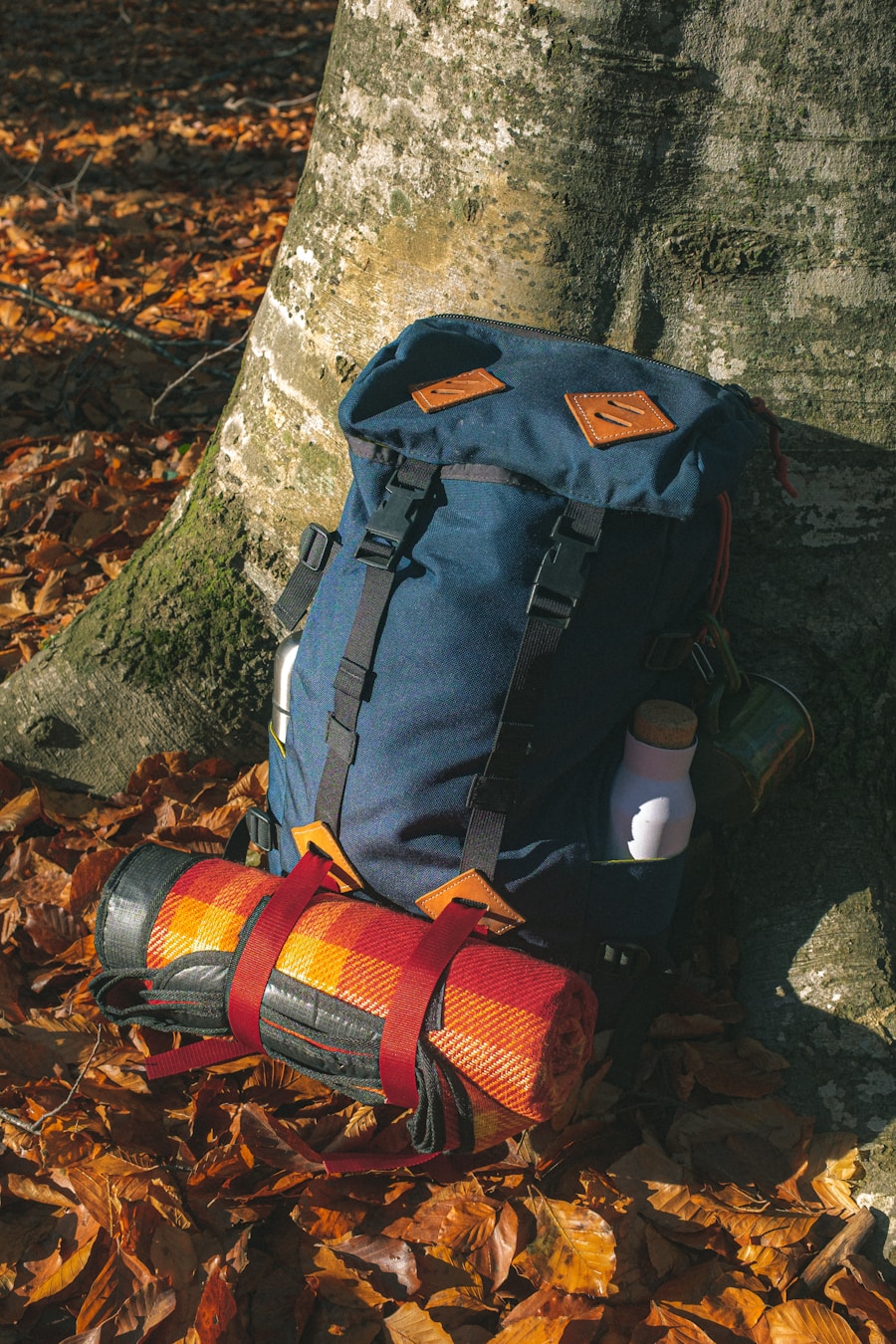
The backpack serves as the central hub for all your gear during outdoor adventures; selecting the right one is essential for comfort and functionality. When choosing a backpack, consider factors such as capacity (measured in liters), fit (torso length), and features like hydration reservoirs or external pockets for easy access to essentials. A well-fitted backpack distributes weight evenly across your body, reducing strain on your back and shoulders during long hikes.
Packing efficiently within your backpack is equally important; organizing gear by category can streamline access when needed. For instance, keeping food items at the top allows for quick snacking without rummaging through other supplies. Utilizing packing cubes or dry bags can help keep items organized and protected from moisture.
Additionally, understanding the principles of weight distribution—placing heavier items closer to your back—can enhance stability while hiking over uneven terrain. Properly packing your backpack not only improves comfort but also ensures that you have everything you need readily accessible during your outdoor adventures.
When preparing for a hiking trip, it’s important to pack the right gear to ensure a comfortable and enjoyable experience. In addition to essentials like water, snacks, and a first aid kit, it’s also crucial to have the right footwear. Check out this article on 5 Must-Have Waterproof Sneakers for Your Spring 2025 Travels for some great options to keep your feet dry and comfortable on the trail. Additionally, consider bringing a rechargeable hand warmer to keep your hands warm during breaks or chilly evenings. And if you’re looking for the perfect gift for a female hiker in your life, check out this list of the
I’m Daniel Globe, a traveler who believes every great journey begins with the right information. After exploring 40+ cities, I share simple guides on the best times to go, how to save on flights and hotels, and the small details that make trips smoother. At TakeTravelInfo, my goal is to help you plan smarter and travel better.