Last Updated on July 27, 2026 by Daniel Globe
A well-packed hiking bag should cover more than food and water. Even on a familiar day hike, changing weather, an injury, a wrong turn, or an unexpected delay can turn a simple outing into a much longer day. Build your pack around the essential systems you would need to stay hydrated, navigate, stay warm, treat minor injuries, and get through an emergency.
Quick Answer
Put the 10 hiking essentials in your pack: navigation tools, sun protection, extra clothing, a headlamp, first-aid supplies, fire-starting equipment, repair tools, extra food, water plus a treatment method, and emergency shelter. Adjust the amount of gear for the weather, trail length, terrain, remoteness, and your personal needs.
Key Takeaways
- Use the National Park Service Ten Essentials as the foundation of your hiking pack.
- Carry enough water for the route and conditions, plus a reliable treatment method when you plan to use natural water sources.
- Bring both electronic navigation and a backup such as a physical map and compass, and know how to use them.
- Carry a first-aid kit suited to the number of hikers, terrain, trip length, and your personal medical needs.
- Pack layers, rain protection, a headlamp, emergency shelter, repair tools, extra food, and sun protection even when you expect to finish before dark.
- Check the weather, trail alerts, water availability, and fire restrictions before leaving, and tell someone your route and expected return time.
Disclosure: As an Amazon Associate I earn from qualifying purchases. Some links on this page are affiliate links, at no extra cost to you.
Hiking Pack Checklist: The 10 Essential Systems
The exact gear changes from one trail to another, but the Ten Essentials provide a useful starting point. The National Park Service groups them into ten systems rather than ten individual products:
- Navigation: map, compass, GPS device or offline phone map.
- Sun protection: sunscreen, sunglasses, hat, and protective clothing.
- Insulation: extra layers and weather protection.
- Illumination: headlamp or flashlight plus spare power.
- First aid: a trip-appropriate first-aid kit and personal medications.
- Fire: matches, lighter, and fire starter where possession and use are appropriate.
- Repair kit and tools: knife or multi-tool, duct tape, and trip-specific repair items.
- Nutrition: food for the hike plus an emergency reserve.
- Hydration: drinking water and, when needed, water-treatment equipment.
- Emergency shelter: a tent, tarp, emergency bivy, or reflective emergency blanket appropriate to the trip.
These are minimum categories, not a complete packing list for every destination. Snow travel, desert hiking, wildlife areas, river crossings, technical terrain, and remote backcountry routes can require specialized equipment.
Water and Food: Hydration and Nutrition
Water should be one of the first things you plan because the correct amount depends on your route rather than a universal bottle count. Consider the hike’s duration, temperature, sun exposure, elevation, exertion, reliable refill points, and the needs of each person in your group. Great Smoky Mountains National Park currently advises at least 1 liter per two hours of hiking as a planning baseline for its trails, with more supplies potentially needed depending on the hike.
Do not assume a stream, river, or lake is safe to drink from. Natural water can contain disease-causing organisms even when it looks clean. When using untreated backcountry water, carry a treatment method and know what it can and cannot remove.
According to the CDC backcountry water-treatment guide, boiling is the most reliable way to kill germs. Bring water to a boil for at least one minute, or for three minutes at elevations above 6,500 feet. Filters, purifiers, disinfectants, and UV devices have different strengths and limitations, so follow the product instructions and choose equipment designed for the organisms you may encounter.
Warning: A basic backpacking filter is not automatically effective against every pathogen. Some filters can remove Giardia and Cryptosporidium but are not effective against viruses. Treat water according to the conditions and the manufacturer’s instructions.
Food is less immediately time-sensitive than water, but it keeps you fueled during exertion and gives you a reserve if the hike takes longer than planned. Pack lightweight, calorie-dense foods that are easy to eat without cooking, such as trail mix, nuts, dried fruit, energy bars, sandwiches, and jerky or another protein source that stores safely.
The National Park Service recommends carrying extra food in case plans change. On longer or more remote hikes, an additional day’s supply of no-cook food can provide useful emergency margin.
Foraging knowledge can be interesting, but do not depend on wild plants, berries, nuts, or mushrooms as your main food plan. Misidentification can cause serious illness, and collection rules vary by park and land manager. Only consume a wild food when you can positively identify it as safe and know that collecting it is legal at that location.
Navigation Tools: Map, Compass, and GPS
Navigation equipment helps you plan your route before the hike and determine your location when trail signs, visibility, or memory fail. A topographic map can show trails, terrain, elevation changes, water features, junctions, and other landmarks. A compass can help orient the map and maintain a bearing when the correct direction is not obvious.
GPS devices and smartphone navigation apps add precise position information and can make route-finding easier. Download maps before leaving areas with reliable cell service. Keep in mind that a phone can be damaged, lose battery power, or stop working in cold or wet conditions.
Carry a physical map when the consequences of getting lost are significant, and learn basic compass skills before you need them. If you use a phone as your primary GPS, start with a full charge and consider a small power bank for longer or remote hikes.
Pro Tip: Download the route and surrounding map area for offline use before you reach the trailhead. A screenshot of the route alone is less useful than a map that lets you see alternate trails, junctions, and nearby terrain.
First Aid Kit: Bandages, Antiseptic, and Pain Relievers
A hiking first-aid kit should match the trip rather than simply duplicate a household medicine cabinet. The American Red Cross hiking first-aid checklist recommends tailoring supplies to factors such as the climate, terrain, remoteness, trip length, and number of people in the group.
Useful basics include adhesive bandages in several sizes, sterile gauze, medical tape, antiseptic wipes, blister treatment, nonlatex gloves, tweezers, and wound-care supplies. A compact first-aid reference can also help when you are dealing with a problem you do not see often.
Pain-relief medication such as ibuprofen or acetaminophen may be appropriate for hikers who can safely use those medicines. Bring any personal prescription or emergency medications you normally require, protect them from moisture, and check expiration dates before the trip.
A kit is most valuable when you know how to use it. Familiarize yourself with basic wound care, blister treatment, sprains, burns, heat illness, allergic reactions, and when an injury requires professional help. A wilderness or standard first-aid course can provide hands-on skills that a packing checklist cannot.
Shelter: Tent, Tarp, or Emergency Blanket
| Shelter Type | Packability | Protection | Best Use |
|---|---|---|---|
| Tent | Bulkiest of these options | Strong protection when suited to the weather and properly pitched | Planned overnight trips or hikes where substantial shelter is justified |
| Tarp | Compact and relatively light | Useful rain and wind protection when pitched correctly | Lightweight emergency or planned shelter |
| Emergency Blanket | Very compact | Limited short-term wind and heat-loss protection; less durable than a tent or tarp | Emergency backup on day hikes |
Emergency shelter protects you from wind, rain, cold, and exposure if an injury, wrong turn, or other delay keeps you outside longer than expected. Your best option depends on the expected weather, terrain, trip duration, and how far you will be from help.
A tent provides substantial coverage and a defined sleeping space but usually adds more weight and bulk than a day hiker needs. A tarp is more compact and can create useful protection when you know how to pitch it with cord and appropriate knots.
A reflective emergency blanket is easy to carry as a backup because it takes little pack space. It is not a substitute for a storm-worthy tent in severe conditions, and thin emergency blankets can tear, so treat one as emergency equipment rather than comfortable overnight shelter.
Clothing: Layers, Waterproof Gear, and Extra Socks
Pack clothing for the worst reasonable conditions you could encounter, not only for the weather at the trailhead. Layering lets you add warmth during breaks and remove insulation while climbing or when temperatures rise.
A moisture-managing base layer helps move sweat away from your skin. Wool and synthetic fabrics are useful choices, especially in cool or wet weather. An insulating layer such as fleece or an appropriate insulated jacket traps warmth, while an outer rain shell protects against wind and precipitation.
Extra socks are worth carrying on wet, cold, or long hikes. Damp feet can increase discomfort and friction, and changing into dry socks can make a major difference during a long day. Wool or synthetic hiking socks generally handle moisture better than cotton.
Footwear should fit the terrain as well as your feet. Use shoes or boots with appropriate traction and enough room to avoid toe pressure on descents. Wear new footwear on shorter outings before depending on it for a long or remote hike.
Headlamp, Flashlight, and Spare Power
A light source belongs in a hiking pack even when you plan to return before sunset. Injuries, navigation errors, slow group members, difficult trail conditions, or an unexpectedly long break can keep you outside after dark.
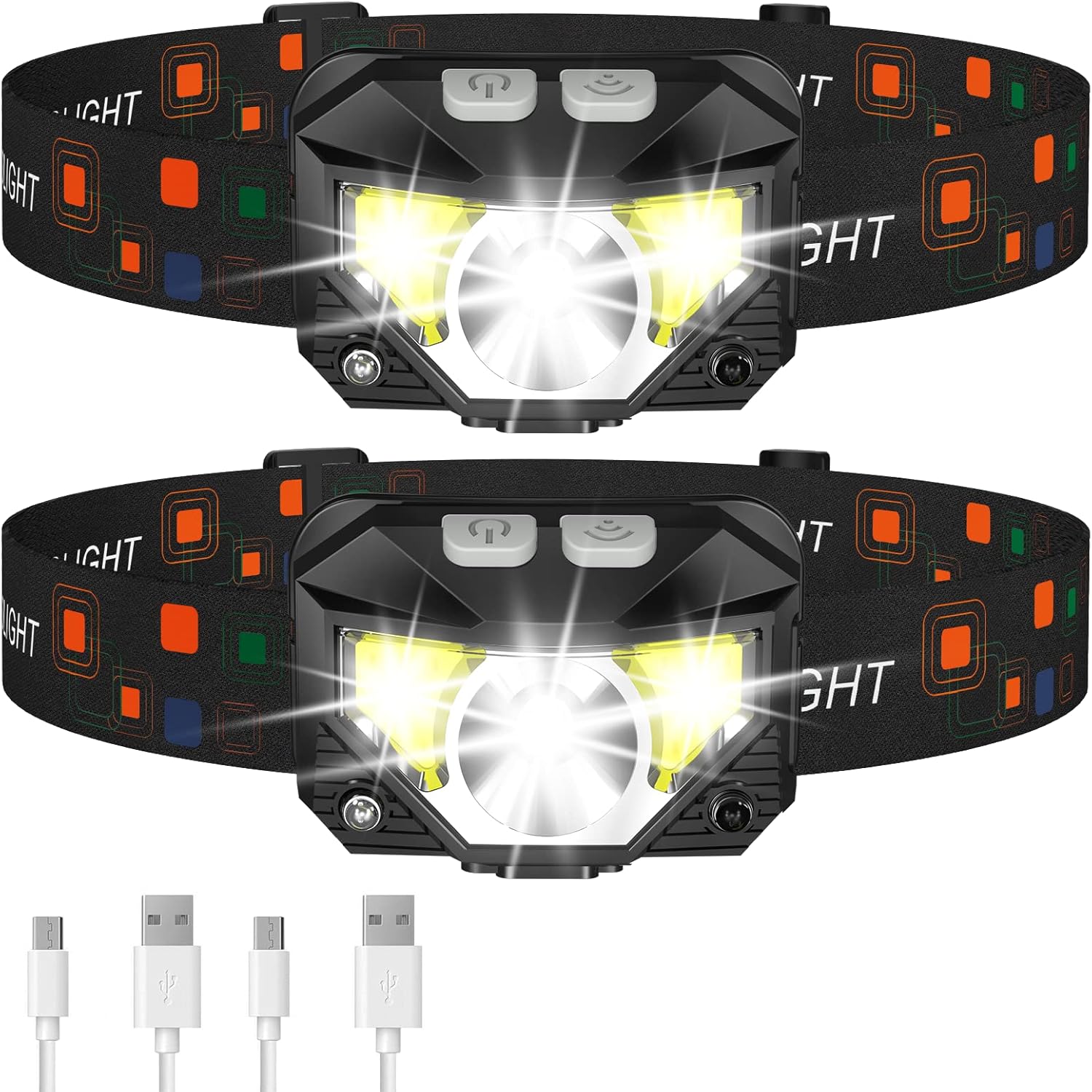
A headlamp is especially useful because it keeps both hands free for hiking poles, first aid, map reading, or scrambling. Pack spare batteries when your light uses replaceable cells, or make sure a rechargeable light has enough capacity for the trip.
Your phone flashlight is useful as a backup, but relying on it as your only light can drain the same battery you may need for navigation or communication.
Fire Starter: Matches, Lighter, and Fire Starter
Waterproof matches, a lighter, and a compact fire starter are part of the traditional Ten Essentials because fire can provide heat or an emergency signal in locations where fire use is legal and safe. Carrying more than one ignition method also gives you a backup if one fails or becomes wet.
Commercial tinder, a magnesium-based starter, or a small amount of prepared tinder can make ignition easier than searching for perfectly dry natural material in poor weather. Cotton with petroleum jelly is another commonly carried emergency tinder because it ignites readily and burns longer than untreated cotton.
Warning: Carrying a lighter or fire starter does not mean you are allowed to build a fire. Check current park, forest, state, or local restrictions before the trip. During high fire danger, open flames may be prohibited even in locations where campfires are normally allowed.
Where fires are permitted, learn how to use established fire rings, keep fires small, control sparks, and extinguish the fire completely. Teepee and log-cabin arrangements are useful fire-building techniques, but responsible fire use and local rules always take priority over practicing a particular structure.
Multi-Tool, Knife, Whistle, and Repair Supplies
A multi-tool can handle several small jobs without filling your pack with separate tools. Depending on the model, it may include pliers, scissors, screwdrivers, a can opener, and a knife.
A knife can help cut cord, prepare food, open packaging, or perform simple gear repairs. Add a small amount of strong tape, cord, safety pins, or other repair supplies that match the equipment you are carrying. A broken pack strap, shoe problem, or torn rain shell is much easier to manage when you have a simple repair option.
A whistle is also useful for emergency signaling because it requires little effort to use repeatedly. Keep it somewhere accessible rather than buried at the bottom of the backpack.
Personal Items: Sunscreen, Insect Repellent, and Toilet Paper
Sun protection should include more than sunscreen alone. Sunglasses, a hat, and clothing that covers exposed skin can reduce UV exposure. For uncovered skin, the American Academy of Dermatology recommends a broad-spectrum, water-resistant sunscreen with SPF 30 or higher. Reapply about every two hours and after swimming or heavy sweating according to the product directions.
In areas with mosquitoes or ticks, carry an EPA-registered insect repellent. The CDC lists active ingredients including DEET, picaridin, IR3535, oil of lemon eucalyptus or PMD, and 2-undecanone. Always follow the label, and remember that some products have age-specific restrictions.
For bathroom needs, carry toilet paper, hand sanitizer, a sealable waste bag, and a trowel or approved human-waste bag when appropriate. Check the rules for your destination because some high-use, alpine, desert, canyon, or sensitive environments require all solid human waste to be packed out.
Where catholes are allowed, common National Park Service Leave No Trace guidance is to move at least 200 feet from water, trails, and campsites and dig a hole about 6 to 8 inches deep. Pack out toilet paper, wipes, and other hygiene products rather than leaving them on the ground.
Note: “Biodegradable” wipes are still something you should pack out. Local land-management rules take priority over general backcountry sanitation advice.
Plan the Hike Before You Pack
The gear list should change with the hike. Check the weather, current trail conditions, closures, water availability, daylight, fire restrictions, and any destination-specific hazards before leaving home.
Know the route length, elevation gain, likely hiking time, and a reasonable turnaround point. Tell a trusted person where you are going, the route you expect to take, who is with you, and when they should expect you back.
Cell coverage should never be assumed in remote terrain. A phone is still useful for offline navigation and emergency calls when coverage exists, but hikers traveling far from roads or reliable service may consider a two-way satellite messenger or personal locator device appropriate to the risk of the trip.
Be willing to change the plan. Severe weather, unusual heat, wildfire smoke, trail damage, illness, or a slower-than-expected pace are all valid reasons to turn around.
How to Organize a Hiking Pack
Once you have the right equipment, pack it so critical items are easy to reach. Water, snacks, a map, sunglasses, sunscreen, rain gear, gloves, a headlamp, and your first-aid kit should not require unloading the entire backpack.
Keep dense items such as water close to your torso when the pack design allows it. Secure loose equipment so it does not shift while you walk. Protect clothing, electronics, matches, and medical supplies from rain with dry bags, waterproof pouches, or a pack liner.
Before leaving the trailhead, make one last check for water, food, navigation, headlamp, rain protection, first aid, and your keys or required permit. Test anything you may have to rely on in an emergency rather than discovering on the trail that the batteries are dead or the water filter is missing a part.
The best hiking pack is not the one with the most gear. It is the one that covers the likely risks of your route without leaving out the equipment you may need when the hike does not go according to plan.
Being prepared with essential gear improves both safety and comfort in the wilderness. Every item should solve a real problem: finding your route, staying hydrated, managing changing weather, treating an injury, making an emergency repair, or waiting safely for help.
Keep that priority in mind when adding nonessential travel items. A travel humidor, for example, may make sense for a different type of trip, but it should never displace water, emergency gear, or weather protection in a hiking pack. For lightweight bags aimed at broader travel rather than trail safety, you can also see 5 Must-Have Minimalist Travel Backpacks for Spring Adventures.
Frequently Asked Questions
What should I put in a hiking pack?
Start with the Ten Essentials: navigation, sun protection, extra clothing, a headlamp, first aid, fire-starting equipment where appropriate, repair tools, extra food, water plus treatment equipment when needed, and emergency shelter. Then add gear required by the route, season, weather, and your personal needs.
How much water should I carry in my hiking pack?
There is no universal amount for every hike. Base your water plan on hiking time, heat, elevation, exertion, individual needs, and reliable refill points. Great Smoky Mountains National Park uses at least 1 liter per two hours of hiking as a baseline for its trails. Carry more when conditions or the route require it, and bring treatment equipment if you intend to refill from natural sources.
What type of food is best for a hiking pack?
Choose foods that are compact, calorie-dense, easy to eat, and safe to carry for the expected conditions. Trail mix, nuts, dried fruit, energy bars, sandwiches, and shelf-stable protein foods are common options. On longer or remote hikes, carry an emergency food reserve in case the trip takes longer than expected.
Why are a map and compass important to have in a hiking pack?
They provide a navigation backup if your phone or GPS loses power, becomes damaged, or cannot load the information you need. A map and compass are only useful when you know how to orient the map, recognize terrain, and follow a bearing, so practice before relying on them in an emergency.
What should be included in a first aid kit for a hiking pack?
Useful basics include adhesive bandages, gauze, medical tape, antiseptic wipes, blister treatment, nonlatex gloves, tweezers, wound-care supplies, and any personal medications. Customize the kit for the number of hikers, trip duration, terrain, climate, remoteness, and individual medical needs.
Why is a multi-tool important for a hiking pack?
A multi-tool combines several useful functions in a compact package. Depending on the model, you may have a knife, pliers, scissors, screwdriver, or can opener available for food preparation and minor gear repairs. A small amount of tape or cord can make the repair kit more versatile.
Why is extra clothing important to have in a hiking pack?
Weather, wind, elevation, and delays can make conditions much colder or wetter than they were at the trailhead. An insulating layer, rain shell, hat, gloves when appropriate, and spare socks can help you stay warm and dry if conditions change.
What type of waterproof jacket should I pack for a hike?
Choose a lightweight rain shell that fits over your hiking layers, blocks wind and rain, and is practical to carry for the entire route. Breathable waterproof fabrics can improve comfort during exertion, but fit, hood coverage, ventilation, durability, and suitability for the expected weather matter more than a particular brand name.
Do I need a headlamp for a day hike?
Yes, it is a sensible emergency item even when you expect to finish in daylight. A delay, injury, wrong turn, or slower-than-planned pace can leave you hiking after sunset. A headlamp keeps both hands free and should have adequate battery power for the trip.
Can I rely on my phone for hiking navigation?
A phone with downloaded offline maps is a useful navigation tool, but it should not be your only option on a route where getting lost would have serious consequences. Battery failure, water damage, cold temperatures, or a damaged device can remove both your navigation and communication tool at once. Carry an appropriate backup.
Sources
- U.S. National Park Service — Ten Essentials — navigation, illumination, food, hydration, shelter, fire, repair tools, and trip preparation.
- Great Smoky Mountains National Park — Hiking — current Ten Essentials checklist and hiking-water planning guidance.
- Centers for Disease Control and Prevention — Water Treatment While Hiking, Camping, and Traveling — boiling times and treatment-method limitations.
- American Red Cross — Hiking & Backpacking First Aid Kit Checklist — first-aid supplies and trip-specific kit planning.
- Centers for Disease Control and Prevention — Preventing Tick Bites — EPA-registered repellents and bite-prevention guidance.
- U.S. National Park Service — Leave No Trace: Dispose of Waste Properly — catholes, toilet paper, hygiene products, and waste-bag planning.