
Last Updated on September 10, 2026 by Daniel Globe
Knowing what to pack in a hiking backpack is less about carrying everything you own and more about preparing for the problems that could realistically happen on your route. The right kit should help you navigate, stay hydrated and fed, handle changing weather, treat minor injuries, see after dark, and call for help if your plans go wrong.
Quick Answer
Pack navigation tools, water and a treatment method, extra food, weather-appropriate layers, emergency shelter, a first-aid kit, a headlamp, fire-starting supplies where fires are allowed, sun protection, repair tools, and an emergency communication option. Adjust the exact gear to the trail, forecast, season, remoteness, and abilities of your group.
Key Takeaways
- Use the Ten Essentials as a baseline, then adapt your backpack to the route, weather, season, trip length, and distance from help.
- Carry reliable navigation and know how to use it; remote hikers should have an independent backup rather than depending on one phone or GPS unit.
- Plan water for the specific hike and carry a proven treatment method when relying on natural water sources.
- Pack extra food, warm or waterproof layers, emergency shelter, first aid, illumination, and a way to signal or call for help.
- Leave a trip plan with a trusted person and check current trail, weather, fire, permit, and wildlife conditions before leaving.
At a Glance
| Time Required | About 10–20 minutes to check conditions and pack for a typical day hike |
| Difficulty | Easy, but route-specific planning is essential |
| Tools Needed | Route information, map or navigation app, weather forecast, trail alerts, and a packing checklist |
| Cost | Varies; preparation may cost $0 when you already own the gear, while items such as a filter, first-aid kit, headlamp, or satellite device add cost |
Disclosure: As an Amazon Associate I earn from qualifying purchases. Some links on this page are affiliate links, at no extra cost to you.
Navigation and Trip Planning
Navigation starts before you put your backpack on. Check the route distance, elevation gain, trail difficulty, water availability, permits, current closures, forecast, sunset time, and any hazards reported by the land manager. The National Park Service Trip Planning Guide recommends having a backup plan in case conditions, equipment, or your ability to complete the planned activity change.
For unfamiliar terrain, carry a map or another reliable route reference and know how to use a compass. GPS units and smartphone navigation apps can make route finding easier, but electronics can fail because of damaged equipment, depleted batteries, cold temperatures, or a lack of downloaded map data.
Download any digital maps you need before leaving cellular coverage. For remote or complex routes, carry an independent navigation backup rather than depending on one electronic device.
Pro Tip: Put your phone in battery-saver or airplane mode when appropriate after downloading offline maps. Keep navigation separate from emergency power by carrying a small power bank on longer or remote hikes.
Leave a written trip plan with a trusted person who is not joining the hike. Include your route, trailhead, vehicle information, group members, expected return time, communication devices, and instructions for what to do if you are overdue. The National Park Service trip-plan guidance explains how this information can help search-and-rescue personnel locate an overdue group.
Hydration and Nutrition
Water is essential for temperature regulation and normal physical function, but there is no single number of liters that is correct for every hike. The amount you need depends on trip duration, temperature, humidity, elevation, exertion, individual needs, and whether dependable water sources are available along the route.
Research water availability before departure and carry enough to reach your next dependable source with a reasonable reserve. In hot, dry, high-elevation, or strenuous conditions, water needs can increase quickly.
Warning: Do not assume clear-looking stream or lake water is safe to drink. Treat water from uncertain backcountry sources before drinking it.
According to the CDC’s backcountry water-treatment guidance, boiling is the most reliable way to kill germs in water of uncertain quality. CDC guidance calls for boiling for at least one minute, or three minutes above 6,500 feet. If boiling is not practical, select a filter, purifier, disinfectant, or combination that addresses the organisms likely to be present and follow the product directions exactly.
A standard backpacking filter can be effective against many bacteria and parasites but may not remove viruses. This is why the words filter and purifier should not be treated as interchangeable.
Food matters too. Pack compact foods you will actually eat, such as nuts, trail mix, dried fruit, energy bars, sandwiches, tortillas, nut or seed butter, jerky, or another suitable protein source. For longer or remote trips, carry food beyond the amount you expect to eat under your ideal schedule so an unexpected delay does not leave you without calories.
The best hiking food and water plan is based on the actual route and conditions—not a one-size-fits-all number copied from a generic packing list.
Shelter and Weather Protection
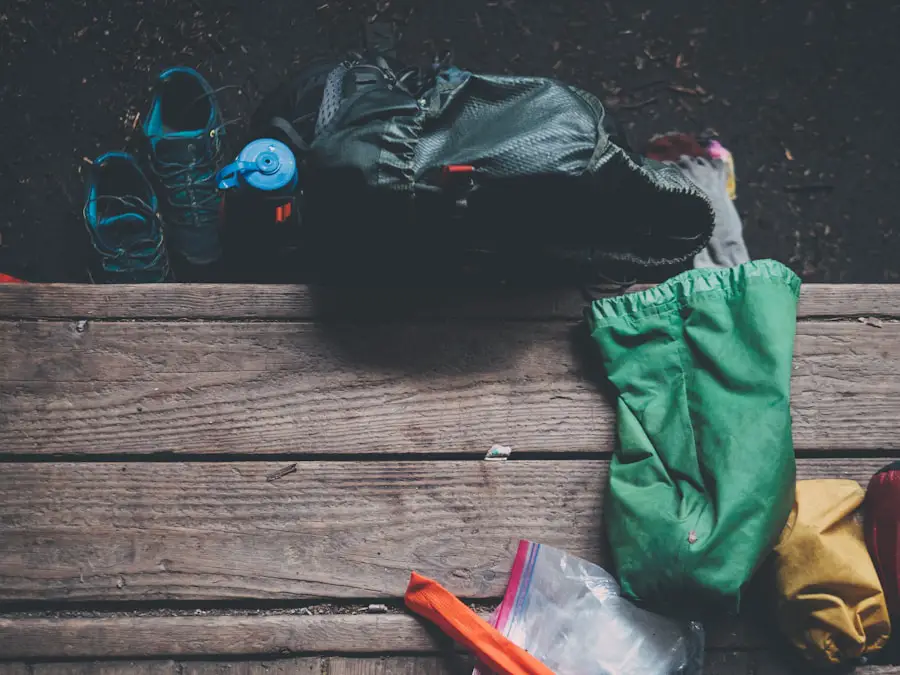
Shelter protects you from wind, precipitation, and dangerous heat loss if you become injured, delayed, or stranded. Overnight hikers normally carry a tent, tarp, hammock shelter, or other sleeping system suitable for the trip. A day hiker may not need a full tent, but carrying compact emergency shelter such as a bivy, tarp, or emergency blanket can provide valuable protection if an unexpected night outside becomes necessary.
Three-season tents are commonly designed for typical spring-through-fall conditions, while shelters intended for severe winter environments are built to manage stronger wind and snow loads. Choose equipment for the actual conditions rather than relying only on a marketing label.
Clothing is part of the shelter system. Use layers that can be added or removed as your activity level and weather change. A typical system includes a moisture-managing base layer, an insulating layer when needed, and a wind- or waterproof outer layer.
Check the forecast immediately before leaving and watch conditions while hiking. Thunderstorms can develop rapidly in mountain terrain. The National Weather Service advises moving to a substantial building or hard-topped vehicle when thunder is heard when such shelter is accessible. Avoid planning to remain on exposed ridges or summits when thunderstorms are expected.
First Aid Kit
A hiking first-aid kit should match the size of your group, trip length, terrain, remoteness, climate, and personal medical needs. A short walk near town does not require exactly the same kit as a multi-day backcountry route.
| First-Aid Item | Why to Carry It |
| Adhesive bandages, gauze and medical tape | For covering and securing dressings on minor cuts and abrasions |
| Antiseptic supplies and nonlatex gloves | For cleaner wound care and reducing direct contact with blood or body fluids |
| Blister treatment and tweezers | Useful for common hiking problems such as hot spots, blisters and superficial splinters |
| Personal medications and prescribed emergency medicine | Addresses the known medical needs of individual group members |
The American Red Cross hiking first-aid checklist also recommends items such as antiseptic wipes, blister treatment, gauze, tape, nonlatex gloves, pain-relief medication and other supplies appropriate to the trip.
Check expiration dates and replenish anything you use. Keep critical medication protected from water and temperatures outside its recommended storage range.
Note: Carrying medical supplies is not a substitute for first-aid training or professional care. Learn how to use your kit before entering remote terrain and seek emergency medical assistance for serious injuries, severe allergic reactions, major bleeding, breathing problems, altered consciousness, or other life-threatening conditions.
Fire Starter, Headlamp, and Repair Tools
A lighter, waterproof matches, or another dependable ignition source can be useful for emergency warmth or for operating within an established camping plan. A backup ignition method and dry tinder can improve reliability in wet weather.
Warning: Carrying a fire starter does not mean you may build a campfire. Check current fire restrictions and land-management rules before your trip. Campfires may be limited or completely prohibited during periods of high fire danger.
The National Park Service advises checking current restrictions and closures before departure. Where fires are allowed, use designated areas when required, never leave a fire unattended, and extinguish it completely until it is cold.
A headlamp is another essential item even when you intend to return before sunset. Delays caused by an injury, navigation error, slow pace, or changing trail conditions can leave you outside after dark. Carry spare batteries or another compatible power source.
A small multi-tool or knife can assist with food preparation, cutting tape or cord, and basic repairs. A compact repair kit might also include strong tape, cord, safety pins, repair patches, or other items suited to your clothing, shelter, footwear, and equipment.
Extra Clothing and Footwear
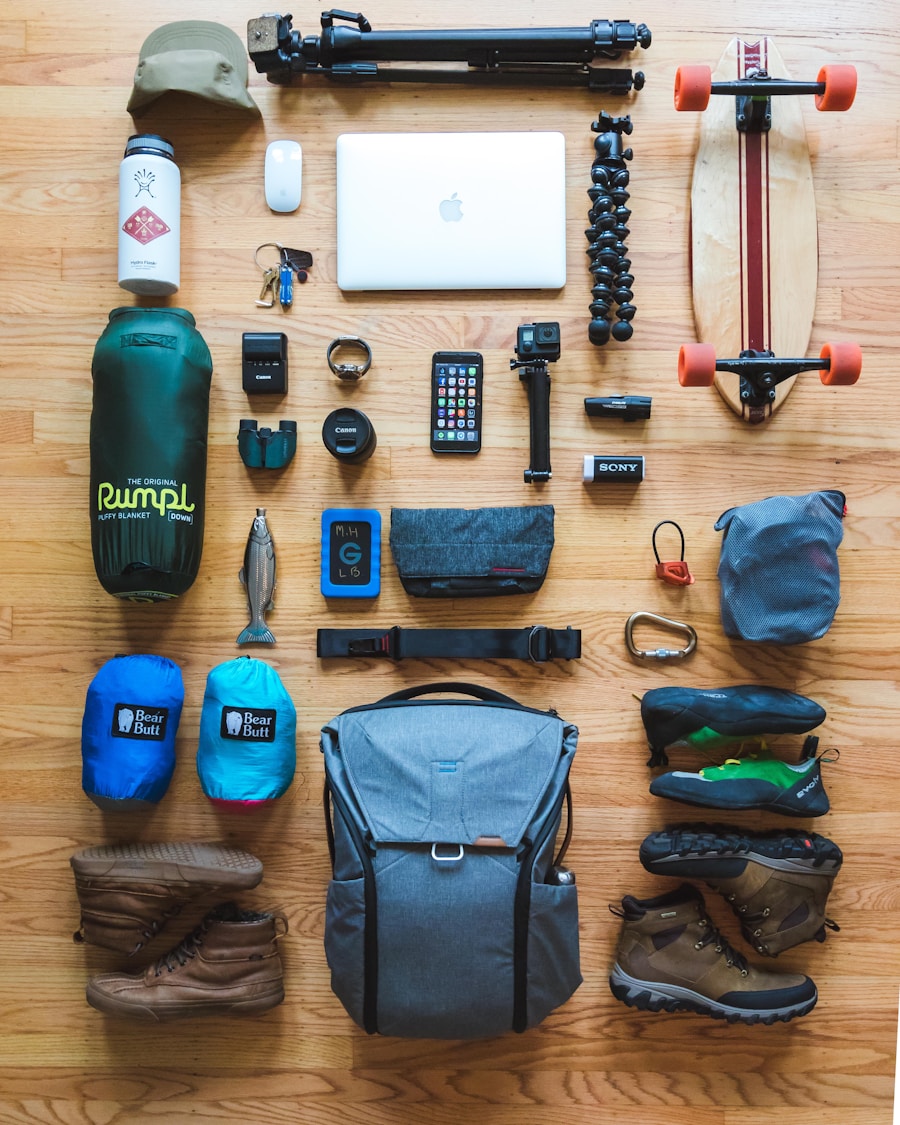
Weather and body temperature can change quickly on a hike, especially when you stop moving. Pack enough extra clothing to stay safe if the temperature drops, wind increases, or your clothing becomes wet.
An extra insulating layer, waterproof shell, dry socks, gloves, or warm hat may be appropriate depending on the season and location. Cotton can stay wet for a long time, so moisture-managing synthetic or wool layers are often more practical when cold and wet conditions are possible.
Footwear should fit well and provide traction and support appropriate for the trail. Hiking boots can be useful for rough terrain, cold or wet conditions, or hikers who prefer a more protective shoe, but they are not mandatory for every hike. Well-fitting hiking shoes or trail runners may be appropriate on many routes.
Do not begin a demanding trip in footwear you have never worn. Test shoes or boots on shorter walks first, paying attention to heel movement, toe room, pressure points, and sock compatibility.
Sun Protection
Sun protection belongs in a hiking backpack even on cool or cloudy days. Pack sunscreen, sunglasses, protective clothing, and a brimmed hat when conditions call for them.
The FDA recommends broad-spectrum sunscreen with an SPF of at least 15 and reapplication at least every two hours, with more frequent application when sweating or swimming. Higher elevations, snow, open rock, and water can increase exposure concerns.
Personal Safety Items
A whistle is one of the simplest emergency signaling tools to carry. Its sound can travel farther with less effort than repeated shouting. Keep it where you can reach it rather than buried at the bottom of the pack.
Carry personal identification and any permits required for the route. Depending on the location and season, insect repellent, tick-removal tools, traction devices, gaiters, or other region-specific equipment may also be appropriate.
In bear country, bear spray may be recommended, but it should be carried only where appropriate and lawful. Current National Park Service bear-safety guidance says some parks do not permit its possession or use, so check local rules. Where bear spray is recommended, keep it immediately accessible in a holster rather than buried in a backpack and learn the manufacturer’s instructions before your trip.
Situational awareness is just as important as gear. Learn about local wildlife, river crossings, cliffs, poisonous plants, hunting seasons, wildfire conditions, avalanche terrain, or other hazards specific to the area you are visiting.
Emergency Communication Devices
A charged cellphone is useful, but cellular service should never be assumed in remote terrain. Save important information offline and consider carrying a power bank on trips where the phone is being used for navigation or emergency communication.
Two-way radios can help members of a group communicate when separated within radio range, but hills, dense terrain, distance, radio power, and other obstacles can reduce practical range. A handheld radio also does not automatically contact search-and-rescue services.
For more isolated trips, a satellite messenger can provide messaging and SOS functions through a satellite network when its service, subscription, sky view, and equipment are functioning. Test the device, update its software if required, and confirm the subscription before leaving.
A personal locator beacon, or PLB, is different. A 406 MHz PLB is designed primarily to send a distress alert through the international search-and-rescue satellite system. NOAA SARSAT identifies PLBs as portable emergency beacons intended for people traveling in remote environments.
Note: In the United States, a U.S.-coded 406 MHz emergency beacon must be registered with NOAA. Keep the registration information current and use the manufacturer’s self-test procedure rather than activating a live distress signal for practice.
Hiking Backpack Checklist
Use this checklist as a starting point, then remove or add items based on the actual trip:
- Navigation: map, compass, GPS or offline navigation as appropriate, plus a backup for remote routes
- Trip information: route details, permits, trail alerts, forecast, sunset time, and a trip plan left with a trusted contact
- Water: enough for the planned route, reserve capacity, and a suitable treatment method when natural sources may be used
- Food: meals or snacks plus extra food for an unexpected delay
- Emergency shelter: tent for overnight trips or compact emergency shelter for day hikes where appropriate
- Clothing: weather-appropriate layers, insulation, rain protection, and spare socks as conditions require
- Footwear: well-fitting shoes or boots with traction suited to the route
- First aid: customized kit, blister care, personal medications, and emergency medical items prescribed for group members
- Illumination: headlamp or flashlight and spare power
- Sun protection: sunscreen, sunglasses, hat, and protective clothing
- Repair tools: knife or multi-tool plus small repair supplies suited to your gear
- Fire: ignition source and tinder when appropriate, while obeying all current fire restrictions
- Signaling: whistle and other suitable visual or electronic signaling equipment
- Communication: charged phone and, for sufficiently remote trips, a satellite messenger or registered PLB
- Location-specific equipment: bear spray where recommended and legal, insect protection, traction, gaiters, or other hazard-specific gear
The National Park Service Ten Essentials provides a useful baseline, but the exact contents of a hiking backpack should always be adjusted for the specific trip.
For additional wildlife background, the existing article Deer Travel: How Far in a Day? discusses deer movement. Wildlife travel distances should not, however, be used to estimate your hiking pace or daily mileage. Plan your own distance using route length, elevation gain, terrain, weather, daylight, fitness, and the pace of the slowest member of your group.
Frequently Asked Questions
What are the essential items to pack in a hiking backpack?
Start with navigation, a headlamp, sun protection, first aid, repair tools, fire-starting capability where appropriate, emergency shelter, extra food, extra water or a treatment plan, and extra clothing. Add communication and location-specific equipment based on the route.
How much water should I pack for a hiking trip?
There is no safe universal amount for every hike. Estimate your needs from trip duration, temperature, humidity, altitude, exertion, personal needs, and reliable refill points. Carry enough to reach your next dependable source with a reserve, and bring appropriate treatment equipment if you intend to use natural water sources.
Can I safely drink stream water after filtering it?
Not necessarily. Filters differ in what they remove, and ordinary backpacking filters may not remove viruses. CDC guidance says boiling is the most reliable way to kill germs. When boiling is not practical, choose treatment appropriate to the organisms of concern and follow the filter, purifier, disinfectant, or UV-device instructions.
What type of food is best to pack for a hiking trip?
Choose compact foods that provide useful energy and are easy to eat, such as trail mix, nuts, dried fruit, energy bars, sandwiches, tortillas, nut or seed butter, and other foods you tolerate well. Carry additional food on longer or remote routes in case the trip takes longer than planned.
What should I consider when packing clothing for a hiking trip?
Consider the forecast, elevation, wind, precipitation, season, route exposure, trip length, and how quickly conditions could change. Pack layers that manage moisture and allow you to add insulation or weather protection when you stop moving or conditions deteriorate.
Why should I carry a map and compass when I have GPS?
A GPS device or phone can fail because of battery loss, damage, software problems, or missing offline map data. For unfamiliar or remote routes, an independent navigation backup gives you another way to determine your location and direction. The backup only helps if you already know how to use it.
What should I include in a first-aid kit for hiking?
A basic hiking kit commonly includes adhesive bandages, gauze, medical tape, antiseptic supplies, nonlatex gloves, blister treatment, tweezers, pain-relief medication suitable for the user, and personal medications. Customize the kit for group size, terrain, remoteness, trip length, allergies, medical conditions, and your level of training.
Why should I pack a multi-tool or knife?
A compact knife or multi-tool can help with basic gear repairs, cutting cord or medical tape, opening food packaging, and other simple trail tasks. Carry only what you know how to use safely and follow any local rules governing knives or tools.
What type of flashlight is best for hiking?
A headlamp is usually the most practical option because it leaves both hands free. Choose a reliable model with enough runtime for the trip and carry spare batteries or another compatible power source.
Why should I pack sunscreen for a hiking trip?
Hikers can receive substantial ultraviolet exposure during long periods outdoors, including on cloudy days. The FDA recommends broad-spectrum sunscreen with an SPF of at least 15 and reapplication at least every two hours, or more often when sweating or swimming. A hat, sunglasses, and protective clothing provide additional protection.
Why should I pack a whistle?
A whistle allows you to make a loud, repeatable signal while using less energy than shouting. Keep it attached to a shoulder strap, hip belt, or another location you can reach immediately in an emergency.
Do I need emergency shelter for a day hike?
A full tent is unnecessary for many day hikes, but a compact emergency bivy, tarp, or emergency blanket can be valuable if an injury, weather change, navigation problem, or other delay forces you to remain outside longer than expected.
Should I carry a satellite messenger or PLB?
For remote areas without dependable cellular service, either can improve emergency preparedness. Satellite messengers commonly provide SOS plus messaging features, while a 406 MHz PLB is primarily a dedicated distress beacon. Choose equipment appropriate to the trip, understand how it works, test it according to manufacturer instructions, and keep any required subscription or registration current.
Sources
- National Park Service — Ten Essentials — navigation, illumination, shelter, food, water, clothing and other essential systems.
- National Park Service — Trip Planning Guide — route preparation, backup plans, trip plans and current-condition planning.
- Centers for Disease Control and Prevention — Backcountry Water Treatment — boiling, filtering, disinfecting and treatment limitations.
- American Red Cross — Hiking & Backpacking First Aid Kit Checklist — recommended first-aid supplies and trip-specific customization.
- NOAA SARSAT — 406 MHz Emergency Distress Beacons — PLB purpose, operation and wilderness use.
- National Park Service — Wildland Fire Safety for Park Visitors — current fire restrictions, campfire safety and wildfire precautions.
