
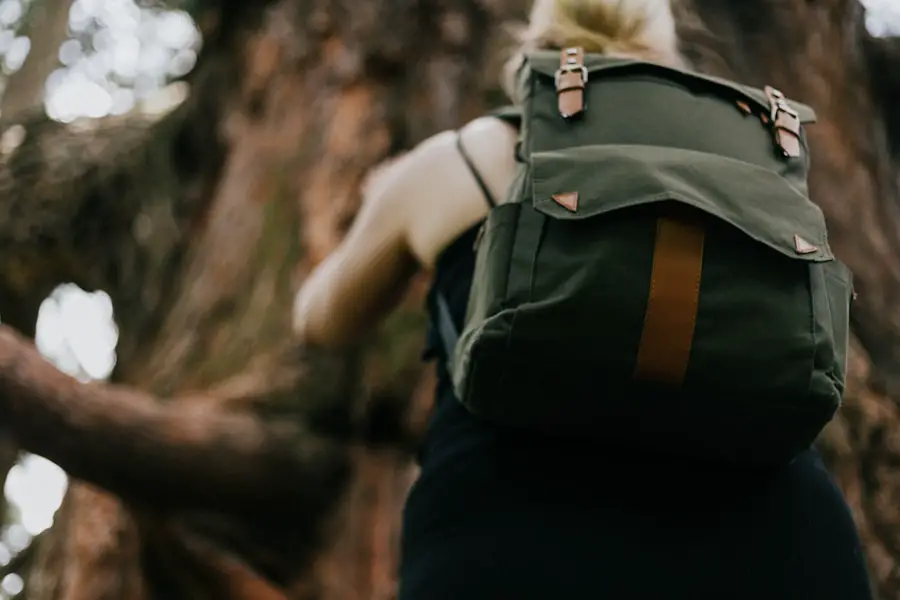
Last Updated on September 10, 2026 by Daniel Globe
Choosing the best hiking backpack is less about finding one universally “best” pack and more about matching capacity, fit, load support, and features to the trips you actually take. A light daypack may be perfect for a few hours on a local trail, while an overnight or multi-day hike usually calls for more space, a supportive hip belt, and a frame designed to transfer weight comfortably.
Quick Answer
The best hiking backpack is one that fits your torso and hips, carries your expected load comfortably, and has enough space for your trip without unnecessary bulk. Roughly 20–35 liters works for many day hikes, 30–50 liters for many weekend trips, and 50–80 liters for longer backpacking trips.
Key Takeaways
- Choose capacity according to trip length, weather, gear bulk, and how lightly you pack—not trip length alone.
- Torso length and hip-belt fit matter more than your height when choosing a pack size.
- For heavier loads, look for a supportive frame, padded hip belt, adjustable suspension, load lifters, and a stable back panel.
- Pack dense, heavy items near your spine; keep light camp gear lower and frequently used items easy to reach.
- Do not assume a water-resistant backpack is waterproof. Protect critical gear with dry bags or a waterproof pack liner when conditions require it.
- Current backpack lines from Osprey, Gregory, Deuter, Arc’teryx, REI Co-op, and other established manufacturers cover very different load and fit needs, so test the fit rather than buying by brand name alone.
At a Glance
| Time Required | About 20–30 minutes to measure, load, fit, and test a pack |
| Difficulty | Easy |
| Tools Needed | Flexible tape measure, mirror or helper, and roughly 10–15 lb of test weight |
| Cost | $0 to measure and adjust a pack you already own; new-pack prices vary widely by size, materials, and suspension system |
Disclosure: As an Amazon Associate I earn from qualifying purchases. Some links on this page are affiliate links, at no extra cost to you.
Types of Hiking Backpacks and the Capacity You Need
Hiking backpacks come in several sizes because a short summer day hike and a five-day wilderness trip place very different demands on a pack. Capacity is normally measured in liters, but the number should be treated as a starting point rather than a rule.
REI’s current backpack guidance places many weekend packs in the 30–50-liter range, many three- to five-night packs in the 50–80-liter range, and extended-trip packs at about 70 liters or more. Daypacks cover a broader range, with 21–35 liters described by REI as a common sweet spot for hiking daypacks.
| Trip Type | Common Capacity Range | Best For |
| Short day hike | 10–20 L | Water, snacks, light layers, and basic essentials when conditions are mild |
| Full-day hike | 20–35 L | Extra layers, food, water, emergency supplies, and weather protection |
| Weekend / 1–3 nights | 30–50 L | Compact sleeping gear, shelter, food, and cooking equipment |
| Multi-day / 3–5 nights | 50–80 L | Longer backpacking trips with more food and clothing |
| Extended or bulky winter trip | 70 L+ | Bulky insulation, winter sleeping systems, longer food carries, or group gear |
Ultralight hikers may use a smaller pack for the same trip because their shelter, sleeping system, and clothing take up less space. Conversely, winter equipment, bear-resistant food containers, camera equipment, children’s gear, or long stretches between resupply points can push you toward a larger pack.
Note: Buy your backpack after you know the approximate size and weight of the gear it must carry. A huge pack can encourage overpacking, while a pack that is too small may force you to hang too much equipment outside.
How to Choose the Right Size and Fit for Your Hiking Backpack
Determine Your Torso Length Correctly
Your height does not determine backpack size. Torso length is the more useful measurement. To measure it, tilt your head slightly forward and find the prominent C7 vertebra at the base of your neck. Next, find the top of your hip bones, called the iliac crests, and imagine a horizontal line between them. Measure along your spine from C7 to that line.
This is the method described in REI’s backpack fitting guide. Compare the result with the size chart for the exact pack you are considering because small, medium, and large ranges vary by manufacturer and model.
Measure Your Hips Too
A supportive backpacking hip belt wraps around the upper part of your hips rather than sitting at your normal pants waist. Measure around the top of the iliac crests and confirm that the selected hip belt has enough adjustment in both directions.
A pack can have the correct torso length and still fit poorly if its hip belt is too large, too small, or shaped poorly for your body.
Find a Comfortable Fit
Load the backpack before deciding whether it fits. An empty pack can feel comfortable even when its suspension does not work for you under trail weight. REI recommends using about 15 pounds during an initial fit test.
The hip belt should hug the top of your hip bones and carry most of the load. The shoulder straps should follow the shape of your shoulders without large gaps, but they should not be doing all the work.
A good backpack fit transfers most of the load to your hips while the shoulder straps stabilize the pack rather than carrying the entire weight.
Customize the Suspension
Many backpacking packs include an adjustable torso system, hip belt, shoulder straps, sternum strap, and load lifters. Start by setting the torso length before trying to compensate with strap tension.
Load lifters connect the upper shoulder straps to the pack frame. When adjusted correctly, they draw the upper part of the load toward your body. The sternum strap helps stabilize the shoulder straps but should not be tightened enough to restrict breathing.
Pro Tip: Walk around for at least 10–15 minutes with realistic weight in a pack before buying it. Climb stairs if possible and pay attention to shoulder pressure, hip-belt slipping, rubbing, and whether the pack pulls you backward.
Features to Look for in a High-Quality Hiking Backpack
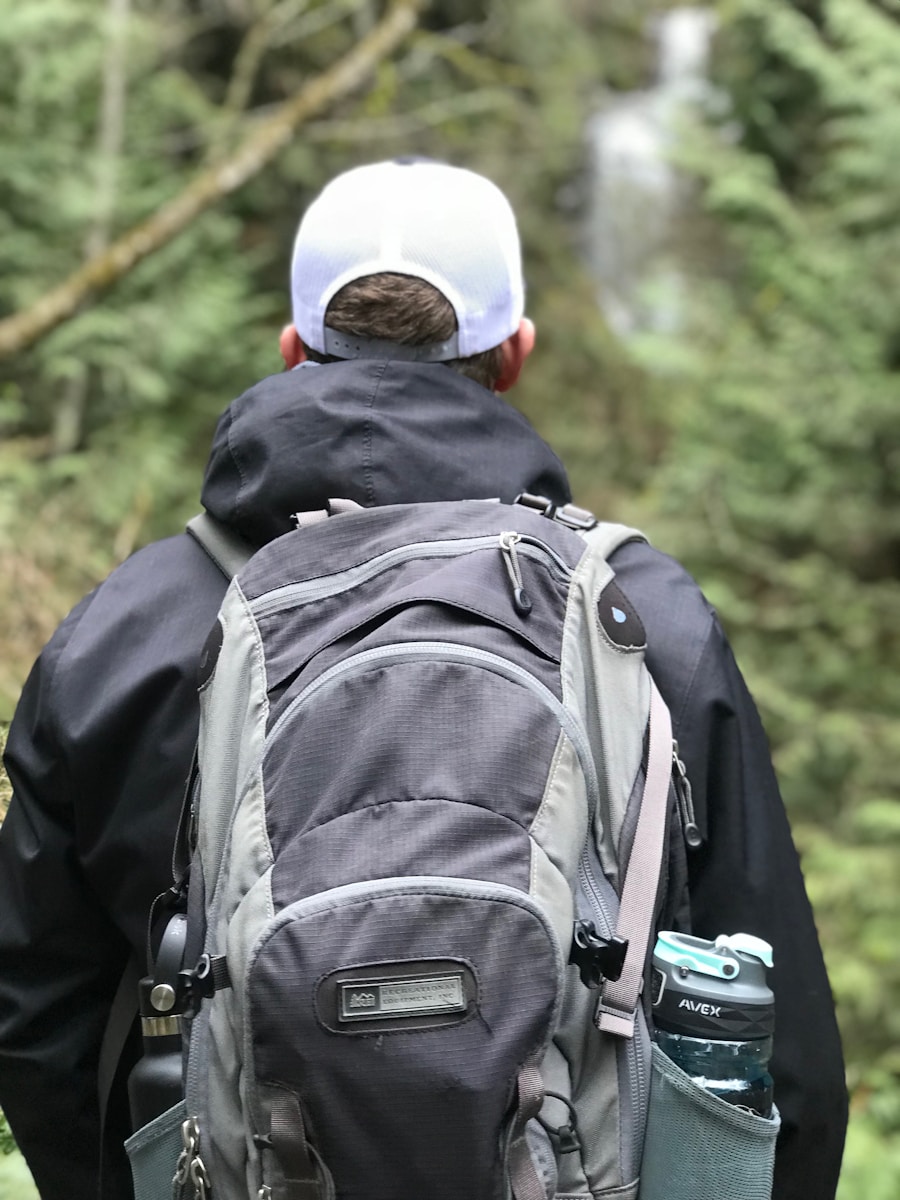
The best feature set depends on how much weight you carry and where you hike. Extra zippers and compartments add convenience, but they also add weight. Ultralight hikers may prefer simplicity, while backpackers carrying heavier loads often benefit from a more substantial suspension system.
Frame and Suspension
Most conventional backpacking packs use an internal frame. The frame keeps the load stable and helps transfer weight to the hip belt. Frameless packs save weight but work best when the total load remains light and the user knows how to create structure with packed gear.
External-frame packs are less common but can still work well for large or unusually shaped loads. The right design depends more on what you carry than on which frame type is newest.
Recommended Load Range
Capacity in liters does not tell you how much weight a pack carries comfortably. Check the manufacturer’s recommended load range. For example, the current Osprey Atmos AG 65 lists a 30–40 lb load range for its S/M size.
A lighter pack is not automatically better if its suspension becomes uncomfortable under the loads you normally carry.
Materials and Durability
Nylon and polyester are common because manufacturers can balance abrasion resistance, weight, and cost by changing the fabric weave and denier. Ripstop construction can help limit the spread of small tears. Specialized laminated fabrics may reduce weight or improve water resistance, but often cost more.
Pay special attention to high-wear areas such as the bottom panel, side pockets, compression straps, and places where trekking poles or other equipment contact the fabric.
Ventilation
Suspended mesh back panels create space between your body and the pack, while other designs use channels or ventilated foam. Ventilation can reduce the amount of heat trapped against your back, although no backpack will completely prevent sweating during strenuous hiking.
Pockets, Access, and Organization
Useful features can include side water-bottle pockets, hip-belt pockets, a front stretch pocket, hydration-reservoir sleeve, sleeping-bag compartment, trekking-pole attachments, and side or front access to the main compartment.
More organization is not always better. Every zipper, pocket, and divider adds some weight and complexity, so prioritize features you will actually use.
Water Resistance
Many hiking backpacks use water-resistant fabrics or durable water-repellent treatments, but that does not make every seam, zipper, and opening waterproof. A rain cover helps protect the outside of the pack, while a waterproof inner liner or individual dry bags can provide another layer of protection for sleeping gear and clothing.
Warning: Do not depend on ordinary pack fabric alone to keep a sleeping bag, insulation, medication, electronics, or emergency clothing dry during prolonged rain. Protect critical items separately.
Packing Tips and Organization Strategies for Your Hiking Backpack
| Item | Best Location | Packing Note |
|---|---|---|
| Hiking Boots | Usually worn | If carrying spare footwear, bag it separately so dirt and moisture stay away from clean gear. |
| Sleeping Bag | Bottom zone | Keep it dry inside a pack liner, waterproof sack, or other suitable protection. |
| Tent | Core or exterior attachment | Split components among hikers when appropriate; long poles may fit better in a secure side pocket. |
| Water Bottle | Side pocket | Keep drinking water reachable without unpacking the main compartment. |
| First Aid Kit | Top or quick-access pocket | Do not bury emergency supplies beneath gear that must be unloaded first. |
A balanced pack is easier to carry than one with the same weight placed poorly. REI divides a backpack into bottom, core, top, and exterior storage zones.
- Bottom: Bulky, relatively light items you will not need until camp, such as a sleeping bag.
- Core: Dense items such as food and a cooking kit, positioned near your spine.
- Top: Gear you may need during the hike, such as insulation, rain gear, or first-aid supplies.
- Exterior pockets: Water, snacks, map, sunscreen, and other frequently used items.
Packing cubes and stuff sacks can help organize clothing, food, and small gear, but avoid adding so many organizers that they consume unnecessary space and weight.
External attachment points are useful for trekking poles, tent poles, or a closed-cell sleeping pad. Secure everything tightly. Equipment that swings from the pack can affect balance and snag vegetation or rocks.
Pro Tip: If you use a hydration reservoir, install and fill it before completely packing the bag. Sliding a full reservoir into a tightly packed sleeve afterward can be difficult.
What Every Hiking Backpack Should Carry
Pack capacity is only useful if the backpack holds the equipment needed for the conditions. The National Park Service recommends the Ten Essentials as a foundation for outdoor preparedness:
- Navigation
- Sun protection
- Insulation
- Illumination
- First-aid supplies
- Fire-starting supplies where appropriate and permitted
- Repair kit and tools
- Extra food
- Water and water-treatment supplies
- Emergency shelter
Adapt the list to the trail, weather, trip duration, local regulations, wildlife concerns, and the needs of your group. A short hike in extreme heat, winter weather, desert terrain, or remote country may require more equipment than its mileage suggests.
Top Hiking Backpack Brands and Current Models to Consider
No brand fits every body equally well, but several established manufacturers offer useful starting points. Model availability changes, so treat these as current examples rather than permanent rankings.
Osprey
The Osprey Atmos AG 65 is a full-featured multi-day pack with Osprey’s AntiGravity suspension, adjustable harness and hip belt, integrated rain cover, hydration sleeve, sleeping-bag compartment, and trekking-pole attachment.
For hikers prioritizing lower pack weight, Osprey’s current Exos/Eja family includes the Exos 48 and Eja 48, along with other capacities.
Gregory
The current Gregory Baltoro 65 is designed around load support, adjustable fit, a FreeFloat suspension system, multiple access points, and generous storage.
The Gregory Deva 60 is a women-specific multi-day option with an adjustable fit and similar load-support priorities.
Deuter
Deuter’s updated Aircontact Core line includes Spring/Summer 2026 models with adjustable back length, aluminum framing, ventilated back panels, and load-control features for trekking.
Arc’teryx
Arc’teryx continues to offer technical hiking packs and identifies the Bora family as its multi-day hiking option. Its backpack sizing guidance also uses back length and hip measurements rather than relying on overall height.
REI Co-op and Other Value-Oriented Options
REI Co-op’s Flash series is one example for hikers interested in a relatively light, straightforward backpacking design. Other brands may be equally suitable when their torso range, hip belt, recommended load, and feature set match your needs.
Note: Men’s, women’s, unisex, and size-specific labels describe different fit geometries, but the label matters less than the actual fit. Try whichever harness and hip-belt shape works best for your body.
Proper Care and Maintenance for Your Hiking Backpack
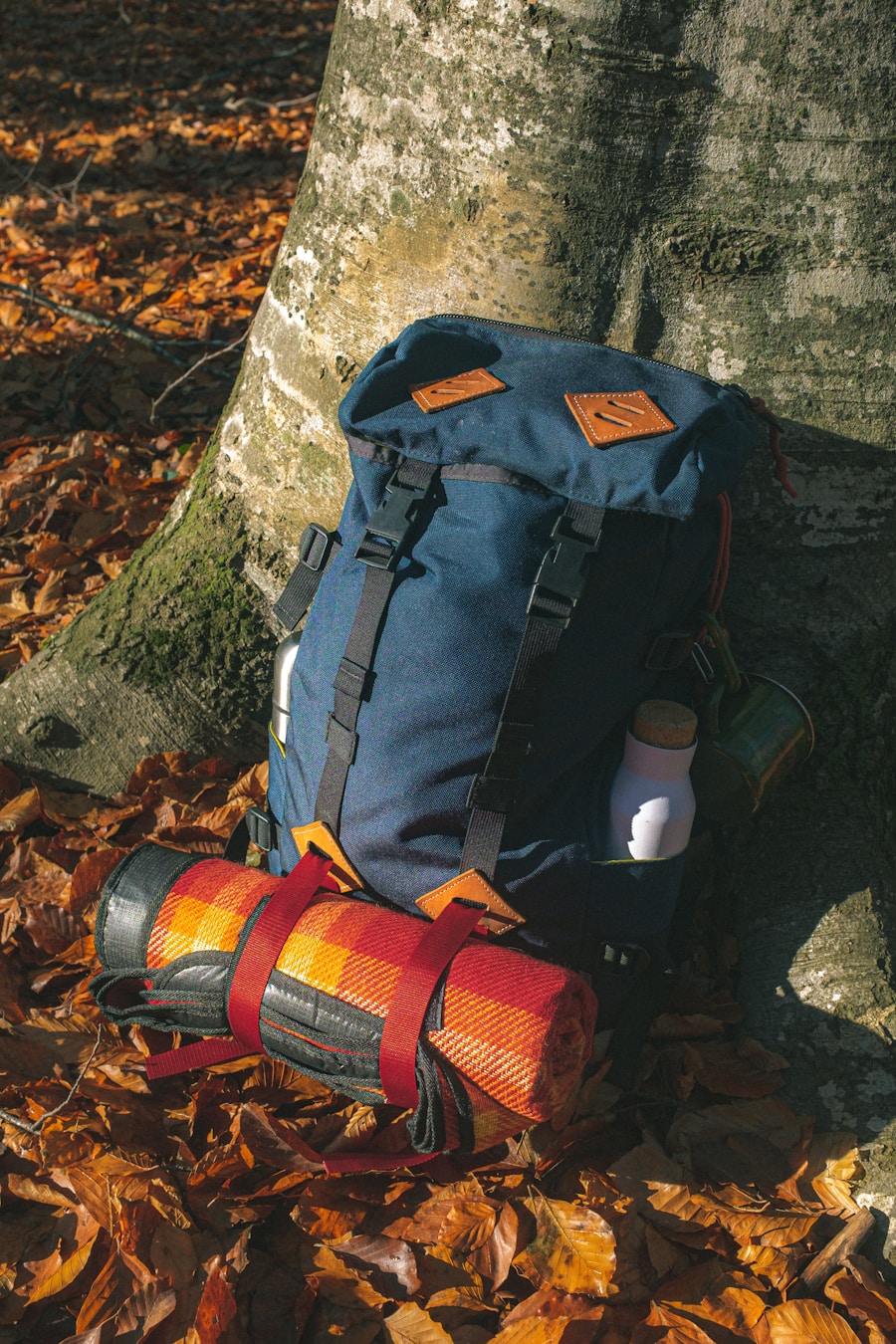
Cleaning dirt, sweat, food residue, and grit from a backpack can help protect its fabrics, coatings, zippers, and hardware. Always check the manufacturer’s instructions first because materials and construction differ.
For routine cleaning, empty every pocket, shake out loose dirt, and wipe the pack with a damp sponge. Mild, additive-free soap can be used for stubborn areas.
REI’s current backpack-care guidance recommends lukewarm water, gentle hand cleaning, and air drying in the shade or indoors. It advises against putting a backpack in a washing machine or dryer.
- Empty every compartment before cleaning.
- Remove detachable components when the manufacturer permits it.
- Brush grit away from zippers instead of aggressively scrubbing coated zipper surfaces.
- Rinse away soap thoroughly.
- Air-dry the pack completely before storage.
- Store it in a dry, ventilated location rather than sealing it away damp.
Inspect seams, buckles, compression straps, mesh pockets, zipper sliders, and the bottom panel periodically. Repairing a small tear or replacing damaged hardware early may prevent a failure on the trail.
Hiking Backpack Accessories and Add-Ons
Accessories should solve a real problem rather than simply add more gear. Useful options include:
- Hydration reservoir: Allows frequent drinking through a hose when the pack has a compatible sleeve and routing port.
- Rain cover: Helps shield the pack exterior from rain and mud.
- Waterproof pack liner or dry bags: Protect items that must remain dry.
- Hip-belt or shoulder-strap pockets: Put snacks, sunscreen, phone, or navigation tools within easy reach.
- Trekking-pole attachments: Secure poles when they are not being used.
- Compression straps: Stabilize a partially filled pack and secure compatible equipment.
Before buying an accessory, check whether your backpack already includes the feature and whether adding it interferes with other straps, pockets, or your normal range of movement.
How to Adjust and Wear a Hiking Backpack for Maximum Comfort
Once the correct torso size is established, adjust the pack in a consistent order.
- Loosen the straps. Begin with the shoulder straps, load lifters, hip belt, and sternum strap loose enough to position the pack naturally.
- Position and tighten the hip belt. Center its padding over the top of your hip bones and tighten it until secure without pinching.
- Tighten the shoulder straps. Pull them snug enough to bring the pack toward your back without making your shoulders support the entire load.
- Adjust the load lifters. Gently draw the top of the backpack toward your body. Do not crank them down so hard that the shoulder straps lift away unnaturally.
- Fasten the sternum strap. Position it comfortably across the chest and tighten only enough to stabilize the shoulder straps.
- Walk and fine-tune. Move, climb stairs, and adjust small amounts until the load feels centered and stable.
Common Backpack Fit Problems
Shoulders become painful quickly: Check whether the hip belt is carrying enough of the load and whether the torso length is correct.
Hip belt slides downward: It may be too loose, incorrectly positioned, or the wrong size or shape for your hips.
The pack pulls backward: Move dense equipment closer to your spine, check the torso adjustment, and fine-tune the load lifters.
Shoulder straps have a large gap: Recheck the torso size or adjustable harness position.
The load sways from side to side: Center heavy items, tighten compression straps, and keep exterior gear secure.
Warning: Persistent numbness, severe pressure points, restricted breathing, or significant pain are not signs that a backpack merely needs to be “broken in.” Stop and correct the fit, load, or pack choice.
Season and destination also affect which backpack works best. Cold or wet trips require more room for insulation and weather protection than warm, dry hikes using compact gear. If Montreal is part of your travel plans, this seasonal Montreal guide can help you anticipate the conditions and clothing you may need.
Frequently Asked Questions
What features should I look for in the best hiking backpack?
Prioritize correct torso and hip fit, enough capacity for your actual gear, a suspension system suitable for the expected load, durable fabric, useful access and pockets, and adequate ventilation. Hydration compatibility, rain protection, trekking-pole attachments, and hip-belt pockets can also be valuable when you will use them.
What is the ideal capacity for a hiking backpack?
There is no single ideal capacity. About 20–35 liters suits many full-day hikes, 30–50 liters works for many one- to three-night trips, 50–80 liters is common for three- to five-night backpacking trips, and 70 liters or more may be useful for extended or bulky winter trips. Your equipment volume matters as much as trip duration.
What are the different types of hiking backpacks?
Common categories include small daypacks, larger hiking daypacks, weekend backpacking packs, multi-day packs, extended-trip packs, and ultralight packs. Backpacks can also be classified by frame design, including internal-frame, external-frame, and frameless models.
What materials are best for hiking backpacks?
Durable nylon and polyester fabrics are common choices, including ripstop constructions. Laminated and specialty fabrics can reduce weight or improve weather resistance but may cost more. The best material depends on the balance you want between durability, pack weight, weather resistance, and price.
How should I properly fit a hiking backpack?
Measure your torso from the C7 vertebra at the base of your neck to the level of the iliac crests at the top of your hips, then select the manufacturer’s corresponding pack size. With the pack loaded, position and tighten the hip belt first, followed by the shoulder straps, load lifters, and sternum strap.
What are some popular hiking backpack brands?
Osprey, Gregory, Deuter, Arc’teryx, and REI Co-op are among the established brands offering hiking or backpacking packs. Brand reputation is useful, but fit, recommended load, capacity, and comfort should determine your final choice.
Are hiking backpacks waterproof?
Many hiking backpacks are water-resistant rather than fully waterproof. Seams, zippers, openings, and prolonged rain can allow water inside. Use a rain cover, waterproof pack liner, or dry bags when critical gear must remain dry.
Should I buy the lightest hiking backpack possible?
Not necessarily. A lighter pack saves weight, but reducing the frame, padding, pockets, or suspension can also reduce comfort with heavier loads. Choose the lightest pack that still supports your normal gear weight comfortably and provides the features you genuinely need.
Sources
- REI Co-op — How to Choose a Backpack — backpack capacity, frame types, ventilation, and general fit guidance.
- REI Co-op — How to Size and Fit a Backpack — torso measurement and strap-adjustment guidance.
- REI Co-op — How to Pack and Hoist a Backpack — bottom, core, top, and external packing zones.
- REI Co-op — How to Clean a Backpack — cleaning, drying, and zipper-care guidance.
- U.S. National Park Service — Ten Essentials — minimum outdoor preparedness categories.
- Osprey — Exos and Eja Series — current Exos/Eja model lineup.

