
Last Updated on September 10, 2026 by Daniel Globe
Staying hydrated while hiking is not simply a matter of drinking as much water as possible. Your needs change with the weather, elevation, trail difficulty, body size, pace, and how heavily you sweat. A good hiking hydration plan gives you enough fluid and electrolytes to replace meaningful losses without forcing excessive amounts that can create a different medical risk.
Quick Answer
For many healthy adults, roughly 0.4–0.8 liters (14–27 ounces) per hour is a useful starting range during sustained hiking, but there is no universal amount. Adjust for heat, pace, body size, sweat rate, altitude, and water availability. Drink regularly, respond to thirst, and avoid forcing so much fluid that you gain weight during a long hike.
Key Takeaways
- Start the trail normally hydrated instead of trying to “preload” with a huge amount of water at once.
- A hydration bottle or reservoir should be easy to reach so you can drink without repeatedly unpacking your bag.
- For sustained exercise, roughly 0.4–0.8 liters per hour is a common planning range, but your actual needs may fall outside it.
- Long, hot hikes may require both fluid and electrolytes, while ordinary food and water are often sufficient on shorter hikes.
- Dark or very low urine output can suggest dehydration, but urine color is only one clue.
- More water is not always safer. Drinking beyond your losses can cause exercise-associated hyponatremia.
- Treat water from streams, lakes, springs, and other uncertain natural sources before drinking it.
At a Glance
| Time Required | A few minutes of planning before the hike, then regular drinking during the trip |
| Difficulty | Easy, but needs more planning in heat, at altitude, or on remote trails |
| Tools Needed | Water bottle or hydration reservoir; water-treatment equipment when relying on natural sources |
| Cost | Varies; no special drink is required for every hike if you already have suitable water containers and food |
Note: These are general hydration guidelines for healthy adults. People with kidney, heart, endocrine, or other conditions that affect fluid or sodium balance, and people taking relevant medications, should follow advice from their healthcare professional.
Disclosure: As an Amazon Associate I earn from qualifying purchases. Some links on this page are affiliate links, at no extra cost to you.
Why Hydration Matters While Hiking
Hiking increases water loss through sweating and breathing. When those losses become large enough, dehydration can increase cardiovascular and heat strain, make a given pace feel harder, and reduce endurance performance.
Research has found that dehydration above roughly 2% of body mass can impair endurance performance, particularly in warm or hot conditions. That threshold should not be interpreted as a precise cutoff for every person, and the evidence for equally large effects on strength or cognition is less consistent. See the peer-reviewed review on fluid balance and endurance performance.
Hydration matters most when it helps you replace meaningful losses without creating a new problem by drinking far beyond what your body is losing.
Water also supports temperature regulation, circulation, joint function, and normal transport of nutrients. Hot weather can sharply increase sweat losses, while dry high-altitude environments can increase respiratory and urinary fluid losses. That is why hydration planning should change with the conditions instead of relying on one fixed number for every hike.
Choosing the Right Hydration Gear
Traditional Water Bottles
Water bottles are simple, easy to inspect, easy to refill, and available in materials such as stainless steel and plastic. A bottle stored in an accessible side pocket lets you see how much you have consumed. Bottles are also convenient when you need to mix an electrolyte drink separately from plain water.
The drawback is access. If your bottle is buried inside your backpack, you may postpone drinking because getting it out requires stopping and removing gear.
Hydration Packs: Convenience and Hands-Free Design
Hydration reservoirs place water inside the backpack and use a drinking tube clipped near the shoulder strap. This makes frequent small drinks convenient while you walk and can reduce the temptation to wait for long stops before drinking.
A reservoir does have disadvantages. It can be harder to judge exactly how much water remains, and the bladder, hose, and bite valve need regular cleaning and drying.
Choosing the Right Hydration Pack
Choose capacity according to trail length, weather, reliable refill locations, and how much water you personally tend to use. Fit also matters: a pack that sits securely and distributes its load well is more comfortable during long hikes.
Useful extras include accessible snack pockets, room for emergency layers, and a way to carry a second bottle. A separate bottle is especially useful when one container holds an electrolyte drink and the other holds plain water.
Pro Tip: Mark your bottle or reservoir in volume increments. Checking the level at planned trail points gives you a better picture of your real drinking rate than guessing from memory.
How Much Water Should You Carry?
There is no single correct amount for every hiker. A practical plan starts with expected hiking time, likely conditions, your own drinking and sweat patterns, and the locations of reliable water sources.
For many adults doing sustained exercise, about 0.4–0.8 liters (14–27 ounces) per hour is a useful starting planning range. Smaller hikers moving slowly in cool conditions may need less. Larger hikers, faster hikers, and people sweating heavily in heat may need more.
Current NIOSH heat guidance gives a more specific recommendation for moderate work in heat lasting less than two hours: about 8 ounces every 15–20 minutes. NIOSH also advises that fluid intake generally should not exceed six cups, or 48 ounces, per hour. Those occupational numbers are useful heat-safety references, not a prescription that every hiker should force down regardless of thirst or sweat loss.
A Simple Water-Planning Method
- Estimate how long you expect to be hiking.
- Choose a reasonable starting hourly amount based on your previous hikes and expected conditions.
- Check whether dependable potable-water or refill points exist along the route.
- Add a reserve for delays, navigation mistakes, or unexpectedly hot weather.
- Reduce the amount you must carry only when you have a reliable plan for obtaining and safely treating additional water.
Remember that one liter of water weighs about one kilogram, or 2.2 pounds. Carrying excessive water “just in case” can substantially increase pack weight, while carrying too little on a dry trail can become a serious safety problem. Route planning is therefore part of hydration planning.
Pre-Hike Hydration Strategies
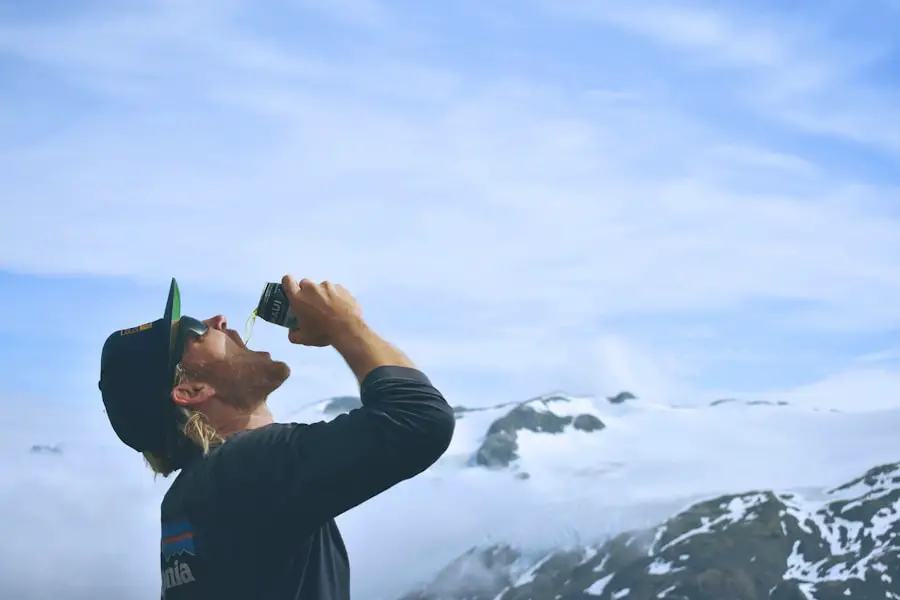
Preparing for a hike involves more than packing gear. The goal is to start normally hydrated rather than beginning the trail already thirsty or trying to compensate by drinking a very large amount immediately before departure.
For most people, normal drinking with meals and throughout the previous day is enough to begin a routine hike well hydrated. Water is a good default beverage. An electrolyte-containing drink can be useful when you expect prolonged heavy sweating, particularly during a strenuous hike in hot conditions.
Foods also contribute to total water intake. Fruits such as watermelon, oranges, grapes, berries, and strawberries provide substantial water along with carbohydrates and nutrients. Vegetables such as cucumbers, tomatoes, and celery can contribute as well.
You do not need to automatically eliminate normal servings of coffee or tea because of fear that caffeine will dehydrate you. Research does not support the idea that ordinary caffeine intake necessarily causes a net fluid deficit. However, large caffeine doses and highly caffeinated energy drinks are a different matter, especially during strenuous activity in heat. The National Park Service advises limiting high sources of caffeine such as energy drinks during hot-weather hiking.
Alcohol is a poor choice when good hydration and physical performance are the goal, so avoid beginning a demanding hike after substantial alcohol consumption.
During-Hike Hydration Guidelines
Instead of following an inflexible schedule based only on whether a hike feels “low,” “moderate,” or “high” intensity, use a range and adjust it to your body and conditions.
| Situation | Useful Starting Point | How to Adjust |
|---|---|---|
| Cool weather, easy pace | Often toward the lower end of your normal range | Respond to thirst and watch your remaining supply |
| Sustained hiking in moderate conditions | Roughly 0.4–0.8 L (14–27 oz) per hour is a common planning range | Adjust for body size, pace, sweat rate, and previous experience |
| Hot weather with moderate activity under 2 hours | NIOSH heat guidance: about 8 oz every 15–20 minutes | Take cooling breaks and do not treat the number as a reason to overdrink |
| Several hours of heavy sweating | Individualize fluid and include electrolyte replacement | Use thirst, sweat history, food intake, conditions, and body-weight change as guides |
Small drinks spread across the hike are usually more comfortable than repeatedly consuming a large volume at once. Keep your bottle or drinking tube accessible, and check your remaining water before committing to a long dry section of trail.
Estimate Your Personal Sweat Rate
For long or demanding hikes, experience is more useful than a generic chart. You can estimate fluid loss during a training hike under conditions similar to those you expect on your trip.
- Weigh yourself before the hike in similar clothing.
- Track how much fluid you drink.
- Hike for a known amount of time.
- Weigh yourself again afterward.
- Account for the fluid you drank and, when practical, any urine produced during the test.
One kilogram of body-weight change is approximately equivalent to one liter of water. The goal is not necessarily to replace every drop of sweat while you are moving. The more important goals are avoiding large dehydration losses and avoiding fluid-driven weight gain.
Warning: Do not force large amounts of water simply because you have been told to “stay ahead” of dehydration. Drinking more fluid than your body is losing can dilute blood sodium and cause exercise-associated hyponatremia, which can become life-threatening.
Electrolytes and Hydration-Boosting Foods and Snacks
Plain water is often sufficient for shorter hikes when you are eating normally. Electrolyte replacement becomes more useful when sweating continues for several hours, conditions are very hot, or your personal sweat losses are high. Current NIOSH guidance specifically recommends balanced-electrolyte sports drinks when sweating lasts for several hours.
Electrolytes do not have to come exclusively from a sports drink. Ordinary trail food can supply sodium and other minerals while also providing the calories needed for hiking.
Water-rich snacks such as cucumbers, celery, grapes, oranges, berries, and watermelon can contribute fluid while adding carbohydrates and nutrients. They are especially convenient on shorter hikes where weight and refrigeration are not major concerns.
Trail mix, salted nuts, pretzels, sandwiches, crackers, dried fruit, and similar foods can provide both energy and sodium. Sports-oriented bars may also contain sodium and carbohydrates, but hikers should check the label rather than assuming every bar is electrolyte-rich.
Note: Extra sodium does not make unlimited water intake safe. Wilderness Medical Society guidance specifically warns that salty food or sodium supplements do not prevent exercise-associated hyponatremia when a person continues to overdrink.
How to Avoid Overhydration and Hyponatremia
Dehydration receives far more attention, but hikers can also drink too much. Exercise-associated hyponatremia occurs when blood sodium becomes abnormally low during or after prolonged activity. According to the Wilderness Medical Society guidance on exercise-associated hyponatremia, prolonged intake of fluid in excess of losses is the most important risk factor.
Warning signs can overlap with dehydration and heat illness. They may include headache, nausea, vomiting, weakness, dizziness, bloating, confusion, unusual behavior, seizures, or collapse. Weight gain during prolonged exercise after consuming large volumes of fluid is another warning sign.
Because severe dehydration, heat illness, and hyponatremia can share symptoms, do not assume that every sick hiker simply needs more water. Altered mental status, seizures, severe vomiting, collapse, or rapidly worsening symptoms require urgent medical evaluation.
Using Streams, Lakes, and Springs for Drinking Water
A clear mountain stream is not automatically safe to drink. Natural water can contain organisms from human or animal waste even when it looks clean.
The CDC backcountry water-treatment guidance says boiling is the most reliable way to kill germs. When boiling is not practical, the CDC recommends filtering the water and then disinfecting it.
Boiling
Bring clear water to a rolling boil for at least one minute. At elevations above 6,500 feet, boil for three minutes. Allow it to cool before drinking.
Filtering and Disinfecting
Many portable filters remove parasites but do not reliably remove all viruses or bacteria. CDC guidance therefore recommends choosing a filter appropriate for the organisms of concern and following filtration with an effective disinfection method when needed. Always follow the treatment product’s instructions and required contact time.
Warning: Boiling, filtering, or ordinary disinfection cannot make water contaminated with harmful chemicals, toxins, or radioactive material safe. Use another water source.
Hydration in Hot Weather and at High Altitude
Hot-Weather Hiking
Heat increases the challenge because your body depends heavily on sweat evaporation for cooling. Slow your pace, take cooling breaks, use shade when available, and carry more water when reliable refill points are limited.
If you are not acclimatized to heat, ease into strenuous activity rather than immediately attempting your normal pace. NIOSH recommends gradual acclimatization for repeated work in hot conditions.
High-Altitude Hiking
High altitude can increase respiratory and urinary water losses, particularly in dry air. The National Park Service recommends allowing time to acclimatize, drinking plenty of water, taking breaks, and reducing exertion when needed.
Hydration is important at altitude, but drinking water does not prevent or cure altitude illness by itself. Headache, nausea, unusual fatigue, dizziness, worsening shortness of breath, confusion, or poor coordination after gaining elevation should not automatically be blamed on dehydration. Stop ascending, and descend when symptoms are persistent, worsening, or severe.
Post-Hike Hydration Recovery
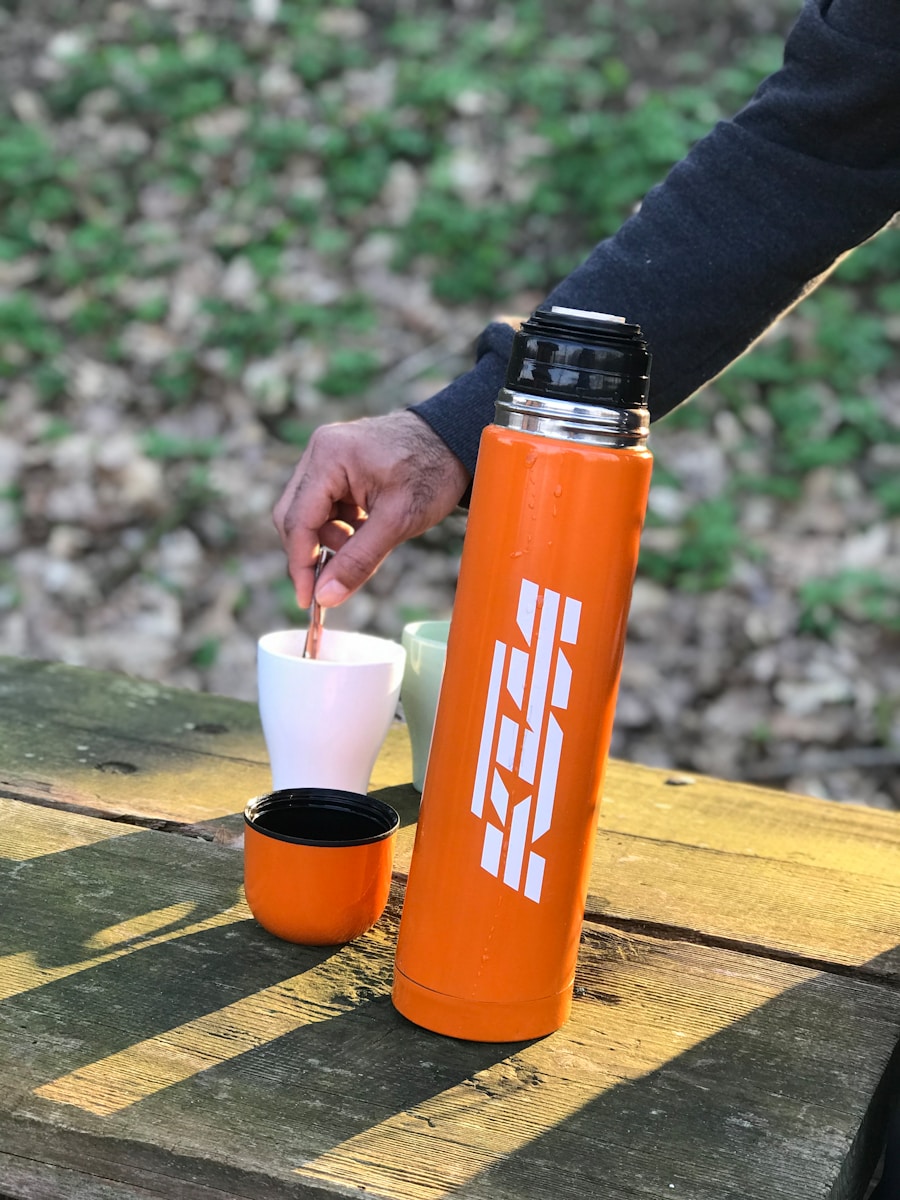
Hydration does not stop when you reach the trailhead. After a demanding hike, continue drinking according to thirst and eat a normal meal or snack. For most recreational hikers who do not need to perform again within a few hours, normal food and beverages can restore fluid and electrolytes over time.
Carbohydrate-rich foods help replenish glycogen used during exercise, while protein supports muscle repair. A balanced meal with fluid and some sodium is usually more useful than focusing on water alone.
If you have finished a demanding session with a measurable fluid deficit and need rapid recovery, sports-hydration guidance commonly recommends replacing more than the measured deficit over the following hours because some of the fluid will be lost in urine. That approach is most useful for athletes or hikers facing another demanding effort soon afterward rather than an ordinary day hike.
Smoothies made with yogurt and fruit, sandwiches with water, soup, fruit, salted foods, milk, or an electrolyte beverage are all practical options depending on appetite and the amount of fluid and salt lost.
Hydration Safety Tips for Hiking
Urine color can provide a rough clue about hydration. Pale-yellow urine is generally consistent with better hydration, while consistently dark urine or very low urine output can suggest that you need more fluid. However, urine color can also be affected by foods, supplements, medications, and other factors, so it should not be your only measure.
Watch the whole picture: thirst, how you feel, heat exposure, pace, sweat losses, remaining water, urine output, and whether you are unexpectedly gaining or losing body weight during a long endurance effort.
Know the Signs of Heat Illness
Headache, nausea, dizziness, weakness, irritability, heavy sweating, and reduced urine output can occur with heat exhaustion. Move to a cooler place, stop strenuous activity, cool down, and take appropriate fluids if you are alert and able to drink.
Warning: Confusion, altered mental status, slurred speech, seizures, loss of consciousness, or a very high body temperature can indicate heat stroke. Heat stroke is a medical emergency. Call 911 or activate backcountry rescue, move the person to a cooler location, and begin rapid cooling while help is being arranged. Do not treat severe altered mental status as a simple “drink more water” problem.
Hydration Mistakes to Avoid While Hiking
Following One Fixed Drinking Number
Fluid requirements vary too much for one number to work for every person. Treat published ranges as planning tools and learn from your own hikes.
Starting the Hike Already Dehydrated
Trying to catch up after several hours of inadequate drinking is harder than starting normally hydrated. Drink normally with meals and through the day before your hike.
Forcing Water After You Are No Longer Thirsty
More is not always better. During prolonged exercise, repeatedly drinking beyond your losses can increase the risk of hyponatremia.
Assuming Cool Weather Means You Need No Water
You still lose water through breathing, urine, and sweat when the air feels cool. Your needs may be lower than during a hot hike, but they do not disappear.
Ignoring Electrolytes During Hours of Heavy Sweating
Long, hot hikes can produce substantial salt losses. Balanced electrolyte drinks or salty foods can be helpful when sweating continues for several hours.
Relying on Electrolytes to Make Overdrinking Safe
Electrolytes are not an antidote to excessive fluid intake. Drinking far beyond your body’s losses can still dilute blood sodium.
Depending on an Untreated Stream
A beautiful, clear water source can still contain disease-causing organisms. Carry treatment equipment when your route depends on natural water.
Failing to Check Weather and Water Availability
Hydration planning begins before you reach the trail. Temperature, sun exposure, elevation, trail difficulty, water-source reliability, and expected hiking time all affect how much water you should carry.
Seasonal planning can also help you avoid the harshest conditions. For example, hikers planning a trip to northern New Mexico can use this seasonal guide to visiting Santa Fe to compare weather patterns before choosing hiking dates. Even in a favorable season, check the actual forecast, trail conditions, and water availability immediately before your trip.
Frequently Asked Questions
What are the best ways to stay hydrated while hiking?
Start the hike normally hydrated, carry accessible water, drink regularly according to conditions and thirst, and plan reliable refill points. On long or hot hikes with several hours of sweating, include electrolyte replacement through food or an appropriate drink.
How much water should I drink while hiking?
There is no universal amount. Roughly 0.4–0.8 liters (14–27 ounces) per hour is a useful starting range for many adults during sustained activity, with needs changing according to body size, pace, temperature, humidity, altitude, and sweat rate. Hot-weather guidance may call for more frequent drinking, but avoid forcing excessive fluid.
What are some signs of dehydration to watch for while hiking?
Thirst, headache, unusual fatigue, dizziness, dry mouth, reduced urine output, and dark urine can occur with dehydration. These symptoms can overlap with heat illness and other medical problems, so worsening or severe symptoms should not be diagnosed from hydration signs alone.
How can I stay hydrated while hiking in hot weather?
Start hydrated, carry more water when refill points are scarce, drink at frequent intervals, slow your pace, rest in shade or another cool area, and replace electrolytes when sweating lasts several hours. Avoid trying to compensate for extreme heat simply by drinking unlimited water.
What hydration-friendly foods should I bring on a hike?
Water-rich options include oranges, grapes, berries, watermelon, cucumber, and celery. For longer hikes, pair them with calorie-dense foods such as nuts, sandwiches, trail mix, crackers, or energy bars. Salty foods can also help replace sodium lost during prolonged sweating.
Do I need electrolytes on every hike?
Usually not. Plain water and normal food are often enough for short or moderate hikes. Electrolyte drinks or salty foods become more useful during several hours of heavy sweating, especially in hot conditions or for hikers with high sweat and sodium losses.
Can you drink too much water while hiking?
Yes. Drinking fluid faster than your body is losing and excreting it can cause exercise-associated hyponatremia. Warning signs may include headache, nausea, bloating, vomiting, confusion, seizures, or collapse. Avoid forcing fluid beyond your needs, particularly during long endurance hikes.
Is clear stream water safe to drink while hiking?
Not necessarily. Clear natural water can still contain bacteria, viruses, Giardia, Cryptosporidium, or other pathogens. CDC guidance says boiling is the most reliable treatment. When boiling is impractical, properly filter and disinfect the water according to the treatment product’s instructions.
Sources
- CDC/NIOSH — Workplace Recommendations for Heat Stress — current heat hydration, electrolyte, acclimatization, and fluid-intake guidance.
- CDC/NIOSH — Heat-Related Illnesses — heat exhaustion and heat-stroke symptoms and emergency response.
- CDC — Water Treatment While Hiking, Camping, or Traveling — boiling, filtering, disinfection, and natural-water safety.
- Wilderness Medical Society — Exercise-Associated Hyponatremia Guidance — overhydration risk, warning signs, and prevention.
- PubMed — Fluid Balance and Endurance Exercise Performance — dehydration and endurance-performance evidence.
- National Park Service — Hiking Safety — hydration, heat, altitude, and acclimatization guidance.

