
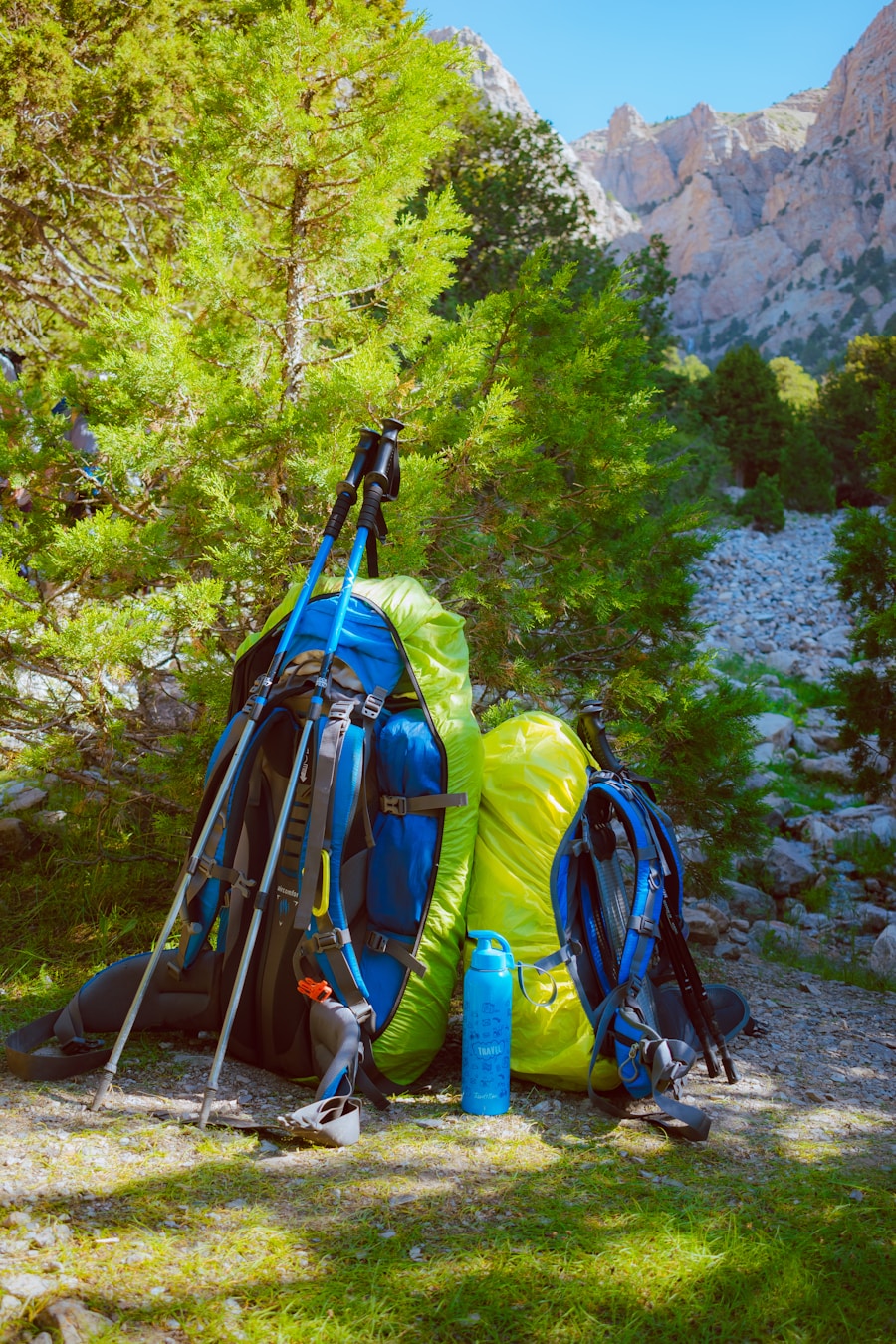
A properly fitting hiking backpack is crucial for both comfort and performance on the trail. When embarking on a hiking adventure, the weight of your gear can significantly impact your experience. An ill-fitting backpack can lead to discomfort, fatigue, and even injury, detracting from the enjoyment of your outdoor excursion.
A well-fitted backpack distributes weight evenly across your body, allowing you to maintain balance and stability while navigating uneven terrain. This is particularly important during long hikes where fatigue can set in quickly if the load is not managed effectively. Moreover, a backpack that fits correctly can enhance your overall efficiency.
When the weight is distributed properly, you can conserve energy and maintain a steady pace, which is essential for longer treks. The right fit also minimizes the risk of chafing and pressure points, which can become increasingly bothersome as the miles accumulate. In essence, investing time in finding a backpack that fits well is not just about comfort; it’s about ensuring that you can enjoy your hike to the fullest without the distraction of discomfort or pain.
Key Takeaways
- A properly fitting hiking backpack is crucial for comfort and safety on the trail.
- Measuring your torso length is essential to ensure the backpack fits correctly.
- Adjusting the shoulder straps and hip belt is important for distributing weight and preventing discomfort.
- Testing the weight distribution helps ensure that the backpack is balanced and comfortable to carry.
- Proper load balance is key to preventing strain and fatigue on long hikes.
Measuring Your Torso Length
To achieve the perfect fit for your hiking backpack, measuring your torso length is a fundamental step. The torso length is defined as the distance from the base of your neck to the top of your hip bones. This measurement is critical because it determines how the backpack will sit on your body.
A backpack that is too long may cause the weight to rest on your lower back, leading to discomfort and potential injury, while one that is too short may not provide adequate support for your shoulders. To measure your torso length accurately, stand straight against a wall and have someone assist you. Place a soft measuring tape at the prominent bone at the base of your neck (the C7 vertebra) and extend it down to the top of your hip bones, which are typically located just above where your waistband sits.
It’s advisable to take this measurement while wearing a shirt similar to what you would wear while hiking, as this can affect how the backpack fits against your body. Once you have this measurement, you can refer to the sizing charts provided by backpack manufacturers to find a model that corresponds to your torso length.
Adjusting the Shoulder Straps and Hip Belt

Once you have selected a backpack that fits your torso length, the next step involves adjusting the shoulder straps and hip belt for optimal comfort and support. The shoulder straps should be snug but not overly tight; they should contour to your shoulders without digging in or causing discomfort. Ideally, when adjusted correctly, the straps should allow for a slight gap between them and your shoulders while still providing enough support to keep the pack stable.
The hip belt plays an equally important role in load distribution. It should sit comfortably on your hips, transferring much of the weight from your shoulders to your hips. To adjust the hip belt, fasten it around your waist and pull it snugly until it feels secure but not restrictive.
A well-fitted hip belt will help stabilize the pack and reduce strain on your back and shoulders during long hikes. It’s essential to ensure that both the shoulder straps and hip belt are adjusted in tandem; if one is too loose or too tight, it can throw off your balance and lead to discomfort.
Products Worth Considering
Durable & Water Repellent: This hiking backpack is made of water repellent 400D polyester fabric, and the YKK zipper is smooth and not easy to fall off.
【Phone Pocket】The shoulder strap phone pocket can hold phones of all sizes and also store your change and bank cards. It allows you to quickly take out your phone and change while hiking or traveling
High-Quality Material:Hiking backpack is made of high quality rip-stop 210d nylon fabric,which is water resistant,tear resistant,anti-scratch and wear resistant. Furthermore,we also give away a rain cover with a clear silver reflective logo. It is putted in the little pocket under the backpack. So it is no doubt that all your things will keep dry during rain. Just take this outdoor backpack,no matter the weather.
Testing the Weight Distribution
| Test Type | Weight Distribution | Result |
|---|---|---|
| Static Load Test | Front to Rear | 60% to 40% |
| Dynamic Load Test | Left to Right | 55% to 45% |
| Cornering Test | Front Inside to Outside Rear | 50% to 50% |
After adjusting the shoulder straps and hip belt, testing the weight distribution of your backpack is crucial before hitting the trail. Load your backpack with gear similar to what you plan to carry on your hike and put it on as you would during an actual outing. Stand up straight and take a few steps around to assess how the weight feels on your body.
The pack should feel balanced; if you notice that it pulls you backward or forward, adjustments may be necessary. Pay attention to how the weight affects your posture as well. A well-distributed load should allow you to maintain an upright position without straining or leaning excessively in any direction.
If you find yourself leaning forward or backward, it may indicate that the pack is either too heavy in one area or not adjusted properly. Take note of any pressure points or areas of discomfort during this test; these can provide valuable insights into how well the pack fits and whether further adjustments are needed.
Products Worth Considering
【Water Resistant & More Sturdy】- SKYSPER hiking daypack is made of high-density 600D polyester and 210D nylon plaid fabric, which is lightweight, anti-tear, wear-resistant and water repellent. In addition, all load-bearing points and shoulder straps are reinforced with lap-knots to make this back pack long lasting
Essential Outdoor Accessory: Molle backpack strap enables attaching additional gear to tactical backpack,tightening and stabilizing the load to create a modular system that enhances carrying capacity without hindering movement, making it a good aid for efficient organization during duty/hiking/camping/hunting
TRAIL-FOCUSED DAYPACK: Move confidently on both serious and casual day hikes with this lightweight daypack featuring technical AirSpeed suspension, side compression, stabilizing padded hipwings and an included raincover
Ensuring Proper Load Balance
Proper load balance is essential for maintaining stability and comfort while hiking. When packing your backpack, it’s important to distribute weight evenly throughout the pack. Heavier items should be placed close to your back and centered between your shoulder blades, as this positioning helps maintain balance and reduces strain on your back.
Lighter items can be packed towards the bottom or outside pockets of the pack. Additionally, consider how items are arranged within the pack. Bulky items should be secured tightly to prevent shifting during movement, which can throw off your center of gravity.
Using compression straps can help stabilize larger items and keep them from moving around as you hike. By ensuring that your load is balanced both vertically and horizontally, you can enhance your overall hiking experience and reduce fatigue over long distances.
Products Worth Considering
MODULAR EXTERNAL CARRY UPGRADE: Turn your pack into a modular external carry system. MOLLE/PALS attachment straps secure extra gear on backpacks and rucksacks for rucking, hunting, hiking, camping, and outdoor photography.
High Quality: Utility strap with quick-release buckle are made of top nylon materials, soft, wear-resistant, heavy duty and won't curl, they have much better functional performence than those made from other materials
MODULAR EXTERNAL CARRY UPGRADE: Turn your pack into a modular external carry system. MOLLE/PALS attachment straps secure extra gear on backpacks and rucksacks for rucking, hunting, hiking, camping, and outdoor photography.
Checking for Proper Ventilation
Ventilation is often an overlooked aspect of backpack fitting but plays a significant role in comfort during hikes, especially in warmer weather conditions. A well-ventilated backpack allows air to circulate between your back and the pack, reducing moisture buildup from sweat and helping to keep you cool. Many modern hiking backpacks come equipped with mesh panels or ventilated back systems designed specifically for this purpose.
When trying on a backpack, pay attention to how it sits against your back. If it feels overly hot or sticky after a short period of wear, it may lack adequate ventilation features. Look for backpacks with adjustable back panels that allow for airflow or those with suspended mesh designs that create space between your back and the pack itself.
Ensuring proper ventilation not only enhances comfort but also helps prevent overheating during strenuous hikes.
Products Worth Considering
𝐄𝐧𝐡𝐚𝐧𝐜𝐞𝐝 𝐁𝐚𝐜𝐤𝐩𝐚𝐜𝐤 𝐁𝐫𝐞𝐚𝐭𝐡𝐚𝐛𝐢𝐥𝐢𝐭𝐲 - Standard Large Size (ideal for people 5'6" and above) & Small/Medium Size (ideal for people under 5'6" and 𝐒𝐦𝐚𝐥𝐥𝐞𝐫 backpacks) As featured on ABC Good Morning America, CBS Mornings, and NY Times Wirecutter. Say goodbye to sweaty backs with our innovative backpack spacer, our breathable mesh design creates separation between your backpack and your back, ensuring airflow, breathability, reduced sweat.
Pet Backpack Dimensions: 12.6" L x 11.4" W x 16.5" H. Perfect for dogs up to 15-pounds, or cats up to 18-pounds. Easily fits cats, small dogs, and most other small/medium-sized pets! Please make sure your pet sits within 14.5 inches overall height and 12 inches wide
FRONT DOG PET CARRIER: This front backpack carrier sling is lightweight and portable for carrying small dogs or cats. Ideal for biking, hiking, camping, traveling, walking, or any outdoor activity. Securely strap your dog with our carrier so you can enjoy more adventures together!
Adjusting the Sternum Strap and Load Lifters
The sternum strap and load lifters are additional components that contribute significantly to achieving a comfortable fit with your hiking backpack. The sternum strap connects the two shoulder straps across your chest, helping to stabilize them and prevent them from slipping off your shoulders during movement. When adjusting this strap, aim for a snug fit that allows for some movement without being restrictive; it should sit comfortably across your sternum without constricting breathing.
Load lifters are straps located at the top of the shoulder straps that connect to the top of the backpack frame. These straps help pull the top of the pack closer to your body, improving weight distribution and stability. When adjusted correctly, load lifters should create a slight upward angle from the shoulder straps to the pack itself.
This adjustment helps shift some of the weight from your shoulders down to your hips, enhancing overall comfort during long hikes.
Products Worth Considering
Keeps shoulder straps of your backpack securely in place, and gives your hands free.
TRAIL-FOCUSED DAYPACK: Move confidently on both serious and casual day hikes with this lightweight daypack featuring technical AirSpeedâ„ suspension, side compression, an included raincover and a padded hipbelt with hipbelt pockets
Keeps shoulder straps of your backpack securely in place, and gives your hands free.
Final Tips for a Comfortable Fit
Achieving a comfortable fit with your hiking backpack involves more than just initial adjustments; it requires ongoing attention throughout your hike. As you progress along the trail, take periodic breaks to reassess how the pack feels against your body. If you notice any discomfort or pressure points developing, don’t hesitate to make minor adjustments as needed.
Additionally, consider wearing clothing that minimizes friction against your skin while hiking. Fabrics designed for moisture-wicking can help reduce sweat buildup and chafing, contributing to overall comfort during long treks. Finally, remember that every hiker’s body is unique; what works for one person may not work for another.
Don’t be afraid to experiment with different adjustments until you find what feels best for you. By taking these steps into account when fitting and adjusting your hiking backpack, you can significantly enhance both comfort and performance on the trail. A well-fitted backpack allows you to focus on enjoying nature rather than being distracted by discomfort or pain, ultimately leading to a more enjoyable hiking experience.
If you’re looking to enhance your hiking experience, it’s important to make sure your backpack fits properly. One helpful article on TakeTravelInfo discusses the best solar charger for backpacking, which can be a useful addition to your gear for longer hikes. Check out the article here for more information on how to stay powered up while on the trails.
FAQs
What is the importance of fitting a backpack for hiking?
Fitting a backpack for hiking is important to ensure comfort, proper weight distribution, and to prevent injury while on the trail. A well-fitted backpack can also improve your overall hiking experience.
How do I measure my torso length for a backpack?
To measure your torso length for a backpack, have someone use a flexible tape measure to measure from the bony bump at the base of your neck to the top of your hip bones. This measurement will help you determine the appropriate backpack size for your torso length.
What are the key features to look for in a properly fitted backpack?
A properly fitted backpack should have adjustable shoulder straps, a padded hip belt, and an adjustable torso length. It should also have load-lifter straps and a sternum strap to help distribute weight and stabilize the pack.
How should a backpack fit on my body?
A backpack should fit snugly against your back with the hip belt resting on your hips and the shoulder straps comfortably supporting the weight of the pack. The load should be evenly distributed and the pack should not sway or shift as you move.
What are some common mistakes to avoid when fitting a backpack for hiking?
Common mistakes to avoid when fitting a backpack for hiking include wearing the hip belt too high or too low, not adjusting the shoulder straps and load-lifter straps properly, and overloading the pack. It’s also important to ensure the pack is not too big or too small for your torso length.