
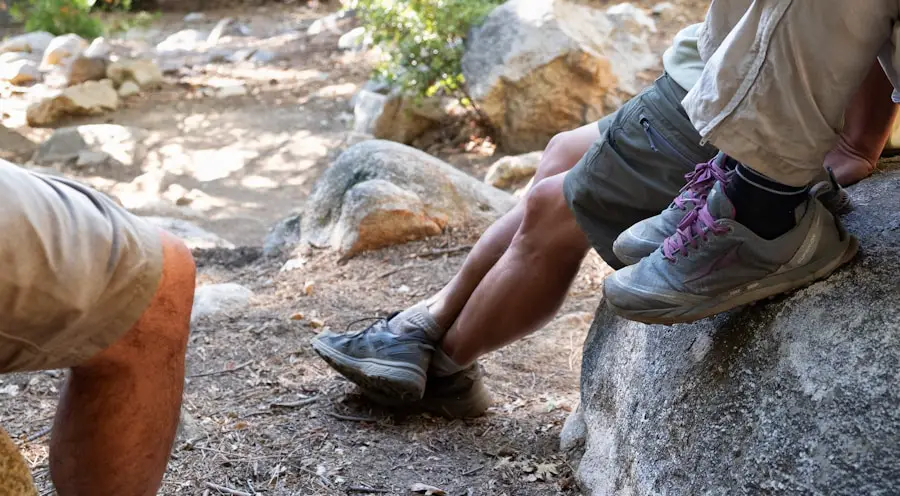
Hiking boots are an essential piece of gear for any outdoor enthusiast, providing the necessary support, traction, and protection needed to navigate various terrains. However, the importance of keeping these boots clean extends beyond mere aesthetics. Dirty boots can harbor mud, debris, and even harmful bacteria that can lead to foot problems or damage the materials of the boots themselves.
A clean pair of hiking boots not only enhances performance but also prolongs the lifespan of the footwear, ensuring that they remain reliable companions on the trails. Moreover, clean hiking boots contribute to a more enjoyable hiking experience. When boots are caked with mud or grime, they can become heavy and uncomfortable, leading to fatigue and blisters.
Additionally, dirt and debris can compromise the waterproofing capabilities of the boots, making them less effective in wet conditions. By maintaining clean boots, hikers can ensure optimal performance, comfort, and safety while exploring the great outdoors.
Key Takeaways
- Clean hiking boots are important for maintaining their durability and performance on the trail.
- Preparing your boots for cleaning involves removing the laces and any excess dirt or debris.
- The step-by-step cleaning process includes using a gentle brush, mild soap, and water to scrub away dirt and stains.
- Drying and conditioning your boots properly helps to prevent mold and maintain the leather’s integrity.
- Storing your boots properly in a cool, dry place away from direct sunlight and heat can extend their lifespan.
Preparing Your Boots for Cleaning
Before diving into the cleaning process, it is crucial to prepare your hiking boots properly. Start by removing any loose dirt or debris from the surface. A soft-bristled brush or a damp cloth can be effective for this initial step.
Pay special attention to the soles, as they often collect mud and small stones that can be difficult to remove later. By clearing away this surface dirt, you will make the subsequent cleaning steps more effective. Next, remove the laces and insoles from your boots.
This allows for a more thorough cleaning of both the exterior and interior of the boot. Laces can be washed separately in warm soapy water or placed in a mesh laundry bag and tossed into the washing machine on a gentle cycle. The insoles may require a different approach; they can be scrubbed with a mild detergent and warm water to eliminate odors and bacteria that accumulate from sweat and moisture.
Preparing your boots in this manner sets the stage for a comprehensive cleaning process that will leave them looking and performing their best.
Products Worth Considering
![Shoe Cleaning Brush/Scrub Brush by Alloda - [Upgrade] Protect Double Sided Soft & Hard Sneaker Cleaner Brush by 100% Boar & Nylon Bristle](https://taketravelinfo.com/wp-content/plugins/wp-fastest-cache-premium/pro/images/blank.gif)
Stylish Design: Elevate your shoe care routine with this black and yellow shoe cleaning brush that combines functionality with style
Classic Suede Brush & Nubuck Cleaner – Hands down the most effective suede brush on the market to help restore your shoes back to wearable pristine condition! The secret is in the shape, the spacing, and clever material of our bristle heads.
Versatile & Multi-Purpose Cleaning Tool - The BootBuddy Shoe & Boot Cleaner Brush is your go-to solution for cleaning all types of footwear and outdoor gear. Whether it’s hiking boots, golf shoes, soccer cleats, or even pram and wheelchair wheels, this cleaner is built to tackle dry or wet mud with ease. Save valuable time and energy and get back to your outdoor adventures or everyday activities quickly with BootBuddy.
Step-by-Step Cleaning Process
The actual cleaning process for hiking boots can vary depending on the materials used in their construction. For leather boots, it is essential to use products specifically designed for leather care. Begin by applying a leather cleaner with a soft cloth, working it into the material in circular motions.
This helps lift dirt and grime without damaging the leather. After cleaning, wipe away any excess cleaner with a damp cloth and allow the boots to dry naturally away from direct heat sources. For synthetic or fabric boots, a different approach is required.
Use a mixture of warm water and mild soap to create a cleaning solution. Dip a soft brush or cloth into this solution and gently scrub the exterior of the boot, focusing on areas with heavy dirt buildup. Rinse with clean water to remove soap residue, ensuring that no cleaning agents remain that could affect the boot’s performance.
After rinsing, it is advisable to use a specialized cleaner for waterproof membranes if your boots feature such technology.
Products Worth Considering
Footwear Cleaning Gel 125ml and Fabric & Leather Proof 125ml packaged together to safely clean and waterproof footwear
High-performance cleaner for full grained leather, suede, nubuck, and synthetic footwear
Clean leather boots and shoes properly with a concentrated gel cleaner that remove dirt and grime without harming the fabric
Drying and Conditioning Your Boots
| Boot Type | Drying Time | Conditioning Frequency |
|---|---|---|
| Leather Boots | 24-48 hours | Every 6 months |
| Rubber Boots | 12-24 hours | After every use |
| Hiking Boots | 24-36 hours | Every 3 months |
Once your hiking boots have been thoroughly cleaned, proper drying is crucial to maintain their integrity. Avoid placing them near direct heat sources such as radiators or in direct sunlight, as this can cause materials to warp or crack. Instead, stuff the boots with newspaper or paper towels to help absorb moisture and maintain their shape while they dry naturally in a well-ventilated area.
This process may take several hours or even overnight, depending on humidity levels. After your boots are completely dry, conditioning is an important step, especially for leather footwear. Leather can become stiff and lose its natural oils over time, leading to cracks and reduced flexibility.
Applying a quality leather conditioner helps restore moisture and suppleness to the material. For synthetic boots, consider using a waterproofing spray designed for outdoor footwear to enhance their water resistance. This dual approach ensures that your boots remain comfortable and functional for future hikes.
Products Worth Considering
4-IN-1 KIT: Each mink oil kit includes premium mink oil, a horsehair brush, sponge and towel—everything you need for comprehensive leather care. Ideal for home use, travel, or as a thoughtful option, this kit ensures convenience and effectiveness.
POWERFUL LEATHER CONDITIONER: Leather Honey penetrates deep to protect new leather and rejuvenate dry leather and old leather. Unlike other products that require monthly treatments, one application of Leather Honey lasts at least six months.
All Weather Protection: Our 3 oz Beeswax Paste creates a waterproof shield against rain, snow, salt & sun, ensuring your leather stays supple & pristine, preventing dry leather & cracking.
Storing Your Boots Properly
Proper storage of hiking boots is often overlooked but is vital for maintaining their condition over time. After cleaning and conditioning your boots, store them in a cool, dry place away from direct sunlight. Avoid placing them in damp areas like basements or garages where moisture can accumulate, as this can lead to mold growth or deterioration of materials.
It is also beneficial to store your boots in their original box or a dedicated shoe bag that allows for airflow. This prevents dust accumulation while still providing adequate ventilation. If you have multiple pairs of hiking boots, consider using silica gel packets or other moisture-absorbing materials in your storage area to keep humidity levels low.
Proper storage not only protects your investment but also ensures that your boots are ready for action whenever you decide to hit the trails.
Products Worth Considering
【Water-resistant & Durable】Made of high-quality waterproof 1000D high-density nylon fabric with mesh panels, smooth zipper, wear-resistant draw cord, thick stitched seams and sturdy nylon handle. The inner fabric is lined with PU coating for waterproof. Through multiple quality inspections, it has excellent waterproof and wear-resistant functions. Ensure safe use in harsh environments.
The Perfect Solution for Boot Storage—Still struggling to find a place for your beloved boots? Boot storage bags are the ideal choice. They accommodate most women's short leather boots, short cowboy boots, and snow boots. Perfect for home or travel.
Shoe bag protector your boot or waders from any mud or water, facilitate storage management.
Tips for Maintaining Clean Boots on the Trail
Maintaining clean hiking boots while on the trail requires proactive measures that can significantly reduce the amount of dirt and debris that accumulates during your adventures. One effective strategy is to choose your hiking routes wisely; avoid muddy paths when possible and stick to established trails where foot traffic has minimized vegetation disturbance. This not only helps keep your boots cleaner but also protects fragile ecosystems.
Another practical tip is to carry a small brush or cloth in your pack specifically for cleaning your boots during breaks. A quick wipe down can prevent mud from hardening and make post-hike cleaning much easier. Additionally, consider using gaiters when hiking in particularly muddy or wet conditions; these protective coverings help shield your boots from excess dirt and moisture while also keeping your legs dry.
Products Worth Considering
We would describe these as a great basic gaiter that will work well in most conditions. They generally stay in place but if you are doing something more extreme, we would recommend a more traditional gaiter.
High performance gaiters for lower leg protection - quality sports and outdoors survival gear
✔ULTRA HIGH-PERFORMANCE LEG Gaiters - Frelaxy ALL- PURPOSE Gaiters design to keep your leg safe, dry, and warm in extreme conditions, Effectively prevent Snow, water, dirt, and pebbles from entering into your shoes or pants, perfect for Hiking, Hunting, Snowshoeing, also a good addition to home gardening.
Common Mistakes to Avoid
When it comes to cleaning and maintaining hiking boots, several common mistakes can lead to damage or reduced performance. One significant error is using harsh chemicals or abrasive cleaners that can strip away protective coatings or damage materials like leather or synthetic fabrics. Always opt for products specifically designed for outdoor footwear to ensure compatibility with the materials used in your boots.
Another mistake is neglecting to clean the soles of your boots thoroughly. The tread pattern is crucial for traction on various surfaces, and accumulated mud or debris can significantly reduce grip. Failing to remove this buildup not only affects performance but can also lead to uneven wear over time.
Regularly inspecting and cleaning the soles will help maintain optimal traction and extend the life of your hiking boots.
When to Replace Your Hiking Boots
Even with diligent care and maintenance, there comes a time when every pair of hiking boots must be replaced. Signs that it may be time for new footwear include visible wear on the soles, such as significant tread loss or uneven wear patterns that compromise traction. Additionally, if you notice cracks in the material or seams starting to separate, these are indicators that your boots may no longer provide adequate support or protection.
Another critical factor is comfort; if you begin experiencing persistent discomfort or blisters during hikes despite proper fitting and maintenance, it may be time to invest in a new pair. Footwear technology evolves rapidly, offering improved materials and designs that enhance performance and comfort on the trails. Recognizing when to replace your hiking boots ensures that you continue to enjoy safe and comfortable adventures in nature without compromising on quality or performance.
If you’re planning a hiking trip, it’s essential to take care of your gear, including your hiking boots. One important aspect of maintaining your boots is knowing how to wash them properly. For a detailed guide on how to clean your hiking boots, check out this article on
I’m Daniel Globe, a traveler who believes every great journey begins with the right information. After exploring 40+ cities, I share simple guides on the best times to go, how to save on flights and hotels, and the small details that make trips smoother. At TakeTravelInfo, my goal is to help you plan smarter and travel better.
; border: none; border-radius: 5px; box-shadow: rgb(32, 74, 157) 0px 2px 0px; cursor: pointer; transition: all 0.1s ease; display: block; margin: 0 auto; max-width: 150px; text-align: center; text-decoration:none;" rel="nofollow noopener" target="_blank">Love travel? Join Our Facebook Community</a></p>
<p></p>
<h2>FAQs</h2>
<p></p>
<h3>What is the best way to wash hiking boots?</h3>
<p>The best way to wash hiking boots is to first remove the laces and insoles, then use a soft brush and warm water to gently scrub away dirt and debris. Avoid using harsh chemicals or soaps, as they can damage the materials of the boots.</p>
<h3>Can I put my hiking boots in the washing machine?</h3>
<p>It is not recommended to put hiking boots in the washing machine, as the agitation and harsh detergents can damage the materials and construction of the boots. Hand washing is the best method for cleaning hiking boots.</p>
<h3>How do I dry my hiking boots after washing them?</h3>
<p>After washing your hiking boots, stuff them with newspaper to help absorb moisture and maintain their shape. Then, let them air dry at room temperature, away from direct heat or sunlight. Avoid using a dryer or placing them near a heat source, as this can cause the materials to warp or crack.</p>
<h3>Should I use waterproofing treatment after washing my hiking boots?</h3>
<p>After washing your hiking boots, it is a good idea to reapply a waterproofing treatment to help maintain their water resistance. Be sure to use a product specifically designed for the materials of your boots, and follow the manufacturer’s instructions for application.</p>
<h3>How often should I wash my hiking boots?</h3>
<p>The frequency of washing your hiking boots will depend on how often you use them and the conditions in which you hike. As a general rule, it is a good idea to clean your boots after every few uses, especially if they have been exposed to mud, dirt, or other debris. Regular cleaning and maintenance will help prolong the life of your hiking boots.</p></div></div></article>
<div class="post-share-bot"> <span class="info">Share.</span> <span class="share-links spc-social spc-social-colors spc-social-bg"> <a href="https://www.facebook.com/sharer.php?u=https%3A%2F%2Ftaketravelinfo.com%2Fkeeping-your-hiking-boots-clean-a-step-by-step-guide%2F" class="service s-facebook tsi tsi-facebook" title="Share on Facebook" target="_blank" rel="nofollow noopener"> <span class="visuallyhidden">Facebook</span> </a> <a href="https://twitter.com/intent/tweet?url=https%3A%2F%2Ftaketravelinfo.com%2Fkeeping-your-hiking-boots-clean-a-step-by-step-guide%2F&text=Keeping%20Your%20Hiking%20Boots%20Clean%3A%20A%20Step-by-Step%20Guide" class="service s-twitter tsi tsi-twitter" title="Share on X (Twitter)" target="_blank" rel="nofollow noopener"> <span class="visuallyhidden">Twitter</span> </a> <a href="https://pinterest.com/pin/create/button/?url=https%3A%2F%2Ftaketravelinfo.com%2Fkeeping-your-hiking-boots-clean-a-step-by-step-guide%2F&media=https%3A%2F%2Ftaketravelinfo.com%2Fwp-content%2Fuploads%2F2025%2F05%2Fimage-646.jpg&description=Keeping%20Your%20Hiking%20Boots%20Clean%3A%20A%20Step-by-Step%20Guide" class="service s-pinterest tsi tsi-pinterest" title="Share on Pinterest" target="_blank" rel="nofollow noopener"> <span class="visuallyhidden">Pinterest</span> </a> <a href="https://www.linkedin.com/shareArticle?mini=true&url=https%3A%2F%2Ftaketravelinfo.com%2Fkeeping-your-hiking-boots-clean-a-step-by-step-guide%2F" class="service s-linkedin tsi tsi-linkedin" title="Share on LinkedIn" target="_blank" rel="nofollow noopener"> <span class="visuallyhidden">LinkedIn</span> </a> <a href="https://www.tumblr.com/share/link?url=https%3A%2F%2Ftaketravelinfo.com%2Fkeeping-your-hiking-boots-clean-a-step-by-step-guide%2F&name=Keeping%20Your%20Hiking%20Boots%20Clean%3A%20A%20Step-by-Step%20Guide" class="service s-tumblr tsi tsi-tumblr" title="Share on Tumblr" target="_blank" rel="nofollow noopener"> <span class="visuallyhidden">Tumblr</span> </a> <a href="mailto:?subject=Keeping%20Your%20Hiking%20Boots%20Clean%3A%20A%20Step-by-Step%20Guide&body=https%3A%2F%2Ftaketravelinfo.com%2Fkeeping-your-hiking-boots-clean-a-step-by-step-guide%2F" class="service s-email tsi tsi-envelope-o" title="Share via Email" target="_blank" rel="nofollow noopener"> <span class="visuallyhidden">Email</span> </a> </span></div><div class="author-box">
<section class="author-info">
<img onload="Wpfcll.r(this,true);" src="https://taketravelinfo.com/wp-content/plugins/wp-fastest-cache-premium/pro/images/blank.gif" alt="blank" data-wpfc-original-src=)