
Last Updated on July 24, 2026 by Ethan Caldwell
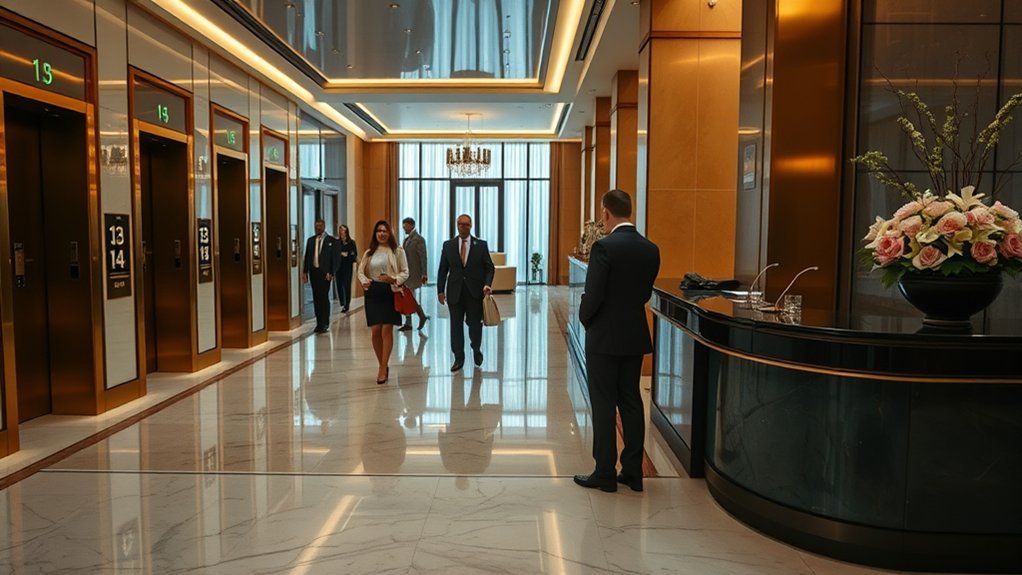
Hotels sometimes jump from Floor 12 to Floor 14 because the number 13 is considered unlucky in many Western cultures. In parts of East Asia, some properties also avoid 4 or numbers containing 4. The physical floors usually still exist. The hotel simply changes the labels shown on elevator panels, room numbers, and guest directories.
Quick Answer
Hotels skip floor numbers mainly to avoid cultural superstitions that could make some guests uncomfortable. A Western hotel may label the physical 13th story as 14, while some East Asian properties avoid 4 or 14. The story normally still exists; only its public-facing number changes.
Key Takeaways
- Skipping a number normally changes the floor label, not the physical structure of the building.
- Floor 13 is commonly avoided in Western markets because of triskaidekaphobia, the fear of the number 13.
- Some hotels avoid 4 or 14 because the sound of four is associated with death in several East Asian languages.
- Labels such as 12A, 14, 3A, F, or M do not have one universal meaning, so check the hotel’s signs or ask the front desk.
Disclosure: As an Amazon Associate I earn from qualifying purchases. Some links on this page are affiliate links, at no extra cost to you.
Why Hotels Skip the 13th Floor
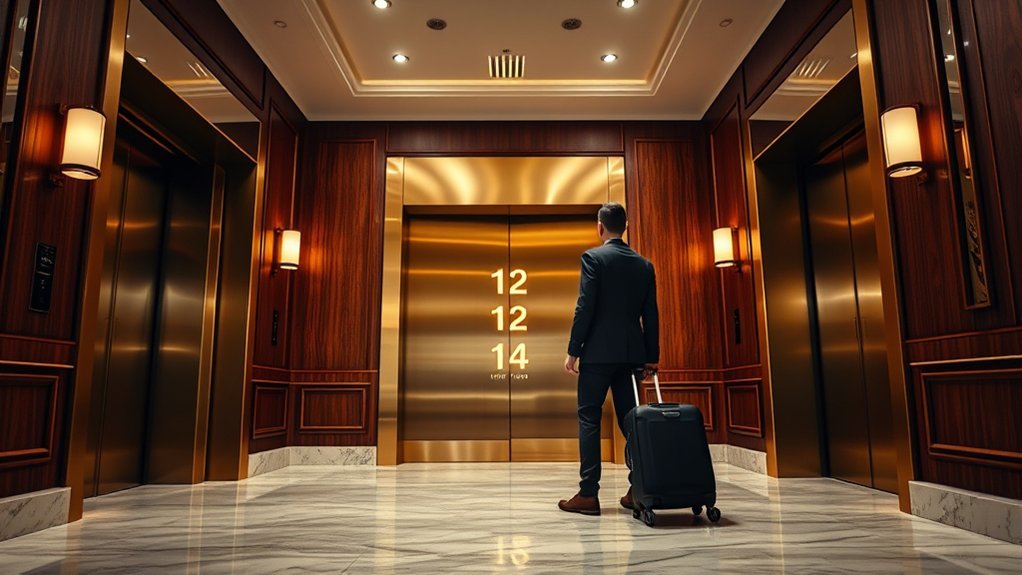
Many hotels omit the label 13 because some guests associate the number with bad luck. This fear is called triskaidekaphobia.
The precise origin of the superstition is uncertain. Popular theories connect it with the Last Supper, Norse mythology, and the way 13 falls just beyond the familiar number 12. These are historical and cultural explanations, not proof that the number itself causes bad luck.
Hotels have a practical reason to respond to the belief. A 2007 USA Today/Gallup poll found that 13% of American adults would be bothered by receiving a hotel room on the 13th floor. Nine percent said they would be bothered enough to request another room.
More recent academic research also shows that unlucky room and floor numbers can affect some guests. A 2019 study of Chinese and Western hotel guests found meaningful cultural differences in how travelers reacted to numbers they considered unlucky.
A hotel that jumps from 12 to 14 has not made a physical story disappear. It has usually changed only the number guests see.
How Hotels Renumber Missing Floors
Hotels can use several numbering systems when they want to avoid a particular number. One property may label the story above 12 as 14. Another may use 12A or 12B. The exact system depends on local custom, the building’s original design, and the hotel’s operating choices.
Alternate Floor Labels
| Label | What it may mean | What travelers should know |
|---|---|---|
| 14 | The physical story after 12 has been relabeled | Common where properties avoid displaying 13 |
| 12A or 12B | An alternate number inserted between 12 and 14 | The letters do not follow one worldwide standard |
| M | Often means mezzanine or another named level | Do not assume M is always a disguised 13th floor |
| 3A or F | May replace the number 4 in some buildings | Usage varies across countries and properties |
Skipped Number Conventions
The elevator may show 12 followed by 14, but room numbers on that level may use a separate pattern. For example, rooms could begin with 14 even though the level is the building’s physical 13th story.
Some hotels avoid more than one number. A property serving an international guest base might omit both 4 and 13. In other locations, the hotel may use every number because guests and owners do not consider them a concern.
Note: Floor numbering is not a reliable way to calculate a building’s exact physical story count. Ground floors, lobbies, mezzanines, parking levels, and service floors may all be counted differently.
Mechanical Floor Naming
Hotels and high-rise buildings often contain mechanical levels for heating, cooling, elevators, electrical equipment, water systems, and other building services. However, a skipped number does not automatically mean that the hidden label belongs to a mechanical floor.
A mechanical level may have a name such as “Mechanical,” “Service,” or “M,” or it may not be available through guest elevators. The same letter can also mean mezzanine in another building. You should therefore rely on the hotel directory instead of guessing from the elevator buttons.
Why Some Hotels Skip the 4th Floor Too
Some hotels in East Asian markets avoid the number 4 because of tetraphobia. In several Chinese, Japanese, and Korean linguistic contexts, a pronunciation of the word for four sounds similar or identical to a word for death.
This association can affect room numbers, floor labels, apartment numbers, hospital rooms, gift quantities, and other parts of daily life. However, the practice is not identical in every country, city, language group, or hotel.
Tetraphobia in Hotels
A hotel influenced by tetraphobia may move from Floor 3 to Floor 5 or use a label such as 3A or F. Some properties also avoid room numbers ending in 4.
Research published in the International Journal of Hospitality Management found that Chinese hotel guests in the study were more likely than Western guests to be bothered by unlucky floor or room assignments. This helps explain why some hotel operators adjust numbering for the market they serve.
Cultural Floor Numbering Practices
You may also see numbers such as 14, 24, or 44 omitted because they contain the digit 4. The strength and meaning of these associations can change with the local language. A number that sounds negative in one dialect may carry a different meaning in another.
Hotels do not all follow the same rule. An international brand may use one numbering pattern at a property in New York and a different pattern at a property in Hong Kong, Seoul, or Tokyo.
What the Elevator Display Shows
A guest elevator displays the levels that passengers are allowed or expected to select. It does not necessarily show every physical level in a simple numerical sequence.
The panel may exclude or rename:
- Floor 13 because of Western superstition
- Floor 4 or numbers containing 4 because of local cultural beliefs
- Parking, mechanical, staff, or service levels that guests cannot access
- A lobby or mezzanine identified by a letter instead of a number
- Private club, residential, or executive levels reached with a key card
If the elevator passes a number that does not appear as a button, the most likely explanation is a labeling or access decision. It is not evidence of a secret or nonexistent floor.
Pro Tip: When you need rooms on the same level, ask the hotel to confirm the actual floor and room locations. Two rooms with similar numbers are not always beside each other, especially in renovated or unusually numbered buildings.
Why Floor Skipping Depends on Culture
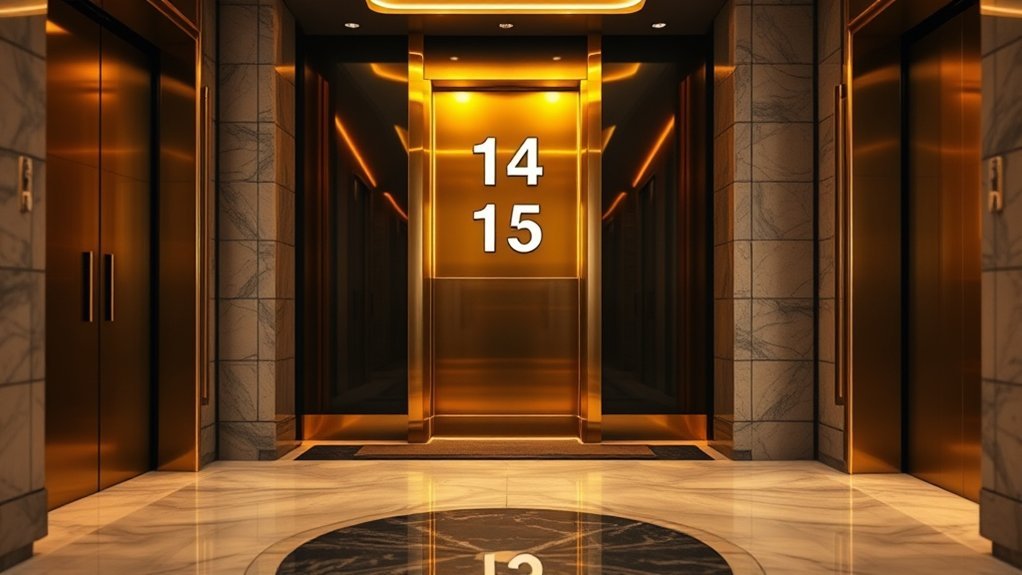
Floor numbering reflects the guests a hotel expects to serve. A number that feels ordinary to one traveler may carry a strong cultural association for another.
- Western markets: Some hotels avoid 13 because it has a long association with bad luck.
- Chinese-speaking markets: Some properties avoid 4, 14, 24, or other combinations influenced by pronunciation and local wordplay.
- Japan and Korea: Some buildings replace or omit 4 because one reading of the number resembles the word for death.
- International properties: A hotel may avoid several numbers to reduce objections from different guest groups.
- Properties without those customs: Many hotels use 4, 13, and 14 normally.
These choices do not prove that every guest shares the belief. Hotels often make the change because relabeling a floor is easier than handling repeated room-change requests from the smaller group that does care.
Which Hotels Still Use a 13th Floor?
Many hotels still display and use a 13th floor. There is no dependable worldwide list because numbering is decided at the property level and can change after renovations, ownership changes, or rebranding.
| Property situation | What you may find |
|---|---|
| Independent hotel | May keep Floor 13 if the owner sees no reason to omit it |
| International hotel brand | Numbering may differ from one location to another |
| Older or historic building | May retain the numbering used when the property was built |
| Recently renovated property | May adopt a new elevator or room-number sequence |
| Hotel serving several cultures | May omit 4, 13, 14, or another locally sensitive number |
To find out whether a specific hotel has a displayed 13th floor, check recent elevator photos, review the property’s floor plan, or contact the front desk. Asking the hotel directly is more reliable than depending on a general brand policy.
Frequently Asked Questions
Why do hotels skip Floor 14?
Some hotels avoid 14 because it contains the number 4, which can have an unlucky or death-related association in certain East Asian languages and cultures. Other hotels use Floor 14 normally. The practice depends on the location, language, and guests the property serves.
What is the 15/5 rule in hotels?
The hospitality 15/5 rule is a guest-service guideline, not a building-design rule. It commonly means that an employee should acknowledge a guest with eye contact or a smile at about 15 feet and offer a verbal greeting at about 5 feet. Exact training standards vary by hotel brand.
What floor number is banned from hotels?
There is no universal hotel rule banning Floor 13, Floor 4, or any other number. Hotels may omit a label voluntarily because of cultural expectations, branding, building layout, or guest preferences. Local building and safety requirements still apply to the physical structure.
Why is there no Room 420 in some hotels?
Some individual hotels avoid Room 420 because the number is associated with cannabis culture. Reports describe hotels dealing with stolen 420 signs, smoking, or pranks. A property may use 419A, 419+1, or 421 instead, but avoiding 420 is not a standard practice across the hotel industry.
Does a hotel’s missing 13th floor physically exist?
Usually, yes. The physical story between the displayed Floors 12 and 14 remains part of the building. The hotel has normally labeled it as 14, 12A, or another name. In some buildings, the level may instead be used for services or equipment, but the elevator sequence alone cannot confirm that.
Can you request a different hotel floor?
Yes. You can request a lower floor, higher floor, or a floor without a number that bothers you. The hotel may not guarantee the request because assignments depend on availability, room type, accessibility needs, maintenance, and occupancy.
Conclusion
Hotels skip floor numbers mainly because numbering can influence how guests feel about a room. Western properties may avoid 13, while some East Asian hotels avoid 4, 14, or other numbers containing 4. In most cases, the building has not lost a physical floor. The hotel has simply changed the label. When the sequence looks unusual, follow the directory or ask the front desk for the property’s exact layout.
Sources
- Gallup: Thirteen Percent of Americans Bothered to Stay on Hotels’ 13th Floor — supports the 2007 guest-attitude statistics.
- International Journal of Hospitality Management: Are Hotel Guests Bothered by Unlucky Floor or Room Assignments? — supports the discussion of cultural differences and hotel guest behavior.
- Merriam-Webster: Triskaidekaphobia — supports the definition and uncertain historical origins of fear of 13.
- Cambridge Dictionary: Tetraphobia — supports the definition and cultural association involving the number 4.
- Smithsonian Magazine: Why Are We So Scared of Friday the 13th? — supports the historical theories surrounding 13.
- Condé Nast Traveler: Hotels Struggle to Stop Mischief in Room 420 — supports the corrected explanation of why some properties avoid Room 420.

