
Last Updated on August 26, 2026 by Daniel Globe
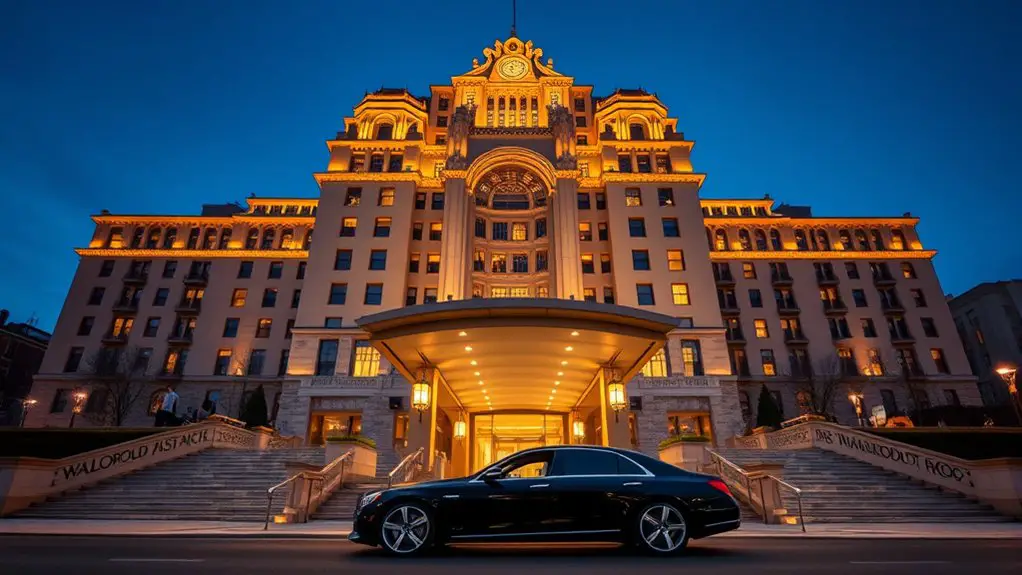
Most people associate the Waldorf Astoria with Hilton, but owning the brand, operating the hotel, and owning the New York real estate are three different things. The landmark has passed through the Astor family, Hilton, Blackstone-era Hilton ownership, Anbang Insurance Group, and Dajia Insurance Group. Today, Hilton still runs the hotel, while a Dajia-controlled interest remains the reported owner of the hotel real estate as the property is marketed for sale.
Quick Answer
As of August 2026, the Waldorf Astoria New York hotel real estate remains controlled by Dajia Insurance Group through an affiliated ownership structure and is being marketed for sale. Hilton does not own the building; it owns the Waldorf Astoria brand and continues to manage the hotel under a 100-year agreement signed in 2014.
Key Takeaways
- Dajia Insurance Group controls the Waldorf Astoria New York hotel real estate through an affiliated ownership structure, while individual buyers can separately own residences in the building.
- Hilton owns the Waldorf Astoria Hotels & Resorts brand and manages the New York hotel under a 100-year management agreement retained after the 2014 sale.
- The original Waldorf opened in 1893 and the adjoining Astoria in 1897; the present Park Avenue hotel opened in 1931 after the original Fifth Avenue complex was demolished.
- Anbang Insurance Group bought the hotel for $1.95 billion in 2014. Chinese regulators later restructured Anbang, and Dajia Insurance Group was established in 2019 to take over major assets.
- The transformed hotel began welcoming guests again in July 2025 with 375 hotel rooms and 372 private residences. In 2026, Dajia began marketing the hotel portion for sale.
What’s in This Article
- The Historic Roots of the Waldorf Astoria
- Ownership Changes in the 20th Century
- The Transformation Into a Luxury Brand
- Hilton Takes the Helm: 1949 to 2014
- The Management Under Hilton
- The 2014 Sale and the New Owners
- Current Ownership Structure
- The Role of Private Investors and Real Estate Firms
- What’s Next for the Waldorf Astoria
The Historic Roots of the Waldorf Astoria
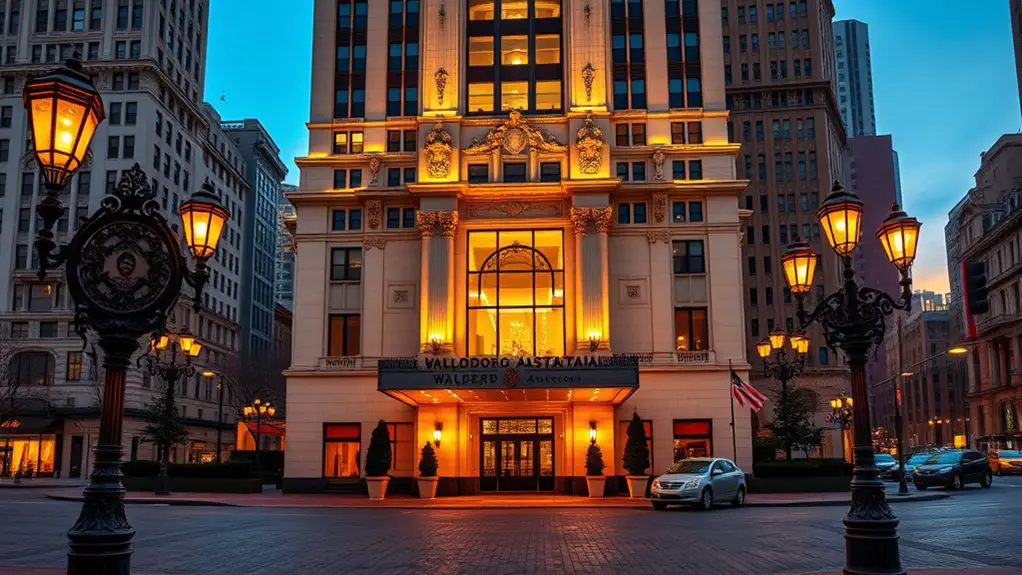
The Waldorf Astoria story begins with the Astor family and a famous rivalry between two branches of one of New York’s wealthiest families. William Waldorf Astor redeveloped the site of his Fifth Avenue mansion with the 13-story Waldorf Hotel, which opened in March 1893.
Four years later, his cousin John Jacob Astor IV opened the adjoining Astoria Hotel. The two buildings were linked and operated together as the Waldorf-Astoria, with Peacock Alley becoming the famous corridor between them. According to the New York City Landmarks Preservation Commission, the combined hotel had 1,300 guest rooms and became one of the defining grand hotels of its era.
The Fifth Avenue complex eventually lost ground as Manhattan’s fashionable hotel and commercial districts moved north. It was demolished in 1929, and the Empire State Building rose on the site.
The Waldorf name did not disappear. A new 47-story Art Deco Waldorf-Astoria was built at 301 Park Avenue. Designed by Schultze & Weaver, the present building opened in 1931 and became one of Manhattan’s best-known hotels.
Ownership Changes in the 20th Century
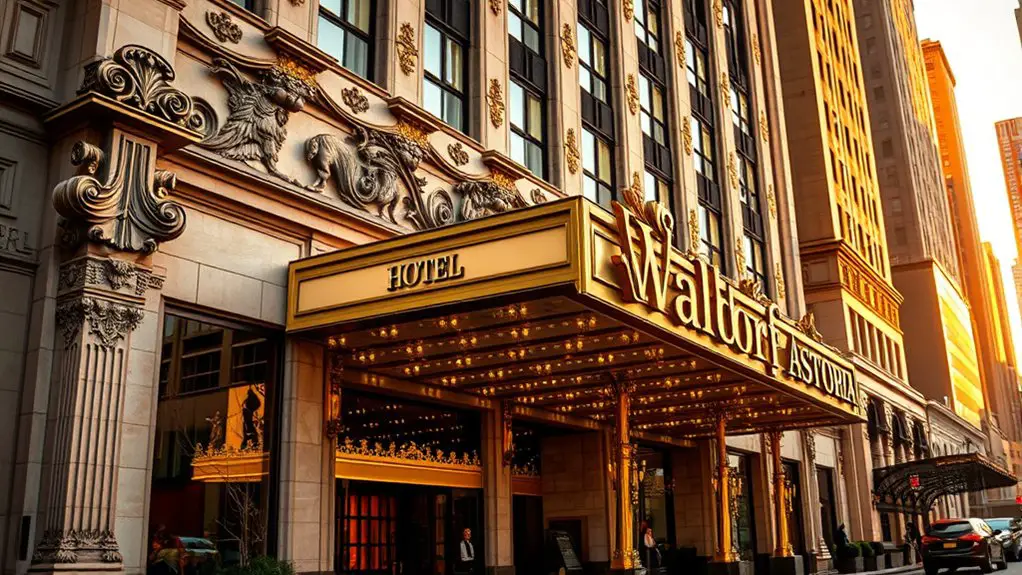
The Park Avenue hotel opened during the Great Depression under the leadership of hotelier Lucius Boomer and the Waldorf-Astoria Corporation. Its scale and prestige attracted Conrad Hilton, who famously regarded it as one of the greatest hotels in the world.
Hilton took control of the hotel’s management in 1949, beginning a relationship that has now lasted for more than seven decades. Hilton Hotels Corporation later acquired full ownership of the property in 1972. Major restoration and modernization projects followed while the company preserved the hotel’s Art Deco identity and status as a destination for major social, diplomatic, and business events.
Another major ownership change arrived in 2007 when Blackstone investment funds acquired Hilton Hotels Corporation in a transaction valued at approximately $26 billion. The Waldorf Astoria therefore became part of the broader Hilton business acquired by Blackstone.
Blackstone later returned Hilton to the public markets in 2013. That set the stage for Hilton’s 2014 decision to sell the New York real estate while retaining long-term control of hotel operations through a management agreement.
The Transformation Into a Luxury Brand
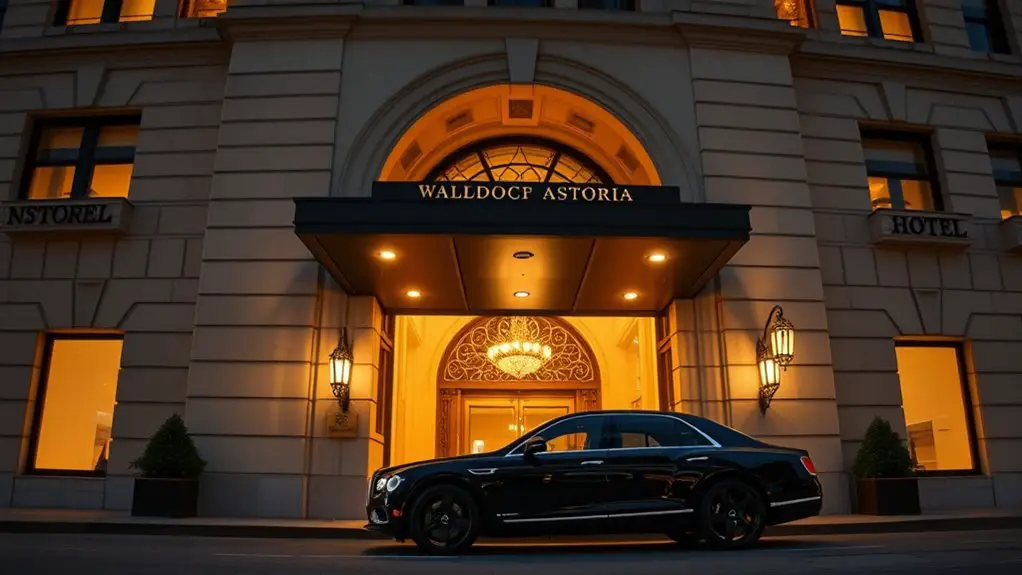
Under Hilton, the Waldorf Astoria evolved from the name of one famous New York hotel into a global luxury brand. Renovations kept the Park Avenue property competitive while preserving landmarked interiors and the architectural character that made it famous.
The New York hotel also reinforced its reputation through state visits, galas, political gatherings, celebrity stays, high-profile business events, and personalized luxury service. Its prestige gave Hilton a recognizable name around which to build an international luxury portfolio.
Hilton ultimately expanded Waldorf Astoria Hotels & Resorts to destinations around the world. According to Hilton’s brand fact sheet updated in August 2026, Waldorf Astoria has 40 open hotels in 22 countries and territories, with dozens more in development.
Hilton Takes the Helm: 1949 to 2014
Hilton’s connection to the Waldorf Astoria began in 1949 and eventually grew from operational control into ownership. By the time Hilton Hotels Corporation acquired the property outright in 1972, the Waldorf was firmly connected to the Hilton organization.
The relationship changed structurally in 2014. Hilton Worldwide agreed to sell the Waldorf Astoria New York to China’s Anbang Insurance Group for $1.95 billion. Instead of giving up the hotel completely, Hilton kept the right to operate it.
A Hilton investor presentation confirmed that Hilton would continue operating the property under a 100-year management agreement.
The key ownership distinction is simple: Hilton sold the New York real estate in 2014 but kept the Waldorf Astoria brand and a century-long agreement to manage the hotel.
This asset-light structure is common in international hospitality. A hotel company can operate and brand a property without owning the underlying real estate, while the real-estate investor benefits from the operator’s reservation system, loyalty program, marketing reach, service standards, and management expertise.
The Management Under Hilton
Hilton continues to manage the Waldorf Astoria New York’s hotel operations even though it does not own the hotel real estate. Hilton provides the operating system behind the property, including brand standards, staffing frameworks, reservations, technology, marketing, guest programs, and Hilton Honors participation.
The same distinction applies across much of the hotel industry. A hotel’s sign does not necessarily tell you who owns its land and building. Many major hotel companies earn management or franchise fees while third-party investors own the physical property.
Note: Hilton owns the Waldorf Astoria brand and manages the New York hotel. It does not own the Park Avenue hotel real estate. The residential condominiums are also legally separate from the hotel portion of the property.
The 2014 Sale and the New Owners
In October 2014, Hilton announced its agreement to sell the Waldorf Astoria New York to Anbang Insurance Group for $1.95 billion. At the time, the transaction ranked among the largest hotel-property sales ever completed.
Anbang planned an ambitious redevelopment that would preserve a smaller luxury hotel while converting a large part of the enormous building into private residences. The hotel closed in March 2017 so the transformation could begin.
The project then became entangled in Anbang’s problems in China. Chinese regulators took control of Anbang in February 2018. In May 2018, former chairman Wu Xiaohui was convicted of fundraising fraud and embezzlement and sentenced to 18 years in prison.
In July 2019, Chinese regulators approved the creation of Dajia Insurance Group as part of the restructuring of Anbang’s businesses. Major assets were transferred into the new structure, while Anbang itself was subsequently wound down through regulatory liquidation and deregistration processes.
The 2014 sale also created security scrutiny in Washington. After the Chinese acquisition, the U.S. government moved its presidential and diplomatic base for the United Nations General Assembly away from the Waldorf. Officials publicly cited several considerations, including cost, operational needs, and possible security concerns; reports at the time also discussed fears surrounding the planned renovation.
Current Ownership Structure
Today, saying that one company “owns the Waldorf Astoria” is too simple because several different ownership and operating rights coexist inside the same building.
Who Owns What at the Waldorf Astoria New York?
| Hotel real estate | Controlled through the Dajia Insurance Group ownership structure as of August 2026; the hotel portion is being marketed for sale. |
| Waldorf Astoria brand | Hilton. |
| Hotel management | Hilton under the 100-year management agreement retained in the 2014 sale. |
| Private residences | 372 condominium residences were created above the hotel. Units that have been sold are separately owned by their individual purchasers. |
The redevelopment transformed the former roughly 1,400-room hotel into 375 hotel rooms and 372 private residences. The hotel began welcoming guests again on July 15, 2025, as Hilton launched an opening season in which guest rooms and several dining venues became available before other restored facilities followed.
Hilton described the reopened property as having some of Manhattan’s largest hotel rooms and suites, along with restored Art Deco spaces, major event facilities, Peacock Alley, Lex Yard, Yoshoku, and the Guerlain Wellness Spa.
The renovation was extraordinarily expensive, but the article’s former $6 billion figure confused renovation spending with broader investment. Current reporting puts the redevelopment and construction work at roughly $2 billion. When combined with the $1.95 billion acquisition and other ownership costs, the overall capital committed to the property exceeded $4 billion.
The Role of Private Investors and Real Estate Firms
The Waldorf Astoria illustrates how ownership of a major hotel can change while the guest-facing brand remains comparatively stable. Its history includes Astor family wealth, Hilton corporate ownership, Blackstone’s acquisition of Hilton, Anbang’s international real-estate expansion, and Dajia’s stewardship after Anbang’s restructuring.
Each owner has made different decisions about the physical asset. Some focused on hotel operations, while others pursued redevelopment, condominium conversion, or eventual disposition of the real estate.
Hilton’s role operates on a different track. Its management agreement allows the Waldorf Astoria name, reservation network, service standards, loyalty integration, and hotel operations to continue even if the real estate changes hands again.
The condominium conversion adds another layer. The 372 residences above the hotel are separate from the hotel sale process. A purchaser of the hotel portion would not simply become the owner of every private residence in the building.
What’s Next for the Waldorf Astoria
In February 2026, reports said Dajia’s ownership group had selected real-estate investment bank Eastdil Secured to market the Waldorf Astoria New York hotel portion for sale. Reuters reported that the proposed transaction would include the hotel, restaurants, shops, and related amenities while the condominium residences would continue to be sold separately.
Industry reporting in June 2026 still described the transaction as a prospective sale rather than a completed one. As of August 26, 2026, no completed buyer has been publicly announced in the sources reviewed for this update, so Dajia remains the reported controlling owner of the hotel real estate.
Any sale would attract a relatively small group of buyers capable of acquiring a trophy Manhattan hotel valued in the billion-dollar range. Reporting has discussed sovereign wealth funds and major international hotel investors as possible categories of buyers, including speculation about Middle Eastern capital, but no buyer should be treated as confirmed until a transaction is formally announced.
For hotel guests, the most important fact is that the building sale and hotel management are separate. Hilton has publicly said that its 100-year management agreement continues regardless of a change in ownership. A buyer would therefore acquire an operating hotel already tied to Hilton’s Waldorf Astoria brand rather than a property free of that management arrangement.
The worldwide Waldorf Astoria brand is also larger than it was when this article was first drafted. Hilton reported 40 open Waldorf Astoria hotels in 22 countries and territories in its August 2026 fact sheet, with 36 additional hotels in development.
Frequently Asked Questions
Who currently owns the Waldorf Astoria New York building?
As of August 2026, the hotel portion of the Waldorf Astoria New York remains controlled through Dajia Insurance Group’s ownership structure and is being marketed for sale. The residential condominiums are separate: units that have been sold belong to their individual owners.
Does Hilton own the Waldorf Astoria?
Hilton owns the Waldorf Astoria Hotels & Resorts brand and manages the New York hotel, but it does not own the Park Avenue hotel real estate. Hilton retained a 100-year management agreement when it sold the property to Anbang Insurance Group in 2014.
When did the Waldorf Astoria reopen after its renovation?
The Waldorf Astoria New York began welcoming guests again on July 15, 2025, when Hilton launched the property’s opening season. Rooms and major dining venues became available first, with additional restored event and wellness facilities following during the opening period.
How many rooms and residences does the Waldorf Astoria New York have now?
The transformed property has 375 hotel rooms and 372 private residences. Before the redevelopment, the hotel had roughly 1,400 guest rooms.
Why did China’s Anbang Insurance Group buy the Waldorf Astoria?
Anbang bought the property for $1.95 billion in 2014 during a period of aggressive overseas investment. It later pursued a redevelopment that reduced the hotel room count and created luxury condominiums. Chinese regulators took control of Anbang in 2018 after serious financial and legal problems involving former chairman Wu Xiaohui.
What happened to Anbang Insurance Group?
Chinese regulators took control of Anbang in 2018. Dajia Insurance Group was established in 2019 as part of the restructuring and took over major Anbang businesses and assets. Regulators subsequently moved to liquidate and deregister the remaining Anbang entities rather than simply treating the transition as an ordinary hotel-company bankruptcy.
How much did the Waldorf Astoria renovation cost?
Current reporting places renovation and construction spending at roughly $2 billion. That is separate from Anbang’s $1.95 billion purchase price and other ownership costs, which pushed the total investment in the property above $4 billion.
What is the difference between the Waldorf Astoria brand and the New York building?
Waldorf Astoria Hotels & Resorts is Hilton’s global luxury hotel brand. The New York property at 301 Park Avenue is a separate real-estate asset. Hilton manages the hotel under a long-term agreement, while the hotel real estate is controlled by a Dajia-affiliated ownership structure and the private residences have separate condominium ownership.
Sources
- New York City Landmarks Preservation Commission — history of the original Waldorf-Astoria and the Park Avenue building.
- Hilton Worldwide investor presentation — $1.95 billion sale and 100-year management agreement.
- Hilton: Waldorf Astoria New York Begins Opening Season — July 2025 reopening, 375 hotel rooms and 372 residences.
- Hilton Waldorf Astoria Hotels & Resorts Fact Sheet — current worldwide brand footprint.
- Chinese financial regulator: Establishment of Dajia Insurance Group — 2019 Anbang restructuring timeline.
- Reuters, February 2026 — Dajia ownership, proposed sale, redevelopment cost and structure of the transaction.
The Waldorf Astoria’s ownership history shows why a hotel’s owner is not always the company whose name appears above the entrance. Dajia’s ownership group currently controls the New York hotel real estate and is seeking a buyer, while Hilton continues to own the Waldorf Astoria brand and operate the property under its long-term agreement. If the hotel changes hands again, the buyer will acquire one of New York’s most famous hospitality assets with Hilton still running the hotel.
