
Last Updated on July 25, 2026 by Daniel Globe
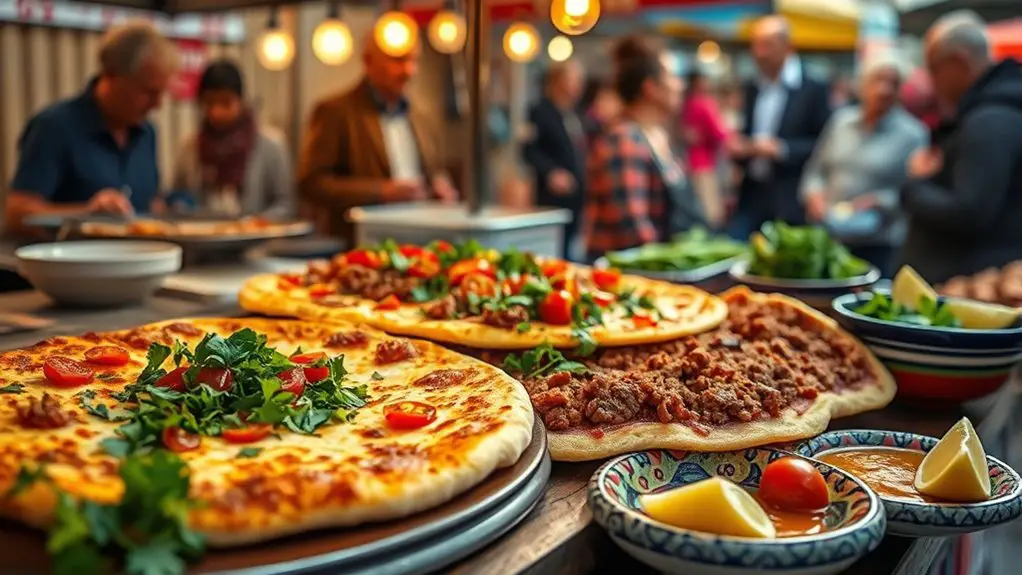
If you’re looking for the best lahmacun in Istanbul, start with places that specialize in the dish rather than choosing a restaurant only because it sits in a famous neighborhood. Kadıköy has several long-running favorites, while Nişantaşı and Şişli are excellent for Gaziantep-style and regional interpretations. A great lahmacun should arrive hot, thin, crisp at the edges, and balanced enough that you taste both the topping and the dough.
Quick Answer
For classic lahmacun in Istanbul, start with Halil Lahmacun or Borsam Taşfırın in Kadıköy. Try Tatbak in Nişantaşı for a Gaziantep-style version, Mahir Lokantası in Şişli for a bold lamb-topped interpretation, or Çiya Kebap/Lahmacun in Kadıköy for a restaurant with deep regional-food roots.
Key Takeaways
- Kadıköy is the easiest area for a lahmacun-focused food crawl, with Halil Lahmacun, Borsam Taşfırın, and Çiya within the broader district.
- Tatbak is a strong choice for Gaziantep-style lahmacun, while Mahir Lokantası is known for a richer lamb-and-Urfa-chilli version.
- Regional styles matter. Gaziantep preparations are strongly associated with garlic, while Şanlıurfa versions prominently use onion and isot.
- Eat lahmacun as soon as possible after baking if you want the crispest base; delivery and stacking can soften it.
- Prices change quickly in Istanbul. Check the restaurant’s current menu rather than relying on old travel-blog price ranges.
Disclosure: As an Amazon Associate I earn from qualifying purchases. Some links on this page are affiliate links, at no extra cost to you.
The History of Lahmacun
Lahmacun belongs to a much broader regional tradition of baking seasoned meat on thin flatbread, so its history is more complicated than a single neat origin story. What is clear is that lahmacun is deeply established in Turkish food culture today, particularly in southeastern regional cuisines.
The dish is usually made by spreading a finely chopped or minced mixture of meat, vegetables, herbs, and seasoning over thin dough before baking it quickly at high heat. Recipes change from city to city and from one restaurant to another.
One important modern recognition came in 2025, when Antep Lahmacunu/Gaziantep Lahmacunu was entered into the European Union register of geographical indications. The registered specification describes a thin dough topped with minced lamb, parsley, tomatoes, garlic, red and green peppers, black pepper, optional ground red pepper, and salt before baking in a stone oven.
Gaziantep-style lahmacun is now more than a loosely defined regional label: Antep Lahmacunu/Gaziantep Lahmacunu received formal EU geographical-indication registration in 2025.
Best Lahmacun Restaurants in Istanbul
Istanbul has thousands of places selling lahmacun, but a few names repeatedly stand out because they focus on the dish or have a long record of serving regional Turkish food. The best choice depends on where you are staying and which style you want to try.
Halil Lahmacun, Kadıköy
Best for: a focused, no-frills classic in the Kadıköy market area.
Halil Lahmacun is one of Kadıköy’s best-known specialists. The menu is intentionally narrow, and the main attraction is thin, freshly baked lahmacun served with traditional accompaniments such as parsley and lemon.
It is a particularly convenient stop when exploring Kadıköy on foot. Seating can be limited, so it works well as a quick lunch or early dinner rather than a long restaurant meal. Halil and nearby Borsam Taş Fırın have both been highlighted in Food & Wine’s guide to eating in Istanbul.
Borsam Taşfırın, Kadıköy
Best for: quick stone-oven lahmacun and pide.
Borsam Taşfırın is another useful Kadıköy option when you want a hot lahmacun without turning the meal into a long sit-down experience. The restaurant focuses heavily on baked items such as lahmacun and pide.
The usual move is simple: order the lahmacun, add lemon and greens, roll or fold it, and eat it while the base is still crisp. It is also a practical choice when several people in your group want different types of pide.
Çiya Kebap/Lahmacun, Kadıköy
Best for: travelers interested in regional Turkish cooking beyond one standard lahmacun recipe.
Çiya is often discussed as though it were one restaurant, but its history is more specific. The official Çiya site describes separate but closely located restaurants in the Kadıköy market area, including its kebab/lahmacun operation and Çiya Sofrası.
Çiya’s roots go back to a kebab and lahmacun restaurant opened in Kadıköy in 1987. Its own history also notes experimentation with vegetarian lahmacun, making it especially relevant for diners interested in nontraditional versions.
Note: When specifically looking for lahmacun, check the Çiya Kebap/Lahmacun side of the operation rather than assuming every dish is served at Çiya Sofrası. The venues are close together, but their menus and concepts are not identical.
Tatbak, Nişantaşı
Best for: a classic Gaziantep-style, garlic-forward lahmacun.
Tatbak has operated in Nişantaşı since 1960 and explicitly describes its lahmacun as Antep-style. Its current menu includes standard lahmacun, fındık lahmacun, and çullama lahmacun.
The restaurant is also listed by the Michelin Guide, which specifically highlights its Gaziantep-style lahmacun. Tatbak says it has only one location, so make sure you are heading to its Akkavak Sokak address in Nişantaşı rather than a similarly named business.
Mahir Lokantası, Şişli
Best for: a richer, strongly seasoned lahmacun as part of a broader Turkish meal.
The Michelin Guide describes Mahir Lokantası as serving a lamb lahmacun flavored with black Urfa chilli and fresh herbs. It is a useful choice when your group wants lahmacun alongside dishes such as stuffed vegetables, soups, or other Turkish classics.
Mahir can become busy, so arriving outside the main lunch and dinner rush can make the visit easier.
Best Istanbul Neighborhoods for Lahmacun
Kadıköy
If lahmacun is one of the main reasons for your food outing, Kadıköy is the strongest starting point. Halil Lahmacun, Borsam Taşfırın, and the Çiya restaurants make it possible to compare different interpretations without crossing the city.
Kadıköy also works well because you can combine lahmacun with a walk through the market, Turkish coffee, dessert, or a ferry ride.
Nişantaşı and Şişli
Head toward Nişantaşı for Tatbak if your priority is Gaziantep-style lahmacun. Nearby Şişli also gives you access to Mahir Lokantası and a broader selection of traditional restaurants.
Beyoğlu, Karaköy, and Fatih
These central districts contain many kebab shops, bakeries, and restaurants that serve lahmacun, making them convenient when you are sightseeing on the European side. However, neighborhood reputation alone does not guarantee the best version. Look for busy ovens, a menu that gives lahmacun real attention, and flatbreads being baked to order.
Pro Tip: If lahmacun is the priority rather than simply a convenient lunch, choose the restaurant first and the neighborhood second. A specialist with a hot oven and fast turnover usually matters more than being in a famous tourist district.
Regional Lahmacun Styles to Know
There is no single topping formula used across Türkiye. Two of the clearest regional reference points are Gaziantep and Şanlıurfa.
Gaziantep or Antep Lahmacun
The EU-registered specification for Antep Lahmacunu/Gaziantep Lahmacunu uses minced lamb with parsley, tomatoes, garlic, peppers, and seasoning on thin dough. Garlic is one of the most recognizable differences for diners comparing southeastern styles.
Tatbak is a practical Istanbul destination for trying this approach.
Şanlıurfa Lahmacun
GoTürkiye’s Şanlıurfa gastronomy guide describes the local version as using unleavened dough, onion, abundant seasoning, and the region’s isot pepper, with wood ovens playing an important role. Ayran and fresh greens are traditional companions.
This gives Urfa-style lahmacun a different aromatic profile from the garlic-forward Gaziantep tradition.
Other Regional and Modern Variations
You may also see menus using labels such as Adana, Hatay, spicy, walnut, cheese, or house-style lahmacun. Treat those names as a guide rather than assuming every restaurant follows one standardized recipe. Ask what is actually in the topping if a particular ingredient matters to you.
What Makes the Perfect Lahmacun?
A good lahmacun is about proportion. Neither a mountain of topping nor an ultra-dry cracker-like base automatically makes it better.
Thin, Balanced Dough
The dough should be rolled thin enough to cook quickly and develop crisp edges, but it should remain flexible enough to fold or roll without shattering.
Stone ovens are strongly associated with regional preparations, including the registered Gaziantep specification. High heat allows the dough and topping to cook together quickly.
Fresh, Evenly Spread Topping
The meat and vegetable mixture should be spread in a thin, even layer so that the topping cooks at the same pace as the dough. The exact meat can vary by restaurant, although the registered Gaziantep specification calls for lamb.
Tomato and peppers provide moisture, herbs add freshness, and onion or garlic can define the regional character. Too much wet topping can leave the center soft, while too little can make the lahmacun taste mostly of bread.
Fresh-from-the-Oven Service
Lahmacun is at its best soon after baking. Steam builds when several pieces are stacked or enclosed in delivery packaging, which can soften a base that was crisp when it left the oven.
For maximum texture, eat it at the restaurant or shortly after takeaway.
Vegetarian and Vegan Lahmacun Options
Traditional lahmacun is a meat-topped flatbread, so a meat-free version is a modern variation rather than the standard dish. Istanbul nevertheless has restaurants that experiment with vegetable-based toppings.
Çiya’s own history states that vegetarian lahmacun experiments were introduced at its restaurant and became part of its menu tradition. Other restaurants may use combinations of peppers, tomatoes, eggplant, herbs, mushrooms, nuts, or plant-based mixtures.
Useful ingredients in a meat-free version include:
- Tomatoes and peppers for moisture and sweetness.
- Onion, garlic, parsley, and mint for aroma.
- Eggplant or mushrooms for a fuller texture.
- Walnuts or other nuts for richness in some modern interpretations.
Note: Traditional lahmacun dough contains wheat. If you have celiac disease or need strict gluten avoidance, ask about both the dough and cross-contact from shared preparation areas and ovens. A restaurant calling a topping “vegan” does not make the bread gluten-free.
Pairing Lahmacun With Turkish Drinks
The classic pairing is simple: lahmacun and cold ayran. Other drinks can work depending on how spicy or rich your meal is.
| Drink | Why It Works |
|---|---|
| Ayran | Cool, tangy yogurt helps balance a spicy or rich topping. |
| Şalgam | A salty, sour, sometimes spicy regional drink that stands up well to bold seasoning. |
| Turkish tea | Better after the meal when you want something warm and aromatic. |
| Pomegranate juice | Not the classic pairing, but its sweet-tart flavor can work with a peppery lahmacun. |
How to Enjoy Lahmacun Like a Local
There is no complicated ceremony. Lahmacun is meant to be practical, fresh, and easy to eat.
- Add parsley or other fresh greens if they come with the plate.
- Squeeze on fresh lemon for acidity.
- Add onion or peppers when they are served alongside and suit the regional style.
- Fold or roll the lahmacun into an easy-to-hold wrap.
- Drink ayran alongside it for one of the most traditional pairings.
One lahmacun can work as a snack, but many diners order more than one for a full meal, especially when the pieces are particularly thin. Ordering one first is an easy way to judge the size before adding another.
Practical Tips for Ordering Lahmacun in Istanbul
Eat in when texture matters. Delivery is convenient, but trapped steam softens thin bread quickly.
Check the menu on the day you visit. Istanbul restaurant prices can change much faster than old travel articles are updated. The 20–50 TL figures found in older guides are no longer useful for planning a 2026 meal.
Ask whether it is acılı or acısız. These terms generally mean spicy and non-spicy. Even an “acısız” version can still contain aromatic pepper and seasoning.
Do not assume every regional label means the same thing everywhere. If you specifically want garlic-forward Antep style or onion-and-isot-heavy Urfa style, ask before ordering.
Plan around queues at famous specialists. A place with limited seating can be far easier before the main lunch or dinner rush.
Frequently Asked Questions
Can I order lahmacun for delivery in Istanbul?
Yes. Many Istanbul restaurants offer takeaway or delivery through restaurant and delivery platforms. Keep in mind that lahmacun loses some crispness while enclosed in a delivery box, so dine-in or immediate pickup is better when texture is your priority.
What is the best time to eat lahmacun?
There is no required time of day. Lunch and early dinner are convenient, but famous specialists can be busiest then. Visiting just before or after peak meal times can mean shorter waits and a better chance of getting a table.
Is lahmacun gluten-free?
No. Traditional lahmacun uses wheat-based dough. A restaurant would need a genuinely gluten-free dough plus suitable precautions against cross-contact for it to be appropriate for someone who must strictly avoid gluten.
How much does lahmacun cost in Istanbul?
Prices vary by neighborhood, restaurant, portion size, and whether you dine in or order through a delivery platform. Older estimates of 20–50 TL are no longer realistic for 2026. Because prices can change quickly, check the restaurant’s current menu on the day you visit rather than planning around a fixed citywide figure.
Is lahmacun the same as Turkish pizza?
“Turkish pizza” is a convenient English-language description, but lahmacun is its own flatbread tradition. Unlike most pizza, it usually has a very thin base, a finely spread meat-and-vegetable topping, and no layer of melted cheese.
What is the difference between Antep and Urfa lahmacun?
Gaziantep-style lahmacun is strongly associated with garlic; the registered Antep Lahmacunu specification uses lamb, garlic, tomatoes, peppers, parsley, and seasoning. Şanlıurfa’s version is commonly associated with onion and isot pepper. Individual restaurants can still vary their recipes.
Are there cooking classes for making lahmacun in Istanbul?
Yes, some Istanbul cooking and food-experience providers include flatbreads or lahmacun. Class menus change, so confirm that lahmacun is specifically included before booking rather than assuming every Turkish cooking class teaches it.
Sources
- EUR-Lex — Commission Implementing Regulation (EU) 2025/2237 — confirms the 2025 geographical-indication registration of Antep Lahmacunu/Gaziantep Lahmacunu.
- EUR-Lex — Antep Lahmacunu/Gaziantep Lahmacunu product specification — documents the ingredients and preparation associated with the registered Gaziantep style.
- GoTürkiye — Şanlıurfa Gastronomy — supports the description of Şanlıurfa lahmacun, isot, onion, wood-oven cooking, ayran, and greens.
- Çiya — Official Website — supports the restaurant’s Kadıköy history and kebab/lahmacun focus.
- Tatbak — Official Website — supports its Nişantaşı location, history, menu, and Antep-style lahmacun.
- Michelin Guide — Mahir Lokantası — supports the restaurant recommendation and description of its lamb-and-Urfa-chilli lahmacun.
Conclusion
Finding excellent lahmacun in Istanbul is less about chasing one universally “best” restaurant and more about deciding which style you want to taste. Kadıköy is ideal for comparing classic specialists such as Halil Lahmacun and Borsam with Çiya’s regional approach. Tatbak is a strong stop for Gaziantep-style lahmacun, while Mahir Lokantası offers a richer regional interpretation.
Whichever place you choose, eat the lahmacun while it is hot, add lemon and greens to taste, and try it with ayran. That simple combination tells you far more about Istanbul’s lahmacun culture than any generic “Turkish pizza” description ever could.
