
Last Updated on September 10, 2026 by Daniel Globe
If you are searching for hiking shoes near you, the best place to start is a local outdoor specialty shop or a sporting-goods retailer where you can compare several models and try them on. Major chains also make it easy to search nearby stores by ZIP code and check local inventory before you leave home.
Quick Answer
You can buy hiking shoes near you at local outdoor stores, specialty hiking shops, sporting-goods chains such as REI and DICK’S, Bass Pro Shops or Cabela’s locations, and some department or mass-market stores. For the best fit, check local inventory online first, then try shoes on with your normal hiking socks.
Key Takeaways
- Start with outdoor specialty stores when fit advice and a wide choice of hiking-specific footwear matter most.
- Use official store locators and pickup filters to check nearby inventory before driving to a store.
- Choose shoes based on fit, terrain, weather, traction, and the load you plan to carry rather than brand name alone.
- Try hiking footwear with the socks and orthotics you normally use, and make sure your toes do not hit the front when walking downhill.
- Used shoes can save money, but inspect the outsole, midsole, lining, insoles, and overall wear before buying.
Disclosure: As an Amazon Associate I earn from qualifying purchases. Some links on this page are affiliate links, at no extra cost to you.
Start With Local Outdoor Stores
Local outdoor stores can be one of the best places to buy hiking shoes because their selection is often shaped by the activities and terrain in the surrounding area. A shop near mountain trails may carry more rugged footwear, while a store serving flatter or warmer regions may stock a larger selection of lightweight hiking shoes and trail footwear.
The biggest advantage is the chance to try several models and talk with staff who are familiar with outdoor footwear. Fit varies between brands and even between models from the same brand, so comparing shoes side by side can be more useful than choosing a pair solely from reviews.
Some local outdoor stores also host clinics, guided hikes, equipment demonstrations, navigation classes, or other community events. These programs are not available at every shop, but they can make a specialty store a useful source of local trail information as well as gear.
How to Find Hiking Shoes Near You
- Search official store locators. Enter your ZIP code or city into the REI store locator, DICK’S Sporting Goods directory, or Bass Pro Shops and Cabela’s store locator.
- Check local inventory. Many retailers let you select a nearby store and filter products by pickup availability. This is especially helpful when you need a specific size, width, or model.
- Search a manufacturer’s dealer locator. If you already know the brand you want, a tool such as the Merrell store locator can help you find nearby sellers.
- Call before making a long trip. Online inventory can change quickly. A quick call can confirm whether the store actually has your size and width available to try on.
Pro Tip: Do not search only for “hiking shoes.” Try nearby searches for “outdoor store,” “hiking footwear,” “trail shoes,” “backpacking store,” and the specific brand you want. Smaller specialty shops may carry excellent footwear even when they do not rank highly for the exact phrase “hiking shoes near me.”
Specialty Hiking and Outdoor Gear Shops
Specialty hiking and outdoor gear shops focus more heavily on hiking, backpacking, climbing, and related activities than general retailers. Their footwear departments may include lightweight hiking shoes, waterproof models, backpacking boots, approach shoes, trail-running shoes, and footwear in multiple widths.
This wider selection can be especially useful if you have a difficult-to-fit foot, need a wide or narrow size, use orthotics, or are preparing for rugged terrain. Experienced staff may also be able to explain differences in outsole stiffness, cushioning, toe-box shape, waterproof membranes, and heel fit.
Many specialty stores also place a strong emphasis on education and responsible outdoor recreation. Some offer classes or partner with local outdoor and conservation groups. Availability varies by store, so check the shop’s current event calendar rather than assuming a particular program is offered.
Sporting Goods Stores
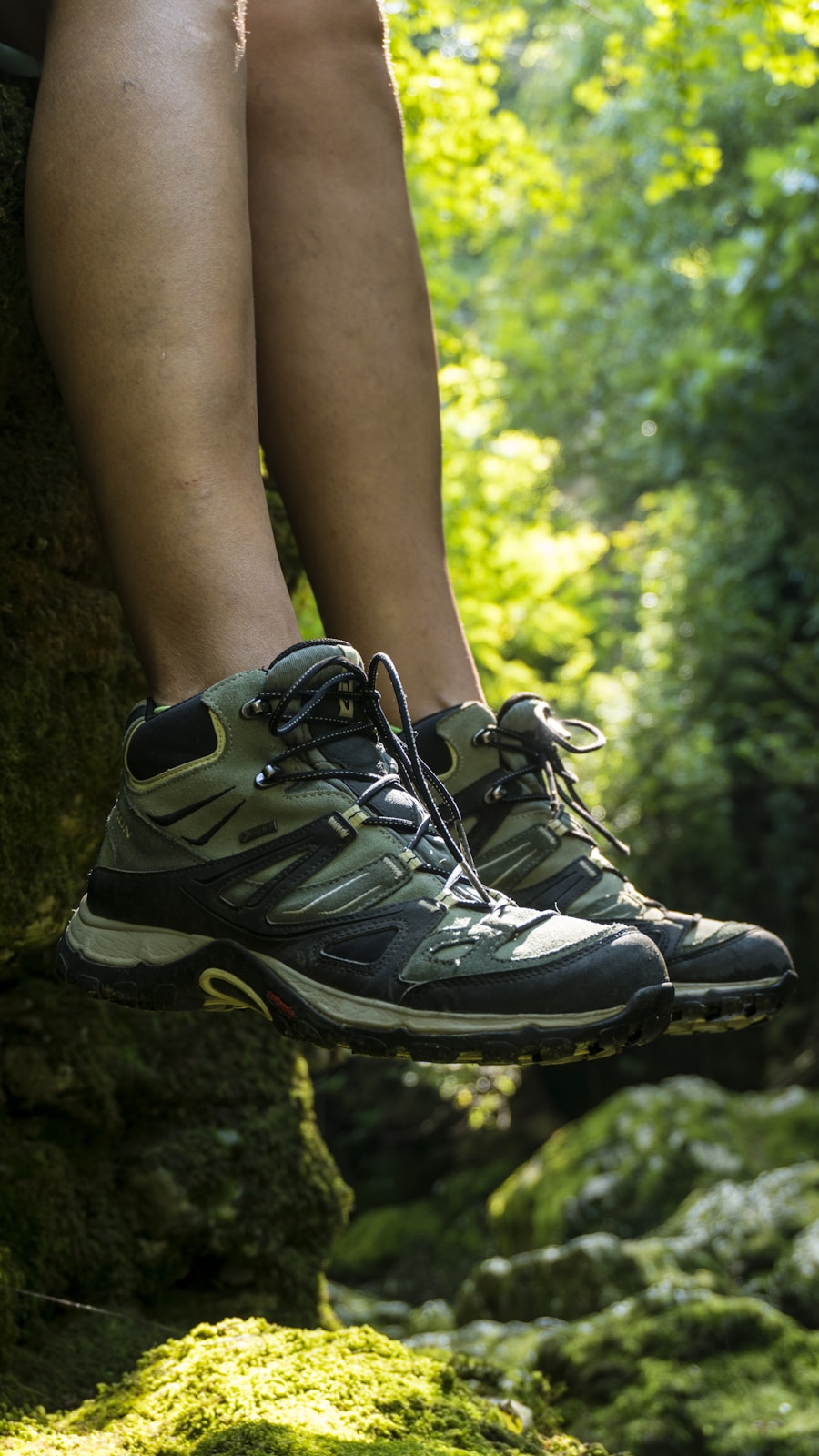
Sporting-goods stores are another convenient place to look for hiking shoes. Large retailers often carry footwear for hiking, trail running, camping, running, and other sports, which makes it easy to compare several categories in one visit.
DICK’S Sporting Goods, for example, currently lists hiking shoes and hiking boots from brands including Merrell, Salomon, HOKA, KEEN, Timberland, and others. Product selection differs by location, so use the store selector or pickup filter before visiting.
Sporting-goods stores can also be useful when you are shopping for several pieces of gear at once. You may be able to compare socks, trekking poles, hydration gear, backpacks, and footwear during the same trip.
Sales and clearance pricing can make these stores competitive, but discounts change throughout the year. Compare the current price, size availability, and return policy instead of assuming a particular season will always have the best deal.
Major Outdoor and Sporting-Goods Chains
| Retailer | Best For | How to Shop Nearby |
|---|---|---|
| REI Co-op | Broad hiking-footwear selection, specialty outdoor advice, multiple hiking brands | Search by ZIP or city and select a store to view pickup availability |
| DICK’S Sporting Goods | Convenient chain locations and a mix of hiking, trail, and athletic footwear | Use its store directory and pickup filters for eligible in-stock products |
| Bass Pro Shops / Cabela’s | Outdoor-focused shopping with hiking, hunting, camping, and rugged footwear | Use the combined store locator, then check the selected store’s current footwear inventory |
| Brand Dealers | Finding a specific brand, model, or authorized local seller | Use the manufacturer’s official dealer or store locator and search by ZIP code |
Note: Store counts, product selections, pickup times, and individual sizes change regularly. Checking the selected location’s live inventory is more useful than relying on a fixed nationwide store-count table.
Department Stores and Mass-Market Retailers
Department and mass-market stores may also carry hiking shoes, outdoor footwear, or casual trail shoes. Their main advantage is convenience: you can shop for footwear alongside clothing, household products, and other everyday items.
Selection can vary much more from one location to another, and staff may not have the same hiking-specific fitting experience found at an outdoor specialty shop. These stores can still work well for casual hikers, easy trails, occasional outdoor use, or shoppers working within a tighter budget.
Before visiting, search the retailer’s website for your size and select your preferred local store. If a shoe will be used for long hikes, rocky terrain, or backpacking, compare its outsole, fit, cushioning, and intended use rather than choosing it only because it is inexpensive.
Online Retailers With Local Pickup Options
Online shopping can make the search process faster because you can compare sizes, widths, product features, reviews, and local availability before leaving home. Retailers such as REI and DICK’S allow shoppers to select a nearby store and identify eligible footwear that can be picked up locally.
This approach works particularly well when you already know your approximate size but still want to try the shoes before committing to them. It can also help you avoid driving to a store that does not have your size.
When buying completely online, check the retailer’s current return and exchange policy before wearing the shoes outdoors. Fit can vary significantly between footwear models even when the size printed on the box is the same.
Hiking Shoes vs. Hiking Boots vs. Trail-Running Shoes
Knowing which category you need will make your local search much easier. Hiking footwear is not one single type of shoe.
- Hiking shoes: Usually low-cut and lighter than traditional hiking boots. They are a practical choice for many day hikes, maintained trails, and hikers who prefer less bulk.
- Hiking boots: Generally higher-cut and more structured, with tougher uppers and more protection for rugged terrain, backpacking, and harsher conditions.
- Trail-running shoes: Typically lighter and more flexible. Many hikers like them for fast movement and well-maintained trails, although they may provide less underfoot structure or durability than burlier hiking footwear.
The REI hiking footwear guide recommends matching footwear to the distance, terrain, conditions, and load you expect to carry rather than automatically choosing the heaviest boot.
How to Choose Hiking Shoes in the Store
Check the Fit First
A hiking shoe should feel secure without painful pressure. Your heel should remain reasonably stable, the shoe should not pinch across the forefoot or instep, and your toes should have space to move.
REI’s current fitting guidance recommends trying footwear later in the day, when feet may be slightly larger, and wearing the same type of socks you intend to use on the trail. It also recommends checking length by comparing your foot with the removable insole; roughly a thumb’s width between the longest toe and the end of the insole is a useful starting point.
Warning: Do not assume painful pressure will disappear after a shoe is “broken in.” If your toes hit the front, the forefoot is pinched, or you notice an obvious hot spot while trying the shoe on, test a different size, width, or model.
Walk Up and Down an Incline
If the store has a fitting ramp or test surface, walk both uphill and downhill. On the descent, your toes should not repeatedly strike the front of the shoe. Excessive heel movement can also create friction during a long hike.
Bring Your Hiking Socks and Orthotics
Sock thickness changes fit. Try shoes with the socks you expect to hike in rather than thin dress socks. If you use custom orthotics or aftermarket insoles, bring them with you so you can evaluate the shoe with your real setup.
Match the Shoe to the Terrain
For smooth, maintained trails, a lighter hiking shoe may be all you need. Rockier, steeper, or more uneven terrain may call for a stiffer outsole, more durable upper, deeper tread, or a higher-cut boot. A heavier backpack can also make a more supportive shoe or boot feel preferable.
Decide Whether You Need Waterproofing
Waterproof hiking shoes and boots can be useful for wet grass, mud, shallow water crossings, snow, or consistently rainy conditions. The tradeoff is that waterproof footwear can feel warmer and may dry more slowly once water gets inside.
For hot, dry trails, a breathable non-waterproof shoe may be more comfortable. There is no single best choice for every climate.
Inspect the Outsole and Traction
Look at the tread pattern and rubber coverage. Rugged trails, loose dirt, mud, and rock generally call for more trail-focused traction than smooth urban or casual shoes. The right outsole should match the surfaces you expect to hike most often.
Secondhand Stores and Consignment Shops
Affordable Options for Budget-Conscious Adventurers
Secondhand stores, consignment shops, outdoor resale programs, and gear swaps can be useful places to look for discounted hiking footwear. Some used-gear programs accept shoes as long as they remain in suitable condition.
For example, REI Re/Supply accepts eligible used footwear but excludes shoes with signs of heavy wear such as visible foot impressions. That is a useful standard to keep in mind when evaluating any secondhand pair.
Promoting Sustainability
Buying secondhand can extend the usable life of outdoor equipment and reduce demand for replacing serviceable gear. It can also make higher-quality footwear more affordable for hikers who are just starting out.
Expert Guidance
Outdoor consignment shops may have staff who understand the products they sell and can help explain the condition of a used item. However, the quality of secondhand footwear varies widely, so inspect the pair yourself rather than relying only on the brand name.
What to Check on Used Hiking Shoes
- Look for uneven or heavily worn tread.
- Check whether the midsole feels badly compressed or tilted.
- Inspect seams, eyelets, laces, toe caps, and waterproof areas for damage.
- Look inside for deep foot impressions or worn lining.
- Make sure the original or suitable replacement insoles are present.
- Try both shoes on and walk in them before buying whenever possible.
- Confirm whether the shop allows returns on used footwear.
Hiking and Outdoor Gear Rental Shops
Outdoor rental shops are useful when you need expensive equipment for a short trip but do not want to purchase everything at once. Depending on the shop, rental inventories may include tents, backpacks, sleeping bags, trekking equipment, snowshoes, climbing equipment, and other specialized gear.
Footwear rental is not offered everywhere, so do not assume a general outdoor rental shop will have hiking shoes or boots in your size. Call ahead and ask specifically about footwear, sizing, cleaning procedures, and replacement policies.
Even when shoes are not available to rent, a local rental shop can still be helpful because its staff may know which nearby stores carry appropriate footwear for local trail conditions.
Local Hiking Clubs and Groups
Local hiking clubs and groups are not usually retail stores, but they can be valuable sources of local buying advice. Experienced members often know which nearby shops carry certain brands, which stores offer knowledgeable fitting help, and where seasonal gear swaps or secondhand sales take place.
These groups may also organize hikes ranging from easy outings to more demanding treks. For a new hiker, joining an organized outing can provide practical experience with local terrain before spending heavily on specialized footwear or equipment.
Many clubs also offer education related to navigation, first aid, trail stewardship, plant identification, or other outdoor skills. Some participate in trail maintenance and clean-up projects, giving members a way to build skills while supporting the outdoor areas they use.
Which Hiking Shoe Brands Should You Look For?
There is no single hiking-shoe brand that fits everyone best. Current outdoor retailers carry brands such as Merrell, Salomon, KEEN, Oboz, HOKA, La Sportiva, Danner, Columbia, The North Face, and others. Each brand uses different lasts, toe-box shapes, heel shapes, cushioning systems, and widths.
Instead of choosing only from a “best brands” list, start with the models that fit your foot correctly and meet your trail needs. A less-famous model that fits perfectly is a better purchase than a highly rated shoe that pinches or lets your heel slide.
In-Store vs. Online: Which Is Better?
Buying in a store is usually best when you are new to hiking footwear, have had fit problems before, need a special width, use orthotics, or want to compare several models immediately.
Buying online can work well when you already know the brand and model that fits you, need a size your local store does not stock, or find a retailer with a convenient return policy.
A useful middle ground is to shop online, filter for local pickup, and then try the shoes on before your first real hike.
The best hiking shoe is not the one with the most impressive feature list. It is the pair that fits your foot, suits your terrain, and stays comfortable when you walk uphill and downhill.
If you are looking for where to buy hiking shoes near you, you may also be interested in reading about the best travel gifts for her. This article provides ideas for gifts for female travelers. Check it out here.
Love travel? Join Our Facebook Community
Frequently Asked Questions
What are hiking shoes?
Hiking shoes are trail-oriented footwear designed to provide traction, underfoot protection, durability, and comfort on outdoor terrain. They are generally lower-cut and lighter than traditional hiking boots, although the exact level of cushioning, stiffness, waterproofing, and support varies by model.
Where can I buy hiking shoes near me?
Start with local outdoor specialty stores and sporting-goods retailers. REI, DICK’S Sporting Goods, Bass Pro Shops, and Cabela’s maintain online store directories. You can also use a hiking-shoe manufacturer’s dealer locator to find authorized sellers near your ZIP code.
How should hiking shoes fit?
They should feel secure without painful tightness. Your heel should stay reasonably stable, your forefoot should not be pinched, and your toes should have room to move without hitting the front of the shoe when you walk downhill. Try them with your normal hiking socks and any orthotics you use.
What should I look for when buying hiking shoes?
Prioritize fit first, then consider the terrain, outsole traction, cushioning, shoe stiffness, width, durability, waterproofing, breathability, and the weight you expect to carry. Also check the retailer’s return policy before taking a new pair outdoors.
Do I need waterproof hiking shoes?
Not always. Waterproof footwear can be useful in rain, mud, wet vegetation, shallow water, and snow. For hot and dry conditions, a more breathable non-waterproof shoe may feel cooler and can dry faster if it becomes wet.
What are the best brands for hiking shoes?
There is no single best brand for every foot. Widely sold hiking-footwear brands include Merrell, Salomon, KEEN, Oboz, HOKA, La Sportiva, Danner, Columbia, and The North Face. Compare models based on fit and intended use rather than assuming one brand is automatically better.
Can I buy hiking shoes online?
Yes. Buying online works especially well when you already know which model and size fit you. Many retailers also let you order or reserve eligible footwear for local pickup. Check the current return policy before wearing the shoes outside in case the fit is not right.
Is it okay to buy used hiking shoes?
Used hiking shoes can be a good budget option when they are lightly worn and still fit correctly. Avoid pairs with badly worn tread, deep foot impressions, damaged uppers, missing insoles, or noticeably compressed or uneven midsoles. Try them on before buying whenever possible.
Sources
- REI Co-op — How to Choose Hiking Boots and Hiking Shoes — footwear types, terrain considerations, and fit guidance.
- REI Store Locator — locating nearby REI stores by city or ZIP code.
- DICK’S Sporting Goods Store Directory — locating nearby sporting-goods stores.
- Bass Pro Shops and Cabela’s Store Locator — locating nearby Bass Pro Shops and Cabela’s stores.
- Merrell Store Locator — finding stores and dealers that carry Merrell footwear.
- REI Re/Supply FAQ — current guidance on used outdoor gear and footwear condition.
