
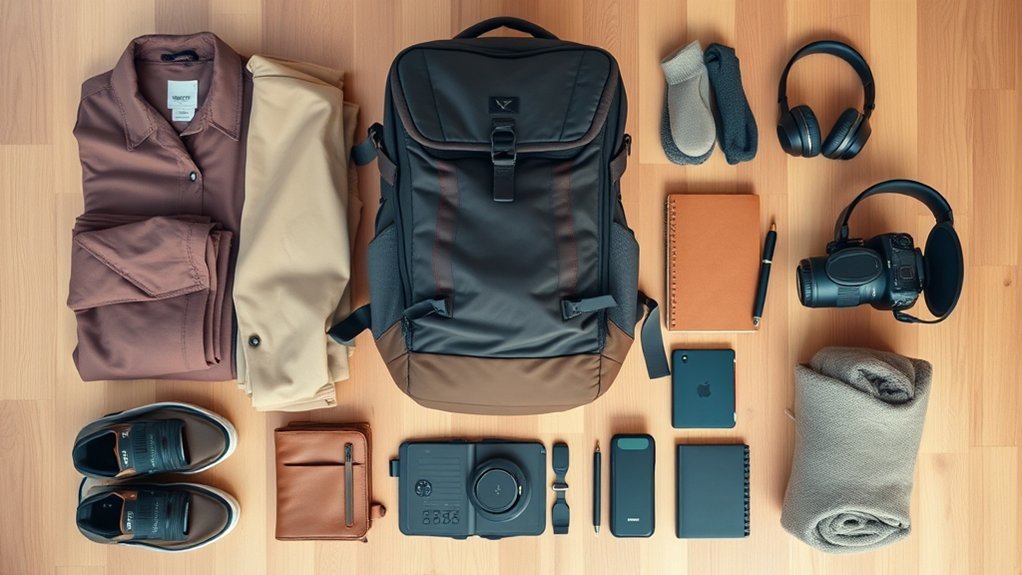
Last Updated on July 30, 2026 by Caleb Warren
Packing for long-term travel is less about preparing for every possible event and more about building a small, repeatable system. Choose luggage you can carry comfortably, pack about one week of mix-and-match clothing, plan regular laundry, and keep documents, medication, valuables, and essential electronics in your personal item or carry-on.
Quick Answer
For long-term travel, pack for roughly seven days rather than the full trip. Build a compact capsule wardrobe, limit footwear to two or three pairs, schedule laundry, and verify airline, climate, visa, medication, and electrical requirements. Keep critical documents, medicine, batteries, chargers, and one change of clothes in your carry-on.
Key Takeaways
- Pack for the time between laundry days, not for the total length of your trip.
- Check every airline on your itinerary because carry-on size, weight, quantity, and fees vary.
- Choose clothing that layers, dries reasonably fast, and works in several outfits.
- Keep passports, medication, valuables, spare lithium batteries, and power banks out of checked luggage.
- Do a final weight and comfort test before leaving home, then remove items you cannot justify.
At a Glance
| Time Required | 60–90 minutes, plus destination research |
| Difficulty | Easy to moderate |
| Tools Needed | Packing list, luggage scale, packing cubes or pouches, and airline baggage rules |
| Cost | $0 using items you own; about $20–$50 for optional organizers or a luggage scale |
Disclosure: As an Amazon Associate I earn from qualifying purchases. Some links on this page are affiliate links, at no extra cost to you.
Essential Packing Strategy for Long-Term Travel
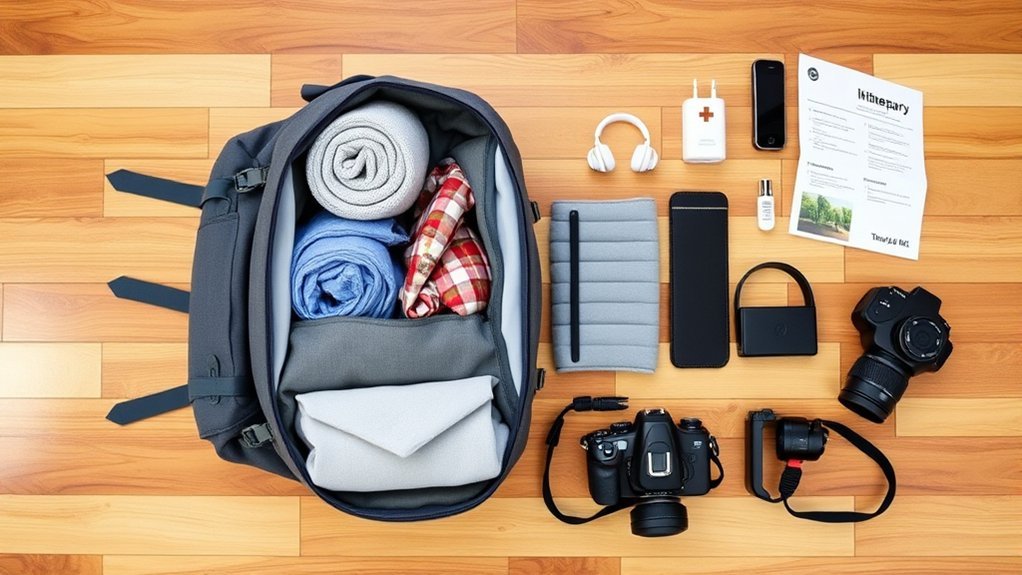
Start with the limits of the trip rather than a shopping list. Note your destinations, seasons, planned activities, local dress expectations, access to laundry, airline baggage allowances, and any equipment required for work or health. These details determine what earns space in your bag.
- Choose a laundry interval. For most travelers, packing seven to ten days of underwear and a smaller number of reusable tops and bottoms is enough. Plan to wash clothing weekly or sooner in hot, humid conditions.
- Build outfits before packing. Every top should work with most bottoms. Use a simple color palette and layers instead of packing separate outfits for every occasion.
- Separate must-haves from replaceable items. Passports, prescribed medicine, corrective lenses, work devices, and specialized gear are hard to replace. Extra toiletries and ordinary clothing are usually easier to buy later.
- Pack once, test, and edit. Weigh the loaded bag, carry it for ten minutes, and climb a flight of stairs. Remove duplicate and “just in case” items if the bag is uncomfortable or over the airline limit.
The 1-2-3-4-5-6 rule can be a useful starting point: one hat, two pairs of shoes, three bottoms, four tops, five pairs of socks, and six pairs of underwear. It is a flexible guideline, not a universal rule. Add cold-weather layers, modest clothing, swimwear, formal wear, or activity-specific gear only when your route requires them.
Pro Tip: Lay out every item, photograph the full kit, and record the packed weight. The photo becomes a reusable checklist and makes it easier to spot duplicate clothing or forgotten essentials.
Choosing the Right Luggage
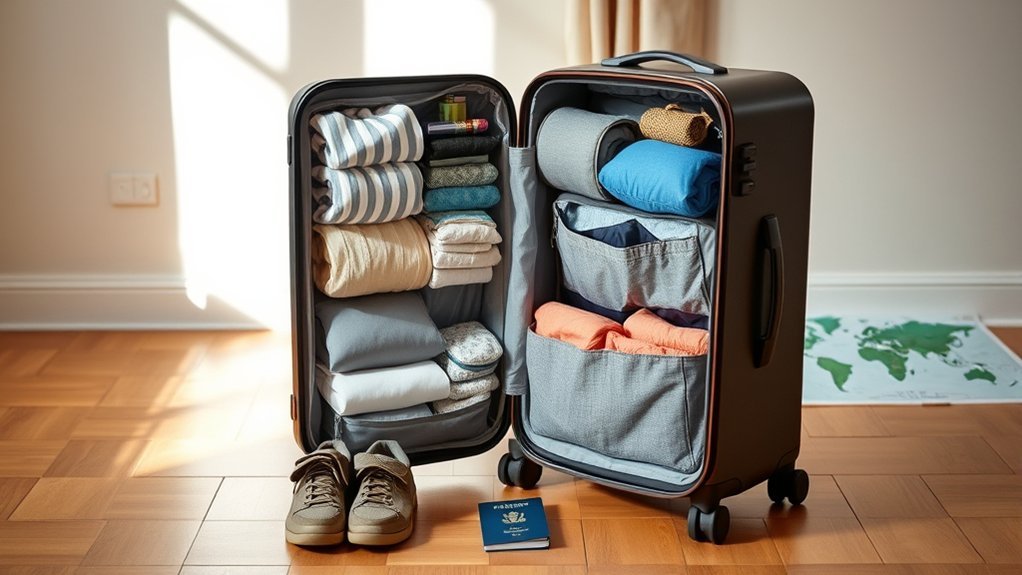
The best luggage depends on how you will move. A hard-sided wheeled case protects fragile contents and rolls well through airports and hotels. A lightweight travel backpack is easier on stairs, cobblestones, public transportation, and routes with frequent transfers. Soft-sided bags can be easier to fit into tight spaces, while structured bags are easier to organize.
Compare these features before buying or choosing a bag:
- Airline fit: Check the size, weight, number of items, and fees for every airline and fare on your itinerary. The U.S. Department of Transportation notes that there is no single federal carry-on standard.
- Comfort: For a backpack, look for an adjustable harness, supportive hip belt, and load-lifter straps. For wheeled luggage, test the handle height and wheel stability.
- Empty weight: A heavy bag uses part of your allowance before you add anything.
- Access and security: Clamshell openings, lockable zippers, and a small quick-access pocket can simplify travel days.
- Repairability: Replaceable buckles, common wheel sizes, durable zippers, and a clear warranty matter more on a long trip than decorative features.
A carry-on-sized bag can improve mobility, but it does not automatically avoid fees or qualify on every flight. Some low-cost fares charge for overhead-bin luggage, and smaller aircraft may require gate-checking. Keep medication, batteries, documents, valuables, and fragile electronics in a personal item that fits under the seat.
Warning: Never assume a bag marketed as “carry-on compliant” will be accepted everywhere. Measure the packed bag, weigh it, and check the operating airline’s current rules before each flight.
Versatile Clothing Choices
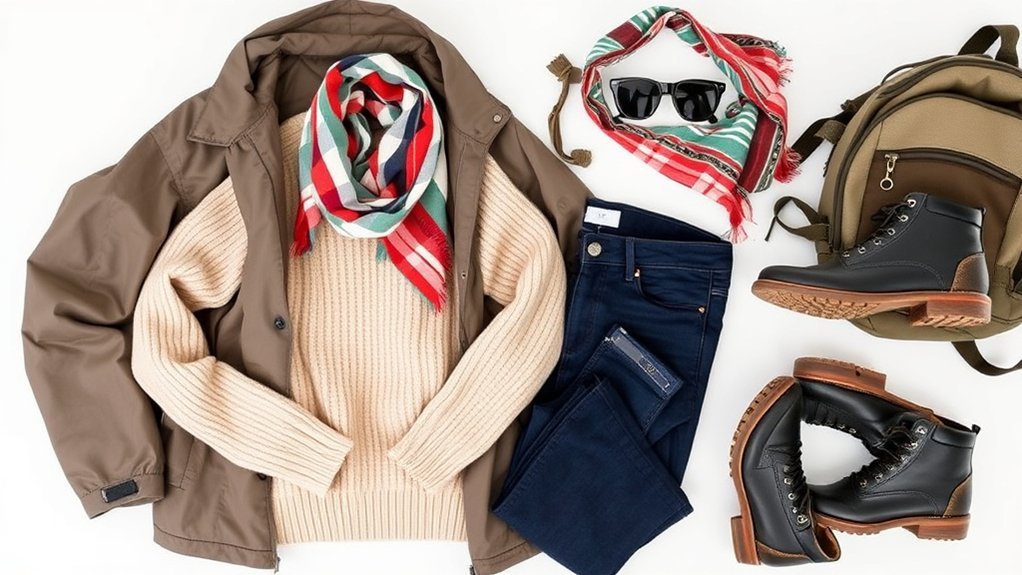
A practical long-term travel wardrobe should cover about one week between washes and create several outfits from a small number of pieces. Choose clothing you already find comfortable, including items that do not need special care. Merino wool and many synthetic performance fabrics can manage moisture and dry faster than heavy cotton. Bamboo-based garments vary by fabric blend and construction, so check the care label rather than assuming they are quick-drying.
| Item Type | Suggested Quantity | Purpose |
|---|---|---|
| T-shirts or everyday tops | 4–6 | Daily wear and layering |
| Button-up or dressier top | 1–2 | Work, dining, or modest dress |
| Pants, skirts, or shorts | 2–3 total | Mix-and-match daily outfits |
| Dress, jumpsuit, or smart outfit | 0–1 | Formal or dressy-casual occasions |
| Sweatshirt, fleece, or light sweater | 1 | Midlayer for cool weather |
| Weather shell or insulated jacket | 0–1 | Rain, wind, or cold as required |
| Underwear and socks | 5–8 sets | One week between washes |
Use a three-part layering system for changing conditions: a comfortable base layer, a warmer midlayer, and a weather-resistant outer layer. In hot destinations, include a light long-sleeve shirt for sun protection and places where shoulders should be covered. In cold regions, prioritize warmth-to-weight rather than packing several bulky sweaters.
Before adding an item, ask whether it works with at least three other pieces, whether you would wear it during a normal week, and whether it can handle your planned washing method. If the answer is no, leave it home unless it serves a specific required activity.
Footwear Considerations
Footwear is bulky, so most long-term travelers are better served by two pairs, with a third pair only for a clear need. Wear the heaviest pair during transit and pack the lighter pair heel-to-toe in a shoe bag.
- Walking shoes: Choose a broken-in, supportive pair for city days, light trails, and long periods on your feet.
- Sandals or a lightweight second shoe: Use these for warm weather, casual outings, or giving your feet a break.
- Optional dress or activity shoe: Add one only for formal events, serious hiking, running, work requirements, or another planned activity.
- Flip-flops or sliders: These can be useful for shared showers, pools, or quick trips, but they should not replace supportive walking shoes.
Test every pair before departure. Walk several miles in the socks you plan to wear, check for rubbing and heel movement, and avoid packing brand-new shoes. Waterproof boots may be useful in sustained cold or wet conditions, but they can be hot, heavy, and slow to dry in warm climates.
Tech Accessories for Remote Work
Remote workers need reliable equipment, but duplicate gadgets add weight quickly. Start with the devices required to earn income or communicate, then add accessories that solve a known problem. Consolidating around USB-C can reduce the number of chargers and cables, provided every device supports the same charging standard and power level.
Essential Tech Gear
- Reliable laptop and phone: Use protective sleeves, device encryption, screen locks, and automatic updates.
- Compact multi-port charger: Confirm that its wattage is high enough for your laptop and other devices.
- Portable power bank: Choose a clearly labeled model with its watt-hour rating visible.
- Backup storage: Keep important work in an encrypted cloud service or on an encrypted external drive. A backup is most useful when it is separate from the main device.
- International plug adapter: Match the plug types used at your destinations and confirm whether grounded outlets are needed.
- Work-comfort accessories: A compact mouse, laptop stand, headset, or small keyboard may be worthwhile when used daily.
Note: A plug adapter changes the physical plug shape; it does not necessarily convert voltage. Check the input label on each charger. Devices marked for a range such as 100–240V usually accept common international voltages, but single-voltage appliances may need a suitable converter or should be left at home.
Under current FAA lithium-battery rules, spare lithium batteries and power banks must stay in carry-on baggage and must be protected from damage and short circuits. Most consumer lithium-ion batteries up to 100 Wh are permitted without airline approval. Batteries from 101 to 160 Wh generally require airline approval and are limited in quantity, while larger spare batteries are not allowed on passenger aircraft.
Organizing Cords Efficiently
Use one compact tech pouch with separate loops or pockets for chargers, cables, adapters, and storage devices. Label similar cables, secure them with reusable ties, and carry one tested spare for any cable that would stop you from working. Store a small list of device models and charger requirements offline so you can buy a compatible replacement if needed.
Before departure, download offline copies of important files, save recovery codes for two-factor authentication in a secure location, and test your backup. Keep the power bank, spare batteries, and critical charging cable where you can remove them quickly if a carry-on bag must be gate-checked.
Streamlining Toiletries and Skincare
Pack a simple routine based on what you use every day. Decant only enough liquid for the first part of the trip, then refill or replace common products locally. A quality toiletry bag with several compartments makes small items easier to find and helps contain leaks.
- Bar soap or solid toiletries: These reduce liquid volume. Let bars dry before closing them in a ventilated or quick-drying soap case.
- Reusable makeup wipes: Carry enough to rotate between washing and drying, and store used wipes separately.
- Leak-resistant containers: Use bottles made for travel, leave a little expansion space, and place liquids in a sealed pouch.
- Quick-dry towel: A small towel can help where linens are limited, but it is unnecessary when every accommodation supplies one.
- Laundry supplies: A few laundry sheets, a sink stopper, stain treatment, and a short clothesline can support hand-washing.
For flights departing from U.S. airports, the TSA 3-1-1 rule generally limits carry-on liquids, aerosols, gels, creams, and pastes to containers of 3.4 ounces (100 mL) or less inside one quart-sized bag per passenger. Check the departure airport and airline rules when traveling outside the United States.
Documents, Money, and Health Essentials
Clothing is replaceable; critical documents and medicine may not be. Build a small personal-item kit that stays with you throughout the journey.
- Documents: Carry the passport, required visas or permits, driver’s license if needed, insurance details, itinerary, and emergency contacts. Follow the U.S. Department of State’s international travel checklist: make multiple copies of key documents, keep one set separate from the originals, and leave another with a trusted person.
- Payment: Carry at least two payment methods and store them in separate places. Keep only a modest amount of cash in an easy-access wallet.
- Medication: Following CDC travel-medicine guidance, take enough prescription and over-the-counter medicine for the trip plus extra for delays when permitted. Keep medicine in original, labeled containers, carry copies of prescriptions, and verify that each medicine is legal at the destination.
- Basic health kit: Tailor first-aid supplies, insect protection, sun protection, and other health items to the destination and planned activities.
- Corrective and accessibility items: Pack spare glasses, contact-lens supplies, hearing-aid batteries, mobility-device accessories, or other hard-to-replace essentials.
Warning: A prescription that is legal at home may be restricted or prohibited abroad. Check the destination’s official rules before travel, and do not transfer medication into unmarked containers for an international trip.
Packing Efficiently With Cubes and Organizers
Packing cubes organize categories; they do not reduce weight. Compression cubes or bags can shrink bulky soft items, but they can also make it easier to exceed an airline’s weight limit. Choose organizers that solve a real problem instead of filling the bag with extra pouches.
- Place dense items near the bag’s frame or wheel base. This keeps a backpack’s center of gravity close to your body and helps a suitcase stand upright.
- Group clothing by use. Use one cube for everyday clothing and a smaller one for underwear and sleepwear.
- Separate wet or dirty items. A dry bag or washable laundry bag protects clean clothing, but damp items should be aired and washed as soon as practical.
- Protect fragile equipment. Keep electronics in padded sleeves and avoid placing hard chargers directly against a laptop screen.
- Keep the first-night kit accessible. Include sleepwear, toiletries, medication, and a clean outfit so you do not need to unpack everything after a late arrival.
Rolling can reduce creases in some garments and fill narrow spaces, while folding often works well in rectangular luggage. Use the method that fits the fabric and bag. The more important goals are easy access, balanced weight, and staying within the baggage limit.
Travel Accessories to Enhance Your Journey
A few lightweight accessories can make long-term travel easier, but each one should have a regular use. Prioritize:
- Portable power bank: Keep essential devices charged during long travel days, and carry it in the cabin rather than checked baggage.
- International plug adapter: Choose one compatible with the destinations on your route and the grounding needs of your devices.
- Water-resistant pouch or dry bag: Separate wet swimwear, protect documents in heavy rain, or organize laundry.
- Small laundry bag: Keep worn clothing away from clean items and make wash days easier.
- Reusable water bottle: Carry it empty through airport security and fill it after screening where tap water is safe.
- Packable tote or day bag: Use it for groceries, laundry, or day trips instead of carrying the main bag.
Other useful options include earplugs, an eye mask, a compact repair kit, a luggage scale, a pen, and a few reusable zip bags. Skip accessories that duplicate hotel amenities or can be bought cheaply at the destination.
Tailoring Your Packing List to Destinations
A long route may cross several climates, but that does not mean you need a full wardrobe for each one. Research the expected weather, altitude, rain, local customs, planned activities, and access to replacement gear. Pack for the conditions you will face most often, then add a compact layer for shorter exceptions.
| Climate | Clothing Type | Footwear | Extra Considerations |
|---|---|---|---|
| Warm or humid | Lightweight, breathable, easy-wash clothing plus a modest long layer | Breathable walking shoes and sandals | Sun, insects, frequent laundry, heavy rain |
| Temperate or mixed | Layered outfits with a light sweater and weather shell | Versatile sneakers or walking shoes | Large day-to-night temperature changes |
| Cold | Base layers, warm midlayer, insulated outer layer, hat, and gloves | Weather-appropriate shoes or waterproof boots | Warmth-to-weight, indoor heating, snow or ice |
Check local dress standards before packing sleeveless tops, shorts, swimwear, or religious-site clothing. Review entry and exit requirements, travel advisories, local laws, and medication restrictions for every country on the route. For specialized activities such as trekking, diving, skiing, or formal events, compare the cost and convenience of renting gear with carrying it for the entire trip.
Final Pre-Departure Packing Check
Complete this check 24 to 48 hours before departure so you have time to fix problems without adding last-minute clutter:
- Confirm passport validity, visas, permits, tickets, insurance, and destination entry requirements.
- Check the baggage rules for every operating airline, including connecting flights and basic-economy fares.
- Measure and weigh each packed bag.
- Move medication, documents, valuables, power banks, spare batteries, and one clean outfit into the carry-on or personal item.
- Confirm that chargers support the destination voltage and that the plug adapter fits.
- Download offline maps, reservations, emergency contacts, and document copies.
- Walk with the full load for ten minutes. Remove anything that causes pain, exceeds a limit, or lacks a specific use.
For a long trip, the most useful packing list is not the longest one. It is the smallest list that safely supports your route, health, work, climate, and laundry plan.
Frequently Asked Questions
How can I stay organized while traveling for long periods?
Use a digital master checklist and assign a fixed place to each category: clothing cubes, a toiletry pouch, a tech pouch, a document pocket, and a laundry bag. Review the contents after the first week and remove or mail home anything you are not using.
What are the best ways to avoid overpacking?
Pack outfits rather than individual favorites, limit clothing to the period between laundry days, and require each nonessential item to serve more than one purpose. Weigh the bag, complete a short carry test, and remove duplicates before adding organizers or compression.
How do I handle laundry during long-term trips?
Check whether accommodations have a washer, paid service, or nearby laundromat. Plan one full wash each week and hand-wash small essentials between loads when needed. Carry a small amount of suitable detergent, follow garment labels, and let items dry fully before packing.
What should I do if I need to buy new clothes abroad?
Buy the missing item locally after checking size systems, return policies, fabric care, and whether the garment fits local customs. Ordinary basics are often easier to replace than specialized sizes, technical outdoor gear, prescription eyewear, or supportive footwear.
How can I keep my valuables safe while traveling?
Keep passports, cards, cash, medicine, and small electronics close to your body or in a secured personal item. Split payment methods between secure locations, use accommodation safes carefully, avoid displaying expensive gear, and keep document copies separate from the originals.
How many clothes should I pack for three months of travel?
The trip length matters less than the laundry interval. For most routes, pack roughly seven to ten days of underwear, four to six everyday tops, two or three bottoms, one midlayer, and destination-specific outerwear. Adjust for work, climate, cultural expectations, and activities.
Can I travel long-term with carry-on luggage only?
Often, yes, when you have regular laundry access and do not need bulky specialist gear. However, carry-on dimensions, weight limits, and fees vary by airline and aircraft. Measure and weigh the packed bag, and keep critical items in an under-seat personal item in case the larger bag is gate-checked.
Conclusion
Smart long-term packing comes from clear limits, not from carrying an item for every possible situation. Choose comfortable luggage, build a one-week capsule wardrobe, plan laundry, and keep critical documents, medicine, valuables, and electronics accessible. Tailor the final list to each destination’s climate, customs, laws, and airline rules. A lighter, well-tested bag gives you more mobility and fewer items to manage throughout the journey.
Sources
- U.S. Department of Transportation: Tips on Avoiding Baggage Problems — confirms that carry-on limits vary by airline and aircraft.
- Transportation Security Administration: Liquids, Aerosols, and Gels Rule — supports the U.S. carry-on liquids guidance.
- Federal Aviation Administration: PackSafe Lithium Batteries — supports rules for power banks and spare lithium batteries.
- U.S. Department of State: International Travel Checklist — supports document copies, destination research, and medication checks.
- Centers for Disease Control and Prevention: Traveling Abroad With Medicine — supports carrying enough medication, keeping it accessible, and planning for delays.

