
Last Updated on September 11, 2026 by Daniel Globe
Brazil and Argentina are both in summer during December, but the travel experience can feel very different. Brazil is usually hotter, more humid, and wetter in many central and southeastern destinations. Argentina ranges from hot cities and wine regions in the north and center to cool, windy conditions in Patagonia. Your best choice depends on whether you want beaches, nightlife, wine, hiking, or holiday celebrations.
Quick Answer
Choose Brazil in December for tropical beaches, humid heat, and large New Year celebrations. Choose Argentina for Buenos Aires, Mendoza wine country, and long summer days in Patagonia. Expect regional weather differences in both countries, book holiday travel early, and check local forecasts before packing.
Key Takeaways
- Brazil is generally hotter and more humid, but rainfall varies sharply by region.
- Argentina has a wider temperature range, from hot Buenos Aires and Mendoza to cool, windy southern Patagonia.
- Late December brings heavier crowds, limited availability, and higher holiday demand in popular destinations.
- Pack for your exact route rather than treating either country as having one national climate.
Disclosure: As an Amazon Associate I earn from qualifying purchases. Some links on this page are affiliate links, at no extra cost to you.
Overview of Weather in Brazil and Argentina in December
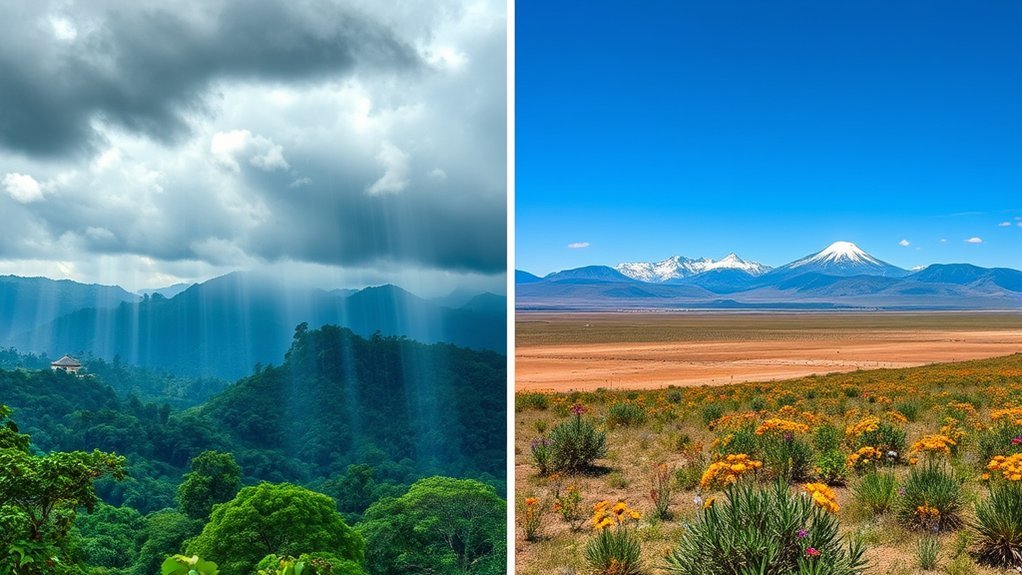
December marks the start of meteorological summer across Brazil and Argentina, while the astronomical season begins around December 21. Brazil has several climate zones, so describing the whole country as simply tropical is misleading. Northern Brazil is hot and humid, much of the Southeast enters a warm rainy season, the Northeast coast can be sunnier, and southern Brazil is often milder.
Argentina also changes dramatically from north to south. Buenos Aires and the central plains are warm to hot, Mendoza is usually hot and relatively dry, the subtropical north can be humid and stormy, and Patagonia is cooler, windier, and more changeable. The far south can feel cold even during long summer days.
For historical weather data, compare your destinations through Brazil’s INMET climate normals and Argentina’s National Meteorological Service climate atlas. A forecast checked shortly before departure is more useful than a countrywide monthly average.
Average December Temperatures in Brazil and Argentina
These broad ranges are useful for early planning, not as a forecast. Heat waves, cold fronts, elevation, ocean winds, and thunderstorms can push daily temperatures outside the range.
| Destination | Broad December Daytime Range | What It Usually Feels Like |
|---|---|---|
| Rio de Janeiro | 82°F to 90°F (28°C to 32°C) | Hot, humid, sunny at times, with showers or thunderstorms |
| São Paulo | 75°F to 84°F (24°C to 29°C) | Warm and humid, with frequent afternoon rain |
| Salvador | 82°F to 88°F (28°C to 31°C) | Hot, breezy, and humid, with passing showers |
| Manaus | 86°F to 91°F (30°C to 33°C) | Very humid, with heavy rain and thunderstorms possible |
| Buenos Aires | 79°F to 86°F (26°C to 30°C) | Warm to hot, sometimes humid, with occasional storms |
| Mendoza | 84°F to 91°F (29°C to 33°C) | Hot and sunnier, with cooler nights and possible storms |
| Bariloche | 64°F to 75°F (18°C to 24°C) | Mild days, cool nights, and changing mountain weather |
| El Calafate and Ushuaia | 50°F to 68°F (10°C to 20°C) | Cool and windy, with rapid weather changes |
Note: Patagonia is enormous. Northern lake districts, inland steppe, glacier regions, and Tierra del Fuego do not share one temperature range. Check the exact town and elevation on your itinerary.
Humidity and Rainfall Patterns in December
December is part of the rainy season across much of Brazil’s North, Center-West, and Southeast. Rio de Janeiro and São Paulo may have bright mornings followed by short, heavy downpours. The Amazon can receive prolonged or intense rain, while parts of the Northeast coast may be comparatively drier. Brazil’s official climate records show that monthly rainfall can differ by hundreds of millimeters between regions and from one year to another.
Argentina cannot be described as uniformly drier. Buenos Aires, the Pampas, and the subtropical north can experience summer thunderstorms and high humidity. Mendoza and parts of western Argentina are generally drier, while western Patagonia can receive rain and the southern steppe is often windy and dry. Local geography matters more than the national average.
In December, the most useful weather question is not “Brazil or Argentina?” It is “Which city, coast, mountain area, or national park am I visiting?”
Keep outdoor plans flexible. Schedule hikes, viewpoints, and beach time earlier in the day when possible, then leave room for storms, high heat, or strong wind.
Top Destinations for December Travel in Brazil and Argentina
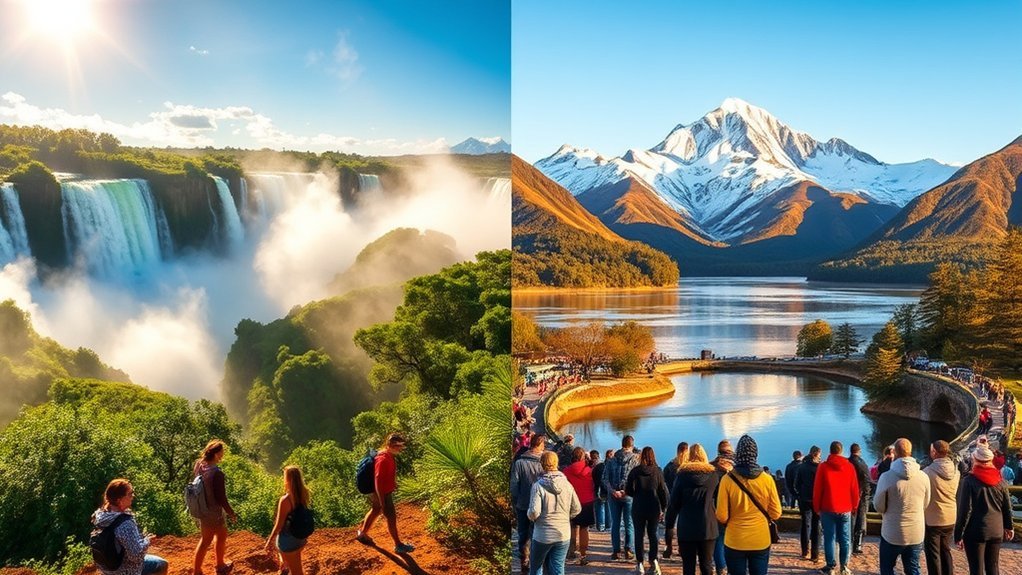
December offers beaches, city breaks, wine trips, rainforest travel, and mountain adventures. Match the destination to the weather and activity you want.
Best December Destinations in Brazil
- Rio de Janeiro: Best for beaches, city views, nightlife, and New Year’s Eve. Expect heat, humidity, rain risk, and major crowds late in the month.
- Salvador: A strong choice for Afro-Brazilian culture, music, historic neighborhoods, and warm coastal weather.
- Gramado: Cooler than tropical Brazil and known for Natal Luz, seasonal lights, parades, and ticketed Christmas shows.
- Chapada Diamantina: Good for waterfalls and hiking, but rain can affect trails and road conditions.
- Manaus and the Amazon: Best for rainforest experiences, with high humidity, mosquitoes, and frequent rain.
Best December Destinations in Argentina
- Buenos Aires: Best for food, architecture, tango, museums, parks, and warm evenings.
- Mendoza: A good choice for wineries, mountain scenery, and sunny weather, though midday heat can be strong.
- Bariloche: Offers hiking, lakes, scenic drives, and long daylight, with cool nights and variable mountain weather.
- El Calafate and El Chaltén: Popular for glaciers and hiking during the main outdoor season. Wind and sudden weather changes are common.
- Ushuaia: Best for dramatic landscapes, wildlife excursions, and very long daylight, but temperatures remain cool.
Pro Tip: For a two-country trip, combine one climate zone from each country, such as Rio de Janeiro plus Buenos Aires. Trying to cover the Amazon, Patagonia, and major cities in one short trip creates long flights and difficult packing.
Brazil vs. Argentina: Which Is Better in December?
| Choose Brazil For | Choose Argentina For |
|---|---|
| Tropical beaches and warm ocean weather | Patagonia hiking and long summer daylight |
| Large New Year celebrations and beach parties | Buenos Aires culture, restaurants, and nightlife |
| Rainforest, wildlife, and Afro-Brazilian culture | Mendoza wineries and Andean scenery |
| Travelers comfortable with heat and humidity | Travelers who prefer a wider range of temperatures |
Neither country is automatically better or cheaper. Airfare, hotel rates, exchange conditions, and holiday demand change often. Compare the full cost of your actual route, including domestic flights, transfers, park fees, and New Year minimum-stay rules.
Exciting Events and Festivals to Experience in December
December brings Christmas displays, summer events, concerts, fairs, and major New Year celebrations. Exact programs, access rules, and ticket requirements change each year, so verify schedules on official event or city websites before making nonrefundable plans.
New Year’s Eve Celebrations
Rio de Janeiro’s Copacabana celebration is one of Brazil’s best-known New Year events, with fireworks, concerts, transport restrictions, and very large crowds. The city publishes a detailed operating plan close to December 31. Review the latest information from Riotur and Rio City Hall rather than relying on a previous year’s performer list or crowd estimate.
Buenos Aires also has dinners, parties, neighborhood gatherings, and private events, but the format is less centered on one single beachfront celebration. Public transport schedules, restaurant bookings, and event hours may change for the holiday.
- Reserve accommodation and dinner well in advance.
- Confirm road closures and public transport plans.
- Carry only essential valuables in crowded areas.
- Choose a meeting point in case your group becomes separated.
Christmas Festivities Across Regions
Brazil celebrates Christmas during hot summer weather. Gramado’s Natal Luz is the country’s most prominent Christmas festival, with lights, parades, music, and ticketed productions. The 2026 edition is scheduled from October 22, 2026, through January 17, 2027, according to the Municipality of Gramado.
In Argentina, Christmas is centered on family meals, late dinners, church services, seasonal displays, and local events. Buenos Aires may have holiday fairs and concerts, but schedules change. The Feria de Mataderos normally operates on Sundays and public holidays through December, with crafts, regional food, folk music, and dance. It may be suspended because of rain.
| Place | Typical December Experience |
|---|---|
| Rio de Janeiro | Beach season and major New Year events |
| Gramado | Natal Luz lights, parades, and shows |
| Salvador | Music, culture, summer nightlife, and holiday events |
| Buenos Aires | Family celebrations, dining, fairs, and seasonal concerts |
| Patagonia | Long daylight and the start of the busy hiking season |
Essential Tips for Planning Your December Trip
Late December is a high-demand travel period in many beach cities, resort towns, and Patagonian gateways. Book earlier if you need specific hotels, domestic flights, holiday dinners, or guided excursions.
- Build the route first: Brazil and Argentina are large, and domestic flights can take more time than expected.
- Check entry rules: Confirm passport, visa, vaccination, and onward-travel requirements for your nationality before departure.
- Use refundable bookings: Summer storms, strikes, wildfire conditions, or strong winds can affect transport and outdoor plans.
- Protect against insects: Mosquito-borne diseases occur in both countries. Use repellent and follow destination-specific health advice.
- Plan for heat: Carry water, take shade breaks, and avoid demanding activity during the hottest part of the day.
- Buy suitable insurance: Consider medical, trip interruption, and evacuation coverage, especially for remote areas and adventure travel.
Warning: Travel advisories and health notices can change. As of July 25, 2026, the U.S. State Department lists Brazil at Level 2, Exercise Increased Caution, because of crime and kidnapping, with some do-not-travel areas. Argentina is Level 1, Exercise Normal Precautions, though petty crime occurs and local risks still require attention.
Health and Mosquito Protection
The CDC Brazil traveler page recommends checking routine vaccines and destination-specific advice for yellow fever, malaria, dengue, and other insect-borne illnesses. The CDC Argentina traveler page also lists mosquito precautions and region-specific vaccine guidance. Speak with a travel-health professional before departure when your itinerary includes rural, rainforest, border, or remote areas.
What to Pack for Brazil and Argentina in December?
Pack for the exact cities and activities on your route. A beach trip in Salvador requires different clothing from a hiking trip in El Chaltén.
- Light, breathable shirts, shorts, dresses, and travel pants
- A compact rain jacket or poncho
- Comfortable walking shoes and sandals
- A warm mid-layer and wind-resistant shell for Patagonia
- Sun protection, including sunscreen, sunglasses, and a hat
- Insect repellent suitable for your destination
- A refillable water bottle
- A small daypack with a waterproof cover or dry bag
- Prescription medicines in original packaging
- Copies of key travel documents and insurance details
For multi-region travel, use layers instead of one heavy coat. Patagonia can be windy and cool, while Buenos Aires or Rio may feel hot on the same trip.
Frequently Asked Questions
Is December a good month to visit Brazil?
Yes, especially for beaches, city breaks, cultural events, and New Year celebrations. Expect heat, humidity, summer rain, and heavier crowds late in the month. Conditions vary, so check the forecast for each destination.
Which is better in December, Brazil or Argentina?
Brazil is usually better for tropical beaches, humid heat, and large New Year events. Argentina is usually better for Buenos Aires, Mendoza wineries, and summer hiking in Patagonia. The better choice depends on your preferred activities and tolerance for heat, rain, wind, and crowds.
Is December a good month to visit Argentina?
Yes. December brings warm weather in Buenos Aires and Mendoza and long daylight in Patagonia. It is a popular outdoor season, so reserve flights, lodging, and guided activities early for major destinations.
Is it safe for U.S. citizens to travel to Brazil now?
As of July 25, 2026, the U.S. State Department advises travelers to exercise increased caution in Brazil because of crime and kidnapping, and it identifies areas where travelers should not go. Review the current advisory before departure, avoid displaying valuables, use trusted transportation, and avoid beaches and isolated areas after dark.
Does it rain all day in Brazil in December?
Not usually in every destination. Many places have a mix of sun, cloud, and short heavy showers, but prolonged rain is possible. Rain patterns differ between the Amazon, Southeast, Northeast, South, and coastal areas.
Do I need warm clothes for Argentina in December?
You may need them for Patagonia, mountain areas, cool evenings, and air-conditioned transport. Buenos Aires and Mendoza are generally warm to hot, but Bariloche, El Calafate, El Chaltén, and Ushuaia require layers and wind protection.
Conclusion
Brazil and Argentina are both rewarding in December, but they suit different travel styles. Brazil offers tropical coastlines, humid summer weather, rainforest trips, and major New Year celebrations. Argentina offers warm city breaks, wine regions, and long outdoor days in Patagonia. Choose destinations first, check current forecasts and advisories, then pack for each region rather than for the country as a whole.
Sources
- Visit Brasil: Climate and Weather — Brazil’s seasons and regional climate overview.
- Brazil National Institute of Meteorology: Climate Normals — official historical temperature, humidity, and rainfall data.
- Argentina National Meteorological Service: Climate Atlas — official regional temperature and precipitation maps.
- Rio de Janeiro City Hall: New Year’s Eve Operating Plan — crowd, transport, and safety planning for Copacabana.
- U.S. State Department: Brazil Travel Advisory and Argentina Travel Advisory — current security guidance.
- CDC: Brazil Traveler View and CDC: Argentina Traveler View — current vaccine, insect, and travel-health guidance.
