
Last Updated on September 11, 2026 by Daniel Globe
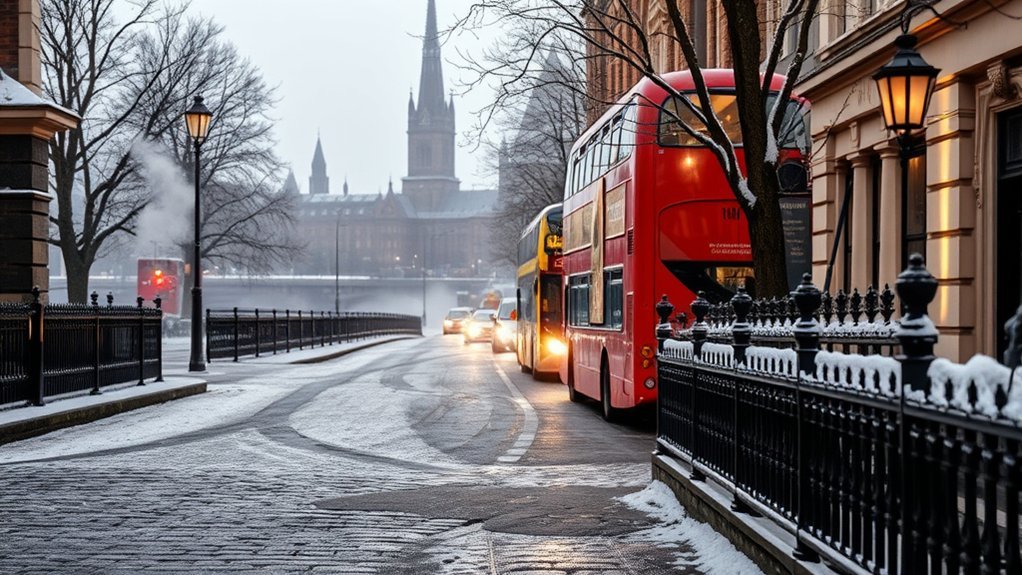
London in winter is cold, damp, dark early, and often full of seasonal energy. Meteorological winter runs from December through February. Daytime temperatures usually stay in the high single digits Celsius, while freezing nights are possible but not the norm. Pack warm waterproof layers, plan outdoor sightseeing before sunset, and keep indoor options ready for wet weather.
Quick Answer
London is worth visiting in winter for Christmas lights, markets, theatre, museums, afternoon tea, and smaller crowds after New Year. Expect average daytime highs near 8°C to 9°C (46°F to 49°F), short daylight, and regular rain. Bring layers, a waterproof coat, comfortable water-resistant shoes, gloves, and a compact umbrella.
Key Takeaways
- December is best for festive lights and markets, while January and February are usually quieter.
- London winter weather is more often chilly and wet than deeply snowy or severely cold.
- Around the winter solstice, London has just under eight hours of daylight, so schedule outdoor sights early.
- Most major museums have free permanent collections, although special exhibitions may cost extra.
- Standard London public transport does not run on Christmas Day, and holiday timetables can affect nearby dates.
Disclosure: As an Amazon Associate I earn from qualifying purchases. Some links on this page are affiliate links, at no extra cost to you.
London Winter Weather and What to Wear
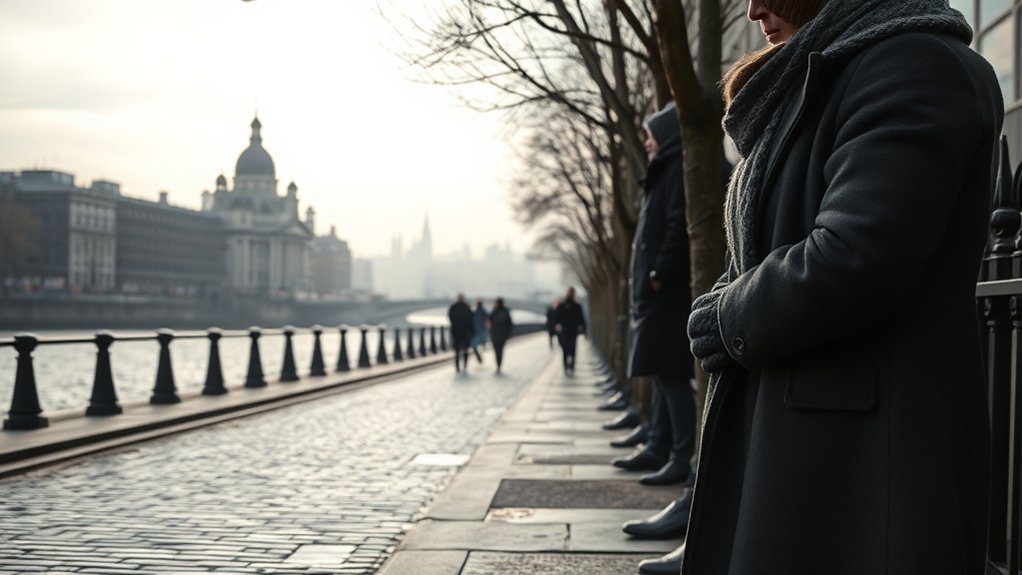
London’s winter weather is usually cool, damp, and changeable rather than extremely cold. The Met Office’s 1991–2020 averages for Greenwich show winter daytime highs of about 8.5°C to 9.2°C (47°F to 49°F) and average lows of about 3.2°C to 3.8°C (38°F to 39°F). Frost can occur, but an average low is not the same as the coldest temperature you may experience.
London Winter Weather by Month
| Month | Average High | Average Low | Average Rainfall | Rain Days |
|---|---|---|---|---|
| December | 8.9°C / 48°F | 3.8°C / 39°F | 50.7 mm | About 10 days |
| January | 8.5°C / 47°F | 3.4°C / 38°F | 43.9 mm | About 10 days |
| February | 9.2°C / 49°F | 3.2°C / 38°F | 39.9 mm | About 9 days |
These are long-term averages, not a forecast. A particular trip may be warmer, colder, wetter, or windier, so check the short-range forecast before packing and again each morning.
Daylight, Frost, and Snow
Short daylight affects sightseeing as much as the temperature. The Royal Observatory Greenwich states that London’s shortest day has about 7 hours and 50 minutes of daylight. Put parks, viewpoints, and outdoor landmarks in the middle of the day, then save museums, theatre, markets, and dinner for late afternoon and evening.
Snow is possible, but it is not reliable enough to build a trip around. Light snow or sleet may melt quickly in central London. Wet pavements, cold wind, and occasional icy patches are more practical concerns.
What to Pack for London in Winter
- Waterproof outer layer: Choose a coat with a hood that blocks wind and light rain.
- Warm mid-layer: Pack a fleece, wool sweater, or light insulated jacket.
- Comfortable shoes: Water-resistant walking shoes or boots with good grip work better than heavy snow boots for most trips.
- Cold-weather accessories: Bring a scarf, gloves, and a hat, especially for evening walks and river trips.
- Compact umbrella: A small strong umbrella is useful, although a hood is easier in wind and crowds.
- Small day bag: Leave room for a removed layer because heated trains, shops, and museums can feel warm.
Pro Tip: Dress in several light layers instead of one very heavy outfit. You can adjust quickly when moving between cold streets and heated indoor spaces.
December vs. January and February
Each winter month gives you a different version of London:
- December: Choose December for Christmas lights, markets, festive afternoon tea, skating, pantomimes, and holiday shopping. It is also the busiest and often the most expensive winter month.
- January: January is usually calmer after New Year. Some festive attractions continue into early January, and winter sales can make shopping appealing. Many seasonal decorations then disappear.
- February: February brings gradually longer days and fewer Christmas crowds. It suits museums, theatre, food, and neighbourhood exploring, although school half-term can increase family crowds.
The official Visit London winter guide is useful for checking confirmed events and dates before you book.
What to Do in London in Winter
London offers a strong mix of outdoor atmosphere and indoor comfort. In December, explore seasonal lights, winter markets, and ticketed attractions such as Hyde Park Winter Wonderland. Skating is another popular choice. Skate at Somerset House is scheduled for 11 November 2026 through 10 January 2027, while other rink locations and dates can change each season.
For culture, book a West End show, pantomime, concert, or ballet. Long-running productions such as Wicked and The Lion King remain popular, but show schedules and casts can change. Reserve important performances early, especially for weekends and the Christmas period.
Keep at least one flexible indoor option for bad weather. The British Museum, National Gallery, and South Kensington museums can fill several hours without forcing you to stay outside all day.
Best Christmas Lights and Winter Markets
London’s best-known festive displays usually appear from November into early January. Oxford Street, Regent Street, Covent Garden, Carnaby, and nearby West End streets make an easy self-guided evening route. Exact switch-on dates and designs change, so use the current official Christmas in London guide rather than relying on a previous year’s schedule.
Top Christmas Light Displays
| Spot | Why Go | Planning Tip |
|---|---|---|
| Oxford Street | Large-scale central London lights | Visit on a weekday evening for lighter crowds. |
| Regent Street | Elegant overhead displays | Combine it with Piccadilly, Bond Street, and Carnaby. |
| Covent Garden | Tree, decorations, shops, and dining | Go before dinner, then continue to the West End. |
| Trafalgar Square | Traditional Christmas tree and central location | Pair it with the National Gallery and nearby lights. |
Must-Visit Winter Markets
Winter markets change slightly each year, but these areas often host reliable seasonal activity:
- Southbank Centre: Riverside food stalls and gifts along the Thames, with easy access to central sights.
- Hyde Park Winter Wonderland: A large ticketed festive attraction with rides, food, entertainment, and skating. Entry arrangements and dates vary, so check the current official listing.
- Covent Garden: Decorations, boutiques, restaurants, and seasonal stalls in a compact central area.
- Leicester Square: A central festive market area that is easy to combine with theatre and West End lights.
Markets are busiest in the evening and on weekends. Go near opening time for easier browsing, then return after dark if you want the full light display.
Festive Shopping Hotspots
Oxford Street and Regent Street cover major retailers, while Covent Garden and Seven Dials suit smaller shops and gifts. Harrods is a luxury stop with elaborate seasonal displays, and Greenwich Market offers crafts, food, and an easy link to the historic riverside. Hyde Park is better for entertainment than practical shopping.
| Spot | What You’ll Find |
|---|---|
| Southbank Centre | Seasonal food, gifts, and riverside atmosphere |
| Leicester Square | Festive stalls near theatres and cinemas |
| Harrods | Luxury shopping and holiday displays |
| Greenwich | Crafts, design gifts, food, and riverside sights |
| Hyde Park | Seasonal entertainment, food, and attraction merchandise |
Cosy Indoor Things to Do
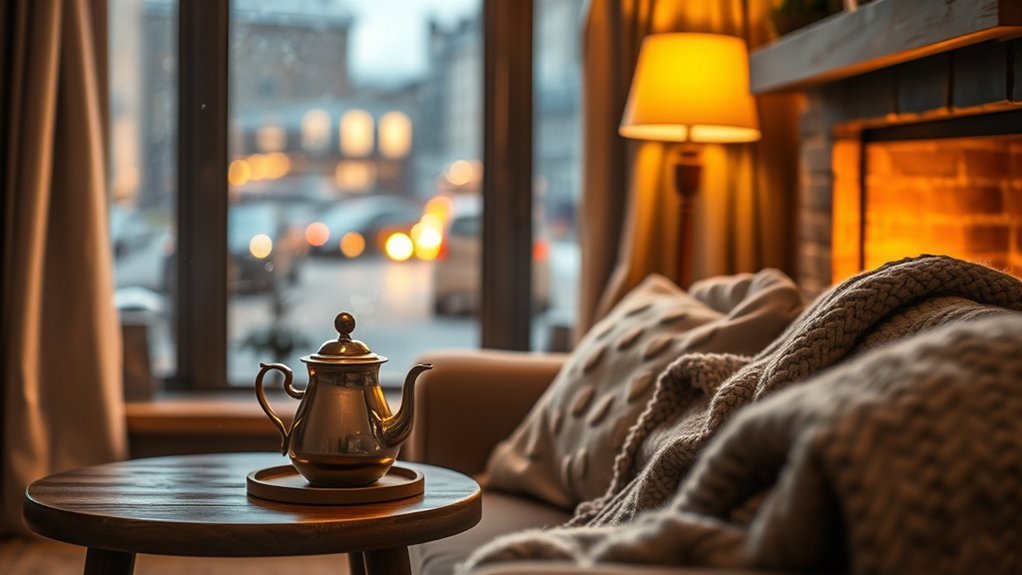
Cold or rainy weather is a good reason to slow down, not cancel the day. Build your plans around museums, galleries, historic pubs, afternoon tea, markets with covered areas, and theatre. Check holiday closing dates because many major attractions close from 24 to 26 December.
Warm Pubs and Taverns
Historic pubs can be especially inviting in winter, but not every old building is accessible or easy to navigate. Ye Olde Cheshire Cheese on Fleet Street is known for its small rooms and winter fire. The former Jerusalem Tavern in Clerkenwell has operated as the Holy Tavern since 2022, so search for its current name. Coppa Club’s seasonal riverside enclosures can offer a more modern experience when available.
- Reserve food tables where booking is offered, especially on Friday and Saturday evenings.
- Check each venue’s current menu, opening hours, age rules, and step-free access before travelling.
- Try seasonal drinks or hearty pub food, but do not assume every historic pub has a working fireplace.
- For families, confirm when children are allowed because evening policies differ by venue.
Note: Some historic pubs have narrow entrances, stairs, and small toilets. Contact the venue directly if step-free access or space for a pushchair is important.
Museums and Galleries
Many major national museums offer free entry to their permanent collections, although paid exhibitions may require tickets. The British Museum and National Gallery both recommend advance booking for smoother entry. In South Kensington, the Natural History Museum, Victoria and Albert Museum, and Science Museum sit close together, making the area useful on a wet day.
Free admission does not always mean instant entry. Security checks, capacity limits, school holidays, and temporary gallery closures can create queues, so reserve free timed tickets where available.
Winter Afternoon Tea
Afternoon tea works well between daytime sightseeing and evening lights or theatre. The Ritz, Claridge’s, and Fortnum & Mason offer formal settings, while an afternoon tea bus or Thames cruise combines food with sightseeing. Menus, dress codes, prices, and seasonal themes change, so confirm the current details before booking.
- The Ritz: A formal hotel experience with traditional service and a dress code.
- Claridge’s: A luxury choice known for polished service and seasonal presentation.
- Fortnum & Mason: A central option that suits classic tea and gift shopping.
- Bus or Thames cruise: A moving sightseeing option, best when traffic, weather, and river conditions cooperate.
Reserve popular weekend and December times well ahead. Mention allergies and dietary needs during booking rather than waiting until arrival.
Simple Three-Day London Winter Itinerary
Day 1: Westminster and the West End
Start with Westminster, St James’s Park, Trafalgar Square, and the National Gallery. After dark, walk through Regent Street, Oxford Street, Carnaby, and Covent Garden. Finish with dinner or a West End show.
Day 2: Bloomsbury and Somerset House
Spend the morning at the British Museum, then walk or take a bus to Covent Garden. If seasonal skating is running, reserve Somerset House before dinner. Keep a café or market stop between outdoor sections.
Day 3: South Kensington and Hyde Park
Choose one or two South Kensington museums rather than rushing through all three. Continue to Kensington Gardens or Hyde Park in daylight. In December, finish at a nearby festive event; in January or February, choose afternoon tea, a pub meal, or an evening performance.
How to Get Around London in Winter
The Underground, buses, London Overground, Elizabeth line, DLR, trams, walking routes, and river services make most central trips straightforward. Pay as you go with contactless or Oyster is usually the easiest option for visitors, and TfL applies daily and weekly caps where eligible. The official TfL visitor payment guide explains the choices.
- Use the same contactless card or device for every touch in and touch out.
- Each traveller aged 11 or older generally needs a separate payment method.
- Touch in only on buses and trams; rail journeys normally require touching in and out.
- Check TfL Go or Journey Planner for delays, planned works, and lift closures.
- Travel outside the busiest weekday commute periods when you can.
- Use buses for street views, but allow extra time in heavy traffic and bad weather.
Warning: Standard buses, trams, the Underground, and London Overground do not operate on Christmas Day. Most shops, museums, and major attractions also close. Plan 25 December around walking, pre-booked tours, taxis, meals, churches, or nearby parks, and confirm every opening time.
Holiday Transport and Closures
Christmas Eve, Boxing Day, New Year’s Eve, New Year’s Day, and substitute bank holidays may use reduced timetables or planned engineering closures. For 2026, Christmas Day is Friday 25 December and the Boxing Day substitute bank holiday is Monday 28 December. Check GOV.UK bank holiday dates, TfL, and National Rail shortly before travel.
Accessible Winter Travel
Step-free access varies by station and does not always mean level boarding between platform and train. TfL advises planning accessible routes in advance and checking live lift status. Use the TfL accessibility guide and step-free journey settings. Buses are generally easier for step-free boarding, but crowding can affect space.
Best Places to Stay in London in Winter
Choose your base by location and transport rather than relying on a hotel’s usual price label. Winter rates change quickly around Christmas, New Year, school holidays, major events, and weekends.
- Luxury central stays: One Aldwych, The Langham London, and Shangri-La The Shard suit travellers who want high-end service and landmark locations.
- Central boutique and upper-mid-range choices: The Fielding Hotel and The Z Hotel Covent Garden can offer compact central rooms, while The Trafalgar St. James and The Bloomsbury Hotel usually sit at a higher price point.
- Landmark higher-end hotels: London Marriott Hotel County Hall and The Royal Horseguards should not be treated as budget properties; compare live rates and room types.
- Apartment-style family options: Wilde Aparthotels by Staycity Covent Garden and Fraser Suites Kensington can provide more space and kitchen facilities for longer stays.
Covent Garden and the West End are convenient for theatre and lights but can be expensive and noisy. South Kensington works well for museums and families. Paddington, King’s Cross, and the City can offer useful transport links and better weekend value, depending on dates.
Winter Budget and Booking Tips
- Book December weekends early: Theatre, skating, afternoon tea, and central hotels can fill quickly.
- Use free attractions: Major museum collections, parks, Christmas lights, Trafalgar Square, and riverside walks can reduce daily costs.
- Check what a ticket includes: Market entry may be free while rides, skating, shows, and food cost extra.
- Reserve flexible rates: Weather rarely shuts the city down, but transport disruption or changing plans can still affect a short trip.
- Plan one paid highlight per day: Combine it with free museums, neighbourhood walks, and lights.
Frequently Asked Questions
What is the rainiest month in London?
There is no guarantee that one month will be wettest during your trip. In the Met Office’s 1991–2020 Greenwich averages, November has the highest monthly rainfall total, slightly above October. Winter rain is spread across many days, so carry waterproof protection in December, January, and February.
How should Americans dress in London in winter?
Wear the same practical layers you would use for a cool, wet city: a waterproof coat, sweater or fleece, comfortable water-resistant shoes, scarf, gloves, and a hat. Heavy snow boots are usually unnecessary unless a specific forecast calls for snow or ice.
What US state has weather most like England?
No US state matches England exactly. Western Washington is a rough comparison because it has mild, cloudy, wet winters and relatively cool summers, but London is shaped by a different maritime climate and usually has less annual rainfall than Seattle.
What is free in London during winter?
Free choices include the permanent collections at many national museums, the National Gallery, Hyde Park, Trafalgar Square, public Christmas lights, Shoreditch street art, neighbourhood walks, and Thames-side paths. Some venues recommend free timed tickets, and special exhibitions may charge admission.
Does it snow in London in winter?
It can snow, but lasting snow in central London is not dependable. Sleet, cold rain, frost, and short icy spells are more common planning concerns. Check the forecast close to your trip instead of packing for deep snow by default.
Is London worth visiting in January or February?
Yes. January and February usually have fewer festive events than December, but they can offer quieter museums, easier restaurant bookings, theatre, winter sales, and lower room rates on some dates. February also brings gradually longer daylight.
Sources
- Met Office: Greenwich 1991–2020 climate averages — winter temperature, rainfall, frost, and rain-day data.
- Royal Observatory Greenwich: Winter solstice — London daylight around the shortest day.
- Visit London: London in winter — current seasonal planning and event guidance.
- Somerset House: Skate — confirmed 2026–2027 skating dates.
- Transport for London: Best ways for visitors to pay — contactless and Oyster guidance.
- Transport for London: Wheelchair access and avoiding stairs — step-free route and boarding guidance.
Conclusion
Winter in London is best when you plan for damp weather, short daylight, and holiday timetable changes. December gives you the fullest festive atmosphere, while January and February can feel calmer and more flexible. Pack waterproof layers, book your must-do experiences, keep a museum or café ready for rain, and leave space for an evening walk under the city lights.
