

Last Updated on September 10, 2026 by Daniel Globe
Portugal and Spain can be rewarding at any time of year, but the best dates depend on your route. A city-focused trip has different needs from a beach holiday, a festival visit, or a wine-country tour. Climate also changes sharply between the Atlantic north, the southern interior, the islands, and the Mediterranean coast.
Quick Answer
For most travelers, the best time to visit Portugal and Spain together is late April through June or September through October. These shoulder-season windows usually bring milder sightseeing weather and fewer peak-summer crowds. Choose July or August for beach-focused trips, and winter for cities, culture, or lower-demand dates.
Key Takeaways
- Best overall: Late April to June and September to October for a balanced Portugal-and-Spain itinerary.
- Best for beaches: June to September, with July and August bringing the hottest weather and heaviest demand.
- Best for city sightseeing: Spring and fall, especially for Lisbon, Porto, Madrid, Seville, Granada, and Barcelona.
- Best for lower demand: November through February outside Christmas, New Year, Carnival, ski weekends, and major local events.
- Check the region, not only the country: Northern Iberia is generally cooler and wetter, while southern and inland areas can become very hot in summer.
Disclosure: As an Amazon Associate I earn from qualifying purchases. Some links on this page are affiliate links, at no extra cost to you.
Best Time by Travel Goal
| Travel Goal | Best Period | Why It Works | Main Trade-Off |
|---|---|---|---|
| First combined trip | May, June, September, or early October | Comfortable for cities, day trips, and outdoor dining in many regions | Popular places can still be busy |
| Beach holiday | June through September | Long days, warm air, and a full coastal tourism season | July and August usually bring peak heat, crowds, and demand |
| Walking and sightseeing | April to June or September to October | Less exposure to the strongest summer heat | Rain and cool evenings remain possible |
| Festivals | March to August, depending on the event | Holy Week, popular-saints celebrations, music festivals, and summer fiestas | Rooms and transport may sell quickly around major events |
| Winter sun | November to March | Madeira, the Algarve, Andalusia, and the Canary Islands are milder than inland areas | Rain, wind, short days, or cool nights can still affect plans |
Spring: Mild Weather, Blossoms, and City Sightseeing
Spring is one of the easiest seasons for combining Portugal and Spain. Longer days and moderate temperatures suit walking tours, gardens, historic centers, scenic drives, and nature trails. Spain’s official tourism guidance describes spring and autumn as the mildest seasons for outdoor activity, while Portugal’s official weather guidance notes that regional conditions vary because of latitude, terrain, and Atlantic influence.
April can still bring showers, particularly in northern Portugal, Galicia, Asturias, Cantabria, and other Atlantic-facing areas. Pack a light waterproof layer rather than assuming every day will be sunny. Southern cities such as Seville, Córdoba, Granada, and Évora are often more comfortable in spring than in the hottest part of summer.
Spring also brings flowers and major cultural events. Spain’s Semana Santa, or Holy Week, falls in March or April and can transform cities such as Seville, Málaga, Granada, and Zaragoza with processions and large crowds. The experience can be memorable, but travelers should book early and check the annual dates before buying transport.
Pro Tip: For a first trip built around Lisbon, Porto, Madrid, Seville, and Barcelona, aim for May or the first half of June. You gain long daylight hours without automatically accepting the strongest midsummer heat.
Summer: Beaches, Long Days, and Major Festivals
Summer is the natural choice for travelers who place beaches, swimming, nightlife, and outdoor festivals above low crowds. Coastal areas in the Algarve, Costa del Sol, Costa Brava, Balearic Islands, and northern Spain are fully active, and long days make it easier to combine sightseeing with evening meals and waterfront walks.
The trade-off is heat and demand. Spain’s official climate guidance says July and August bring the highest temperatures, with daytime readings commonly above 30°C in summer and hotter conditions in inland and southern areas. Portugal’s tourism authority says the country is normally hot and dry in summer, with the south generally warmer than the north. Madrid, Seville, Córdoba, Toledo, Alentejo, and other inland destinations can be tiring for midday sightseeing during hot spells.
Summer also has a lively festival calendar. Porto’s Feasts of São João center on the night of June 23, with music, food, street celebrations, and fireworks. Spain’s La Tomatina is held in Buñol on the last Wednesday in August and requires travelers to check current ticket and access information.
Warning: Do not plan a full afternoon of exposed walking during a heat warning. Shift major outdoor sights to morning or evening, carry water, use sun protection, and follow official AEMET or IPMA alerts.
Fall: Harvest Season, Warm Light, and Comfortable Touring

September and October are among the strongest months for a combined Portugal-and-Spain itinerary. Summer warmth often lingers, but city walking becomes easier as the season advances. Spain’s official tourism guidance says September can remain summery while becoming better suited to hiking and touring.
Fall also connects well with wine and harvest travel. The Douro, Alentejo, Rioja, Ribera del Duero, and other wine regions become attractive for vineyard scenery and seasonal activities. Harvest timing changes by region, grape variety, and weather, so contact wineries before building a trip around a specific experience.
Early fall can still feel like high season in famous cities and coastal resorts. By late October, rain becomes more likely in Atlantic regions, daylight shortens, and some beach businesses reduce hours. Pack layers and keep at least one flexible indoor plan for wet weather.
For the best balance of warmth, walkability, and a broad choice of open attractions, September is often the safest single-month choice for visiting both Portugal and Spain.
Winter: Cities, Holiday Atmosphere, and Regional Contrasts
Winter can work well for museums, food-focused trips, architecture, and slower city breaks. It is not automatically crowd-free. Christmas and New Year events, Carnival, ski weekends, school holidays, and winter-sun islands can create local peaks.
| Area | Typical Winter Character | Best For | Planning Note |
|---|---|---|---|
| Lisbon and southern Portugal | Milder than inland Iberia, with possible rain and wind | City breaks, food, museums, and coastal drives | Keep a flexible plan for wet days |
| Porto and northern Portugal | Cooler and generally wetter than the south | Historic neighborhoods, food, wine cellars, and indoor culture | Bring waterproof outerwear and shoes |
| Madrid and inland Spain | Cold mornings and nights, with sharper temperature swings | Museums, dining, and fewer peak-summer tour groups | Pack a warm coat and layers |
| Andalusia | Cool to mild days compared with summer, but chilly nights are possible | Seville, Córdoba, Granada, Málaga, and white villages | Holiday dates can still be busy |
| Madeira and the Canary Islands | Milder island climates with local variation | Winter sun, hiking, and scenic drives | Demand can rise around holidays and school breaks |
Holiday markets and festive lights appear in many Portuguese and Spanish cities, but they are not the only reason to visit. Winter is also useful for quieter museum visits, long meals, and cultural itineraries that do not depend on beach weather. Mountain areas in both countries can receive snow, while ski destinations attract their own seasonal crowds.
Off-Peak Season: Lower Demand Without False Guarantees
November through February is often described as off-peak, but the label is only a starting point. Prices and crowds depend on the exact destination, weekday, event calendar, flight market, and school-holiday schedule. Lisbon, Barcelona, Madrid, Seville, Madeira, the Canary Islands, and ski areas can remain busy even when another part of Iberia feels quiet.
Off-peak travel can still deliver strong value. Hotels may have more availability, major sights may feel less pressured, and travelers can spend more time in everyday neighborhoods. However, some coastal restaurants, tours, and seasonal services may reduce their hours. Confirm opening days before making a long detour.
Note: “Off-peak” does not mean “always cheap.” A major football match, trade fair, festival, public holiday, or cruise arrival can raise demand in one city even during a quiet month.
Shoulder Season: The Best Balance for Most Travelers
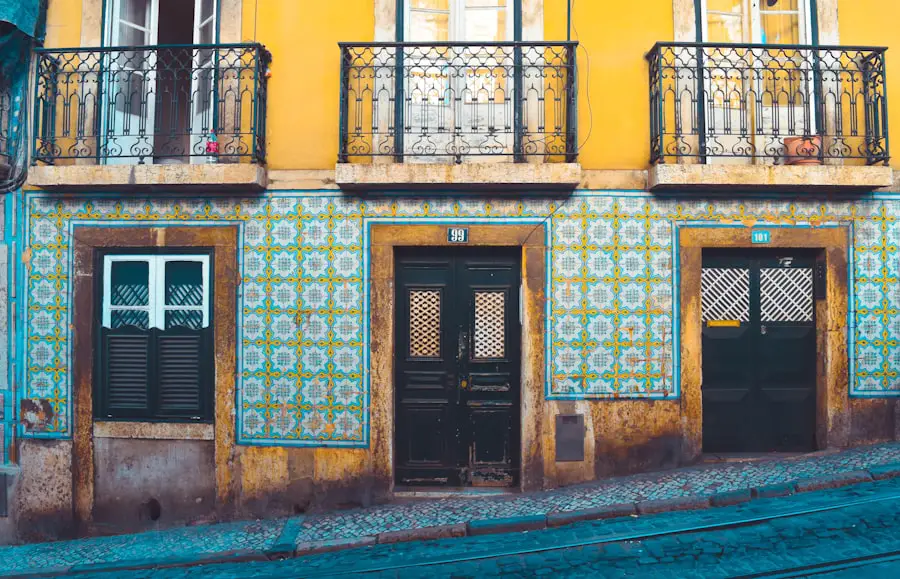
Shoulder season usually means the transition between the busiest summer period and the quieter winter months. For Portugal and Spain, late April through June and September through October are the most useful broad windows, although exact conditions differ by region.
These months are well suited to multi-city trips because travelers can spend more time outside without planning every day around extreme heat. Accommodations and transport may also offer better availability than in July or August, though famous cities and festival dates can still be expensive.
Shoulder season is especially practical for mixed itineraries such as Lisbon, Porto, Madrid, Seville, and Barcelona; a Portugal road trip with the Douro and Alentejo; or a Spain route combining cities with the north coast. The main compromise is less predictable weather, particularly in April, late October, and Atlantic regions.
Regional Climate Differences You Should Not Ignore
Portugal
- Porto and the north: Generally cooler and wetter than Lisbon, Alentejo, and the Algarve. Late spring and early fall are strong choices for city walks and the Douro Valley.
- Lisbon and central Portugal: Good for much of the year, though summer heat and sun exposure can make steep streets tiring in the afternoon.
- Alentejo and the interior: Summer can be very hot. Spring and fall are easier for road trips, historic towns, and outdoor sightseeing.
- Algarve: Summer is best for a full beach-resort atmosphere. Spring and early fall suit coastal walks and touring with less peak demand.
- Madeira: Portugal’s official tourism guidance gives average temperatures of about 24°C in summer and 19°C in winter, though altitude and exposure create local changes.
- Azores: Air and sea temperatures are mild through the year, but rain is more frequent and weather can shift quickly.
Spain
- Galicia and the northern coast: Milder in summer and wetter than much of Spain. This can be a better July or August choice for travelers who dislike intense heat.
- Madrid and the central plateau: Hot, dry summers and cold winters make spring and fall especially useful for sightseeing.
- Andalusia: Seville, Córdoba, and inland areas can become extremely hot during summer heat events. Spring, late fall, and winter are often more comfortable for cultural trips.
- Barcelona, Valencia, and the Mediterranean coast: Summer supports beach travel, while late spring and early fall combine coastal time with city sightseeing.
- Balearic Islands: Summer brings the fullest beach and nightlife season, along with high demand. May, June, September, and early October offer a broader balance.
- Canary Islands: The official Spain tourism site describes a mild, spring-like climate through the year, making the islands a popular winter option.
Month-by-Month Planning Guide
January and February
Best for museums, food, city breaks, winter sun, and some ski travel. Expect cold conditions inland, more rain in northern areas, and shorter daylight. Carnival dates can create local demand in late winter.
March and April
Spring begins, but conditions remain changeable. Semana Santa can be a major highlight in Spain and parts of Portugal, while also raising prices and crowds. Bring layers and rain protection.
May and June
One of the strongest periods for a combined trip. Days are long, many regions are warm without guaranteed midsummer extremes, and festival schedules become active. Beach weather improves as June advances.
July and August
Best for beaches, island trips, nightlife, and a full summer atmosphere. Expect high heat in inland and southern areas and strong demand in major coastal destinations. Plan outdoor sightseeing early or late in the day.
September and October
Excellent for mixed city-and-coast trips, hiking, wine regions, and road travel. September often retains summer warmth. October brings shorter days and a rising chance of rain, especially toward the north and west.
November and December
Useful for culture, food, festive events, and lower-demand travel outside holiday periods. Rain and cool weather become more likely, but southern Portugal, Andalusia, Madeira, and the Canary Islands can still support outdoor plans.
Festivals and Events: Plan Around the Calendar
Festivals can determine the best time to travel just as much as weather. They can add depth to a trip, but they can also affect room availability, transport, street access, and attraction hours.
- Semana Santa in Spain: Held in March or April, with especially famous processions in Andalusian cities. Dates change each year. See the official Seville Holy Week listing when planning.
- Popular Saints festivals in Portugal: June brings major street celebrations. Porto’s São João reaches its central celebration on the night of June 23.
- Summer fiestas in Spain: Events such as San Fermín and La Tomatina attract large crowds. Check current rules, dates, and ticket requirements.
- Wine harvest season: Late summer and fall can be rewarding in the Douro, Alentejo, Rioja, and other wine regions, but exact harvest activity is not fixed.
- Christmas and New Year: Festive lighting, markets, and public celebrations add atmosphere, while holiday demand can reduce the usual winter savings.
Festival schedules can change. Verify dates on the official tourism or municipal event page before booking nonrefundable travel.
Weather Considerations and Safety Checks
Historical climate averages help with broad planning, but they cannot predict the weather for a specific trip. Portugal’s IPMA publishes 1991-2020 climate normals, while Spain’s AEMET provides official climatological data. Use those resources to compare cities and regions rather than relying on one national temperature range.
In the week before departure, switch from climate research to forecasts and warnings. Check IPMA weather warnings for Portugal and AEMET warnings for Spain. Heat, heavy rain, wind, coastal conditions, snow, and wildfire danger can affect transport and outdoor plans.
Pack for the route rather than the country name. A spring trip that includes Porto, Santiago de Compostela, Madrid, Seville, and Madeira may require rain protection, warm evening layers, sun protection, and lighter clothes in the same itinerary.
How to Choose the Right Dates for Your Trip
- Choose your priority: Beaches, cities, festivals, hiking, wine, winter sun, or budget.
- Map the hottest and wettest parts of your route: A cross-border trip can move through several climate zones.
- Check event dates: A festival may be the reason to visit or a reason to change neighborhoods and dates.
- Compare weekday and weekend demand: Short-break cities can be noticeably busier on weekends.
- Keep one flexible day: This helps when rain, heat, transport changes, or attraction closures disrupt the plan.
Pro Tip: When visiting both countries in one trip, choose dates based on the least comfortable stop. A route that includes Seville and Madrid should avoid extreme summer heat even if the Algarve beach portion would be ideal in August.
Frequently Asked Questions
What is the best time to travel to Portugal and Spain?
For most travelers, late April through June and September through October provide the best balance of walkable weather, long enough days, and lower peak-season pressure. The best choice still depends on the regions and activities in your itinerary.
What is the weather like during the best time to visit?
Spring and early fall are usually milder than July and August, but conditions vary widely. Northern Portugal and northern Spain are cooler and wetter, while southern and inland areas are warmer and can still become hot. Pack layers and check forecasts before departure.
What are the peak tourist seasons in Portugal and Spain?
July and August are the broad summer peak, especially in beach destinations and famous cities. Easter, Christmas, New Year, school holidays, major festivals, football matches, and local events can also create short peak periods outside summer.
What is the best time for beaches in Portugal and Spain?
June through September is the most dependable broad window for a beach-focused trip. July and August provide the fullest summer atmosphere but also bring the strongest demand. June and September often offer a better balance for travelers who also want sightseeing.
Is winter a good time to visit Portugal and Spain?
Yes, especially for museums, food, architecture, quieter cultural trips, and winter-sun regions. Expect colder conditions inland and more rain in Atlantic areas. Madeira, the Canary Islands, the Algarve, and parts of Andalusia are generally milder than central Spain.
Are spring and fall always cheaper than summer?
No. They often have better availability than July and August, but prices can rise around Holy Week, festivals, conferences, public holidays, and popular weekends. Compare your exact cities and dates before assuming a shoulder-season discount.
Which festivals should I consider when planning?
Important options include Semana Santa in Spain, Portugal’s June popular-saints celebrations, Porto’s São João, San Fermín, La Tomatina, summer music festivals, and Christmas or New Year events. Verify annual dates and booking rules on official event pages.
What should I pack for a spring or fall trip?
Pack light layers, comfortable walking shoes, a compact rain layer, sun protection, and one warmer layer for evenings. Your route matters: Porto and Galicia may be cool and wet while Seville or Alentejo feels warm on the same trip.
Sources
- Visit Portugal: Weather — regional climate differences across mainland Portugal, Madeira, and the Azores.
- IPMA: 1991-2020 Climate Normals — official Portuguese climatological reference data.
- IPMA: Weather Warnings — current adverse-weather alerts for Portugal.
- Spain.info: The Climate in Spain — official seasonal and regional travel-weather guidance.
- AEMET: Climatological Data — official Spanish climate normals and records.
- AEMET: Meteorological Warnings — current adverse-weather alerts for Spain.
