
Last Updated on September 11, 2026 by Daniel Globe
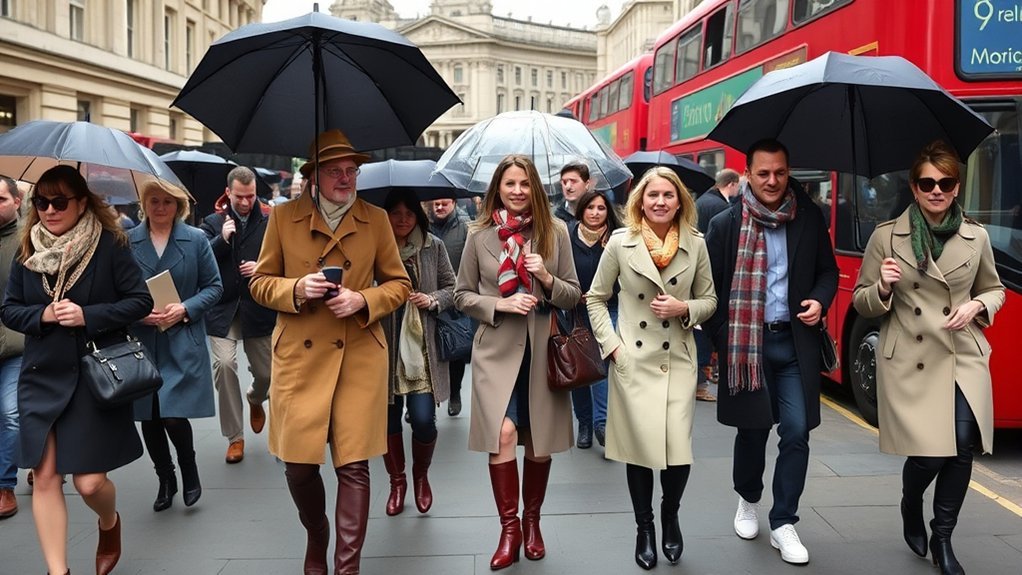
What you should wear in London depends on the season, the day’s forecast, and what you plan to do. The safest approach is to pack light layers, comfortable walking shoes, and one practical outer layer. London style is varied, so you do not need a special “local” wardrobe. Focus on comfort, weather protection, and clothes that work for several settings.
Quick Answer
Wear comfortable, mix-and-match layers in London. Pack a light waterproof jacket, supportive walking shoes, and clothing you can add or remove as temperatures change. Choose breathable pieces in summer and warmer knitwear in winter. Check the forecast shortly before leaving because conditions can differ from seasonal averages.
Key Takeaways
- Build outfits from light layers instead of relying on one heavy item.
- Check the forecast before your trip and again each morning.
- Prioritize supportive shoes because sightseeing often involves walking, stairs, and station changes.
- Carry rain protection when showers are forecast, but do not assume it will rain all day.
- Use a simple color palette so tops, bottoms, shoes, and outerwear work together.
Disclosure: As an Amazon Associate I earn from qualifying purchases. Some links on this page are affiliate links, at no extra cost to you.
Understanding London’s Weather and Dressing Accordingly
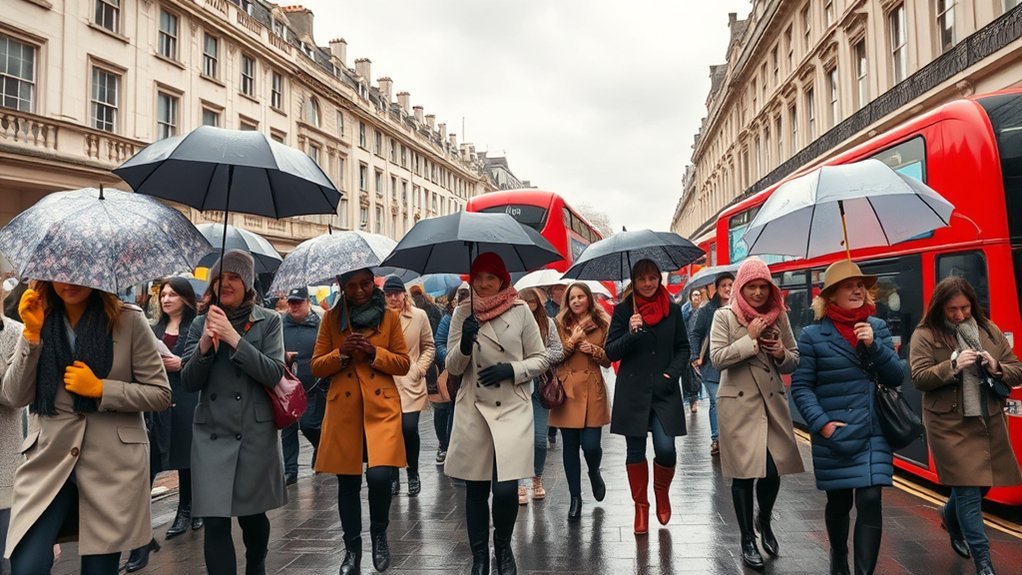
London has a relatively mild climate, but conditions can change during the day. A cool morning may turn into a comfortable afternoon, and a dry forecast can still include a brief shower. This is why removable layers are more useful than an outfit built for only one temperature.
The Met Office’s 1991–2020 averages for Greenwich show typical daytime highs of about 8°C to 9°C in midwinter and about 23°C to 24°C in July and August. Average nights are cooler. These are climate averages rather than promises, so actual conditions can fall outside them.
| Season | Typical Conditions | Useful Clothing |
|---|---|---|
| Spring | Cool mornings, milder afternoons, and possible showers | Long-sleeved top, light knit, trench coat or rain jacket |
| Summer | Usually mild to warm, with cooler evenings and occasional hot spells | Breathable tops, dresses, shorts or trousers, plus a light layer |
| Autumn | Mild early in the season, then cooler, darker, and wetter | Knitwear, long trousers, water-resistant coat, closed shoes |
| Winter | Cool to cold, with short daylight hours and occasional frost | Warm base layer, jumper, insulated coat, scarf, gloves |
Note: Check the current London forecast shortly before you travel. Seasonal averages help with planning, but the short-term forecast should decide which coat, shoes, and accessories you use that day.
Seasonal Clothing Essentials
A practical London wardrobe starts with pieces that work together. Neutral trousers, jeans, skirts, dresses, shirts, and knitwear can move from sightseeing to dinner with only a small change of shoes or accessories. You do not have to dress formally for everyday activities, but clean, well-fitting clothes make it easier to adapt to different venues.
Spring and Summer Layers
In spring, average daytime temperatures rise steadily from March through May, but mornings and evenings can still feel cool. Start with a breathable cotton top, blouse, or T-shirt. Add a cardigan, light jumper, overshirt, or blazer that fits under your outer layer. A trench coat or packable rain jacket is useful when showers are forecast.
Summer usually brings daytime highs in the low 20s Celsius, although warmer spells can push temperatures above 30°C. Cotton, linen, lightweight viscose, and other breathable fabrics can help you stay comfortable. A light cardigan, overshirt, or unlined jacket remains useful for evenings, air-conditioned spaces, and breezy river walks.
Autumn and Winter Warmth
Early autumn can still feel mild, while late autumn is cooler and darker. A long-sleeved base, mid-weight jumper, and water-resistant coat give you enough flexibility for changing conditions. Closed shoes are usually more practical than sandals once the weather becomes wetter.
Winter calls for warmer layers rather than excessive bulk. Try a long-sleeved or thermal base layer under a wool, merino, cotton, or fleece jumper. Add an insulated coat that closes properly at the neck and wrists. A scarf, gloves, and hat can provide extra warmth without taking much suitcase space.
Spring Outfit Ideas: Navigating Mild and Rainy Days
Spring outfits should handle cool starts, milder afternoons, and occasional rain. Instead of wearing one heavy coat, combine two or three lighter pieces that you can remove and carry comfortably.
Layering Essentials for Spring
A simple spring outfit might include straight-leg jeans or relaxed trousers, a cotton top, a light jumper, and a trench coat. Another option is a midi dress with tights, a cardigan, and ankle boots. On warmer days, you may need only a blouse or long-sleeved shirt under your jacket.
Choose an outer layer that is roomy enough to fit over knitwear. A tightly fitted jacket may look neat but becomes uncomfortable once you add a jumper underneath. Keep your rain layer lightweight and packable if you expect to carry it for part of the day.
Pro Tip: Pack layers that still look complete when worn separately. Your base top should work on its own, and your cardigan or jacket should match more than one bottom.
Stylish Footwear Options
Supportive trainers are a reliable choice for long sightseeing days. Loafers, brogues, or cushioned flats can work when you want a slightly smarter look, provided you have already worn them enough to know they will not rub.
Water-resistant ankle boots are useful on wet days, but heavy waterproof boots are unnecessary for every spring trip. Whatever style you choose, look for cushioning, secure heel support, enough toe room, and a sole that grips damp pavement. Moisture-wicking socks can improve comfort during long days.
Summer Style: Embracing Warmth and Sunshine
Summer in London is often comfortable rather than intensely hot, but warm spells and heatwaves do occur. Build your outfit around breathable pieces and carry one light layer instead of a heavy jacket. Loose dresses, tailored shorts, lightweight trousers, skirts, T-shirts, and sleeveless tops can all work.
Here is a practical summer wardrobe guide:
| Outfit Type | Best Use |
|---|---|
| Summer dress | Easy daytime outfit that can be dressed up with a cardigan or blazer |
| Tailored shorts | Warm sightseeing days and casual outdoor meals |
| Light trousers | Museums, restaurants, business-casual settings, and cooler days |
| Breathable top | Layering under a cardigan, overshirt, or light jacket |
| Packable rain layer | Days with showers in the forecast |
Sunglasses and a hat can help during bright weather. The NHS advises checking the UV index and using shade, suitable clothing, sunglasses, and at least SPF 30 sunscreen when protection is needed. Sunburn can occur in the UK even when the sky is cloudy.
Warning: Do not pack only for London’s average summer temperature. During a heatwave, choose loose breathable clothes, carry water, reduce strenuous walking during the hottest part of the day, and follow current public-health advice.
Autumn Attire: Layering for Changing Temperatures
Autumn can feel like two different seasons. September may still suit light clothing, while November often requires knitwear and a warmer coat. Rich or earthy colors are popular in autumn, but your main goal should be creating combinations that remain comfortable when the temperature changes.
Key Layering Techniques
Start with a T-shirt, blouse, or long-sleeved top. Add a cardigan, sweatshirt, or mid-weight jumper, followed by a trench coat, mac, or light insulated jacket. You can remove the middle layer during a warm afternoon without losing your main weather protection.
A useful outfit formula is dark trousers, a breathable base top, a fine-knit jumper, and a water-resistant coat. Another is a midi skirt or dress with tights, ankle boots, and a cardigan. These combinations work for sightseeing and can transition to a casual restaurant.
Essential Fabrics to Choose
Cotton and lightweight merino wool make comfortable base layers because they can help manage temperature without excessive bulk. Fleece, cashmere, wool blends, and medium-weight knits work well as insulating middle layers. Your outer layer should block wind and light rain while remaining breathable enough for walking.
Avoid packing several bulky jumpers that perform the same job. One fine knit and one warmer knit usually provide more flexibility than three heavy sweaters. Choose fabrics that dry reasonably quickly if you plan to wash items during the trip.
Must-Have Accessories
A scarf is one of the easiest autumn layers to add or remove. A compact umbrella can help when the forecast calls for light rain, while a hooded jacket is easier to manage in wind. A crossbody bag keeps your hands free and can sit close to your body on busy streets and public transport.
Comfortable ankle boots, trainers, loafers, or brogues can all work. Select the pair that suits the forecast and the amount of walking you expect rather than choosing shoes only for appearance.
Winter Clothing: Staying Warm and Stylish
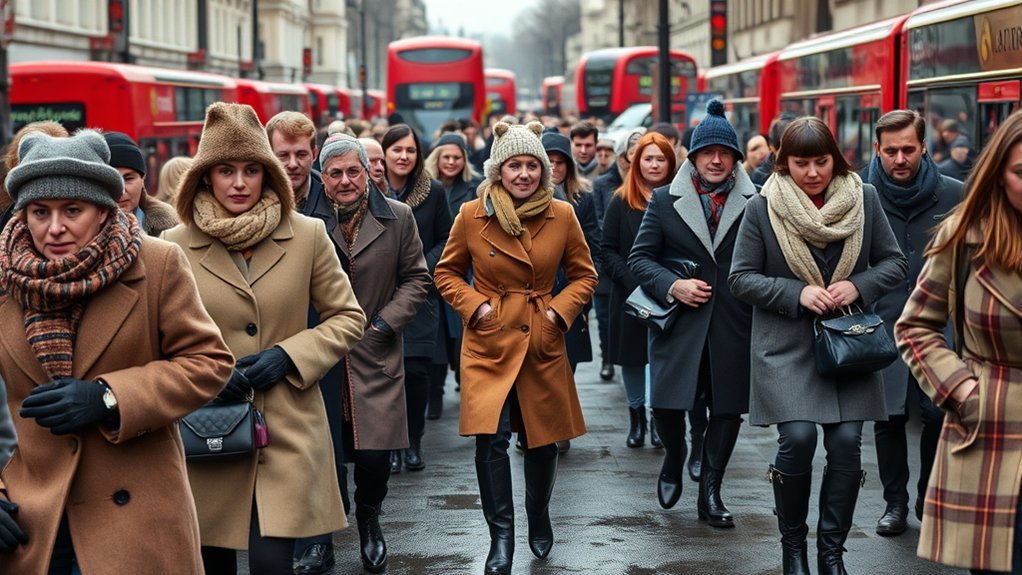
Typical London winter days are cool, with average daytime highs around 8°C to 9°C at Greenwich and colder conditions possible during short cold spells. Snow can occur, but persistent snow and ice are not guaranteed. Prepare mainly for cool air, wind, damp conditions, and temperature changes between outdoor and indoor spaces.
Use three functional layers: a comfortable base, an insulating jumper, and a protective coat. Wool, merino, fleece, and thermal fabrics can provide warmth without forcing you to wear one oversized garment. Your coat should allow free movement and have enough room for the layers underneath.
Scarves, gloves, and hats are compact ways to add warmth. Closed shoes with a stable, grippy sole help on wet pavement. Waterproof footwear is useful when heavy rain or snow is forecast, but ordinary leather or treated walking shoes may be enough on a dry winter day.
Museums, shops, theatres, and trains can feel warm, so avoid an outfit that cannot be adjusted. A coat that opens easily and a removable jumper will be more comfortable than wearing several fixed thermal layers indoors.
Best Footwear for London: Comfort for Extensive Walking
London sightseeing often includes station corridors, escalators, stairs, pavements, museums, markets, and walks between nearby attractions. Transport for London publishes numerous walking routes and station-to-station walking options, so footwear deserves as much attention as your coat.
- Well-cushioned trainers: A dependable choice for long sightseeing days and public transport.
- Water-resistant walking shoes: Useful when you expect rain but do not want a full boot.
- Ankle boots: Suitable for autumn, winter, and smarter casual outfits when properly broken in.
- Loafers or cushioned flats: Good for shorter walking days, restaurants, and indoor activities.
- Sandals with secure straps: Suitable for warm weather if they provide enough support for your route.
Avoid wearing brand-new shoes for a full sightseeing day. Test them before the trip and pack blister plasters if you are prone to rubbing. High heels are not forbidden, but they are inconvenient for long routes, uneven surfaces, and repeated station changes. Save them for short evening journeys when they suit the venue.
Must-Have Accessories for Every London Outfit
Accessories should solve a practical problem rather than fill suitcase space. Choose a few items that support the season and your itinerary.
| Accessory | Purpose |
|---|---|
| Compact umbrella | Convenient protection during light showers |
| Scarf | Extra warmth and an easy way to vary outfits |
| Sunglasses | Eye comfort and sun protection during bright weather |
| Crossbody bag | Hands-free storage for a phone, wallet, travel card, and small umbrella |
| Portable power bank | Backup power for navigation, tickets, photos, and transport apps |
A small bag is often easier than a large tote in crowded stations. Choose one with a secure closure and keep important items in an internal compartment. In winter, use a thicker scarf and gloves; in spring or summer, switch to lighter accessories.
What to Wear for Different London Activities
Sightseeing and Public Transport
Wear supportive shoes, flexible layers, and a bag that leaves your hands free. Avoid carrying a heavy coat if the forecast is mild because you may spend part of the day holding it inside museums and stations.
Theatres and West End Shows
Most London theatres do not require formal clothing for regular performances. Clean casual or smart-casual clothing is usually appropriate. A shirt, blouse, knit, dress, dark jeans, trousers, skirt, or simple jacket can all work. Check the venue if you are attending a gala, premiere, or special event.
Afternoon Tea and Smart Restaurants
Dress requirements vary. Some luxury hotels and restaurants request smart-casual clothing and may discourage sportswear, shorts, or flip-flops. Read the venue’s current dress policy before booking. A dress, blouse and trousers, collared shirt, knitwear, loafers, or neat ankle boots usually provides enough flexibility.
Nightlife
Pubs are generally casual, while certain clubs and cocktail bars may enforce door policies. Wear an outfit that suits the specific venue and bring an outer layer you can manage easily. Avoid relying on an assumed citywide nightlife dress code.
Business Travel
Pack one coordinated business or business-casual outfit based on your meeting. A blazer that also works with sightseeing clothes saves space. Keep formal shoes separate from your main walking pair so neither has to perform both jobs.
Places of Worship
Some churches, mosques, temples, and other religious sites may request modest clothing or head coverings. Check the site’s visitor guidance. A light scarf and a layer that covers the shoulders can help you adapt respectfully.
Best Places to Shop for London Clothing
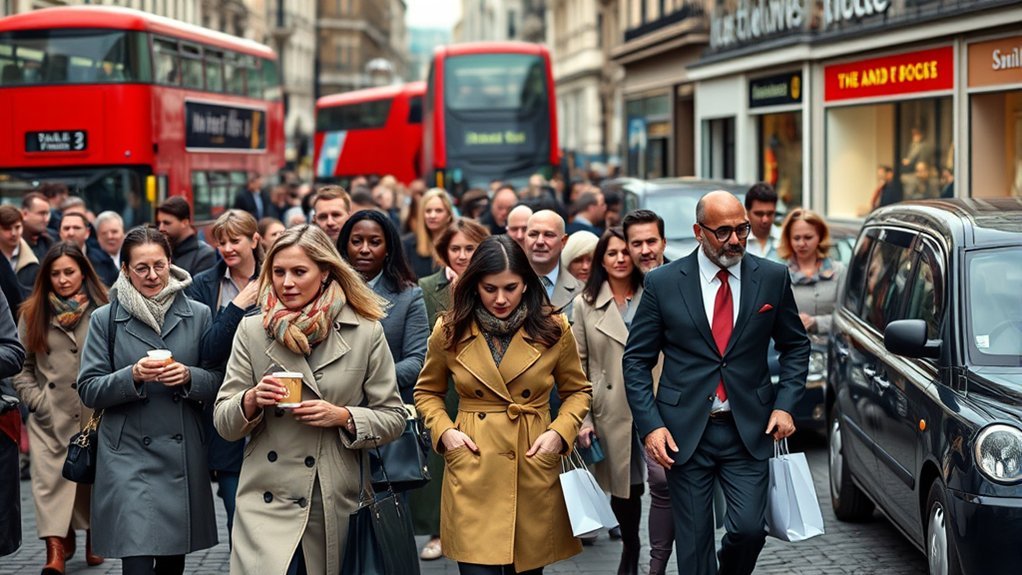
London offers high-street shops, department stores, independent boutiques, vintage clothing, luxury brands, and markets. The best area depends on your budget and preferred style. Because stores and opening hours change, use the current official Visit London shopping guide when planning your route.
- Oxford Street and Regent Street: Useful for major retailers, department stores, and flagship shops.
- Covent Garden: A mix of fashion boutiques, beauty shops, well-known brands, market stalls, and dining.
- Westfield London and Westfield Stratford City: Large indoor shopping centers with many brands under one roof.
- Camden Market: Known for vintage clothing, alternative fashion, accessories, handmade goods, and street food.
- Old Spitalfields Market: A good option for independent designers, vintage pieces, crafts, and fashion stalls.
- King’s Road and Chelsea: Suitable for boutiques, established brands, and more polished shopping.
Borough Market is worth visiting for food, produce, and restaurants rather than as a main clothing destination. For vintage and independent fashion, Camden, Spitalfields, Brick Lane, and specialist vintage shops are better choices.
Packing Tips for an Enjoyable London Experience
Start with your itinerary, expected laundry access, and the current forecast. Lay every item out before packing and remove anything that does not work with at least two other pieces. This produces more outfits without requiring a large suitcase.
| Item | Purpose | Packing Tip |
|---|---|---|
| Weather-appropriate jacket | Wind, rain, or cold protection | Choose one that fits over your thickest layer |
| Comfortable footwear | Walking, stations, and sightseeing | Wear your bulkiest pair while traveling |
| Versatile clothing | Multiple outfits and settings | Keep most pieces within one coordinated color palette |
| Compact rain protection | Forecast showers | Choose a small umbrella, hooded jacket, or both based on wind |
| Crossbody bag | Convenience and secure storage | Check that it holds your daily essentials without becoming heavy |
Weekend Packing Example
- Two or three tops
- One or two bottoms
- One optional dress, skirt, or smarter outfit
- One jumper, cardigan, or overshirt
- One weather-appropriate jacket
- One main walking shoe and, if needed, one smarter pair
- Underwear, sleepwear, socks, and seasonal accessories
One-Week Packing Example
- Four or five tops
- Two or three bottoms
- One dress or additional coordinated outfit
- Two middle layers of different weights
- One main coat or jacket
- Two pairs of shoes with different purposes
- Enough underwear and socks for your laundry plan
For longer trips, washing and re-wearing clothes is usually more efficient than adding a new outfit for every day. Quick-drying base layers, a small amount of travel detergent, and access to hotel or local laundry can reduce luggage.
Using the 3-3-3 Packing Method
The informal 3-3-3 method uses three tops, three bottoms, and three pairs of shoes that can be mixed together. It can help you build a capsule, but three pairs of shoes may be excessive for a short London trip. You can adapt the formula by using two shoes and adding a jacket or dress instead.
Understanding the 5-5-5 Rule
There is no single accepted 5-5-5 clothing rule. Some versions use five tops, five bottoms, and five shoes, while others replace shoes with layers or accessories. Treat it as a flexible wardrobe idea rather than a fixed travel standard. Choose categories that match your trip length, weather, activities, and access to laundry.
Frequently Asked Questions
What should American tourists wear in London?
American tourists do not need a special London wardrobe. Wear practical layers, supportive shoes, and clothes that suit your plans. Casual clothing is common, while smart-casual pieces can help with restaurants, afternoon tea, business meetings, and evening events.
What is the 3-3-3 rule for clothes?
The common travel version means packing three tops, three bottoms, and three pairs of shoes that mix and match. It is an optional capsule method, not an official rule. You can reduce the number of shoes or replace one category to suit your itinerary.
What is the 5-5-5 rule for clothing?
The 5-5-5 rule has several interpretations. A common capsule version uses five tops, five bottoms, and five shoes or layers. Because no universal definition exists, use it only as a flexible planning framework and adjust the categories to your trip.
What should you not wear in London as a tourist?
There is no general list of forbidden tourist clothing. Avoid shoes that hurt, outerwear that does not match the forecast, and outfits that conflict with a venue’s stated dress code. Flip-flops may be uncomfortable for long walks, but casual clothes such as jeans, trainers, and sweatshirts are widely worn.
Does it rain every day in London?
No. Rain is possible throughout the year, but London does not receive continuous rain every day. Check the short-term forecast and carry compact rain protection when showers are expected rather than packing as though every day will be wet.
Do you need a heavy coat in London?
A heavy coat is normally useful in winter but can be excessive in spring, summer, or early autumn. For much of the year, a lighter coat combined with a removable jumper or cardigan offers more flexibility. Use the current forecast to make the final choice.
Conclusion
The best London wardrobe is practical, adjustable, and easy to combine. Start with comfortable shoes, add breathable base pieces, and choose layers that match the season. Bring rain protection when the forecast calls for it, and keep one smarter outfit available if your plans include formal restaurants, business meetings, or special events.
You do not need to imitate a particular London style. Check the weather, consider how much walking you will do, and pack clothes you already know are comfortable. A small coordinated wardrobe will usually serve you better than a suitcase filled with single-use outfits.
Sources
- Met Office: Greenwich climate averages — 1991–2020 monthly temperature, rainfall, and sunshine averages.
- Met Office: London weather forecast — current short-term conditions and forecast planning.
- Visit London: London weather — official visitor guidance on seasonal conditions and heatwaves.
- Transport for London: Walking — London walking routes and pedestrian travel information.
- Visit London: Top shopping destinations — current official guidance to London’s main shopping areas.
- NHS: Sunscreen and sun safety — UV, clothing, sunglasses, shade, and sunscreen guidance.
