

Last Updated on September 11, 2026 by Daniel Globe
London in March can feel mild in the afternoon and noticeably colder after sunset, with rain possible at any point. The most useful coat is one that leaves room for a sweater, handles at least light rain, and is comfortable to carry or wear indoors. Your final choice should depend on the forecast and how easily you feel cold.
Quick Answer
For London in March, pack a lightweight waterproof or water-resistant trench with room for a sweater. Choose a wool coat when the forecast is cold and mostly dry. If steady rain is expected, use a true waterproof raincoat with a hood. Build warmth with removable layers instead of one heavy winter coat.
Key Takeaways
- A trench is the most versatile choice, but check whether it is water-resistant or fully waterproof.
- A lightweight wool coat works better for cold, mostly dry days than for persistent rain.
- Use a waterproof raincoat with a hood when the forecast shows repeated or prolonged showers.
- Pack a long-sleeve base, sweater, scarf, and comfortable weather-resistant shoes so you can adjust throughout the day.
Disclosure: As an Amazon Associate I earn from qualifying purchases. Some links on this page are affiliate links, at no extra cost to you.
What Coat Works Best in London in March?
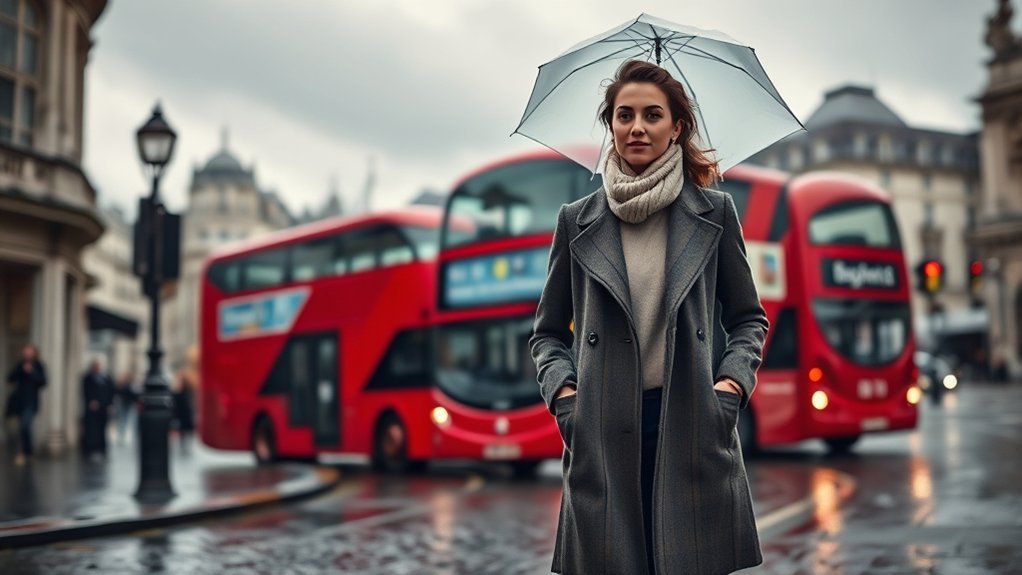
For most March trips, a lightweight trench coat gives you the best balance of comfort, rain resistance, and easy layering. It works over a long-sleeve shirt, knit sweater, or thin fleece, and you can leave it open when the afternoon feels milder.
However, not every trench is waterproof. A traditional fashion trench may handle drizzle but eventually let water through in sustained rain. Check the garment label and product description before relying on it as your only rain layer.
| Expected weather | Best coat | What to wear underneath |
|---|---|---|
| Mild with occasional drizzle | Water-resistant trench | Long-sleeve top and light sweater |
| Cold and mostly dry | Lightweight wool coat | Sweater, scarf, and optional thin thermal layer |
| Repeated or prolonged rain | Waterproof raincoat or waterproof trench with a hood | Breathable base and removable mid-layer |
| Cold, windy, and wet | Waterproof insulated jacket | Light base layer to prevent overheating indoors |
London Weather in March: What to Expect
The Met Office’s 1991–2020 Heathrow climate averages show a March average daily maximum of about 11.7°C and an average minimum of about 4.1°C. Heathrow recorded an average of about 38.8 mm of March rainfall and 8.5 days with at least 1 mm of rain.
Normal March temperatures near London average roughly 11.7°C by day and 4.1°C at night, but a specific week can be warmer, colder, drier, or wetter.
These figures are climate averages, not a forecast for your travel dates. Early March may still feel wintry, especially in the morning, while late March can bring brighter and milder afternoons. The official Visit London March guide also describes the weather as mild but changeable.
Note: Check the detailed forecast two or three days before departure. Averages help you plan your wardrobe, but the forecast should decide whether you pack a trench, wool coat, or true waterproof shell.
Why a Trench Coat Is the Safest Bet
A trench coat is usually the safest all-round choice because it is easier to layer than a heavy winter coat. It can cover a sweater on a cold morning without becoming uncomfortable when you enter a café, museum, shop, or train.
- Wear it over a sweater for cool mornings and evenings.
- Choose a slightly relaxed fit so the shoulders and sleeves do not feel tight over knitwear.
- Leave it open when the afternoon becomes milder.
- Pair it with trainers, waterproof walking shoes, or ankle boots.
- Choose a hooded version or carry a compact umbrella if the coat has no hood.
A knee-length or mid-thigh trench also gives your trousers more protection from spray than a short jacket. Look for secure pockets, a comfortable lining, and cuffs that can be adjusted when it is windy.
Pro Tip: Try the trench over the thickest sweater you plan to pack. You should be able to move your shoulders, bend your arms, and fasten the coat without pulling across the back.
When a Wool Coat Makes More Sense
A lightweight wool coat can be more comfortable when the forecast is cold, breezy, and mostly dry. It normally provides more insulation than an unlined trench and works well for evenings, smart restaurants, theatre visits, and days when you expect to spend considerable time outdoors.
Choose a wool coat with enough room for a light sweater. A breathable lining and front closure that is easy to open can make the coat more comfortable when you move between cold streets and heated indoor spaces.
Do not treat an ordinary wool coat as a waterproof raincoat. Some specially engineered wool fabrics are made to resist wind and rain, as explained by Woolmark, but that does not mean every wool coat has the same protection. A normal wool coat may tolerate a brief shower, yet prolonged rain can leave it wet, heavy, and slow to dry.
Warning: Do not choose a wool coat as your only outer layer when repeated rain is forecast unless the manufacturer specifically describes it as weather-resistant and provides suitable care instructions.
Best Waterproof Coats for London in March

If prolonged rain is expected, choose a true waterproof raincoat, waterproof trench, or waterproof insulated jacket. A hood is especially useful when wind makes an umbrella difficult to manage.
- Choose a waterproof trench when you want city-friendly styling and longer coverage.
- Choose a lightweight waterproof shell when low weight and packability matter most.
- Choose a waterproof insulated jacket when the forecast is both cold and wet.
- Choose a water-resistant trench only for drizzle, brief showers, or days when you will spend limited time outside.
Water-Resistant vs. Waterproof
The terms are not interchangeable. A water-resistant coat can shed light rain for a limited period, while a waterproof coat is designed to provide stronger protection in sustained rain. The GORE-TEX explanation of waterproof and water-resistant clothing highlights this difference.
When comparing coats, look for a clear waterproof claim rather than relying only on phrases such as “weather-ready” or “shower-resistant.” Features such as a waterproof membrane, taped or sealed seams, a protective front zipper, and an adjustable hood can improve protection. A durable water-repellent surface treatment can help water bead off the exterior, but the surface treatment alone does not make every coat fully waterproof.
A puffer jacket also needs a label check. Many puffers resist a short shower but are not designed for prolonged rain. Choose a waterproof insulated model when you need both warmth and dependable rain protection.
How to Layer Under Your March Coat
Removable layers are more useful than one extremely heavy coat because London’s outdoor and indoor temperatures can feel very different. Start with a comfortable base, add warmth only when you need it, and leave enough space under the coat for air to circulate.
| Layer | Why it helps | When to use it |
|---|---|---|
| Long-sleeve T-shirt | Provides a comfortable base without excessive bulk | Most March days |
| Wool or cotton-blend sweater | Adds removable warmth | Cool mornings, evenings, and breezy days |
| Thin fleece | Provides light insulation and dries relatively quickly | Long outdoor days or colder forecasts |
| Packable waterproof shell | Blocks sustained rain when your main coat is not waterproof | Wet forecasts or day trips outside central London |
| Thermal leggings or tights | Adds warmth without changing your outer outfit | Cold evenings or travelers who feel cold easily |
A moisture-managing base layer can help if you plan to walk for hours, but a technical thermal top is not essential for every visitor. A normal long-sleeve top and lightweight sweater are enough for many people. Travelers arriving from a hot climate or those who feel cold easily may prefer an extra thermal layer.
Coat Features That Matter in London
The coat’s construction can matter more than its color or brand. Check these details before packing:
- Room for layers: The coat should fit comfortably over a sweater without restricting your arms.
- Hood: A secure, adjustable hood is useful during windy showers.
- Length: A mid-thigh or knee-length coat protects more of your clothing from rain and road spray.
- Rain protection: Confirm whether the garment is water-resistant or waterproof.
- Breathable lining: This can reduce discomfort on trains and inside heated buildings.
- Secure pockets: Zipped or buttoned pockets help protect your phone, ticket, and travel card.
- Packability: A lighter coat is easier to carry when the afternoon becomes warm.
- Care requirements: Check whether rain exposure, machine washing, or tumble drying can affect the coat’s finish.
Which Coat Colors Londoners Actually Wear
London has no required coat color, and you do not need to dress a certain way to blend in. Neutral shades such as black, grey, navy, beige, cream, and taupe are practical because they combine easily with a small travel wardrobe. Brighter colors are also completely suitable if that is your normal style.
Neutral Coat Colors
A neutral coat can make packing easier because it works with several tops, trousers, shoes, and scarves. This matters more than trying to copy a supposed London uniform.
- Black: Versatile and less likely to show road spray.
- Grey: Easy to combine with black, navy, denim, and brighter accessories.
- Navy: A softer alternative to black that still works for smart outfits.
- Beige: A traditional trench color that creates a lighter spring look.
- Cream or taupe: Flexible spring shades, although marks may be more visible.
Chic Dark Tones
Dark coats can be convenient for a city trip because they match most footwear and are less likely to show small splashes or marks. Their main advantage is practical wardrobe coordination, not a rule about how London residents dress.
| Coat color | Why it works |
|---|---|
| Black | Pairs with almost any travel outfit and hides small marks well |
| Navy | Looks smart while feeling less severe than black |
| Charcoal | Works with denim, black trousers, and most neutral shoes |
You can wear a black trench for drizzly walks, a navy wool coat for a cold evening, or a bright waterproof jacket when visibility and personal style matter more than a neutral wardrobe.
What Else to Pack With Your March Coat
The coat is only one part of a comfortable March outfit. Add a few compact items that make it easier to respond to changing conditions:
- Compact umbrella: Useful for light rain when the wind is not too strong.
- Scarf: Adds warmth and can be removed quickly indoors.
- Thin gloves: Helpful on cold mornings, evening walks, and open-top sightseeing buses.
- Comfortable weather-resistant shoes: More useful than delicate footwear when pavements are wet.
- Warm socks: Important if you expect to walk for several hours.
- Small day bag: Gives you space for an umbrella, scarf, or removed sweater.
- Sunglasses: March can include bright periods between showers.
A Simple One-Coat Packing Plan
If you want to travel with only one main coat, use this approach:
- Choose a waterproof or reliably water-resistant trench with enough space for a sweater.
- Pack one lightweight sweater or fleece for cold mornings and evenings.
- Add a scarf and thin gloves if you feel cold easily.
- Wear comfortable weather-resistant shoes and carry a compact umbrella.
- Check the forecast shortly before departure and add a packable rain shell only if your trench is not waterproof and prolonged rain is expected.
This combination covers the widest range of normal March conditions without forcing you to carry a bulky winter coat throughout the trip.
Frequently Asked Questions
What Jacket Should You Wear in London in March?
A lightweight trench is the most versatile option for typical March conditions. Choose a true waterproof raincoat when prolonged rain is forecast, or a lightweight wool coat when the weather will be cold and mostly dry. Leave enough room for a sweater underneath.
Is a Trench Coat Warm Enough for London in March?
An unlined trench may not feel warm enough by itself on a cold morning. Wear it over a sweater, fleece, or thin insulated layer. Travelers who feel cold easily may prefer a lined trench or lightweight wool coat.
Do You Need a Fully Waterproof Coat?
Not for every trip. A water-resistant trench may be enough for drizzle and short showers. Pack a fully waterproof coat when the forecast shows prolonged rain, especially if you expect to spend several hours outside.
What Is the 3-3-3 Rule for Clothing?
The 3-3-3 method is a flexible minimalist packing idea, not an official rule. A common version uses three tops, three bottoms, and three pairs of shoes that can be mixed into several outfits. For London in March, you may need fewer shoes and more useful layers, so adjust the formula to your trip.
What Should You Avoid Doing in London as an American Visitor?
Do not assume traffic will approach from the direction you expect. Follow the Highway Code’s pedestrian guidance, use a nearby crossing when available, and look in every direction before crossing. Britain does not have a broad jaywalking rule like many US jurisdictions, so saying that pedestrians may cross only at marked crossings is inaccurate. In restaurants, check the bill before tipping because a service charge may already be included.
Can You Wear Jeans to Dinner in London?
Yes. Clean, dark jeans with a neat top and smart shoes are suitable for many casual and smart-casual restaurants. Fine-dining venues, private clubs, and formal events may have stricter rules, so check the venue’s dress code before visiting.
How Much Should You Tip in London Restaurants?
Tipping is generally optional. According to the Visit London tipping guide, restaurants commonly add a service charge, often around 12.5 percent. Check the bill first. When no service charge is included, a tip of around 10 to 15 percent may be left for good table service.
Sources
- Met Office: Heathrow location-specific long-term averages — March temperature, rainfall, sunshine, and rain-day averages for 1991–2020.
- Visit London: London in March — official visitor guidance on March weather and clothing.
- GORE-TEX: Waterproof vs. water-resistant — distinction between the two levels of rain protection.
- GOV.UK: Highway Code rules for pedestrians — official road-crossing and pedestrian safety guidance.
- Visit London: Tipping guide — current restaurant service-charge and tipping guidance.
Conclusion
For most visits, a lightweight trench coat with room for a sweater is the easiest choice for London in March. Choose a wool coat when the forecast is colder and mostly dry, or a fully waterproof coat when prolonged rain is expected. Add removable layers, weather-resistant shoes, and a compact umbrella, then make your final decision from the forecast shortly before you travel.
