
Last Updated on September 11, 2026 by Daniel Globe
Yes, you can bring tweezers on a plane in both your carry-on baggage and checked luggage without hassle. The Transportation Security Administration (TSA) permits standard eyebrow, medical, and cosmetic tweezers through airport security checkpoints without length restrictions. However, security officers retain final discretion, meaning sharp needle-point tips or unusually long industrial forceps may occasionally receive additional scrutiny.
Quick Answer
Yes, tweezers are 100% allowed in both carry-on and checked bags on domestic and international flights. Unlike utility tools (which must be 7 inches or shorter) or scissors (which must have blades under 4 inches from the pivot point), standard grooming tweezers have no strict size limit. Slant, curved, and flat tips pass through security with ease, while sharp needle-point tweezers should be packed with a protective cap.
Key Takeaways
- Carry-On Allowed: TSA and international aviation authorities allow standard cosmetic and first-aid tweezers in cabin luggage.
- Checked Bags Unrestricted: Any size, shape, or sharp-pointed specialty tweezer can be packed in checked luggage.
- Tip Shape Matters: Slant, flat, and round tips pass seamlessly; needle-point tweezers may trigger secondary manual inspection.
- Officer Discretion: The TSA screening officer makes the final decision on whether an item poses a security concern.
At a Glance
| Carry-On Allowance | Allowed (No strict size limit for cosmetic tweezers) |
| Checked Bag Allowance | Allowed (All types, lengths, and tip profiles) |
| Recommended Packing | Hard travel tube or toiletry organizer near the top of carry-on |
| Screening Risk | Low (Slightly higher for sharp point/splinter tweezers) |
Disclosure: As an Amazon Associate I earn from qualifying purchases. Some links on this page are affiliate links, at no extra cost to you.
Can You Bring Tweezers on a Plane?
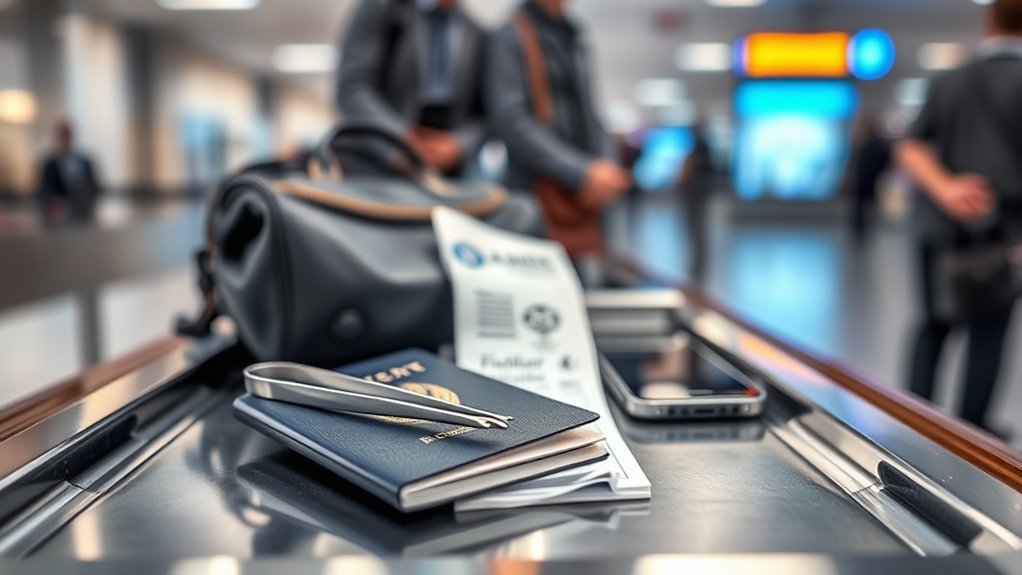
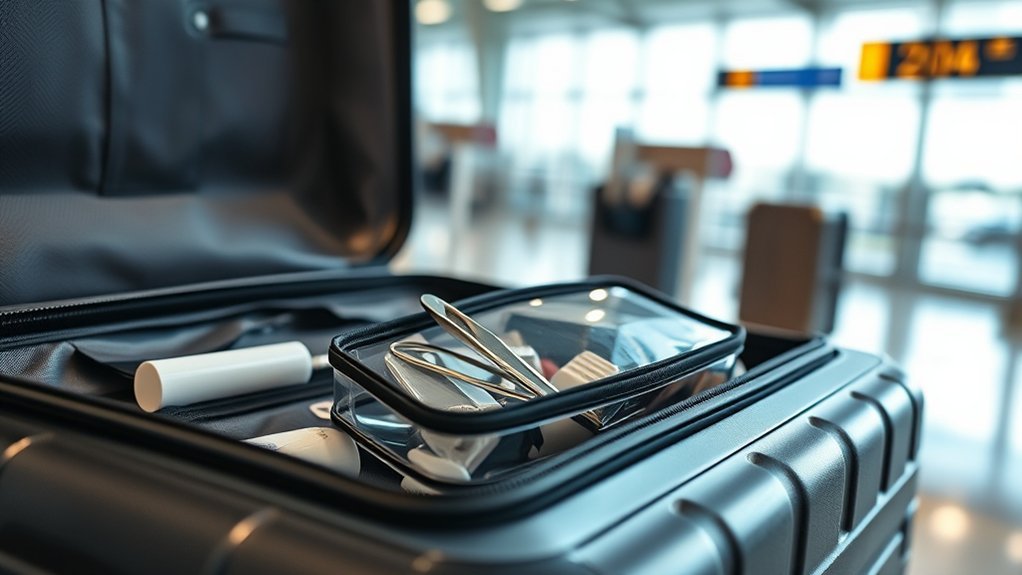
Travelers routinely pack tweezers in their personal bags, dopp kits, and cosmetic pouches without issue. Whether you are traveling for a weekend getaway or an extended international holiday, personal grooming tools such as eyebrow tweezers, splinter removers, and first-aid forceps are categorized as permitted personal items.
Confusion often arises because travelers conflate the rules for general utility tools with personal grooming items. TSA maintains a strict 7-inch maximum rule for manual work tools (such as screwdrivers, wrenches, and pliers). Cosmetic tweezers are not subject to this 7-inch restriction, though standard personal tweezers measure between 3 and 5 inches anyway. If you are carrying heavy-duty craft tweezers, laboratory forceps, or extra-long surgical instruments exceeding 7 inches, security officers may classify them as workshop tools or potential hazards, making checked luggage the safer choice.
TSA Rules for Tweezers in Carry-On Bags
TSA screening officers monitor carry-on baggage using advanced X-ray imaging and computed tomography (CT) scanners to detect potential weapons and dangerous sharp objects. Because tweezers are small and lack a cutting edge, they are classified under everyday toiletries alongside nail clippers and disposable razors.
Note: Under 49 CFR § 1540.111, TSA security officers at the checkpoint have final authority to determine whether any item is permitted through the security checkpoint. If a uniquely shaped tool resembles a weapon or presents a sharp threat, an officer may request secondary screening.
Carry-On Tweezer Rules and Size Limits
For standard carry-on baggage, keep the following guidelines in mind:
- Standard Tweezers: Slanted-tip, straight-tip, and round-tip grooming tweezers of any standard consumer size are permitted.
- Micro & Travel Tweezers: Mini tweezers designed for travel kits pass screening effortlessly.
- Pointed & Splinter Tweezers: Permitted, but sharp, needle-like tips can occasionally trigger manual bag inspections if they appear dangerously sharp on X-ray screens.
- Medical & Specialty Tweezers: Forceps and hemostats used for medical needs are allowed, though carrying them in a dedicated first-aid organizer is recommended.
Security Screening Tips for Checkpoint Success
To avoid delays while passing through TSA checkpoints:
- Organize in a Clear Pouch: Store your tweezers inside a dedicated toiletry kit or clear makeup bag rather than letting them float loose at the bottom of your carry-on.
- Use Protective Caps: Keep silicone tip guards on precision tweezers to prevent them from poking through bags or raising concerns during manual bag checks.
- Keep Accessible: If your carry-on contains a dense cluster of metal objects (cables, keys, electronics, grooming tools), place the toiletry bag near the top of your bag in case the scanner operator requests a physical check.
How Tweezer Shape and Tip Style Affect Airport Screening
The design of your tweezer tips plays the largest role in how quickly your bag clears the security scanner. Here is how various tweezer styles perform at airport checkpoints:
| Tweezer Type | Tip Profile | Carry-On Status | Screening Risk |
|---|---|---|---|
| Slant Tip | Angled, semi-flat edge | Fully Permitted | Very Low |
| Point / Splinter Tip | Ultra-sharp needle points | Permitted | Low–Medium (May need inspection) |
| Round / Flat Tip | Blunt, rounded edges | Fully Permitted | Zero Risk |
| Surgical / Hemostat | Locking clamp / long serrated nose | Permitted (Under 7″) | Medium (Looks like a medical tool) |
Which Tweezer Materials Pass Security Easier?
Both stainless steel and polymer plastic tweezers pass airport screening, but their physical characteristics create different signatures under airport X-ray imaging.
Stainless Steel Tweezers
High-grade stainless steel is the standard for precision tweezers. On airport dual-energy X-ray machines, dense metals show up as dark blue or black silhouettes. Because security operators inspect thousands of grooming kits daily, standard steel tweezers are immediately recognized as benign items. To protect metal tips from bending during transit, store them in a solid sleeve or slotted case.
Plastic Tweezer Options
Plastic or polymer tweezers are commonly found in disposable first-aid kits, tick removal kits, and electronics handling sets. Plastic displays as orange or light brown on security monitors (indicating low-density organic/polymeric material). While plastic tweezers present zero weapon threat, they are more prone to snapping under heavy luggage pressure, making a rigid case essential.
Medical and Specialty Tweezers Exceptions
Travelers carrying specialized medical instruments—such as sterile splinter extractors, diabetic testing forceps, or post-operative surgical tweezers—are fully allowed to carry these items in cabin baggage.
Pro Tip: If you must carry medical-grade sharp forceps or specialty instruments, keep them in their original sterile packaging or marked first-aid kit. Informing the TSA officer before screening begins expedites the process.
Tweezers in Checked Bags
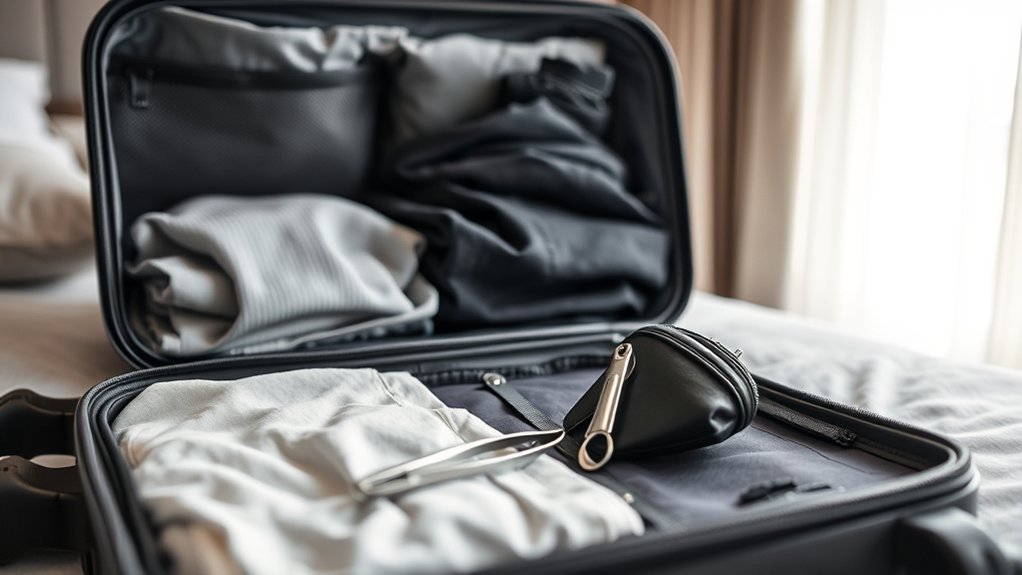
Packing tweezers in your checked baggage is completely unrestricted. Checked luggage accepts any length, tip geometry, material, or quantity of tweezers without triggering security confiscation concerns.
Checked Bag Allowance and Safety Guidelines
When packing tweezers in checked bags, the primary concern is preventing damage to your belongings and protecting baggage handlers. The Federal Aviation Administration (FAA) PackSafe program advises securing all sharp grooming tools so they do not puncture luggage walls or injure personnel during handling.
Protective Storage Tips for Luggage
- Use a Hard Travel Case: Place tweezers in a dedicated aluminum cylinder, plastic tube, or leather sleeve.
- Cap the Tips: Always slip the rubber or silicone protector over the tip to preserve alignment and calibration.
- Cushion Between Soft Items: Nest your grooming kit in the center of your suitcase surrounded by clothing to absorb transit impacts.
Which Sharp Grooming Objects Are Allowed in Carry-On?
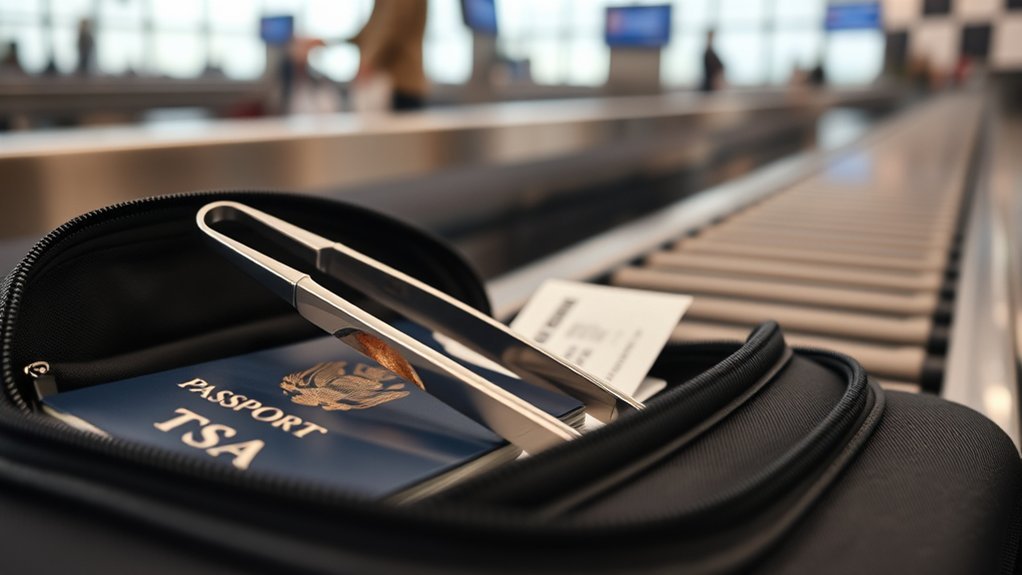
When assembling your in-flight toiletry kit, it helps to understand how tweezers compare to other sharp personal care tools under TSA Sharp Objects regulations:
| Grooming Tool | Carry-On Status | Key Restriction / Rule |
|---|---|---|
| Tweezers | Allowed | No size cap for standard grooming tools |
| Grooming / Nail Scissors | Allowed | Blades must be 4 inches or less from the pivot point |
| Nail Clippers & Files | Allowed | Standard emery boards, metal files, and clippers permitted |
| Disposable Razors / Cartridges | Allowed | Cartridge-based safety razors and disposables permitted |
| Safety Razor (Loose Blades) | Prohibited in Carry-On | Handle allowed, but removable double-edge razor blades must be checked |
| Straight Razors | Prohibited in Carry-On | Must be packed securely in checked luggage only |
How to Pack Tweezers for Travel
Proper packing keeps your tools clean, calibrated, and readily accessible for checkpoint inspection if requested.
| Packing Choice | Why It Matters | Best Practice |
|---|---|---|
| Protective case | Prevents tip misalignment and damage | Use a rigid tube or slotted leather pouch |
| Top of bag placement | Speeds up secondary screening | Keep toiletry pouch in an exterior pocket |
| Grouped toiletry bag | Clarifies X-ray context for screeners | Pack alongside toothbrush, comb, and clippers |
Tweezers Rules for International Flights
International security agencies align closely with TSA standards regarding small grooming items, but specific limits on sharp points exist across jurisdictions:
- Canada (CATSA): Tweezers are permitted in both carry-on and checked luggage without restrictions.
- United Kingdom (UK DfT / CAA): Tweezers, small nail clippers, and scissors with blades under 6 cm (approx. 2.36 inches) are permitted in cabin baggage.
- European Union (EASA Guidelines): Tweezers are allowed in carry-on baggage across all EU airports. Scissors and pointed tools with blades over 6 cm must be placed in checked luggage.
- Australia (Department of Home Affairs): Personal grooming tweezers are allowed in carry-on bags. Pointed metal tools deemed capable of causing harm remain subject to screener evaluation.
Warning: When departing from international transit hubs or taking internal flights in regions with strict security protocols, screeners may hold more conservative interpretations of sharp items. If traveling with expensive or heirloom precision tweezers, pack them in checked luggage to prevent risk of confiscation.
Best Travel Tweezers and Safer Alternatives
When selecting tweezers specifically for air travel, look for features tailored to transit durability and security compliance:
- Slant-Tip Stainless Steel: Offers the best all-around versatility for eyebrows, splinters, and grooming while presenting zero security concerns.
- Rigid Travel Case: Tweezers with a screw-top aluminum tube or hard plastic case stay clean and avoid puncturing toiletry bags.
- Mini Grooming Kits: Compact kits that bundle nail clippers, slant tweezers, and small rounded scissors in a dedicated leatherette organizer.
- Non-Metallic Alternatives: If you prefer to bypass metal detectors entirely, high-tensile fiberglass or polycarbonate tweezers are lightweight, antimagnetic, and completely non-threatening at security.
Frequently Asked Questions
Will TSA confiscate my tweezers at airport security?
No, TSA will not confiscate standard cosmetic or first-aid tweezers. They are fully permitted in carry-on bags. Confiscation only occurs in rare instances where specialty tools feature excessively sharp needle points, razor attachments, or lengths that an individual officer deems hazardous.
Are tweezers allowed in my carry-on luggage?
Yes. You can pack tweezers of any standard consumer size (slanted, flat, curved, or pointed) in your carry-on luggage or personal item without restriction on domestic and international flights.
Why is nail polish restricted on planes, and how does it compare to tweezers?
Nail polish is classified as a liquid and potential solvent, making it subject to the TSA 3-1-1 liquids rule (bottles must be 3.4 ounces / 100 ml or smaller and fit into a single quart-sized bag). Tweezers are solid metal tools and have no liquid volume or quantity restrictions.
Does TSA allow nail clippers and tweezers together?
Yes. Both nail clippers and tweezers are explicitly permitted in carry-on and checked baggage. Packing them together in a grooming kit is standard travel practice and will not trigger checkpoint delays.
Are eyebrow scissors allowed on a plane alongside tweezers?
Yes, small grooming and eyebrow scissors are permitted in carry-on bags as long as the blades measure 4 inches or less from the pivot point (under TSA rules) or under 6 cm from the fulcrum (under UK and European regulations).
Conclusion
Bringing tweezers on a plane is straightforward and completely permitted across both domestic and international airlines. Standard cosmetic slant, flat, and round-tip tweezers can stay in your carry-on toiletry kit without any risk of confiscation. If you travel with ultra-sharp splinter extractors, extra-long medical forceps, or specialty workshop tweezers, using a protective hard case or packing them in your checked luggage ensures a completely seamless trip through airport security.
Sources
- Transportation Security Administration (TSA) — Official What Can I Bring? Tweezers Screening Policy
- TSA Sharp Objects Guidelines — Regulations on scissors, clippers, and sharp personal grooming items
- Canadian Air Transport Security Authority (CATSA) — What You Can Bring: Tweezers & Personal Care Tools
- UK Department for Transport (DfT) — Hand Luggage Restrictions and Permitted Personal Items
- Federal Aviation Administration (FAA) PackSafe — Passenger Safety Guidelines for Checked and Carry-On Luggage
