
Last Updated on September 11, 2026 by Daniel Globe
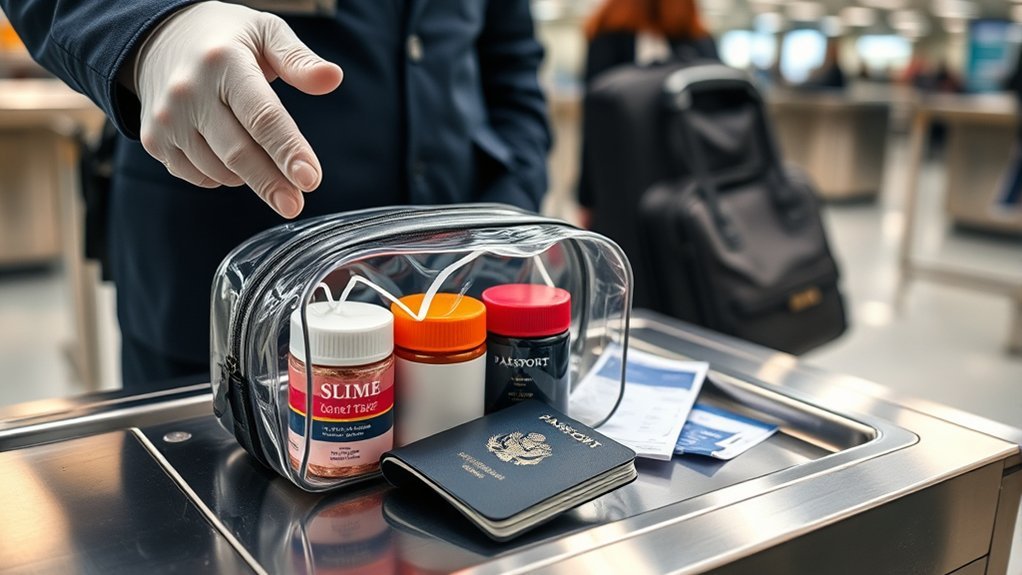
Yes, you can usually travel with slime, including on international flights, but the rule that matters is the security policy at each airport where your bag is screened. For a flight departing from the United States, gel-like slime should be packed conservatively under TSA’s 3-1-1 liquids rule. Larger tubs are usually better placed in checked baggage.
Quick Answer
Yes, you can usually bring slime on an international flight, but cabin rules depend on the airport screening you. For U.S. TSA checkpoints, pack gel-like slime in containers of 3.4 ounces (100 milliliters) or less inside your one-quart liquids bag. Larger tubs are better packed in checked baggage.
Key Takeaways
- At U.S. TSA checkpoints, the safest approach is to treat gel-like slime as a liquid or gel and follow the 3-1-1 rule.
- Each carry-on container should hold no more than 3.4 oz (100 ml), and all liquids and gels must fit in the passenger’s allowed liquids bag.
- Larger ordinary slime containers are generally better placed in checked baggage and packed against leaks.
- International rules are not identical: EU and Canadian airports generally use a 100 ml limit, while rules at UK airports can vary.
- A TSA officer or other local screening authority makes the final decision at the checkpoint.
Disclosure: As an Amazon Associate I earn from qualifying purchases. Some links on this page are affiliate links, at no extra cost to you.
Can You Bring Slime Through TSA?

You can usually bring a small amount of gel-like slime through a U.S. airport checkpoint if you pack it according to TSA’s 3-1-1 liquids rule. TSA’s published rule covers liquids, aerosols, gels, creams, and pastes in carry-on baggage and limits them to containers of 3.4 ounces (100 milliliters) or less.
TSA’s public “What Can I Bring?” database does not provide a separate slime rule in the guidance reviewed here. Because ordinary toy slime has a gel-like, spreadable consistency, the safest packing method is to treat it as a gel rather than assume it will be treated like a solid toy.
All of your travel-size liquids and gels must fit inside the permitted clear liquids bag. A label such as “toy slime” can help you stay organized, but ordinary slime does not have a general TSA labeling requirement.
Note: Even an item that is normally permitted can receive additional screening or be stopped if it alarms, appears tampered with, obstructs screening, or raises another security concern. The final checkpoint decision belongs to the security officer.
TSA’s Liquid Rule for Slime
For gel-like slime in a carry-on, plan around the same limits TSA publishes for other gels and pastes. The 3-1-1 rule is about the size of each container and the total space available in your liquids bag, not simply whether you can squeeze another toy into your suitcase.
| Situation | Best Rule to Follow | Practical Result |
|---|---|---|
| Gel-like slime in carry-on | 3.4 oz / 100 ml or less per container | Pack with other liquids and gels |
| Several small slime containers | Each container must meet the size limit and all must fit in the allowed liquids bag | Usually workable if bag space allows |
| Container larger than 3.4 oz / 100 ml | Do not rely on it passing a standard TSA checkpoint | Put it in checked baggage when possible |
| Item raises a screening concern | Additional inspection may be required | Final decision rests with the officer |
Do not assume that a large container becomes compliant because it is only partly filled. For the least risk at security, use a container whose stated capacity is no more than 3.4 ounces or 100 milliliters.
Carry-On vs. Checked Baggage for Slime
If you want slime available during the flight, carry a small amount that meets the applicable cabin liquid limit. If you are bringing a full-size tub or several large containers, checked baggage is usually the simpler option.
TSA allows many liquids and gels that exceed the carry-on limit to travel in checked baggage as long as the item is not otherwise prohibited. The 3-1-1 rule is a cabin-security rule; it is not a general 100 ml limit on everything placed in checked luggage.
Pro Tip: Put every slime tub in its own resealable plastic bag before placing it in checked luggage. Use a tightly closing container and leave a little room at the top so a leak does not spread through clothing or other belongings.
Airline baggage-size, weight, and dangerous-goods rules still apply. If your homemade slime contains unusual chemicals rather than normal craft-toy ingredients, confirm the ingredients are permitted before packing it.
International Flight Rules for Slime
An “international flight” does not create one worldwide slime rule. What matters is the airport security checkpoint you are passing through. If you depart from the United States, TSA screens your carry-on. If you depart from another country or are re-screened during a connection, that country’s rules apply.
| Checkpoint | Current General Cabin-Liquid Rule | What It Means for Slime |
|---|---|---|
| United States / TSA | 3.4 oz (100 ml) or less per liquid/gel container; one quart-size clear bag | Pack gel-like slime under the 3-1-1 rule |
| European Union | Containers no greater than 100 ml in one transparent, resealable 1 L bag | Keep ordinary slime containers at or below 100 ml |
| Canada / CATSA | 100 ml/100 g or less per container in one clear, resealable 1 L bag | Treat gel-like slime conservatively under the liquid/gel limit |
| United Kingdom | Rules depend on the airport; most retain a 100 ml limit, while some may allow containers up to 2 L | Check the exact departure and transfer airport before packing a larger container |
For EU departures, review the European Commission’s current air-traveler security guidance. For UK trips, check the current UK liquid restrictions, because scanner upgrades mean rules are not identical at every airport. Travelers departing Canada can use CATSA’s liquids, aerosols, and gels guidance.
Warning: Check every airport where you may pass through security, not only your first departure airport. A container accepted at one airport can create a problem during a connection or return trip if the next checkpoint uses a stricter limit.
Pack Slime in a 3.4-Ounce Container
For a U.S. TSA checkpoint, use a slime container with a capacity of no more than 3.4 ounces (100 milliliters). If you want several colors or textures, you can use several compliant containers as long as they fit with your other liquids and gels inside the permitted clear bag.
Choose sturdy containers with lids that close securely. Do not overfill them, and wipe slime from the threads or rim before closing the lid. A secondary resealable bag is useful even when the container itself is inside your liquids bag because it can contain a leak.
Keep the liquids bag accessible during screening. In a standard TSA screening lane, you may be asked to remove it and place it in a bin. Procedures can differ at TSA PreCheck lanes or checkpoints using newer screening equipment, so follow the signs and officer instructions at your airport.
How to Pack Slime for TSA
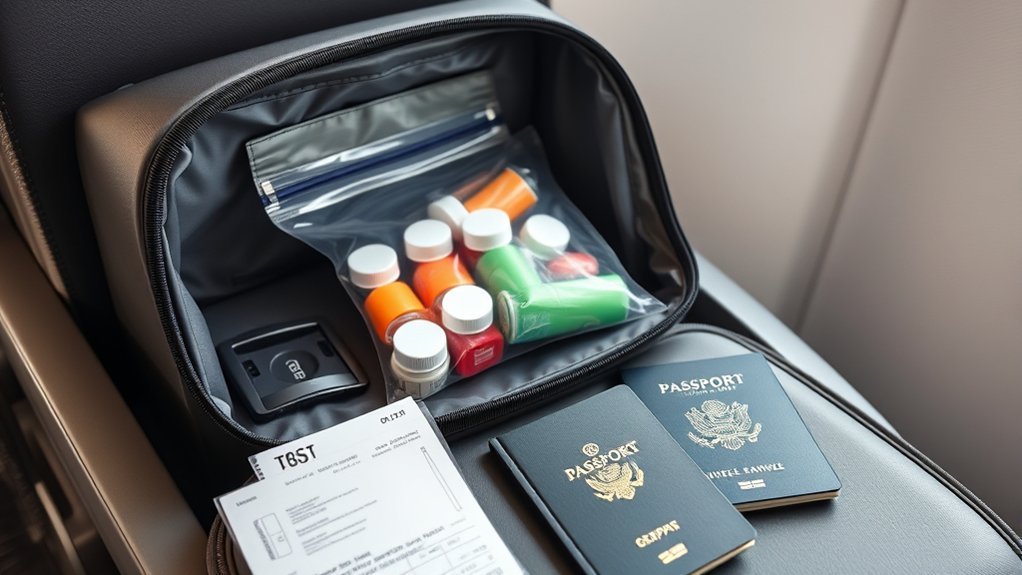
Packing slime correctly is mostly about container size, leak prevention, and keeping your liquids easy to inspect. Use this process for a U.S. carry-on:
| Packing Step | Why It Matters |
|---|---|
| Use a 3.4 oz / 100 ml or smaller container | Matches TSA’s standard cabin limit for gels |
| Close the lid tightly | Reduces the chance of leaks |
| Place it with your permitted liquids and gels | Keeps your carry-on organized for screening |
| Keep the liquids bag easy to reach | Makes removal easier when the checkpoint requires it |
| Put larger tubs in checked baggage | Avoids the cabin liquid-container limit |
- Check the container capacity. Make sure it is marked 3.4 oz/100 ml or less for a U.S. carry-on.
- Seal the slime. Close the lid securely and clean residue from the outside.
- Add secondary leak protection. Put the container in a small resealable bag if practical.
- Place it with your liquids. Make sure the slime and your other liquid/gel containers fit within the permitted liquids bag.
- Follow checkpoint instructions. Remove the liquids bag when required and be prepared for additional screening if requested.
What TSA May Flag as Slime
There is no published TSA rule saying that glossy, stretchy, fluffy, or homemade slime is automatically suspicious. What TSA does say is that otherwise permitted items can receive additional screening or be denied passage if they alarm, appear tampered with, interfere with the X-ray image, or present another security concern.
That means neat packing helps. Use a clean container with a secure lid and keep it easy to access. Labeling homemade slime can be useful for your own organization, but a homemade label does not guarantee that an officer will allow the item through.
If your slime container is larger than the cabin limit, do not rely on extra screening to make it acceptable. Put it in checked baggage before reaching security when you have that option.
Summer Packing Tips for Kids
For family travel, keep the items children may want during the flight in easy-to-reach places. Small toys, coloring supplies, headphones, a spare outfit, wipes, and simple snacks can make a long airport day easier. If slime is part of the entertainment, use a small compliant container rather than carrying a full-size tub through security.
Kid Travel Essentials
A simple, organized carry-on can make security and boarding easier. Keep liquids together, place important travel documents where an adult can reach them quickly, and choose toys that are compact enough for the airline’s cabin-bag limits.
- Packing cubes or pouches for clothes and small items
- A comfort item such as a small blanket or stuffed animal
- A spare outfit for spills or delays
- Coloring supplies or compact games
- Headphones for in-flight entertainment
- A small compliant slime container if your child wants slime during the journey
International trips may also require passports, visas, consent documents, or other paperwork depending on the destination and family circumstances, so check those requirements separately from airport-security rules.
TSA-Friendly Snack Choices
Solid foods such as crackers, granola bars, sandwiches, and many dry snacks are generally easier to take through U.S. security. Spreadable foods such as peanut butter, hummus, creamy dips, and other gel-like foods fall under TSA’s liquid/gel restrictions in carry-on baggage and should be in containers of 3.4 ounces (100 milliliters) or less unless an exemption applies.
Fresh fruit may pass airport security as a solid food, but international customs rules are a separate issue. For example, travelers entering the United States must declare agricultural products, and many fresh fruits and vegetables are restricted. If you are traveling internationally, check the destination’s import rules rather than assuming that something permitted through security can also cross the border.
What Other Toys Does TSA Allow?
Many ordinary children’s toys can travel in carry-on baggage. TSA’s public list includes items such as stuffed animals, small toy cars, fidget spinners, Play-Doh, toy robots, and toy lightsabers. The important exceptions are toys that resemble weapons, contain restricted liquids, include sharp components, or use batteries that are subject to separate aviation rules.
Allowed Carry-On Toys
Ordinary non-weapon-like toys are generally straightforward to pack, although airline size limits still apply. TSA specifically lists Play-Doh, stuffed animals, fidget spinners, small toy cars, and several other common toys as permitted.
- Stuffed animals
- Small toy cars
- Fidget spinners
- Play-Doh
- Toy robots
- Compact board or card games
- Electronic games that comply with battery rules
Weapon-like toys need more care. TSA advises travelers to pack many toy guns and weapons in checked baggage and prohibits realistic firearm replicas from carry-on bags. A foam toy sword is also listed as prohibited in carry-on baggage even though it is a toy.
Liquid Toy Limits
Toys containing liquids or gels can be treated differently from solid toys. Glow sticks, for example, must comply with TSA’s 3-1-1 rule in carry-on baggage. A toy containing a substantial amount of gel, liquid, or another spreadable substance should therefore be checked against the current TSA list before you pack it.
Play-Doh is a useful contrast: TSA specifically lists Play-Doh as allowed in both carry-on and checked baggage without attaching the standard liquid-size notation to it. Do not assume that every putty or slime product will receive the same classification, because consistency can differ.
Kid Packing Tips
Let children choose a few compact favorites, but have an adult make the final security check before leaving home. Keep weapon-like toys, oversized liquid toys, and anything sharp out of the carry-on unless you have confirmed it is permitted.
- Choose small, recognizable toys
- Keep liquids and gel toys together with other compliant liquids
- Avoid realistic weapon replicas in carry-on baggage
- Pack larger electronics where they are easy to remove if instructed
- Check airline cabin-bag size and weight limits separately from TSA rules
Frequently Asked Questions
Is It Illegal to Bring Slime on a Plane?
Ordinary toy slime is not automatically illegal to take on a plane. The issue is whether it complies with the security and baggage rules at the airports on your itinerary. At a U.S. TSA checkpoint, pack gel-like slime conservatively under the 3-1-1 liquids rule or place larger containers in checked baggage.
Why Avoid Seat 11A on a Plane?
There is no universal reason to avoid seat 11A. Seat numbers correspond to different locations on different aircraft, so 11A might be an excellent window seat on one plane and a less desirable seat on another. Check the airline’s exact aircraft seat map before choosing.
What Toys Are Not Allowed on Planes?
Realistic firearm replicas, certain weapon-like toys, sharp objects, and toys containing prohibited hazardous materials can be restricted. TSA specifically lists realistic firearm replicas as prohibited in carry-on bags and a foam toy sword as checked-baggage only. Check the exact toy rather than assuming every toy weapon follows the same rule.
Is Silly Putty Allowed on Airplanes?
TSA’s current public guidance specifically lists Play-Doh as permitted, but the official material reviewed here does not give Silly Putty its own published entry. Firm putty may be treated differently from gel-like slime, so use AskTSA before departure if the product is unusually soft or you want confirmation for a specific container.
Can I Put a Large Container of Slime in Checked Baggage?
Usually, yes. The 3.4 oz/100 ml TSA limit applies to liquids and gels in carry-on baggage. Ordinary larger slime tubs are generally better placed in checked luggage, provided the product does not contain an otherwise prohibited ingredient. Seal the container and use a secondary plastic bag to contain leaks.
Does TSA Require Slime to Be Labeled?
There is no general TSA rule requiring an ordinary travel-size slime container to carry a special label. Labeling can make homemade slime easier to identify and organize, but it does not replace the liquids rule or guarantee that an item will clear screening.
Do International Airports Use the Same Slime Rules as TSA?
No. TSA rules apply at U.S. security checkpoints. EU and Canadian airports generally use a 100 ml cabin-liquid limit, while some UK airports may allow larger containers because rules vary by airport. Check every departure and transfer airport on your itinerary.
Can You Bring Homemade Slime on a Plane?
Homemade slime can usually be packed using the same conservative approach as other gel-like slime: keep carry-on portions within the applicable liquid limit or place larger amounts in checked baggage. Use a clean, leak-resistant container. A homemade label is optional and does not guarantee passage through security.
Conclusion
You can usually bring slime on a plane, but pack it according to the security rules at every airport where your bag will be screened. At U.S. TSA checkpoints, the safest approach is to keep gel-like slime in containers of 3.4 ounces (100 milliliters) or less inside your permitted liquids bag. Put larger tubs in checked baggage when possible, seal them against leaks, and check foreign-airport rules before an international departure, connection, or return flight.
Sources
- Transportation Security Administration — TSA Travel Tips — U.S. 3-1-1 liquids rule and checkpoint discretion.
- Transportation Security Administration — What Can I Bring? — permitted and prohibited toys, gels, Play-Doh, checked baggage, and item-specific screening guidance.
- European Commission — Information for Air Travellers — current EU cabin-liquid rules.
- GOV.UK — Hand Luggage Restrictions: Liquids — current UK airport-specific liquid rules.
- Canadian Air Transport Security Authority — Liquids, Non-solid Food & Personal Items — Canadian 100 ml/100 g and 1 L bag requirements.
- USDA APHIS — International Traveler: Fruits and Vegetables — international food declaration and agricultural import restrictions.
