Last Updated on July 23, 2026 by Daniel Globe
A torn rotator cuff can affect your sleep, work, dressing, driving, and travel plans for months. Flying after surgery may be possible, but there is no single waiting period that is safe for everyone. Your surgeon must consider your repair, wound healing, pain, medications, mobility, blood-clot risk, and the length and demands of the trip.
Quick Answer
There is no universal safe date for flying after rotator cuff surgery. Your surgeon must consider the repair size, wound healing, pain control, sling use, clot risk, flight length, and whether you can travel without lifting. Some hospital guidance says to discuss any flight planned within six weeks of surgery.
Key Takeaways
- Do not rely on a fixed online timetable. Get clearance from the surgeon who knows the size and type of your repair.
- Rotator cuff recovery happens in stages, usually beginning with protection in a sling before progressing to motion and strengthening.
- Recent surgery and trips lasting more than four hours can increase blood-clot concerns, especially when other risk factors are present.
- Do not lift luggage into an overhead bin or carry a backpack on the healing shoulder.
- Walk when permitted, move your ankles and calf muscles, and do only the shoulder exercises approved by your surgical team.
- Do not start aspirin, compression stockings, or blood-thinning medication for travel unless your clinician specifically recommends them.
What’s in This Article
- What Is Rotator Cuff Surgery?
- Recovery Timeline and Restrictions
- Consultation With Your Surgeon
- Physical Therapy and Rehabilitation
- When Can You Fly After Rotator Cuff Surgery?
- Packing and Luggage Tips
- Choosing Accommodations and Activities
- Tips for a Smooth and Safe Travel Experience
- When to Delay Travel or Get Medical Help
- Frequently Asked Questions
- Sources
Disclosure: As an Amazon Associate I earn from qualifying purchases. Some links on this page are affiliate links, at no extra cost to you.
What Is Rotator Cuff Surgery?
The rotator cuff is a group of muscles and tendons that helps hold your shoulder in place and lets you lift and rotate your arm. A tear may develop suddenly after an injury or gradually through wear, aging, or repeated overhead activity.
Rotator cuff surgery is used to repair damaged tissue and improve shoulder function. During many repairs, the surgeon reattaches the torn tendon to the upper-arm bone with sutures and small anchors. According to the American Academy of Orthopaedic Surgeons, the procedure may be performed through arthroscopic, mini-open, or traditional open techniques.
Non-surgical treatments such as activity changes, physical therapy, pain medication, or injections are often tried first. However, the best treatment depends on the cause, size, age, and severity of the tear. A recent traumatic tear, major weakness, or a large repairable tear may lead to a different treatment decision than a long-standing degenerative tear.
Some patients have other work performed during the same operation, such as removing inflamed tissue, treating a biceps-tendon problem, or addressing a bone spur. These added procedures can change your sling instructions, rehabilitation plan, pain level, and travel timeline.
Recovery Timeline and Restrictions
Recovery time depends on the tear size, tissue quality, surgery type, additional procedures, age, health, smoking or nicotine use, and how closely you follow the rehabilitation plan. Your surgeon’s written protocol takes priority over any general timeline.
During the early healing period, the main goal is to protect the tendon while it begins attaching to the bone. The AAOS notes that many patients use a sling and avoid active use of the operated arm for approximately four to six weeks, although larger repairs may require longer protection.
Passive motion may begin during the first several weeks when the surgeon decides it is safe. During passive movement, another person or the uninjured arm moves the healing shoulder without the repaired muscles doing the work. Active movement and strengthening are added later.
Many patients regain a functional range of motion and useful strength within four to six months, but soreness, weakness, and improvement can continue for six to nine months or longer. Full recovery is not guaranteed, and larger tears often progress more slowly.
Pro Tip: A reclined or semi-upright sleeping position is often more comfortable during the first weeks. Use pillows or a recliner to support the arm, but follow your surgeon’s instructions about sling use while sleeping.
Consultation With Your Surgeon

Before surgery, discuss the planned repair, anesthesia, expected restrictions, follow-up visits, and rehabilitation schedule. Tell the surgeon about your health conditions, previous blood clots, medications, nicotine use, and any travel already booked.
Before taking a trip after surgery, ask for a specific travel decision rather than a general recovery estimate. The surgeon should know the departure date, flight or driving time, number of connections, destination, planned activities, and whether you will have help.
Questions to Ask Before Booking Travel
- Is my incision healing well enough for travel?
- Is the sling still required during the entire trip?
- May I remove the sling briefly for security screening or approved exercises?
- Am I taking medication that may cause sleepiness, dizziness, nausea, constipation, or poor balance?
- Do I have personal risk factors for a blood clot?
- Should I use compression stockings or any prescribed preventive medication?
- Which arm, wrist, hand, elbow, ankle, and leg exercises am I allowed to perform?
- What lifting, pulling, pushing, and overhead-reaching limits apply?
- Will the trip interfere with a wound check, suture removal, or physical-therapy appointment?
- Who should I contact if pain, swelling, drainage, numbness, or breathing symptoms develop?
Note: A fit-to-fly letter may help explain your recent operation, medication, sling, or need for assistance, but it does not replace the airline’s own medical rules. Check with the airline before departure.
Physical Therapy and Rehabilitation
Rehabilitation protects the repair while gradually restoring motion, control, and strength. The exact schedule must be based on what the surgeon repaired. A small tear and a large or massive tear may use different restrictions.
| Typical Phase | Common Focus |
| First 4–6 weeks | Protect the tendon, use the sling as directed, control pain and swelling, and perform only approved hand, wrist, elbow, or passive shoulder movements. |
| About 4–8 weeks | Continue passive or assisted motion and begin active movement only when the surgeon or therapist permits it. |
| About 8–12 weeks and later | Introduce gradual strengthening when the repair has healed enough and movement quality is acceptable. |
| About 4–6 months | Many patients regain useful daily function, but heavier work, sports, and overhead activity may still be restricted. |
| 6–9 months or longer | Strength, comfort, endurance, and confidence may continue improving. Large repairs may require a longer period. |
These ranges describe common rehabilitation stages, not a personal treatment schedule. Follow the protocol supplied by your surgeon and physical therapist.
Early therapy may focus on preventing excessive stiffness without loading the tendon. Later sessions add active control and strengthening. According to Johns Hopkins Medicine, rehabilitation is arranged to restore flexibility, muscle strength, and function after the repair.
Your therapist should adjust the program according to pain, motion, healing stage, and the surgeon’s restrictions. More exercise is not automatically better. Repeating an exercise too aggressively or starting strengthening too early can increase pain and place unnecessary stress on healing tissue.
Continue only the home exercises you were taught. Do not add travel stretches, resistance bands, overhead movements, or shoulder circles unless your surgical team approves them.
When Can You Fly After Rotator Cuff Surgery?
There is no universal date when everyone can safely fly after rotator cuff surgery. A short, direct flight with a companion is different from a long international trip with connections, overhead luggage, limited access to care, and hours of sitting.
Gateshead Health’s rotator cuff repair guidance advises patients to discuss travel with their consultant and the airline’s medical department when they want to fly within six weeks of surgery because of clot concerns. This does not mean that every patient is automatically safe after six weeks. Your surgeon may recommend a shorter or longer delay.
What Your Surgeon Should Clear
Before flying, your surgical team should be satisfied that:
- Your wound is healing without concerning redness, drainage, fever, or worsening swelling.
- Your pain and nausea are controlled with medication you can safely manage during travel.
- You can sit for the required period without placing the shoulder in a harmful position.
- You can protect the arm during boarding, security screening, turbulence, and crowded movement.
- You will not need to lift, pull, push, or carry luggage with the operated arm.
- Your travel will not interrupt an important post-operative appointment.
- Your personal blood-clot risk has been reviewed.
- You know which exercises and sling adjustments are permitted.
Blood-Clot Risk During Longer Travel
The Centers for Disease Control and Prevention generally defines long-distance travel as a trip lasting more than four hours. Long periods of sitting can slow blood flow in the legs. Recent surgery within the previous three months is one factor that can increase a traveler’s clot risk.
The overall risk remains small for many travelers, but it rises when prolonged immobility is combined with other factors. These may include a previous clot, a clotting disorder, cancer, obesity, limited mobility, older age, pregnancy, estrogen-containing medication, or certain heart and lung conditions.
- Choose an aisle seat when practical.
- Walk periodically when the seat-belt sign is off and it is safe to do so.
- Flex and extend your ankles while seated.
- Tighten and release your calf muscles.
- Avoid placing bags where they prevent normal leg movement.
- Take prescribed medication exactly as directed.
- Ask your clinician whether compression stockings are appropriate for you.
Warning: Do not start aspirin, anticoagulants, or compression stockings solely because you are flying unless your treating clinician recommends them. Aspirin is not generally recommended as a stand-alone method of preventing travel-related blood clots.
Shoulder exercises are not a substitute for leg movement. Perform only the shoulder exercises in your rehabilitation plan. Use ankle pumps, calf contractions, and safe walking to reduce prolonged leg immobility.
Airport Screening and Assistance
For travel within or from the United States, the Transportation Security Administration allows medications and medically necessary liquids in carry-on baggage, subject to screening. Medically necessary gel or ice packs may also be permitted. Tell the officer about your sling, limited shoulder movement, medication, or medical supplies before screening begins.
Rules differ by country and airport, so check the security authority at your departure and connection points. Keep medication in clearly labeled containers when possible and carry a copy of your prescription list.
Request wheelchair or guided assistance when long walks, lines, or carrying items would be difficult. In the United States, the Department of Transportation explains that airlines must provide qualifying wheelchair and guided assistance when passengers identify themselves as needing the service.
Book a direct flight when practical. Fewer connections mean fewer security checks, boarding events, long walks, and chances of someone bumping the healing shoulder. An aisle seat may make walking easier, while a window seat may reduce contact with passing passengers. Choose based on your surgeon’s advice and your ability to enter and leave the row safely.
Packing and Luggage Tips
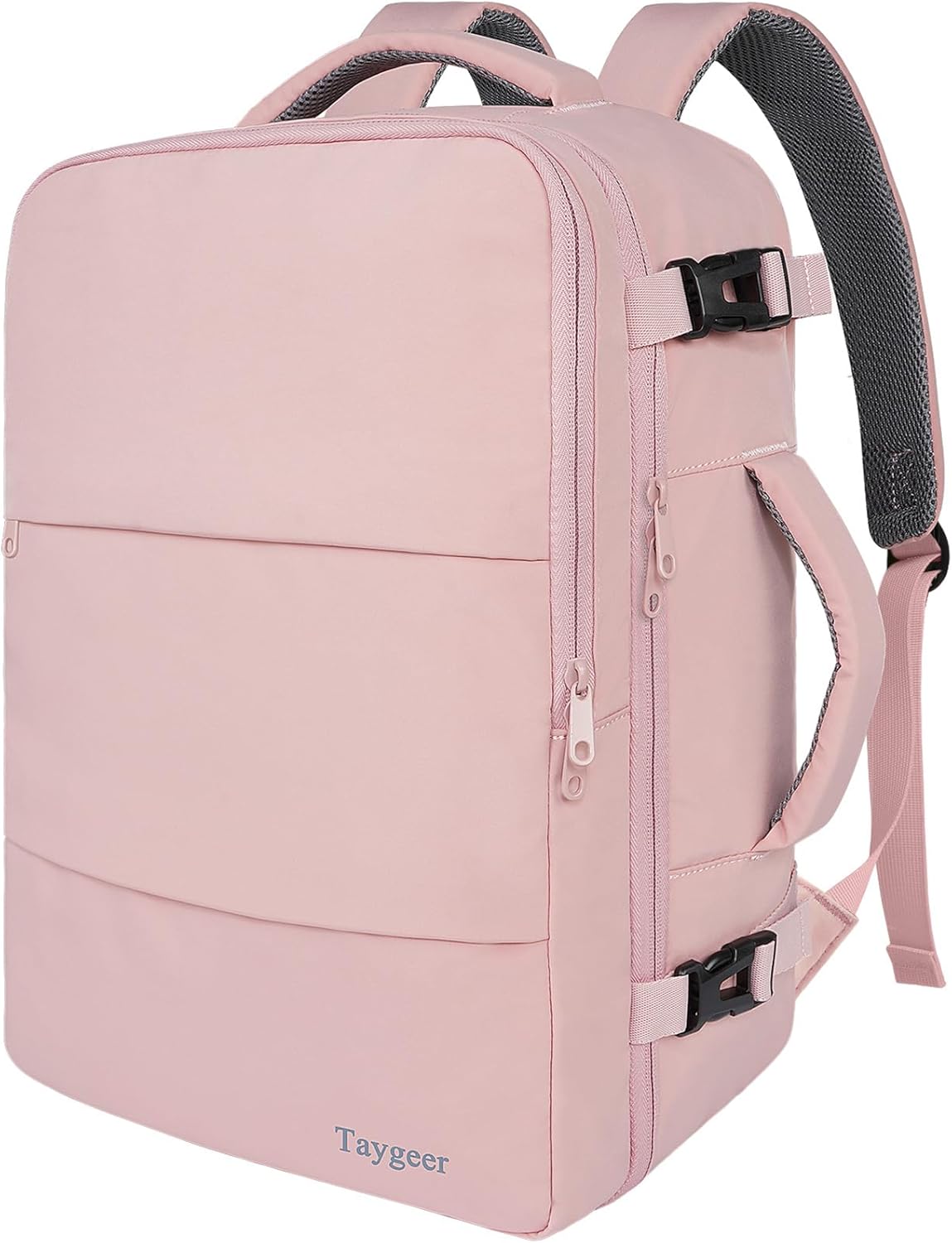
Pack as lightly as possible, but do not assume that a backpack or rolling suitcase is automatically safe. Backpack straps can press on the healing shoulder, and a rolling bag still has to be pulled, turned, lifted over curbs, and placed on a scale or in an overhead bin.
Ask a companion, airline employee, or airport-assistance worker to handle your luggage. Do not lift a suitcase into an overhead compartment with either arm unless your surgeon has specifically cleared that amount and type of lifting.
What to Keep in Your Carry-On
- All prescribed medication in its original or clearly labeled packaging
- A current medication list and relevant medical documents
- Your surgeon’s contact information
- Approved ice or gel packs and a protective cloth
- An extra sling strap or approved support item
- Loose clothing that is easy to put on over or around the sling
- A small pillow or folded garment to support the arm
- Water and simple snacks that work with your medication schedule
- Travel-insurance and emergency-contact details
Pro Tip: Organize your carry-on so medication, documents, water, and approved cold therapy are reachable without bending deeply, twisting, or using the operated arm.
Choose front-opening shirts, loose sleeves, elastic-waist clothing, and slip-on shoes. Practice dressing before the trip so you know which items you can manage safely with one arm.
Choosing Accommodations and Activities
Look for accommodation that reduces lifting, reaching, and fall risks. Useful features may include an elevator, a walk-in shower, grab bars, a handheld showerhead, a supportive chair or recliner, bedside outlets, room service, and a refrigerator or freezer for approved cold packs.
Call the property before booking. Ask about the distance from reception to the room, stairs, heavy doors, shower access, luggage assistance, and whether the advertised accessible features are available in your specific room.
Choose activities that fit your current restrictions. Museums, scenic drives as a passenger, short walks, and relaxed sightseeing may be easier than swimming, hiking, cycling, golf, water sports, or crowded events.
Do not swim, soak the incision, use a hot tub, or enter a pool until your surgical team says the wound has healed enough. Avoid activities where you could fall, be pulled by the arm, make a sudden catching movement, or collide with another person.
Build rest into the itinerary. Pain and fatigue may increase as the day continues, even when the shoulder initially feels comfortable. Returning to the hotel before symptoms become severe is safer than trying to complete every planned activity.
Tips for a Smooth and Safe Travel Experience
Preparation can reduce the number of situations in which you have to protect the shoulder unexpectedly. Use a simple written plan covering transportation, medication times, meals, approved exercises, rest periods, assistance, follow-up care, and emergency contacts.
- Tell the airline about assistance needs before the travel date and identify yourself again when you arrive.
- Allow extra time for check-in, screening, boarding, and connections.
- Preboard when offered so you can sit without being rushed or bumped.
- Keep the sling visible and warn nearby passengers before they move bags around you.
- Do not sit in an emergency-exit row if your arm restriction prevents you from performing the required duties.
- Keep the seat belt positioned so it does not press painfully on the surgical area.
- Do not drive a rental car until your surgeon has cleared you to drive and you can control the vehicle safely.
- Confirm that travel insurance covers recent surgery, complications, treatment, and trip interruption.
- Identify a medical facility near your destination before leaving home.
Car, Bus, and Train Travel
Ground travel avoids airport screening and cabin restrictions, but it can still involve long periods of sitting. A trip lasting more than four hours may carry similar immobility concerns. Plan regular stops or walking breaks, move your ankles and calf muscles, and keep the healing arm supported.
Ride as a passenger until your surgeon clears you to drive. Avoid placing a suitcase, shoulder strap, or another passenger where they could push against the operated side. Do not use the injured arm to close heavy vehicle doors or load the trunk.
Related reading: for more on resting well during recovery, see this guide to portable white noise machines for travel. Planning a longer trip? Check out how to choose the best travel guidebook, and golfers recovering from shoulder surgery may want to read about the best golf travel bags before returning to the course with medical clearance.
When to Delay Travel or Get Medical Help
Delay the trip and contact your surgical team if your recovery is not stable. Warning signs may include:
- Fever or chills
- Increasing redness, warmth, swelling, bleeding, or drainage around the incision
- Pain that is suddenly worse or cannot be controlled as instructed
- New numbness, tingling, weakness, or color change in the arm or hand
- A sling or dressing problem that you cannot correct safely
- Repeated vomiting, dehydration, faintness, confusion, or severe medication side effects
- An inability to sit, walk, dress, use the bathroom, or manage medication without unsafe strain
A blood clot can occur in a leg or, less commonly, an arm. Possible DVT symptoms include unexplained swelling, pain or tenderness, warmth, redness, or skin discoloration.
Warning: Seek urgent medical care for sudden shortness of breath, unexplained chest pain, coughing up blood, fainting, or a rapid or irregular heartbeat. These can be signs of a pulmonary embolism and should not be treated as normal post-surgery or travel discomfort.
Frequently Asked Questions
What is rotator cuff surgery?
Rotator cuff surgery repairs damaged tendons and sometimes nearby shoulder tissue. The surgeon may reattach a torn tendon to the upper-arm bone using sutures and anchors. The operation may be performed through arthroscopic, mini-open, or open techniques.
How long after rotator cuff surgery can you fly?
There is no universal waiting period. Some shoulder-repair guidance advises consulting the surgeon and airline medical department before flying within six weeks. Your actual clearance depends on wound healing, pain control, medication, sling use, clot risk, repair size, flight duration, and access to help.
Does it matter if the flight is short or long?
Yes. Longer trips mean more time sitting and more difficulty moving the legs. The CDC generally describes long-distance travel as lasting more than four hours. Connections, airport walking, security checks, and luggage handling can also make a trip harder even when each flight is short.
What precautions should I take while traveling?
Follow your surgeon’s sling and exercise instructions, avoid lifting, request baggage and mobility assistance, carry medication and medical documents with you, move your ankles and calf muscles, and walk periodically when it is safe. Know the symptoms of infection and blood clots before leaving.
Are there specific travel restrictions after rotator cuff surgery?
Restrictions depend on the repair. Common early limits include wearing a sling, avoiding active shoulder use, and not lifting, pulling, pushing, reaching overhead, driving, or performing unapproved exercises. Your written surgical protocol should control every travel decision.
Can I carry or pull my own luggage?
Usually not during the protected early phase unless your surgeon has cleared the exact activity. Backpacks can press on the shoulder, and rolling bags still require pulling, turning, and lifting. Arrange for a companion or airline employee to handle the bag and overhead storage.
Can I take medication and ice packs through airport security?
In the United States, TSA permits medications and medically necessary liquids in carry-on baggage after screening. Medically necessary gel or ice packs may also be allowed. Tell the security officer about the items and check the rules for every country and airport on your route.
Is traveling by car safer than flying?
Car travel can be simpler because you control the schedule and can stop more often. However, sitting for more than four hours still creates prolonged immobility. Travel as a passenger until cleared to drive, take walking breaks, move your legs, and keep the shoulder supported.
Which symptoms require urgent medical attention?
Seek urgent care for sudden shortness of breath, chest pain, coughing blood, fainting, or a rapid heartbeat. Contact your surgical team for fever, chills, wound drainage, worsening redness or swelling, uncontrolled pain, or new numbness, weakness, or color change in the arm or hand.
Medical Disclaimer: This article is for informational purposes only and does not constitute professional medical advice. Always consult a qualified doctor or orthopedic surgeon before making decisions about your recovery, medication, blood-clot prevention, or travel plans.
Recovering from rotator cuff surgery takes patience. Many patients regain useful motion, strength, and comfort over several months, but the timeline and final result vary. The most important travel step is getting personalized clearance, arranging help with luggage and mobility, and knowing when symptoms require medical attention.
Sources
- American Academy of Orthopaedic Surgeons: Rotator Cuff Tears, Surgical Treatment Options — repair methods, sling use, rehabilitation stages, recovery, and outcomes.
- Johns Hopkins Medicine: Rotator Cuff Repair — procedure details, risks, rehabilitation, wound concerns, and recovery.
- Gateshead Health NHS: Rotator Cuff Repair — shoulder-repair recovery and advice about discussing flights planned within six weeks.
- Centers for Disease Control and Prevention: Blood Clots and Travel — long-distance travel, risk factors, symptoms, and movement precautions.
- Transportation Security Administration: Travel Tips — U.S. screening rules for medication and medically necessary liquids or cooling items.
- U.S. Department of Transportation: Wheelchair and Guided Assistance — airline assistance for eligible passengers.