
Last Updated on July 24, 2026 by Caleb Warren
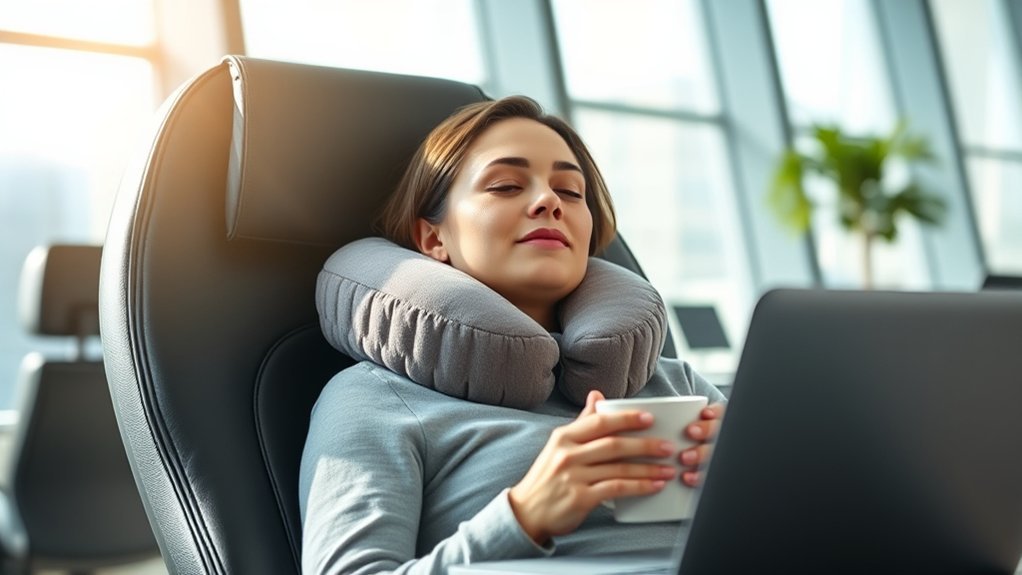
If you want to enhance your mid-day office breaks, using a specialized travel pillow for office naps is an essential workplace upgrade. Modern ergonomic travel pillows engineered with high-density memory foam deliver proper head and neck support, preventing physical strain when resting at your desk or in an office chair. Lightweight models like the Ostrichpillow Go offer effortless portability, while cocooning designs help block out ambient workplace light and noise. By selecting the right pillow, you can convert brief rest periods into restorative power naps that recharge your mental focus and boost overall productivity.
Quick Answer
Using a high-quality travel pillow for office naps protects cervical alignment, reduces neck tension, and blocks distracting ambient noise and light. Opt for memory foam or microbead designs that offer ergonomic neck support, lightweight portability, and machine-washable covers. Pairing your pillow with a strict 20- to 30-minute nap duration maximizes cognitive recovery while avoiding post-nap grogginess.
Key Takeaways
- Prioritize Ergonomics: Select supportive memory foam or adaptable microbeads to maintain proper spinal alignment during seated or desk-bound naps.
- Target Power Nap Timing: Keep office naps between 20 and 30 minutes to stay in light sleep stages and eliminate sleep inertia.
- Isolate Sensory Inputs: Combine cocoon-style travel pillows with noise-canceling headphones and eye masks to block out open-office noise and bright lighting.
- Maintain Pillow Hygiene: Wash outer fabric covers frequently, but keep raw memory foam cores dry to prevent structural degradation.
At a Glance
| Recommended Nap Duration | 20 to 30 minutes (Power Nap Window) |
| Best Pillow Core Material | Viscoelastic Memory Foam or Microbeads |
| Essential Accessories | Sleep mask, noise-canceling headphones, silent alarm |
| Primary Benefits | Reduced cervical neck pain, boosted alertness, mood stabilization |
Disclosure: As an Amazon Associate I earn from qualifying purchases. Some links on this page are affiliate links, at no extra cost to you.
Choosing the Best Travel Pillow for Productive Office Naps
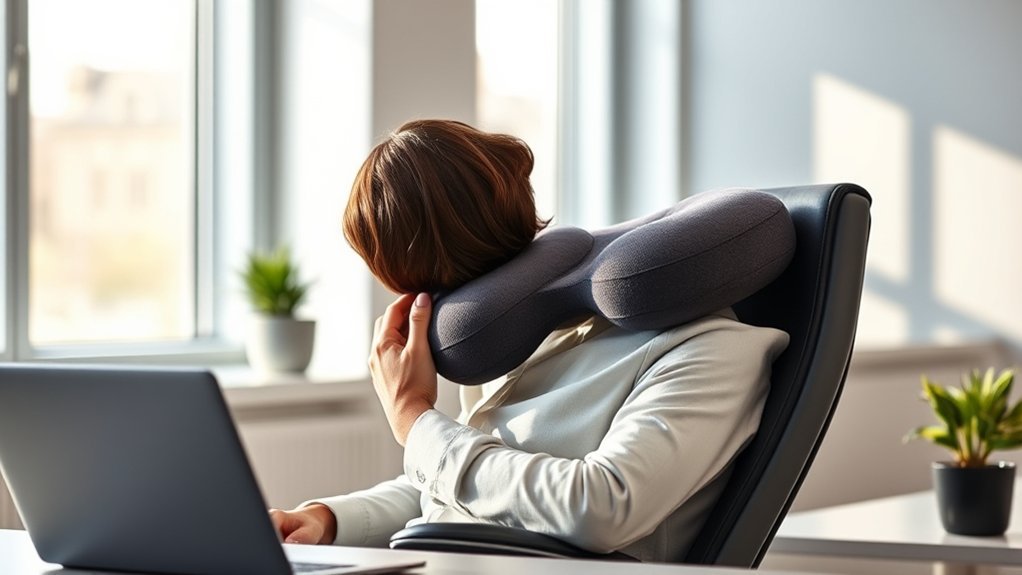
When searching for the ideal travel pillow for office naps, prioritize ergonomic designs that align your spine and cradle your head. Material selection directly influences both physical comfort and product longevity. High-density viscoelastic memory foam and breathable microfiber fabrics adapt seamlessly to your sleeping position, ensuring proper weight distribution. According to NIOSH ergonomic guidelines, maintaining neutral joint alignment during rest reduces upper body musculoskeletal stress.
Lightweight, portable models like the Ostrichpillow Go Neck Pillow fit easily into standard laptop bags, making travel between home and the workplace convenient. For open office layouts, consider cocooning pillow designs that offer sensory isolation by dampening surrounding noise and blocking ambient fluorescent light. Finally, select pillows featuring removable, machine-washable covers to maintain optimal hygiene in shared office environments.
Essential Features for Comfortable Office Naps
Selecting a travel pillow specifically tailored for workplace rest requires looking beyond basic airline neck collars. Prioritize ergonomic structures that stabilize your head when sitting upright or leaning forward at a desk, combined with lightweight materials for hassle-free daily commuting.
Ergonomic Design Considerations
The ergonomic construction of your pillow determines how effectively it prevents post-nap stiffness and neck discomfort. Key design elements include:
- Adjustable Lateral Support: Ensures the pillow adapts to varying neck angles and seating positions, stabilizing the cervical spine.
- Integrated Cocooning Enclosure: Encapsulates the head or eyes to block visual and auditory distractions in busy office settings.
- Resilient Fill Materials: Combines soft plush covers with durable polystyrene microbeads or responsive memory foam for balanced cushioning.
Portability and Weight Factors
A functional office nap pillow should be lightweight (ideally under 1 pound) and compact enough to store inside a desk drawer or commuter bag. Aim for folded dimensions under 12×12 inches. Choose hypoallergenic fabrics to prevent skin irritation, and ensure the outer lining is removable for easy machine washing. Adjustable chin straps or closure toggles allow you to customize support whether you nap seated upright or leaning over a desk surface.
Ergonomic Desk Napping Positions for Office Workers
How you position your body during a desk nap is just as critical as the pillow you choose. Unnatural sleeping postures can compress spinal discs and cause muscle strain.
- The Chair Recline (Recommended): Recline your office chair back by 120–135 degrees, support your lumbar curve with a cushion, and wrap a memory foam travel pillow securely around your neck to prevent your head from falling forward.
- The Forward Desk Rest: Place a wedge or cocoon pillow flat on your desk, lean forward from the hips (avoiding rounding your lower back), and rest your forehead or cheek on the cushioned surface.
Pro Tip: Place a small lumbar cushion behind your lower back when napping in an office chair to preserve your spine’s natural inward curve and prevent lower back stiffness.
The Benefits of Using a Travel Pillow at Work
Far from being a luxury, taking brief, structured power naps at work is supported by sleep research. Clinical evidence compiled by the National Sleep Foundation confirms that mid-day naps restore cognitive function, improve mood, and boost afternoon alertness.
- Spinal Pressure Relief: Specialized pillow contours support neck musculature, preventing strain and tension headaches caused by awkward sleeping angles.
- Faster Sleep Onset: Sensory-blocking pillows help calm the central nervous system, helping you transition quickly into light stage-2 sleep.
- Enhanced Afternoon Focus: Brief, comfortable rest restores executive decision-making and reduces errors during peak work hours.
“Short afternoon power naps of 20 to 30 minutes offer significant cognitive restoration without interfering with nighttime sleep quality.”
Enhancing Your Napping Experience With Essential Accessories
Pairing your travel pillow with complimentary sleep accessories turns any quiet office nook or desk space into a soothing, restorative sanctuary.
Ideal Nap Accessories
- Desk Napping Pillow: Delivers primary head and neck cushioning to maintain comfortable spinal alignment.
- Noise-Canceling Headphones: Mutes office chatter and ambient equipment noise, creating a peaceful acoustic environment.
- Contoured Sleep Mask: Completely blocks out harsh overhead lights to stimulate natural melatonin production.
Creating Cozy Environments
Adjusting your environment helps you relax quickly. Dim localized task lights, wear loose, breathable clothing, and drape a lightweight blanket or jacket over your shoulders to stay warm while your body temperature drops during sleep.
Creating the Ideal Nap Space at Work for Maximum Comfort
Establishing a consistent, quiet spot for brief rest periods ensures maximum rejuvenation without disrupting workplace operations.
- Utilize Specialized Napping Pillows: Use full-coverage options like the Ostrichpillow to cushion your head while insulating yourself from external surroundings.
- Control Ambient Triggers: Use noise-canceling earwear alongside light-blocking eye covers to minimize sudden visual or acoustic disruptions.
- Designate Dedicated Spaces: Choose a private office, focus room, or quiet corner, and notify nearby colleagues to prevent accidental interruptions.
Maximizing Your Nap Duration: The 20-to-30-Minute Power Nap
To maximize the cognitive benefits of an office nap, keep your rest period between 20 and 30 minutes. As detailed in the Mayo Clinic Nap Guide, keeping naps under 30 minutes keeps you in light sleep stages, avoiding sleep inertia—the heavy grogginess caused by awakening from deep slow-wave sleep.
Pro Tip (The “Nappuccino”): Drink a small cup of black coffee right before taking your 20-minute nap. Because caffeine takes roughly 20 to 25 minutes to clear adenosine from brain receptors, you will wake up naturally just as the caffeine kicks in.
- Set a gentle, silent vibrating wrist alarm so you wake up promptly without disturbing coworkers.
- Nap at a consistent time each afternoon (typically between 1:00 PM and 3:00 PM) to align with natural circadian dips.
Tackling Common Challenges When Napping at Work
Overcoming workplace barriers requires clear communication and thoughtful preparation:
- Verify Workplace Guidelines: Review company wellness policies or speak with your manager to confirm approved break times and acceptable napping locations.
- Optimize Personal Comfort: Combine ergonomic pillows, eye masks, and white noise apps to build a portable relaxation zone.
- Set Clear Boundaries: Display a subtle “Do Not Disturb” sign or update your status on team messaging channels during your scheduled break.
Note: Adhering to professional etiquette ensures your nap habits are respected and integrated smoothly into your team’s workflow.
Top Travel Pillow Recommendations for Office Naps
Selecting the right pillow model depends on your preferred napping posture and desk layout:
- Ostrichpillow Original: Features a unique cocoon design with side ear openings and a forehead rest, perfect for leaning forward onto a desk surface.
- Ostrichpillow Go Neck Pillow: Made with high-density ergonomic memory foam, offering 360-degree cervical support for seated office chair resting.
- Samsonite 2-in-1 Magic Travel Pillow: Converts quickly between a classic U-shape collar and a rectangular pillow, backed by a machine-washable outer shell.
Maintaining Your Travel Pillow for Long-Term Use
Establishing a regular cleaning schedule keeps your office travel pillow fresh, hygienic, and structurally sound over long-term daily use.
- Follow Manufacturer Care Labels: Remove fabric covers and machine wash on a delicate cycle using mild laundry detergent.
- Protect Internal Foam Cores: Keep viscoelastic memory foam away from direct washing machine immersion. Spot clean foam cores using a damp cloth.
- Proper Storage: Store your dry pillow in a ventilated, cool cabinet or tote bag to avoid moisture buildup and mildew growth.
Warning: Submerging solid memory foam cores in water causes the open-cell structure to break down and lose its supportive shape. Wash outer covers only!
Frequently Asked Questions
Can travel pillows help with neck pain during naps?
Yes. Ergonomic travel pillows cradle the cervical spine and stabilize the head, preventing uncomfortable bending angles that strain neck muscles and cause tension headaches when sleeping upright or at a desk.
Are travel pillows suitable for side sleepers?
Yes. High-density memory foam pillows and side-support models cushion the head laterally, allowing side sleepers to lean comfortably against high chair backs, walls, or desk surfaces without twisting their neck.
How do I clean my travel pillow effectively?
Unzip and remove the fabric cover, then machine wash it on a gentle cycle. For memory foam cores, spot clean stains with warm water and mild soap. Always air-dry components thoroughly before reassembling.
What is the ideal nap duration for maximum refreshment?
The ideal office nap length is 20 to 30 minutes. This provides light, stage-2 sleep that restores energy and cognitive function without causing sleep inertia or grogginess.
Can I use a travel pillow for long flights as well?
Absolutely. High-grade ergonomic pillows designed for office desk naps perform exceptionally well during airline travel, train commutes, and long road trips.
Conclusion
By embracing the rejuvenating power of workplace rest, choosing a supportive travel pillow for office naps can turn a quick afternoon break into a restorative retreat. Instead of struggling against office noise and stiff seating, ergonomic memory foam and cocooning designs allow you to rest comfortably and safely. Equipping yourself with the right accessories, following simple care routines, and sticking to optimal power nap timings helps you wake up refreshed, energized, and ready for peak afternoon productivity.
Sources
- Sleep Foundation — Clinical guidelines on afternoon power naps and sleep architecture.
- Centers for Disease Control and Prevention (CDC) — Workplace sleep hygiene and rest strategy recommendations.
- NIOSH Ergonomics Standards — Ergonomic posture and upper body joint support guidelines.
- Mayo Clinic Nap Guide — Evidence-based nap timing strategies and sleep inertia prevention.
