
Last Updated on July 24, 2026 by Caleb Warren
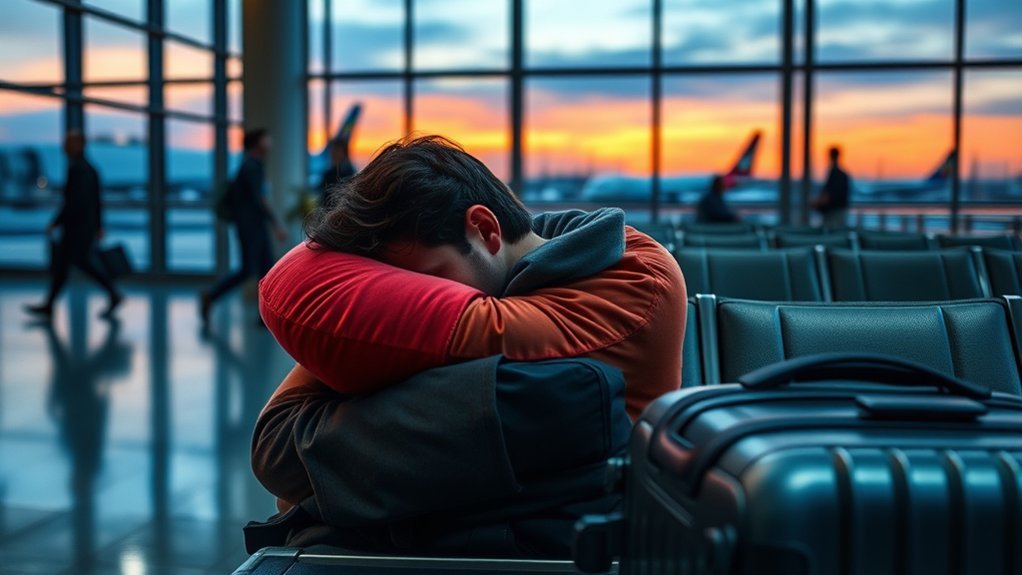
Navigating long airport layovers can leave you exhausted, but a high-quality travel pillow for airport layovers can turn noisy terminal gates into a personal resting space. Whether catching a quick nap between flights or settling in for an overnight delay, selecting an ergonomic travel pillow with proper neck support ensures you wake up without stiffness or pain. Paired with effective packing strategies and smart layover setups, the right pillow transforms travel fatigue into restful downtime.
Quick Answer
The best travel pillow for an airport layover provides firm ergonomic neck support to prevent lateral tilt and forward chin drops. Opt for high-density memory foam or structural support pillows (like the Trtl Pillow), pack them in quick-access outer bag pockets, and pair them with noise-canceling headphones and an eye mask for uninterrupted sleep in terminal quiet zones.
Key Takeaways
- Choose Material by Need: Memory foam offers optimal contouring, while inflatable pillows maximize luggage space.
- Prioritize Ergonomics: Look for structural neck support to maintain spinal alignment when resting upright in terminal seating.
- Protect Hygiene: Wash removable covers frequently and never submerge solid memory foam cores in water.
- Optimize Placement: Utilize outer luggage straps or carabiners for quick access without taking up interior carry-on room.
At a Glance
| Primary Function | Spinal alignment and neck strain prevention during upright airport rest |
| Best Pillow Types | Memory foam, wrap-around internal support (Trtl), inflatable TPU |
| Key Accessories | Contoured eye mask, silicone earplugs, compact travel blanket |
| TSA & Airline Status | Permitted through security; usually exempt from personal item limits if worn |
Disclosure: As an Amazon Associate I earn from qualifying purchases. Some links on this page are affiliate links, at no extra cost to you.
Essential Features to Consider When Choosing a Travel Pillow
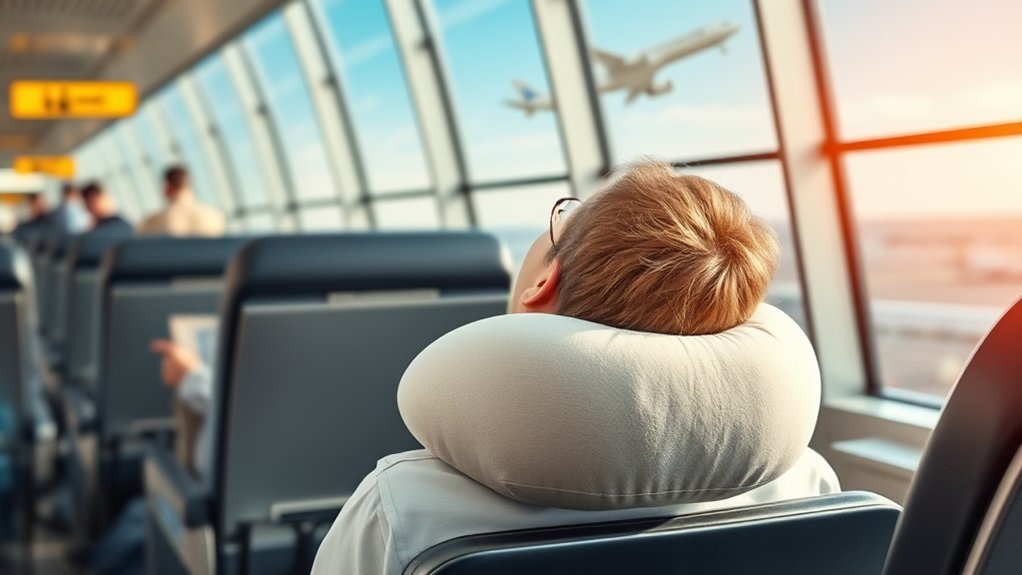
Selecting the right travel pillow requires balancing physical support, portability, and material quality. When resting in an airport terminal, your cervical spine requires adequate stabilization to prevent lateral neck flexion and forward head drops, both of which lead to severe muscle fatigue according to ergonomic guidance from the Sleep Foundation.
Consider these critical features prior to purchase:
- Ergonomic Contour & Design: Look for raised side supports or internal structural ribs that keep your head upright when sitting vertically.
- Core Material Composition: High-density memory foam provides customized pressure relief, whereas adaptive microbial fabrics enhance air circulation.
- Portability & Weight: Choose compressible models with dedicated travel sacks or built-in attachment clips to preserve interior carry-on luggage space.
- Hygiene & Washability: Removable, machine-washable covers are vital for maintaining sanitation after contact with high-traffic airport seating.
- Multi-Position Versatility: Select designs adaptable for side leaning, lumbar cushioning, or resting forward on airport tray tables.
Note: According to TSA security guidelines, travel pillows are fully permitted through security checkpoints and generally do not count against your airline baggage allowance when worn around your neck or clipped outside your bag.
Popular Types of Travel Pillows and Their Benefits
Different pillow designs cater to specific sleeping positions and travel preferences. Matching your sleeping habit with the appropriate style improves rest efficiency during short layovers or extended overnight flight delays.
Neck Support Pillows
Neck support pillows target cervical alignment for travelers sleeping in upright airport chairs. Popular variants include:
- Internal Support Wraps (Trtl Pillow): Features an internal ergonomic rib system wrapped in fleece, offering lightweight, stiff support that prevents head tilting.
- Viscoelastic Memory Foam Pillows: Mold precisely to your neck contours, evenly distributing weight to relieve localized pressure points.
- Stay-Put & Chin-Support Pillows: Utilize front straps or overlapping ends to secure the chin, preventing sleep disruptions caused by sudden head drops.
- Breathable & Cooling Gel Fabric Pillows: Integrate heat-dissipating gel pads or mesh panels to regulate body temperature in warm terminal environments.
Inflatable Travel Pillows
Inflatable pillows represent the ultimate space-saving solution for light packers. Made from modern thermoplastic polyurethane (TPU) or soft-flocked PVC, these cushions compress down to the size of an apple when deflated. Users can easily adjust air pressure levels to achieve custom firmness.
| Feature | Description | Layover Benefits |
|---|---|---|
| Ergonomic Contour | Supports chin and cervical curve | Prevents neck strain while seated vertically |
| Adjustable Inflation | Customizable air volume via push-valves | Allows quick preference shifts between soft and firm support |
| Compact Compressibility | Folds into a micro carrying pouch | Frees up valuable personal item storage space |
| Removable Cover | Machine-washable outer shell | Maintains hygiene following public surface exposure |
How to Pack Your Travel Pillow for Easy Access
When moving between airport gates, rummaging through packed luggage causes unnecessary stress. Streamline your mobility using these practical packing techniques:
- Utilize Compression Bags: Squeeze memory foam options into dedicated compression sacks to reduce overall volume by up to 50%.
- Store in External Pockets: Place slim or inflatable pillows in the outer zippered compartment of your backpack for rapid deployment.
- Use Integrated Luggage Straps: Secure your pillow around your carry-on handle using built-in snaps or a heavy-duty carabiner.
- Wear During Transit: Simply wear wrap-style pillows around your neck while walking through security and gate boarding areas.
Pro Tip: Clip your travel pillow to the top handle of your bag rather than the side pockets. This prevents the pillow from brushing against floor surfaces or gate seating when placing your bag down.
Unique Uses for Travel Pillows During Layovers
Travel pillows offer functional versatility beyond basic neck support when navigating extended stays in airport terminals.
| Alternative Use | Application Method | Practical Benefit |
|---|---|---|
| Lumbar Support Cushion | Place behind lower back against rigid gate chairs | Relieves lower spinal pressure during long waits |
| Tray Table Headrest | Rest pillow on folded arms over a table surface | Enables comfortable forward-leaning sleeping posture |
| Protective Packing Pad | Wrap around fragile electronics inside carry-on | Provides shock absorption during bag transport |
Keep Your Travel Pillow Fresh and Clean
Airport environments expose travel accessories to bacteria and surface dirt. Following strict travel hygiene recommendations from health authorities like the CDC protects your skin and keeps your pillow smelling fresh.
Cleaning Methods For Pillows
Protect your investment by applying appropriate maintenance routines based on core material construction:
- Washing Removable Covers: Unzip outer fabric covers and machine wash in cold water using a mild, unscented detergent.
- Spot Cleaning Core Foam: Never submerge memory foam. Lightly wipe surface stains using a damp microfiber cloth with gentle soap, then air dry completely.
- Sanitizing Inflatable Bladders: Wipe exterior TPU surfaces with alcohol-free disinfectant wipes after each layover.
- Air Drying: Ensure all components dry thoroughly in a well-ventilated area before storage to eliminate moisture retention.
Warning: Never place solid memory foam cores into a washing machine or tumble dryer. Heat and agitation break down the internal cell matrix, permanently destroying the foam’s elasticity and shape.
Storage Tips For Freshness
Store your travel pillow in a cool, moisture-free environment between trips. Avoid storing compressed memory foam in tight bags for longer than two weeks, as prolonged pressure degrades core bounce-back capacity. Inserting a desiccant silica packet into the storage pouch absorbs ambient humidity and prevents sour odors.
Where to Buy Quality Travel Pillows?
Acquiring a trustworthy travel pillow is easy across multiple online and offline channels:
- Major Online Retailers (Amazon): Features extensive user reviews and brands like Trtl, Cabeau, and BCOZZY.
- Specialty Luggage Outlets: Provides hands-on testing for firmness and material comfort.
- Department Stores (Target, Walmart): Offers budget-friendly options for last-minute purchases.
- Airport Terminal Stores: Convenient for emergency layover additions, though prices carry airport retail markups.
Setting Up Your Sleeping Area at the Airport
Transforming public gate areas into a personal rest zone requires strategy and security awareness.
“Quality rest during airport delays depends on two factors: stabilizing your posture with proper support and physically securing your valuables before drifting off.”
Choosing The Right Spot
To maximize sleep quality, seek out quiet sections away from main foot-traffic corridors:
- Locate Low-Traffic Zones: Seek out unused gates, designated airport quiet rooms, chapel spaces, or observation decks.
- Select Padded Seating: Choose armrest-free cushioned benches or carpeted alcoves away from public speaker systems.
- Utilize Airport Lounges: Consider day-pass options for airline lounges to access reclining seats, dim lighting, and private shower facilities.
Enhancing Comfort And Security
Protect your belongings while sleeping in public areas. Loop carry-on straps around your arm or leg, or hook carabiners directly to your bag zippers. Drape a lightweight blanket or jacket over your torso for warmth and privacy.
Pairing Travel Pillows With Sleep Accessories for Maximum Comfort
Combine your travel pillow with dedicated sleeping gear to block out terminal light and noise:
- Contoured 3D Eye Mask: Blocks ambient terminal lighting without applying pressure to your eyelids.
- Active Noise-Canceling Headphones or Foam Earplugs: Damps high-frequency terminal announcements and jet engine noise.
- Compact Travel Blanket: Guards against air-conditioned drafts commonly found in international terminals.
- Inflatable Lumbar Cushion: Maintains natural lumbar curvature when sitting in unsupportive terminal chairs.
Personalize Your Travel Pillow for Optimal Rest
Fine-tune your pillow setup based on personal sleeping preferences. If using adjustable fill options, add or remove inner fiber filling to match your neck height requirements. For traditional U-shaped models, try wearing the pillow backward—with the opening behind your neck—to support your chin and stop sudden head slumps forward.
Additional Tips for Sleeping Comfortably at Airports
- Set Alarm Notifications: Set multiple phone alarms (and set your lock screen to display flight details) to avoid missing boarding calls.
- Stay Hydrated: Air-conditioned terminal air is dehumidified; drink plenty of water before resting.
- Keep Essentials Accessible: Store passports, wallets, and phone chargers in a secure inner jacket pocket.
Frequently Asked Questions
Can I use my travel pillow on public transportation too?
Yes. Travel pillows work exceptionally well on long-distance trains, buses, and commuter shuttles, offering vital cervical support whenever you must rest in an upright seated position.
How do I choose a travel pillow for neck pain relief?
Look for high-density memory foam or firm internal support structures (like wrap-around brace designs) that hold your head in neutral spinal alignment and prevent sideways slumping.
Are inflatable travel pillows worth the investment?
Inflatable pillows are ideal for minimalist travelers and backpackers. They pack down extremely small, are lightweight, and allow you to customize firmness by adjusting inflation levels.
What are the best materials for a travel pillow?
Viscoelastic memory foam offers superior contouring and pressure relief, while breathable bamboo or plush velour covers enhance skin comfort and thermal regulation.
Can I customize my travel pillow for better comfort?
Yes. Many modern travel pillows feature adjustable strap tightness, removable internal fill, and reversible covers to suit different sleeping positions and temperatures.
Conclusion
Choosing the ideal travel pillow for airport layovers transforms exhausting transit delays into opportunities for meaningful rest. By prioritizing ergonomic cervical support, practicing proper hygiene care, and pairing your setup with eye masks and noise isolation, you can arrive at your destination refreshed and ready to explore. Invest in the right pillow tailored to your sleeping style, pack it for quick access, and turn your next layover into a restful travel experience.
Sources
- Sleep Foundation — Ergonomics and posture alignment guidelines for resting in upright positions.
- Transportation Security Administration (TSA) — Security screening standards and carry-on item allowances.
- Centers for Disease Control and Prevention (CDC) — Sanitation and health guidelines for travel hygiene.
