Last Updated on July 27, 2026 by Daniel Globe
Good hiking pants should make walking, climbing, scrambling, and sitting on the trail easier—not give you another piece of gear to think about. The best pair combines a comfortable fit with enough stretch for movement, durable fabric for trail use, quick-drying performance, and protection suited to the weather. Features such as secure pockets, adjustable cuffs, ventilation, sun protection, and water resistance can add value when they match the type of hiking you actually do.
Quick Answer
Good hiking pants are comfortable, durable, quick-drying, and easy to move in. Look for nylon or polyester blends with useful stretch, a secure waistband, well-placed pockets, and weather protection appropriate for your hike. For prolonged rain, use waterproof rain pants rather than relying only on a water-repellent hiking pant.
Key Takeaways
- Nylon and polyester blends are common because they can be lightweight, durable, and fast-drying; elastane or spandex adds stretch.
- A good fit matters as much as the fabric. You should be able to squat, step high, sit, and climb without the waistband binding or the knees pulling tight.
- Water-resistant hiking pants can handle light moisture, but they are not a substitute for waterproof rain pants in sustained rain.
- Useful features include articulated knees, a gusseted crotch, secure pockets, ventilation, adjustable cuffs, and verified UPF protection.
- Always follow the garment’s care label. Washing and drying instructions vary, and some water-repellent finishes benefit from controlled dryer heat when the manufacturer permits it.
Disclosure: As an Amazon Associate I earn from qualifying purchases. Some links on this page are affiliate links, at no extra cost to you.
What Makes Hiking Pants Good?
Hiking pants differ from ordinary casual pants because their materials and construction are designed around movement, changing weather, abrasion, and moisture. That does not mean every hiker needs the most technical pair available. A maintained trail on a mild day places very different demands on clothing than an exposed alpine route, a humid summer hike, or a wet backpacking trip.
For most hikers, the useful priorities are simple: the pants should fit without restricting movement, dry reasonably quickly, tolerate contact with rocks and vegetation, and provide the amount of wind, sun, or moisture protection the conditions require.
A higher price does not automatically mean a better pair for you. Extra reinforcement, heavier fabric, waterproof construction, or alpine-oriented details may add weight and warmth that a warm-weather day hiker does not need.
Comfort Features of Hiking Pants
Fabric and Moisture Management
Many hiking pants use nylon, polyester, or a blend of synthetic fibers. According to REI’s hiking-pants guidance, synthetics are common because they can provide useful combinations of low weight, durability, breathability, water resistance, and faster drying than traditional cotton clothing.
Nylon is often chosen when abrasion resistance and toughness are priorities. Polyester can provide lightweight, quick-drying performance. Elastane or spandex is commonly blended into either material to increase stretch.
Do not assume that every synthetic pant automatically manages sweat equally well. Moisture-wicking performance depends on the fabric construction and finish as well as the fiber itself. Check the manufacturer’s specifications when sweat management is a priority.
Cotton can feel comfortable in dry, mild conditions, but cotton-heavy pants absorb more moisture and dry slowly. For cool, wet, or changeable conditions, a faster-drying synthetic blend is usually the more practical choice.
Fit and Mobility
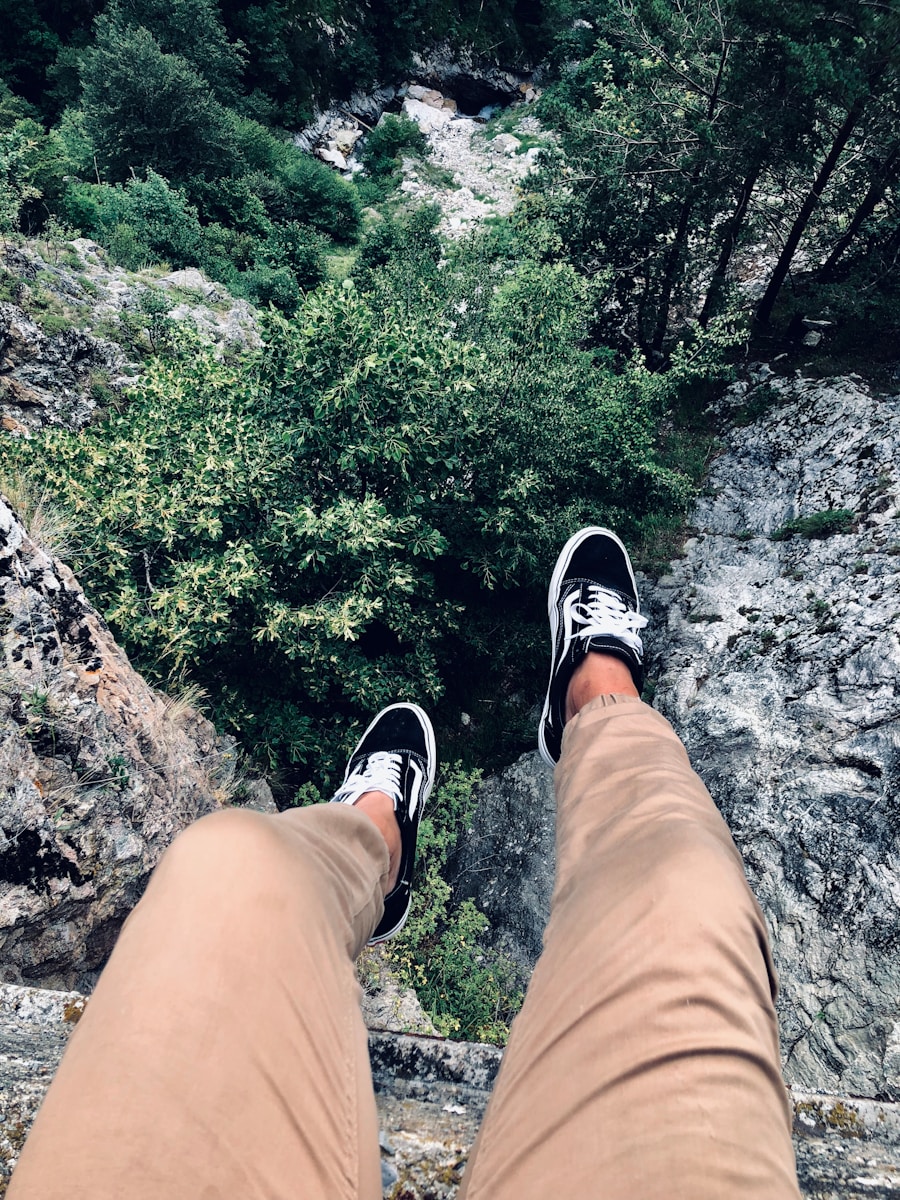
The best hiking pants let you move without pulling at the seat, crotch, thighs, or knees. Features such as a gusseted crotch and articulated knees create extra room where hikers bend and step.
Adjustable waistbands, drawcords, integrated belts, or partial elastic can help fine-tune the fit. This is especially useful when a backpack hip belt sits over the waistband for several hours.
Pro Tip: Before buying, squat deeply, lift each knee toward your chest, step onto a bench or low platform, and sit down. The waistband should stay comfortable and the knees and crotch should not feel tight.
Ventilation and Airflow
Warm-weather pants may use thinner fabrics, mesh-lined pockets, roll-up hems, or zippered ventilation points to improve airflow. These details can be useful in humid climates or on steep climbs where heat and sweat build quickly.
More ventilation is not always better. Open vents and very thin fabrics can allow more cold air through in exposed or windy conditions. Match the design to the temperatures and terrain you expect.
Durability Features of Hiking Pants
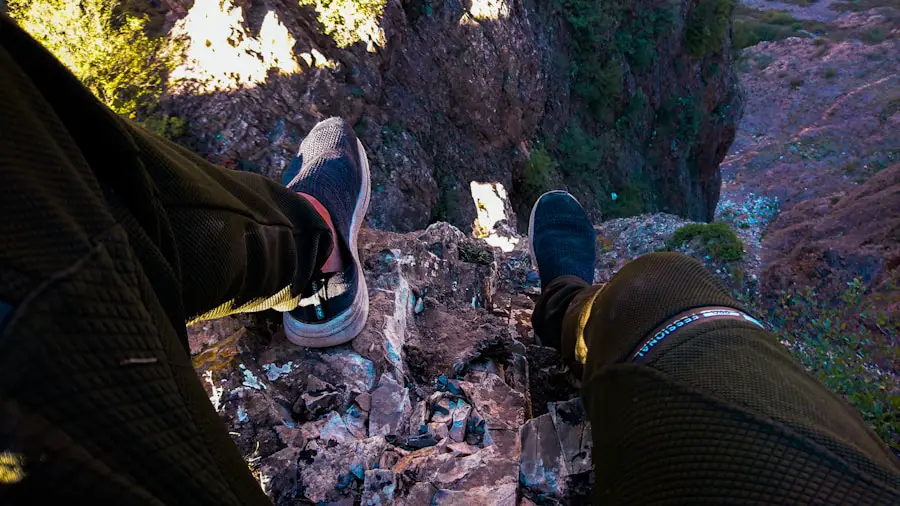
Durability matters when trails involve rough rock, branches, brush, repeated kneeling, or scrambling. Nylon-rich fabrics are frequently used where abrasion resistance is important, while heavier woven fabrics generally tolerate rough contact better than ultralight materials.
Some rugged hiking pants add reinforced knees, reinforced seats, stronger stitching, or tougher fabric panels in high-wear areas. These features are valuable for scrambling, field work, climbing approaches, and off-trail travel, but they are not necessary on every pair of hiking pants.
Water-Resistant vs. Waterproof Hiking Pants
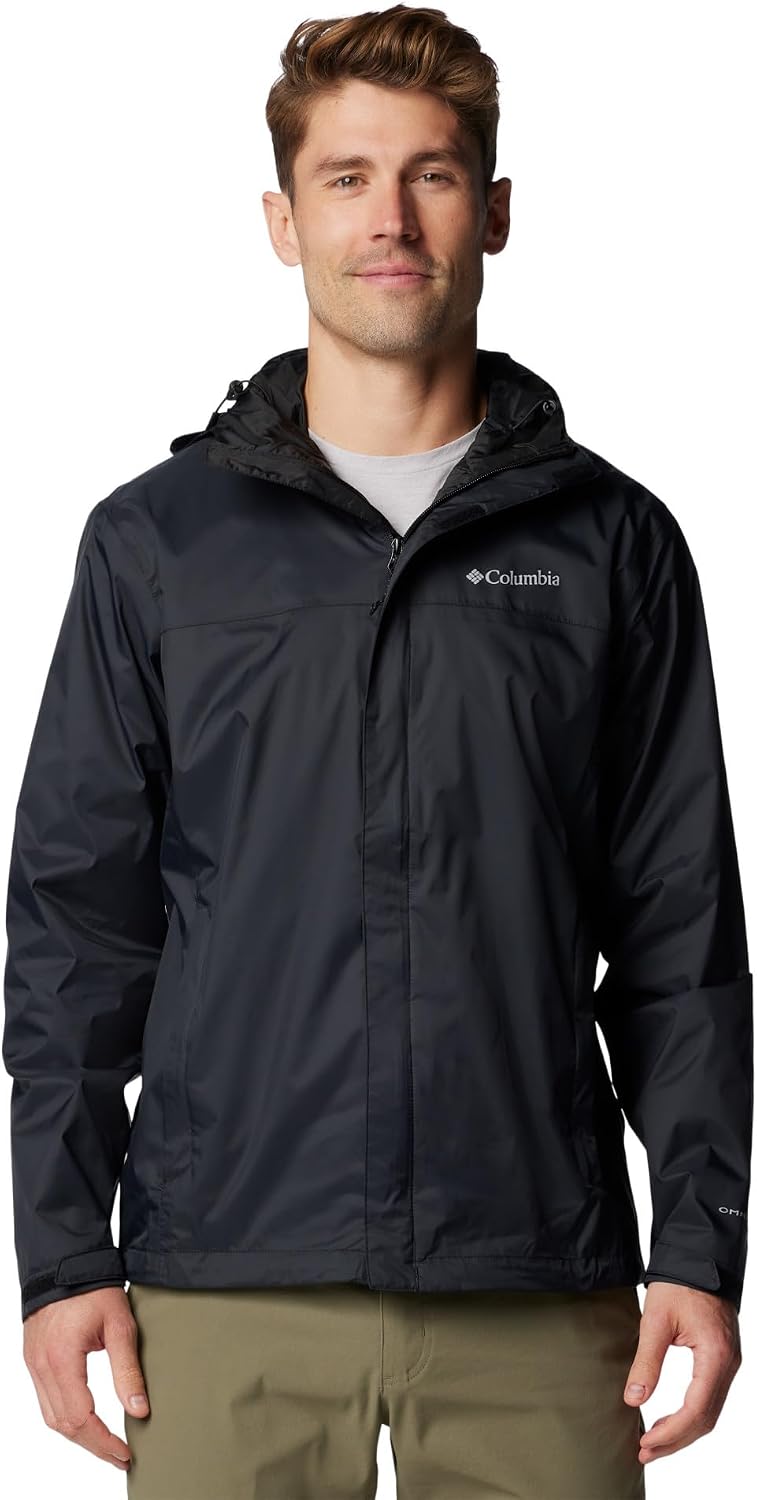
This is one of the most important distinctions when shopping. Many ordinary hiking pants have a durable water-repellent treatment, commonly called DWR, that helps light rain or splashes bead on the surface. That can be convenient during brief showers or when brushing against damp vegetation.
A water-repellent hiking pant is not the same as waterproof rain pants. As REI explains in its hiking-pants guide, waterproof rain pants use construction designed to prevent water penetration during much wetter conditions, while ordinary water-resistant hiking pants prioritize breathability and can eventually soak through.
Warning: Do not rely on a standard DWR-treated hiking pant as your only rain protection when prolonged or heavy rain is expected. Pack properly waterproof rain pants when staying dry is important for comfort or cold-weather safety.
Quick-Drying Performance
Quick-drying fabric is particularly useful on backpacking trips, river crossings, humid trails, and hikes where rain is possible. A pant that dries quickly is easier to wear after getting damp and is more practical when you have limited clothing on a multi-day trip.
Sun and Insect Protection
Full-length hiking pants provide physical coverage from sunlight, brush, and insects. The CDC recommends protective clothing, including long pants when practical, as part of sun protection.
Some outdoor pants carry a tested ultraviolet protection factor, or UPF, rating. A higher verified UPF rating can be useful for exposed desert, alpine, beach, or high-elevation hiking.
According to the CDC Yellow Book, UPF 50 fabric allows about 1/50 of ambient ultraviolet radiation to pass through, meaning about 98% is blocked.
For areas where ticks or biting insects are a concern, another option is clothing that has been factory treated with permethrin or clothing treated with an EPA-registered product according to its label. The U.S. Environmental Protection Agency notes that treated clothing protects only the areas it covers, so exposed skin may still require an appropriate skin-applied repellent.
Note: When using insect-repellent clothing or a clothing treatment, follow the product label exactly, including washing and application directions.
Style Options for Hiking Pants
| Style Option | Description |
| Convertible | Pants with zip-off legs that convert to shorts, useful when temperatures change significantly during the day. |
| Slim Fit | A closer, streamlined fit that reduces loose fabric but must still allow unrestricted knee and hip movement. |
| Relaxed Fit | More room through the seat and legs for comfort, movement, or layering. |
| Straight Leg | A classic cut with a fairly consistent width from the knee to the hem. |
| Tapered Leg | Narrows toward the ankle, reducing excess fabric around footwear and giving a more modern silhouette. |
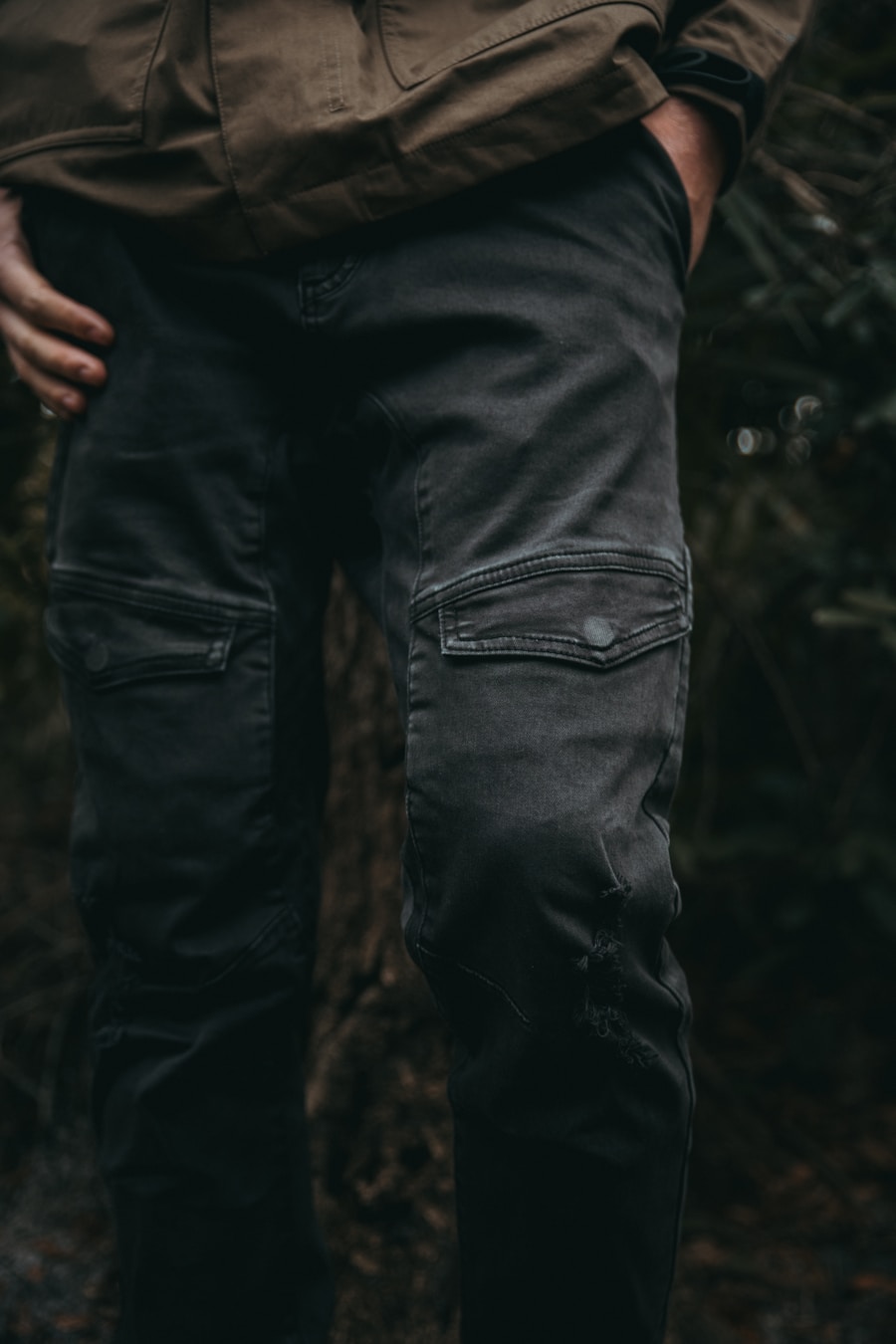
Traditional cargo-style hiking pants remain useful because their extra pockets keep small trail items close at hand. Modern versions are also available in cleaner straight, slim, tapered, and jogger-style cuts, so practical trail clothing no longer has to look bulky.
Convertible hiking pants are particularly useful for trips with large temperature swings. Their zip-off lower legs allow the wearer to switch between pants and shorts without carrying a second complete garment. The trade-off is extra zippers and seams, which some hikers find less comfortable than a conventional pant.
Hiking tights and leggings can provide excellent stretch and comfort, especially for hikers who prefer a close fit. However, very lightweight leggings may provide less abrasion protection against rough rock, branches, or brush than a woven hiking pant. Reinforced trekking tights can provide a middle ground.
Color is mainly personal preference, although very dark fabrics may feel warmer in direct sun. Neutral earth tones tend to hide dirt, while brighter colors can make a hiker easier for companions to spot.
Comparison of Different Hiking Pants Brands
No single brand is automatically best. Fit differs substantially among manufacturers, and even models from the same company can serve different purposes. Compare the actual fabric, features, inseam, fit, and weather protection of the specific model rather than buying from a logo alone.
| Brand | Current Example | What Stands Out |
| Patagonia | Quandary Pants | Recycled nylon blend, stretch, UPF protection, and a DWR finish made without intentionally added PFAS. |
| Columbia | Silver Ridge Elite / Tech Trail Utility | A broad hiking range using technologies such as Omni-Shade, Omni-Wick, and Omni-Shield depending on the model. |
| Arc’teryx | Gamma SL Pant | Technical soft-shell construction focused on breathability, stretch, weather resistance, and articulated movement. |
| REI Co-op | Trailmade / Sahara Convertible | Multiple fits and styles covering general hiking, quick-drying trail use, sun protection, and convertible designs. |
Patagonia is well known for incorporating recycled materials into outdoor apparel. Its current Quandary hiking pants, for example, use a recycled nylon and spandex blend with a DWR finish made without intentionally added PFAS and tested sun protection.
Columbia provides many hiking models at different feature levels. Technology varies by garment rather than appearing on every pair. Current Silver Ridge Elite pants use Omni-Shade Broad Spectrum sun protection and Omni-Wick moisture management, while Tech Trail Utility pants use Omni-Shield water- and stain-repellent technology.
Arc’teryx targets the more technical end of the market. Its current Gamma SL Pant uses a breathable, weather-resistant stretch soft-shell design with articulated patterning. That type of construction can suit hikers who prioritize freedom of movement and performance on steeper or more exposed terrain.
REI Co-op offers multiple in-house hiking styles covering everyday trail pants, convertible designs, joggers, and more technical options. The current Trailmade Pants, for example, are designed to dry quickly, repel light moisture, and provide sun protection. Customer reviews can be useful for checking recurring fit issues, but specifications and your own try-on should carry more weight than star ratings alone.
Tips for Choosing the Best Hiking Pants
Assess Your Hiking Conditions
Start with where and when you hike. The ideal pant for a dry summer trail may be uncomfortable on a cold, exposed ridge.
- Hot weather: Choose lightweight, breathable, quick-drying fabric with useful ventilation and sun protection.
- Cool weather: A slightly heavier woven or soft-shell pant can provide more wind resistance and warmth.
- Cold weather: Look for room to layer a base layer underneath, or consider an insulated design for low-output activities.
- Light showers: A DWR-treated hiking pant may provide enough short-term protection.
- Persistent rain: Carry waterproof rain pants rather than depending on a normal hiking pant.
- Rocky or brushy terrain: Prioritize tougher fabric and reinforcement over the lightest possible weight.
Fit and Comfort
Try several cuts when possible. A pant can look correct while standing still yet bind badly when stepping over logs or climbing steep terrain.
The waistband should remain secure without digging into your stomach. Check it while wearing the backpack you normally hike with because a hip belt can press directly over buttons, buckles, belts, and bulky pockets.
If you plan to wear thermal leggings underneath, try the pants with that layer before buying. You need enough room for insulation without excessive looseness or restricted movement.
Pocket Placement and Functionality
Pockets should be accessible without interfering with your stride, backpack hip belt, or climbing harness if you use one. Zippered pockets are useful for a phone, keys, wallet, or other items that would be difficult to replace on the trail.
More pockets are not automatically better. Large cargo pockets can bounce when heavily loaded. Keep heavy gear in your backpack and use pant pockets mainly for small items you want to reach quickly.
Check the Cuffs
Some hiking pants have drawcords, snaps, elastic, or zippers at the ankle. Adjustable cuffs can help keep loose fabric away from mud, brush, bicycle drivetrains, or climbing footwear and can make it easier to fit the pants around different boots.
Check the inseam while wearing your normal hiking shoes. Pants that are much too long can drag on the trail, while an overly short inseam can expose more skin above low-cut footwear than expected.
Use This Pre-Purchase Checklist
- Can you squat and step high without the fabric binding?
- Does the waistband stay comfortable under your pack?
- Is the fabric weight suitable for your normal climate?
- Does it dry quickly enough for your type of hiking?
- Do you need tested UPF protection?
- Are the most important pockets secure?
- Will the cuffs work with your normal footwear?
- Do you need light water resistance or actual waterproof rain protection?
- Will you wear a base layer underneath?
- Are the care instructions realistic for how you wash outdoor clothing?
Maintenance and Care for Hiking Pants
Proper care can preserve stretch, water repellency, fabric integrity, and fit, but there is no single washing method that is correct for every hiking pant. Read the sewn-in care label first.
Current technical pants demonstrate why this matters. Patagonia’s Quandary pants specify machine washing and low tumble drying, while other garments may require different temperatures or drying methods. Avoid assuming that cold water and air drying are always mandatory.
Fabric softener is generally a poor choice for technical moisture-management and water-repellent clothing because residues can interfere with performance. When a manufacturer specifically tells you to avoid softener, follow that instruction.
Maintaining a DWR Finish
If water used to bead on the pants but begins soaking into the outer fabric, cleaning may restore some performance. When the manufacturer’s instructions permit it, controlled dryer heat may also help maintain or reactivate certain DWR treatments. Arc’teryx’s product-care guidance notes that DWR eventually needs renewal and that heat can improve the effectiveness of compatible treatments.
If cleaning and approved heat no longer restore beading, use a DWR treatment appropriate for the garment and follow both the clothing manufacturer’s and treatment manufacturer’s directions.
Inspect hiking pants periodically for loose seams, torn pockets, failing zippers, worn cuffs, and small fabric cuts. Repairing minor damage early is easier than dealing with a larger tear on the trail.
Store clean, dry pants in a dry location rather than leaving them wet or dirty in a pack. Long-term storage while damp can encourage odor and unnecessary material deterioration.
Finding the Perfect Hiking Pants
Finding the right hiking pants is less about choosing the most expensive model and more about matching the garment to your body, climate, terrain, and hiking style. A summer day hiker may value lightweight fabric and ventilation, while someone hiking through rough alpine terrain may choose stronger fabric, articulated construction, secure cuffs, and better wind resistance.
Prioritize fit first. Then compare fabric, drying speed, durability, weather protection, sun protection, pockets, cuffs, and any specialized features you genuinely use. A simpler pant that fits correctly can outperform a heavily featured model that rubs, binds, overheats, or does not work with your backpack.
For destination hikes, seasonal weather should also influence the clothing you pack. Travelers planning different climates can use destination-specific timing guides such as the best time to travel to Ireland and the best time to travel to Cancun to understand how conditions can vary before choosing trail clothing.
Frequently Asked Questions
What are good hiking pants?
Good hiking pants fit comfortably, allow full movement, dry reasonably quickly, and provide enough durability for the terrain. Nylon and polyester blends are common, often with elastane or spandex for stretch. Useful extras can include articulated knees, a gusseted crotch, secure pockets, adjustable cuffs, water resistance, and verified UPF protection.
What features should I look for in good hiking pants?
Prioritize comfortable stretch, a secure waistband, useful pocket placement, quick-drying fabric, and a cut that does not restrict your knees or hips. Depending on the hike, you may also want UPF protection, water repellency, reinforced fabric, vents, zip-off legs, or adjustable cuffs.
What are the benefits of wearing good hiking pants?
Hiking pants can improve freedom of movement while protecting your legs from sun, vegetation, light weather, and abrasive surfaces. Technical fabrics can also dry faster than ordinary cotton pants, making them more comfortable when you sweat or encounter damp conditions.
How do I choose the right hiking pants for me?
Match the fabric and features to your normal climate and terrain, then test the fit while moving. Squat, step high, sit down, and wear your normal backpack if possible. Choose enough room for any base layer you expect to wear without making the pants excessively loose.
Are hiking pants waterproof?
Most ordinary hiking pants are not fully waterproof. Many have a DWR or similar treatment that sheds light moisture but can soak through in prolonged rain. For sustained wet weather, use waterproof rain pants designed for that purpose.
Should hiking pants be loose or tight?
They should be neither restrictive nor excessively baggy. Slim, straight, relaxed, and tapered fits can all work as long as you have unrestricted movement through the hips, crotch, and knees. Your preferred fit should also work comfortably under a backpack hip belt.
Are nylon or polyester hiking pants better?
Neither fiber is automatically better. Nylon is often favored for abrasion resistance and toughness, while polyester is widely used for lightweight, quick-drying trail clothing. Many good hiking pants blend one of these fibers with elastane or spandex to improve stretch.
Sources
- REI Expert Advice — How to Choose Hiking Pants — hiking-pant materials, fits, features, and the difference between water-resistant hiking pants and waterproof rain pants.
- CDC Yellow Book — Sun Exposure in Travelers — protective clothing and UPF guidance.
- U.S. Environmental Protection Agency — Repellent-Treated Clothing — permethrin-treated clothing and safe-use guidance.
- Patagonia — Quandary Hiking Pants — current recycled material, DWR, UPF, movement, and care specifications.
- Columbia — Silver Ridge Elite Pants — current Omni-Shade and Omni-Wick hiking-pant technology.
- Arc’teryx — Gamma SL Pant — current soft-shell construction, breathability, weather resistance, and articulated design.