
Last Updated on July 27, 2026 by Daniel Globe
Hiking combines walking with changing terrain, hills, fresh air, and time outdoors. That mix can make it a useful form of exercise and an enjoyable way to spend time in nature. Depending on the trail and your pace, a hike may range from a gentle walk to a demanding cardiovascular workout, so the benefits and risks depend on the route, weather, fitness level, and preparation.
Quick Answer
Hiking can support heart health, endurance, muscle and bone strength, balance, mood, stress management, and social connection. Uneven terrain can make it more demanding than ordinary level walking. The biggest benefits come from hiking regularly at an appropriate intensity while choosing safe routes, carrying essential gear, and respecting trail conditions.
Key Takeaways
- Hiking counts as physical activity and can improve cardiovascular fitness, bone health, balance, and weight management when done regularly.
- Walking and nature-based activity are associated with lower anxiety and depressive symptoms, but hiking should not be presented as a treatment or guaranteed cure.
- Calories burned vary widely with body size, pace, pack weight, terrain, and elevation gain; a single universal calories-per-hour figure is misleading.
- Group hikes can support social connection, while responsible trail habits can reduce damage to plants, soil, water, and wildlife.
- Beginners should start with manageable trails, check conditions, leave a trip plan, and carry the hiking essentials appropriate for the route.
Disclosure: As an Amazon Associate I earn from qualifying purchases. Some links on this page are affiliate links, at no extra cost to you.
Physical Benefits of Hiking
Hiking is a form of aerobic activity that can raise your heart rate and challenge your lungs and muscles. The exact intensity depends on your speed, elevation gain, trail surface, and pack weight. A flat nature path may feel like an easy walk, while a steep trail can become vigorous exercise.
The CDC’s 2026 physical activity guidance notes that regular physical activity can lower the risk of heart disease and stroke, improve bone health, help prevent weight gain, and improve balance and coordination. Hiking can contribute to those benefits when it is performed often enough and at an intensity that matches your abilities.
Heart and Endurance Benefits
Climbing hills and maintaining a steady pace make the heart and lungs work harder. Over time, regular moderate-to-vigorous physical activity can improve cardiorespiratory fitness and help reduce cardiovascular risk. Hiking should be viewed as one way to build that weekly activity rather than as a stand-alone guarantee against heart disease.
Muscles, Bones, and Balance
Hiking uses the calves, quadriceps, hamstrings, glutes, and core to move over slopes and uneven ground. Descents also challenge the legs as they control your body weight. Because you are supporting your own weight, hiking is weight-bearing activity, and changing terrain can challenge balance and coordination.
Pro Tip: Increase only one variable at a time—distance, elevation, pace, or pack weight. Gradual progression makes it easier to judge how your feet, knees, and overall fitness are responding.
How Many Calories Does Hiking Burn?
Hiking can contribute to weight management because it uses energy, but calorie burn varies too much for one number to fit everyone. Body weight, trail grade, speed, altitude, pack weight, and hiking duration all matter.
As a reference point, the CDC estimates about 370 calories per hour of hiking for a 154-pound (70-kilogram) person. A heavier person, steeper route, faster pace, or loaded backpack may increase energy use, while an easier route may use less. For weight loss, hiking works best as part of a broader pattern that also includes appropriate food intake, sleep, and other healthy habits.
For a 154-pound person, the CDC lists hiking at about 370 calories per hour—not a universal 400–700 calories per hour for every hiker.
Hiking vs. Walking: Is One Better?
Both hiking and ordinary walking can be excellent exercise. Hiking often adds hills, uneven surfaces, and longer continuous efforts, which may increase the challenge to your legs, core, balance, and cardiovascular system. Walking on flatter, predictable surfaces can be easier to access, easier to pace, and easier to repeat frequently.
The better choice is the one that fits your health, environment, schedule, and interests. A demanding hike is not automatically healthier than a consistent walking routine, and beginners do not need steep trails to gain meaningful benefits.
Mental and Emotional Benefits of Hiking
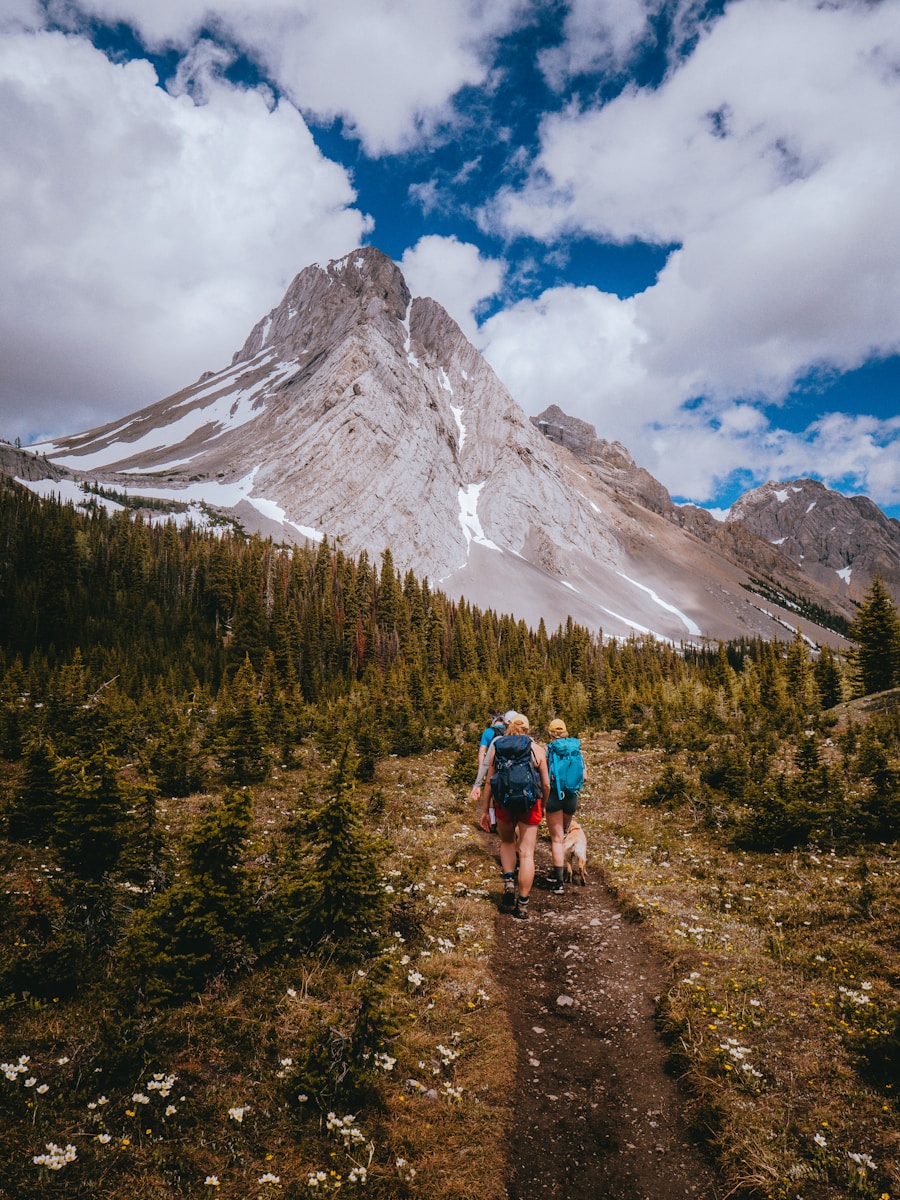
Hiking combines physical movement with time outdoors, and both may support mental well-being. Current evidence is stronger for physical activity, walking, and nature-based interventions as broad categories than for the claim that every hike will produce a specific mental-health result.
A large 2026 Nature Human Behaviour review of nature-based interventions found reductions in anxiety and depressive symptoms compared with controls, while also noting important limits such as varied intervention definitions and the frequent use of passive control groups. That supports a balanced conclusion: time in nature can be helpful, but it is not a substitute for professional mental-health care when care is needed.
Stress, Mood, and Attention
Many people find that walking outdoors gives them a break from screens, noise, and repetitive daily routines. The steady rhythm of walking can also create space for reflection and present-moment attention. Physical activity itself is associated with immediate reductions in feelings of anxiety, while regular activity is associated with a lower risk of depression.
Claims about creativity need more context. A 2012 PLOS ONE study found that hikers performed about 50% better on a creative problem-solving task after four days immersed in nature without electronic technology. The researchers specifically cautioned that the study could not separate the effects of nature, technology disconnection, or other parts of the multi-day experience. It does not show that an ordinary hike improves creativity by 50%.
Note: Hiking may support mood and stress management, but it is not a replacement for medical or mental-health treatment. Persistent or severe symptoms deserve professional evaluation.
Social Benefits of Hiking
Hiking can be a solo activity, but it also creates an easy setting for shared time with friends, family, clubs, or community groups. Walking side by side gives people time to talk without the distractions that often come with indoor social settings. Shared route planning, rest stops, and trail challenges can also encourage cooperation.
Families can use short, age-appropriate hikes to build outdoor skills and shared memories. Group hiking may also make regular activity more enjoyable for people who prefer exercising with others. The key is to choose a trail that fits the least-experienced member of the group and to keep the group together.
| Benefit Area | What Hiking May Offer |
| Physical Fitness | Aerobic exercise plus leg, core, balance, and coordination demands that change with terrain. |
| Mental Well-Being | Physical activity and nature exposure are associated with lower anxiety, depressive symptoms, and stress in research, without a guaranteed percentage improvement. |
| Social Connection | Shared hikes can create time for conversation, teamwork, and community involvement. |
| Weight Management | Hiking increases energy expenditure; the amount varies with the person and the route. |
| Environmental Awareness | Time outdoors can deepen appreciation for natural places, while responsible trail practices help limit recreation impacts. |
Connection to Nature and Environmental Benefits of Hiking
Spending time on trails can deepen a hiker’s appreciation for forests, mountains, rivers, wildlife, and local landscapes. That connection may encourage people to support conservation, volunteer for trail work, or make more careful choices outdoors.
Hiking itself is not automatically good for the environment. Heavy use, shortcuts, litter, food waste, wildlife disturbance, and travel off durable surfaces can damage natural areas. Responsible behavior matters. The Leave No Trace principles emphasize planning ahead, traveling on durable surfaces, disposing of waste properly, leaving what you find, minimizing fire impacts, respecting wildlife, and being considerate of others.
Pro Tip: Staying on established trails is not only a navigation habit. It also helps reduce trampling, erosion, and the creation of informal “social trails.”
Hiking as a Stress Reliever
The Power of Nature
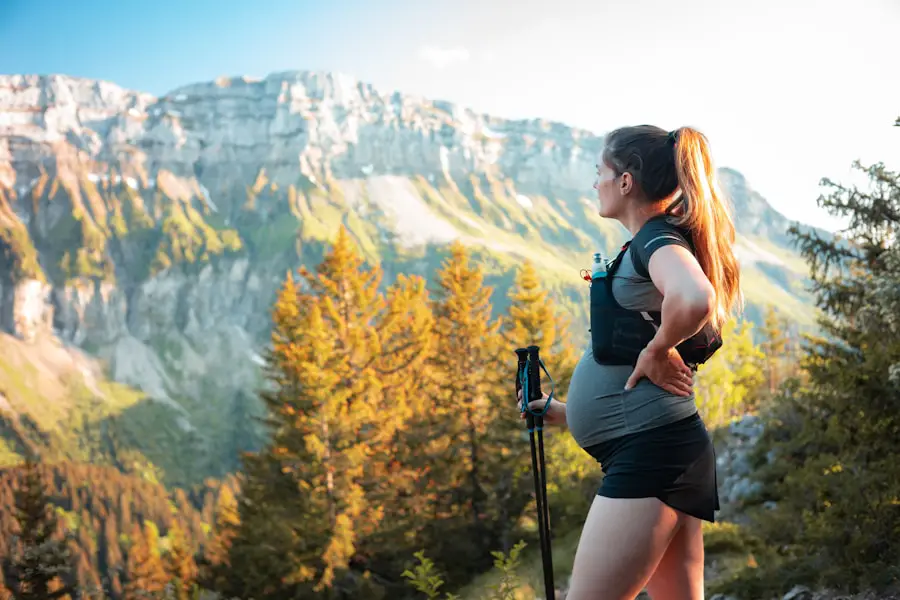
Rustling leaves, moving water, birdsong, changing light, and broad views can pull attention away from daily demands. For many hikers, the change of setting makes it easier to slow down mentally and focus on what is happening around them.
The Benefits of Physical Exertion
Exercise can improve mood and reduce short-term feelings of anxiety through several interacting biological and psychological mechanisms. Rather than attributing the effect to a single “feel-good hormone,” it is more accurate to say that regular physical activity can support mood, sleep, stress regulation, and overall mental well-being.
A Combined Stress-Relieving Effect
Hiking can combine movement, nature exposure, a break from routine, and sometimes social connection. Those factors may work together to make a hike feel restorative. The effect varies by person, and a crowded, overly difficult, hot, or unsafe hike can create stress instead of reducing it.
Hiking for Overall Well-Being and Quality of Life
One reason hiking can be easier to maintain than some indoor workouts is that it offers a destination, changing scenery, and a sense of exploration. Completing a route can also provide a practical sense of progress, whether the goal is walking a local loop, reaching a viewpoint, or gradually handling more elevation.
Regular hiking can also become a gateway to a more active routine. Adults generally benefit from at least 150 minutes of moderate-intensity aerobic activity each week, along with muscle-strengthening activity on at least two days. Hiking can supply part of the aerobic total, but a complete fitness routine may still need separate strength work.
Sleep and Recovery
Physical activity can improve sleep quality, which is another reason a regular hiking habit may support overall well-being. A long or difficult hike can also create fatigue, so recovery still matters. Build up gradually and avoid treating soreness, dehydration, or exhaustion as proof that a hike was more effective.
How Often Should You Hike?
There is no single ideal hiking schedule. A beginner might start with one short hike each week plus regular walking, then add time or elevation as recovery improves. More experienced hikers may hike several times per week. The best schedule is one you can recover from and repeat without persistent pain, exhaustion, or declining performance.
Use effort as a guide. During moderate-intensity activity, you should breathe harder but generally still be able to talk. During vigorous climbs, saying more than a few words at a time becomes difficult. Rest days, sleep, hydration, and footwear all affect how well you recover.
Tips for Getting Started with Hiking
Beginners do not need to start with a mountain. A well-marked local trail with modest distance and elevation is a better place to learn pacing, footwear, hydration, and navigation. Choose a route based on the slowest or least-experienced person in the group rather than on the strongest hiker.
Choose the Right Footwear
Wear footwear that fits securely, has enough traction for the surface, and is comfortable over the distance you plan to walk. Hiking shoes, trail shoes, or boots can all work depending on terrain, weather, ankle comfort, and pack weight. Break in unfamiliar footwear before a long outing, and use socks that manage moisture well.
Start With Shorter, Easier Trails
Check distance, elevation gain, surface type, exposure, and expected time before you go. Mileage alone can be misleading because steep elevation, loose rock, mud, heat, altitude, or stream crossings can make a short trail much harder.
Plan for Weather, Navigation, and Emergencies
The National Park Service’s Hike Smart guidance recommends choosing a trail within your abilities, checking weather and park alerts, leaving a trip plan, and carrying the 10 Essentials. Those essentials cover navigation, sun protection, insulation, illumination, first aid, fire, repair tools, food, hydration, and emergency shelter.
- Check conditions: Review the forecast, trail closures, fire restrictions, stream levels, and other local hazards.
- Leave a trip plan: Tell a trusted person where you are going, your route, and when you expect to return.
- Carry water and food: Bring enough for the route plus a reasonable emergency margin.
- Bring navigation: Carry a map, downloaded offline map, GPS device, or other suitable tools, and know how to use them.
- Carry layers and light: Weather and daylight can change before a delayed hike ends.
- Turn around early: Reaching the summit or endpoint is optional; getting back safely is not.
Warning: Do not push through chest pain, fainting, severe shortness of breath, confusion, or other signs of a medical emergency. Remote trails may delay help. If you have a medical condition or are returning after a long period of inactivity, choose a conservative route and consider discussing your plans with a healthcare professional.
Hiking Safely in Heat, Cold, and Changing Weather
Weather can turn an ordinary outing into a serious problem. In hot conditions, reduce intensity, carry enough water, use sun protection, and recognize that exposed trails can feel much hotter than shaded ones. In cold or wet weather, pack insulating layers and rain protection even when the trailhead feels comfortable.
Thunderstorms, flash flooding, wildfire smoke, snow, ice, and high winds may require delaying the hike or turning around. Do not let a planned destination pressure you into continuing through unsafe conditions. Cell service is unreliable in many hiking areas, so a phone should not be your only emergency plan.
Who May Need Extra Caution?
Trail difficulty is relative. Children, older adults, people who are pregnant, people with mobility limitations, people at higher altitude than they are accustomed to, and anyone managing a medical condition may need different pacing, gear, or route choices. Accessibility also varies widely between trails. Look for reliable trail-surface, grade, distance, and facility information instead of assuming that hiking is equally accessible to everyone.
Hiking is more than a way to accumulate steps. Done regularly and safely, it can combine aerobic activity, leg and core work, balance challenges, nature exposure, shared experiences, and a sense of exploration. The strongest benefits come from choosing a trail that matches your current ability, preparing for the conditions, and building consistency over time.
If you enjoy hiking, you may also be interested in learning about the best time to visit Niagara Falls. According to TakeTravelInfo, the seasonal guide explains how weather, scenery, and crowd levels change through the year, which can help you plan a walking- and hiking-friendly visit.
Frequently Asked Questions
What are the benefits of hiking?
Hiking can improve cardiovascular fitness, leg and core strength, bone health, balance, and energy expenditure. Because it also includes time outdoors, it may support mood, stress management, and social connection. Benefits depend on hiking regularly at an appropriate intensity.
Is hiking good for mental health?
Research on physical activity, walking, and nature-based interventions suggests benefits for anxiety, depressive symptoms, stress, and mood. Hiking can be one useful form of activity, but it should not be treated as a guaranteed cure or a substitute for professional care.
How many calories does hiking burn?
The number varies with body weight, speed, elevation, terrain, pack weight, and duration. The CDC lists about 370 calories per hour for a 154-pound person as a general reference, but your actual energy use may be higher or lower.
How often should a beginner hike?
A beginner can start with one manageable hike per week and regular walking between hikes, then gradually add distance or elevation. Recovery matters more than chasing a fixed schedule, especially when trails are steep or unfamiliar.
What should I bring on a day hike?
Bring gear suited to the route and weather, including navigation, sun protection, extra layers, illumination, first aid, emergency fire and repair items where appropriate, food, water, and emergency shelter. Check local land-manager guidance because conditions may require additional equipment.
Sources
- CDC — Health Benefits of Physical Activity for Adults — physical activity, heart health, bone health, anxiety, and balance.
- CDC — Physical Activity and Your Weight and Health — hiking calorie estimate and weekly activity guidance.
- Nature Human Behaviour — Nature-Based Interventions Meta-Analysis (2026) — current evidence on anxiety, depression, stress, and relaxation.
- PLOS ONE — Creativity in the Wild — context and limitations behind the 50% creative problem-solving finding.
- National Park Service — Hike Smart — route planning, conditions, trip plans, and hiking essentials.
- Leave No Trace — Seven Principles — low-impact outdoor practices and environmental stewardship.
