
Last Updated on July 27, 2026 by Daniel Globe
Hiking combines aerobic exercise, weight-bearing movement, changing terrain, and time outdoors in one activity. Depending on the trail, it can challenge your heart, legs, balance, and endurance while also giving you a break from everyday surroundings. The benefits vary with your pace, terrain, fitness level, and how often you hike, but regular hiking can be a useful part of an active lifestyle.
Quick Answer
Hiking can improve cardiovascular fitness, strengthen the legs, challenge balance, support bone health, burn calories, and contribute to better mood and stress management. Hiking with other people may also support social connection. The greatest benefits come from choosing a suitable trail, hiking regularly, and following basic safety and Leave No Trace practices.
Key Takeaways
- Hiking can count as moderate- or vigorous-intensity aerobic activity, depending on your pace, elevation gain, pack weight, and terrain.
- Uphill and uneven trails challenge the quadriceps, hamstrings, calves, glutes, core, and stabilizing muscles.
- Regular physical activity supports heart health, bone health, sleep, weight management, and mental well-being.
- Nature exposure may add stress-relief and mood benefits, although results vary among individuals and studies.
- Group hikes can create time for conversation, shared goals, and stronger social connections.
- Responsible hiking helps protect trails when hikers stay on durable surfaces, pack out waste, respect wildlife, and obey closures.
- Check weather and trail alerts, choose a route that fits your ability, leave a trip plan, and carry the Ten Essentials.
- Do not assume cell service will be available in remote areas, and be willing to turn around when conditions change.
Disclosure: As an Amazon Associate I earn from qualifying purchases. Some links on this page are affiliate links, at no extra cost to you.
Physical Health Benefits of Hiking
Hiking gets your heart beating faster and your breathing rate up, especially on hills. That makes it a form of aerobic exercise. The Centers for Disease Control and Prevention reports that regular moderate-to-vigorous physical activity supports heart health and can lower the long-term risk of heart disease, stroke, type 2 diabetes, and several other chronic conditions.
The movement is also more varied than walking on a perfectly flat surface. When you climb, your quadriceps, hamstrings, calves, and glutes work to move you uphill. Your core and smaller stabilizing muscles help control your body on rocks, roots, slopes, and uneven ground. Trekking poles can involve the upper body as well, although ordinary hiking is still primarily a lower-body activity.
Regular weight-bearing activity also supports bone health. Hiking challenges balance and coordination because your body continually adjusts to changes in slope and footing. The National Park Service lists stronger muscles and bones, better balance, and improved heart health among hiking’s physical benefits.
Walking-based activities are often considered lower impact than running, but that does not mean every hike is easy on the body. A steep, rocky descent can place substantial demands on the knees, ankles, feet, and hips. Mud, loose rock, roots, and fatigue can also increase the chance of a fall. Choose terrain that matches your current ability and increase distance and elevation gradually.
How Many Calories Does Hiking Burn?
Calorie expenditure varies widely. Body weight, speed, elevation gain, terrain, temperature, pack weight, and total effort all change how much energy you use.
The 2024 Compendium of Physical Activities rates normal hiking through fields and hillsides at 5.3 METs and cross-country hiking at 6.0 METs. For a 160-pound adult, those values correspond to roughly 385–435 calories of gross energy expenditure per hour.
The calculation above uses the 2024 Adult Compendium of Physical Activities, which defines 1 MET as approximately 1 kilocalorie per kilogram of body weight per hour. A steep climb or a heavy pack can require considerably more energy, while a slow, easy trail can require less.
That energy expenditure can help with weight management, but hiking does not automatically cause weight loss. Body weight changes depend on total energy intake and expenditure over time. Hiking is best viewed as one useful part of an active lifestyle rather than a guaranteed weight-loss method.
Does Hiking Count Toward Weekly Exercise Goals?
Yes, when the effort reaches at least moderate intensity. Current U.S. physical-activity guidance recommends that adults get at least 150 minutes of moderate-intensity aerobic activity each week, 75 minutes of vigorous activity, or an equivalent combination. Adults are also advised to perform muscle-strengthening activity that works all major muscle groups on at least two days each week.
A brisk hike can contribute substantially to the aerobic target. Hills and a pack may also challenge the muscles, but hiking does not necessarily train every major muscle group enough to replace a complete strength routine.
Note: This article provides general health and hiking information, not individual medical advice. If you have a chronic health condition, significant joint pain, a disability that affects exercise, or you have been inactive for a long time, ask a qualified healthcare professional what level of activity is appropriate for you.
The Mental Health Benefits of Hiking
Hiking combines two factors that have each been linked with mental well-being: physical activity and time in natural environments. The CDC reports that physical activity can reduce short-term feelings of anxiety, improve sleep, and lower the long-term risk of depression.
Nature exposure may add another benefit. A systematic review of nature exposure and stress found generally favorable effects on perceived stress and several physiological stress measures. However, individual responses differ, and evidence for specific mechanisms such as cortisol is not perfectly consistent across all studies.
The practical effect is simple: a hike can create uninterrupted time away from traffic, screens, work, and other everyday demands. The sights and sounds of a natural setting may make it easier for some people to feel calm and pay attention to the present moment.
Walking also leaves mental space for reflection. Some hikers find that the steady rhythm gives them time to think through a problem or return home with a clearer perspective. That is a personal experience rather than a guaranteed neurological effect, but it is one reason many people value time on the trail.
Completing a challenging route can also provide a sense of accomplishment. Reaching a viewpoint, managing a climb, or simply finishing a first hike can reinforce confidence in your ability to work toward a goal.
Pro Tip: You do not need a difficult mountain route to gain the exercise or outdoor-time benefits. A comfortable local trail that you can hike consistently is often more useful than an ambitious route that leaves you exhausted or injured.
The Social Benefits of Hiking
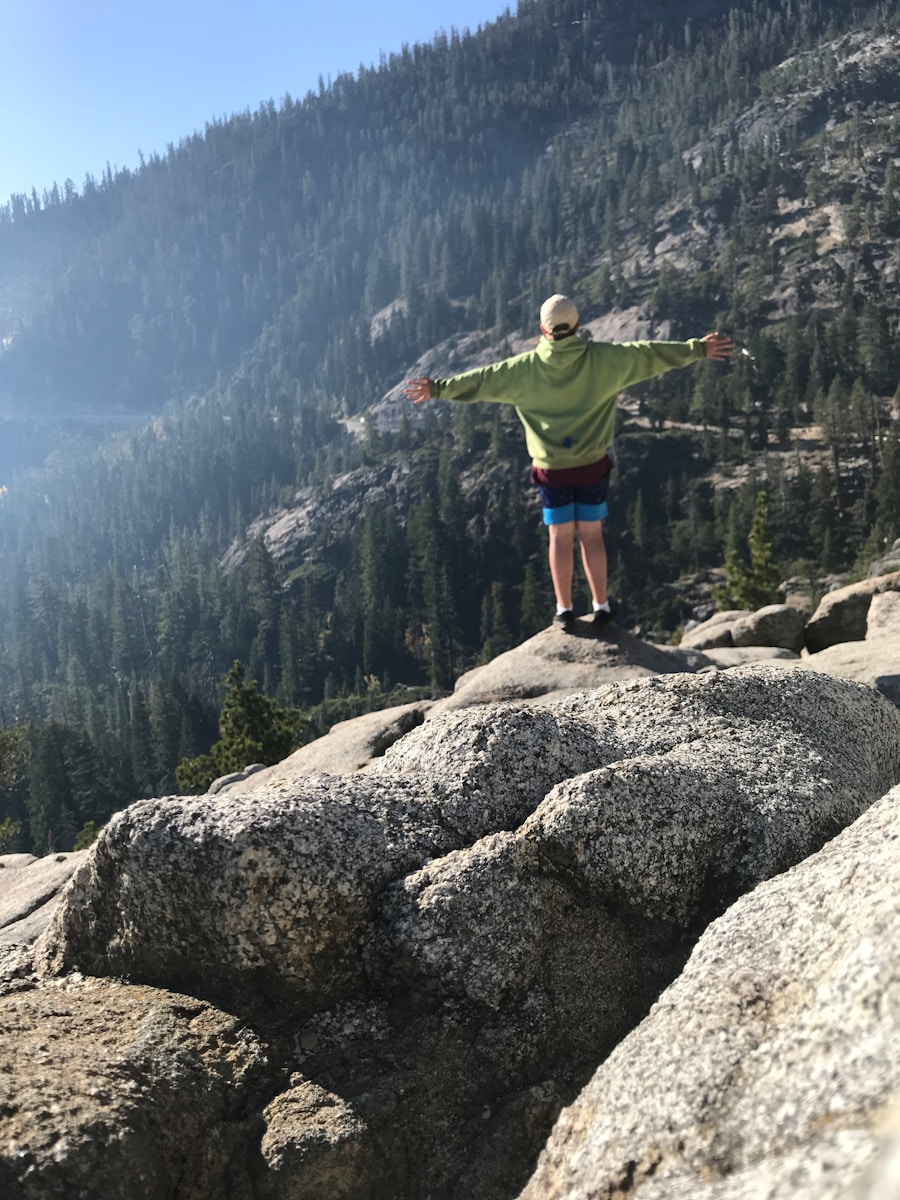
Hiking can be a social activity as well as an individual one. A walk with friends or family creates uninterrupted time for conversation and a shared goal. Because there are fewer everyday distractions on many trails, people may find it easier to talk while moving together.
The National Park Service also identifies relational health as a potential benefit of hiking. A shared trail experience can give friends, couples, parents, children, and other family members something to accomplish and remember together.
Hiking clubs and organized groups offer another option. They can help newcomers learn local routes and meet people who enjoy the outdoors. Group walking programs have also been studied as a way to increase physical-activity participation.
These benefits should not be overstated: simply joining a hike does not guarantee a close friendship or solve loneliness. Still, regular group outings create repeated opportunities for social contact, which can be valuable for people who enjoy exercising with others.
The Environmental Benefits of Hiking
Hiking can encourage appreciation for natural places, but it is not automatically environmentally beneficial. Hikers can damage soil, vegetation, water resources, and wildlife habitat when they leave designated routes, create shortcuts, litter, or ignore local rules. The environmental value of hiking depends heavily on how the trip is planned and how people behave outdoors.
| Environmental Benefit | What Actually Makes the Difference |
| Reduced Carbon Emissions | Hiking itself does not guarantee lower emissions because many trips involve driving. Walking, public transportation, shuttles, or carpooling to suitable trailheads can reduce transportation emissions compared with separate vehicle trips. |
| Preservation of Natural Habitats | Using designated trails concentrates foot traffic. Staying off unauthorized routes and avoiding switchback shortcuts helps reduce trampling, habitat disturbance, and erosion. |
| Water Conservation | Hiking does not directly conserve water. Responsible waste disposal, following sanitation rules, and keeping pollutants out of streams and lakes help protect water quality. |
| Improved Air Quality | A hike does not directly clean the air. Choosing lower-emission transportation to the trailhead where practical can reduce the transportation impact of the outing. |
| Reduced Waste | Packing out trash, food scraps, and other waste prevents litter and reduces impacts on wildlife and natural areas. |
Time outdoors can also deepen a person’s interest in conservation. Seeing a forest, canyon, wetland, desert, or mountain ecosystem firsthand may motivate some hikers to support conservation programs, volunteer for trail work, or learn more about local land-management issues.
Responsible hiking is especially important on heavily visited trails. The National Park Service explains that unofficial “social trails” can trample plants and fungi, damage roots, disturb wildlife habitat, and increase soil erosion.
The Leave No Trace principles provide a practical framework: plan ahead, travel on durable surfaces, dispose of waste properly, leave natural and cultural objects where they are, minimize campfire impacts, respect wildlife, and be considerate of other visitors.
Note: Staying on the established trail is not only an etiquette issue. It can help prevent new erosion channels and reduce damage to sensitive vegetation and habitat.
The Spiritual Benefits of Hiking
For some people, hiking has a spiritual or reflective dimension. That experience is personal rather than a medically established outcome, but quiet natural settings can provide space for contemplation that is difficult to find in a busy daily routine.
A mountain view, old forest, desert landscape, or quiet shoreline can prompt feelings of awe, gratitude, or connection with something larger than everyday concerns. People understand those feelings in different ways. For one hiker they may be spiritual; for another they may simply be a sense of wonder or appreciation for nature.
Walking can also become a form of informal moving meditation. Paying attention to breathing, footsteps, weather, sounds, and the trail ahead naturally brings attention back to the present moment. Some hikers use that quiet time for reflection, while others prefer to enjoy the scenery without trying to turn the experience into anything more.
There is no need to expect a profound insight from every hike. The value may simply be slowing down, noticing your surroundings, and taking a temporary break from familiar routines.
Tips for a Safe and Enjoyable Hiking Experience
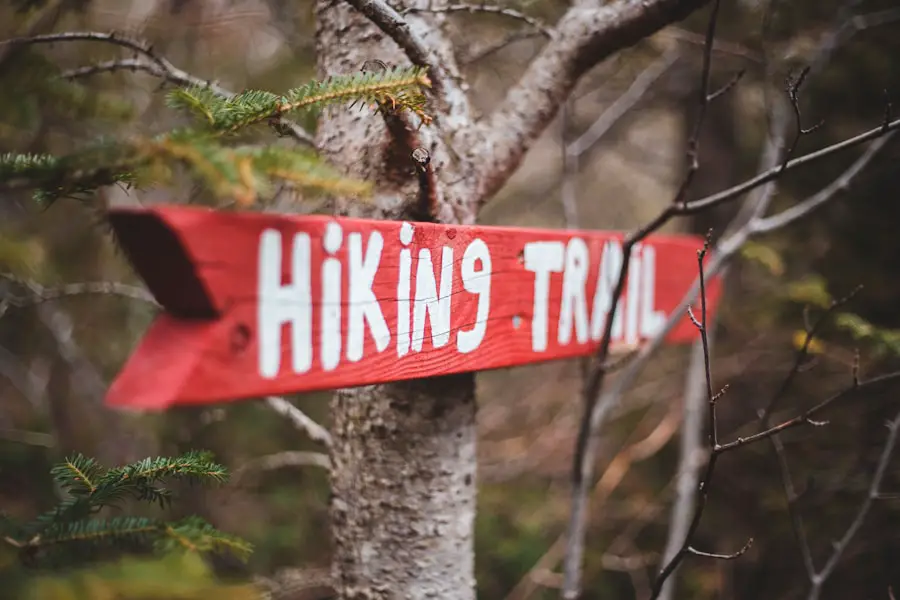
Good preparation matters even on a day hike. The National Park Service Hike Smart guidance recommends choosing a route that fits the abilities of your group, leaving a trip plan with a trusted person, checking current conditions, and preparing for emergencies.
Warning: Weather, heat, cold, lightning, flooding, altitude, wildfire, slippery terrain, and trail closures can turn an ordinary hike into an emergency. Check official forecasts and land-manager alerts before leaving, and turn around when conditions are becoming unsafe.
Leave a Trip Plan
Tell a trusted person where you are going, which route you plan to use, who is with you, and when you expect to return. That information can help rescuers if you do not come back as planned.
Carry the Ten Essentials
NPS recommends carrying the Ten Essentials. The exact equipment should be adjusted for the location, season, distance, and difficulty of your hike.
- Navigation: an appropriate map, compass, GPS device, or combination, plus the knowledge to use them.
- Sun protection: sunglasses, sunscreen, protective clothing, and a hat when appropriate.
- Insulation: extra clothing for the coldest reasonable conditions you may face.
- Illumination: a headlamp or flashlight and adequate power.
- First aid: supplies appropriate to your group and trip.
- Fire: an emergency fire-starting method where legal and appropriate.
- Repair tools: items suited to your equipment and route.
- Food: enough for the hike plus an emergency reserve.
- Hydration: sufficient water and, where appropriate, a reliable treatment method.
- Emergency shelter: protection such as an emergency blanket, bivy, tarp, or other shelter suitable for the environment.
Wear Footwear That Fits the Trail
Appropriate footwear depends on terrain rather than a rule that everyone needs heavy hiking boots. A paved nature path may be comfortable in supportive walking or athletic shoes, while rough dirt, gravel, mud, or rocky terrain may call for footwear with better traction, protection, and support.
Whatever you wear, it should fit well and be tested before a long hike. Blisters or pressure points that seem minor at the trailhead can become painful after several miles.
Dress for Changing Conditions
Layers let you add or remove insulation as your effort level and the weather change. Bring rain protection when conditions could turn wet, and consider sun, wind, cold, and nighttime temperatures rather than planning only for the forecast at the trailhead.
Do Not Rely on Cell Service
Remote trails may have weak or nonexistent reception. Downloading a map is useful, but a phone should not be your only emergency plan. For isolated backcountry routes, consider whether a satellite messenger or personal locator beacon is appropriate.
Know Your Limits
Fatigue affects balance, judgment, and pace. Take breaks, eat and drink as needed, and turn around before you become exhausted. The summit, waterfall, or viewpoint will still be there another day.
Respect Wildlife and Local Hazards
Wildlife precautions vary by region. Check the official park, forest, refuge, or land-manager website for local guidance on animals, insects, poisonous plants, fire restrictions, water crossings, and food storage. Keep your distance from wildlife and never approach an animal for a photograph.
Choosing the Right Hiking Trail for You
Selecting the right trail is one of the best ways to make a hike enjoyable rather than exhausting. Do not judge difficulty by distance alone.
Consider all of the following:
- Distance: total mileage or kilometers, including the return trip.
- Elevation gain and loss: a short trail with a steep climb can be harder than a much longer flat trail.
- Terrain: pavement, packed dirt, mud, sand, loose rock, roots, boulders, snow, or water crossings all change the difficulty.
- Exposure: narrow ledges, steep drop-offs, exposed ridges, and long stretches without shade may require additional comfort and experience.
- Altitude: higher elevations can make the same pace feel harder and introduce altitude-related illness risk.
- Navigation: some routes are obvious and well marked; others require confident map and route-finding skills.
- Remoteness: a problem is more serious when help is hours away and cell service is absent.
- Current conditions: snow, flooding, mud, downed trees, wildfire, heat, or closures can change the difficulty from one day to the next.
Beginners usually do best on clearly marked trails with manageable distance, modest elevation change, and straightforward terrain. Increase one challenge at a time as your fitness and experience improve.
User-generated resources such as AllTrails can be useful for recent photos and comments, but they should not replace official information. Check the park, forest, refuge, state park, or other land-management website for closures, permits, regulations, fire restrictions, and safety alerts.
Pro Tip: Pick a turnaround time before starting. If you have not reached your destination by that time, turn back. This protects your daylight and gives you a simple decision rule when a hike is taking longer than expected.
How to Prepare for a Hiking Trip
Preparation starts before you pack your backpack. Study the route, identify important junctions, understand the elevation profile, and check whether the trail requires a permit, reservation, entrance fee, or special equipment.
1. Check Official Trail Information
Look for current closures, trail damage, wildfire restrictions, seasonal hazards, road access, and permit requirements. A route description written months ago may not reflect today’s conditions.
2. Check the Weather
Review the forecast for the actual hiking area, not just the nearest city. Mountain temperatures, wind, thunderstorms, and precipitation can differ dramatically from conditions in a nearby valley.
3. Plan Your Navigation
Familiarize yourself with the trail before leaving. Carry appropriate navigation tools and know how to identify your route if signs are missing or visibility becomes poor.
4. Pack for the Route and Conditions
Bring the Ten Essentials plus any location-specific gear. A lightweight backpack can keep supplies secure while leaving your hands free. Trekking poles may improve stability on uneven ground for hikers who are comfortable using them.
Pack enough food and water for the planned hike and an unexpected delay. Do not assume a stream or lake is safe to drink from without proper treatment.
5. Prepare Your Body Gradually
If you are planning a strenuous hike, build toward it with regular walking and shorter hikes. Gradually add distance, elevation, and pack weight rather than changing everything at once. This approach lets your cardiovascular system and muscles adapt while giving you time to find footwear or equipment problems.
6. Tell Someone Where You Are Going
Leave your route and expected return time with someone who is not joining the hike. For a remote trip, also decide in advance what that person should do if you miss your check-in time.
7. Start With a Plan B
A successful hiking day does not require completing the original route. If weather, trail conditions, health, or timing make the plan unsafe, switch to an easier trail or return another day.
Cold conditions require extra attention to layers and hand protection. For trips where warming your hands during breaks may be useful, see our rechargeable hand warmer for travel guide for another cold-weather gear option.
Love travel? Join Our Facebook Community For More Tips.
Frequently Asked Questions
What are the health benefits of hiking?
Hiking can provide aerobic exercise, strengthen the legs, support bone health, challenge balance and coordination, and contribute to healthy weight management. Regular physical activity is also associated with better sleep, lower blood pressure, improved heart health, and lower long-term risk of several chronic diseases.
How does hiking contribute to mental well-being?
Hiking combines physical activity with time outdoors. Exercise can reduce short-term anxiety and support sleep and long-term mental health, while research on nature exposure suggests possible benefits for mood and perceived stress. Hiking should not be considered a replacement for professional treatment for a mental-health condition.
Is hiking a good way to lose weight?
Hiking increases energy expenditure and can support weight management when it is part of a sustainable activity and nutrition plan. Weight loss is not guaranteed, however, because body-weight change depends on total energy intake and expenditure over time.
How many calories does hiking burn?
It depends on body weight, speed, elevation, terrain, pack weight, and effort. The 2024 Compendium lists normal hiking through fields and hillsides at 5.3 METs and cross-country hiking at 6.0 METs. For a 160-pound adult, that is roughly 385–435 calories of gross energy expenditure per hour. Easier hikes may use less energy and steep or loaded hikes may use substantially more.
Does hiking count as cardio?
Yes. Hiking can count toward aerobic physical-activity goals when your pace and terrain raise your effort to a moderate or vigorous level. Steep climbs and a loaded pack can make a hike considerably more intense than an easy walk on level ground.
What are the potential risks of hiking?
Risks include falls, ankle or knee injuries, dehydration, heat illness, hypothermia, sunburn, severe weather, lightning, flooding, getting lost, wildlife encounters, altitude illness, and being stranded after dark. The exact risks depend on the location and season, so check official trail and weather information before leaving.
How can beginners start hiking safely?
Start with a well-marked trail that has manageable distance, modest elevation change, and uncomplicated terrain. Wear comfortable footwear, bring the Ten Essentials, check the forecast and trail alerts, tell someone your route and return time, and gradually increase difficulty as your fitness and outdoor skills improve.
Do I need hiking boots for every trail?
No. Footwear should match the terrain and your needs. Supportive walking or athletic shoes may be appropriate for easy paved trails, while rough, muddy, rocky, or loose terrain may call for footwear with more traction, protection, or support. Fit and comfort are more important than simply choosing the heaviest boot.
Sources
- CDC — Health Benefits of Physical Activity for Adults — physical activity, heart health, bone health, anxiety, sleep, and chronic-disease benefits.
- CDC — Adult Physical Activity Guidelines — weekly aerobic and muscle-strengthening recommendations.
- 2024 Compendium of Physical Activities — Walking and Hiking — MET values and hiking energy-expenditure estimates.
- National Park Service — Benefits of Hiking — physical, mental, and relational benefits of hiking.
- National Park Service — Hike Smart — route selection, trip planning, weather, emergency communication, and hiking safety.
- Leave No Trace — Seven Principles — responsible outdoor practices for reducing recreational impact.
