
Last Updated on July 27, 2026 by Daniel Globe
Hiking combines aerobic exercise, changing terrain, and time outdoors, which is why its benefits can reach well beyond simply getting more steps. A well-matched hike can challenge your heart, legs, balance, and endurance while also giving you time away from everyday distractions. Trails range from easy paved paths to demanding mountain routes, so the experience can be adapted to many fitness and ability levels.
Quick Answer
Hiking can improve cardiovascular fitness, strengthen muscles and bones, challenge balance, support healthy weight management, and reduce feelings of stress and anxiety. Time in nature may provide additional mental-health benefits. The biggest gains come from hiking regularly, choosing routes that match your ability, and preparing properly for weather, terrain, hydration, and emergencies.
Key Takeaways
- Hiking can provide moderate- or vigorous-intensity aerobic exercise, depending on your pace, terrain, elevation gain, and pack weight.
- Regular physical activity supports heart health, bone health, sleep, balance, weight management, and lower risk of several chronic diseases.
- Nature-based activity is associated with lower stress, anxiety, and depressive symptoms, although hiking should not be treated as a replacement for professional mental-health care.
- Calories burned vary widely. The CDC gives an example of about 370 calories per hour of hiking for a 154-pound person.
- New hikers should start with manageable trails and increase distance, elevation, and difficulty gradually.
- Safe hiking requires route planning, weather checks, a trip plan, appropriate footwear, and the Ten Essentials.
Disclosure: As an Amazon Associate I earn from qualifying purchases. Some links on this page are affiliate links, at no extra cost to you.
Physical Health Benefits of Hiking
One of hiking’s clearest benefits is physical activity. Walking uphill, over uneven ground, or with a pack raises your heart rate and makes your muscles work harder than they usually would on level indoor surfaces.
The Centers for Disease Control and Prevention reports that regular moderate- to vigorous-intensity physical activity can reduce blood pressure and lower the long-term risk of heart disease, stroke, and type 2 diabetes. It also supports stronger bones, healthier weight management, better sleep, and a lower risk of falls.
Hiking commonly works the calves, quadriceps, hamstrings, glutes, and muscles that stabilize the hips and trunk. Steeper climbs increase the demand on the legs, while descents require controlled muscle contractions to manage each step. Uneven terrain also challenges balance and coordination because your body must constantly adjust to changes in footing.
Hiking is also a weight-bearing activity. Regular physical activity supports bone health, although hiking alone should not be presented as a treatment or guaranteed prevention method for osteoporosis.
How Many Calories Does Hiking Burn?
There is no single calorie number that applies to every hiker. Body weight, hiking speed, elevation gain, trail surface, temperature, fitness level, and backpack weight can all change energy expenditure.
The CDC estimates that a 154-pound person uses about 370 calories during one hour of moderate hiking. People who weigh more generally use more energy, while lighter hikers generally use less.
That figure is an example rather than a target. A steep mountain hike with a loaded backpack can demand substantially more energy than an easy walk on a gently rolling trail. Weight management also depends on food intake, total daily activity, sleep, health, and other individual factors.
Does Hiking Count Toward Weekly Exercise Goals?
Yes, when the effort is high enough. Current U.S. physical-activity guidance recommends that most adults get at least 150 minutes of moderate-intensity aerobic activity each week, 75 minutes of vigorous activity, or an equivalent combination. Adults should also include muscle-strengthening activity on at least two days each week.
A simple way to judge intensity is the talk test. During moderate activity, you can usually talk but not sing comfortably. During vigorous activity, saying more than a few words without pausing for breath becomes difficult. Hiking uphill or carrying a heavy pack can reach vigorous intensity.
Note: Hiking can contribute to your weekly aerobic-activity goal, but it does not automatically replace dedicated strength training for every major muscle group.
Mental Health Benefits of Hiking
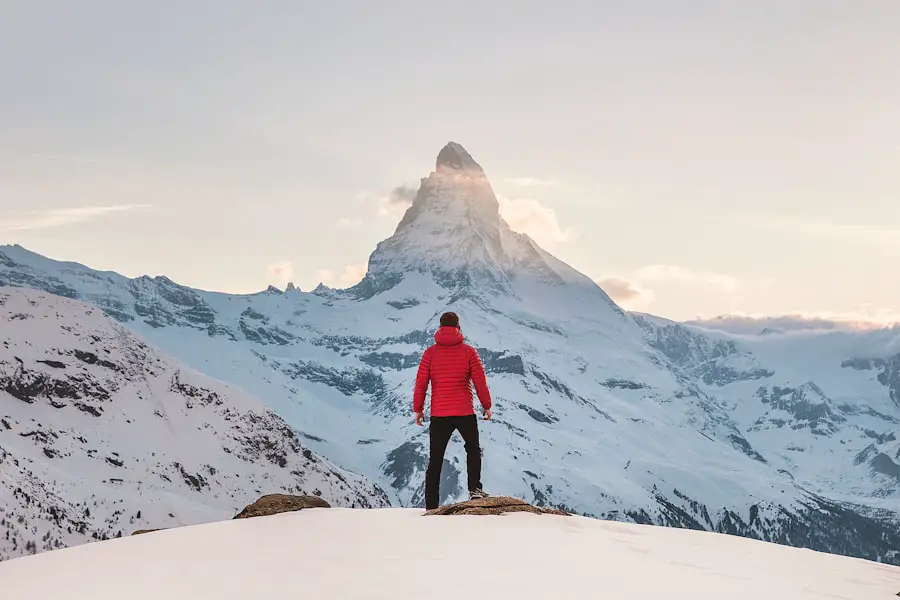
The combination of movement and time outdoors is one reason hiking can feel mentally restorative. Regular physical activity itself is associated with reduced feelings of anxiety and a lower long-term risk of depression. Nature exposure may provide additional benefits for mood, stress, and relaxation.
A large 2026 review of nature-based interventions found improvements in outcomes including anxiety, depressive symptoms, negative affect, and relaxation. The researchers also cautioned that the underlying studies used varied interventions and methods, so the results should not be interpreted as proof that every individual will experience the same response.
Hiking can also create natural opportunities to pay attention to your surroundings: your footing, breathing, weather, wildlife, trees, water, and changing terrain. For some people, this makes it easier to step away from work, screens, and other persistent demands on attention.
What About the Famous 50% Creativity Finding?
A frequently cited 2012 PLOS ONE study reported that wilderness participants tested during the fourth day of a backpacking trip performed about 50% better on a creative problem-solving task than participants tested before their trips.
The finding is interesting, but it needs context. The study included 56 adults, and participants in the wilderness were also disconnected from electronic technology. The researchers explicitly noted that they could not determine whether the improvement came from nature exposure, reduced technology use, other aspects of the multi-day trip, or a combination of those factors.
In other words, a hike may help you feel mentally refreshed, but it would be inaccurate to promise that an ordinary day hike will make someone 50% more creative.
Note: Hiking can support mental well-being, but it is not a substitute for professional care for depression, anxiety, trauma, or another mental-health condition.
Social and Emotional Benefits of Hiking
| Benefit | What the Evidence Supports |
|---|---|
| Stress Reduction | Physical activity and nature exposure can reduce feelings of stress and anxiety, although the size of the effect varies between people. |
| Improved Mood | Nature-based activities have been associated with improved positive affect and reductions in depressive symptoms. |
| Sense of Accomplishment | Completing a personally challenging route can provide a meaningful feeling of progress and confidence. |
| Personal Reflection | Quiet time outdoors can create space for reflection, although hiking should not be presented as a treatment for grief or emotional distress. |
| Stronger Relationships | Group hiking provides shared goals and uninterrupted time for conversation with friends and family. |
Hiking is often a social activity. Walking with friends, family members, or a hiking group gives people time to talk while working toward the same destination. Unlike many social activities built around screens or scheduled entertainment, a trail naturally creates long stretches of shared experience.
The National Park Service also identifies relational health as one potential benefit of hiking with other people.
Solo hiking can offer something different: quiet space for reflection. Some people find that an easy walk outdoors helps them organize their thoughts during stressful periods. That experience is personal, however, and emotional healing should not be reduced to a guaranteed effect of spending time on a trail.
Environmental Benefits of Hiking
Hiking can deepen a person’s appreciation for forests, mountains, wildlife, rivers, and other natural areas. Spending time in these places may encourage people to care more about their protection, volunteer locally, support parks, or learn about conservation issues.
However, hiking is not automatically environmentally beneficial. Heavy trail use can contribute to erosion, damaged vegetation, litter, wildlife disturbance, and pressure on sensitive habitats. The environmental outcome depends heavily on how people behave outdoors.
The National Park Service hiking-etiquette guidance recommends staying on established trails, respecting wildlife, leaving natural objects where they are, and avoiding unnecessary travel across vulnerable areas.
Pro Tip: Treat every trail as a place you are borrowing. Stay on durable surfaces, pack out your trash, keep wildlife at a distance, follow fire restrictions, and obey local rules even when another visitor is not doing the same.
Outdoor recreation can also support communities that provide lodging, guiding, food, transportation, gear, and other services. The most sustainable approach is to enjoy these destinations without assuming that tourism alone protects them.
Tips for Getting Started with Hiking
For a first hike, comfort and preparation matter more than owning expensive gear. Choose a manageable route, wear footwear with suitable traction, bring the essentials, and leave enough time to finish well before dark.
Choose Footwear for the Trail
A supportive hiking boot can be useful on rough, rocky, muddy, or heavily loaded trips, but beginners do not always need boots. Well-fitting hiking shoes or trail shoes may be perfectly suitable for maintained trails. The important factors are fit, traction, comfort, and protection appropriate for the terrain.
Wear socks that manage moisture and avoid testing brand-new footwear on a long hike. Blisters that feel minor at the trailhead can become a serious problem several miles later.
Choose a Beginner Trail Carefully
Do not judge a hike by mileage alone. Before leaving, check:
- Distance: Know the total round-trip mileage, not just the distance to the viewpoint.
- Elevation gain: Several steep miles can be much harder than a longer flat walk.
- Terrain: Rocks, mud, loose gravel, snow, stream crossings, and scrambling all increase difficulty.
- Exposure: Open ridges, cliffs, desert heat, and treeless alpine terrain create additional hazards.
- Navigation: A poorly marked backcountry route demands more preparation than a signed park loop.
- Conditions: Weather, snowpack, wildfire closures, flooding, and trail damage can completely change a route.
- Remoteness: Help may be far away and cell service may not exist.
The National Park Service recommends choosing a trail that everyone in the group can safely complete rather than overestimating your abilities.
Build Up Gradually
Start with shorter, well-marked trails and finish with some energy left. Once that feels comfortable, increase one challenge at a time: distance, elevation, terrain difficulty, speed, or pack weight. Increasing everything at once makes it harder to judge what your body can handle.
Pro Tip: Your first goal does not need to be a summit. A short route that leaves you wanting another hike is usually a better start than an exhausting trip that turns the activity into an ordeal.
Safety Precautions for Hiking
Preparation matters because minor problems can become serious when you are miles from a road or reliable cell service. Before leaving, check the weather, trail conditions, park alerts, route distance, elevation profile, sunset time, and any location-specific hazards.
Carry the Ten Essentials
The National Park Service Ten Essentials provide a useful baseline for day hikes as well as more remote trips:
- Navigation: map, compass, GPS, or downloaded offline maps, with a physical backup when appropriate.
- Sun protection: sunscreen, sunglasses, hat, and protective clothing.
- Extra clothing: layers and rain protection suitable for possible conditions.
- Illumination: headlamp or flashlight with adequate battery power.
- First-aid supplies: including personal medications and blister care.
- Fire: an emergency fire-starting method where legal and appropriate.
- Repair kit and tools: basic items suited to your equipment.
- Nutrition: extra food beyond what you expect to eat.
- Hydration: adequate water plus treatment equipment when your route may depend on natural sources.
- Emergency shelter: such as an emergency blanket, bivy, tarp, or other shelter appropriate to the trip.
Warning: Do not assume your phone will provide navigation or emergency communication everywhere. Backcountry areas may have little or no cellular coverage. Carry an offline or physical navigation backup and consider a satellite communicator or personal locator beacon for remote trips.
Leave a Trip Plan
Tell a trusted person where you are going, which route you plan to follow, who is with you, when you are starting, and when you expect to return. Give that person clear instructions about what to do if you miss your agreed check-in time.
This is more useful than simply saying, “I’m going hiking,” because search-and-rescue teams may need your intended trailhead and route if an emergency occurs.
Watch Weather, Heat, Altitude, and Water
Conditions can change quickly outdoors. Check the forecast shortly before leaving and be willing to change plans when storms, extreme heat, flooding, wildfire, snow, or high winds make the route unsafe.
Hot-weather hiking increases the risk of dehydration and heat-related illness. Carry enough water for the route and conditions, pace yourself, use sun protection, and take breaks as needed. High-elevation hiking may also require acclimatization because reduced oxygen makes exertion harder.
Do not enter moving water simply because a trail normally crosses there. Stream depth and force can change quickly after rainfall or snowmelt. Likewise, exposed ridges, summits, and open areas can become dangerous during thunderstorms.
Know When to Turn Around
Reaching the planned destination is optional; returning safely is not. Turn around when weather deteriorates, route finding becomes uncertain, someone in the group is struggling, water is running low, an injury develops, or the remaining daylight no longer provides a comfortable margin.
Trail etiquette also improves safety. Stay on the intended route, keep your group together, control pets where required, respect wildlife, and yield according to local trail rules. The National Park Service generally advises downhill hikers to make room for hikers traveling uphill when it can be done safely.
Note: This article provides general educational information, not individualized medical advice. People with medical conditions, significant mobility limitations, or concerns about starting strenuous exercise should discuss an appropriate activity level with a qualified healthcare professional.
Embracing the Health Benefits of Hiking
Hiking offers an unusual combination of exercise, outdoor time, changing scenery, and personal challenge. Regular hikes can support cardiovascular fitness, muscle endurance, bone health, balance, weight management, sleep, and mental well-being while giving you an opportunity to spend meaningful time with friends, family, or yourself.
The benefits do not require an extreme mountain expedition. A local nature trail, park loop, or gentle wooded path can still provide valuable physical activity. As your fitness and confidence grow, you can gradually explore longer or more challenging routes.
The most important habit is consistency paired with good judgment. Choose trails that fit your current ability, prepare for the conditions you may actually encounter, and treat turning around as a normal part of responsible hiking rather than a failure.
Hydration and a comfortable pack can make those outings easier. For additional packing ideas, see these guides to portable water bottles and minimalist travel backpacks.
Frequently Asked Questions
What are the physical benefits of hiking?
Hiking provides aerobic exercise while challenging the legs, hips, core, and balance system. Regular physical activity can support cardiovascular health, stronger bones and muscles, healthy weight management, better sleep, lower blood pressure, and a lower risk of several chronic diseases. The exact benefit depends on how often, how long, and how intensely you hike.
How does hiking benefit mental health?
Physical activity can reduce feelings of anxiety and is associated with a lower risk of depression. Nature-based activities may also improve mood, relaxation, and stress-related outcomes. Hiking can therefore be a useful part of a healthy routine, but it should not replace professional treatment when someone is experiencing a mental-health condition.
What are the benefits of hiking for overall well-being?
Hiking combines physical activity with outdoor recreation and, for many people, social connection or quiet reflection. Regular activity can improve fitness, sleep, bone and muscle health, and mood. Evidence that exercise may support immune function is still developing, so hiking should not be described as a guaranteed way to “boost” the immune system.
How does hiking help with balance and coordination?
Uneven ground requires repeated adjustments in foot placement, posture, and body position. That challenges balance and coordination more than walking on a perfectly flat surface. Beginners should still choose terrain that matches their current stability and mobility rather than seeking difficult ground simply for the added challenge.
What are some safety tips for hiking?
Check weather and trail conditions, choose a route that matches your ability, leave a trip plan with someone you trust, and carry the Ten Essentials. Bring appropriate water, food, layers, navigation, first aid, illumination, sun protection, emergency shelter, and other supplies suited to the route. Do not depend entirely on cellular service for navigation or emergencies.
Does hiking count as cardio?
Yes. Hiking that raises your heart rate and breathing can count as aerobic activity. A moderate hike usually lets you talk but not sing comfortably, while a vigorous uphill hike may make it difficult to say more than a few words without pausing for breath.
How often should a beginner hike?
There is no required hiking schedule. Beginners can start with manageable outings that allow adequate recovery and gradually add distance, elevation, or difficulty. Hiking can contribute toward the general adult goal of at least 150 minutes of moderate aerobic activity per week, but your appropriate amount depends on fitness, health, terrain, and hiking intensity.
Sources
- CDC — Health Benefits of Physical Activity for Adults — supports cardiovascular, blood-pressure, bone, sleep, anxiety, depression-risk, balance, and chronic-disease claims.
- CDC — Physical Activity and Your Weight and Health — supports weekly activity recommendations, healthy weight guidance, and the hiking calorie example.
- National Park Service — Benefits of Hiking — supports physical, mental, balance, and relational benefits associated with hiking.
- National Park Service — Ten Essentials — supports hiking preparation and emergency-equipment guidance.
- National Park Service — Hike Smart — supports route selection, trip plans, weather preparation, communication, hydration, trail etiquette, and emergency planning.
- PLOS ONE — Creativity in the Wild — source for the four-day wilderness creativity study and its limitations.