
Last Updated on September 10, 2026 by Daniel Globe
Hiking sticks—usually called trekking poles when used as a pair or a hiking staff when used alone—give you extra points of contact with the ground. Hikers use them for balance, support on uneven terrain, controlled descents, stream crossings, and help when carrying a backpack. Modern poles are commonly made from aluminum or carbon fiber and may include adjustable shafts, folding sections, ergonomic grips, wrist straps, baskets, and replaceable tips.
Quick Answer
Hiking sticks give you extra contact points with the ground. They can improve balance on uneven terrain, reduce some lower-body loading, help control descents and heavy packs, and involve the upper body. They are helpful rather than essential, and their benefits depend on proper sizing, technique, terrain, and whether you use one pole or two.
Key Takeaways
- Trekking poles are most useful for extra stability on uneven ground, steep descents, loose surfaces, stream crossings, and hikes with a loaded backpack.
- Research shows that poles can reduce some lower-extremity forces, but they may also increase oxygen use and heart rate because your upper body is doing more work.
- For normal hiking, set pole length so your elbow is close to a 90-degree angle when the tip is beside your foot.
- Two trekking poles generally provide more balanced support, while a single hiking staff keeps one hand free and can still provide useful stability.
- Correct strap use, secure locks, appropriate baskets or tips, and good foot placement matter as much as the poles themselves.
Disclosure: As an Amazon Associate I earn from qualifying purchases. Some links on this page are affiliate links, at no extra cost to you.
What Are Hiking Sticks Used For?
The main purpose of a hiking stick is to give you another point—or, with a pair of trekking poles, two additional points—of contact with the ground. That wider base of support can be useful when footing is loose, rocky, muddy, snowy, or uneven.
Hikers commonly use trekking poles to:
- Improve balance on irregular or slippery terrain.
- Reduce some of the forces placed on the lower body, especially during descents.
- Share some hiking work with the arms, shoulders, and upper body.
- Maintain rhythm on long climbs or relatively smooth trails.
- Provide extra support while carrying a backpack.
- Probe uncertain ground, shallow water, mud, or snow before stepping.
- Improve control when stepping down from rocks, ledges, or large trail obstacles.
A pair of trekking poles is designed to be used together and gives balanced support on both sides. A hiking staff is a single pole and is often convenient on flatter terrain or when you want one hand free. Current trekking-pole guidance from REI makes the same basic distinction between paired trekking poles and a single hiking staff.
The Physical Benefits of Using Hiking Sticks
One of the best-supported benefits of trekking poles is their ability to change how forces are distributed while you walk. A review published in Wilderness & Environmental Medicine found that pole use can reduce lower-extremity loading and forces, although the benefit varies with conditions such as terrain and backpack load. The review also notes that using poles can increase cardiovascular demand because more of the body is working. See the 2020 trekking-pole research review.
Downhill hiking is one situation where poles can be especially useful. A study of hikers walking downhill with different backpack loads found reductions in lower-extremity joint forces, moments, and power when poles were used. That does not mean poles eliminate knee pain or prevent every injury, but they can reduce some of the mechanical loading associated with descending. See the downhill trekking-pole study.
Trekking poles can reduce some lower-body loading while increasing upper-body involvement, so their benefit is better described as redistributing work—not making every hike physiologically easier.
Research also shows why claims that poles always lower heart rate should be avoided. In a 2008 field study of 14 recreational hikers, oxygen consumption, ventilation, and heart rate were higher when participants used trekking poles, while their rating of perceived exertion remained about the same. In other words, the hikers’ bodies were doing more total work without the hike necessarily feeling harder. The findings are available through PubMed.
Another mountain-walking study found lower perceived exertion during the ascent and lower measures of muscle soreness and temporary muscle damage after the hike in the trekking-pole group. These findings support the idea that poles can redistribute part of the workload, but results from individual studies should not be treated as a guarantee for every hiker. See the 2011 mountain-walking study.
Note: Recreational trekking poles are not a substitute for a cane, walker, brace, or rehabilitation plan prescribed for a medical problem. If pain, balance problems, or an injury affect your ability to hike safely, seek individualized advice from a qualified healthcare professional.
The Mental and Emotional Benefits of Using Hiking Sticks
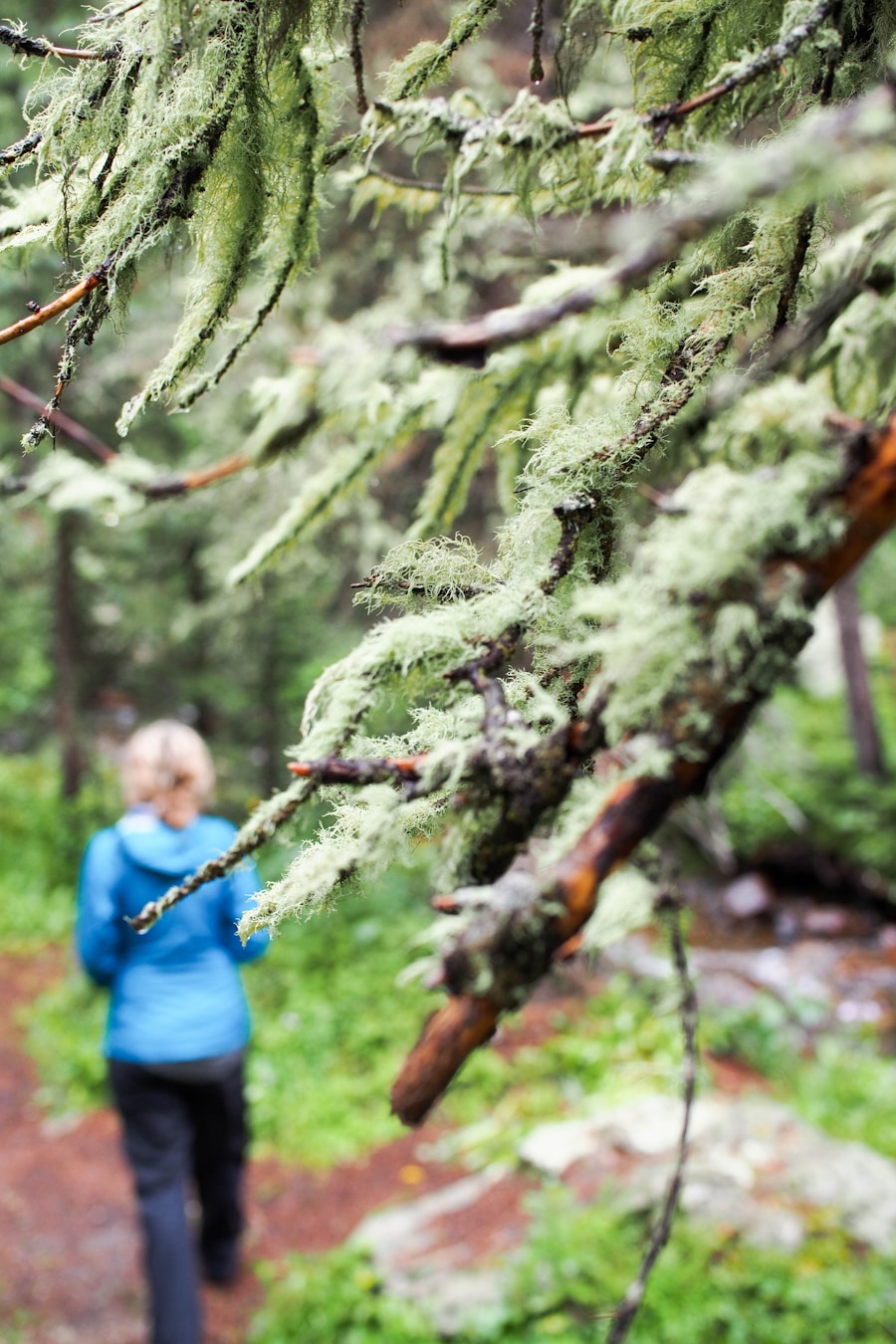
Hiking itself can be relaxing and mentally restorative, and some hikers find that poles make challenging terrain feel more manageable. Having additional contact with the ground may increase confidence on loose rocks, steep descents, wet roots, or other places where footing feels uncertain.
That extra sense of control can make it easier to focus on the trail instead of worrying about every step. The repeating rhythm of planting the poles can also encourage a steady walking cadence and give you something simple to focus on during a long climb.
These mental effects are personal rather than guaranteed medical benefits. Trekking-pole research is much stronger on biomechanics and physiology than on claims that poles themselves reduce anxiety, improve mood, or build emotional resilience. It is more accurate to say that a hiker who feels more stable may also feel more confident and comfortable on the trail.
One Hiking Stick or Two Trekking Poles?
Both options can be useful, but they serve slightly different purposes.
Two Trekking Poles
A pair generally provides the most balanced support because you can plant a pole on each side of your body. Two poles are especially useful on long descents, uneven trails, loose surfaces, and hikes with a heavier backpack. They also make it easier to establish an alternating arm-and-leg rhythm.
One Hiking Staff
A single staff still provides an extra point of contact while leaving one hand free for a camera, map, handrail, or other task. It can be a practical choice on easier terrain or when you mainly want occasional balance assistance rather than continuous support.
Pro Tip: If you are unsure whether you will like trekking poles, try borrowing or renting a pair before buying. Practice on an easy trail first so pole placement becomes automatic before you rely on them on technical terrain.
When Hiking Sticks Help Most
Trekking poles are not necessary for every walk. Their value increases when the terrain or load makes balance and lower-body control more demanding.
- Long descents: Poles can provide extra support before each downward step.
- Loose rock or scree: Extra contact points can improve stability when the surface shifts.
- Mud, snow, and slippery roots: Poles can help you test the surface before committing your full weight.
- Heavy backpacks: A pair of poles can improve balance and distribute some muscular work to the upper body.
- Stream crossings: A pole can help assess depth and footing, although moving water can still be dangerous.
- Long climbs: Proper pole technique can involve the arms and help establish a steady rhythm.
On a short, flat, well-maintained path, you may find that poles add little benefit and simply occupy your hands. Personal preference matters.
How to Choose the Right Hiking Stick for You
| Feature | What to Look For | Why It Matters |
|---|---|---|
| Material | Aluminum or carbon/composite | Aluminum is usually economical and tolerant of hard use; carbon is lighter and reduces vibration but can be more vulnerable to abrupt breakage. |
| Length | Correct range for your height; adjustable or correctly sized fixed-length pole | Proper length reduces awkward shoulder, wrist, and back positioning. |
| Weight | Light enough for your hiking style without sacrificing needed durability | Sub-1-pound pairs are ultralight options, not a requirement for a good trekking pole. |
| Grip | Comfortable cork, foam, or rubber grip | Cork handles moisture well and can conform to the hand; foam is soft; rubber can be useful in colder conditions but may chafe some hands when wet. |
| Lock | Secure lever, twist, push-button, or combination mechanism | An adjustable pole is only useful if its sections remain firmly locked under load. |
| Baskets | Small trekking baskets with larger options for snow, mud, or soft terrain | Baskets help keep the pole from sinking too deeply or becoming trapped between obstacles. |
| Tip | Carbide/steel tip plus compatible rubber tip or protector | Metal tips provide traction on natural surfaces; rubber options are useful on hard surfaces and in places where you want to reduce surface impact. |
| Shock Absorption | Optional internal anti-shock system | Some hikers like the softer feel; others prefer the simplicity and direct feedback of a rigid pole. |
There is no single ideal material or weight for everyone. Aluminum poles are typically durable and affordable, while carbon or composite poles can reduce weight and vibration. Current trekking-pole selection guidance also recommends considering adjustability, folding design, locks, grips, baskets, and tips rather than choosing by weight alone.
How Long Should Hiking Sticks Be?
For normal hiking on relatively level ground, stand upright with the pole tip near your foot and hold the grip normally. Your elbow should form roughly a 90-degree angle. That position is a widely used starting point for trekking-pole sizing.
Fixed-length poles should be selected using the manufacturer’s sizing chart. With adjustable poles, make sure the model’s adjustment range actually includes the length you need rather than assuming every pole fits every height.
Tips for Using Hiking Sticks Properly
Use a Natural Alternating Pattern
For ordinary walking, let the poles follow your normal arm swing: left pole moves forward with the right foot, then right pole with the left foot. Plant each tip close enough to your body that you are not reaching far ahead or twisting your shoulders.
On unusually steep steps or obstacles, you can plant both poles ahead of you for temporary extra support before stepping. Return to an alternating rhythm once the terrain allows it.
Adjust Pole Length for Long Slopes
For sustained uphill hiking, shortening adjustable poles by roughly 5–10 cm can improve leverage and prevent your shoulders from being pushed upward. On a sustained downhill section, lengthening them by roughly 5–10 cm can help you stay more upright and place the poles earlier in the descent. These adjustments match current trekking-pole use guidance.
On a long side-hill traverse, you can shorten the uphill-side pole and lengthen the downhill-side pole if doing so feels more natural and stable.
Use the Wrist Straps Correctly
With conventional trekking-pole straps, put your hand up through the bottom of the strap and then bring your hand down onto the grip. Adjust the strap so it supports the heel of your hand without forcing your wrist into an awkward position. This allows you to maintain control without squeezing the grip constantly.
Some poles have left- and right-specific straps, so check the markings before starting.
Safety Precautions When Using Hiking Sticks
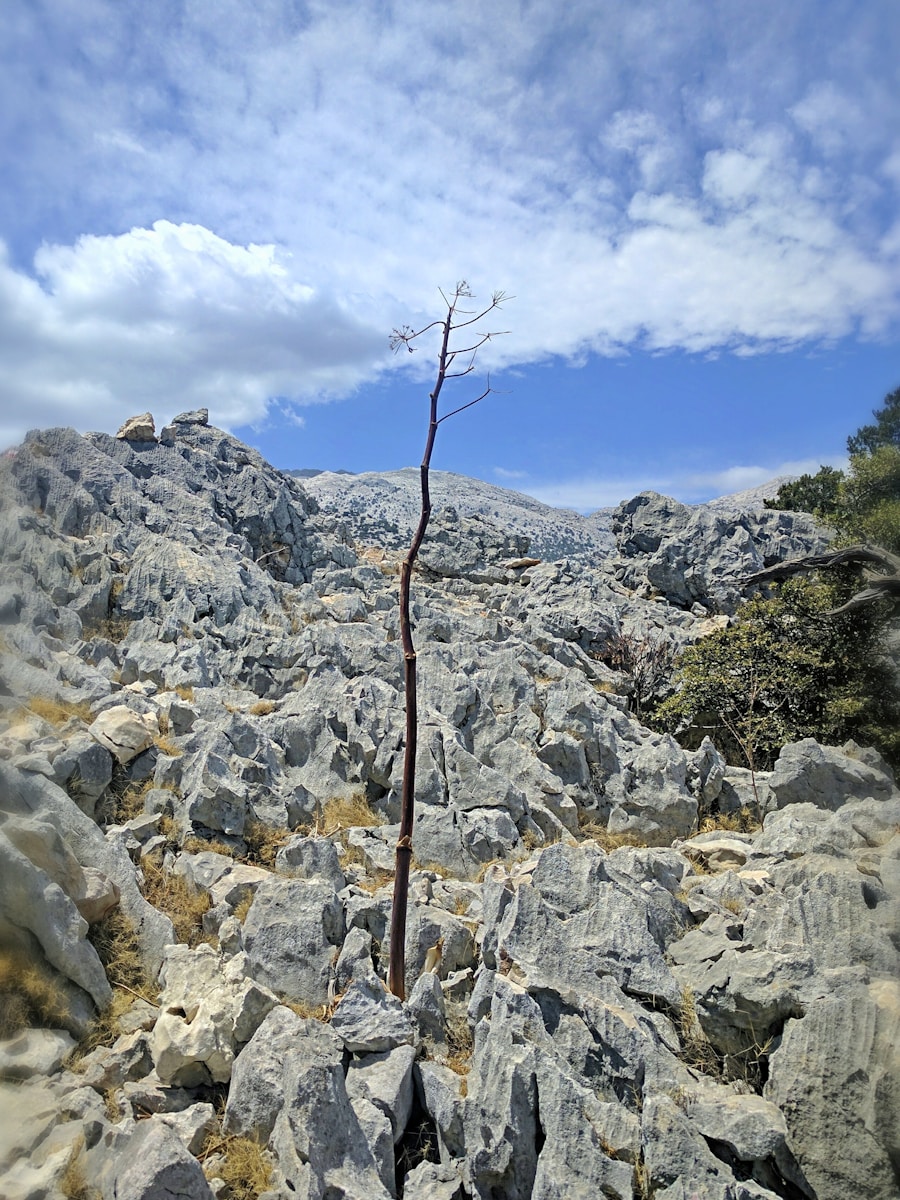
Trekking poles can improve stability, but they do not replace careful foot placement. Keep watching the trail rather than assuming a planted pole will hold your full weight. Loose rocks, deep mud, gaps between rocks, rotten wood, and unstable soil can all cause a pole tip to move unexpectedly.
Warning: Never trust a trekking pole as your only protection against a serious fall, swift-water crossing, cliff edge, or other high-consequence hazard. Poles can slip, collapse, become trapped, or fail. Turn around when terrain or water conditions exceed your ability and equipment.
Before each hike, extend the poles and check that every locking mechanism is secure. Adjustable locks can loosen with use or transport, so a quick inspection can prevent an unexpected collapse. Current guidance for adjustable poles specifically recommends checking lock tension before hiking.
On crowded or narrow trails, keep your poles close to your body when other people pass. Avoid swinging them sideways or planting the tips where another hiker could trip.
When crossing rocky ground, be alert for pole tips or baskets becoming wedged between rocks. A trapped pole can pull your arm backward if you keep moving. Release pressure rather than trying to force the pole free while your body is still moving forward.
The National Park Service’s hiking-safety guidance also emphasizes choosing trails that match your abilities, checking current conditions, carrying appropriate essentials, and leaving a trip plan. Trekking poles are useful equipment, but they are only one part of safe hiking.
Potential Drawbacks of Trekking Poles
Hiking sticks have advantages, but they are not automatically better for every trail or every hiker.
- Your hands are occupied: Using two poles makes it less convenient to take photos, check a map, eat, or use a phone without pausing.
- They add equipment: Even lightweight poles must be carried or attached to your pack when you are not using them.
- They require technique: Poorly placed or incorrectly sized poles can feel awkward and may create unnecessary wrist, shoulder, or back strain.
- Tips can become trapped: Rock gaps, roots, and brush can catch a pole.
- Total energy demand can rise: Engaging the upper body can increase oxygen consumption and heart rate even when perceived effort stays similar.
- They may be unnecessary: On easy, short, smooth trails, a healthy hiker may prefer walking without them.
Baskets, Tips, and Different Trail Surfaces
The small basket near the bottom of a trekking pole helps keep the shaft from sinking too deeply or becoming trapped. Standard trekking baskets work for many trails, while wider baskets are available for snow, mud, and other soft surfaces.
Carbide or steel tips provide grip on many natural surfaces. Rubber tip protectors or angled rubber walking tips are useful on pavement and other hard surfaces. They can also reduce scratching and localized impact in sensitive areas. REI’s current pole guide recommends choosing tips and baskets for the surface you expect to encounter.
How to Care for Hiking Sticks
A little maintenance helps prevent slipping locks, corrosion, damaged tips, and unpleasant straps.
- Wipe dirt and mud from the shafts after a hike.
- Let wet straps and grips dry completely before storage.
- Inspect lever or twist locks and adjust their tension when needed.
- Check baskets for cracks or looseness.
- Inspect carbide, steel, or rubber tips for excessive wear.
- Follow the manufacturer’s instructions before lubricating any internal mechanism because some locking systems should remain clean and dry.
- Store collapsible poles clean and dry rather than leaving them wet inside a pack.
Environmental Considerations When Using Hiking Sticks
Hiking sticks do not automatically reduce trail erosion. Hiking itself can contribute to soil compaction, vegetation damage, trail widening, and erosion, especially when people leave the established route or use trails in poor conditions.
The more reliable environmental practice is to stay on designated trails and durable surfaces, avoid cutting switchbacks, follow closures, and reconsider a hike when a trail is extremely muddy. The National Park Service hiking-etiquette guidance specifically advises hikers to remain on the trail and notes that using muddy trails can damage both the trail and surrounding ecosystems.
Where trail rules permit trekking poles, use them with control rather than stabbing or dragging the tips unnecessarily. Rubber tips can be helpful on pavement, rock, and other surfaces where bare metal tips would offer little advantage and may leave marks.
Note: Trail rules vary. Some protected areas may have local restrictions or special guidance for sensitive surfaces, wildlife areas, or heavily managed trails, so check the land manager’s current rules before your hike.
Embracing the Benefits of Hiking Sticks
Hiking sticks can be valuable tools when you use them for the right reasons. Their strongest practical advantages are extra stability, additional contact with the ground, and the ability to redistribute some work between the lower and upper body. They are particularly useful on descents, loose or uneven terrain, and hikes where a backpack makes balance more difficult.
At the same time, trekking poles are not magic knee protectors, and they do not make every hike easier. Research shows that while they can reduce certain lower-body forces, they can also increase overall physiological demand because the arms and upper body become more active.
The best approach is to choose poles that fit you, learn how to use the straps and locks correctly, adjust the length for changing terrain, and keep concentrating on good foot placement. Some hikers eventually use poles on nearly every outing; others save them for steep, technical, or heavily loaded trips. Either approach can be reasonable.
If your hiking trip is part of a larger journey, trail gear is only one part of staying prepared. You may also want to review these 5 Must-Have Universal Travel Adapters for Your Spring 2025 Adventures so your electronics can stay powered when your destination uses a different outlet system.
Love travel? Join Our Facebook Community For More Tips.
Frequently Asked Questions
What are hiking sticks used for?
Hiking sticks provide extra contact with the ground for balance and stability. They are especially useful on uneven terrain, descents, loose surfaces, stream crossings, and hikes with a backpack. Trekking poles can also redistribute some muscular work from the lower body to the upper body.
How do hiking sticks work?
A planted pole creates another point of contact with the ground. That can widen your effective base of support and let your arms contribute to stability and propulsion. Research also shows that poles can reduce some lower-extremity forces under certain hiking conditions.
Are hiking sticks necessary?
No. Many people hike safely without poles, especially on short or easy trails. Poles become more useful when the terrain is steep, loose, slippery, or uneven, or when a backpack makes balance more difficult.
What are the benefits of using hiking sticks?
The main benefits are improved stability, extra support on difficult terrain, reduced lower-body loading in some conditions, more upper-body involvement, and better control during descents. Poles can also be used to test uncertain footing before taking a step.
How do I choose the right hiking sticks?
Choose poles with a length range appropriate for your height, comfortable grips, secure locks, and suitable weight and durability for your hiking style. Aluminum is generally durable and economical, while carbon/composite models are often lighter. Also consider straps, baskets, replacement-tip availability, and how compactly the poles fold or collapse.
Is it better to hike with one pole or two?
Two trekking poles usually provide more balanced support and are useful on long descents, uneven terrain, and hikes with heavier packs. One hiking staff still provides an extra point of contact and leaves your other hand free. The better option depends on the trail and your preference.
What length should trekking poles be?
For normal hiking, adjust the pole so your elbow is close to a 90-degree angle while you stand upright with the tip near your foot. For long climbs, many hikers shorten adjustable poles by about 5–10 cm; for long descents, lengthening them by about 5–10 cm can improve positioning.
Sources
- Wilderness & Environmental Medicine — Are Trekking Poles Helping or Hindering Your Hiking Experience? — review of biomechanical and physiological effects of trekking poles.
- Journal of Strength and Conditioning Research — Trekking Poles Increase Physiological Responses to Hiking Without Increased Perceived Exertion — supports the discussion of heart rate, oxygen use, and perceived effort.
- Medicine & Science in Sports & Exercise — Trekking Poles Reduce Exercise-Induced Muscle Injury During Mountain Walking — supports discussion of perceived exertion and post-hike muscle-damage measures.
- Medicine & Science in Sports & Exercise — Effects of Hiking Downhill Using Trekking Poles While Carrying External Loads — supports lower-extremity loading discussion.
- REI — How to Choose Trekking Poles and Hiking Staffs — sizing, materials, straps, locks, baskets, and tips.
- U.S. National Park Service — Hiking Etiquette — trail stewardship, staying on trail, muddy-trail guidance, and general hiking etiquette.
