
Last Updated on September 10, 2026 by Daniel Globe
Hiking combines aerobic exercise, lower-body work, balance, and time outdoors in one activity. Depending on the trail and your pace, a hike can range from a gentle walk to a vigorous workout. Regular hiking can support heart health, muscle endurance, bone health, mood, sleep, weight management, and social well-being while giving you time away from everyday routines.
Quick Answer
The health benefits of hiking include better cardiovascular fitness, stronger leg muscles, improved balance, support for healthy bones and weight management, and potential improvements in mood, stress, and sleep. The size of these benefits depends on how often you hike, how hard you work, your health, and the terrain you choose.
Key Takeaways
- Hiking can count as moderate or vigorous aerobic activity depending on your pace, elevation gain, terrain, and fitness level.
- Uphill and downhill hiking challenge your legs in different ways while uneven ground also works balance and stabilizing muscles.
- Regular physical activity supports heart health, healthy weight, bone health, sleep, and mental well-being.
- Nature exposure may provide an additional stress-relieving effect beyond the exercise itself.
- Hiking works best as part of an overall healthy lifestyle and is not a replacement for medical or mental-health treatment.
Disclosure: As an Amazon Associate I earn from qualifying purchases. Some links on this page are affiliate links, at no extra cost to you.
Physical Health Benefits of Hiking
One of hiking’s biggest advantages is that it works several parts of the body at once. Walking uphill increases the demand on the quadriceps, hamstrings, calves, and glutes. Descending places a different type of load on the legs, especially the quadriceps, while uneven surfaces require the hips, ankles, feet, and core to make constant small adjustments.
That combination can improve muscular endurance, coordination, and balance over time. The exact training effect depends on the trail. A smooth, flat path may feel similar to brisk walking, while steep grades, loose surfaces, rocks, and a loaded backpack can make the activity much harder.
Hiking is also a weight-bearing activity. Regular weight-bearing physical activity supports bone health, which becomes increasingly important with age. The Centers for Disease Control and Prevention lists stronger bones and reduced fall risk among the long-term benefits associated with regular physical activity.
Hiking can also help maintain functional movement by taking the hips, knees, and ankles through varied ranges of motion. However, hiking is not a substitute for mobility or rehabilitation exercises when a joint problem is present. People with significant joint pain should build distance and elevation gradually and choose terrain appropriate for their abilities.
Note: Hiking supports bone and muscle health, but it does not guarantee prevention of osteoporosis, arthritis, falls, or other medical conditions. Individual risk depends on many factors beyond exercise.
Mental Health Benefits of Hiking
Hiking combines two activities that may support mental well-being: physical activity and time in natural surroundings. Regular exercise is associated with fewer short-term feelings of anxiety and a lower long-term risk of depression, while natural environments may provide an additional opportunity to step away from noise, screens, traffic, and everyday demands.
Research on nature exposure suggests that its psychological effects are real but should not be exaggerated. In a well-known Stanford study, people who walked for 90 minutes in a natural setting showed less self-reported rumination and reduced activity in a brain region associated with repetitive negative thinking compared with people who walked beside a busy road. The study does not prove that hiking treats depression, but it provides evidence for one way time in nature may influence mood and thought patterns.
Hiking can also create space for mindfulness. Paying attention to your footing, breathing, changing scenery, wind, wildlife, and trail sounds can pull attention toward the present moment. Some hikers find that this mental break gives them a clearer perspective on work or personal problems.
That sense of clarity may make creative thinking or problem-solving feel easier for some people, although direct evidence that hiking itself reliably increases creativity is less established than the evidence supporting physical activity, stress reduction, and nature exposure.
Warning: Hiking can support mental well-being, but it is not a substitute for professional care for depression, anxiety, insomnia, or another mental-health condition.
Weight Management and Hiking
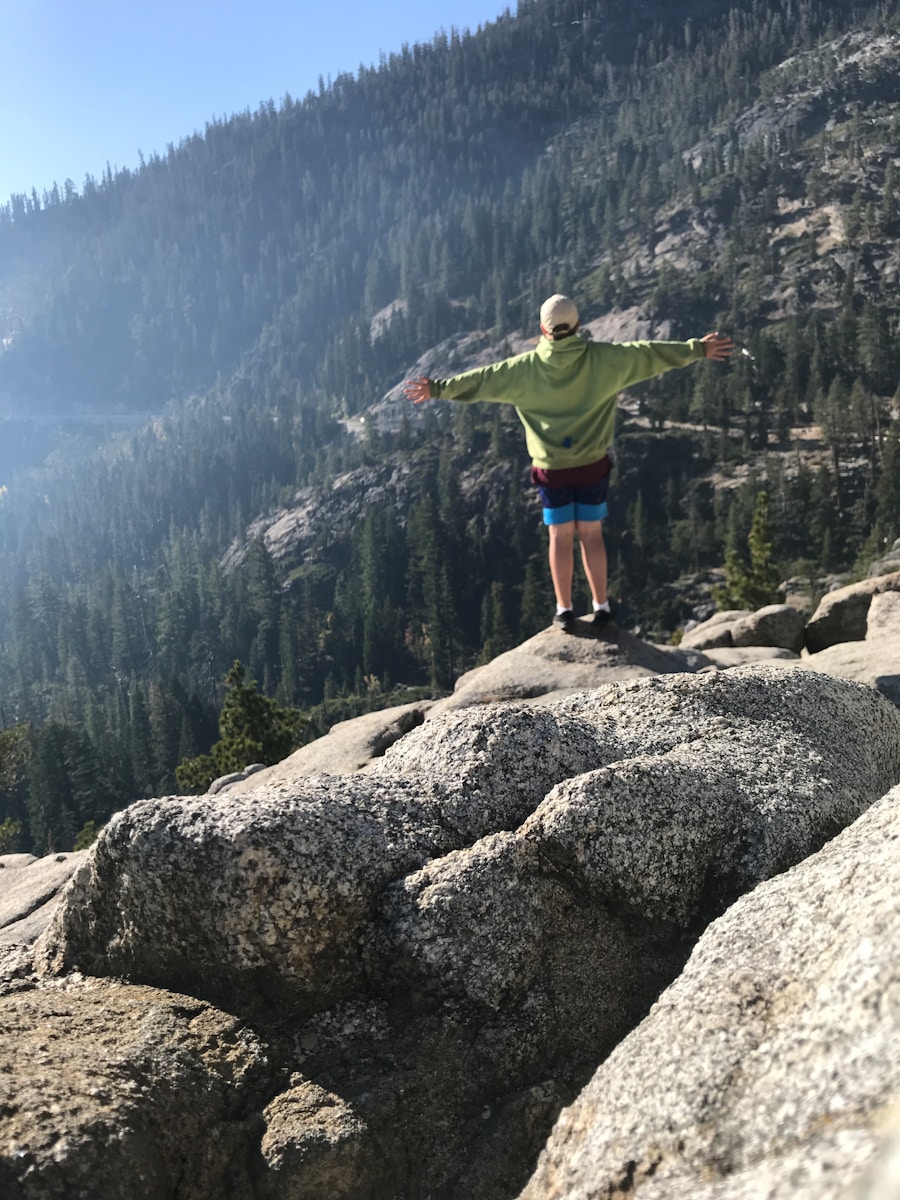
Hiking can contribute to weight management because it increases energy expenditure while providing sustained aerobic activity. There is no single accurate calorie number for every hike. Body weight, walking speed, elevation gain, terrain, fitness, temperature, and the weight of a backpack can all change how much energy you use.
As one reference point, the CDC estimates that a 154-pound person uses about 370 calories during one hour of hiking. That is only an example, not a target or personal prediction. Steeper or faster hiking may require considerably more energy, while an easy trail may require less.
Exercise alone does not determine body weight. Nutrition, sleep, medical factors, medications, daily movement, and overall calorie intake also matter. Hiking can nevertheless make an active lifestyle easier to maintain because many people enjoy it enough to repeat it regularly.
The social side of hiking can help as well. A friend, family member, walking group, or hiking club can provide motivation and accountability. Instead of viewing hiking only as a way to “burn calories,” it is often more sustainable to treat it as a regular activity that supports fitness and gives you a reason to spend time outdoors.
Cardiovascular Health and Hiking
| Metric | What It Means | How Hiking Relates |
|---|---|---|
| Heart Rate | Heart rate rises as exercise becomes harder, but an appropriate rate is different for each person. | Use relative effort rather than one universal number. At moderate intensity, you can usually talk but not sing. |
| Blood Pressure | Regular aerobic activity is one lifestyle factor associated with healthier blood pressure. | Consistent hiking can contribute to an active lifestyle that supports cardiovascular health. |
| Cholesterol | LDL, HDL, triglycerides, and overall cardiovascular risk are evaluated together rather than by one universal “ideal” number. | Physical activity is one of several healthy habits that can support a healthier cardiovascular risk profile. |
| Weight Management | Maintaining a healthy weight can reduce strain on the cardiovascular system. | Hiking increases energy expenditure and can contribute to long-term weight maintenance. |
Hiking is an aerobic activity whenever it raises your breathing and heart rate for a sustained period. Regular aerobic exercise can improve cardiovascular fitness and is associated with lower risks of heart disease, stroke, and high blood pressure.
One advantage of hiking is that the intensity is easy to change. A flat park trail at a comfortable pace may provide relatively light or moderate exercise. A brisk pace, repeated hills, high elevation, rough terrain, or a heavy pack can turn the same basic activity into vigorous exercise.
The CDC recommends judging intensity relative to your own fitness. During moderate aerobic activity, you can generally talk but not sing. During vigorous activity, speaking more than a few words without pausing for breath becomes difficult.
Pro Tip: Do not chase somebody else’s heart-rate number on the trail. Pace the hike by your own effort, breathing, terrain, fitness, and health conditions.
Hiking and Stress Reduction
A walk through a forest, mountain landscape, desert, or coastline can provide a very different sensory environment from a busy road or office. Research reviews have linked nature exposure with lower perceived stress, although individual responses and the size of the effect vary.
The physical activity itself also contributes. A hike gives you a defined task, changes your surroundings, and provides a break from many daily stressors. Reaching a viewpoint or completing a planned route can also create a useful sense of accomplishment.
Claims about specific stress hormones require more caution. Some studies have found changes in cortisol after nature exposure, but results depend on study design, setting, measurement method, and population. It is more accurate to say that nature exposure is associated with improvements in perceived and physiological measures of stress than to promise that every hike will lower cortisol.
Hiking and Improved Sleep
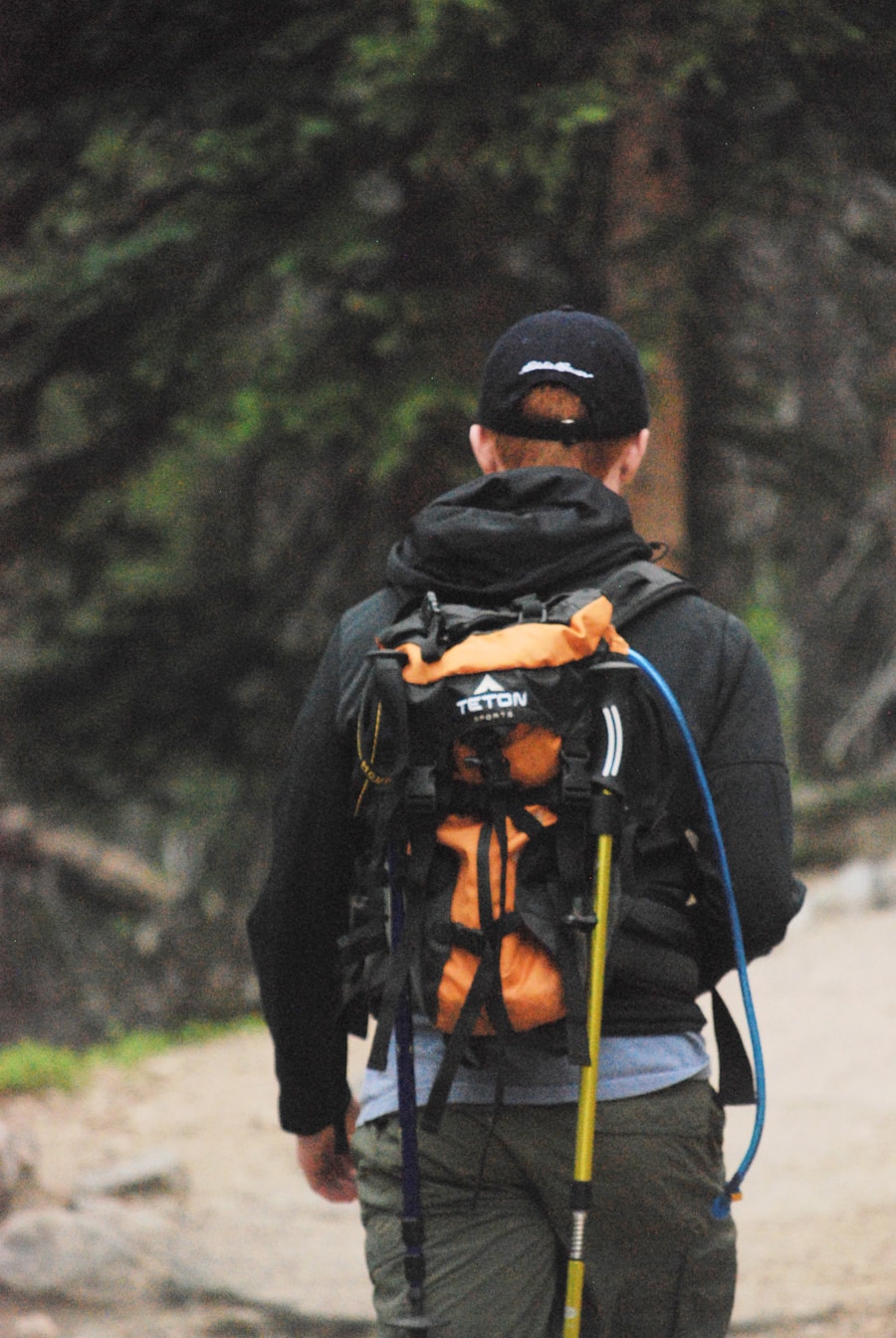
Regular physical activity is associated with better sleep quality, and hiking can be one enjoyable way to get that activity. Recent research continues to show benefits for self-reported sleep quality, although changes in objective measures such as individual sleep stages are less consistent.
Daytime hiking may also expose you to natural light, which provides an important timing signal to the body’s sleep-wake system. That does not mean a hike automatically “resets” your body clock, but regular daytime activity and light exposure can fit well within healthy sleep habits.
After an appropriately challenging hike, many people also feel physically ready for rest. The goal should not be to exhaust yourself. Excessive training, late strenuous exercise that leaves you overstimulated, pain, dehydration, or an overly demanding hike can have the opposite effect.
A systematic review and meta-analysis of exercise studies found that regular exercise can improve sleep quality in adults, particularly on self-reported measures. Hiking can therefore be part of a healthy sleep routine, but persistent insomnia deserves proper evaluation rather than relying on hiking as a treatment.
Hiking and Connection to Nature
Hiking creates direct contact with landscapes that many people otherwise experience only briefly. Forests, mountains, wetlands, deserts, and coastlines offer changing weather, plants, wildlife, sounds, and terrain. Spending time in these settings can build appreciation for natural areas and make outdoor recreation feel personally meaningful.
That connection can encourage an interest in conservation, but simply hiking does not automatically protect an ecosystem. Outdoor recreation can cause erosion, vegetation damage, litter, wildlife disturbance, and other impacts when visitors are careless.
Responsible hikers minimize those effects by following local rules, staying on designated trails where required, respecting wildlife, leaving plants and natural objects in place, and packing out their waste. Appreciation for nature is most valuable when it is paired with responsible behavior.
Social Benefits of Hiking
Hiking can be both a solo activity and a social one. Walking with friends or family creates uninterrupted time together while giving everyone a shared goal. A trail often makes conversation feel more natural because the group is doing something together rather than simply sitting face-to-face.
Hiking clubs and organized walks can also help people meet others who enjoy nature and physical activity. Those connections may make it easier to remain active because a planned hike creates both a commitment and a social reason to show up.
Group hiking can also help beginners learn practical skills such as pacing, navigation, layering clothing, carrying water, and choosing appropriate trail difficulty. That said, every participant still needs to understand the route and carry the essentials needed for the conditions.
How Much Hiking Is Enough?
You do not need to complete long mountain hikes to gain health benefits. Federal physical-activity guidance recommends that adults work toward at least 150 to 300 minutes of moderate-intensity aerobic activity each week, or an equivalent amount of vigorous activity, along with muscle-strengthening activity on at least two days per week.
A hike does not need to reach a summit to count. Shorter, manageable hikes accumulated through the week can contribute to your overall physical-activity goal.
An easy hike may count as moderate activity for one person and light activity for another. A steep uphill trail may be vigorous for a beginner but relatively moderate for a highly trained hiker. That is why relative effort is more useful than assigning one intensity to all hiking.
If you are new to hiking, start with a distance and elevation gain you can finish comfortably. Build either distance, climbing, pace, or pack weight gradually instead of increasing everything at once.
How to Start Hiking Safely
The health benefits of hiking matter only when the route matches your abilities and conditions. The National Park Service’s Hike Smart guidance recommends planning ahead, checking current weather and park alerts, accounting for altitude, and carrying appropriate essentials.
- Choose the right trail: Check distance, elevation gain, surface, exposure, and expected duration before leaving.
- Check conditions: Weather, heat, wildfire, lightning, flooding, snow, and trail closures can quickly change the difficulty of a route.
- Carry water and food: Bring enough for the planned hike plus a reasonable reserve for delays.
- Use navigation: Carry a map, downloaded route, GPS device, or other navigation appropriate for the area rather than depending on cell service.
- Dress for the conditions: Wear suitable footwear and carry layers, rain protection, and sun protection as needed.
- Tell someone your plan: Share your trail, expected return time, and what they should do if you do not check in.
- Pace yourself: Start slower than you think you need to and save energy for the return trip.
Footwear should match the trail rather than a fashion category. On wet routes, traction, fit, drainage or waterproofing, and the conditions you expect matter more than the label on the shoe. This guide to waterproof sneakers for outdoor travel offers additional footwear ideas for wet conditions.
Warning: Stop exercising and seek appropriate medical help for symptoms such as chest pain, fainting, severe or unusual shortness of breath, or another concerning reaction to exertion. People with significant heart, lung, balance, joint, or other medical conditions may need individualized advice before attempting strenuous hikes.
Conclusion
Hiking offers a useful combination of aerobic exercise, muscular work, balance practice, outdoor time, and social opportunity. Regular hikes can support cardiovascular health, stronger muscles and bones, healthier weight, better sleep, lower stress, and mental well-being. The benefits do not require extreme terrain: a manageable local trail can be valuable when it gets you moving consistently.
The key is to match the route to your current ability, progress gradually, prepare for changing conditions, and treat health claims realistically. Hiking can be an excellent part of a healthy lifestyle, but it works alongside good nutrition, sleep, medical care when needed, and other forms of physical activity.
Frequently Asked Questions
What are the health benefits of hiking?
Hiking can improve cardiovascular fitness, leg endurance, balance, and coordination while supporting bone health and weight management. Regular physical activity also supports sleep and mental well-being, and hiking adds the potential benefits of spending time in nature.
How does hiking contribute to physical fitness?
Hiking provides aerobic exercise while challenging the legs and stabilizing muscles. Hills increase the workload, and uneven terrain adds balance and coordination demands. Distance, pace, elevation gain, terrain, and backpack weight determine how demanding a hike becomes.
Can hiking help with mental health?
Hiking may support mental well-being through both physical activity and nature exposure. Research has linked exercise with reduced anxiety and depression risk and nature exposure with lower stress and rumination. Hiking should complement, not replace, professional treatment for a mental-health condition.
What are the benefits of hiking for overall well-being?
Hiking combines movement, outdoor time, a break from daily routines, and opportunities for social connection. Some people also find that trail time creates space for reflection and clearer thinking. These benefits vary by person, setting, fitness, and hiking experience.
How does hiking benefit the environment?
Hiking can build appreciation for natural places and encourage interest in conservation, but hiking itself can also damage trails, vegetation, and wildlife habitat. Responsible hikers minimize their impact by following local rules, staying on appropriate trails, packing out waste, and respecting wildlife.
How much hiking should I do for health benefits?
There is no required hiking distance. Adults can use hiking toward the general goal of 150 to 300 minutes of moderate aerobic activity per week, or an equivalent amount of vigorous activity. Beginners can start with shorter hikes and gradually increase distance or elevation.
Is hiking safe for beginners?
Yes, when the route matches the person’s fitness and the conditions. Beginners should start with well-marked, manageable trails, check weather and trail conditions, carry water and basic essentials, wear suitable footwear, and tell someone where they are going.
Sources
- CDC — Health Benefits of Physical Activity for Adults — supports evidence on cardiovascular health, anxiety, sleep, bones, balance, and chronic-disease risk.
- CDC — Physical Activity and Your Weight and Health — supports weight-management guidance and the hiking calorie example.
- U.S. Office of Disease Prevention and Health Promotion — Physical Activity Guidelines — supports weekly aerobic and muscle-strengthening recommendations.
- Stanford University — Nature Experience and Rumination Research — supports the discussion of nature walking and repetitive negative thought.
- PubMed — Exercise, Sleep Quality, and Depressive Symptoms Systematic Review — supports the discussion of exercise and sleep quality.
- U.S. National Park Service — Hike Smart — supports trail planning, weather, altitude, preparation, and hiking-safety guidance.

