

Last Updated on July 26, 2026 by Daniel Globe
Hiking combines two habits that can support mental well-being: physical activity and time in nature. A walk on a trail may ease everyday stress, interrupt repetitive thoughts, improve mood, and create space for reflection. The benefits can be meaningful, but they vary by person, trail, fitness level, and mental health needs.
Quick Answer
Hiking may support mental health by combining movement, nature exposure, focused attention, and, when desired, social connection. Research links physical activity and nature-based activities with lower stress and improved mood. Hiking is best treated as a helpful wellness habit or treatment companion, not a replacement for professional mental health care.
Key Takeaways
- Hiking combines aerobic activity with contact with nature, two factors associated with better mood and lower stress.
- A nature walk may help interrupt rumination, but the effect is not guaranteed and does not prove that hiking treats a mental illness.
- Mindful attention, realistic goals, and either solo time or supportive company can make a hike more restorative.
- Consistency matters more than chasing a difficult summit. A short local trail or park walk still counts.
- Hiking should complement, not replace, therapy, medication, crisis support, or other care recommended by a qualified professional.
Disclosure: As an Amazon Associate I earn from qualifying purchases. Some links on this page are affiliate links, at no extra cost to you.
How Nature Can Support Mental Well-Being
Natural settings can offer a break from traffic, screens, deadlines, and other demands on attention. Trees, open views, changing light, birdsong, and the steady rhythm of walking may help some people feel calmer and more present. The biophilia hypothesis proposes that humans have an inborn tendency to connect with living systems, but it remains a broad explanatory hypothesis rather than proof that nature affects everyone in the same way.
A large 2019 study of 19,806 adults in England found that people who reported at least 120 minutes of recreational nature contact per week were more likely to report good health and high well-being than people who reported no nature contact. However, this was an observational study, so it found an association rather than proving that two hours in nature causes better mental health. The researchers also warned that 120 minutes should not be treated as a firm clinical prescription. You can read the Scientific Reports study on weekly nature contact.
The evidence supports nature contact as a useful wellness tool, but there is no single trail length or weekly dose that works for everyone.
More recent evidence also supports a cautious, positive view. A 2026 overview of reviews found that nature-based interventions were associated with lower stress, anxiety, and depressive symptoms, while also noting wide differences in intervention quality and study design. Hiking may be one useful form of nature-based activity, but the research does not show that every hike produces the same result for every person.
Physical Exercise and Mental Health
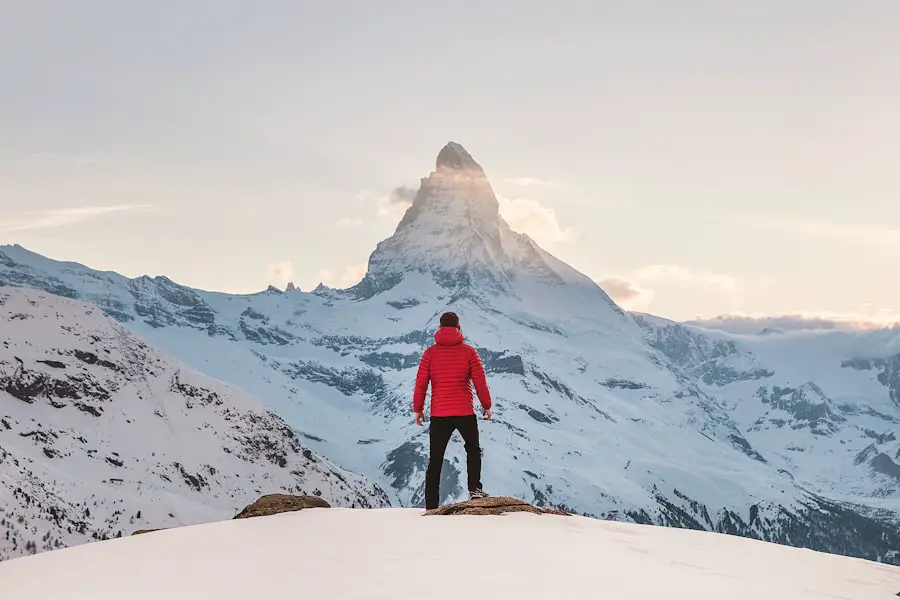
Hiking can range from a gentle walk to vigorous uphill exercise. Regular physical activity is associated with reduced symptoms of depression and anxiety, better brain health, improved overall well-being, and better sleep. The World Health Organization’s physical activity guidance recommends that adults aim for 150 to 300 minutes of moderate aerobic activity per week, or 75 to 150 minutes of vigorous activity, along with muscle-strengthening activity on two or more days.
A hike does not have to be long or steep to be useful. A brisk local walk may provide moderate activity, while a steep trail can become vigorous. The safest intensity is one that matches your fitness, health, terrain, weather, and experience.
The American Psychological Association’s overview of exercise and stress also explains how regular activity can help the body manage stress. Exercise can support sleep, although results differ among people. Better sleep can make it easier to manage attention, energy, and emotions. Avoid promising yourself that one hike will “fix” sleep or mood. Think of hiking as one part of a broader routine that may also include regular sleep times, social support, nutritious food, therapy, medication, or other care.
Stress Reduction and Rumination
| Potential Benefit | What the Evidence Supports |
| A break from stressors | Time away from routine demands may help some hikers feel calmer, especially when the setting feels safe and restorative. |
| Less rumination | A small controlled study found less self-reported rumination after a 90-minute nature walk than after an urban walk. |
| Mindful attention | Focusing on breathing, footsteps, sounds, and scenery can shift attention toward the present moment. |
| Physical release | Rhythmic movement and an achievable physical challenge may reduce tension and create a sense of progress. |
In a 2015 Stanford-led experiment, 38 healthy adults were assigned to a 90-minute walk in either a natural or urban setting. The nature-walk group reported lower rumination and showed reduced activity in a brain region associated with repetitive negative thinking. The study was small and involved people without a diagnosed mental disorder, so its findings should not be presented as proof that hiking treats depression. See the PNAS study on nature walks and rumination.
Hiking may also reduce exposure to notifications and constant information. That break can be helpful, but carrying a charged phone for navigation and emergencies is still wise. Use airplane mode or do-not-disturb mode when appropriate rather than leaving essential communication behind.
Mood-Lifting Brain and Body Responses
People often describe a calmer or brighter mood after sustained exercise. This feeling is sometimes called a “runner’s high,” even when the activity is hiking rather than running. The old explanation that endorphins alone create this effect is too simple. Current research points to several interacting systems, including endocannabinoids, endogenous opioids, stress hormones, body temperature, attention, expectation, and the emotional meaning of the experience.
A 2023 systematic review found that acute exercise often increased circulating endocannabinoids, but it also concluded that reliable proof of exactly how these chemicals create a runner’s high in humans is still limited. Therefore, it is more accurate to say that hiking can improve mood through a mix of biological, psychological, and environmental factors than to promise an endorphin “high.”
Note: You do not need to feel euphoric for a hike to be worthwhile. A small drop in tension, a clearer head, or simply completing the walk can still be a useful outcome.
Connection With Others and Social Support
The Power of Social Connection
Hiking with a trusted friend, family member, or group can create regular contact, shared goals, and a low-pressure setting for conversation. For someone who feels lonely, the combination of movement and companionship may make social contact feel more natural than sitting face to face indoors.
Breaking Down Barriers
Group hikes can provide gentle opportunities to practice conversation, cooperation, and asking for help. However, a group is not automatically supportive. Choose people who respect your pace, boundaries, physical needs, and decision to turn back.
Solo Hiking Can Also Be Restorative
Some people prefer the quiet and independence of hiking alone. Solo time may support reflection, but remote hiking adds safety risks and can feel isolating for someone whose symptoms are severe. Beginners can start in a familiar park, on a busy marked trail, or with a companion before deciding whether solo hiking feels helpful.
Lasting Memories and a Sense of Belonging
Shared outdoor experiences can create positive memories and strengthen relationships. Joining a walking group, conservation project, or local hiking club may also build a sense of belonging and routine.
Mindfulness and Hiking
Mindfulness means paying attention to the present moment with less judgment. Hiking naturally offers changing sights, sounds, textures, temperatures, and body sensations that can anchor attention.
Try this simple trail practice:
- Walk at an easy, safe pace for one or two minutes.
- Notice the feeling of each foot touching the ground.
- Identify three sounds without labeling them as good or bad.
- Notice your breathing without forcing it to change.
- When your mind wanders, gently return attention to the trail and your surroundings.
Mindfulness is not about blocking difficult thoughts. It is about noticing them without automatically following every thought. Some people find intense inward focus uncomfortable, especially during panic, trauma symptoms, or dissociation. In that case, keep your eyes open, focus on external details, walk with a trusted person, and discuss suitable grounding methods with a mental health professional.
Hiking and Cognitive Function
Physical activity supports brain health, but claims that hiking sharply improves memory, attention, or problem-solving should be kept modest. A 2024 systematic review of 104 studies found only a weak association between physical activity and slower cognitive decline in older adults. This suggests a possible population-level benefit, not a guarantee for an individual.
Hiking also asks you to monitor footing, follow a route, estimate time, and adjust to terrain. These tasks use attention and decision-making, but research has not established that hiking is uniquely better for cognition than other safe forms of physical activity. The strongest practical message is to stay active in a way you enjoy and can continue.
Hiking as Part of Mental Health Care
“Ecotherapy,” “nature therapy,” and “green exercise” are broad terms for structured activities that use natural settings to support health and well-being. A therapist or program may include walking, gardening, conservation work, or guided reflection outdoors.
Recent reviews suggest that nature-based interventions can improve anxiety, depressive symptoms, stress, and positive mood for some participants. At the same time, studies vary in quality, duration, setting, and type of control group. Hiking should therefore be described as a promising supportive approach, not a proven stand-alone treatment for anxiety disorders, major depression, post-traumatic stress disorder, or other conditions.
Warning: Do not stop therapy, medication, or another prescribed treatment because hiking seems to help. Seek professional support when symptoms persist, interfere with daily life, or become worse. In the United States, call or text 988 for immediate crisis support. In a life-threatening emergency, call emergency services. Outside the United States, use your local crisis or emergency service.
How to Use Hiking for Mental Well-Being
Start With a Small, Repeatable Goal
Choose a familiar route that feels slightly easier than your maximum ability. A 10- to 30-minute park walk may be more useful than an ambitious hike that creates fear, exhaustion, or injury. Repeatable habits are more likely to support well-being than occasional extreme efforts.
Match the Trail to Your Current State
On a low-energy day, choose a flat route with easy exits. If anxiety is high, use a familiar trail, go during daylight, or bring a trusted companion. If crowds feel overwhelming, choose a quieter time without going somewhere so remote that you lose access to help.
Use a Process Goal
Instead of judging success only by distance or reaching a summit, choose a goal such as “walk for 20 minutes,” “notice five sounds,” or “turn around while I still feel steady.” This reduces pressure and makes it easier to adapt to changing energy or weather.
Track How You Feel Before and After
Rate stress, mood, and energy from 1 to 10 before and after several hikes. A simple record can show whether certain trail types, times, companions, or intensities are helpful. It can also reveal when hiking is not improving symptoms and additional support may be needed.
Build Toward General Activity Guidelines
Adults can work toward the recommended 150 minutes of moderate aerobic activity per week, but hiking does not need to provide all of it. Start below that level if needed, increase gradually, and include rest. People with chronic health conditions, disabilities, or a long period of inactivity should ask a qualified clinician what type and amount of activity is appropriate.
Pro Tip: End the hike while you still have some energy. Finishing safely and wanting to return often supports a healthier routine better than pushing to exhaustion.
Trail Safety Still Matters
A mental health benefit is not worth ignoring physical risk. The National Park Service hiking safety guidance recommends checking weather and trail alerts, matching the route to your ability, telling someone your plan, carrying the Ten Essentials, bringing food and water, and setting a turnaround time.
- Use a marked route and carry an offline map or other suitable navigation tool.
- Wear footwear and clothing that match the terrain and weather.
- Carry water, food, sun protection, layers, a light, and basic first-aid supplies.
- Tell a trusted person where you are going and when you expect to return.
- Turn back for worsening weather, pain, dizziness, panic, confusion, unsafe trail conditions, or fading daylight.
- Do not use headphones or a white noise device in a way that blocks warnings, wildlife, traffic, other hikers, or emergency communication.
When Hiking May Not Feel Helpful
Hiking is not calming for everyone. Difficult terrain, crowds, isolation, heat, altitude, insects, wildlife concerns, body-image pressure, or fear of getting lost may increase distress. A disappointing hike does not mean you failed. Change the route, duration, company, time of day, or activity.
Some people may prefer a city park, garden, accessible path, waterfront, or short neighborhood walk. Nature contact does not have to involve wilderness, expensive gear, or a summit.
Overcoming Mental Health Challenges Through Hiking
A realistic hiking goal can offer structure and a sense of accomplishment during a difficult period. Completing a familiar loop, learning to read a map, or gradually walking farther can build confidence. The benefit comes from a manageable challenge, not from forcing yourself through unsafe distress.
For social anxiety, a small walking group may provide low-pressure exposure to conversation. For low mood, scheduling a short daylight walk with a friend may reduce the effort required to begin. These strategies can support treatment goals, but they should be adjusted with a clinician when symptoms are severe or complex.
Embracing the Mental Health Benefits of Hiking
Hiking can support mental well-being through movement, nature contact, focused attention, personal achievement, and social connection. The strongest evidence supports a balanced claim: hiking may reduce everyday stress and improve mood for many people, while results vary and research does not justify calling it a cure.
Start with a safe, realistic trail and notice how your mind and body respond. Build consistency before distance. Keep professional care in place when you need it, and treat hiking as one useful part of a wider mental health plan.
For overnight trips, some travelers use a portable white noise machine to create a familiar sleep environment after the hike. Keep the volume low enough to hear alarms, weather, wildlife, and other safety signals. For more details, see this guide to portable white noise machines for travel.
Frequently Asked Questions
Does hiking help anxiety and depression?
Hiking may reduce stress and support mood by combining physical activity with nature exposure. Nature-based interventions show promising results for anxiety and depressive symptoms, but effects vary. Hiking should complement professional care rather than replace therapy, medication, or another recommended treatment.
How long should I hike for mental health benefits?
There is no proven minimum hike length for mental health. Start with 10 to 30 minutes at a safe intensity and build gradually. One observational study linked at least 120 minutes of weekly nature contact with better self-reported well-being, but that number is not a clinical prescription.
Is solo or group hiking better for mental health?
Neither is always better. Solo hiking may provide quiet reflection, while group hiking can add social support and accountability. Choose the option that feels safe and restorative. Beginners and people with severe symptoms may benefit from starting with a trusted companion on a familiar route.
Is hiking suitable for all ages?
Many children, adults, and older adults can hike, but the route must match their health, balance, fitness, experience, and mobility. Older adults may also need balance and strength work. Anyone with a chronic condition or major mobility concern should ask a qualified clinician about suitable activity.
Is hiking a low-impact activity?
Hiking is usually lower impact than running, but steep descents, rocks, heavy packs, and long distances can stress the knees, ankles, hips, and feet. Choose easier terrain, increase distance gradually, and stop if pain changes your gait or becomes sharp or persistent.
Can hiking help with weight loss?
Hiking uses energy and can support fitness, but weight change depends on total activity, food intake, sleep, health conditions, medications, and other factors. Mental health benefits do not depend on losing weight, so avoid making body weight the only measure of a successful hike.
Can hiking replace therapy or medication?
No. Hiking can be a supportive wellness habit and may be included in a broader treatment plan, but it is not a substitute for evidence-based care. Do not stop medication or therapy without speaking with the professional who manages your treatment.
When should I seek mental health help instead of relying on hiking?
Seek professional help when symptoms persist, worsen, or interfere with work, school, sleep, relationships, or daily tasks. If you may hurt yourself or someone else, get immediate crisis or emergency help. In the United States, call or text 988; elsewhere, contact your local crisis line or emergency service.
Sources
- Scientific Reports: Spending at least 120 minutes a week in nature is associated with good health and well-being: supports the cautious discussion of weekly nature contact.
- Proceedings of the National Academy of Sciences: Nature experience reduces rumination and subgenual prefrontal cortex activation: supports the section on rumination.
- World Health Organization: Physical activity: supports mental health benefits and adult activity guidance.
- Nature Human Behaviour: Systematic overview and second-order meta-analysis of nature-based interventions: supports the balanced summary of recent evidence and limitations.
- The Neuroscientist: Do endocannabinoids cause the runner’s high?: supports the correction of the endorphin-only explanation.
- National Institute of Mental Health: My Mental Health, Do I Need Help?: supports guidance on professional and crisis help.

