
Last Updated on July 27, 2026 by Daniel Globe
Hiking does much more than add steps to your day. Because it combines sustained walking with hills, uneven ground, and sometimes a loaded backpack, it can challenge your heart, lungs, lower-body muscles, bones, balance, and attention at the same time. The exact effect depends on the trail, your pace, the length of the hike, your fitness level, and how well you recover afterward.
Quick Answer
Hiking is a weight-bearing aerobic activity that raises your heart rate, works your legs and core, burns energy, and challenges balance on uneven ground. Done regularly, it can support heart health, stronger muscles and bones, weight management, mood, and endurance. Steep descents, heat, altitude, and rough terrain also add physical stress and injury risk.
Key Takeaways
- Hiking can provide moderate- or vigorous-intensity aerobic exercise depending on your pace, elevation gain, terrain, and fitness level.
- Uphill hiking strongly challenges the glutes, quadriceps, calves, and cardiovascular system, while downhill hiking requires the leg muscles to control and brake each step.
- As a weight-bearing activity, hiking can support bone and muscle health, but it is not a complete replacement for dedicated resistance training.
- Hiking can help with weight management, mood, stress, balance, and fitness, but the results vary from person to person.
- Uneven ground, heat, sun, altitude, dehydration, ticks, and long descents make trail safety and gradual progression important.
What Happens to Your Body During a Hike?
As soon as your pace increases, your muscles need more oxygen and energy. Your heart beats faster and your breathing becomes deeper to deliver oxygen to working muscles. On a gentle trail, the effort may feel similar to brisk walking. Steep climbs, a faster pace, high elevation, or a loaded backpack can make the same hike much more demanding.
Your legs also work differently as the terrain changes. Climbing requires repeated force from the glutes, quadriceps, hamstrings, and calves. Descending requires those muscles, especially the quadriceps, to contract while lengthening so they can slow your body and control each step. That braking action is one reason long descents can leave your thighs sore the next day.
Uneven ground adds another challenge. Your ankles, hips, knees, core, and smaller stabilizing muscles continually make adjustments as you step around roots, rocks, ruts, and slopes. Research on uneven-terrain walking has found greater muscular and mechanical demands than walking on smooth ground.
Note: Trail difficulty is relative. A hike that feels moderate to an experienced hiker may be vigorous for a beginner. As a simple guide, moderate activity usually lets you talk in sentences, while vigorous effort makes it difficult to say more than a few words without pausing for breath.
Cardiovascular Health and Endurance
Regular hiking can contribute to the same broad cardiovascular benefits associated with other forms of aerobic physical activity. The Centers for Disease Control and Prevention reports that regular physical activity can lower the risk of heart disease and stroke and can help reduce blood pressure.
Over time, consistent aerobic activity also improves cardiorespiratory fitness, meaning your heart, lungs, blood vessels, and muscles become better at supporting sustained movement. That can make familiar climbs feel easier and allow you to walk farther before becoming tired.
Physical activity can also improve cardiovascular risk factors such as cholesterol. Regular activity may help lower LDL cholesterol and raise HDL cholesterol, although the size of the change differs among individuals and depends on factors such as genetics, diet, body weight, medications, and overall activity.
Current U.S. guidance recommends 150 to 300 minutes of moderate-intensity aerobic activity per week for substantial health benefits, plus muscle-strengthening activity on at least 2 days each week.
Hiking can contribute to the aerobic portion of that goal. The U.S. Department of Health and Human Services Move Your Way guidance also emphasizes that some activity is better than none, so beginners do not need to start with long or difficult hikes.
Strengthened Muscles and Bones
Hiking primarily develops muscular endurance in the lower body. The quadriceps straighten and stabilize the knees, the glutes help extend and stabilize the hips, the hamstrings help control the legs, and the calves work with every push-off. Your hip stabilizers and core help keep the torso controlled as the ground changes underneath you.
Uphill and downhill sections create different challenges. On climbs, the glutes, quadriceps, and calves repeatedly push your body upward. On descents, the quadriceps perform a large amount of controlled braking work. Carrying a backpack increases the load, although adding weight too quickly can also increase fatigue and injury risk.
Hiking is also a weight-bearing activity, so it can contribute to bone health. Current CDC physical-activity guidance lists stronger bones as a long-term benefit of regular activity. This becomes increasingly important with age as maintaining muscle, balance, and bone strength helps support everyday mobility.
However, hiking should not be confused with a complete strength-training program. Resistance exercises such as squats, lunges, rows, presses, and other movements can expose the muscles to higher and more progressive resistance than ordinary hiking. Adults should still aim for muscle-strengthening exercise at least twice per week when their health and abilities allow it.
Pro Tip: Varying your trails can change the training stimulus without simply making every hike longer. Gentle hills build climbing endurance, while moderately uneven trails challenge foot placement and stability. Increase distance, elevation, pack weight, or technical difficulty gradually rather than increasing everything at once.
Weight Management
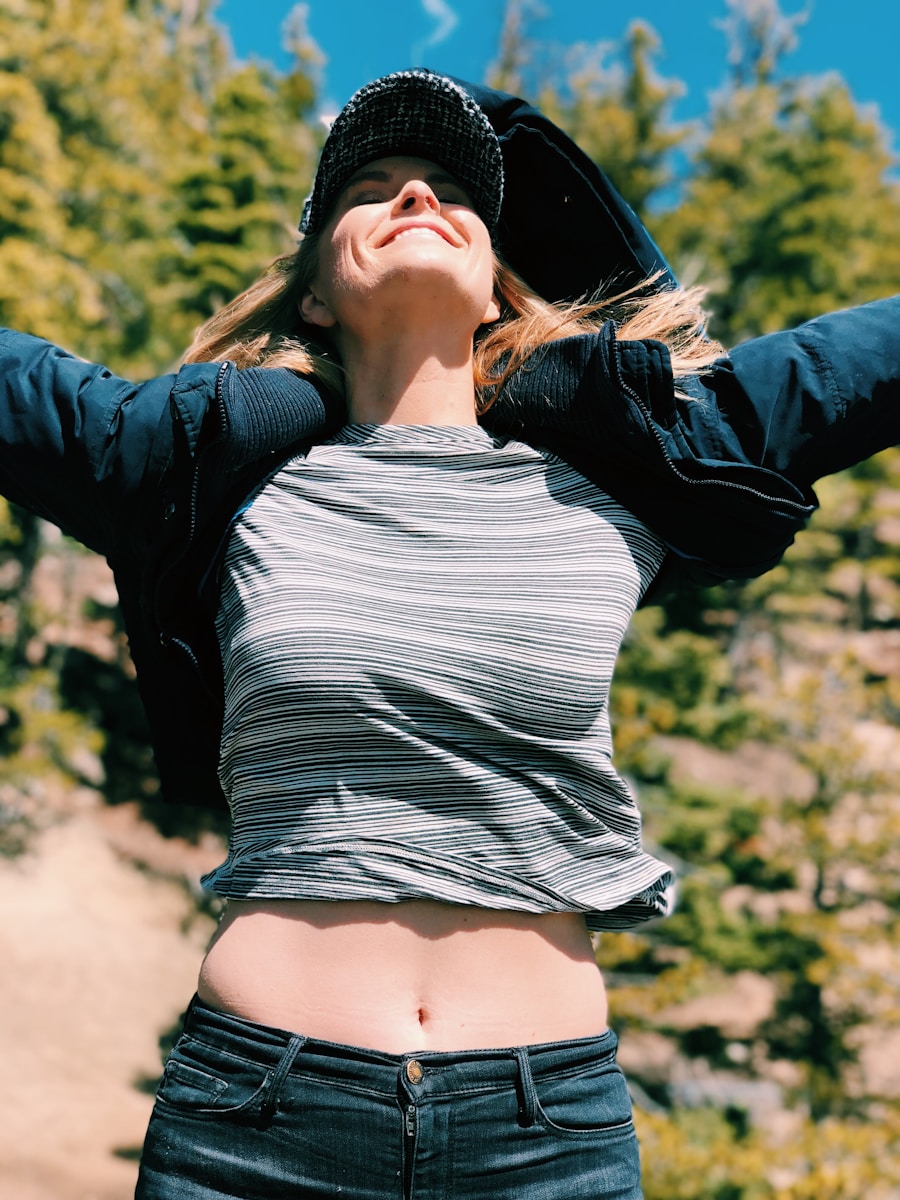
Hiking uses energy, which is one reason it can be useful for weight management. How many calories a hike uses varies considerably with body size, walking speed, trail grade, duration, surface, elevation, weather, and backpack weight. A steep mountain hike may demand far more energy than an easy walk of the same distance.
Physical activity can help prevent weight gain and can support weight loss, but hiking by itself does not guarantee that body weight will decrease. Long-term weight change reflects the balance between energy intake and energy expenditure along with sleep, medications, health conditions, genetics, and other factors.
Current American Heart Association guidance on physical activity and obesity also emphasizes that exercise can improve blood pressure, insulin resistance, cholesterol, and other cardiometabolic risk factors even when substantial weight loss does not occur.
Nutrition remains part of the picture. The World Health Organization describes overweight and obesity as complex conditions influenced by numerous biological, behavioral, and environmental factors. For hikers, especially on longer outings, adequate food and fluids are also important for maintaining energy and making safe decisions on the trail.
Stress Reduction
Physical activity can produce an immediate reduction in feelings of anxiety, and regular activity is associated with better long-term mental health. Hiking adds another feature: it places that movement in an outdoor environment where attention can shift away from everyday tasks and toward the trail, scenery, sounds, and immediate surroundings.
Exercise-related improvements in mood involve many interacting psychological and biological processes. Endorphins and neurotransmitters may be part of the picture, but the effect is more complex than a single “feel-good hormone.” Sleep, self-confidence, social connection, time outdoors, changes in stress response, and the satisfaction of completing a physical challenge may all contribute.
| Technique | How It May Help | Practical Use |
|---|---|---|
| Mindfulness Meditation | Directs attention toward the present moment rather than recurring stressors. | A short 10–20 minute session can be used separately from a hike. |
| Deep Breathing | Can provide a simple way to slow down and regain composure. | Use briefly during a safe rest stop or after the hike. |
| Yoga | Combines movement, controlled breathing, mobility, and focused attention. | Use on non-hiking days or as gentle mobility work when appropriate. |
| Exercise or Hiking | Provides physical activity while creating a break from daily stressors. | Choose a duration and intensity that match your current fitness and trail conditions. |
A calm hike can therefore serve as a healthy way to decompress, but strenuous hiking is not relaxing for everyone. A difficult route, extreme weather, getting lost, or pushing through exhaustion can increase stress instead. Choosing a trail that matches your experience helps keep the experience positive.
Enhanced Mental Well-being
The mental-health benefits of regular physical activity are supported by current public-health guidance. The CDC reports that a single session of moderate-to-vigorous activity can reduce feelings of anxiety, while regular activity is associated with a lower risk of depression and improved sleep quality.
Hiking can also create a sense of accomplishment. Finishing a first mile, reaching a viewpoint, walking a longer trail than before, or completing a difficult climb gives you a concrete sign of progress. These experiences can build confidence without requiring competition with anyone else.
Outdoor settings may add benefits of their own. The National Park Service highlights both the physical and emotional benefits of hiking and time in nature.
Note: Hiking can support mental well-being, but it is not a substitute for professional treatment when anxiety, depression, or another mental-health problem is severe, persistent, or interfering with daily life.
Improved Balance and Coordination
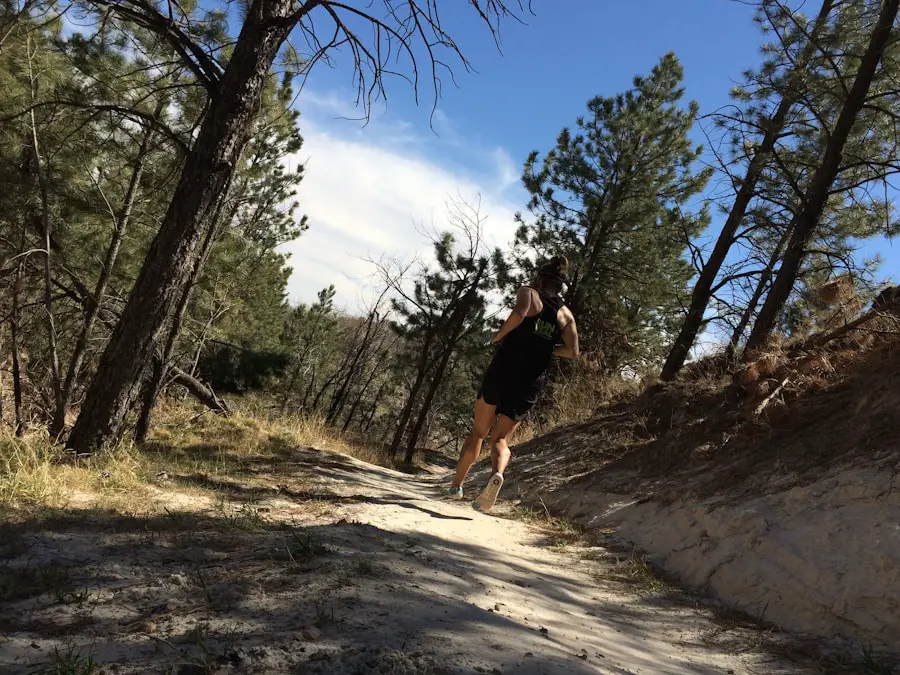
A trail constantly asks your body to adjust. Roots, loose dirt, rocks, side slopes, and changes in elevation alter where you place your feet and how you distribute your weight. These adjustments challenge coordination, body awareness, and the muscles that help stabilize the ankles, knees, hips, and trunk.
Balance exercises outside hiking can complement this training. Yoga poses such as Tree Pose or Warrior III, for example, challenge body awareness and single-leg control in a controlled environment. They should be practiced on a safe surface rather than on an exposed or unstable section of trail.
Regular physical activity can reduce fall risk, particularly as people age, but a rough hiking trail also creates an immediate fall hazard. Beginners and anyone with poor balance should start on smoother, less exposed routes before progressing to more technical terrain.
Long descents deserve special attention because fatigue can reduce control. Laboratory studies have found that trekking poles can reduce several measures of lower-extremity loading during downhill walking, although the exact effect depends on technique, slope, speed, and the individual.
Pro Tip: Trekking poles can provide extra points of contact on uneven terrain and may reduce some downhill loading. Learn how to adjust and place them correctly before relying on them during a difficult descent.
Products Worth Considering
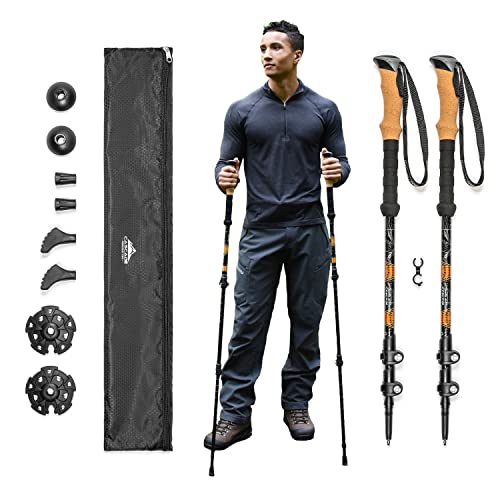
Exceptional Quality and Comfort - Crafted from aircraft-grade 6061 aluminum, each 10-ounce trekking pole is highly durable in all conditions.

BUILT TO LAST: Whether you're hiking on rugged terrain or snowshoeing on fresh powder, you need hiking gear that can keep up! Trailbuddy trekking poles are built tough enough for the long haul.
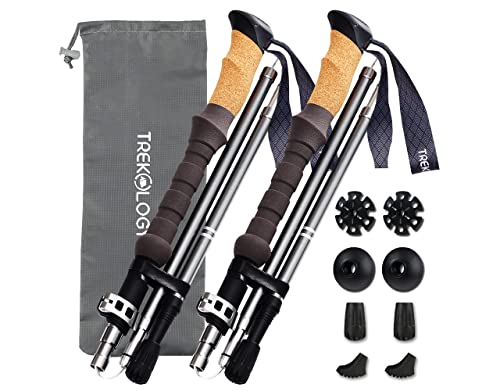
Natural Cork Grip Handle: Cork grips naturally absorb hand moisture to keep your grip dry on long hikes. Note: cork grips have a slight rotational flex; this is an anti-torque ergonomic feature, not a defect. Paired with lightweight aluminum shafts and EVA foam lower grips for stability on rugged terrain. Trekking poles must be checked in as luggage (not carry-on) per TSA and most airline rules. Set of 2 with carry bag included.
Sunlight and Vitamin D
Hiking often means spending more time outdoors, so sunlight may contribute to vitamin D production. The important distinction is that sunlight does not cause the body to “absorb” vitamin D through the skin. Instead, ultraviolet B radiation reaching uncovered skin can trigger vitamin D synthesis.
The NIH Office of Dietary Supplements explains that vitamin D production from sunlight varies with factors such as cloud cover, age, skin pigmentation, season, and other conditions. Vitamin D itself supports normal bone health in part because it helps the digestive system absorb calcium.
However, more unprotected sunlight is not automatically better. Ultraviolet radiation can damage skin and increase skin-cancer risk. The CDC recommends protecting skin from excessive sun exposure when spending time outdoors.
Warning: Do not deliberately skip sun protection to obtain vitamin D. Use shade, suitable clothing, a hat, sunglasses, and sunscreen as appropriate for the conditions. People concerned about vitamin D deficiency should discuss testing, diet, or supplements with a healthcare professional.
Increased Social Interaction
Hiking can also be social. Walking with a friend, family member, club, or community group creates time for conversation while sharing a common activity. For some people, knowing that another person is expecting them can also make it easier to stay consistent with exercise.
Group hikes can provide encouragement when someone is building fitness or trying a new trail. They can also offer a practical safety advantage because another person is available if an injury, navigation problem, or other emergency occurs.
That does not mean hiking must always be social. Some people prefer hiking alone for quiet and reflection. Solo hikers should simply take additional precautions, such as leaving a trip plan with someone, checking conditions, carrying navigation and emergency essentials, and understanding the limitations of cell coverage.
Recovery, Sleep, and Adaptation
Physical activity can improve sleep quality, but recovery still matters. A new hiker may notice tired calves, thighs, or glutes after hills, while an experienced hiker may feel soreness after an unusually long route, a heavy pack, or a descent with much more elevation loss than usual.
Give your body time to adapt. Sleep, adequate food, fluids, and easier activity between demanding hikes can help you recover. Persistent or worsening pain is different from ordinary temporary muscle fatigue and should not simply be ignored.
Travel can also disrupt sleep before or after a hiking trip. If you are staying in a hotel, cabin, or other indoor accommodation near a trailhead, a portable white noise machine for travel may help mask unfamiliar background noise. Avoid using loud sound in situations where it could prevent you from hearing safety warnings, wildlife, other campers, or changing conditions outdoors.
How Much Hiking Is Enough?
There is no single number of hikes that is right for everyone. The useful question is how hiking fits into your total weekly activity, current fitness, recovery, and goals.
For general health, current U.S. guidelines recommend at least 150 to 300 minutes of moderate aerobic activity each week, or 75 to 150 minutes of vigorous activity, plus muscle-strengthening activity on at least 2 days. Hiking can count toward the aerobic portion when the effort reaches at least moderate intensity.
If you are new to hiking, start with a trail you are confident you can finish. A shorter route with modest hills provides a better starting point than a long, steep hike that leaves you exhausted or in pain. Increase one major challenge at a time, such as distance, elevation gain, speed, pack weight, or technical terrain.
Rest needs also vary. Someone accustomed to easy walks may comfortably hike often, while a long mountain hike may require an easier day afterward. Fatigue, declining coordination, persistent soreness, and worsening joint pain are signs that more recovery may be useful.
Products Worth Considering

Comfortable strong compression in a thin sleeve: Our patented compression socks are made with lightweight stretch fabric strong

【All-Day Gentle Comfort Slouchy Beanie】 Expertly crafted from 94.2% skin-friendly viscose and 5.8% stretchy elastane, this skull cap beanie provides cloud-like softness for 24/7 wear. Its breathable, temperature-regulating fabric offers ideal lightweight comfort for sensitive scalps, during sleep, recovery, or chemotherapy, without causing overheating or irritation.
Hiking Risks and How to Protect Your Body
Hiking has many benefits, but trail conditions create hazards that do not exist on a treadmill or smooth sidewalk. The National Park Service Hike Smart guidance recommends matching the route to your fitness and experience, checking conditions, bringing appropriate equipment, watching your footing, and knowing your limits.
- Falls and sprains: Loose rock, roots, mud, snow, steep slopes, fatigue, and poor footwear can increase fall risk. Choose footwear with suitable fit and traction and slow down when footing becomes uncertain.
- Overuse pain: Rapid increases in mileage, elevation, pack weight, or frequency can irritate feet, ankles, knees, hips, or tendons. Build your workload gradually.
- Heat and dehydration: Hot weather and sustained climbing increase fluid and cooling demands. Carry suitable fluids and food, take breaks, and adjust the hike when conditions become unsafe.
- Sun exposure: UV exposure occurs even when the weather is cool or partly cloudy. Use appropriate sun protection.
- High altitude: Reduced oxygen at elevation makes exercise harder and can cause altitude illness. Acclimatize gradually and know the symptoms before hiking high.
- Ticks and insects: Wooded, grassy, and brushy environments can expose hikers to ticks. The CDC recommends tick-prevention measures and a body check after possible exposure.
- Pre-existing conditions: Heart, lung, metabolic, balance, or significant joint problems can change what level of hiking is appropriate. A healthcare professional can help assess strenuous plans when you are unsure.
Warning: Stop exerting yourself when you develop severe or unusual symptoms. Chest pain, fainting, severe breathing difficulty, confusion, loss of coordination, or signs of serious heat illness can require emergency medical attention. On remote trails, getting help may take much longer than it would in town.
Products Worth Considering

Waterproof Protection: Helps keep feet dry and comfortable through wet trails, light rain and damp outdoor conditions while maintaining breathable comfort.

LASTING COMFORT - Our women's hiking boots have a durable rubber sole that provides greater comfort, which reduces foot fatigue as you traverse over thick roots and rocks. Padded tongue & ankle for extra cushioning and all-day comfort.

【Barefoot Comfort】Women's zero-drop sneakers with a wide toe box for barefoot-like comfort
Frequently Asked Questions
What are the physical benefits of hiking?
Hiking can improve aerobic fitness, cardiovascular health, muscular endurance, balance, coordination, and bone health. Hills work the glutes, quadriceps, hamstrings, and calves, while uneven terrain also challenges the core and stabilizing muscles.
How does hiking affect mental health?
Physical activity can reduce feelings of anxiety, improve sleep, and lower the long-term risk of depression. Hiking may add the enjoyment of nature, goal-setting, and social connection. It can support mental well-being but should not replace needed professional care.
Does hiking help with weight loss?
Hiking increases energy expenditure and can support weight management. Whether body weight decreases depends on total food intake, activity, sleep, health, medications, genetics, and other factors. Even without major weight loss, regular physical activity can improve important measures of cardiovascular and metabolic health.
What are the potential risks of hiking on the body?
Possible problems include blisters, ankle sprains, falls, knee or tendon pain, muscle strains, dehydration, heat illness, sunburn, altitude illness, and fatigue. Gradual progression, suitable footwear, appropriate clothing, food, fluids, navigation, weather awareness, and choosing a realistic trail can reduce risk.
How does hiking impact bone health?
Hiking is weight-bearing physical activity, so it can contribute to maintaining bone health. For a more complete exercise program, combine hiking with appropriate muscle-strengthening activity rather than relying on hiking alone to prevent osteoporosis.
Can hiking improve overall fitness levels?
Yes. Regular hiking can improve endurance, aerobic capacity, lower-body muscular endurance, balance, and coordination. Steeper or faster hikes provide a greater cardiovascular challenge. Hiking is less complete for upper-body strength and flexibility, so other forms of exercise can complement it.
How often should you hike for health benefits?
There is no required number of hikes per week. Instead, count hiking toward your overall physical activity. Adults generally benefit from at least 150 minutes of moderate aerobic activity per week plus muscle-strengthening work on at least 2 days. Beginners can start below that amount and build gradually.
Is hiking bad for your knees?
Hiking is not automatically bad for healthy knees, but long or steep descents can create substantial muscular and joint-loading demands. Build mileage and elevation gradually, slow down on descents, strengthen the legs, and consider trekking poles. Persistent swelling, instability, or worsening pain deserves medical assessment.
Sources
- CDC — Health Benefits of Physical Activity for Adults — cardiovascular, mental-health, bone, weight, and fall-risk benefits.
- U.S. Department of Health and Human Services — Move Your Way — current adult aerobic and muscle-strengthening activity targets.
- American Heart Association — Physical Activity in Obesity Treatment and Cardiometabolic Health — weight-management and cardiometabolic-health evidence.
- National Park Service — Hike Smart — trail planning, hydration, altitude, footing, insects, and hiking safety.
- NIH Office of Dietary Supplements — Vitamin D — sunlight, vitamin D synthesis, and bone-health information.
- CDC — Preventing Sunburn — UV exposure and outdoor sun protection.
