
Last Updated on July 27, 2026 by Daniel Globe
Carrying a firearm on a California hike is not as simple as having a concealed carry license. The legal answer depends on who manages the land, whether the trail passes through a public park or another sensitive place, and whether state, federal, or local restrictions apply. California’s rules have also changed significantly in recent years, so hikers should check the exact destination before every trip.
Quick Answer
In California, a CCW license does not automatically let you carry a concealed firearm on every hiking trail. Public parks and most California State Parks property are sensitive places where licensed carry is generally prohibited. Rules on national parks, national forests, and BLM land depend on overlapping state, federal, local, and site-specific restrictions.
Key Takeaways
- A California CCW license is not permission to carry everywhere. Penal Code Section 26230 prohibits licensed carry in many sensitive places.
- Public parks and most property controlled by California State Parks or the California Department of Fish and Wildlife are generally off-limits to CCW holders, subject to limited statutory exceptions.
- National parks apply federal rules plus applicable state and local firearm law, and firearms are separately prohibited in most federal facilities such as visitor centers and ranger stations.
- National forest and BLM trails require their own review because state law, local ordinances, federal rules, closures, developed-site restrictions, and hunting regulations may overlap.
- California firearm law changes through statutes and court decisions. Verify the exact trail and current rules before leaving home.
Warning: This article provides general legal and safety information, not legal advice. The legal information was reviewed through July 27, 2026. Firearm laws, injunctions, local ordinances, and land-management orders can change. Check the current law and the rules for the exact trail or property before carrying a firearm.
Disclosure: As an Amazon Associate I earn from qualifying purchases. Some links on this page are affiliate links, at no extra cost to you.
Permits and Restrictions for Carrying a Gun in California
California regulates firearm purchases, possession, transportation, and public carry through separate sets of laws. Rules involving handgun sales, restricted firearms, magazines, background checks, and waiting periods do not by themselves answer whether a firearm may be carried on a hiking trail. For hikers, the most important questions are whether the person is authorized to carry and whether the destination is a prohibited place.
California CCW License Basics
Ordinary concealed carry in public generally requires a California license to carry a weapon capable of being concealed, commonly called a CCW license. California’s current licensing laws set eligibility, background-check, training, and qualification requirements.
Under California Penal Code Section 26165, a new CCW applicant must complete at least 16 hours of qualifying training. The course covers firearm safety, handling, storage, transportation, where permit holders may carry, use-of-force law, and live-fire qualification. Renewal training must be at least eight hours.
While carrying under a CCW license, Penal Code Section 26200 imposes additional conditions. Among other requirements, a licensee must carry the license, may not consume alcohol while carrying, and generally may carry only a firearm listed on the license and for which the licensee is the recorded owner. A licensee also must comply with lawful inspection requirements during an encounter with a peace officer.
Note: A CCW license answers only the first part of the legal question. A licensed person can still be prohibited from carrying at the hiking destination because California designates many locations as sensitive places.
Nonresident CCW Applications Changed in 2026
Older guidance stating that only California residents can obtain a California CCW is no longer complete. Assembly Bill 1078 took effect January 1, 2026 and created a process for qualifying nonresidents to apply for a California CCW license. The California Department of Justice explains the updated requirements in Information Bulletin 2026-DLE-03.
An out-of-state carry permit by itself should not be treated as permission to carry in California. A visitor should determine whether they qualify for and actually hold the California authorization required for the intended activity.
What About Open Carry?
California has long imposed extensive restrictions on carrying loaded or unloaded firearms openly in public. Litigation over those restrictions remains active in 2026. In Baird v. Bonta, the Ninth Circuit ordered rehearing en banc in April 2026 after an earlier panel decision addressing California’s open-carry restrictions.
Because the litigation is not a safe basis for a hiker to assume that open carry is lawful, check the current statutes, court orders, local rules, and land-manager regulations before relying on open carry as an alternative to concealed carry.
Carrying a Gun While Hiking: What You Need to Know
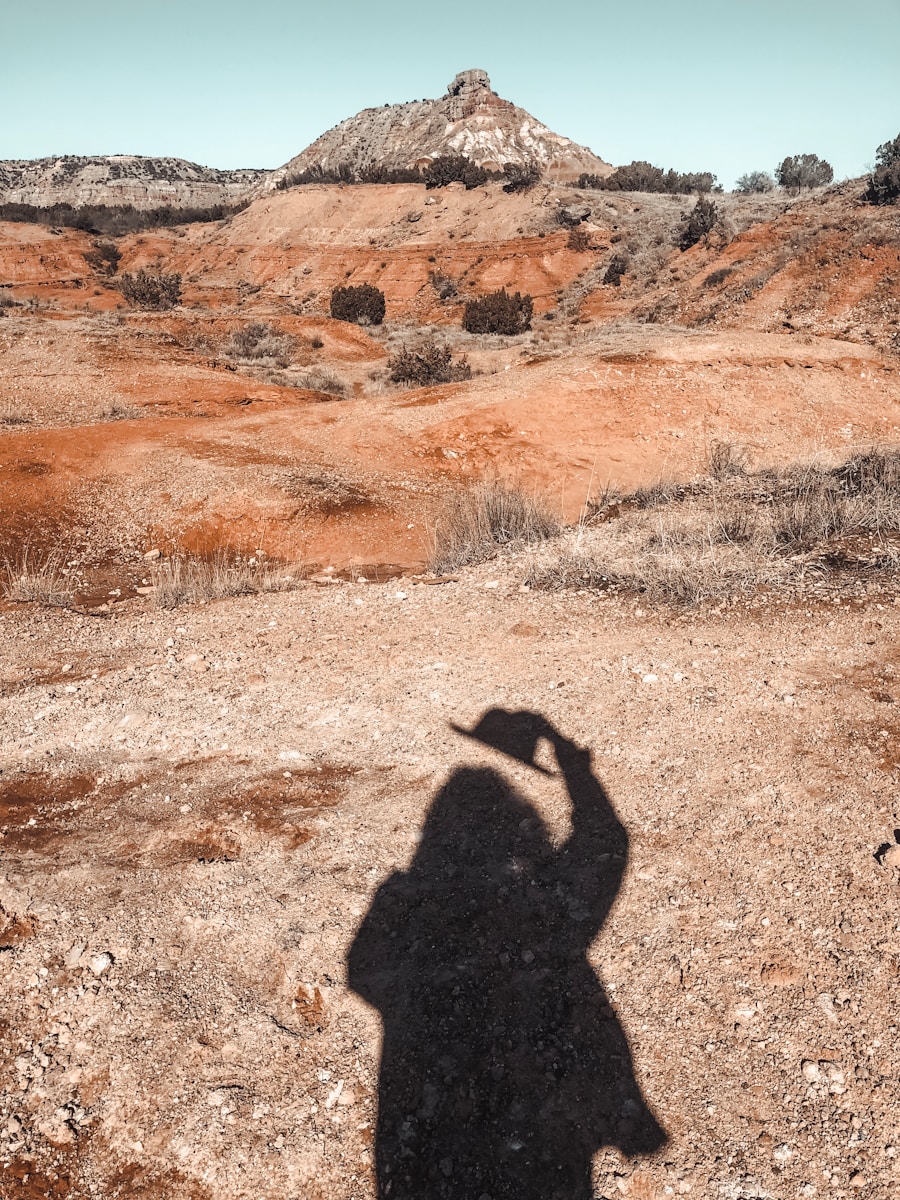
The most important step is identifying the property you will actually enter. A trail described simply as a “California hiking trail” could cross a city park, county park, State Park, national park, national forest, Bureau of Land Management property, private land, or several of those in one trip.
Public Parks
California Penal Code Section 26230(a)(12) prohibits a person carrying under a CCW license from carrying a firearm in a park, athletic area, or athletic facility open to the public, including certain immediately adjacent streets and sidewalks. The statute contains a narrow passage exception for a licensee who must walk through such a place to reach a residence, business, or vehicle.
This means a city or county park should not be treated as a place where a CCW automatically allows concealed carry.
California State Parks and Department of Fish and Wildlife Property
Section 26230(a)(13) separately covers real property controlled by the California Department of Parks and Recreation or Department of Fish and Wildlife. The statute contains exceptions for designated hunting areas, public shooting grounds, and other places where possession is expressly permitted by law.
California State Parks’ current firearm FAQ therefore answers the question of carrying concealed with a CCW in a State Park with “Generally, no.”
California DOJ also confirmed in its March 27, 2025 Information Bulletin 2025-DLE-06 that the sensitive-place restrictions covering parks and most Department of Parks and Recreation or Department of Fish and Wildlife property are enforceable.
National Parks in California
Federal law allows firearm possession in National Park Service areas only when that possession complies with the law of the state where the park is located and other applicable law. The National Park Service firearm guidance also states that firearms are generally prohibited inside federal facilities such as visitor centers, ranger stations, government offices, and fee-collection buildings.
In addition, discharge of a firearm inside a national park is generally prohibited unless a specific legal authorization applies. The National Park Service advises visitors not to consider firearms a substitute for wildlife-safety practices.
California-specific NPS guidance can be even more direct. For example, Sequoia & Kings Canyon National Parks state that California Penal Code Section 26230 prohibits concealed carry within those parks and that firearms are separately prohibited in certain federal facilities.
National Forests and Bureau of Land Management Land
National forests and Bureau of Land Management lands require a separate location-by-location check. Do not assume that a rule for a State Park or national park is identical to a rule for undeveloped federal land.
On BLM land, state and local firearm law still applies, and temporary closures, fire restrictions, developed recreation-site rules, hunting regulations, and other federal restrictions can affect what is lawful. The BLM California recreational shooting guidance tells visitors to check current restrictions for the area they plan to visit.
National forests may also have forest orders and site-specific restrictions. Before a trip, open the official page for the particular national forest, ranger district, trailhead, campground, or wilderness area rather than relying on a general statement about “federal land.”
At a Glance
| Public city/county park | CCW carry is generally prohibited by Penal Code Section 26230(a)(12), subject to statutory exceptions. |
| California State Park | Generally prohibited for CCW holders; limited hunting, shooting-area, and other legal exceptions may apply. |
| National park in California | Federal rules incorporate applicable state law. Federal facilities have an additional firearm prohibition. Check the individual park’s current rules. |
| National forest or BLM land | Rules vary. Check California law, local restrictions, the exact federal unit, developed-site rules, closures, fire orders, and hunting regulations. |
Pro Tip: Search the official page for the exact trail, park, forest, or BLM field office before leaving home. A hike that crosses a boundary can put you under a different set of firearm restrictions without any obvious change in the landscape.
Safety and Responsibility When Carrying a Gun on Hiking Trails
Legal carry also requires responsible handling. A firearm that is lawfully carried should remain secured against unintended access and should not be unnecessarily handled on a trail, at a viewpoint, or around other recreationists.
| Before entering the trail | Confirm the land manager, sensitive-place status, local rules, closures, and any restrictions printed on your license. |
| While carrying under a CCW | Carry your license, follow its conditions, avoid alcohol, and carry only a firearm authorized under the license. |
| At a prohibited destination | Do not assume that placing the firearm in a backpack makes possession lawful. Review the applicable transport and storage exception before entering. |
| Around children or unauthorized users | Maintain secure control and follow California’s storage laws. Never leave a firearm unattended on a trail or at a campsite. |
Transporting a Firearm to the Trail
Transporting a firearm and carrying one on your person are legally different activities. California DOJ’s firearm transportation guidance explains that, under the cited California statutes, a handgun transported by motor vehicle under the general transport provision must be unloaded and locked in the trunk or another qualifying locked container. A glove compartment does not qualify as the locked container described by that rule.
Penal Code Section 26230 also contains specific vehicle lock-box provisions for CCW licensees in connection with certain prohibited locations. Because the details matter, review the current statute instead of assuming that a normal holster or backpack satisfies a vehicle-storage exception.
When You Encounter Law Enforcement
Stay calm and follow lawful instructions. A person carrying under a California CCW must carry the license and, under Penal Code Section 26200, must not impede a peace officer. The statute also requires the licensee to display the license and provide the firearm to a peace officer on demand for purposes of inspection.
Avoid sudden movements or unnecessary handling of the firearm. The goal is a clear, calm interaction in which the officer can safely determine the circumstances.
Alternatives to Carrying a Gun While Hiking in California
A firearm is not the only way to prepare for trail hazards. In many locations where firearm carry is restricted, hikers can improve safety through planning, wildlife awareness, communication equipment, and lawful non-firearm safety tools.
Bear Safety
The California Department of Fish and Wildlife advises people who encounter a black bear to keep a safe distance, back away slowly, avoid running, make themselves look larger, make noise, and allow the bear an escape route. CDFW also advises hikers to carry bear spray and know how to use it properly.
Bear-spray possession can itself be subject to location-specific rules, especially on federal property, so verify the destination’s regulations before bringing it.
Mountain Lion Safety
CDFW says mountain lions generally avoid people. Its mountain lion safety guidance recommends staying alert, avoiding hiking alone when possible, keeping children and pets close, never approaching a lion, and never running from one. If an encounter occurs, face the animal, stay calm, make noise, appear larger, and give it an escape route.
Other Trail-Safety Options
A whistle, personal alarm, charged phone, satellite messenger in remote areas, first-aid kit, map, and reliable navigation can address hazards that a firearm cannot. Hiking with another person or an organized group also reduces the risk of being alone during an injury, navigation problem, or wildlife encounter.
The safest trail plan starts with knowing where you are going, who manages the land, what the current rules say, and how you will handle the hazards most likely to occur there.
Potential Consequences of Carrying a Gun Illegally on Hiking Trails
Legal Consequences
Carrying a firearm where state, federal, or local law prohibits it can lead to criminal investigation, arrest, charges, loss or suspension of a carry license, firearm seizure when legally authorized, and other consequences depending on the statute and facts involved. There is no single penalty that applies to every hiking-trail firearm violation.
The safest approach is to determine the legal status of the destination before arriving rather than trying to interpret a complex exception after encountering law enforcement.
Risks to Personal Safety and Public Perception
Unlawful or careless firearm handling can also create a dangerous misunderstanding with other hikers or law enforcement. A person seeing a firearm may not know whether the carrier is licensed, whether the firearm is lawful at that location, or why it is being handled.
Responsible ownership means avoiding unnecessary display or handling and complying with all applicable carry, storage, and transport requirements.
Negative Impact on the Community
Outdoor recreation areas are shared spaces. Ignoring firearm restrictions can undermine trust among hikers and can make access and safety discussions more difficult for responsible firearm owners. Following posted rules and current law protects both the individual carrier and other trail users.
Resources for Further Information on Gun Laws and Hiking in California
The best source depends on who manages the trail. For California firearm statutes and CCW information, start with the California Department of Justice Bureau of Firearms and the California Legislature’s current Penal Code.
For a State Park, check California State Parks and the page for the individual park. For a national park, use the National Park Service website and the park’s current laws, policies, alerts, and superintendent’s compendium. For a national forest or BLM trail, check the specific forest, ranger district, or BLM field office.
Local firearm ordinances may also apply. Section 26230 expressly recognizes other places prohibited by local law, so a statewide summary should never replace checking the jurisdiction through which the trail passes.
Tips for Safe and Enjoyable Hiking in California
Good preparation matters whether or not you carry a firearm. Before leaving, research the trail, weather, water availability, wildfire conditions, closures, wildlife concerns, and expected terrain.
- Identify the land manager. Do not rely only on the trail’s popular name.
- Check current firearm rules. Review state law, the agency’s official page, local rules, and any temporary orders.
- Review your route. A long hike may cross several jurisdictions or protected areas.
- Carry navigation and emergency gear. Bring adequate water, weather-appropriate clothing, a first-aid kit, and a dependable map or navigation method.
- Tell someone your plan. Share your trail, starting point, expected return time, and what to do if you do not check in.
- Follow wildlife guidance. Use species-specific recommendations from CDFW and the managing agency rather than relying on a firearm as the primary wildlife plan.
- Turn back when conditions change. Heat, storms, wildfire smoke, injury, darkness, or a trail closure are good reasons to change plans.
Before Your Trip: If you are considering bringing a firearm on a California hike, verify the exact route with the appropriate land-management agency and review current California firearm law. When the answer remains unclear, seek guidance from the relevant agency or a qualified California attorney before carrying.
Frequently Asked Questions
Is it legal to carry a gun while hiking in California?
Sometimes, but not simply because the activity is hiking. The answer depends on your authority to carry and the exact land you enter. California prohibits licensed concealed carry in public parks and most California State Parks or Department of Fish and Wildlife property, subject to limited exceptions. Other federal lands require their own review.
Do I need a California CCW to carry a concealed handgun while hiking?
For ordinary public concealed carry, an appropriate California CCW license is generally required unless a specific statutory exception applies. A CCW does not override sensitive-place restrictions, so the destination must also be a place where carry is lawful.
Can I carry a concealed firearm in a California State Park with a CCW?
Generally, no. Penal Code Section 26230(a)(13) prohibits licensed carry on most real property controlled by the Department of Parks and Recreation or Department of Fish and Wildlife. The statute includes limited exceptions for designated hunting areas, public shooting grounds, and other locations where possession is expressly permitted by law.
Can I carry a gun in a national park in California?
Do not assume so. National Park Service firearm possession depends on applicable state and federal law. NPS facilities such as visitor centers and ranger stations have separate federal firearm restrictions, and discharge is generally prohibited. California-specific park guidance should be checked before the trip.
What about national forests and BLM land in California?
The rules are not identical to State Parks or national parks. Check California and local law plus the rules for the exact national forest, ranger district, BLM field office, developed recreation site, or wilderness area. Temporary fire restrictions and closure orders may also affect lawful firearm activities.
Can a nonresident obtain a California CCW?
California created a qualifying nonresident application process effective January 1, 2026 under AB 1078. Applicants must meet California’s statutory requirements. An ordinary carry permit issued by another state should not be treated as a substitute for a California CCW.
What type of firearm can I carry under a California CCW?
Penal Code Section 26200 generally requires a licensee to carry a firearm listed on the license and for which the licensee is the recorded owner, subject to statutory exceptions. The firearm must also be lawful to possess and carry in California. The handgun roster used for certain retail sales is not a list of every firearm that may lawfully be carried under a CCW.
What should I do if I encounter law enforcement while carrying?
Stay calm, avoid sudden movements, and follow lawful instructions. California law requires a person carrying under a CCW to have the license on their person, not impede a peace officer, and display the license and provide the firearm to an officer on demand for purposes of inspection.
Sources
- California Legislature — Penal Code Section 26230 — sensitive-place restrictions affecting CCW licensees, including public parks and State Parks/DFW property.
- California Department of Justice — Information Bulletin 2025-DLE-06 — enforcement status of sensitive-place restrictions, including parks.
- California Department of Justice — Information Bulletin 2026-DLE-03 — 2026 CCW changes and the nonresident application process.
- California State Parks — Frequently Asked Questions — current State Park firearm guidance.
- National Park Service — Firearms in National Parks — state-law compliance, federal-facility restrictions, and firearm-use rules.
- California Department of Fish and Wildlife — Black Bear Safety — official wildlife encounter and bear-spray guidance.

