

Last Updated on July 23, 2026 by Daniel Globe
You can spend hours searching for a leopard on safari and pass close to one without noticing it. Rosette-patterned fur breaks up the cat’s outline in grass, leaves, shadows, and tree bark, while its quiet movement and preference for cover make detection difficult. Understanding where leopards rest, when they move, and which signs guides follow can improve your chances of a responsible sighting.
Quick Answer
Leopards are hard to spot because they live mostly alone, move quietly, use dense cover, and have coats that blend into broken light. They may also range across large areas. Dawn, dusk, an experienced guide, patient scanning, and attention to tracks and animal alarm calls can improve your chances, but no safari can guarantee a sighting.
Key Takeaways
- Leopards live across parts of Africa and Asia, using habitats that range from forests and mountains to savannas and dry scrub.
- Their camouflage, solitary behavior, low population density, flexible activity patterns, and wide movements make sightings difficult.
- Guides look for tracks, territorial scrapes, prey alarm calls, drag marks, fresh kills, and movement along cover or riverbeds.
- Sabi Sand, Kruger, South Luangwa, and Yala are known for leopard viewing, but sightings remain unpredictable.
- The 2025 IUCN assessment lists the leopard as Vulnerable with a decreasing global population trend.
- Safe viewing means remaining in the vehicle, following the guide, avoiding crowding, and never approaching or provoking a leopard.
What’s in This Article
- The Habitat and Behavior of the Solitary Leopard
- Why Leopards Are Hard to Spot on Safari
- Where Leopard Sightings Are More Likely
- How to Improve Your Chances of Seeing a Leopard
- Safe and Ethical Leopard Viewing
- Conservation Efforts to Protect Leopards
- The Role of Leopards in the Ecosystem
- Threats Facing Leopard Populations
- Why a Wild Leopard Encounter Matters
- Frequently Asked Questions
- Sources
The leopard, scientifically known as Panthera pardus, is one of the most adaptable big cats. It can survive in environments that differ greatly in rainfall, temperature, vegetation, elevation, and prey availability. Yet adaptability has not protected the species from widespread decline.
The 2025 IUCN Red List assessment classifies the leopard as Vulnerable and reports a decreasing global population trend. Scientists do not have a robust estimate of the total number of mature leopards across the species’ full range, partly because the cats are naturally difficult to detect and monitor.
Leopards also have cultural importance in parts of Africa and Asia, where their skins, strength, and secretive behavior have appeared in stories, art, ceremony, and traditional clothing. Modern conservation programs increasingly work with communities to protect that cultural heritage without using real leopard skins.
Disclosure: As an Amazon Associate I earn from qualifying purchases. Some links on this page are affiliate links, at no extra cost to you.
The Habitat and Behavior of the Solitary Leopard
Where Leopards Live
Leopards occur across fragmented parts of Africa and Asia, from sub-Saharan Africa through parts of the Middle East and South Asia to areas of China, the Russian Far East, Southeast Asia, and the island of Java. Their habitats include tropical and temperate forests, wooded savannas, grasslands, mountains, rocky hills, dry scrub, and desert margins.
They do not need one specific landscape, but they generally benefit from sufficient prey, access to hiding cover, and space to avoid people and competing predators. Dense vegetation, rocky slopes, drainage lines, and broken woodland can help a leopard approach prey without being detected.
Are Leopards Always Solitary?
Adult leopards usually travel and hunt alone. Males tend to occupy ranges that overlap with the ranges of several females, while individuals of the same sex may avoid or challenge one another. They communicate through urine marking, scat, claw marks, ground scrapes, body signals, and a rough call sometimes compared to the sound of sawing wood.
Solitary does not mean that leopards never spend time together. A female remains with her dependent cubs, a male and female may stay together temporarily while mating, and researchers occasionally document unusual tolerance around food or overlapping territories. These exceptions do not change the species’ mainly solitary lifestyle.
When Leopards Are Active
Leopards are often described as nocturnal or crepuscular, but their schedules are flexible. Some move most at night or around dawn and dusk, while others may hunt, patrol, or cross roads during daylight. Their activity can shift with temperature, prey behavior, competition from other predators, tourism, and human disturbance.
How Their Coats Hide Them
A leopard’s coat is covered with dark rosettes that break up the outline of its body. This pattern works in woodland shadows, dry grass, rocky terrain, and forest vegetation. Rather than appearing as one large animal-shaped form, the leopard can look like disconnected patches of light and darkness.
Note: A “black panther” in Africa or Asia is usually a melanistic leopard, not a separate species. Its rosettes remain visible when the light falls across its dark coat.
Why Leopards Are Hard to Spot on Safari
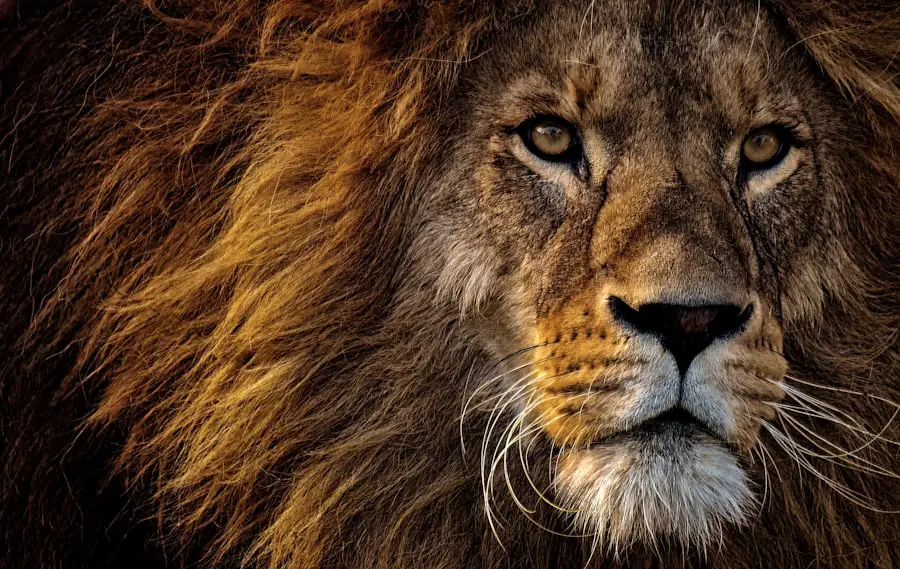
Natural camouflage is only one reason leopard sightings are difficult. Several traits work together:
- They live alone: A guide is usually searching for one animal rather than a visible pride or herd.
- They may occur at low densities: Even suitable habitat can contain only a limited number of leopards.
- They use cover: A leopard may rest behind a bush, inside tall grass, on a shaded branch, or among rocks.
- They move quietly: Soft footfalls and careful stalking produce little noise.
- They range widely: A leopard seen in one area yesterday may be several miles away today.
- Their schedules vary: A cat may become more nocturnal near people or adjust its movements to match prey and competitors.
- They can remain still for long periods: Motionless animals are much harder for the human eye to separate from vegetation.
Leopards also avoid stronger competitors. In parts of Africa, lions, spotted hyenas, and African wild dogs can steal their food or kill them. In Asia, tigers may dominate them. A leopard may respond by hunting at a different time, choosing thicker cover, or carrying food away from the ground.
Leopards often place a kill in a tree where suitable trees are available, especially when competing scavengers are nearby. However, tree caching is not universal. Leopards in treeless, rocky, or low-competition habitats may hide or feed on prey at ground level.
Pro Tip: Scan sturdy horizontal branches, shaded riverbank trees, rocky ledges, and the edges of dense cover. Look for a hanging tail, the curve of a back, or a patch of rosettes rather than expecting to see the whole animal.
Where Leopard Sightings Are More Likely
No destination can guarantee a wild leopard, but some parks and reserves have established reputations for regular sightings. Local leopard density matters, but so do vegetation, road access, guide skill, research activity, and whether individual cats are accustomed to nonthreatening safari vehicles.
- Sabi Sand, South Africa: Panthera’s Sabi Sands Leopard Project combines long-term research with observations supplied by trained safari guides. Many local leopards are relatively relaxed around responsibly operated vehicles.
- Kruger National Park, South Africa: Kruger supports a substantial leopard population across a very large landscape. Its varied vegetation means visibility can change sharply between roads, seasons, and regions.
- South Luangwa National Park, Zambia: The valley’s riverine woodland, prey base, night drives, and experienced guides have made it a well-known leopard destination.
- Yala National Park, Sri Lanka: Yala is known for a high density of Sri Lankan leopards, which occupy the top predator position on the island. Popular areas can become crowded, so choosing a responsible operator is important.
Other suitable destinations occur across eastern and southern Africa and parts of India and Sri Lanka. Before booking, ask an operator how many game drives are included, whether night drives are legal in that reserve, how guides manage crowded sightings, and whether the lodge supports local conservation.
Scientists still do not have a reliable total for the number of mature leopards across their global range, showing how difficult these cats are to detect even with modern survey tools.
How to Improve Your Chances of Seeing a Leopard on Safari
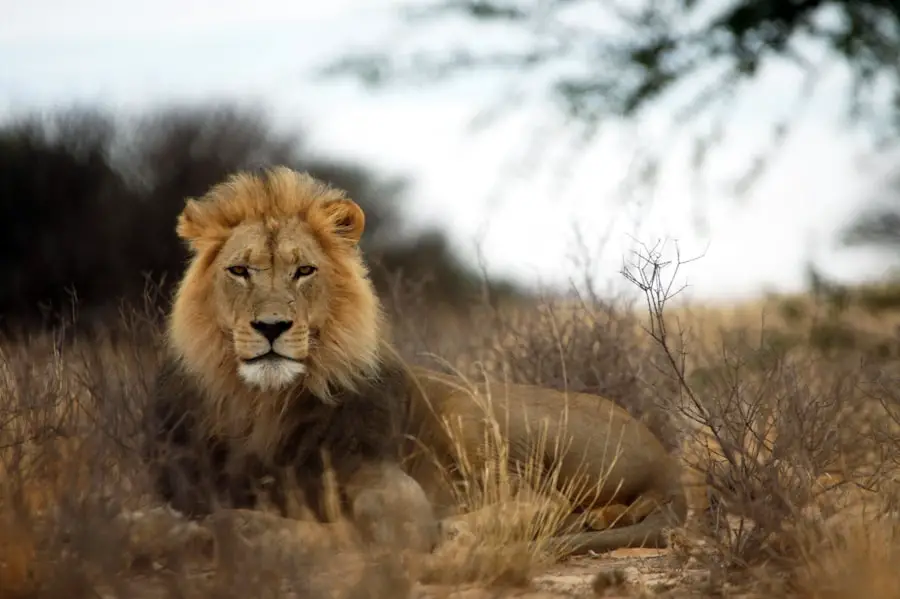
Choose Productive Drive Times
Early morning, late afternoon, and permitted night drives often provide good opportunities because temperatures are cooler and many leopards are moving, hunting, or returning from nighttime activity. Daytime sightings are still possible, especially when a leopard rests in shade, guards a kill, travels after rain, or moves with cubs.
Use an Experienced Local Guide
A skilled guide does more than scan for spots. Guides learn the territories and habits of known individuals, check recent sightings, study tracks, listen to other animals, and use radio reports without rushing blindly from one crowded sighting to another.
Watch and Listen for Field Signs
Guides may investigate:
- Fresh, round cat tracks without obvious claw marks
- Claw marks or scrapes along paths and territory boundaries
- Scent-marking locations
- Drag marks leading away from a kill
- Prey remains hidden in a tree or thick vegetation
- Repeated alarm calls from impala, monkeys, baboons, squirrels, birds, or other prey
- Hyenas or scavenging birds showing unusual interest in one area
An alarm call does not prove that a leopard is present. The animal may be reacting to another predator, a snake, or a person. Guides combine several clues before deciding where to wait or search.
Search the Right Habitat
Look carefully along drainage lines, riverine woodland, rocky outcrops, forest edges, game trails, and areas with enough prey and concealment. In open country, scan isolated trees and the boundary between short grass and thicker cover.
Be Patient and Quiet
Turning off the engine and watching one promising area can work better than driving continuously. Quiet also helps you hear alarm calls, rustling vegetation, and a leopard’s rasping territorial call.
Bring Useful Equipment
- Binoculars: An 8x or 10x pair helps separate rosettes, ears, and tails from distant vegetation.
- Camera with optical zoom: A longer lens lets you photograph without pressuring the guide to move closer.
- Beanbag or stable support: This reduces camera shake inside a vehicle.
- Neutral clothing: Comfortable muted clothing is practical, especially on open vehicles and walking activities.
- Warm layer: Dawn and night drives can feel cold even after a hot day.
- Dust protection: A lens cloth, camera cover, and sealable bag help protect equipment.
- Patience: The most useful item cannot be packed in a camera case.
Understand Seasonal Trade-Offs
In many savanna reserves, dry conditions can thin vegetation and concentrate animals near remaining water, which may improve visibility. Greener periods can bring thicker cover but also softer light, active prey, young animals, and fewer vehicles. Conditions vary by destination, so ask local guides which months suit your priorities.
Safe and Ethical Leopard Viewing
A leopard that remains relaxed near a vehicle is still a powerful wild predator. Habituation means the animal has learned that properly managed vehicles are usually not a threat. It does not mean the leopard is tame or safe to approach.
Warning: Stay inside the safari vehicle unless your guide or park authority has taken you to an approved place to exit. Never approach a leopard on foot, provoke it, call to it, feed it, block its route, or move close to a female with cubs or an animal guarding a kill.
Follow these responsible viewing practices:
- Obey your guide and all park rules.
- Keep voices low and movements controlled.
- Do not hang your body or equipment outside the vehicle where prohibited.
- Leave the leopard an open escape route.
- Avoid demanding that the driver move closer.
- Do not pressure a resting, hunting, feeding, mating, or nursing animal.
- Limit flash photography, bright lights, and prolonged spotlight use according to local rules.
- Do not share sensitive locations if guides or researchers ask you to keep them private.
- Choose operators that limit vehicle numbers and support conservation or local communities.
Conservation Efforts to Protect Leopards
The 2025 IUCN assessment lists the leopard as Vulnerable. The species remains widespread compared with several other big cats, but many populations are declining, isolated, poorly studied, or already lost from parts of their former range.
| Conservation Action | How It Helps |
| Protected Areas and Corridors | Protects hunting and breeding habitat while helping leopards move between populations without crossing heavily developed land. |
| Wild Prey Recovery | Reduces pressure on leopards by protecting the antelope, deer, wild pigs, primates, and smaller animals that form their natural food base. |
| Community Coexistence | Uses stronger livestock enclosures, trained response teams, locally designed incentives, and other tools to reduce livestock losses and retaliatory killing. |
| Anti-Poaching and Trade Enforcement | Targets illegal killing, snares, trafficking networks, and demand for skins, teeth, claws, bones, and other body parts. |
| Research and Monitoring | Camera traps, genetic sampling, GPS collars, spoor surveys, and verified tourism sightings reveal population trends and high-risk areas. |
| Responsible Tourism | Can fund protected areas, employ local people, support guide-based citizen science, and give communities economic reasons to keep leopards alive. |
Community programs work best when local people help design them and receive clear benefits. A single payment program or fence design will not solve every conflict. Conservation teams must understand which animals are responsible, how livestock are managed, whether natural prey remains available, and why residents may fear or resent leopards.
Long-term research also matters. Panthera’s work in Sabi Sand uses photographs and sighting records to identify individual leopards, document births and deaths, study territory changes, and evaluate threats. This turns carefully managed tourism observations into useful conservation data.
The Role of Leopards in the Ecosystem
Leopards are influential predators, but their exact position in the food web depends on where they live. In Sri Lanka, where no larger native cat dominates them, leopards function as apex predators. In African or Asian landscapes shared with lions or tigers, they may occupy a lower position and alter their behavior to avoid those larger competitors.
Leopards eat a wide range of prey, including antelope, deer, wild pigs, primates, rodents, birds, reptiles, and other animals. Their feeding choices vary with body size, prey abundance, habitat, and competition. Recent research in Sri Lanka and Namibia also shows that wild prey can remain more important than domestic animals even in human-used landscapes.
By killing prey and changing where prey animals move or feed, large cats can influence ecological relationships. Research on wild felids supports their potential role in trophic cascades, mesopredator control, and the maintenance of ecological functions. However, the strength of those effects differs among ecosystems and should not be reduced to a universal claim that leopards always prevent overgrazing.
Leopard kills also provide food for scavengers and decomposers. Hyenas, jackals, vultures, insects, and microorganisms may consume remains, returning nutrients to the surrounding food web.
Threats Facing Leopard Populations
Despite their adaptability, leopards face several connected threats:
- Habitat loss and fragmentation: Farming, roads, settlements, extraction, and development reduce secure habitat and divide populations.
- Prey depletion: Hunting and snaring of wild prey leave leopards with less natural food and may increase conflict around livestock.
- Retaliatory killing: Farmers may shoot, poison, trap, or snare leopards after real or suspected livestock losses.
- Illegal wildlife trade: Leopards are killed for skins, bones, teeth, claws, and other parts.
- Incidental snaring: Wire snares set for bushmeat can injure or kill leopards even when the cat was not the intended target.
- Unsustainable or poorly controlled harvest: Weak monitoring and illegal practices can remove too many animals or disproportionately affect breeding adults.
- Roads and infrastructure: Collisions and barriers can increase mortality and reduce movement between habitats.
- Climate-related changes: Drought, fire, vegetation shifts, and declining prey may add pressure in some regions, although the effects differ across the species’ range.
These pressures often reinforce one another. Habitat fragmentation can push leopards closer to livestock, prey loss can increase risky hunting behavior, and conflict can then lead to retaliatory killing.
Why a Wild Leopard Encounter Matters
Seeing a leopard in its natural habitat can be one of the most memorable moments of a safari. The value comes partly from uncertainty: the animal chooses whether to remain visible, cross the road, climb a tree, continue hunting, or disappear into cover.
A well-managed encounter can also connect tourism with conservation. Guide photographs and identification records may help researchers follow individual cats. Visitor spending can support protected areas and local employment, while responsible guides can explain the pressures leopards face outside reserve boundaries.
Leopards also retain cultural significance. Programs such as Panthera’s work with synthetic ceremonial garments show that cultural traditions and leopard protection do not have to be opposing goals.
The best encounter leaves the animal’s behavior unchanged. A leopard that can rest, hunt, feed, or move away without being surrounded has been treated with more respect than one pushed into a better position for photographs.
Frequently Asked Questions
What other safari animals often travel alone?
Adult female cheetahs usually live alone unless raising cubs, while male cheetahs commonly form coalitions. Black rhinos are generally solitary, but adult female white rhinos can form small groups. Many male elephants also travel alone for periods or join loose bachelor groups. Social behavior varies by species, sex, age, season, and habitat.
Why are leopards harder to spot than lions?
Leopards usually live alone, use thicker cover, move quietly, and rely heavily on camouflage. Lions often live in groups and may rest in open areas, allowing guides to locate several animals at once. Leopard density, vegetation, and individual behavior still vary among reserves.
Can you see a leopard during the day?
Yes. Leopards may rest in trees or shade during the day, but they can also travel, hunt, visit water, guard prey, or move with cubs in daylight. Their activity patterns are flexible rather than strictly nocturnal.
Are leopards dangerous to people in safari vehicles?
Leopards in established tourism areas often tolerate properly managed vehicles, but they remain unpredictable wild predators. Stay inside the vehicle, keep your body and equipment within permitted boundaries, follow the guide immediately, and never approach, feed, provoke, or block a leopard.
What should I bring for leopard viewing?
Bring binoculars, a camera with optical zoom, a stable camera support, a warm layer for early drives, sun protection, water, dust protection for electronics, and enough memory cards or storage. Binoculars often help more than a camera when the leopard is partly hidden.
Is a black panther the same animal as a leopard?
In Africa and Asia, the term black panther usually refers to a melanistic leopard. The animal produces unusually high levels of dark pigment, but its rosette pattern can still be seen in suitable light. In the Americas, “black panther” usually refers to a melanistic jaguar.
Do leopards always rest or feed in trees?
No. Leopards are excellent climbers and often use trees for resting, watching, escaping competitors, or protecting prey. They also spend substantial time on the ground, and tree use varies with habitat, tree availability, prey size, temperature, and competition.
How many game drives are needed to see a leopard?
There is no reliable minimum. Additional dawn, dusk, or permitted night drives increase the time available to search, but a leopard may still remain hidden. Destination, vegetation, guide skill, recent activity, weather, and luck all affect the result.
The leopard’s ability to disappear is part of what makes a sighting memorable. Plan several drives when possible, search at productive times, trust an experienced guide, and stay interested in every track and alarm call along the way. Whether a leopard appears or remains hidden, responsible patience is what allows the encounter to belong to the animal as much as it belongs to you.
Sources
- IUCN Red List: Panthera pardus, 2025 assessment — current global status, range, population trend, threats, and conservation actions.
- Animal Diversity Web: Panthera pardus — habitat, activity, communication, diet, territorial behavior, and natural history.
- San Diego Zoo Wildlife Alliance: Leopard — camouflage, climbing, prey caching, competition, and social behavior.
- Panthera: Sabi Sands Leopard Project — long-term monitoring, tourism sightings, range loss, and conservation research.
- Wild Felids in Trophic Cascades: A Global Review — evidence and limitations surrounding the ecological effects of wild cats.
- Kenya Wildlife Service Park Guidance — official vehicle, road, and visitor-safety rules for wildlife viewing.

