
Last Updated on July 27, 2026 by Daniel Globe
Sultanahmet has much more to explore than the Blue Mosque, Hagia Sophia, and the busiest stretches of the historic center. Quiet green space, Byzantine engineering, an active sixth-century mosque, small bazaars, and traditional food all sit within walking distance. A few places often grouped into “Sultanahmet” guides—especially Pierre Loti Hill and the Spice Bazaar—are actually farther away, so this guide makes those distinctions clear.
Quick Answer
The best hidden gems in Sultanahmet include Gülhane Park, the 1,600-year-old Şerefiye Cistern, Little Hagia Sophia, and Arasta Bazaar. For extra time, add the Spice Bazaar in nearby Eminönü. Pierre Loti Hill is worthwhile too, but it is in Eyüp and should be treated as a separate detour.
Key Takeaways
- Gülhane Park, Şerefiye Cistern, Arasta Bazaar, and Little Hagia Sophia are the strongest lesser-known stops around the Sultanahmet historic core.
- Şerefiye Cistern is a genuine Byzantine water structure believed to date from the reign of Theodosius II and is a quieter alternative to the better-known Basilica Cistern.
- Little Hagia Sophia is an active mosque with important Byzantine architecture; visit respectfully and do not expect the surviving mosaic displays found at Hagia Sophia.
- The famous Spice Bazaar is in Eminönü, while Pierre Loti Hill and its café are in Eyüp—not Sultanahmet.
- Some online guides refer to a “Secret Garden of Sultanahmet,” but the verifiable use of that name is associated with a hotel garden rather than a public botanical attraction.
Disclosure: As an Amazon Associate I earn from qualifying purchases. Some links on this page are affiliate links, at no extra cost to you.
Which Hidden Gems Are Actually in Sultanahmet?
Before planning your day, it helps to separate the genuinely walkable Sultanahmet stops from attractions that require public transport.
| Place | Where It Is | What to Know |
|---|---|---|
| Gülhane Park | Historic Peninsula, beside Topkapı Palace | Free historic park; especially attractive during spring tulip season. |
| Şerefiye Cistern | Binbirdirek, walkable from Sultanahmet Square | Ticketed Byzantine cistern with columns, vaulting, lighting, and projection mapping. |
| Arasta Bazaar | Behind the Blue Mosque | Compact bazaar for carpets, ceramics, jewelry, textiles, and souvenirs. |
| Little Hagia Sophia | Southwest of the Blue Mosque | Sixth-century former church that now functions as an active mosque. |
| “Secret Garden” | Name used by a Sultanahmet hotel | A private hospitality garden, not a recognized municipal botanical attraction. |
| Spice Bazaar | Eminönü | Easy T1 tram detour, but outside Sultanahmet proper. |
| Pierre Loti Hill | Eyüp/Eyüpsultan | A separate Golden Horn outing reached by public transport and the TF2 cable car. |
The Tranquil Gülhane Park
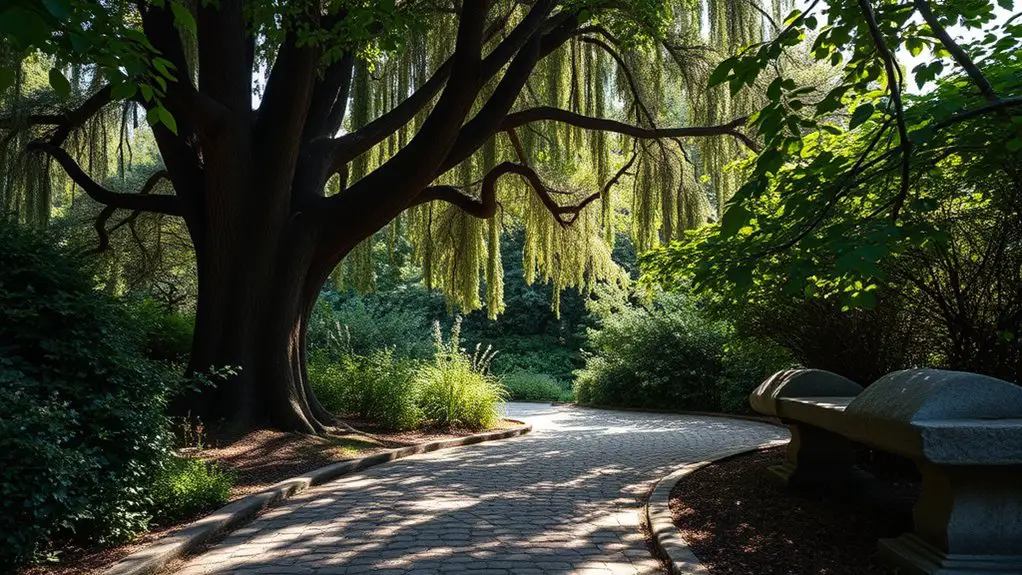
Gülhane Park is one of the easiest places to step away from Sultanahmet’s busiest streets without leaving the Historic Peninsula. The park formed part of the outer gardens of Topkapı Palace and later opened to the public.
Today, broad paths run beneath mature trees, with lawns, flower beds, benches, and historic features along the way. Istanbul’s official tourism site notes that Gülhane Park is free to enter and is particularly colorful during the city’s spring tulip season, typically around April and May.
The park works well as a quiet morning walk, a rest between museums, or a place to let children have some space after visiting more formal monuments. Rather than rushing straight through, follow one of the longer paths toward the Sarayburnu end and look for historic traces such as the Column of the Goths.
Gülhane Park is one of the rare Sultanahmet-area stops where you can slow down among trees and historic remains without buying an admission ticket.
Pro Tip: Visit Gülhane early in the day, then continue toward Şerefiye Cistern and the Blue Mosque area. In spring, allow extra time for the tulip displays.
Café Pierre Loti: Worth the Trip, but Not in Sultanahmet
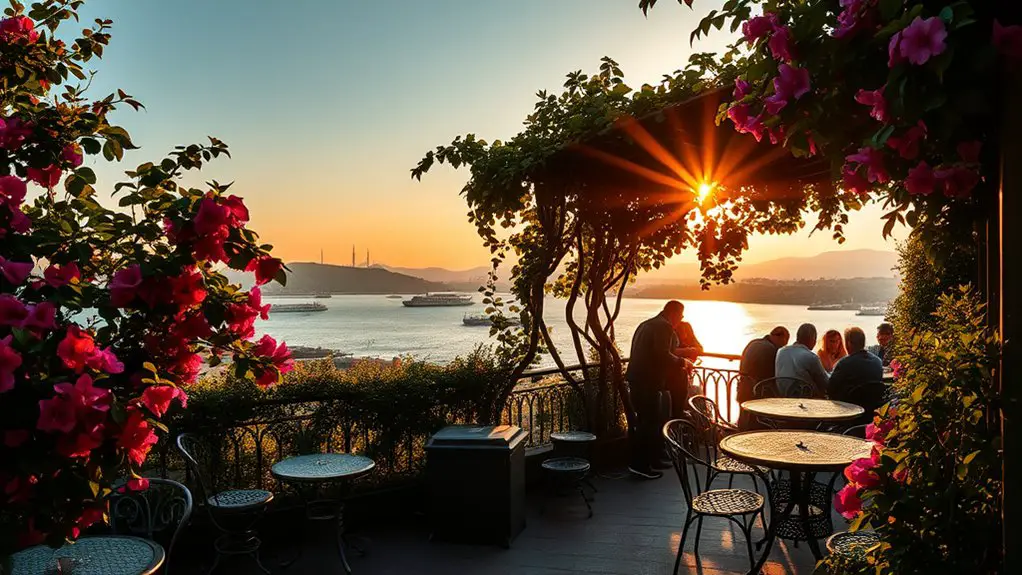
Pierre Loti Hill offers broad views over the Golden Horn and a historic café where visitors can pause over Turkish tea or coffee. It is a memorable Istanbul experience, but it should not be described as a Sultanahmet café.
The official Istanbul tourism page places Pierre Loti Hill in the Eyüp district. The hill takes its name from French writer Pierre Loti, who was closely associated with Istanbul and the area.
From Sultanahmet, the simplest public-transport plan is to use the T1 tram toward Eminönü, connect with the T5 line toward Eyüpsultan, and then use Metro Istanbul’s TF2 Eyüp–Piyer Loti cable car. The cable car terminates beside the hilltop café.
Once there, the main attraction is the Golden Horn view. Order tea or coffee, take in the panorama, and allow enough time for the return journey rather than trying to squeeze the visit between nearby Sultanahmet monuments.
Note: Treat Pierre Loti as a separate Eyüp excursion. It is not a walkable “secret café” behind the Blue Mosque.
The Hidden Cistern of Theodosius
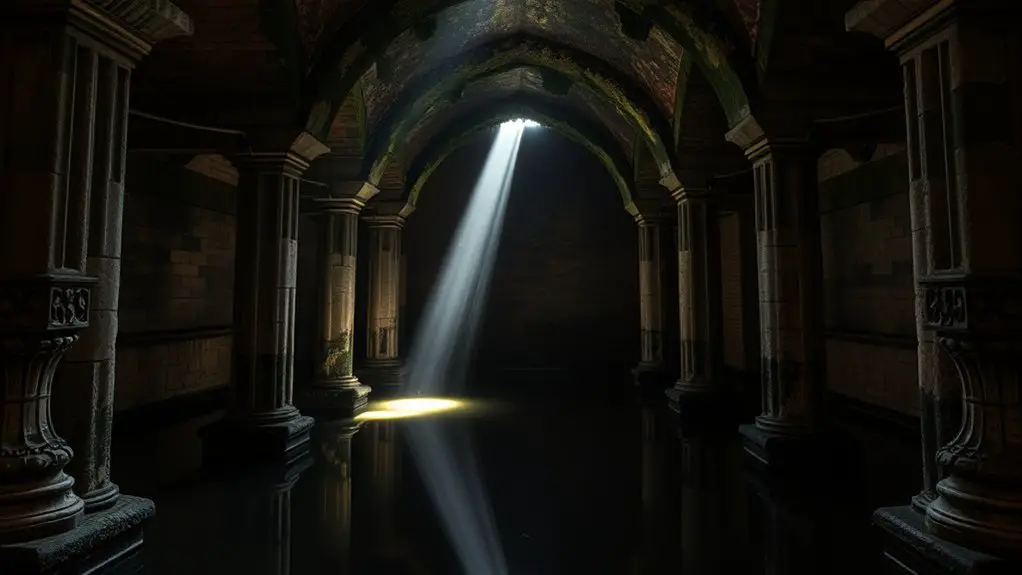
Şerefiye Cistern, commonly called the Theodosius Cistern, is one of the most rewarding underground sights within easy walking distance of Sultanahmet Square. Its official history states that the structure is believed, based on its architecture, to have been constructed during the reign of Theodosius II between 408 and 450.
The cistern formed part of Constantinople’s extensive water-storage system. According to the official Şerefiye Cistern history, its ceiling rises to about 11 meters and is carried by 32 marble columns and 45 sail vaults.
Look for four features during your visit:
- Marble columns: The evenly spaced columns create a striking rhythm across the underground chamber.
- Corinthian capitals: Decorative capitals and impost blocks show the craftsmanship of the period.
- Brick vaulting: The repeating ceiling structure is one of the best reasons to look upward as well as across the chamber.
- Light and reflections: Modern lighting and projection effects highlight the architecture without pretending the space is a natural cave.
As of July 27, 2026, the official visitor page lists daily opening hours of 10:00–22:00. The official site lists a foreign-visitor ticket of ₺900, with separate local and discounted pricing. Because admission and hours can change, check the official page again shortly before visiting.
Warning: The cistern’s official visitor rules prohibit large luggage because lockers are not available. Plan to visit before collecting bags or after leaving them at your accommodation.
The Art of Traditional Turkish Handicrafts
Sultanahmet’s small shops and bazaars offer a useful introduction to traditional Turkish craft traditions. The strongest experience is not simply buying a souvenir; it is learning how materials, techniques, and regional styles differ.
Istanbul’s Culture and Tourism Directorate identifies arts such as calligraphy, marbling, ceramics, tiles, copperwork, and mother-of-pearl work as part of the city’s cultural-tourism landscape.
Unique Craft Techniques
Several craft traditions are worth recognizing before you shop:
- Traditional weaving: Carpets, kilims, and textiles use different fibers, knotting or weaving methods, colors, and regional patterns.
- Ceramics and tile work: Hand-painted pieces often draw on floral, geometric, and Ottoman-era decorative traditions.
- Calligraphy: Turkish and Islamic calligraphic traditions turn written forms into carefully balanced works of art.
- Marbling (Ebru): Pigments are floated and manipulated on a prepared liquid surface before the pattern is transferred to paper.
The goal is not to assume that every souvenir in a tourist district is handmade. Ask how and where the item was produced before paying a handmade price.
Local Artisan Workshops
You may encounter ceramics, textiles, calligraphy, marbling, and other craft shops around Sultanahmet and Arasta Bazaar. Some shops are retail-only, while others may display tools or explain production techniques.
Do not assume that every shop provides a live demonstration. If watching an artisan work is important to you, ask before entering or booking an activity.
For a broader overview of recognized Turkish arts, the Istanbul Culture and Tourism Directorate’s cultural-tourism page is a useful reference.
Authentic Souvenir Shopping
Sultanahmet offers everything from inexpensive keepsakes to high-value carpets and ceramics. Buy slowly when the price is significant.
Popular items include:
- Hand-painted ceramics and tiles.
- Carpets, kilims, scarves, and other textiles.
- Decorative lamps and metalwork.
- Spices, tea, sweets, and packaged food products.
For expensive purchases, ask about the material, country or region of origin, whether the piece is handmade, return or shipping terms, and whether a detailed receipt can be provided. Comparing several shops before making a major purchase is normal and gives you a better idea of the market.
The Secret Garden of Sultanahmet: What It Actually Is
“Secret Garden of Sultanahmet” sounds like the name of a secluded public park, but travelers should be careful with that description. I could not verify a municipal garden or recognized public attraction by that exact name matching the wildlife-rich oasis often described in generic travel guides.
A real Sultanahmet hotel, Sura Design Hotel, uses the name “Secret Garden” on its official property page for a landscaped hospitality space. That is different from a city park such as Gülhane.
Note: Because this is associated with a hotel rather than a public park, access can depend on current hotel, restaurant, or guest policies. Check with the property before making a special trip.
Hidden Oasis Escape
A landscaped hotel courtyard can still provide a pleasant break from busy streets. Greenery, seating, and a sheltered setting may make it appealing for coffee or a quiet pause when access is available.
Just do not plan it in the same way you would Gülhane Park. It is a hospitality venue rather than public parkland, so opening arrangements and visitor access may change.
Unique Flora and Fauna
The earlier idea that this “Secret Garden” is a documented habitat for specific native plants and bird species is not supported by an official botanical or wildlife inventory.
| Claim | What Can Be Verified |
|---|---|
| Public municipal garden | No verified public attraction by that exact identity was found. |
| Landscaped “Secret Garden” | A Sultanahmet hotel uses this name for part of its property. |
| Published list of native plants | No authoritative species inventory was located. |
| Documented wildlife sanctuary | No. For an established public green space, choose Gülhane Park instead. |
The Enigmatic Little Hagia Sophia
Little Hagia Sophia, or Küçük Ayasofya Camii, is one of Sultanahmet’s most rewarding quieter historic buildings. It began as the Church of Saints Sergius and Bacchus and was constructed during the age of Emperor Justinian I before being converted into a mosque in the Ottoman period.
UNESCO’s description of the Historic Areas of Istanbul includes Küçük Ayasofya among the city’s important Justinian-era churches. The Istanbul Culture and Tourism Directorate also lists it among the city’s mosques.
Four details deserve attention:
- The central domed plan: Its geometry is one of the building’s most important Byzantine features.
- Marble columns and capitals: The carved stonework preserves important sixth-century craftsmanship.
- The marble frieze and inscription: Surviving Byzantine elements include an inscription connected with Justinian, Theodora, and the church’s dedication.
- The Ottoman layers: The mihrab, minbar, calligraphy, and other alterations show how the structure changed after becoming a mosque.
The building’s original walls were probably decorated very differently, but visitors should not expect a surviving display of Byzantine mosaics comparable with Hagia Sophia. Its strongest appeal today is architectural.
Warning: Little Hagia Sophia is an active place of worship. Dress modestly, remove shoes where required, keep voices low, follow posted rules, and avoid sightseeing during congregational prayer.
The Spice Bazaar: The Real Market for Spices
There is no need to hunt for a mysterious historic “local spice market” hidden inside Sultanahmet. The famous market for spices, dried foods, sweets, tea, and similar products is the Spice Bazaar, or Mısır Çarşısı, in Eminönü.
It sits behind the New Mosque and is one of Istanbul’s historic covered bazaars. From Sultanahmet, Metro Istanbul’s T1 tram serves both Sultanahmet and Eminönü, making the bazaar an easy addition to a day on the Historic Peninsula.
Authentic Spice Varieties
The market and surrounding shops carry a broad range of seasonings and food products. Common things to look for include:
- Sumac: A tart, deep-red seasoning used in salads, onions, meat dishes, and other preparations.
- Red pepper and pepper blends: Heat and flavor vary considerably, so ask before buying a large quantity.
- Saffron: A high-value spice for which origin and quality matter; ask the seller exactly what is being offered.
- Cinnamon and other aromatics: Commonly sold alongside herbs, teas, dried fruit, nuts, and sweets.
Za’atar may also appear in spice shops, although it is a broader regional blend rather than something uniquely associated with Turkish cooking.
For expensive spices such as saffron, ask for the country of origin, price by weight, and total price before the product is packed.
Unique Shopping Experience
The Spice Bazaar is as much about atmosphere as buying food. Its covered passages contain spice sellers, sweet shops, dried-fruit displays, teas, nuts, and other specialty foods, while the surrounding Eminönü streets extend the shopping area well beyond the historic building.
It can become crowded, so keep bags closed and avoid blocking narrow shopfronts while comparing products. Browsing several sellers before buying also helps you understand the range of quality and pricing.
Local Vendor Stories
Rather than assuming that every merchant has a romantic multigenerational backstory, start a real conversation. Useful questions include:
- Where was this spice, tea, textile, or ceramic produced?
- Is the price per gram, 100 grams, package, or item?
- Is the product handmade, factory-made, or a mixture of both?
- Can the seller provide a receipt and suitable packaging for travel?
Those answers tell you far more about what you are purchasing than an unsourced story about a supposedly secret family recipe.
The Whispering Walls of the Theodosius Cistern: Atmosphere, Light, and Sound
Şerefiye Cistern deserves a second look for a different reason: the modern visitor experience changes how you perceive its ancient architecture.
The repeating vaults, marble columns, reflective surfaces, and controlled lighting create a dramatic underground atmosphere. The venue also uses projection-mapping presentations that combine the historic space with modern visual technology.
Sounds can naturally feel resonant inside a large stone and brick chamber, but “whispering walls” is better understood as a poetic description than as a documented historic acoustic phenomenon.
Instead, slow down and notice how the modern lighting draws attention to the column capitals, brick vaults, symmetry, and scale of the room. That contrast between ancient engineering and contemporary presentation is what makes the cistern distinctive.
The Storytelling of the Historical Sultanahmet Arasta Bazaar
Just behind the Sultan Ahmed Mosque, Arasta Bazaar offers one of the easiest shopping detours in Sultanahmet. It is much smaller than the Grand Bazaar, so you can browse it without committing half a day.
The official Istanbul tourism guide to Arasta Bazaar describes shops selling traditional arts, carpets, rugs, ceramics, jewelry, and other handmade goods.
Its appeal comes from several layers:
- Ottoman setting: The bazaar forms part of Sultanahmet’s historic urban fabric.
- Craft traditions: Carpets, textiles, ceramics, and decorative objects give you a chance to compare techniques and styles.
- Manageable scale: It is far easier to explore quickly than the vast Grand Bazaar.
- Location: Because it sits behind the Blue Mosque, it fits naturally between other Sultanahmet stops.
You do not need to buy anything to enjoy the walk. When you do shop, ask specific questions about materials and origin instead of assuming every item is handmade locally.
The Authentic Taste of Turkish Breakfast at Local Diners
A Turkish breakfast is an easy way to slow the pace of a Sultanahmet sightseeing day. Instead of treating breakfast as one enormous fixed menu, look for familiar components and order according to your appetite.
A typical spread may include bread, olives, tomatoes, cucumbers, white cheese, eggs, honey or jam, and repeated glasses of çay.
Menemen is a popular hot option made with eggs, tomatoes, and peppers. Sucuk, a strongly seasoned sausage, may be served with eggs or alongside bread. Simit is the sesame-crusted bread ring sold throughout Istanbul and works well with cheese or tea.
In heavily visited streets, check menu prices before ordering large breakfast spreads or extras. A smaller breakfast at a simple lokanta, bakery, or café can be just as satisfying as an elaborate tourist-oriented set menu.
The real pleasure is the pace: tea, bread, several small flavors, and enough time to sit before returning to museums and mosques.
How to Plan a Half-Day Sultanahmet Hidden-Gems Route
For a practical route that minimizes backtracking, keep the four genuinely local highlights together.
- Start at Gülhane Park. Walk through the trees before the area becomes busier.
- Continue to Şerefiye Cistern. The indoor stop works especially well if the weather becomes hot or rainy.
- Walk toward the Blue Mosque and Arasta Bazaar. Browse the compact market without needing to make a purchase.
- Finish at Little Hagia Sophia. Visit outside prayer periods and follow mosque etiquette.
Allow roughly three to four hours for an unhurried version without a long meal. Add the Spice Bazaar afterward by taking the T1 tram to Eminönü.
Pierre Loti Hill deserves its own extension or separate half-day because reaching Eyüp adds transport time.
Pro Tip: Do the walkable Sultanahmet sights first. Only then decide whether you still have the time and energy for Eminönü or Eyüp; this avoids spending your best sightseeing hours in transit.
Best Times to Visit These Sultanahmet Hidden Gems
Early morning is generally the easiest time for a quieter walk through Gülhane and the streets around Sultanahmet. Later afternoon can also feel calmer once large sightseeing groups begin moving on.
Spring is particularly appealing in Gülhane because Istanbul’s official tourism site highlights April and May as the park’s typical tulip period. Flower timing varies with weather, so treat those months as a seasonal window rather than a guaranteed peak date.
Şerefiye Cistern is indoors, making it useful during rain, summer heat, or colder weather. Little Hagia Sophia follows the rhythm of an active mosque, so sightseeing access should work around daily prayers rather than a fixed tourist timetable.
For bazaars, arrive with enough time to browse without rushing. Shopping becomes less enjoyable when you are trying to compare prices five minutes before your next reservation.
Frequently Asked Questions
What are the best times to visit these hidden gems?
Early morning is usually best for walking through Gülhane Park and the quieter Sultanahmet streets. Spring is especially attractive for Gülhane’s tulips. Visit Little Hagia Sophia outside prayer periods, and use the indoor Şerefiye Cistern whenever heat, cold, or rain makes outdoor sightseeing less comfortable.
Are there entrance fees for these locations?
Gülhane Park is free to enter, while Şerefiye Cistern is ticketed. As of July 27, 2026, its official site lists a ₺900 foreign-visitor ticket, with separate local and discounted rates. Arasta Bazaar and the Spice Bazaar are shopping areas rather than ticketed museums. Little Hagia Sophia is an active mosque. Always check current official information because admission rules and prices can change.
How do I get to these secret spots from Sultanahmet?
Gülhane Park, Şerefiye Cistern, Arasta Bazaar, and Little Hagia Sophia can all be combined largely on foot. For the Spice Bazaar, take the T1 tram from Sultanahmet to Eminönü. Pierre Loti Hill is farther away in Eyüp; a practical public-transport route uses T1 to Eminönü, T5 toward Eyüpsultan, and the TF2 cable car up to Piyer Loti.
Are these places kid-friendly for family visits?
Several can work well for families, but they offer different experiences. Gülhane Park has open green space and children’s facilities, while the underground cistern can be visually exciting for older children. Arasta and the Spice Bazaar can become crowded, so keep younger children close. Little Hagia Sophia is an active place of worship and calls for quiet, respectful behavior.
Can I find English-speaking locals at these hidden gems?
English is commonly used in many tourism-facing hotels, restaurants, shops, and attractions around Sultanahmet, but it is not guaranteed everywhere. A few basic Turkish phrases, a map, and the written name of your destination can make conversations easier, especially in smaller shops or away from the main visitor routes.
Conclusion
Sultanahmet’s best lesser-known experiences are not imaginary secret gardens or unnamed local markets. They are real places with layers of history: a former palace garden at Gülhane, the marble columns of Şerefiye Cistern, the Byzantine and Ottoman architecture of Little Hagia Sophia, and the compact lanes of Arasta Bazaar.
Once you have explored those walkable sights, extend the day to the Spice Bazaar in Eminönü or plan a separate trip to Pierre Loti Hill in Eyüp. Knowing what is actually nearby—and what requires a tram ride—makes it much easier to step away from Sultanahmet’s headline attractions without wasting time.
Sources
- Visit Istanbul — Gülhane Park — park history, location, free admission, and spring tulip information.
- Şerefiye Cistern Official Website — construction period, visitor hours, architecture, and current ticket information.
- Visit Istanbul — Arasta Bazaar — location behind Sultanahmet Mosque and traditional goods sold there.
- Visit Istanbul — Spice Bazaar — confirms the historic spice market’s location in Eminönü.
- Visit Istanbul — Pierre Loti Hill — confirms its Eyüp location, Golden Horn views, historic café, and cable-car access.
- UNESCO World Heritage Centre — Historic Areas of Istanbul — historical context for Sultanahmet and Küçük Ayasofya.
