
Last Updated on July 27, 2026 by Daniel Globe
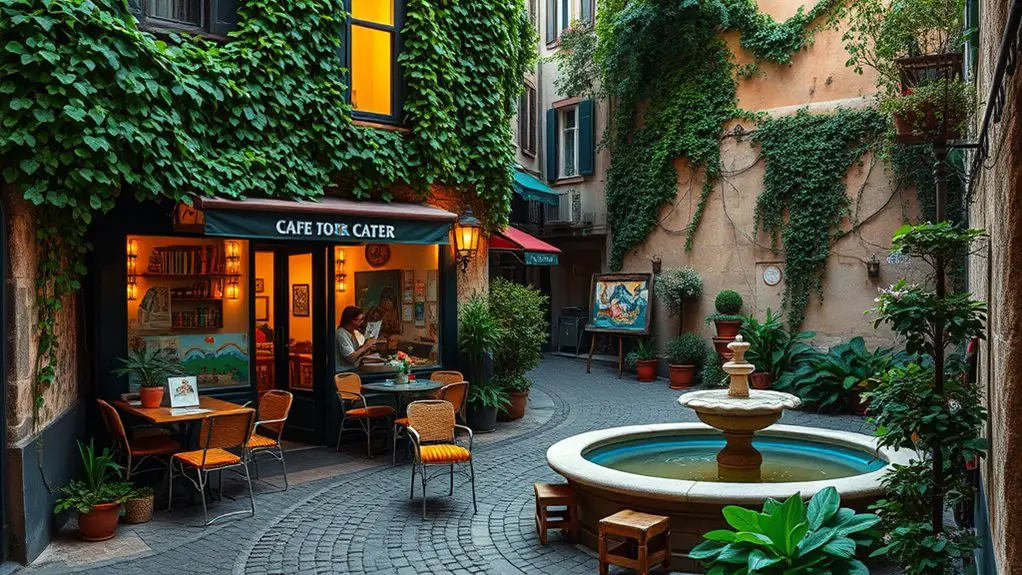
Cihangir rewards travelers who slow down. This hillside neighborhood in Istanbul’s Beyoğlu district mixes small cafés, antique and design shops, literary museums, historic mosques, quiet corners and unexpected Bosphorus views. The best hidden gems in Cihangir are not grand attractions with long queues; they are places you discover while walking between Taksim, Çukurcuma and the waterfront.
Quick Answer
The best hidden gems in Cihangir include traditional coffee and tea rooms, the antique-filled streets of Çukurcuma, Cihangir Park, Cihangir and Firuzağa mosques, the Orhan Kemal Museum, small vintage shops, neighborhood restaurants and hillside viewpoints. Allow at least half a day and expect plenty of steep walking.
Key Takeaways
- Explore Cihangir on foot and continue into neighboring Çukurcuma for antiques, vintage finds and independent design shops.
- Turkish coffee is worth trying for its cultural tradition as much as its flavor; UNESCO added Turkish coffee culture to its Representative List in 2013.
- Look beyond conventional galleries: small literary museums, nearby Istanbul Modern and changing cultural programs add depth to the neighborhood.
- For views and green space, try the streets around Cihangir Mosque, Cihangir Park and the descent toward Fındıklı.
- Use Taksim on the M2 metro or Fındıklı-Mimar Sinan Ü. on the T1 tram as practical entry points, and wear comfortable shoes for Cihangir’s hills.
Disclosure: As an Amazon Associate I earn from qualifying purchases. Some links on this page are affiliate links, at no extra cost to you.
Local Cafes to Savor Authentic Turkish Coffee
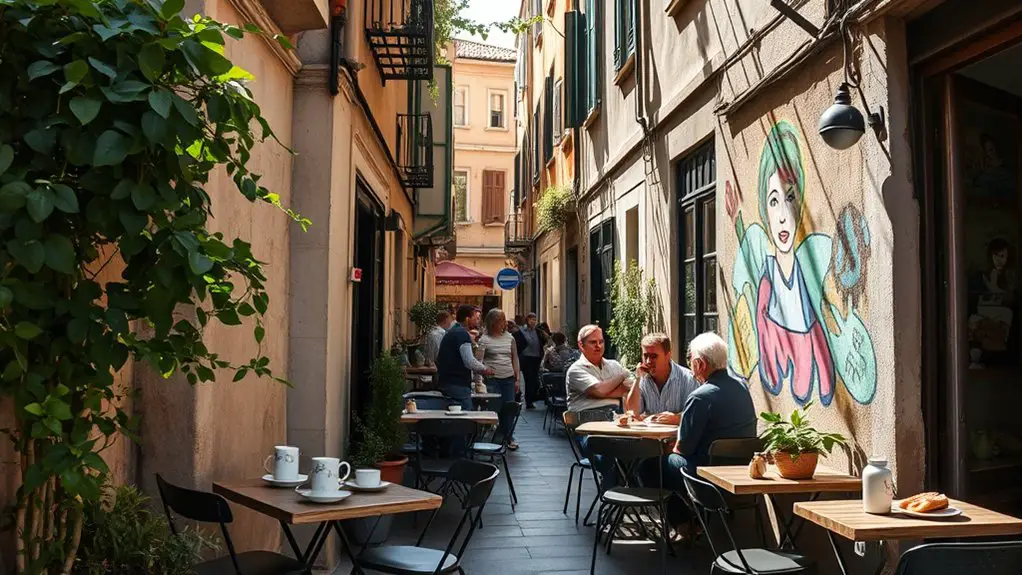
Cihangir’s café culture ranges from modern specialty-coffee counters to simple neighborhood tea and coffee rooms. For the most traditional experience, order Türk kahvesi rather than assuming every third-wave café specializes in it.
Traditional Turkish coffee is finely ground and brewed without filtering, usually in a small pot called a cezve. The grounds settle at the bottom of the cup, so the final sip is best left behind. UNESCO recognizes Turkish coffee culture and tradition as part of the Intangible Cultural Heritage of Humanity, emphasizing both the preparation method and coffee’s role in hospitality and conversation.
Turkish coffee culture and tradition has been on UNESCO’s Representative List of the Intangible Cultural Heritage of Humanity since 2013.
For a low-key neighborhood experience, Yayla Kıraathanesi on Kazancı Yokuşu is one current option for tea and Turkish coffee. Modern cafés are scattered across Cihangir and Firuzağa, so it is also worth wandering a block or two away from the busiest streets rather than choosing solely by what appears first on a map.
Pro Tip: Ask whether Turkish coffee is prepared to order, and choose your sweetness level when ordering: unsweetened, lightly sweetened or sweet. Let the cup sit briefly before drinking so the grounds settle.
Art Galleries and Small Museums Around Cihangir
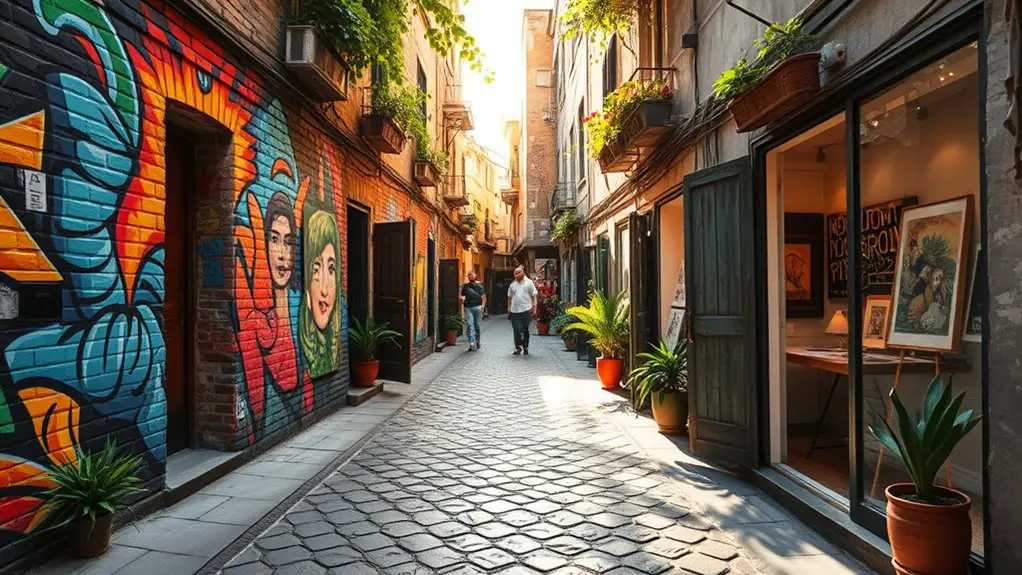
Cihangir’s creative reputation is real, but the most interesting cultural stops are not limited to conventional galleries. The neighborhood and adjoining Çukurcuma combine literature, contemporary art, design and small museums within a compact walking area.
The Orhan Kemal Museum on Akarsu Caddesi is one of the most distinctive stops inside Cihangir. Dedicated to Turkish novelist Orhan Kemal, it displays photographs, personal belongings, books and the writer’s typewriter. The museum’s own site provides current visitor information, while the Istanbul Governor’s Cihangir guide also identifies it as one of the neighborhood’s cultural landmarks.
Walk into nearby Çukurcuma and you can also reach the Museum of Innocence, created by novelist Orhan Pamuk around the world of his novel of the same name. It is especially worthwhile for travelers interested in everyday Istanbul life, memory and literature rather than large institutional museums.
For a larger contemporary-art stop, walk downhill toward Tophane and visit Istanbul Modern. Its exhibitions change throughout the year, so checking the current program before your visit is more useful than relying on a static list of artists.
Think of Cihangir as a base for an art walk rather than one gallery destination: small museums and independent spaces sit within walking distance of major contemporary-art venues in Tophane and central Beyoğlu.
Historic Hidden Gems Worth Seeing
Some of Cihangir’s most rewarding stops are easy to pass because they blend into residential streets.
Cihangir Mosque
Cihangir Mosque is closely tied to the neighborhood’s name. According to the Istanbul Governor’s guide, Sultan Süleyman the Magnificent commissioned a mosque here in memory of his son, Prince Cihangir. The building went through several fires and reconstructions, with a major rebuilding during the reign of Abdülhamid II.
The surrounding hillside is also worth exploring for changing views toward the Bosphorus. Remember that this remains an active place of worship rather than a sightseeing platform.
Firuzağa Mosque
Near the meeting point of Cihangir, Çukurcuma and İstiklal-area streets, Firuzağa Mosque gives the neighborhood another layer of Ottoman history. Its central location makes it an easy stop while walking between cafés and antique shops.
Orhan Kemal Museum
This compact literary museum offers a quieter alternative to Istanbul’s monumental attractions. It works particularly well for readers, writers and anyone interested in modern Turkish cultural history.
Note: When entering a working mosque, dress respectfully, avoid interrupting prayer and follow any posted visitor instructions. Access can be restricted during prayer times or religious events.
Boutique Shops for Unique Souvenirs
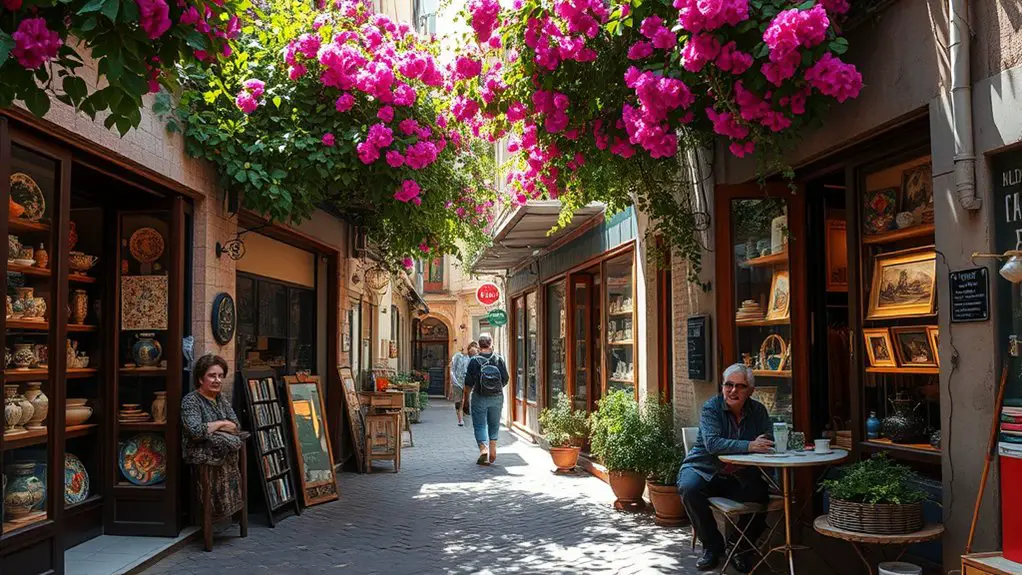
For shopping, the most useful direction is downhill and west toward Çukurcuma. Istanbul’s provincial Culture and Tourism Directorate specifically highlights Cihangir for antiques and design products, which is a better description of the area than calling it a conventional souvenir district.
Madam Mare Vintage Store on Kazancı Yokuşu is one current example for curated vintage clothing, but the real pleasure is browsing the wider neighborhood. Shops open, close and change hours, so treat the streets themselves as the attraction rather than building a route around one store.
| Area or Shopping Focus | What to Look For |
|---|---|
| Çukurcuma | Antiques, old furniture, ceramics, prints and decorative objects |
| Faik Paşa streets | Independent design, fashion and small creative studios |
| Kazancı Yokuşu | Vintage clothing and neighborhood shops |
| Boğazkesen area | Design-led gifts, art objects and boutiques |
| Cihangir side streets | Books, records, ceramics and small locally designed gifts |
For a souvenir that feels connected to the neighborhood, look for a vintage object, locally designed print, ceramic piece or secondhand book instead of a mass-produced Istanbul trinket.
Scenic Spots With Bosphorus Views
Cihangir sits on a steep slope above the Bosphorus, which means views appear unexpectedly between apartment buildings rather than from one formal observation deck.
The streets around Cihangir Mosque are a good place to begin. Continue downhill along quieter side streets and you may catch framed views across the Bosphorus toward the Asian side. Trees, buildings and construction can alter sightlines, so exploring is part of the experience.
For a more open setting, descend toward Fındıklı and the waterfront. The combination of ferries, passing boats and the opposite shore gives you a very different perspective from the dense streets above.
Late afternoon is especially attractive when the light softens, but avoid standing in the roadway or blocking narrow pavements while taking photographs. Cihangir’s streets still carry normal neighborhood traffic.
Hidden Parks for a Relaxing Retreat
Cihangir does have small public green spaces, although they are neighborhood parks rather than sprawling botanical gardens.
Cihangir Park on Güneşli Street is listed by Beyoğlu Municipality. It is useful as a short pause during a walking route through the neighborhood, particularly if you have spent the morning on Cihangir’s steep streets.
Down toward the shore, Fındıklı Park provides a more open waterfront break. Istanbul Metropolitan Municipality documents the park as part of the Fındıklı/Kabataş public-space area.
Do not expect total silence in either location. These are urban spaces used by local residents, and conditions such as seating, maintenance and crowd levels can change.
How to Get to Cihangir and Walk the Neighborhood
Cihangir does not have a metro station in its center, but it is surrounded by useful public-transport connections.
- From Taksim: Take the M2 metro to Taksim, then walk downhill toward Sıraselviler and Cihangir.
- From the historic peninsula: The T1 tram serves Fındıklı-Mimar Sinan Ü., Tophane and Kabataş. From Fındıklı, expect a noticeable uphill climb into Cihangir.
- From Kabataş: You can walk uphill or use the Taksim-Kabataş funicular to connect with Taksim before approaching Cihangir from above.
Note: Cihangir is highly walkable in terms of distance but not necessarily easy terrain. Steep hills, steps and uneven pavements can make short routes tiring. Comfortable shoes matter more here than the mileage suggests.
A simple half-day route is to start near Taksim, walk through Cihangir’s café streets, visit Cihangir Mosque and the Orhan Kemal Museum, browse Çukurcuma, then descend toward Tophane or Fındıklı. Walking downhill instead of uphill makes the route considerably easier.
Cultural Centers Offering Workshops and Events
Cihangir itself does not have a fixed calendar of dozens of major festivals. Its advantage is location: several important cultural venues sit within or just beyond the neighborhood, and their programs change throughout the year.
Art Workshops and Classes
Istanbul Modern, downhill in Tophane, runs exhibitions as well as education programs for different age groups. Depending on the date, programming may include guided activities, talks or workshops connected with current exhibitions.
Because schedules rotate, check the venue calendar shortly before visiting instead of assuming a particular workshop runs every week.
Community Events and Gatherings
Cihangir’s community life is more informal than festival-driven. Cafés, small cultural spaces, bookshops and galleries may host readings, launches, discussions or temporary exhibitions, but these events can appear with little notice.
This is one case where walking the neighborhood helps. Posters in gallery windows and café noticeboards can reveal events that do not appear in broad tourist guides.
Cultural Festivals and Performances
For larger performances, exhibitions and cultural festivals, Atatürk Cultural Center (AKM) at Taksim is one of the most convenient venues from Cihangir. Its programming can include music, theater, exhibitions and multidisciplinary cultural events.
Do not rely on a fixed annual number of Cihangir festivals. Programs at AKM, Istanbul Modern and other Beyoğlu venues change from month to month, so checking official calendars produces a much more accurate itinerary.
Traditional Restaurants for a Taste of Local Cuisine
Cihangir’s food scene includes everything from modern brunch cafés to straightforward Turkish comfort food. For a more local-style meal, look beyond restaurants designed primarily around Bosphorus views.
Mantı, small Turkish dumplings commonly served with yogurt and sauce, is one useful dish to seek out. Cihangir Mantıcısı is a current neighborhood option focused on mantı and other familiar Turkish dishes.
You may also see pide, lentil soup, stuffed vegetables, seasonal vegetable dishes, grilled meats and daily ev yemekleri, or home-style cooking. For sharing, a selection of meze lets you try several small dishes rather than committing to one large main course.
Ayran, a cold yogurt-based drink, pairs well with many savory Turkish dishes. Tea commonly follows the meal.
Pro Tip: In a neighborhood where restaurants change frequently, choose by the day’s menu, visible turnover and what local diners are ordering rather than by a years-old “best restaurants” list. Check current hours before making a special trip.
Best Time to Visit Cihangir and Practical Tips
Cihangir can be visited year-round, but spring and autumn are especially comfortable for a neighborhood built around walking. Türkiye’s State Meteorological Service shows that Istanbul is warmer in July and August and cooler, wetter and less sunny through much of winter.
Summer evenings can still be pleasant, but midday walks on steep streets may feel tiring. Winter brings fewer outdoor café hours and a greater chance of rain, so shoes with reliable grip are useful.
Warning: No official authority guarantees that Cihangir is “safe.” Apply normal big-city precautions, secure phones and wallets in crowded areas, avoid isolated or poorly lit spaces late at night, and stay away from demonstrations. Check current Türkiye travel-safety guidance before your trip because conditions and transport restrictions can change.
Frequently Asked Questions
What Is the Best Time to Visit Cihangir?
Spring and autumn are excellent for walking because temperatures are generally milder than in high summer. Cihangir remains enjoyable year-round, but winter is cooler and wetter, while July and August are warmer.
Are There Any Local Markets in Cihangir?
Cihangir is better known for small shops, antiques and design products than for a large traditional produce market. For browsing, continue into Çukurcuma, where antique and vintage shops are concentrated. Neighborhood greengrocers and food shops serve residents, but they are different from Istanbul’s larger street markets.
How Can I Get to Cihangir Using Public Transport?
The easiest approaches are from Taksim on the M2 metro or from Fındıklı-Mimar Sinan Ü. on the T1 tram. Taksim lets you approach mainly downhill, while walking from the waterfront involves a much steeper climb.
Is Cihangir Safe for Solo Travelers?
There is no official neighborhood-specific safety rating for Cihangir. Treat it like any busy central-city area: keep valuables secure, stay aware of your surroundings, avoid isolated areas late at night and check current government travel guidance for Istanbul and Türkiye before traveling.
What Local Events Take Place in Cihangir Throughout the Year?
There is no reliable fixed number of annual Cihangir festivals. Small galleries, cafés and cultural spaces hold changing events, while nearby Istanbul Modern and AKM maintain larger exhibition and performance calendars. Check their official schedules for your travel dates.
How Long Should I Spend in Cihangir?
Allow three to five hours for a relaxed first visit. That gives you time for coffee, a museum or mosque, antique browsing in Çukurcuma and a meal. A full day works well if you also visit Istanbul Modern or continue to the waterfront.
Is Cihangir Easy to Explore on Foot?
Distances are short, but the terrain is steep. Expect hills, steps and occasionally uneven pavement. Starting near Taksim and finishing near Tophane or Fındıklı makes it possible to do more of the route downhill.
Conclusion
Cihangir’s best hidden gems are found in the details: a cup of Turkish coffee, a literary museum tucked into a residential street, an antique shop in Çukurcuma, a quiet mosque, a neighborhood park or a sudden glimpse of the Bosphorus between buildings. Give yourself time to wander rather than rushing from one pin to another. Start near Taksim, follow the streets downhill and let Cihangir reveal itself gradually.
Sources
- Istanbul Governor — Cihangir Neighborhood Guide — backs up Cihangir’s history, mosques, museums and Çukurcuma antique-shopping context.
- UNESCO — Turkish Coffee Culture and Tradition — supports Turkish coffee preparation, cultural significance and 2013 inscription.
- Beyoğlu Municipality — Parks and Gardens — verifies Cihangir Park and other municipal green spaces.
- Metro Istanbul — M2 Metro Line — verifies Taksim metro access.
- Metro Istanbul — T1 Tram Line — verifies Fındıklı-Mimar Sinan Ü., Tophane and Kabataş tram access.
- UK Foreign Travel Advice — Türkiye Safety and Security — supports current Istanbul safety, crime and demonstration precautions.
