Last Updated on September 11, 2026 by Daniel Globe
Santiago can be a rewarding city for women traveling alone or with friends, but it requires active street awareness. The main concerns are pickpocketing, phone and bag theft, muggings, transport scams, drink spiking, and occasional demonstrations. Choose accommodation with good reviews and reliable transport access, limit late-night walking, and check official travel advice before your trip.
Quick Answer
Yes, women can travel in Santiago, including alone, but the city is not risk-free. Use increased caution, protect your phone and bag, avoid demonstrations and isolated streets, arrange trusted transport after dark, and stay alert in tourist areas, transit hubs, nightlife districts, and at Santiago Airport.
Key Takeaways
- Chile is under an increased-caution advisory from several governments because of crime and civil unrest.
- Petty theft is common, and official guidance also warns that muggings and other violent crimes occur in Santiago.
- Providencia, Las Condes, and Vitacura are popular places to stay, but none is crime-free.
- Use an official prepaid airport taxi, a hotel-arranged transfer, or a recognized app-based ride, especially after dark.
- Avoid demonstrations, watch your drink, and do not resist if someone threatens you during a robbery.
Disclosure: As an Amazon Associate I earn from qualifying purchases. Some links on this page are affiliate links, at no extra cost to you.
Is Santiago Safe for Women Travelers?
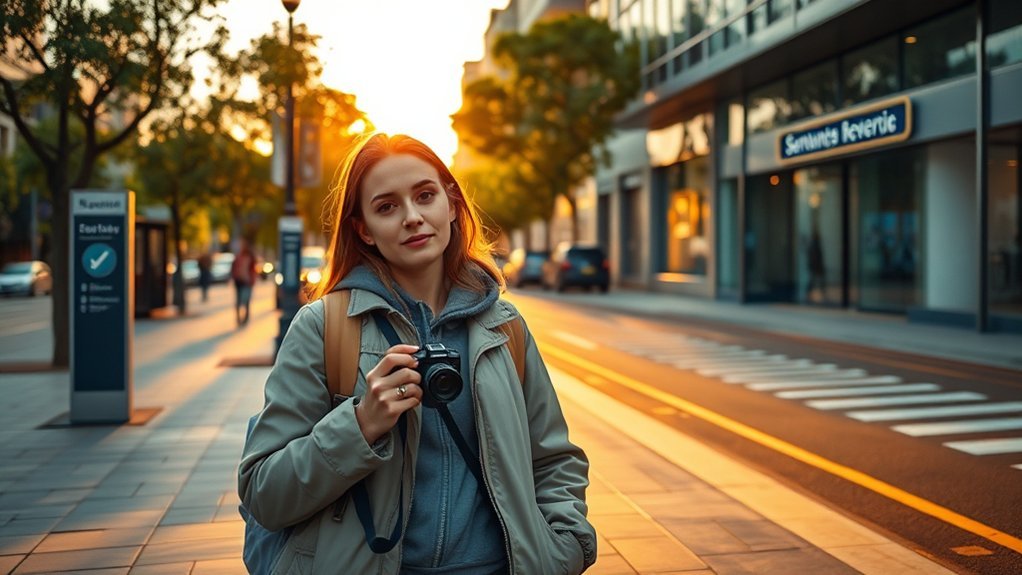
Santiago is manageable for many women travelers, but a realistic answer is that you should use increased caution. As of July 24, 2026, the U.S. Department of State lists Chile at Level 2 because of crime and civil unrest, with an additional health notice. The Government of Canada advises a high degree of caution because of demonstrations, unrest, and crime.
The most common problems for visitors are pickpocketing, bag snatching, phone theft, distraction theft, and scams. Official guidance also reports muggings, carjackings, and rising violent crime. These incidents can happen in daylight and in busy places, so do not rely only on the time of day or the number of people nearby.
Treat Santiago as a city where smart planning improves safety, not as a place where any district can guarantee it.
Warning: Safety conditions can change quickly. Check your government’s latest Chile travel advisory, local news, and official emergency alerts before and during your trip.
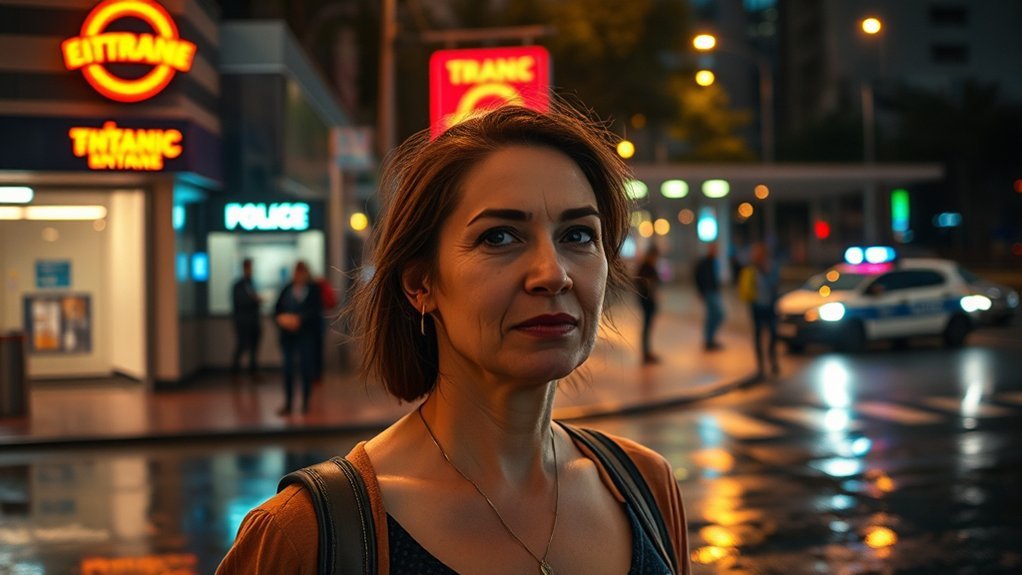
Is Santiago Safe at Night?
You can go out at night in Santiago, but your margin for error becomes smaller. Plan your return before leaving, keep to active and well-lit streets, and use arranged transport rather than walking long distances alone. Do not assume a busy nightlife area is automatically safe.
The UK Foreign, Commonwealth & Development Office warns about drink spiking in Santiago nightlife areas, particularly Bellavista and the Suecia area. Keep your drink in sight, do not accept an open drink from a stranger, and leave with a trusted person or verified ride if you feel unwell or uncomfortable.
Demonstrations are another nighttime concern. Protests can form with little notice, especially in central Santiago, and may disrupt buses and Metro service. Avoid crowds, roadblocks, police activity, and gatherings even when they appear peaceful.
Best Areas to Stay for Easier Travel in Santiago
Providencia, Las Condes, and Vitacura are popular with visitors because they offer hotels, restaurants, services, and transport connections. They can be practical bases, especially when your lodging is close to a busy avenue or Metro station. However, official travel advisories do not certify these neighborhoods as safe, and theft, vehicle crime, and carjacking can also occur in affluent districts.
When choosing accommodation, check recent guest reviews, confirm 24-hour reception or controlled entry, study the route from the nearest station or drop-off point, and ask the property how guests normally return at night.
Providencia for Easy Stays
Providencia is a convenient base for many first-time visitors. It has cafes, parks, shopping, hotels, and several Metro stations, which can reduce the need for long walks or complicated transfers. Choose a property on an active street, keep your phone out of sight when navigating, and use extra care around crowded commercial areas.
Vitacura for a Quieter Base
Vitacura has an upscale, lower-density feel with parks, restaurants, and modern services. It may suit travelers who prefer quieter surroundings, but it is less convenient for Metro access in some parts. Plan transport in advance and do not leave valuables visible in a vehicle.
- Choose lodging with controlled entry and recent security-focused reviews.
- Arrange your ride before leaving a restaurant or evening venue.
- Keep car doors locked and bags out of sight, including during short stops.
Las Condes at Night
Las Condes has major hotels, offices, shopping areas, and active restaurant zones. These features can make evening planning easier, but they do not remove risk. Stay on main routes, avoid displaying a phone near the curb, verify your driver and vehicle before entering, and use the hotel desk or venue staff if you need help arranging transport.
Note: A neighborhood name is not a safety guarantee. The exact block, hour, crowd level, transport plan, and your behavior matter more than a broad label such as “safe area.”
Santiago Areas That Need Extra Caution
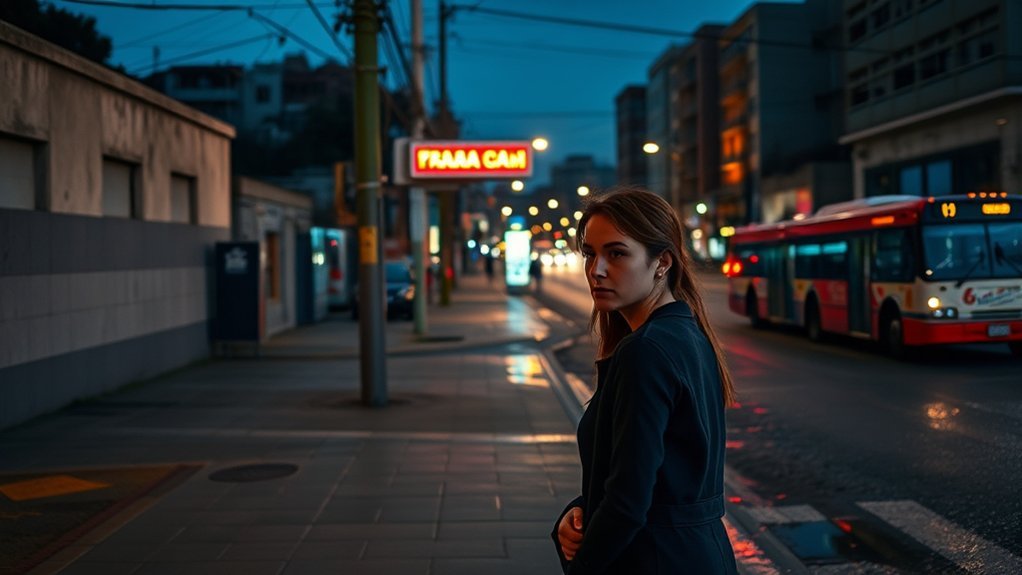
Central tourist areas and major transport hubs deserve stronger precautions, especially after dark. Official U.S. guidance lists locations such as Plaza de Armas, Mercado Central, Bellavista, Barrio Lastarria, Cerro Santa Lucía, Cerro San Cristóbal, Barrio Meiggs, Patronato, Yungay, Persa BioBío, Estación Mapocho, and Los Dominicos among places where pickpocketing or muggings are reported.
This does not mean every visit is unsafe. It means you should visit with a plan, avoid showing valuables, limit unnecessary nighttime walking, and leave if the area becomes quiet, tense, or difficult to navigate.
Downtown After Dark
El Centro, Plaza de Armas, and nearby downtown streets can be busy and interesting during the day, but conditions may change after businesses close. Visit earlier, keep your route simple, and avoid demonstrations or police operations. If you stay for dinner or an event, arrange your ride from inside the venue.
- Do not linger on quiet side streets while checking maps.
- Keep your phone put away near curbs, station entrances, and crowds.
- Leave immediately if a gathering, protest, or confrontation begins.
Busy Transit Hubs
Bus stations, Metro platforms, airports, and crowded transfers are common theft locations. Estación Central and large bus terminals require close control of your luggage. Keep valuables on your body, not in an overhead rack or unattended storage area, and ignore strangers who create a distraction or insist on helping with your bags.
At Santiago Airport, use an official prepaid taxi desk inside the terminal, a hotel-arranged transfer, or another trusted booking method. Do not follow someone merely because they wear an official-looking badge, carry a printed price list, or claim that your booked driver is unavailable.
Nighttime Theft Risks
Bellavista, central Santiago, nightlife streets, and areas around transport terminals need extra care after dark. Recoleta and Independencia may also be unfamiliar and quieter for a visitor at night, so avoid wandering without a clear destination. Cerro Alegre and Cerro Concepción are in Valparaíso, not Santiago, and should be assessed separately if your trip includes that city.
- Use active, well-lit streets and avoid shortcuts.
- Keep your phone, passport, and wallet secured and separated.
- Share your ride details or live location with someone you trust.
Common Scams in Santiago
Most scams rely on distraction, urgency, confusion, or a visitor’s fear of appearing rude. Common patterns include someone spilling a substance on you, warning that your clothes or bag are dirty, asking for directions while an accomplice opens your bag, or crowding you near a ticket machine.
- Airport taxi scams: An unlicensed driver may impersonate an authorized operator or demand an inflated card payment. Pay for an official taxi inside the terminal when possible.
- Taxi payment scams: A driver may use a hard-to-read card terminal, add zeros, switch banknotes, or claim the payment failed. Check the amount before entering your PIN and keep the receipt.
- Phone and bag snatching: A thief on foot, bicycle, or motorcycle may grab an item near the curb or from an outdoor table.
- ATM and card fraud: Use machines inside banks or secure malls, cover the keypad, and reject help from strangers.
- Fake assistance: Be cautious when someone urgently offers to carry luggage, fix a ticket problem, or lead you to a taxi.
Pro Tip: Before entering any ride, compare the plate, driver name, and vehicle details with your booking. Sit in the rear seat, use the in-app share feature when available, and end the trip in a busy place if anything feels wrong.
How to Get Around Santiago Safely
Santiago’s Metro and buses are useful, but crowded vehicles and platforms create opportunities for theft. Keep your bag zipped and in front of you, avoid using your phone near train doors, and move away from anyone who crowds or distracts you.
After dark, choose a recognized app-based ride, an official taxi booked in advance, or transport arranged by your hotel or venue. Avoid unlicensed vehicles and do not accept a ride from a person who approaches you inside the airport or bus terminal.
Safer Transport Options
- Metro: Efficient for daytime travel. Stay alert during rush hour and keep valuables hidden.
- Public buses: Useful but often crowded. Keep your bag on your lap or in front of your body.
- Official taxi or app-based ride: Confirm the plate and driver, then share trip details with a trusted contact.
- Hotel-arranged transfer: A practical choice for airport arrivals, early departures, or late-night returns.
- Rental car: Keep windows closed and doors locked, never leave luggage visible, and do not stop for strangers who claim your tire is damaged.
Neighborhoods and Routes
Plan routes before leaving Wi-Fi, download an offline map, and mark your accommodation, the nearest Metro station, and a backup pickup point. During the day, use busy streets and established attractions. At night, avoid long walks between districts and meet your ride inside a hotel, restaurant, or staffed venue.
Do not stand at the curb holding your phone while waiting. This makes you easier to identify as distracted and can expose the device to a grab-and-run theft.
Lower-Risk Things to Do in Santiago
No activity is completely risk-free, but daytime plans in staffed, well-visited places are usually easier to manage than unstructured nighttime wandering. Keep an eye on belongings even in museums, malls, cafes, and parks.
- Explore Providencia’s cafes, parks, and cultural venues during active hours.
- Visit museums and major attractions with timed tickets or guided entry.
- Walk or use the cable car in Parque Metropolitano during daylight, stay on established routes, and avoid isolated trails.
- Join a reputable small-group city tour, food tour, or cooking class.
- Visit Costanera Center or other busy shopping areas while keeping your phone and bag secured.
Health, Water, and Emergency Contacts
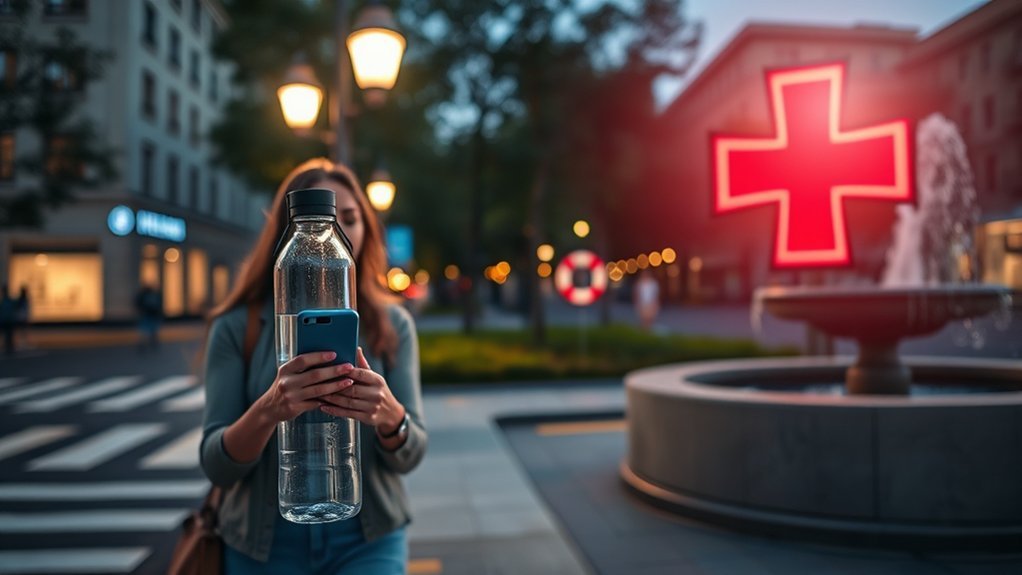
Santiago’s municipal tap water is treated to Chilean drinking-water standards. Aguas Andinas states that water in the Metropolitan Region complies with NCh 409 and is monitored for chemical, physical, and microbiological quality. The mineral content may taste stronger than water at home. If your accommodation reports a local outage or quality warning, follow that notice and use sealed bottled water.
Do not drink untreated water from rivers, lakes, irrigation channels, or remote natural sources. Travelers with health conditions should carry enough medication, a copy of prescriptions, and insurance that covers medical care and planned activities. Review the CDC traveler page for Chile before departure because health notices can change.
Chile has frequent seismic activity. Learn the evacuation plan at your hotel, keep shoes and a small light near the bed, and follow alerts from SENAPRED, Chile’s disaster prevention and response agency.
Emergency Numbers in Chile
- Police, Carabineros: 133
- Ambulance: 131
- Fire Department: 132
- Investigative Police, PDI: 134
- Domestic violence support: 149
Save these numbers, your accommodation address, your insurer’s emergency line, and your embassy or consulate contact. The official Chile Travel safety page also explains what to do after a crime or natural disaster.
Solo Safety Tips for Santiago
Solo travel can work well when you reduce avoidable exposure and keep a backup plan. These steps are especially useful for women traveling alone:
- Send your accommodation details and basic itinerary to a trusted contact.
- Keep your room number private and meet unfamiliar people in public areas, not in your room.
- Carry a copy of your passport and store the original securely when local rules and your plans allow.
- Use a cross-body bag with closed zippers and keep it in front in crowds.
- Do not display expensive jewelry, a large camera, or cash.
- Watch your drink from preparation to disposal and do not leave it unattended.
- Use a verified ride after dark and share the trip details.
- Trust discomfort early. Move into a hotel, shop, pharmacy, or staffed venue and ask for help.
What to Do If Something Goes Wrong
If someone threatens you with a weapon or demands your valuables, do not resist. Move to a secure place, call 133, and contact your travel insurer and embassy or consulate. If your passport is stolen, ask the police for a report and begin replacement steps through your embassy.
If you think your drink was spiked or you feel suddenly confused, weak, unusually sleepy, or ill, tell a trusted person or venue staff immediately. Do not leave alone with a stranger. Call 131 for medical help and preserve any information that may assist police or medical staff.
If a protest starts nearby, do not stop to watch or record it. Leave by a route that moves away from the crowd and police lines. If transport shuts down, enter a secure business or hotel and wait for verified instructions.
Can Women Travel Alone in Santiago?
Yes, women can travel alone in Santiago, and the city offers strong transport links, museums, parks, food, and organized activities. However, the current official advice supports a cautious approach rather than a blanket claim that the city is safe.
Base your plans around daytime sightseeing, reliable accommodation, simple routes, and trusted transport at night. Stay alert in crowded tourist areas and transit hubs, avoid demonstrations, and keep your valuables secured. These habits do not remove every risk, but they give you more control and make solo travel easier to manage.
Frequently Asked Questions
Is Santiago, Chile safe for female travelers?
Many women visit Santiago successfully, but official guidance recommends increased caution because of crime and civil unrest. Protect your belongings, avoid demonstrations, limit isolated nighttime walking, and use verified transport.
Is it safe to go to Santiago, Chile right now?
As of July 24, 2026, major government advisories do not tell travelers to avoid all travel to Chile, but they do advise increased or high caution because of crime, demonstrations, and civil unrest. Check the latest advisory again shortly before departure.
Can I brush my teeth with tap water in Santiago?
Santiago’s treated municipal tap water is generally suitable for drinking and brushing teeth. It can taste mineral-heavy. Follow any local notice from your accommodation or water provider, especially during an outage or service problem.
Is it safe to walk in Santiago?
Daytime walking is manageable in many busy areas, but theft and muggings can occur even in daylight. At night, avoid isolated routes, keep your phone hidden, and use arranged transport for longer trips.
Which Santiago neighborhoods are best for solo women?
Providencia, Las Condes, and Vitacura are popular because they have hotels, restaurants, services, and established transport options. Choose the exact property and block carefully, because no neighborhood is free from crime.
What should I do if I am robbed in Santiago?
Do not resist if you are threatened. Move to a secure place, call police at 133, obtain a report, contact your insurer, and notify your embassy or consulate if your passport or travel documents were taken.
Sources
- U.S. Department of State: Chile Travel Advisory – current advisory level, crime, demonstrations, emergency numbers, and visitor precautions.
- UK FCDO: Chile Safety and Security – muggings, airport taxi scams, drink spiking, protests, and vehicle crime.
- Government of Canada: Chile Travel Advice – petty theft, distraction tactics, transport hubs, and current risk level.
- Chile Travel: Safety Precautions – official tourism guidance, police reporting, and disaster response.
- SENAPRED – official disaster alerts, preparedness guidance, and emergency contacts.
- Aguas Andinas: Water Quality – Santiago Metropolitan Region drinking-water standards and monitoring.
Conclusion
Santiago can be a practical destination for women travelers when caution is built into the plan. Choose well-reviewed accommodation, keep valuables hidden, use trusted transport after dark, avoid demonstrations, and stay alert in crowded tourist areas and transit hubs. No neighborhood removes every risk, but clear routes, secure habits, and current official information can help you explore the city with more confidence.