Last Updated on September 11, 2026 by Logan Reeves
Catfish noodling is a hands-on form of fishing that can expose you to strong fish, sharp teeth or spines, submerged debris, slippery footing, changing currents, and injuries that happen far from immediate help. The right gear can reduce some risks, but safe judgment, a reliable partner, current fishing regulations, and suitable water conditions matter more than any single glove or accessory.
Quick Answer
Start with well-fitting cut-resistant gloves that maintain wet grip, but do not assume a cut rating makes a glove puncture-proof. Noodle only where handfishing is legal, go with an experienced partner, avoid hazardous water, protect open wounds, carry first aid, and put your catch on ice promptly.
Key Takeaways
- Noodling laws vary by state and sometimes by species, season, waterbody, license, size, and daily limit.
- ANSI A5 is a cut-resistance classification; it does not prove that a glove is puncture-proof against catfish spines or underwater debris.
- Thin cotton liners can improve comfort under another glove but should not be your primary protection for wet handfishing.
- Never noodle alone, and abandon an attempt if water depth, current, visibility, debris, entrapment risk, or changing conditions make the location unsafe.
- Clean and chill harvested fish promptly, keep raw fish separate from ready-to-eat foods, and cook fish to 145°F.
Warning: Noodling places your hands and body in underwater areas you may not be able to see clearly. Gloves reduce certain hand injuries but do not remove the risks of drowning, entrapment, bites, spine punctures, submerged objects, or water-exposed wound infections. Do not enter water that exceeds your ability, training, or local safety conditions.
Affiliate disclosure: This roundup is reader-supported. When you click an Amazon link, we may earn a referral commission on qualifying purchases at no extra cost to you.
Top Picks
|
Category |
Product |
Editorial Fit |
|---|---|---|
|
📚 Best Outdoor Companion Reading |
86/100 |
|
|
🛡️ Best Cut-Resistant Work Glove |
94/100 |
|
|
🎯 Best Lightweight Comfort Liner |
80/100 |
|
|
📜 Historical Primary Source |
78/100 |
Selection Criteria
You need gear that reduces specific risks without taking away the hand control required for handfishing. For gloves, the most important considerations are tested cut resistance, any separately stated puncture or abrasion rating, grip when wet, fit, dexterity, washability, and durability. A glove should fit closely enough to control your hand without bunching or slipping.
For reference material, we looked at relevance to fishing and outdoor skills, author or historical context, usefulness away from the water, and how honestly the resource should be interpreted. The editorial scores above represent how well each item fits this particular roundup; they are not laboratory safety scores or customer-review ratings.
The current ANSI/ISEA 105-2024 hand-protection standard classifies properties such as cut, puncture, abrasion, and other forms of protection separately. That distinction matters when choosing a glove for noodling: a strong cut rating alone does not guarantee protection against a sharp fish spine.
Before You Noodle: Laws and Safety
Check the Current Handfishing Rules
Noodling is not governed by one nationwide rule. Before entering the water, check the current regulations for the exact state and waterbody you plan to fish. Confirm whether handfishing is allowed, which catfish species may be taken, whether a fishing license is required, legal seasons and hours, size or daily limits, and whether special restrictions apply to a specific river, lake, reservoir, or management area.
For example, Texas Parks & Wildlife permits handfishing for channel, blue, and flathead catfish in fresh water under state rules and prohibits intentionally placing traps such as boxes, barrels, or pipes for taking catfish by hand. Oklahoma allows hands-only noodling during daylight under its statewide rules unless a particular water is restricted. Missouri, by contrast, prohibits handfishing.
Note: Fishing regulations can change. Always use the current wildlife-agency rules for your destination instead of relying on an old article, social-media post, or another state’s rules.
Do Not Noodle Alone
Use an experienced partner or spotter who remains close enough to recognize a problem and help quickly. Before reaching into a cavity, agree on where each person will stand, how the fish will be controlled, and what signal means you are stopping the attempt.
Avoid flood-stage water, strong or changing current, unsafe depth, unstable banks, low visibility combined with unknown hazards, and areas where logs, rocks, wire, discarded fishing gear, or other debris could trap a hand, foot, or clothing. Wear footwear that provides traction and protects your feet from submerged objects.
Understand What Your Gloves Can and Cannot Do
Cut-resistant gloves can help reduce laceration risk, but they are not armor. Catfish have firm mouths and prominent dorsal and pectoral spines, and sharp debris may also be present around cavities. Look for a glove with a close fit, dependable wet grip, and clearly stated protection ratings. If puncture resistance matters, verify that property separately rather than assuming a cut rating covers it.
Pro Tip: Test a new glove on ordinary wet fishing tasks before using it for handfishing. If the palm slips, the fingers bunch, or you lose too much feel, choose a better-fitting option rather than relying only on the advertised protection level.
Protect Cuts and Open Wounds
Freshwater exposure can complicate an existing cut or a new puncture. The CDC notes that water-associated skin and soft-tissue infections can follow abrasions, lacerations, bites, stings, or punctures. Avoid putting an open or poorly healed wound into natural water when possible. If you are injured, leave the water, clean the wound with soap and clean running water, and monitor it closely.
Seek medical care for a deep puncture, retained foreign material, uncontrolled bleeding, severe pain, loss of movement or sensation, or increasing redness, swelling, warmth, drainage, fever, or red streaking. Keep routine tetanus vaccination up to date according to your clinician’s or public-health guidance.
Skinning Catfish
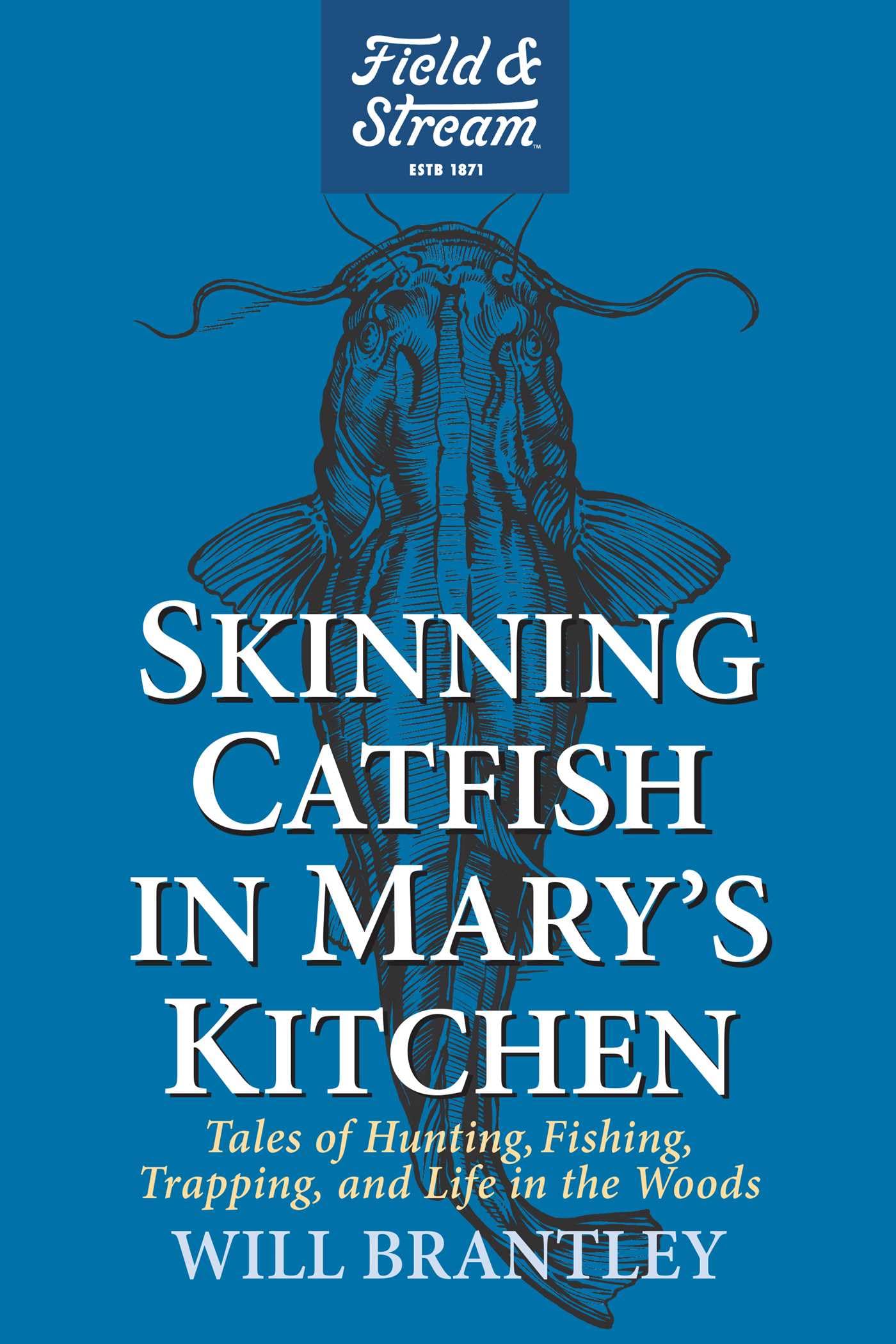
Skinning Catfish in Mary’s Kitchen: Tales of Hunting, Fishing, Trapping, and Life in the Woods is best understood as outdoor companion reading rather than a dedicated catfish-cleaning manual. Will Brantley, a longtime outdoor writer, collects stories drawn from hunting, fishing, trapping, family life, and years spent outdoors. Noodling appears within that broader experience, but the book should not replace current regulations, hands-on instruction from an experienced partner, or a dedicated fish-processing reference.
The official publisher lists the book as a 232-page Lyons Press title published May 5, 2026. Its value here is the author’s firsthand outdoor perspective and storytelling, especially for readers interested in the culture and experiences surrounding traditional hunting and fishing.
What People Say
Published endorsements focus heavily on Brantley’s storytelling, outdoor knowledge, humor, and firsthand experience. That is a better reason to buy this book than expecting a technical skinning manual. Retailer review totals can change over time, so live customer ratings should be checked on the current product listing rather than treated as permanent specifications.
Overall Sentiment: Positive as outdoor reading; limited as a dedicated noodling manual.

Versatility
This book works best as pre-trip or campsite reading for people who enjoy true outdoor stories. It can add perspective from an experienced hunter and angler, but use current wildlife-agency regulations and dedicated safety resources for decisions about where, when, and how to noodle.
Indoor/Outdoor Use
The hardcover format is easy to keep at home, in a vehicle, or at camp. Because water, mud, and fish slime are hard on books, it makes more sense as planning or campsite reading than as something you hold while actively handling fish.
Key Benefits
- 232-page collection from experienced outdoor writer Will Brantley
- Includes firsthand hunting, fishing, trapping, and noodling experiences
- Useful background reading for people interested in outdoor traditions
- Strongest as storytelling and perspective rather than a technical manual
Retailer rating: Dynamic; use the current Amazon listing for the latest score and review count.
Dowellife Gloves
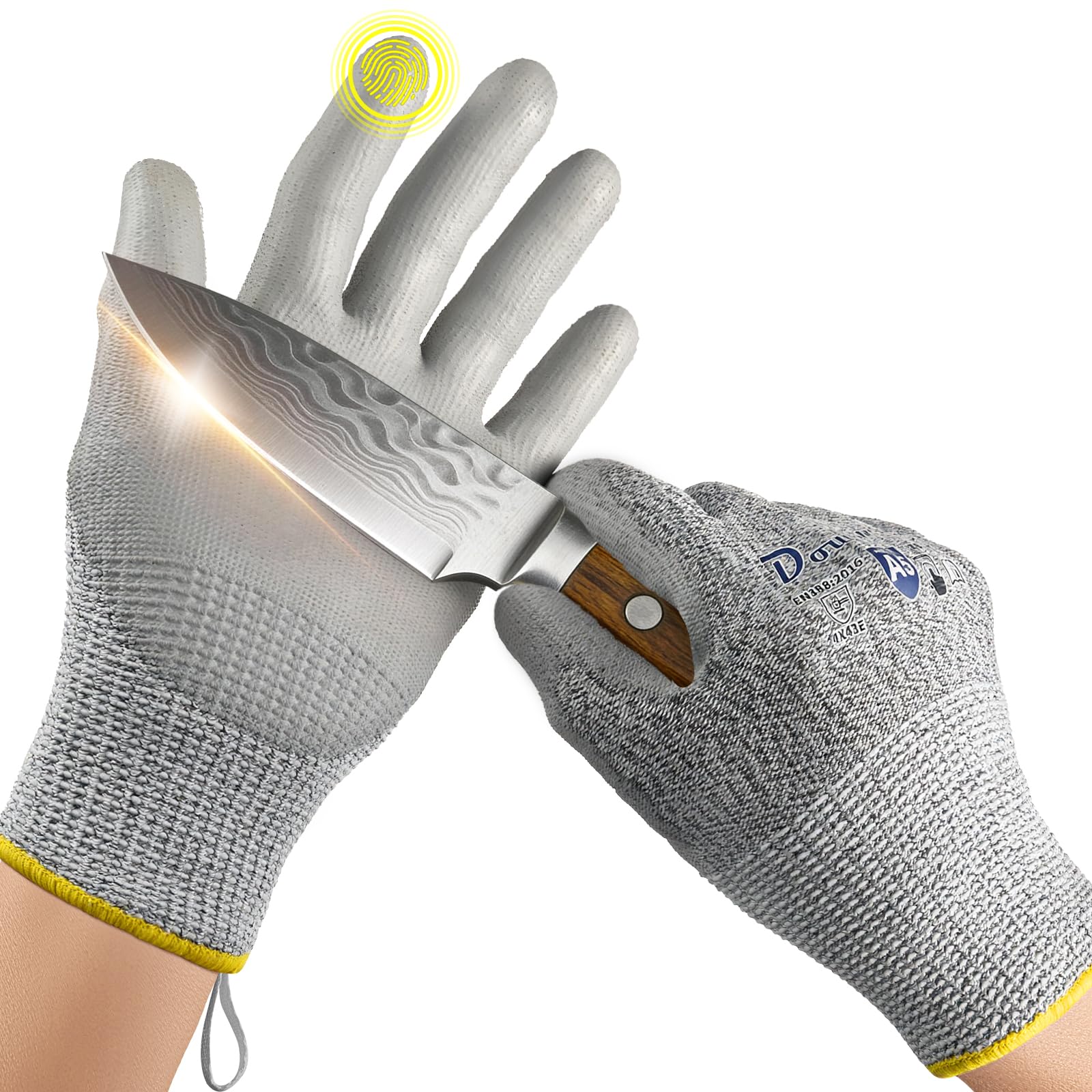
These Dowellife work gloves are the strongest fit in this roundup when your priority is tested cut resistance while preserving reasonable finger movement. The current product description identifies an ANSI A5 cut-resistance classification and a PU-coated surface intended to improve grip and dexterity.
That does not make the gloves puncture-proof. ANSI A5 specifically addresses cut resistance, while other hazards are tested and classified separately. A catfish spine, hook, wire, sharp rock, or other narrow object can create a different type of hazard than a blade. Treat the glove as one layer of protection, not a guarantee against hand injury.
What People Say
Retailer feedback commonly focuses on flexibility, usefulness for work and gardening, and the balance between protection and hand movement. Fit and durability vary by user and task. Some feedback also illustrates why buyers should not confuse cut resistance with immunity to narrow puncture hazards.
Overall Sentiment: Positive for cut-resistant general work; protection still depends on the exact hazard and fit.

Versatility
These gloves can also be useful for gardening, workshop tasks, handling rough materials, and other jobs where cut resistance and dexterity are helpful. For noodling, the biggest advantages are a close-fitting design and coated palm rather than bulk or insulation.
Indoor/Outdoor Use
They can be used indoors or outdoors, but do not assume a coated palm creates a waterproof barrier. Wet conditions can change grip, comfort, and glove performance. Inspect the coating and fabric before each trip and retire the gloves when you see tears, worn-through areas, damaged seams, or loss of grip.
Key Benefits
- ANSI A5 cut-resistance classification
- PU-coated surface designed for grip and dexterity
- Flexible work-glove construction
- Reusable and machine-washable according to product information
- Useful beyond fishing for other cut-risk work
Note: ANSI A5 describes cut resistance. Verify separate puncture, abrasion, chemical, impact, or water-protection ratings when those hazards matter.
Retailer rating: Dynamic; use the current Amazon listing for the latest score and review count.
Evridwear Liners

Evridwear’s lightweight string-knit gloves make more sense as comfort liners than as primary noodling protection. Their cotton/polyester construction is designed for breathable, light-duty use and can help absorb sweat or reduce rubbing underneath another glove.
Do not use these liners by themselves when you need meaningful cut, puncture, or water protection. Product descriptions for this line characterize it as light-duty and suitable for jobs that do not require a tough or waterproof glove.
What People Say
Users tend to value this style of liner for breathability, low bulk, washable construction, and comfort underneath another glove. Those strengths also define its limitation: it is a soft, lightweight layer rather than a high-protection fishing glove.
Overall Sentiment: Positive for light-duty or liner use.

Versatility
Use these liners for light gardening, painting, food-related tasks where appropriate, or underneath a separate protective glove. They can be useful when a heavier glove becomes uncomfortable against bare skin during a long day.
Indoor/Outdoor Use
The breathable knit works indoors and outside for light-duty jobs. Once saturated, however, a cotton-rich liner can become less comfortable and should not be confused with a waterproof outer glove. Carry a dry replacement pair if you use liners around water.
Key Benefits
- Thin cotton/polyester layer for comfort
- Breathable construction
- Useful underneath a separate protective glove
- Washable and reusable
- Low bulk helps preserve finger movement
Retailer rating: Dynamic; use the current Amazon listing for the latest score and review count.
American Indians

James Adair’s The History of the American Indians is a historical primary source, not a noodling manual and not a substitute for contemporary Indigenous scholarship or tribal sources. Adair’s work was originally published in 1775 after his long involvement in the colonial Southeast, and the edition linked here is a later reprint.
The Library of Congress catalogs the original 1775 work, while also noting elsewhere that some of Adair’s conclusions have been questioned. Read it as evidence of what an eighteenth-century trader observed and believed, with the limitations and biases that come with that perspective.
What People Say
The book remains relevant to historians because it preserves extensive eighteenth-century observations. That historical value should not be confused with present-day guidance about Indigenous peoples, modern fishing customs, wildlife law, or safe handfishing.
Overall Sentiment: Historically useful when read critically and with modern context.

Versatility
This title is most useful for readers researching eighteenth-century Southeastern history. It may add historical background to a broader reading list, but it has little direct value for choosing gloves, learning modern noodling techniques, or understanding current regulations.
Indoor/Outdoor Use
Treat this primarily as a study or reference book. There is little reason to carry a large historical reprint into wet fishing conditions when current regulations and practical safety information are more important at the water.
Key Benefits
- Reprint of an important eighteenth-century historical source
- Provides firsthand colonial-era observations from the Southeast
- Useful for historical research when read critically
- Best paired with modern scholarship and contemporary Indigenous sources
Retailer rating: Dynamic; use the current Amazon listing for the latest score and review count.
How to Approach Noodling More Safely
- Verify that handfishing is legal. Check the current state and waterbody regulations, license requirements, legal species, hours, limits, and any seasonal restrictions.
- Go with an experienced partner. Do not separate so far that one person cannot quickly recognize or respond to a problem.
- Assess the water before reaching into anything. Look for strong current, sudden drop-offs, unstable banks, logs, rocks, wire, abandoned tackle, or other entanglement hazards.
- Inspect your gear. Gloves should fit securely and have intact palms, fingertips, seams, and cuffs. Wear protective footwear with dependable traction.
- Do not force an attempt. If you cannot maintain your footing, control your body position, identify a safe exit, or withdraw your arm freely, stop.
- Control the fish carefully. Keep hands and other body parts away from prominent dorsal and pectoral spines while moving the fish.
- Deal with injuries immediately. Leave the water after a significant cut or puncture, clean the wound, and get medical help when symptoms or the injury warrant it.
- Chill harvested fish promptly. Clean the catch as soon as practical and store it on adequate ice in a clean cooler.
The safest noodling attempt is one you are willing to abandon when the water, cavity, fish, weather, or your own footing stops being predictable.
Handling and Keeping Your Catch Safe to Eat
Once a legal fish is harvested, food safety becomes the next priority. USDA guidance for recreationally caught finfish recommends scaling, gutting, and cleaning fish as soon as practical, wrapping or protecting the fish from contamination, and storing it on ice. Keep raw fish separate from cooked or ready-to-eat foods.
Use clean knives, cutting boards, and hands during processing. The USDA Food Safety and Inspection Service recommends cooking finfish to an internal temperature of 145°F. If you are not cooking the fish promptly, maintain safe refrigeration or freezing temperatures.
Frequently Asked Questions
Is noodling legal and safe?
Noodling is legal in some jurisdictions and prohibited or restricted in others. Even where it is legal, licensing, species, season, daily-limit, size-limit, daylight, and waterbody rules may apply. Safety also depends heavily on water conditions, experience, teamwork, and whether you can enter and exit the area without entrapment or loss of footing.
What gear should I start with?
Start with close-fitting cut-resistant gloves with good wet grip, protective footwear, basic first-aid supplies, a clean cooler with enough ice, a charged way to call for help, and clothing appropriate to the water and weather. An optional lightweight liner can improve comfort under another glove but should not replace protective outer gloves.
Are ANSI A5 cut-resistant gloves puncture-proof?
No. ANSI A5 describes a level of cut resistance. ANSI/ISEA standards classify cut, puncture, abrasion, and other performance properties separately. Do not assume an A5 glove will stop a catfish spine, hook, wire, thorn, or other narrow puncture hazard unless the glove has an appropriate separately verified rating.
Can I use cotton glove liners by themselves for noodling?
No. Lightweight cotton or cotton/polyester liners are designed mainly for comfort and light-duty work. They do not provide the same cut, puncture, or wet-condition protection as a purpose-selected outer glove. Use them only as an optional liner when they fit comfortably underneath appropriate protection.
How should I handle and prepare a catfish?
Control the fish without pressing your hand against the dorsal or pectoral spines. Once harvested legally, clean the fish as soon as practical, keep it on ice, separate raw fish from ready-to-eat food, wash hands and utensils after handling, and cook the fish to 145°F.
What should I do after a catfish cut or puncture?
Leave the water, wash the wound thoroughly with soap and clean running water, control bleeding, and keep the area protected. Seek medical attention for deep wounds, retained foreign material, severe pain, impaired movement or sensation, or signs of infection such as increasing redness, swelling, warmth, drainage, fever, or red streaking.
Customer Preferences
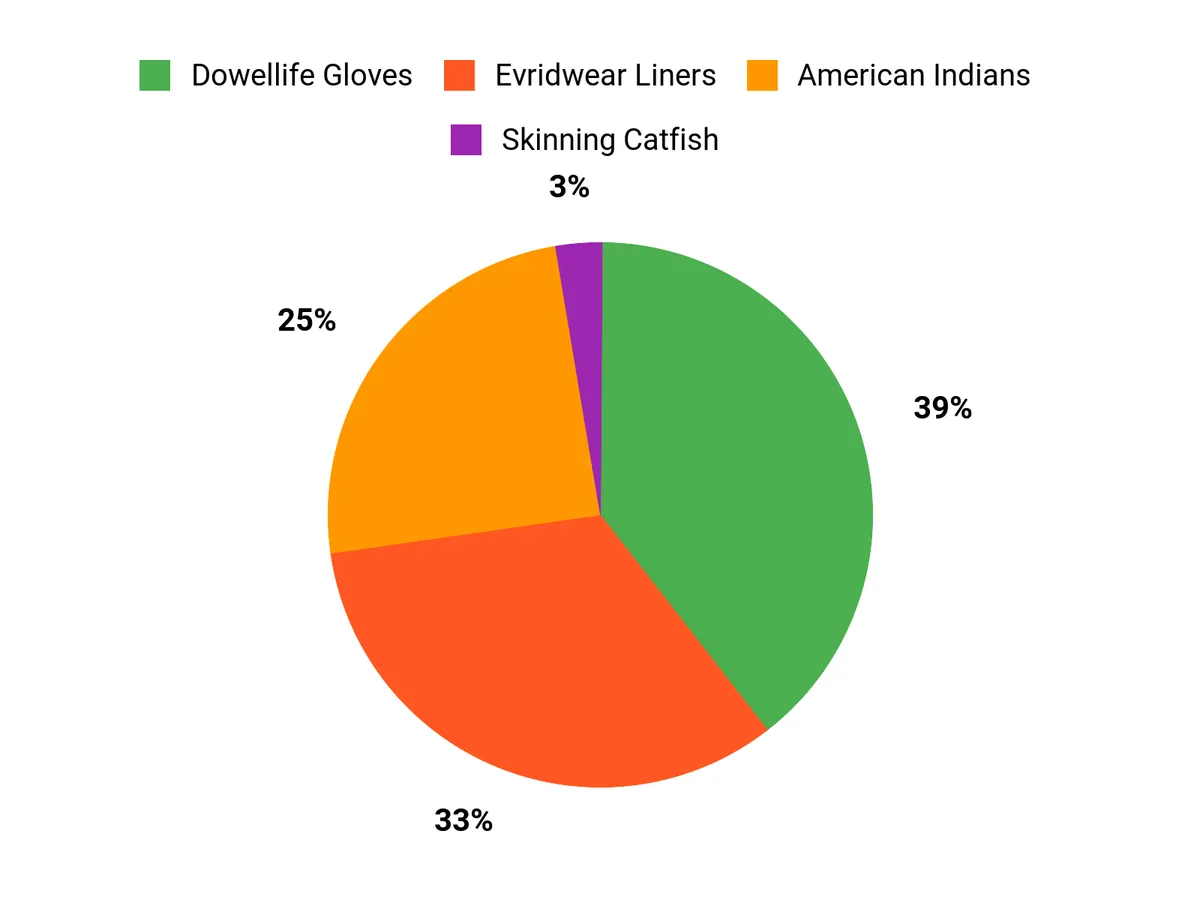
Most buyers will get the most practical value by prioritizing protection first. Choose the Dowellife option when tested cut resistance and a close work-glove fit matter most. Choose Evridwear only when you want a thin comfort liner underneath another glove. Pick Skinning Catfish in Mary’s Kitchen for outdoor storytelling and firsthand perspective rather than technical instruction, and treat James Adair’s book as historical research rather than modern fishing guidance.
Grip, fit, and realistic expectations matter as much as the label on the package. A glove that is highly cut-resistant but slips on your hand or removes too much tactile control may be a poor choice for your situation.
Wrapping Up
Safer noodling starts with judgment rather than equipment. Check the current law, fish with a capable partner, evaluate the water before entering, and stop when current, depth, debris, footing, visibility, or entrapment risk makes an attempt unpredictable. A well-fitting cut-resistant glove with dependable wet grip can reduce some hand hazards, but no glove makes catfish spines, teeth, hooks, sharp debris, or underwater cavities harmless.
Use cotton liners only for comfort underneath suitable protection, and choose books for what they actually provide: Brantley’s 2026 collection offers outdoor stories and experience, while Adair’s work is a historical primary source that needs modern context. After a legal harvest, clean and chill the fish promptly, prevent cross-contamination, and cook it safely.
| Product Name | Image | Rating | Material | Weight | Dimensions | Special Highlights |
|---|---|---|---|---|---|---|
| Skinning Catfish in Mary’s Kitchen: Tales of Hunting, Fishing, Trapping, and Life in the Woods |
|
Dynamic retailer rating | Hardcover book | About 1.07 pounds | About 6 x 0.69 x 9 inches |
|
| Dowellife Cut Resistant Work Gloves for Men & Women |
|
Dynamic retailer rating | Cut-resistant knit with PU-coated palm; composition can vary by listing/variant | About 0.06 kilograms for the referenced variant | Varies by size |
|
| Evridwear Cotton Work Gloves Light-duty String Knit |
|
Dynamic retailer rating | Cotton, polyester | Varies by size and pack count | About 8.3 x 3 x 0.5 inches for a referenced small variant; other sizes vary |
|
| The History of the American Indians |
|
Dynamic retailer rating | Paperback book | About 1.2 pounds | 8.5 x 0.47 x 11 inches |
|
This Roundup is reader-supported. When you click through links we may earn a referral commission on qualifying purchases.
Sources
- Texas Parks & Wildlife Department — Legal Devices, Methods & Restrictions — current Texas handfishing rules and prohibited artificial traps.
- Missouri Department of Conservation — Handfishing Prohibited — Missouri’s handfishing prohibition and conservation context.
- ANSI/ISEA 105-2024 — current U.S. classification standard for cut, puncture, abrasion, and other hand-protection properties.
- CDC — Water-Associated Skin and Soft-Tissue Infections — infection risk after cuts, abrasions, bites, and punctures exposed to natural water.
- USDA Food Safety and Inspection Service — Keeping a Recreational Catch Safe to Eat — cleaning, icing, storage, and 145°F cooking guidance.
- Simon & Schuster / Lyons Press — Skinning Catfish in Mary’s Kitchen — official description, publication date, author information, and page count.