Last Updated on September 11, 2026 by Logan Reeves
You rely on the right books to sharpen technique, identify insects, and deepen your understanding of rivers and saltwater. This list brings together narrative, technical, reference, and visual volumes so you can quickly find the titles that match your goals.
Whether you seek practical instruction, field identification, or visual inspiration, these picks will help you fish smarter and enjoy the sport more.
Disclosure: As an Amazon Associate I earn from qualifying purchases. Some links on this page are affiliate links, at no extra cost to you.
Top Picks
|
Category |
Product |
Score |
|---|---|---|
|
🏆 Best Adventure Narrative |
94/100 |
|
|
💼 Best Coffee Table |
97/100 |
|
|
🎯 Best Insect ID |
88/100 |
|
|
🎧 Best Audiobook Essay |
84/100 |
|
|
⭐ Best Bass Techniques |
87/100 |
|
|
🔰 Best Fly Tying |
93/100 |
|
|
🚀 Best Tenkara Primer |
85/100 |
|
|
🎨 Best Casting Manual |
86/100 |
|
|
💡 Best Nymphing Tactics |
80/100 |
Selection Criteria
You want recommendations that matter on the water, so we prioritized author expertise, clarity of instruction, and practical applicability. Books were evaluated for technical depth, visual quality, and how well they address specific techniques, species, or environments.
Format and production values matter, so high‑quality photography and clear diagrams were favored where visual learning is important, and we considered price and reader feedback to judge overall value.
Lords of the Fly
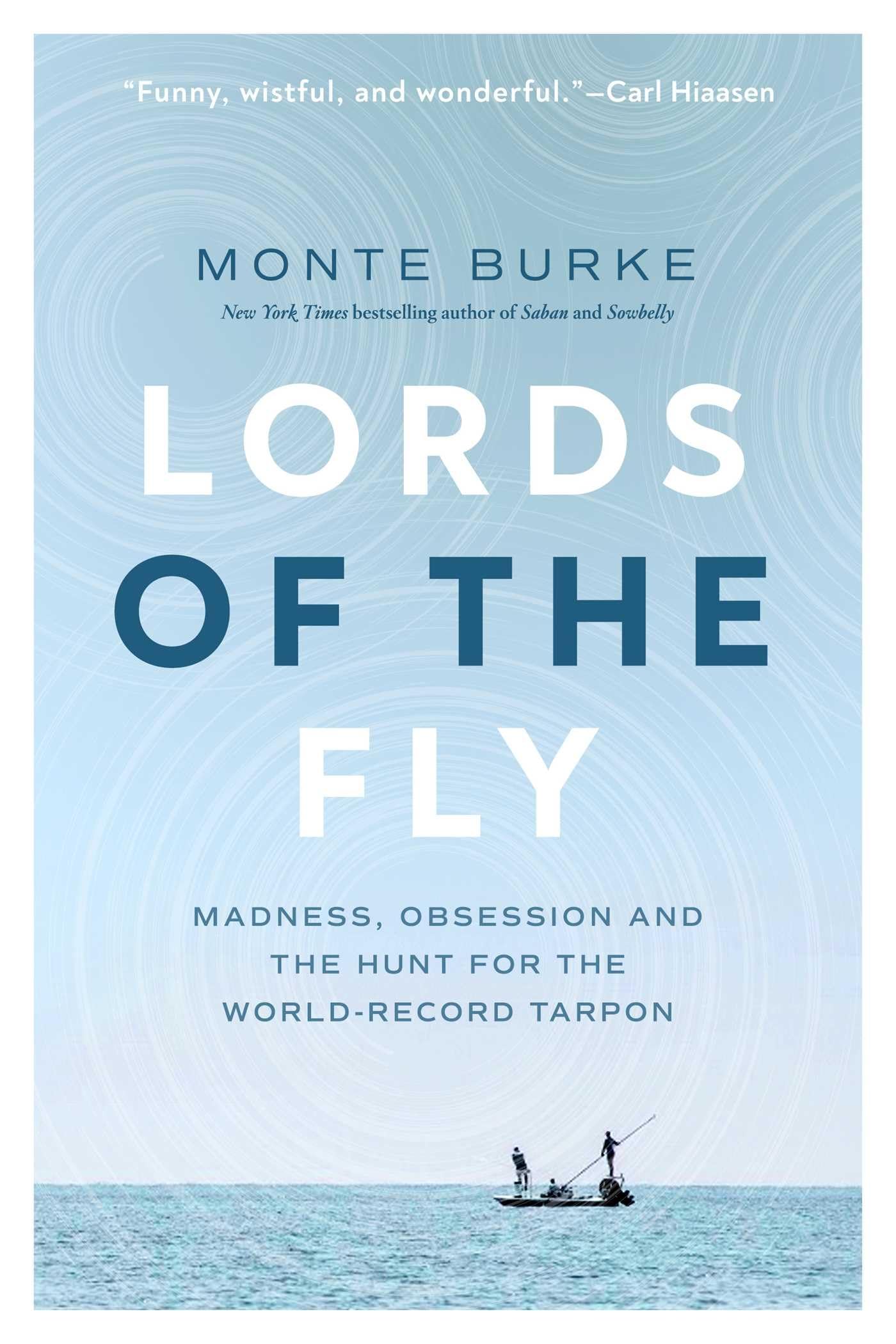
You get a deeply reported narrative that follows anglers driven to chase trophy tarpon. The book balances lively storytelling with context about the sport and the personalities behind big-game saltwater fishing. Read it casually on slow evenings to sharpen your appreciation for the culture around tarpon, or pack it for trip planning when you want inspiration for a destination outing. If you enjoy character-focused fishing books that still respect technique and place, this is an easy recommendation.
What People Say
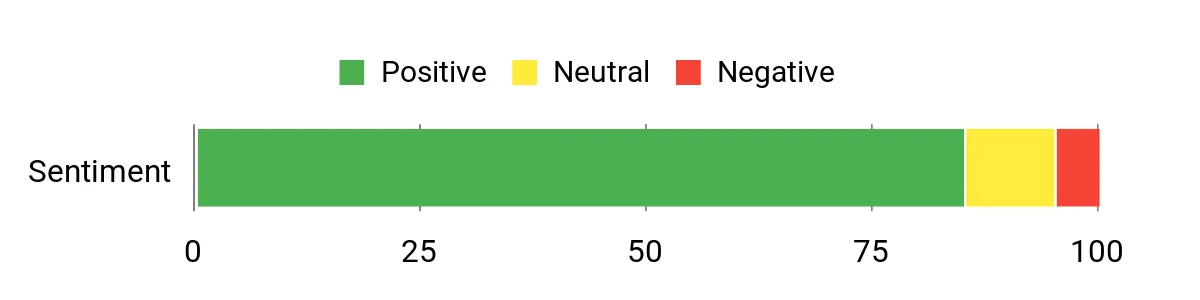
Readers often praise the book’s vivid scenes and the author’s ability to make the obsession behind big-game fishing feel understandable rather than indulgent. Reviewers tend to highlight the depth of reporting and the memorable characters, noting the illustrations add useful texture. A minority mention pacing that leans toward long-form detail, but most find that detail rewarding.
Overall Sentiment: Positive
Versatility
You can treat this as a bedside narrative to return to in chapters, use it as pre-trip inspiration for saltwater excursions, or pass it along to a friend who appreciates fishing memoirs. It works as a thoughtful gift or a conversational piece when you want to spark stories around the campsite or dock.
Indoor/Outdoor Usability
The illustrated paperback is compact enough to bring on trips and rugged enough for field reading, though it’s primarily a narrative rather than a how-to reference. It complements technical manuals when you’re planning a trip or reflecting after a day on the water.
Key Benefits
- Immersive storytelling that draws you into the tarpon chase
- Well-researched context that situates the sport and its characters
- Illustrated edition enhances scenes and keeps visual interest
- Accessible to both experienced anglers and curious readers
Rating: 4.8 (total: 882+)
Salt Photography
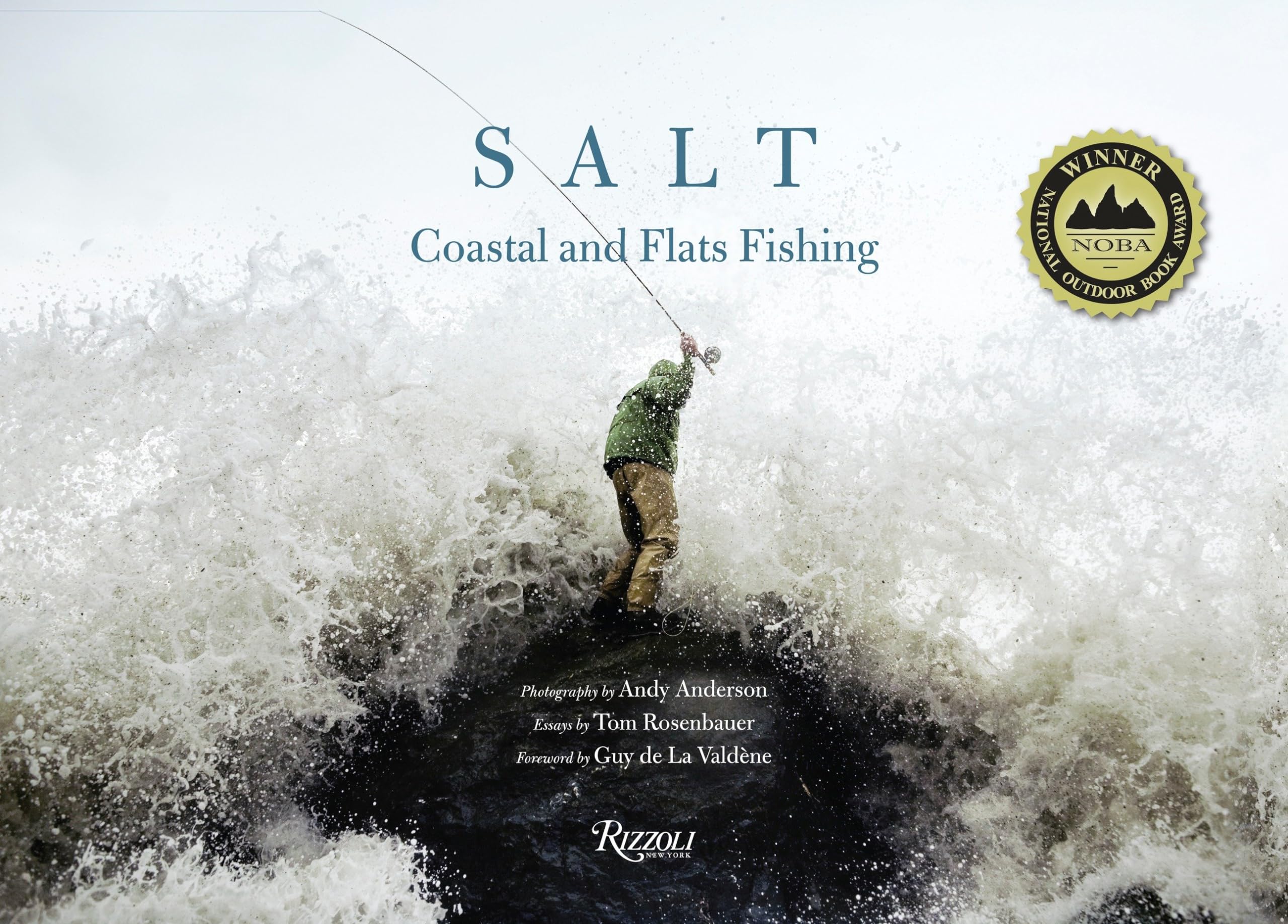
You get a book built around striking imagery that captures light, water, and the quiet drama of flats fishing. It reads like a visual essay, useful when you want daily inspiration, a centerpiece for your living room, or a reference for framing and composition on the water.
The layout invites casual browsing or more focused study, and it’s an easy pick when you want photography that connects place, technique, and mood.
What People Say
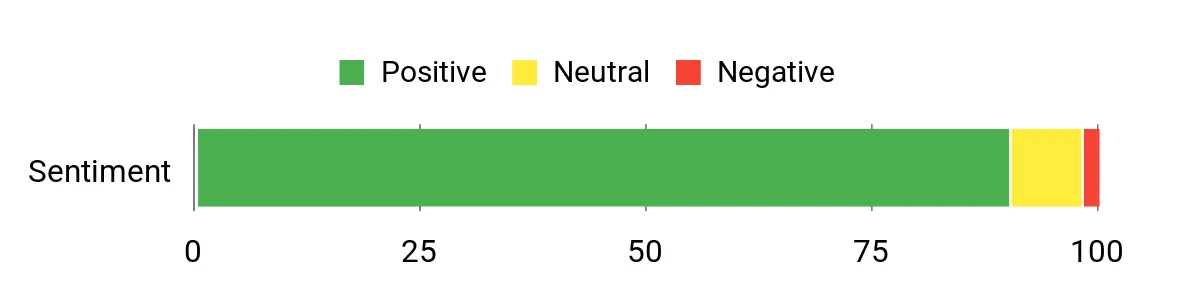
Readers consistently praise the clarity, color, and composition of the photographs, and many call out the book’s production values and thoughtful layout. People like that it works as both inspiration and a visual record of coastal fishing, while a few note the size and weight make it less convenient to carry into the field.
Overall Sentiment: Positive
Versatility
You can use this as a coffee-table showpiece, a source of inspiration before a trip, or a reference for improving your own fishing photography. It suits casual viewers and serious photographers alike.
Indoor/Outdoor Usability
Best enjoyed indoors as a display or browsing book due to its large format, though the images still serve well for outdoor trip planning if you don’t mind the bulk.
Key Benefits
- Standout large-format photography and composition
- High production and printing quality that preserves color
- Great for inspiration when planning trips or studying shots
- Works well as a display piece or thoughtful gift
Rating: 4.9 (total: 81+)
The Bug Book
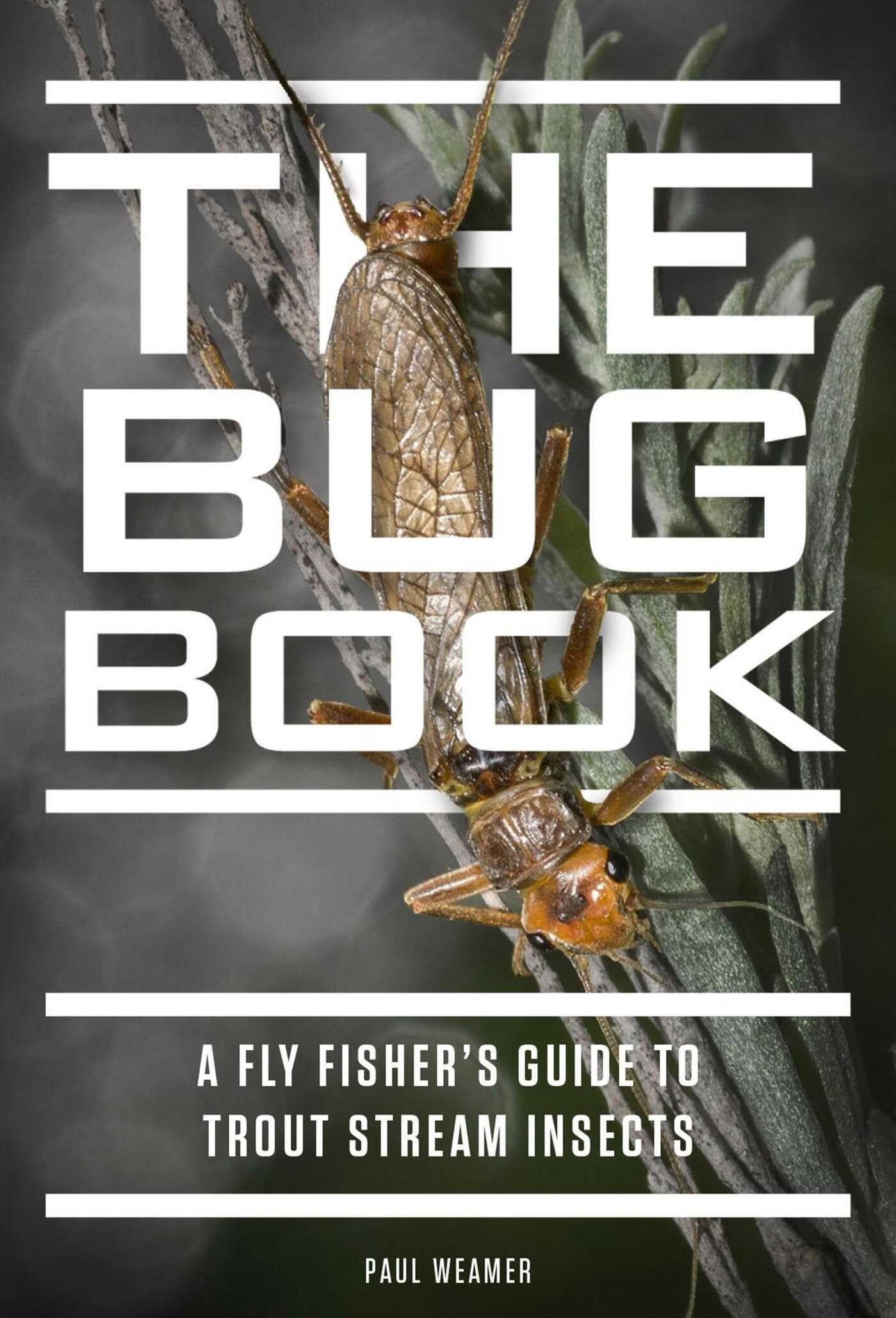
You get a concise, field‑ready guide that helps you identify the insects trout feed on and choose better imitations. It’s designed for quick reference at the river, with life‑stage notes and suggested fly matches that translate directly into better drift and presentation choices. Use it for quick on‑water IDs, to sharpen your fly‑tying selections, or as a prep tool before a fishing trip. If you want practical, portable information that improves your decisions on the stream, this book earns a spot in your pack.
What People Say
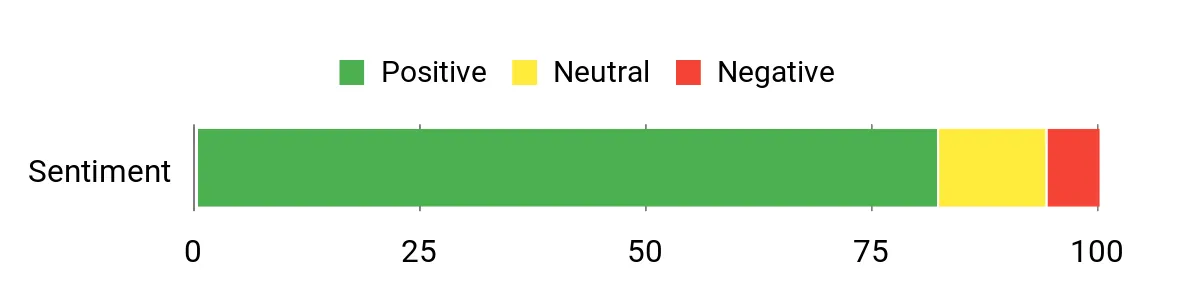
Readers frequently note the book’s clarity and usefulness on the water, praising the photos and straightforward ID cues. Many mention how having it on hand speeds up fly choice and reduces guesswork during a hatch.
A small number of reviewers wish for deeper regional coverage, but most appreciate the balance of portability and practical detail.
Overall Sentiment: Positive
Versatility
Works as a pocket field guide, a tying reference for matching patterns, and a quick classroom resource for learning aquatic entomology basics.
Indoor/Outdoor Usability
Built for outdoor use with a compact form factor that fits a vest or pack; readable in the field, though its small size means more detailed study is better suited to indoor sessions.
Key Benefits
- Clear photos and concise ID notes for fast field use
- Life‑stage details that improve fly selection
- Portable size suited to vests and packs
- Practical fly matches that translate to better hookups
Rating: 4.6 (total: 926+)
The Optimist
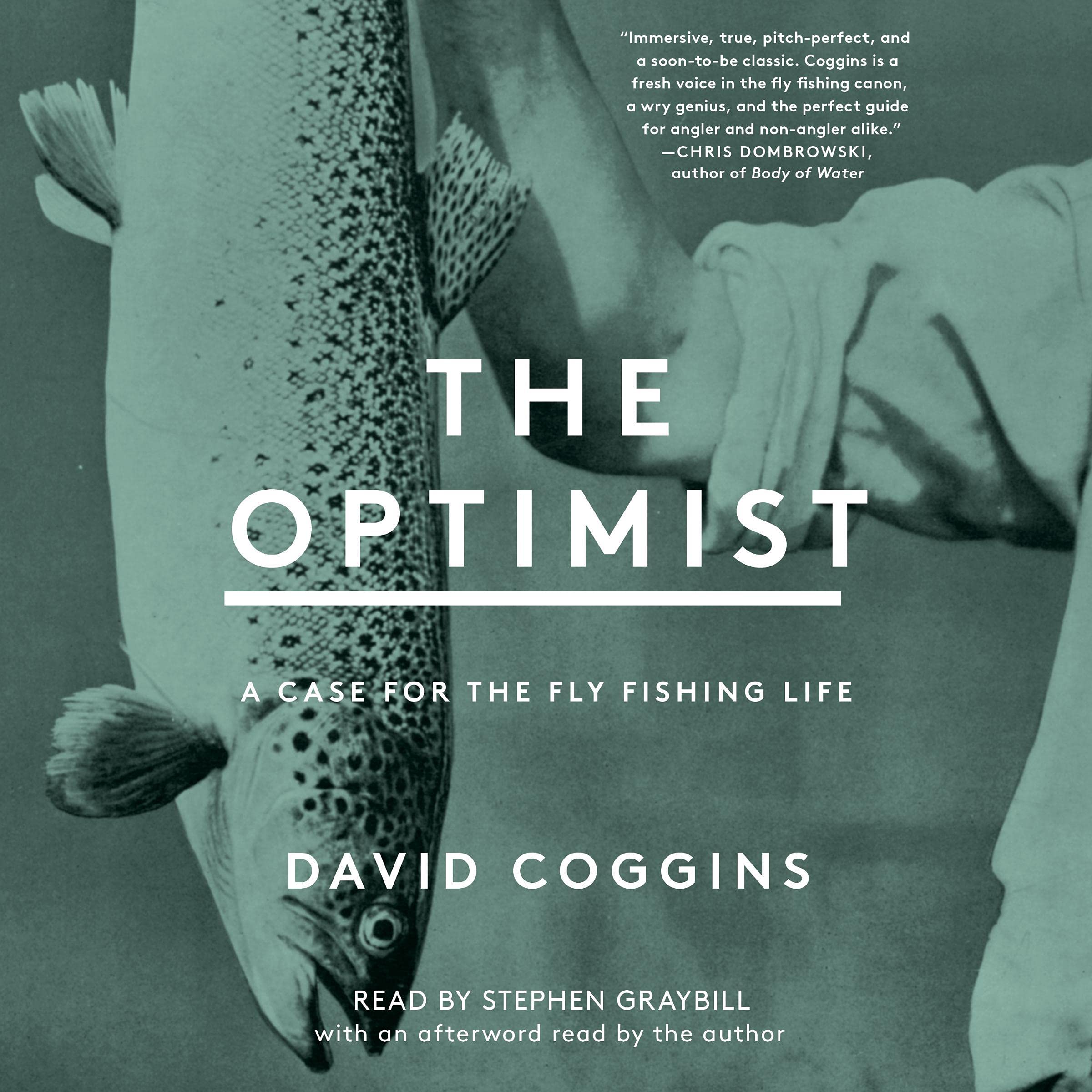
You’ll find a thoughtful collection of essays that explore why fly fishing matters beyond the catch. The audiobook format makes it easy to absorb on drives, early-morning wades, or while tying flies at home.
Narration emphasizes tone and pacing, so the stories feel conversational and reflective rather than instructional. If you enjoy nature writing and personal essays that nudge you back to the water, this is a solid listen.
What People Say
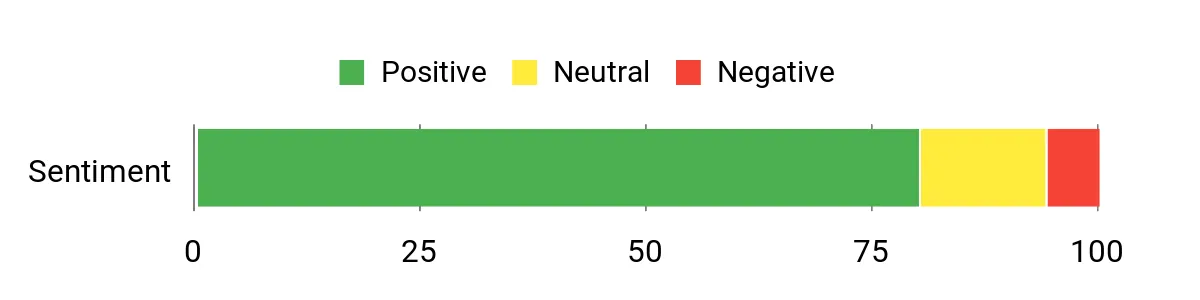
Listeners often highlight the narrator’s delivery and the approachable tone of the essays, saying the format makes the material more immediate and enjoyable. Many appreciate how the pieces balance nostalgia and insight, and several note it’s an easy way to revisit fly-fishing themes during commutes or long sessions.
A few listeners mention they’d like different pacing on certain chapters, but most praise the overall listening experience.
Overall Sentiment: Positive
Versatility
Use it for long drives, early-morning prep, or background listening while you work on knots and rigs. It’s suited to casual listeners and people who prefer reflective, essay-style storytelling over technical manuals.
Indoor/Outdoor Usability
Ideal for indoor and mobile listening environments—perfect in the car, at the tying bench, or while packing gear. It’s less useful if you need step-by-step instruction on technique, but excellent for mindset and inspiration on the water.
Key Benefits
- Engaging narration that brings essays to life
- Perfect for hands-free listening during travel or chores
- Thoughtful reflections that reconnect you with the sport
- Good entry point for listeners who prefer audio over print
Rating: 4.6 (total: 694+)
Smallmouth Bass
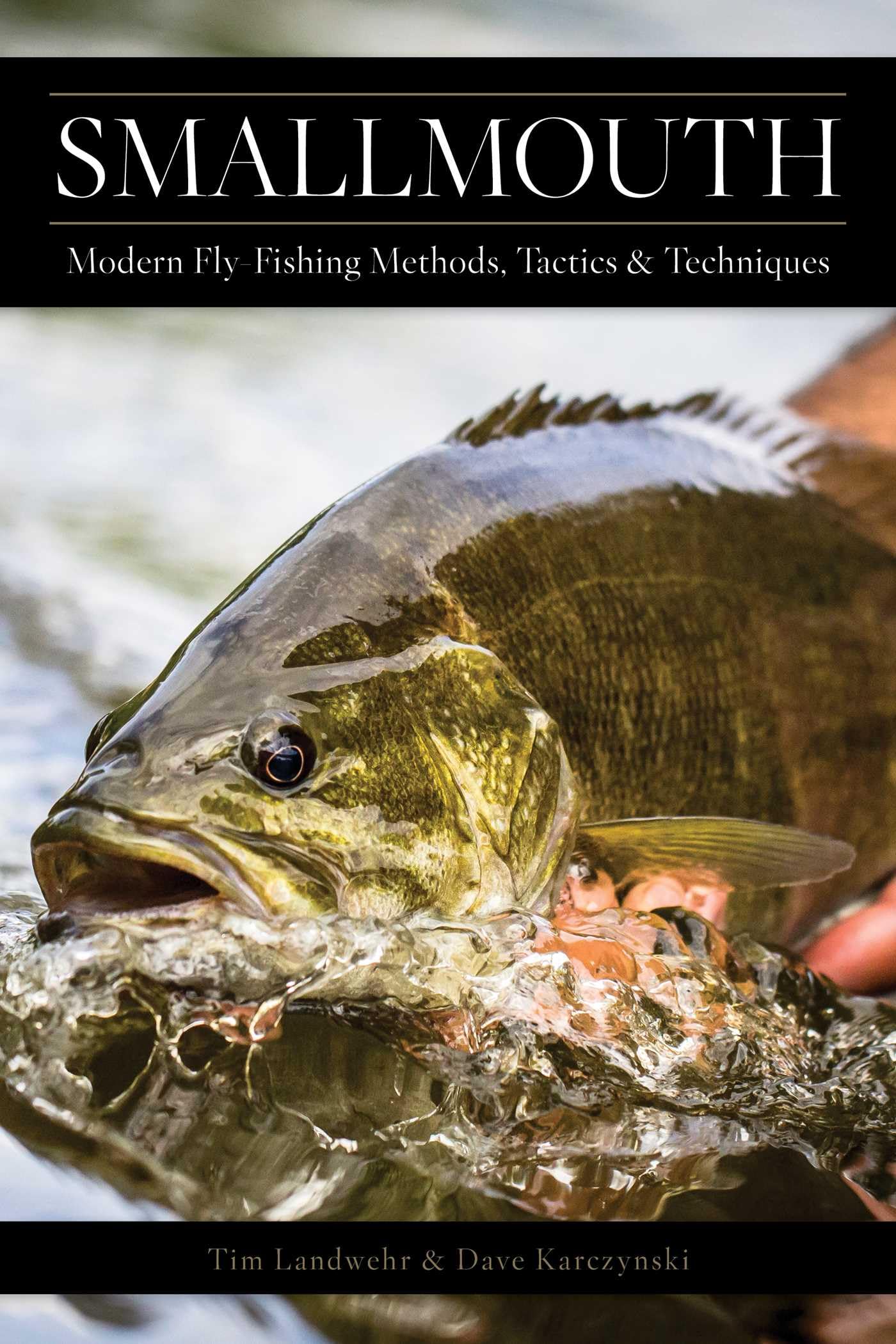
You’ll find clear, technique‑forward instruction tailored to smallmouth behavior and environments. The book breaks down retrieves, presentations, and rig choices with practical examples you can test on your next outing. Use it as a pre-trip refresher, a field primer for targeting bass, or a reference when you want to refine a specific tactic.
If you target smallmouth regularly, this one will improve decisions on the water.
What People Say
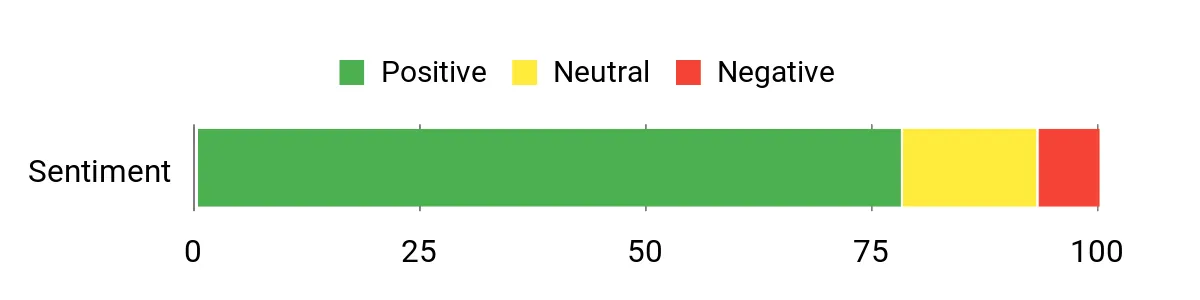
Readers commonly praise the book for its actionable advice and clear focus on smallmouth behavior. Many highlight the helpful diagrams and step‑by‑step tactics that make it easy to try new retrieves on the water.
A few mention it assumes some baseline casting skill, but most appreciate the practical, no‑nonsense approach.
Overall Sentiment: Positive
Versatility
Works as a field reference during trips, a study guide for improving specific techniques, and a hands‑on companion for tying patterns aimed at smallmouth.
Indoor/Outdoor Usability
Compact and readable in the field, with diagrams suited to quick consults; better for applied learning on the water than for deep theoretical study indoors.
Key Benefits
- Practical, species‑specific tactics you can apply immediately
- Clear explanations of retrieves, setups, and presentations
- Useful illustrations and examples that simplify complex moves
- Good resource for both river and lake smallmouth anglers
Rating: 4.6 (total: 141+)
Game Changer
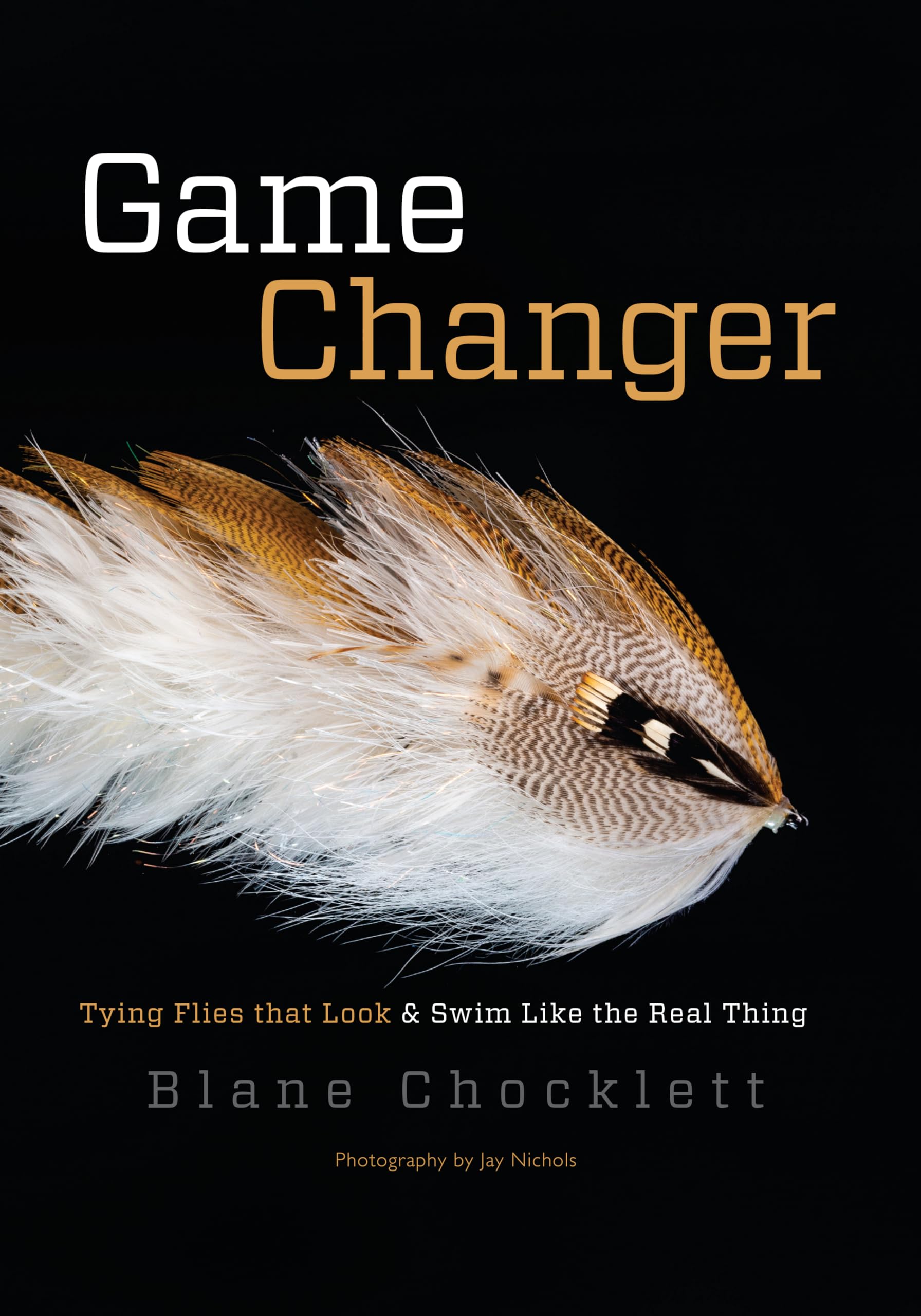
You’ll find detailed tying sequences and practical tips that push patterns closer to how insects and baitfish actually move. The book is laid out for use at the vise, with clear photo sequences and technique notes you can test during a tying session.
It’s useful for daily practice when you’re refining a specific pattern and for special projects when you want to produce museum‑quality streamers or realistic terrestrials. If you tie to catch fish and care about movement and proportion, this one belongs on your bench.
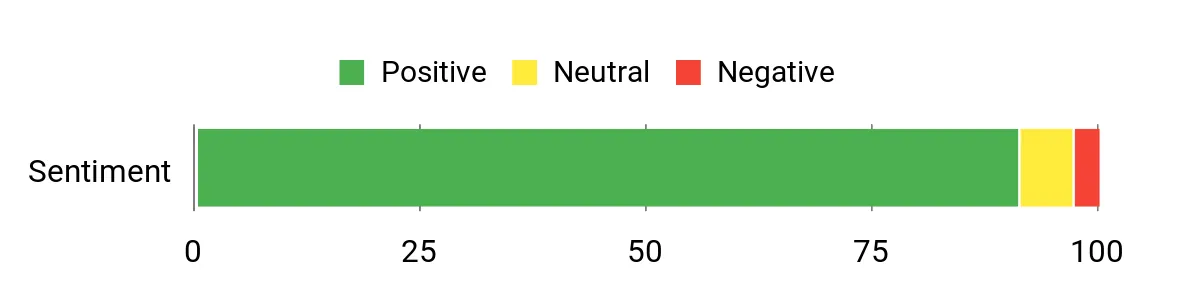
What People Say
Readers often highlight the clarity of the photo sequences and how those images make difficult steps approachable. Many appreciate the book’s emphasis on movement and proportion, saying it helped them tie flies that perform better in the water. A handful note some patterns require patience and materials that stretch skill levels, but most find the instruction worth the effort.
Overall Sentiment: Positive
Versatility
Use it as a bench reference for everyday tying, a study guide when you want to learn new builds, or a sourcebook for special project patterns aimed at specific species or conditions.
Indoor/Outdoor Usability
Designed for indoor use at the vise or tying bench; its large-format photos and detailed steps aren’t optimized for field reference but are ideal for studio study and hands‑on practice.
Key Benefits
- Step‑by‑step photo sequences that simplify complex builds
- Focus on lifelike movement and realistic proportions
- Patterns suitable for both freshwater and saltwater targets
- Great reference for improving both tying technique and presentation
Rating: 4.8 (total: 269+)
Tenkara Guide

You’ll find a focused manual that explains tenkara’s minimalist approach and how it changes your thinking on presentation and gear. The book walks through basics and advanced tips in a compact format that’s easy to absorb before a trip or during downtime.
Use it to simplify kit choices, practice upstream nymphing alternatives, or explore the cultural roots of the method. It’s a strong pick if you want to try a lighter setup or rethink how you approach small‑stream fishing.
What People Say
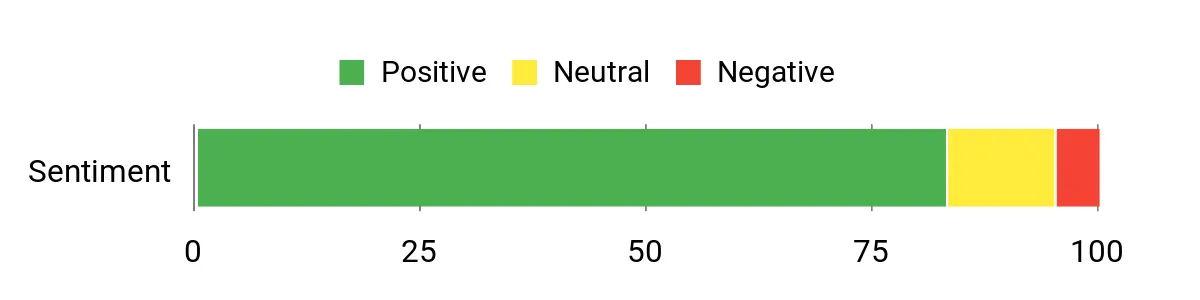
Readers often praise how the guide demystifies tenkara and makes the method approachable, noting the straightforward explanations and useful drills. Many appreciate the emphasis on simplicity and how it helped them trim unnecessary gear.
A minority wish for more regional adaptation or expanded technique depth, but most find it a helpful starting point.
Overall Sentiment: Positive
Versatility
Works as a pre‑trip primer, a travel‑friendly manual on your device, and a compact refresher when you want to practice minimalist casts or adapt techniques to small streams.
Indoor/Outdoor Usability
The ebook format is convenient for mobile reading and quick reference at the river, though its print‑replica layout is best viewed on a tablet rather than a tiny phone screen. It’s built for learning and field application rather than long‑form studio study.
Key Benefits
- Clear introduction to tenkara technique and gear philosophy
- Practical drills that translate quickly to the stream
- Compact, focused content ideal for newcomers and minimalists
- Good blend of history and hands‑on instruction
Rating: 4.6 (total: 308+)
Fly Casting
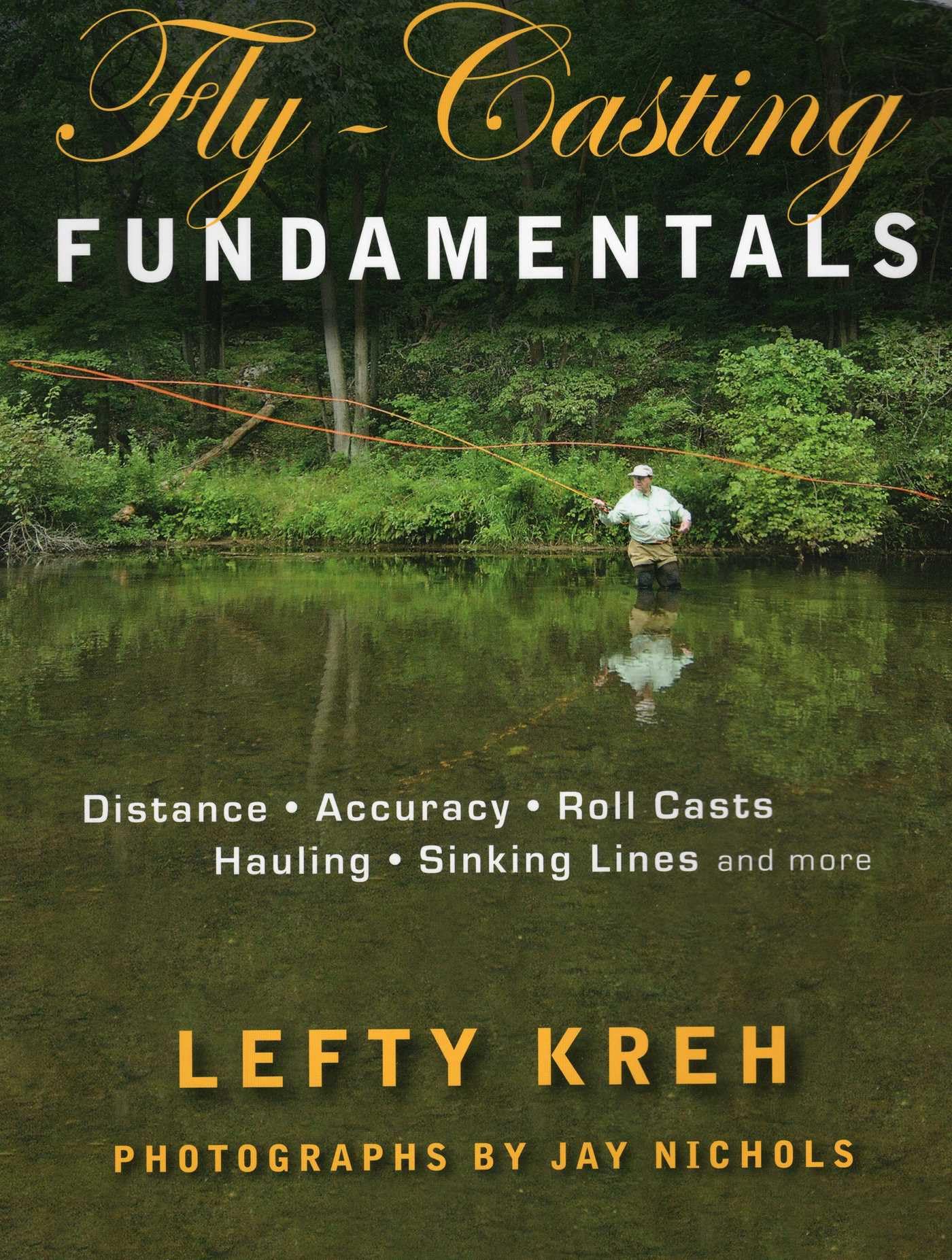
You’ll find methodical instruction on the mechanics that control line speed, timing, and accuracy. The book uses clear illustrations and step‑by‑step drills to break down common casting faults and teach repeatable motions.
Use it for regular practice sessions to build muscle memory, to refine distance and presentation before a trip, or as a reference when a specific casting problem needs fixing. If you want measurable improvement in your casts, this one gives a practical, technique‑first path.
What People Say
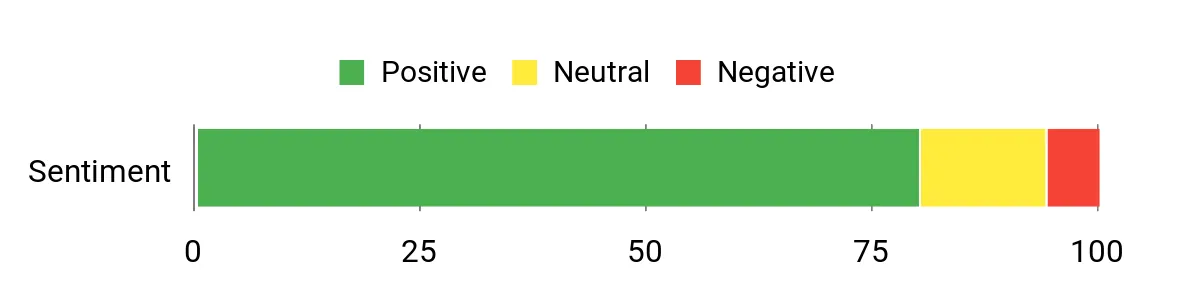
Readers often praise the book’s straightforward illustrations and the usefulness of the drills for improving accuracy and distance. Many appreciate how the stepwise approach makes complex motions easier to practice, while a few note it expects time on the water to see results. Overall, users find it a reliable technical guide rather than a quick‑fix solution.
Overall Sentiment: Positive
Versatility
Works as a study aid at home, a practice guide on a lawn or casting pond, and a field reference when you want to diagnose a fault during a session.
Indoor/Outdoor Usability
The illustrated format is handy for indoor study and dry‑fly practice, and the drills are directly applicable outdoors at a casting pond or on the riverbank. It’s equally useful on the bench and in low‑pressure field practice sessions.
Key Benefits
- Clear, illustrated breakdowns of core casting mechanics
- Practical drills that translate directly to the water
- Focus on distance and accuracy for real‑world improvements
- Useful reference for correcting common casting errors
Rating: 4.6 (total: 142+)
Active Nymphing
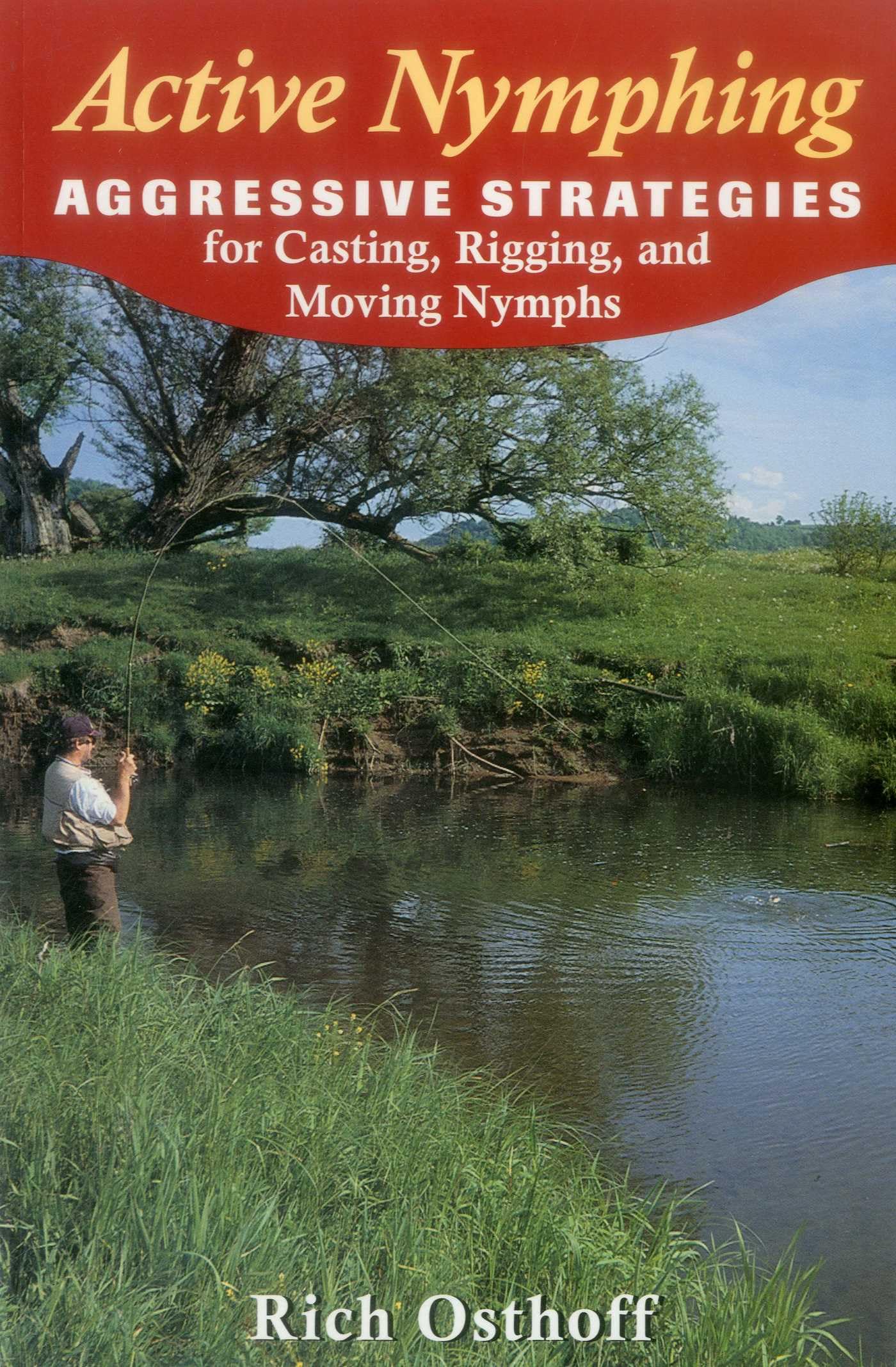
You’ll find focused methods for fishing nymphs actively rather than waiting for passive drifts. The book breaks down line control, high‑sticking, and movement strategies with practical drills you can repeat on the river. Use it as a regular practice guide to sharpen your nymphing game, a pre‑trip refresher when you expect tricky currents, or a reference when you want to troubleshoot lost hookups.
If you want more strikes from subsurface presentations, this book gives concrete, testable approaches.
What People Say
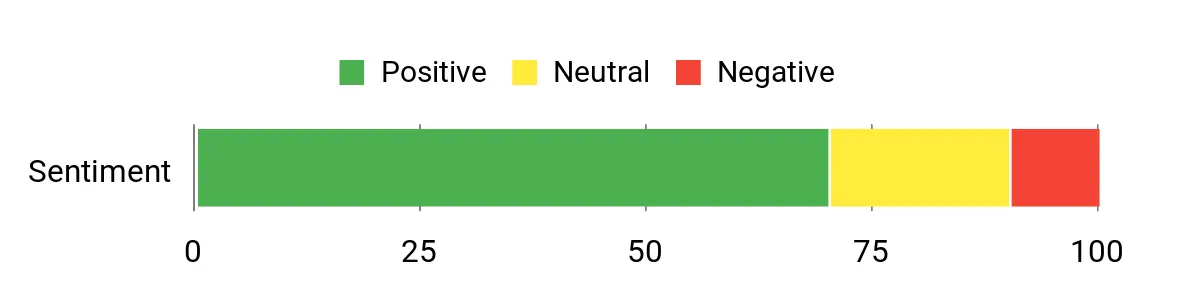
Readers commonly appreciate the book’s practical orientation and say the drills helped them detect subtle takes more reliably. Many note the explanations of line‑handling and setup choices are the most immediately useful parts, while a few mention the aggressive style requires practice to master. Overall, anglers value the hands‑on guidance for improving subsurface tactics.
Overall Sentiment: Positive
Versatility
Serves as a field primer during trips, a practice manual for short shore sessions, and a troubleshooting reference when you want to refine a specific nymphing move.
Indoor/Outdoor Usability
Compact and straightforward enough to review indoors before a trip, and its stepwise drills are directly applicable outdoors at a river or stream; best used in combination with on‑water practice.
Key Benefits
- Actionable tactics that translate quickly to better hookup rates
- Clear focus on line control and detection techniques
- Drills and setups you can practice on short sessions
- Useful troubleshooting advice for common nymphing faults
Rating: 4.4 (total: 26+)
FAQ
How Do I Choose The Right Book?
Start by identifying what you want to improve or enjoy: technique, insect ID, fly tying, or inspiration. If you want practical gains on the water pick a focused how‑to or field guide; if you want to deepen your appreciation of the sport choose narrative or photography volumes.
Check sample pages or a table of contents to confirm the level of detail and the presence of photos or step sequences, and match your goal to the book’s primary focus before you buy.
Are These Books Suitable For Beginners?
Many titles on this list work well for newcomers, but suitability depends on the topic and format. Basics like casting fundamentals, the bug book, or a tenkara primer are designed to get you started, while advanced tying books and species‑specific manuals assume some familiarity.
Pair a beginner‑friendly text with on‑water practice and shorter drills to turn concepts into usable skills quickly.
How Can I Use These Books While Fishing?
Use compact field guides or ebooks for quick in‑stream identification and keep larger photography or tying books for pre‑trip planning and bench work. Audiobooks are handy for commutes and long drives, while illustrated manuals are best at the vise or for slow evening study.
Protect printed guides from moisture with a simple sleeve or dry bag, and prioritize quick‑reference features like photos, life‑stage notes, and clear step sequences when you plan to consult a title on the water.
Customer Preferences
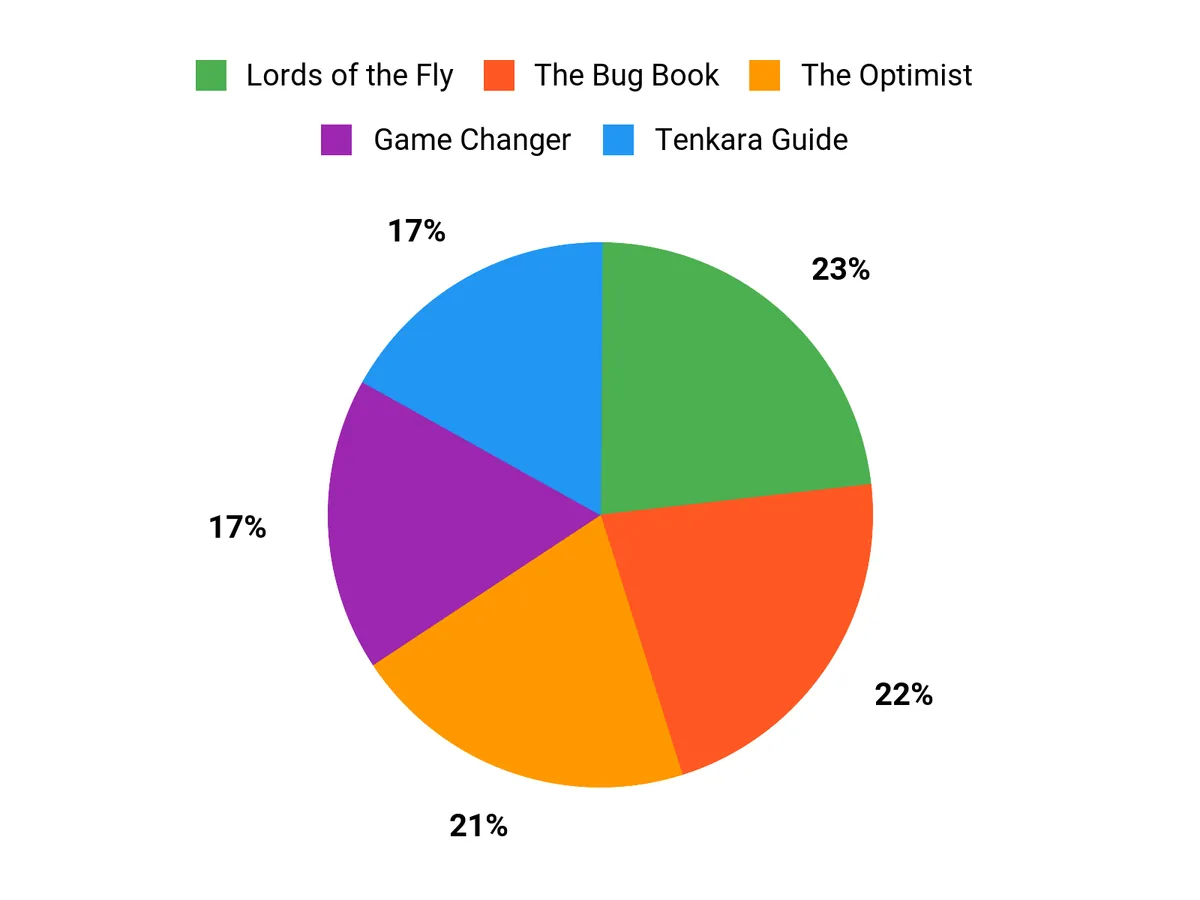
When choosing between these titles you typically prioritize purpose: immersive storytelling and character-driven reporting if you want narrative depth (Lords of the Fly), large‑format imagery and production quality if you want inspiration or display (Salt Photography), and compact, practical identification and fly‑matching if you need on‑water utility (The Bug Book). Match the book to how you spend time—reading for pleasure, studying composition, or carrying a field guide—and the right choice becomes clear.
Wrapping Up
Choose a book that aligns with your immediate goal: develop a specific skill, learn insect identification, explore a new style like tenkara, or enjoy a well crafted narrative. Technical manuals and focused how‑tos will accelerate your on‑water performance, while photography and narrative volumes expand your perspective and keep you inspired.
With the right selection from this list you will spend less time guessing and more time improving your craft.
| Product Name | Image | Rating | Publisher | Publication Date | Print Length | Dimensions | Item Weight |
|---|---|---|---|---|---|---|---|
| Lords of the Fly: Madness, Obsession, and the Hunt for the World Record Tarpon |
|
4.8/5 (N reviews) | Pegasus Books | September 1, 2020 | 304 pages | 6 x 1.2 x 9 inches | 1.05 pounds |
| Salt: Coastal and Flats Fishing Photography by Andy Anderson |
|
4.9/5 (N reviews) | Rizzoli | April 1, 2014 | 208 pages | 12.85 x 1.02 x 9.4 inches | 2.31 pounds |
| The Bug Book: A Fly Fisher’s Guide to Trout Stream Insects |
|
4.6/5 (N reviews) | Headwater Books | September 1, 2016 | 118 pages | 5.76 x 0.5 x 8.73 inches | 2.31 pounds |
| The Optimist: A Case for the Fly Fishing Life |
|
4.6/5 (N reviews) | Simon & Schuster Audio | May 4, 2021 | 7 hours and 30 minutes (audiobook) | N/A | N/A |
| Smallmouth: Modern Fly-Fishing Methods, Tactics, and Techniques |
|
4.6/5 (N reviews) | Stackpole Books | October 1, 2017 | 240 pages | 5.93 x 0.6 x 9.04 inches | 1.00 pounds |
| Game Changer: Tying Flies that Look and Swim Like the Real Thing |
|
4.8/5 (N reviews) | Headwater Books | November 1, 2020 | 248 pages | 8.76 x 0.74 x 11.38 inches | 2.35 pounds |
| tenkara: A Complete Guide to the Techniques, Gear, History, and Philosophy of Tenkara, the Japanese Method of Fly-Fishing |
|
4.6/5 (N reviews) | Tenkara Press | March 30, 2017 | N/A (eBook) | N/A | N/A |
| Fly-Casting Fundamentals |
|
4.6/5 (N reviews) | Stackpole Books | December 8, 2011 | 144 pages | 8.5 x 0.4 x 11 inches | 1.19 pounds |
| Active Nymphing |
|
4.4/5 (N reviews) | Stackpole Books | December 19, 2005 | 192 pages | 5.99 x 0.85 x 8.88 inches | 11.9 ounces |
This Roundup is reader-supported. When you click through links we may earn a referral commission on qualifying purchases.